Cold creek water ran over my sneakers while I stood near the spot where a 12-year-old boy pulled a 17?pound yellow rock out of the water in 1799, a rock his family used as a doorstop for three years before anyone realized it was gold.
I had pulled off a quiet country road in North Carolina expecting a small marker and maybe a plaque, and instead I found nearly 900 acres of woods, creeks, and tunnels carved straight into rock.
That single find kicked off America’s first gold rush, decades before anyone shouted about California. The boy’s name was Conrad Reed, and the creek was Little Meadow, and the discovery changed the region forever.
I walked the trails that wound past the remains of the mineshafts and stamp mills that followed that discovery, and the whole place felt like a reminder of how easily history hides in plain sight.
Standing there with the water running over my boots, I kept thinking about how a doorstop could shift the course of a nation.
The Doorstop That Was Worth a Fortune
Conrad Reed was only 12 years old when he waded into Little Meadow Creek in 1799 and spotted something heavy and yellow sitting in the shallows. He hauled it home.
Nobody in the family knew what it was.
For three whole years, that nearly 17-pound chunk of gold propped open a door on a working farm in Cabarrus County. I love that detail because it feels so ordinary and so human at the same time.
In 1802, Conrad’s father John Reed finally carried the rock to a jeweler in Fayetteville, who recognized it immediately for what it was. John sold it for three dollars and fifty cents, roughly a week of farm wages back then.
The nugget’s real value sat closer to thirty-six hundred dollars.
Learning that inside the visitor center made me wince out loud, and I was not the only one. A kid next to me asked his mom if the family ever got the money back.
They did not, though John Reed later reportedly learned enough to negotiate better.
The story sets the tone for the entire site, part luck, part heartbreak, entirely unforgettable.
Little Meadow Creek, Where It All Began
The creek itself is almost comically modest. Narrow, shallow, lined with smooth stones and a few fallen branches, it looks like any other stream you would step over without a second thought.
I spent a while just watching the water move, because knowing what came out of it changes how you see it. Kids splash around the edges here, and honestly, so did I.
Little Meadow Creek runs through the property and is reachable from the trail system, so wear shoes you do not mind getting muddy. Spring rains make it livelier, while late summer can leave it slow and glassy.
There is no fence, no dramatic monument, just water doing what water has done for centuries. That understatement is exactly what makes it powerful.
Turtles sun themselves on rocks nearby, and I spotted birds darting between the low branches on my walk. Bring a small towel if you plan to let children wade.
Standing water plus North Carolina summer means mosquitoes, so pack repellent between May and September. Ten quiet minutes here does more for your imagination than any exhibit panel could.
Guided Walks Through the Underground Tunnels
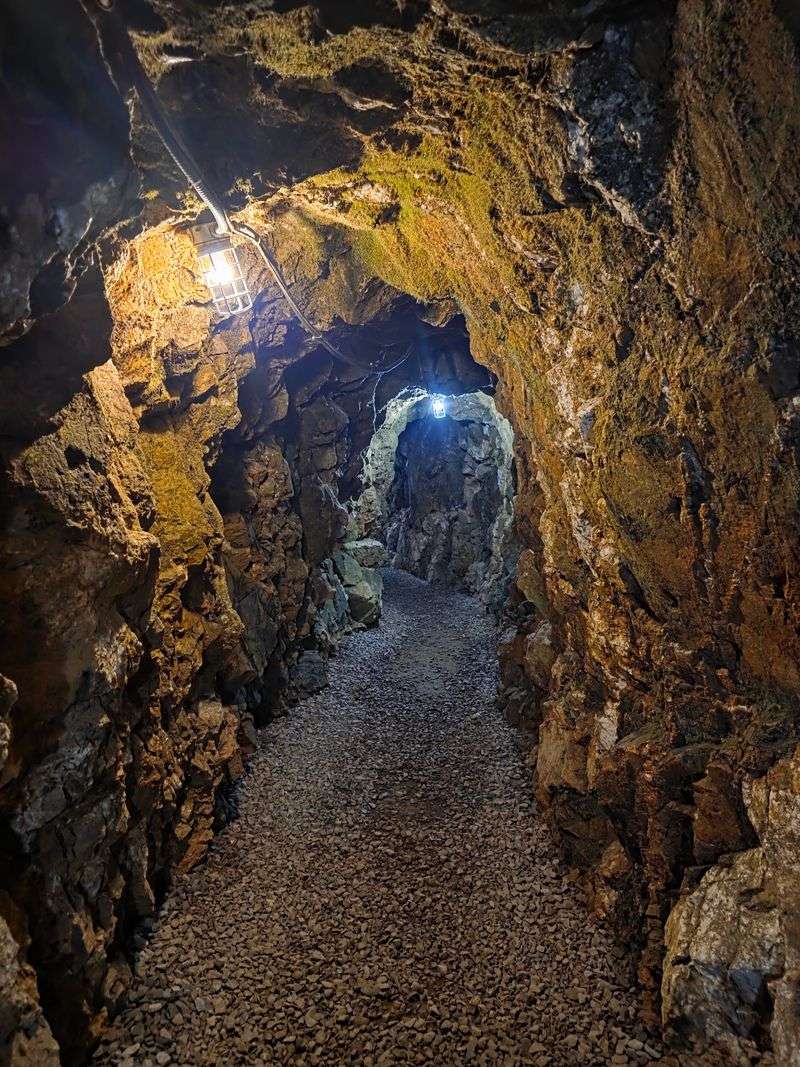
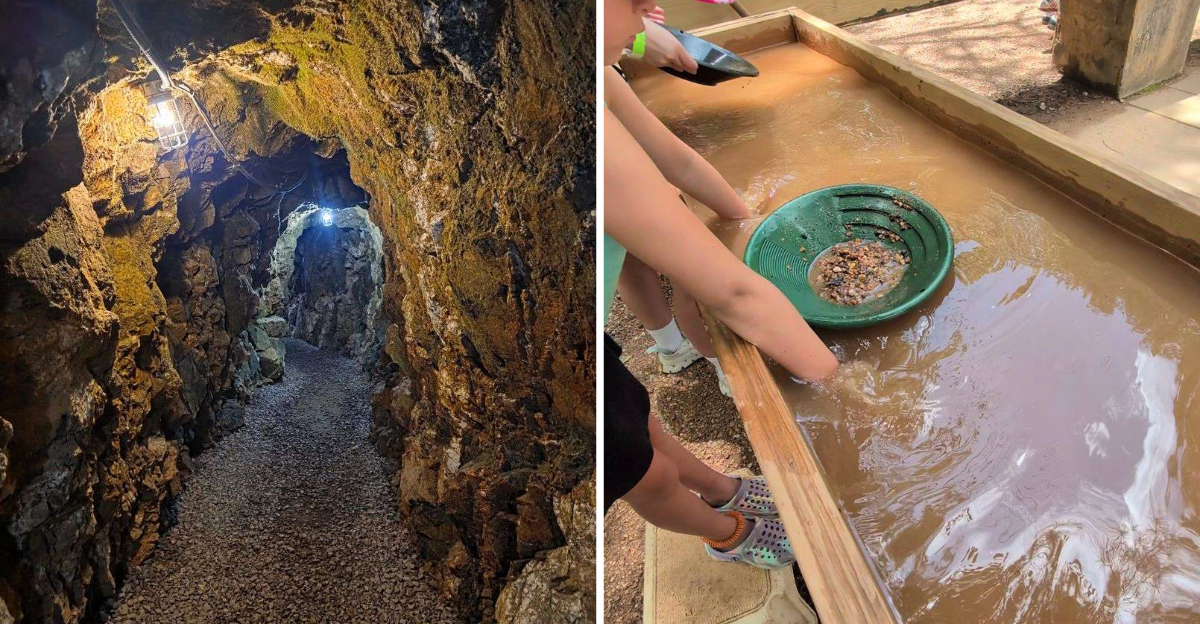
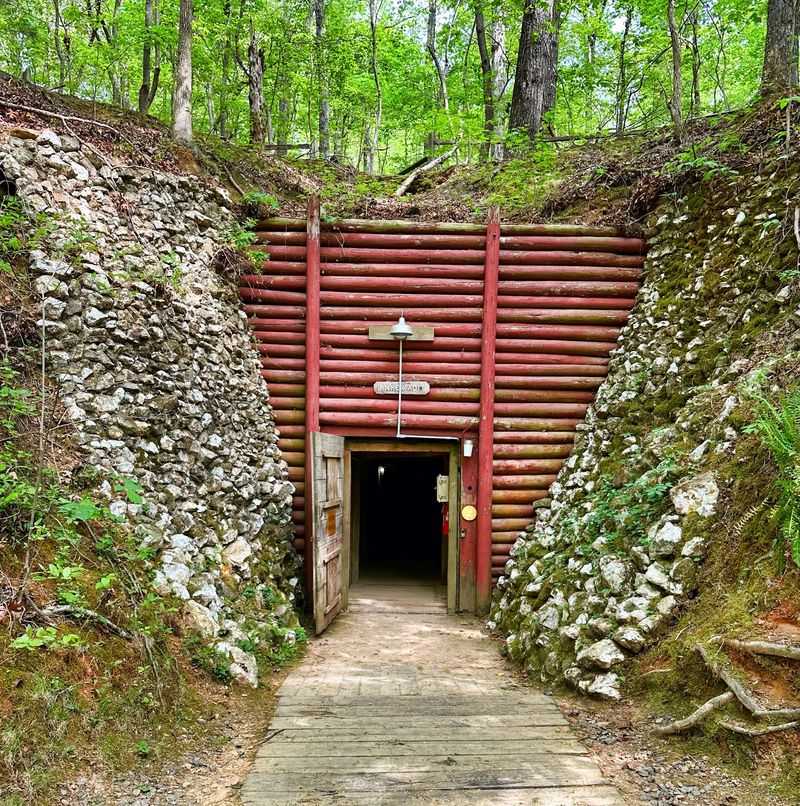
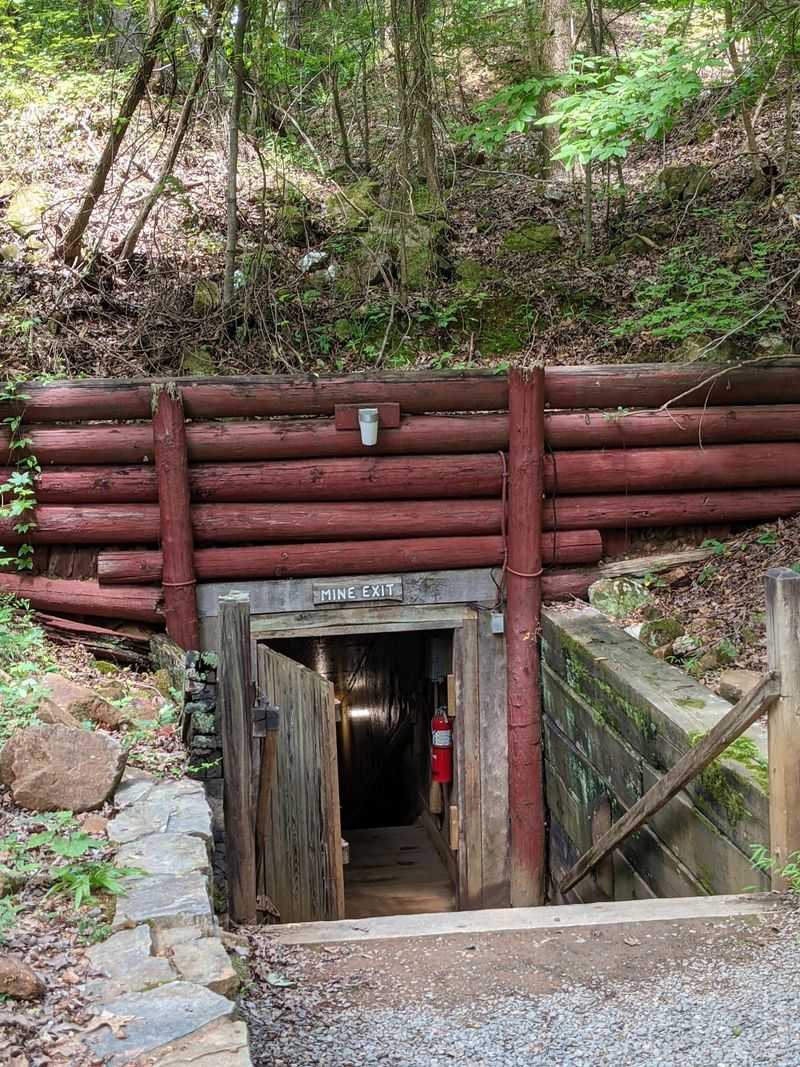
Cool air hits you before you reach the tunnel entrance, and on a 95-degree day that alone feels like a small miracle. Inside, the temperature hovers around 60 degrees year-round.
The walls stay damp and smell like fresh soil after rain.
Guides lead every group now, since self-guided tunnel walks are no longer offered. Mine explained how the Reed operation shifted from picking gold out of creek gravel to blasting into hard quartz veins underground.
Tunnels are narrow in spots, low in others, and lined with rough rock that glitters when a flashlight catches it. Bring a UV flashlight if you have one, because the walls genuinely sparkle under it.
Tiny bats roost in the ceiling cracks, and spotting one became a game for the children on my tour. Staff estimate around thirty live in there.
Steep stairs lead out at the end, which caught a few people off guard. Wheelchairs with tunnel-ready tires are available, though one flight remains a challenge.
Tours stop mid-afternoon, so arrive early. Booking ahead saves you a wait when school groups fill slots.
Panning for Gold in the Outdoor Trough
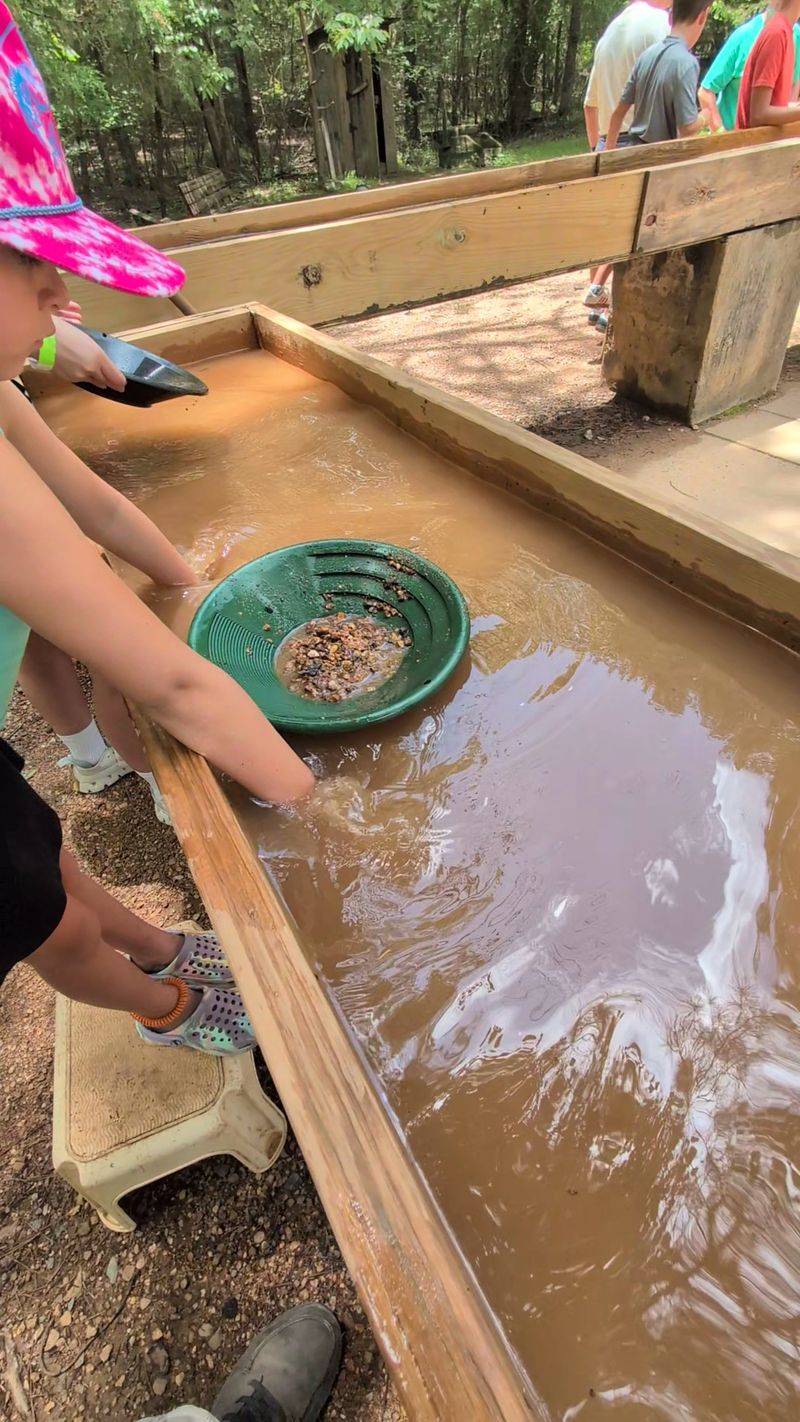
Swirling a pan of gravel and water looks easy until you try it. My first three attempts washed away everything, probably including whatever gold I had.
The staff member watching over the trough corrected my angle without making me feel silly.
Panning runs seasonally, roughly April through October, and costs a small fee paid at the information desk. Sessions pause during lightning, heavy rain, or dangerous heat, which is a sensible call in a Carolina July.
What you find will be flakes, not nuggets, and sometimes nothing at all. Two groups near me came up empty while a family a few spots down found a speck the size of a pinhead and cheered like they had won something.
Attendants check your pan and tell you honestly what you have. That part is genuinely fun.
One winter visitor mentioned the water being warmed, a small kindness that says a lot about the people running it. If the trough is closed, the visitor center sells pans and bags of pay dirt so you can keep trying at home.
Patience matters more than skill here.
Peter’s 28-Pound Discovery and the Labor Behind the Gold
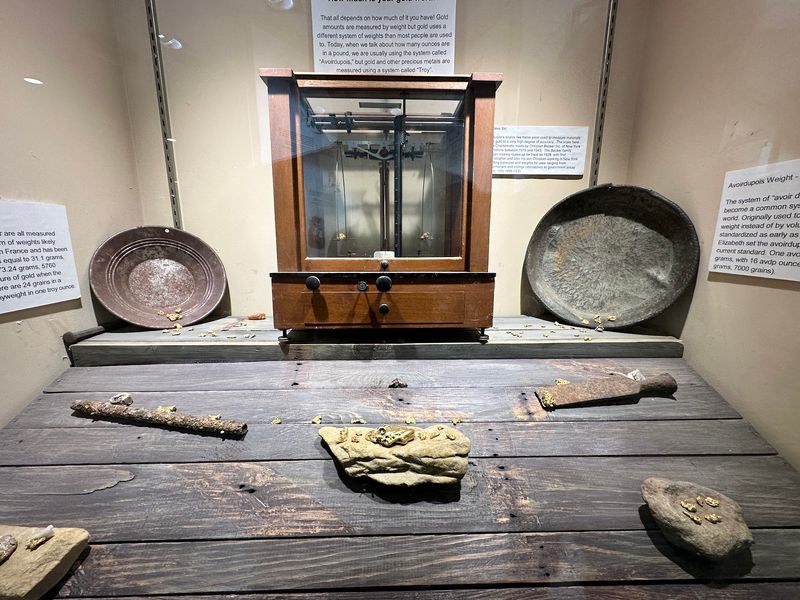
Not every part of this history is comfortable, and the site does not pretend otherwise. When John Reed organized his mining operation around 1803, he partnered with three local men who supplied equipment and used enslaved labor.
During that very first year, an enslaved boy named Peter found a 28-pound nugget in the creek. It remains the largest documented nugget ever pulled from Reed Gold Mine and the largest recorded in the eastern United States.
Reading that panel slowed me down considerably. The person who found the single most valuable object in the mine’s history had no claim to any of it.
Exhibits address this directly rather than tucking it into a footnote, and I appreciated the honesty. Gold mining across the Carolina Piedmont depended heavily on enslaved workers doing the digging, hauling, and washing.
Guides bring it up on tours too, framing the wealth alongside who actually produced it. Bring older kids into this conversation if you can.
Understanding the full picture makes the gleaming nuggets in the display cases feel far more complicated. It also makes the visit stick with you longer.
The Visitor Center Museum and Its Glittering Cases
Air conditioning, clean restrooms, and cases full of gold make the visitor center an easy first stop. I walked in planning to spend fifteen minutes and stayed nearly an hour.
Displays cover raw nuggets, quartz specimens, antique picks and drills, assay equipment, and finished gold products. Geology sections explain how gold ended up locked inside Piedmont rock in the first place, which was the part that surprised me most.
An orientation film called Carolina Gold plays inside and gives you the timeline before you head outdoors. Watching it first genuinely improved my tunnel tour, because I already knew who the Reeds were.
Younger children may declare the museum boring, as one grandfather’s grandkids apparently did, but the flashing nuggets usually win them over.
Staff at the front desk answer questions patiently and hand out free trail maps, which you should absolutely take. Tickets for tours and panning are purchased here as well.
The gift shop stocks polished rocks, panning kits, extra pay dirt, and small vials of gold flakes. Vending machines sit just outside the door.
General admission to the site costs nothing.
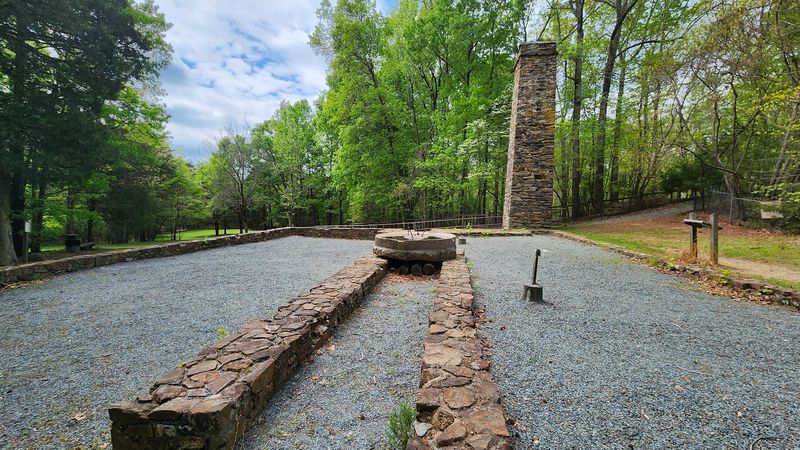
Watching the 1898 Ten-Stamp Mill Come to Life
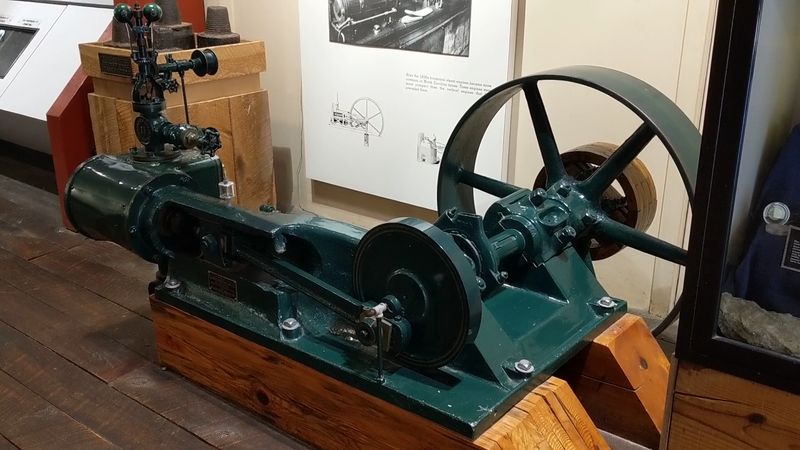
Loud does not begin to cover it. When the 1898 ten-stamp mill runs, heavy iron stamps drop repeatedly onto quartz ore and the whole building seems to shake.
Demonstrations happen seasonally, generally March through November, and catching one is worth planning around. Ask at the front desk when you arrive.
The machine’s job was simple and brutal: crush rock into powder so the gold trapped inside could be separated out. Watching it work explains more about industrial mining than any diagram I have ever read.
Miners spent long days beside machines like this, and after two minutes of that noise I understood why hearing loss was common.
Even when it sits silent, the mill is impressive to look at. Massive timbers, iron cams, and belts fill the structure, all restored and interpreted with signage.
Photographers will like the light that filters through the wooden slats in late afternoon.
Kids who found the museum too quiet tend to perk right up here. It is machinery, it is enormous, and it makes an absolute racket, which is a winning combination for most nine-year-olds.
Picnic Tables, Open Fields, and Slow Afternoons
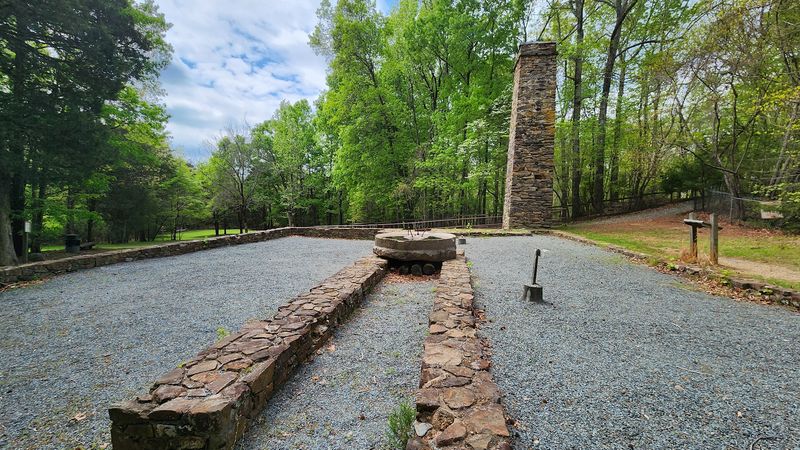
Some places rush you through. This one lets you linger, and the picnic areas are proof.
Tables sit scattered near the visitor center and along the grounds, most of them shaded by mature trees. A wide grassy field spreads out nearby, big enough for kids to run off whatever energy the tour did not use.
I watched one family unpack sandwiches while their children rolled down a small slope, and it looked like the best possible use of a Saturday.
Packing lunch is smart since Midland is rural and dining options are not clustered nearby. Vending machines cover drinks and snacks if you forget.
Trash cans are available, and the grounds stay tidy, so pack out what you bring in.
Afternoon light through the trees here is genuinely lovely, especially in October when the hardwoods turn. Spring brings dogwood blooms across the property.
Groups sometimes reserve the space for events, and geology talks can be arranged for organized groups through the site.
Budget a full half day rather than a quick stop. The pace of the place rewards people who are not watching the clock.
Planning Your Trip, Hours, Days, and Getting There
Timing trips out here takes a little care, mostly because the site keeps a limited weekly schedule. Doors open Tuesday through Saturday from 9 a.m. to 5 p.m., and everything stays closed Sunday, Monday, and on designated state holidays.
I made the mistake of assuming a Sunday visit would work. It did not, and the drive back was quiet.
Tunnel tours wrap up in the mid-afternoon, well before closing, so arriving after three risks missing the best part. Late morning gives you the most flexibility.
Midland sits roughly half an hour east of Charlotte, and the final approach follows two-lane country roads past farmland and pine stands. Cell service can get patchy, so download directions ahead.
Parking is free and rarely tight except during school field trip season in spring and fall.
General admission costs nothing, with small fees only for the guided tunnel tour and panning. Calling ahead at 704-721-4653 confirms whether panning and mill demonstrations are running that day.
Weekday mornings tend to be busiest with student groups, while Saturdays feel more relaxed.
Address: 9621 Reed Mine Rd, Midland, North Carolina 28107
