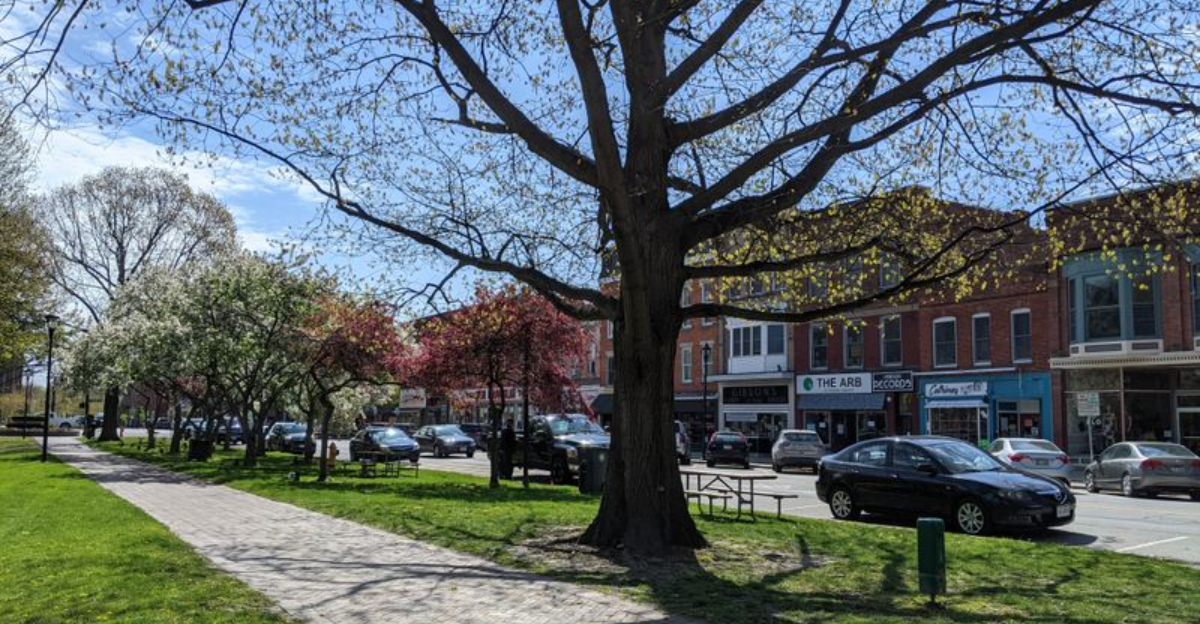
Ohio doesn’t always get the credit it deserves when people talk about exciting places to visit or live.
Many small towns across the state have been unfairly labeled as boring or unremarkable by outsiders who have never experienced what they truly offer.
But behind those quiet streets and modest storefronts, something remarkable is happening.
These communities are thriving in ways that might surprise you, with strong local economies, tight-knit neighborhoods, and hidden gems that make life there genuinely fulfilling.
While flashy cities grab headlines, these Ohio towns are quietly building success stories worth celebrating.
From innovative businesses to vibrant arts scenes and outdoor adventures, these places prove that excitement doesn’t always come with noise and crowds.
Residents know the truth: life in these towns offers quality, opportunity, and charm that outsiders often miss.
So before you write off a place as dull, take a closer look at what’s really going on beneath the surface.
You might just discover that boring is actually the last word you’d use to describe these thriving Ohio communities.
Let’s explore seven towns that are rewriting the script on what it means to be small, successful, and seriously underrated.
1. Marietta: River Town with Historic Roots
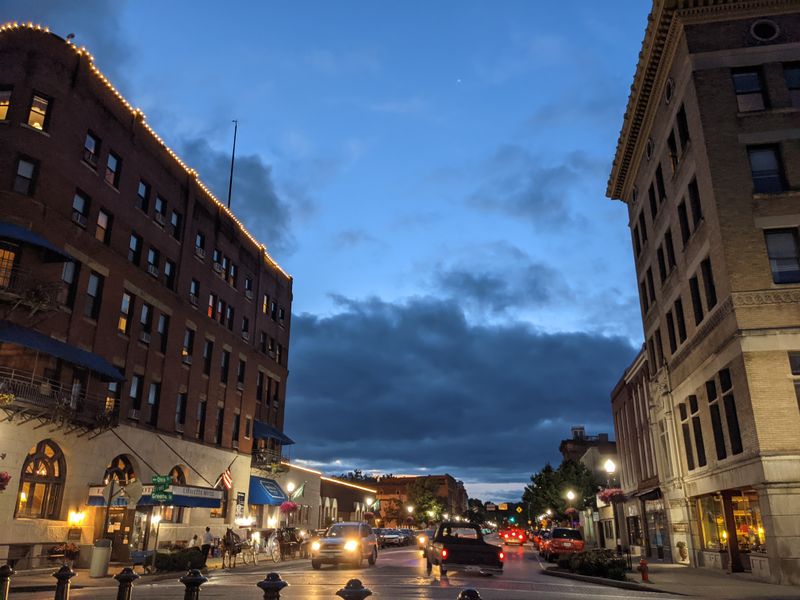
Nestled along the Muskingum River, Marietta holds the distinction of being Ohio’s first permanent settlement, founded in 1788.
While some might assume a historic river town would be stuck in the past, Marietta has transformed its heritage into a thriving tourism and cultural economy.
The downtown area buzzes with locally owned shops, art galleries, and restaurants that draw visitors from across the region.
The town’s riverfront has become a major attraction, with the Ohio River Museum at 601 Front Street showcasing the area’s rich maritime history.
Paddlewheelers still cruise the waters, offering scenic tours that highlight both natural beauty and historical significance.
The Armory Square area hosts festivals throughout the year, creating community gatherings that strengthen local bonds and attract outside dollars.
Marietta College brings youthful energy and intellectual vitality to the community, with students contributing to local businesses and cultural events.
The institution’s presence ensures a steady flow of ideas, innovation, and educated workers who often choose to stay after graduation.
This creates a cycle of growth that benefits everyone in town.
Manufacturing and healthcare sectors provide stable employment opportunities, with several companies choosing Marietta for its quality of life and strategic location.
The cost of living remains reasonable, allowing families to own homes and build wealth while enjoying small-town advantages.
Outdoor enthusiasts appreciate easy access to hiking, boating, and fishing, making weekends feel like mini-vacations.
Local leaders have invested wisely in infrastructure and business development, creating an environment where entrepreneurs can launch ventures successfully.
Far from boring, Marietta demonstrates how honoring the past while embracing the future creates a community where people genuinely want to live and work.
2. Granville: Academic Excellence Meets Small-Town Charm
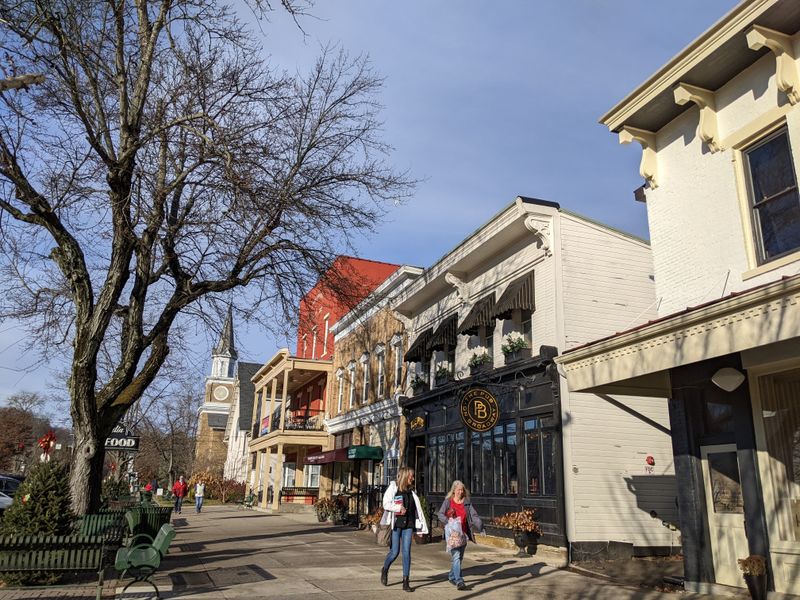
Picture a New England village somehow transported to central Ohio, and you’ve got Granville.
This picturesque town centers around a classic village green, surrounded by beautifully preserved 19th-century architecture that makes you feel like you’ve stepped back in time.
But don’t let the historic appearance fool you into thinking nothing modern happens here.
Denison University anchors the community, bringing academic rigor, cultural programming, and economic stability to the area.
The university’s presence means world-class performances, lectures, and art exhibitions are regularly available to residents.
Students and faculty create a diverse, intellectually curious population that keeps conversations interesting and perspectives fresh.
Broadway Street offers an impressive collection of boutiques, cafes, and specialty shops that would make much larger towns envious.
The Granville Inn provides elegant dining and lodging, attracting visitors who spend money throughout the community.
Whittington’s Jerky at 144 East Broadway Street has gained a cult following, with people driving from Columbus just to stock up on their unique flavors.
The Granville Recreation District manages extensive parks, trails, and facilities that promote active lifestyles for all ages.
Families appreciate the excellent public schools, safe neighborhoods, and strong sense of community that makes raising children here feel like a privilege.
Property values remain strong because demand consistently exceeds supply in this desirable location.
Local businesses thrive because residents actively support them, understanding that keeping dollars local strengthens everyone’s quality of life.
Seasonal festivals and farmers markets create regular opportunities for neighbors to connect and celebrate together.
Granville proves that a town can honor tradition while fostering innovation, creating a dynamic place where people build meaningful lives rather than just passing through.
3. Yellow Springs: Creative Hub with Counterculture Vibes
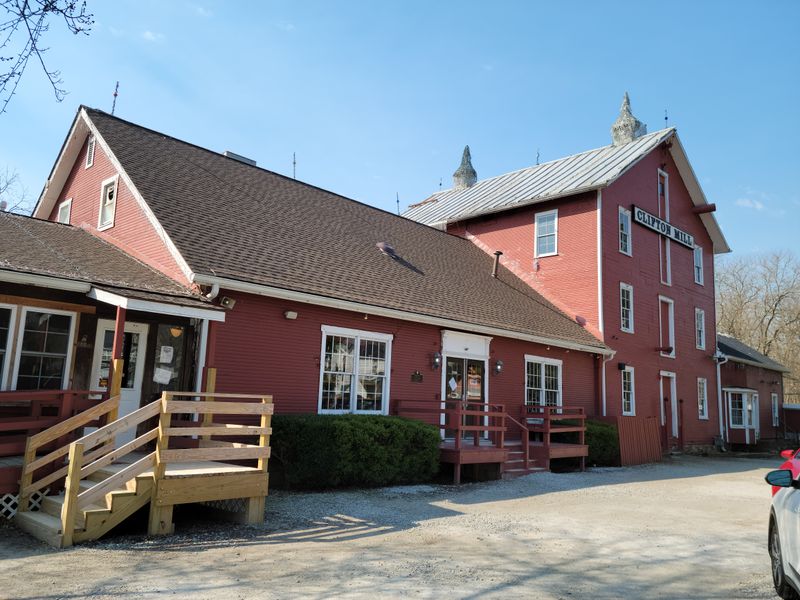
Yellow Springs has never worried about being called boring because it’s always marched to its own beat.
This tiny village of fewer than 4,000 residents punches way above its weight in cultural impact and economic vitality.
The creative energy here is palpable, with artists, musicians, writers, and free-thinkers choosing Yellow Springs as their home base.
Xenia Avenue serves as the main street, lined with eclectic shops, galleries, and eateries that reflect the community’s independent spirit.
The Emporium at 245 Xenia Avenue offers vintage treasures and handmade goods that you simply won’t find anywhere else.
Young’s Jersey Dairy, located just outside town at 6880 Springfield-Xenia Road, draws massive crowds with its working farm, miniature golf, and legendary ice cream.
Antioch College has deep roots here, historically known for progressive education and social justice commitments that shaped the town’s character.
Even during periods when the college faced challenges, the community maintained its commitment to inclusivity, environmentalism, and creative expression.
Today, that legacy continues attracting people who value diversity and independent thinking over conformity.
Glen Helen Nature Preserve offers 1,000 acres of trails, waterfalls, and natural beauty right within the village boundaries.
Residents can hike to stunning spots like the Yellow Spring itself, where iron-rich water bubbles up creating the distinctive color that gave the town its name.
This connection to nature complements the artistic atmosphere perfectly.
Small businesses flourish because visitors come specifically to experience Yellow Springs’ unique vibe and support its alternative economy.
Farmers markets, music festivals, and street fairs happen regularly, creating constant opportunities for commerce and community building.
Yellow Springs demonstrates that being different isn’t just okay; it can be the foundation for remarkable success and genuine thriving.
4. Oberlin: Progressive Thought Meets Practical Success
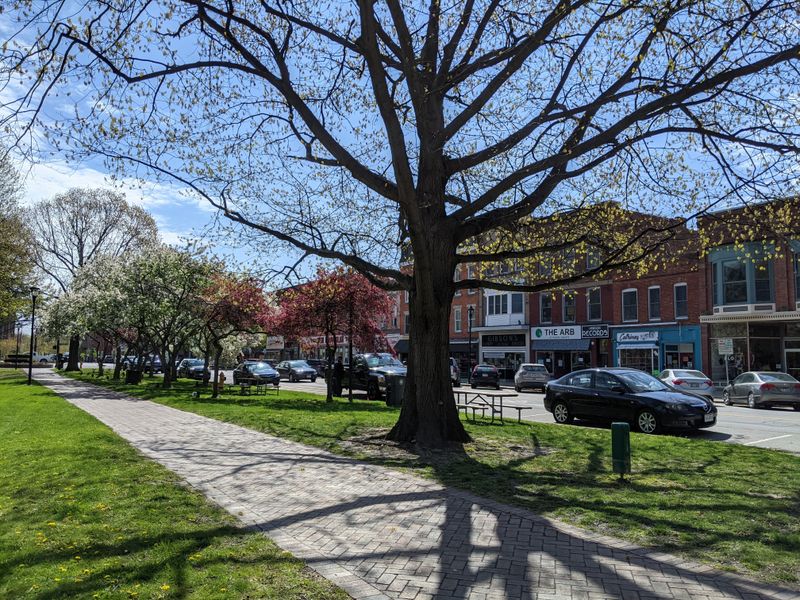
Few small Ohio towns can claim the historical significance and ongoing cultural impact of Oberlin.
This community of about 8,000 residents has been at the forefront of social progress since its founding, being the first American college to regularly admit African American students and women.
That legacy of forward-thinking continues shaping the town’s identity and economic approach today.
Oberlin College and Conservatory dominates the landscape both physically and culturally, but in ways that enrich rather than overwhelm the community.
World-renowned musicians perform regularly at the conservatory, offering residents access to performances that rival anything found in major cities.
The college’s commitment to sustainability has made Oberlin a laboratory for environmental innovation, attracting green businesses and conscious consumers.
Main Street features independent bookstores, fair-trade shops, and restaurants emphasizing local and organic ingredients.
The Feve at 30 South Main Street serves creative pub fare in a welcoming atmosphere that brings together students, professors, and longtime residents.
The Oberlin Farmers Market operates year-round, connecting local growers directly with consumers who value knowing where their food comes from.
The town’s commitment to social justice isn’t just historical; it’s actively practiced through community organizations, public discussions, and local policies.
This creates an environment where people feel empowered to make positive changes and contribute meaningfully to collective wellbeing.
Diverse perspectives are welcomed and debated respectfully, creating intellectual vitality that keeps minds sharp and engaged.
Economic stability comes from the college’s presence, but also from residents’ commitment to supporting local enterprises and sustainable practices.
Property values remain strong because demand for homes in this unique community consistently exceeds availability.
Oberlin shows that small towns can lead rather than follow, creating models of success that other communities study and attempt to replicate.
5. Chagrin Falls: Waterfall Wonder with Suburban Success
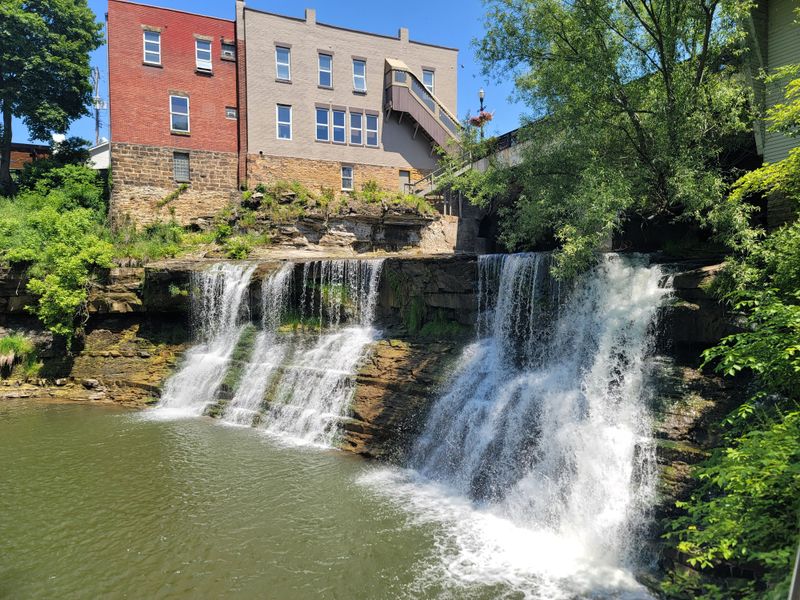
A genuine waterfall cascading through the center of town immediately sets Chagrin Falls apart from typical suburbs.
The Chagrin River drops 20 feet right in the heart of the village, creating a natural focal point that draws both residents and visitors to Triangle Park.
This geographic feature has shaped the community’s identity and become central to its appeal and economic success.
The downtown area radiates outward from the falls, with Main Street and Franklin Street offering upscale boutiques, galleries, and dining options.
The Popcorn Shop at 53 Main Street has been a beloved institution since 1949, with the aroma of fresh popcorn greeting everyone who walks by.
Fire Food and Drink at 13 River Street provides farm-to-table cuisine in a sophisticated yet approachable setting that attracts diners from throughout the Cleveland area.
Chagrin Falls maintains a village atmosphere despite being part of the greater Cleveland metropolitan area, carefully preserving its small-town character.
Strict architectural guidelines ensure new development complements rather than overwhelms the historic downtown.
This commitment to preservation has paid economic dividends, as people specifically seek out Chagrin Falls for its authentic charm and quality of life.
The school system consistently ranks among Ohio’s best, making the community especially attractive to families willing to invest in their children’s education.
Extensive park systems and recreational programs keep residents active and connected to their neighbors.
The South Chagrin Reservation, part of the Cleveland Metroparks system, provides thousands of acres of natural areas right on the village’s doorstep.
Real estate values reflect the desirability of living here, with homes maintaining strong appreciation over time.
Local businesses thrive because residents actively choose to shop local rather than defaulting to big-box stores or online retailers.
Chagrin Falls proves that natural beauty combined with community commitment creates lasting economic vitality and genuine quality of life.
6. Lebanon: Historic Preservation Drives Modern Economy
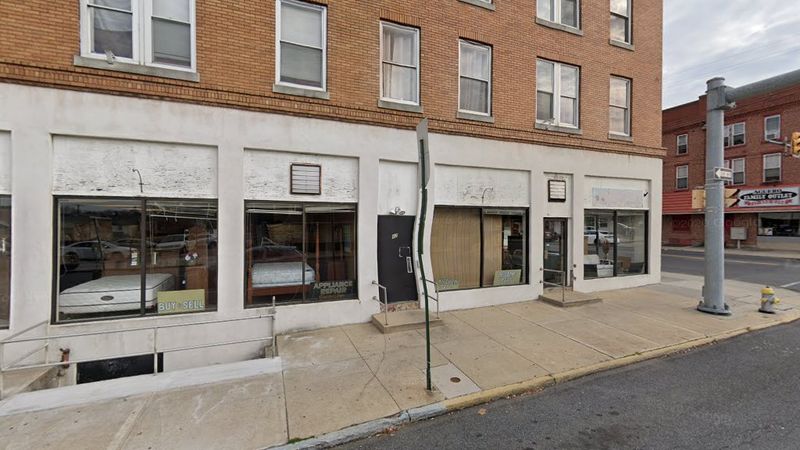
Step onto Lebanon’s downtown streets and you’re immediately transported to another era, with block after block of impeccably preserved 19th-century buildings.
But this isn’t a museum; it’s a living, working downtown where historic preservation has become an economic development strategy that actually works.
The community has leveraged its architectural heritage to create a destination that attracts visitors and supports thriving local businesses.
The Golden Lamb at 27 South Broadway Street holds the distinction of being Ohio’s oldest continuously operating inn, established in 1803.
Twelve presidents have stayed there, and today it continues drawing diners and overnight guests who appreciate authentic history combined with modern comfort.
The restaurant serves traditional American cuisine in dining rooms filled with antiques and historical artifacts that tell stories of the past.
Antique shops line Broadway and Main Streets, creating a shopping district that draws collectors and casual browsers from across the region.
The Village Ice Cream Parlor offers old-fashioned treats in a nostalgic setting that delights children and adults alike.
Seasonal festivals, including the renowned Ohio Renaissance Festival held nearby, bring thousands of visitors who spend money throughout the community.
Beyond tourism, Lebanon benefits from proximity to Cincinnati and Dayton, making it attractive to commuters seeking small-town living with big-city job access.
The school system maintains high standards, and recreational facilities serve residents of all ages.
Glendower Historic Mansion at 105 Cincinnati Avenue offers tours showcasing Greek Revival architecture and period furnishings that educate while entertaining.
Manufacturing and healthcare provide employment stability beyond the tourism sector, creating economic diversity that protects against downturns.
Local leaders have successfully balanced preservation with progress, allowing carefully planned growth that doesn’t compromise the town’s essential character.
Lebanon demonstrates that honoring history isn’t about living in the past; it’s about building a foundation for sustained prosperity and community pride.
7. Millersburg: Amish Country’s Commercial Heart
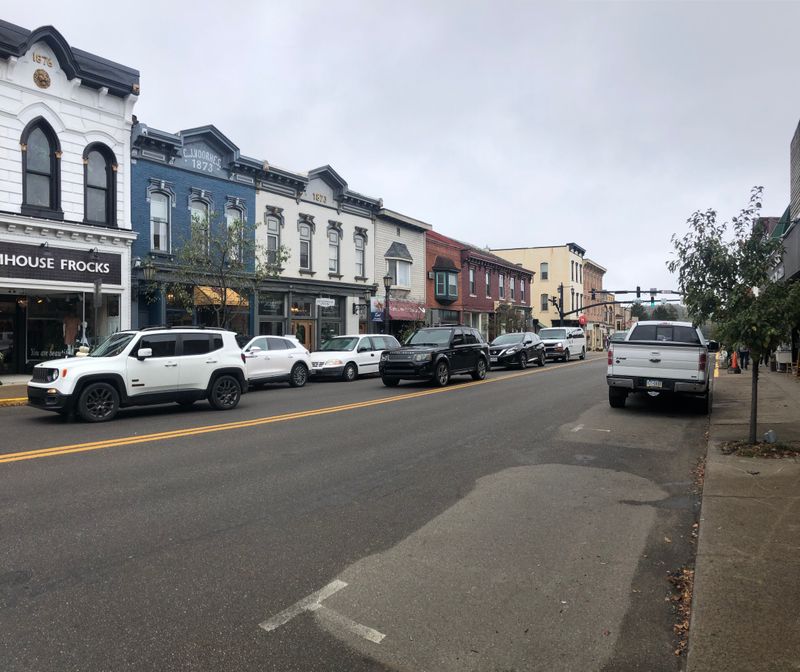
Millersburg serves as the county seat of Holmes County, which has the world’s largest Amish population, creating a unique economic and cultural dynamic.
While some might expect a town surrounded by traditional farming communities to be sleepy, Millersburg has become a bustling commercial center that bridges two worlds.
The result is a thriving economy built on tourism, agriculture, and increasingly, entrepreneurship.
Downtown Millersburg features the Victorian House Museum at 484 Wooster Road, showcasing the area’s non-Amish heritage in an elegantly restored 1902 home.
Jackson Street offers antique stores, quilt shops, and restaurants serving hearty comfort food that reflects the region’s agricultural abundance.
The Hotel Millersburg at 35 West Jackson Street provides upscale accommodations that surprise visitors expecting only rustic options in Amish country.
Tourism drives significant economic activity, with visitors coming to experience authentic Amish culture, purchase handcrafted furniture, and enjoy the slower pace of life.
Local businesses have learned to serve tourists without compromising the genuine character that makes the area special in the first place.
Amish craftspeople sell their goods through various outlets, creating income streams that support both Amish and non-Amish community members.
The agricultural economy remains strong, with farms producing dairy, crops, and specialty products that supply local markets and beyond.
Cheesemakers, bakeries, and food producers have built regional and even national reputations for quality.
This agricultural foundation provides economic stability that many communities lack.
The cost of living remains reasonable, allowing families to achieve financial security more easily than in urban areas.
Schools serve a diverse population, creating unique opportunities for cultural exchange and understanding.
Outdoor recreation abounds, with rolling hills, scenic backroads, and natural areas perfect for hiking and cycling.
Millersburg proves that cultural distinctiveness combined with business savvy creates economic opportunity and genuine community vitality that outsiders often underestimate.
Dear Reader: This page may contain affiliate links which may earn a commission if you click through and make a purchase. Our independent journalism is not influenced by any advertiser or commercial initiative unless it is clearly marked as sponsored content. As travel products change, please be sure to reconfirm all details and stay up to date with current events to ensure a safe and successful trip.
