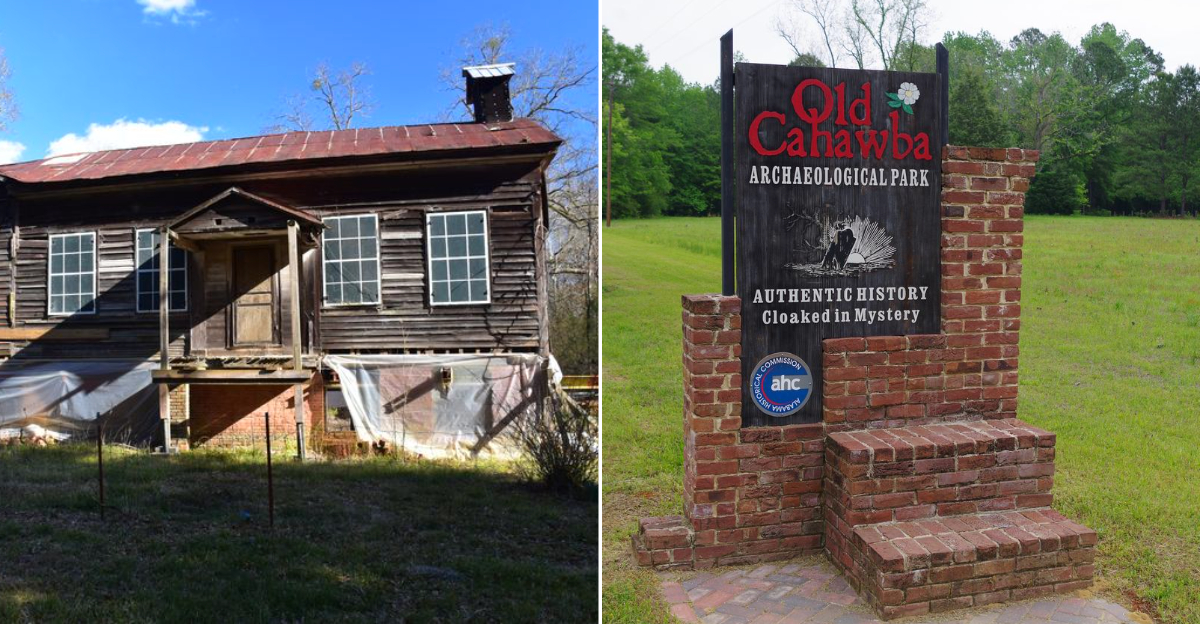
Let me pitch you a road detour that feels like cracking open a secret chapter and walking right into it.
Old Cahawba sits at the meeting of the Alabama and Cahaba Rivers.
Quiet as a whisper, and somehow it still tells the story of Alabama with just bricks, paths, and river wind.
You roll in, hear the trees creak a little, and suddenly you are standing where the state once held its power before the floodplain took it back.
If that does not make a road trip feel like time travel, I do not know what will.
Alabama’s First Capital Takes Shape
You know how some places feel like a fresh start the second you arrive.
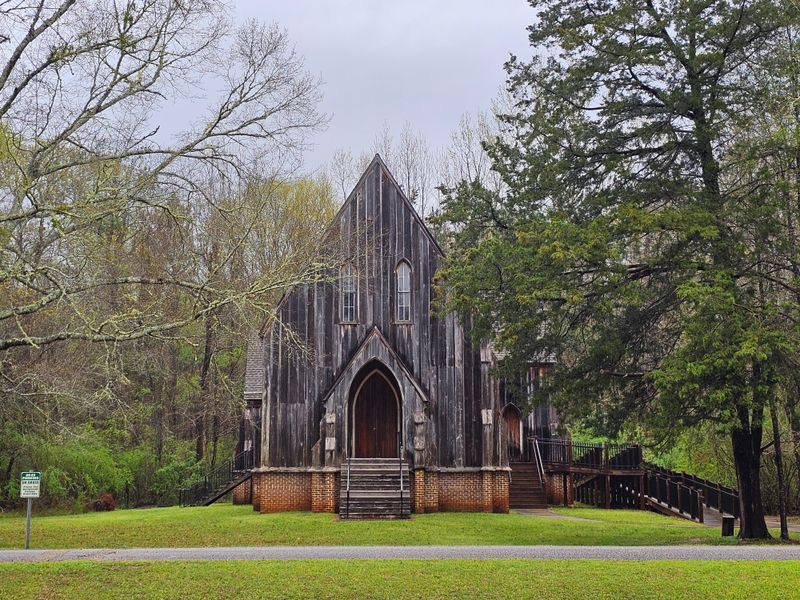
Cahawba had that energy when it became Alabama’s capital, laid out in a tidy grid where two rivers meet.
The plan looked clean, hopeful, and squarely American in the way new towns tried to make sense of big landscapes.
Picture a courthouse anchoring the center and broad streets angling toward the water.
Officials came with papers and pride, expecting the town to rise fast and stay.
Carriages cut tracks that later turned into the park roads you can still walk today.
What grabs you now is the quiet shape of that plan still pressing through the grass.
The foundations linger like punctuation marks from a long conversation.
You can stand by the old street names and imagine the rhythm of voices ringing off brick.
When you pull into Old Cahawba Archaeological Park at 9519 Cahaba Road, Orrville, Alabama, it lands with a simple thud of reality.
The capital happened here, not in a museum case but on this patchwork of riverplain.
Alabama holds the memory like a folded letter tucked in a book.
Walk slow and you will feel the alignment under your feet.
The river air keeps the story damp around the edges.
It is like the town paused between breaths and never quite exhaled.
A River Location That Seemed Ideal
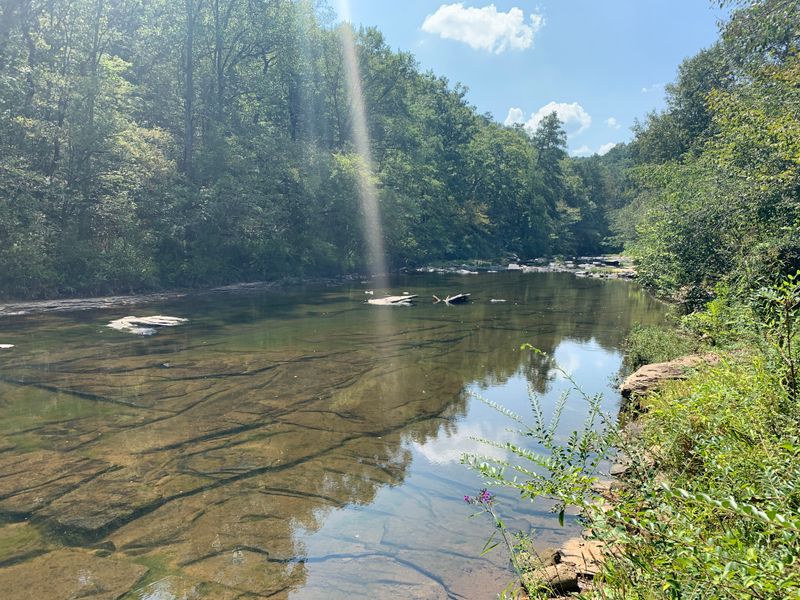
Stand at the bend where the Alabama and Cahaba Rivers touch and it clicks.
Someone looked at this junction and saw easy travel, steady trade, and a natural crossroads.
You can almost hear the water arguing that it would carry everything needed.
Rivers promised roads without paving.
Boats could slide in, turn, and go, and the town grid would meet them at the bank.
On maps, it looked like the smartest spot in the state to crown a capital.
Walk the levee and think about how a map can flatter a place.
The lines make confidence feel simple.
On paper, the current always behaves and the shore always stays put.
If you park by River Trace at Old Cahawba, 9519 Cahaba Road, you get the best angle on that dream.
The water sits broad and brown, holding its own logic.
Alabama’s heartbeat is slow here, steady, and stubborn.
I like to stand a minute and just listen to the drag of the current.
It is calm until it is not, which you will notice if wind picks up or the river swells.
The town believed the calm part would win.
Flooding That Refused To Stop
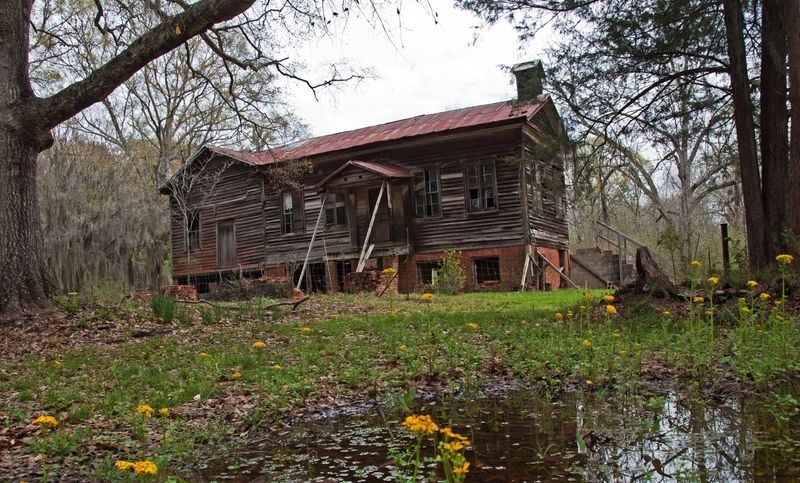
The floodplain writes the rules here and it is not shy about it.
After rain upstate, the rivers climb their banks and drift into the old grid like they own it.
You can still see watermarks on trees that look like quiet warnings.
Think about a town where streets double as channels when the river swells.
Foundations get soft and walls learn to ache.
Every plan bends when the ground turns spongey under the weight of rising water.
It is not loud when it happens.
The water slides in with a slow confidence that does not care about schedules.
Roads go glossy, and the edges of the park blur into one sheet.
Walk near Spanish Alley at Old Cahawba Archaeological Park, 9519 Cahaba Road, and you will get it fast.
The low places tell their story straight.
Alabama weather moves and the floodplain answers back.
I always give the river extra respect here.
The reflections look pretty until they cover your path.
That is the lesson the capital learned the hard way, again and again.
Disease And Decline Set In
Low water lingers, and that is when trouble tends to show up.
Stagnant pools and humid heat make the air heavy and unfriendly to long plans.
People got tired, then worried, then gone.
The town’s health slipped as the floods kept returning.
Streets did not just wash out, lives did.
When days feel damp for too long, every routine starts to wobble.
You do not need a sign to understand it.
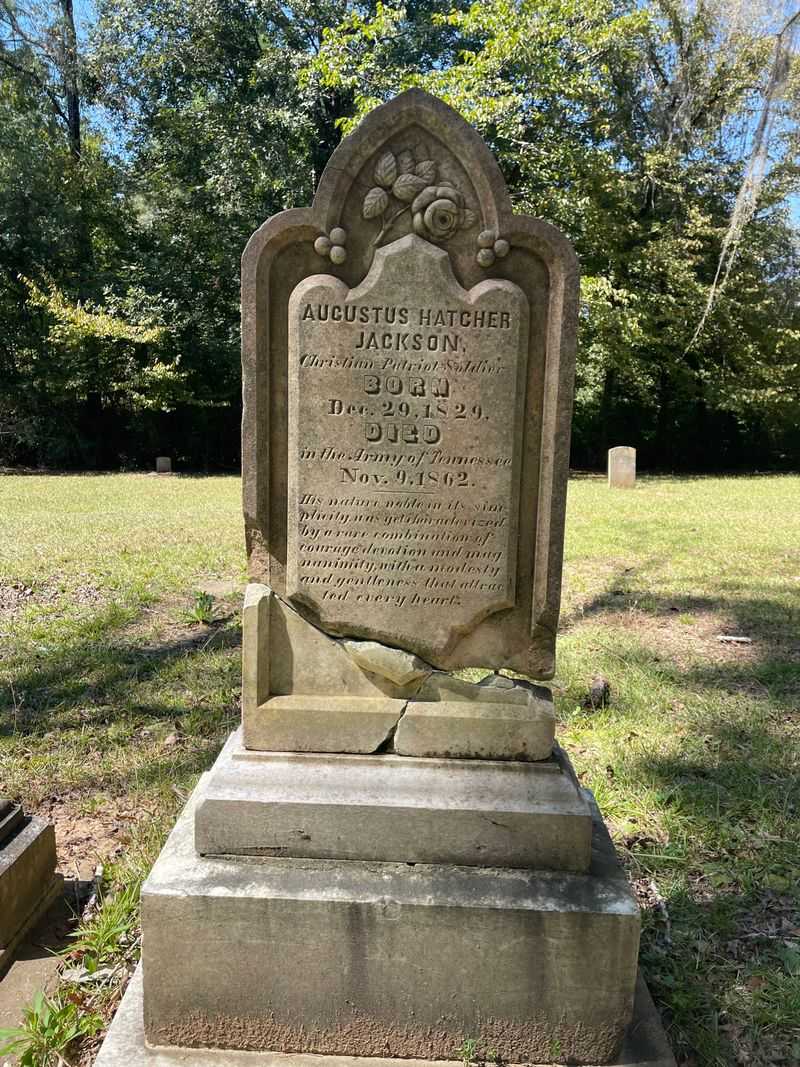
Stand near the old cemetery path and breathe that dense river air.
It hangs like a wet coat on your shoulders and stays there.
The cemetery trail at Old Cahawba, 9519 Cahaba Road, threads past markers that lean into the past.
The ground softens underfoot and the stillness gets louder.
Alabama remembers even when stones go unreadable.
I keep my voice low here without meaning to.
The place sets the tone and you follow it.
That is how decline moves, slow, steady, and hard to argue with.
Government Offices Begin To Leave
Imagine the day the first wagons rolled out with trunks and ledgers.
That is how you know a capital is slipping away.
Paperwork moves first and everything else follows the wagon ruts.
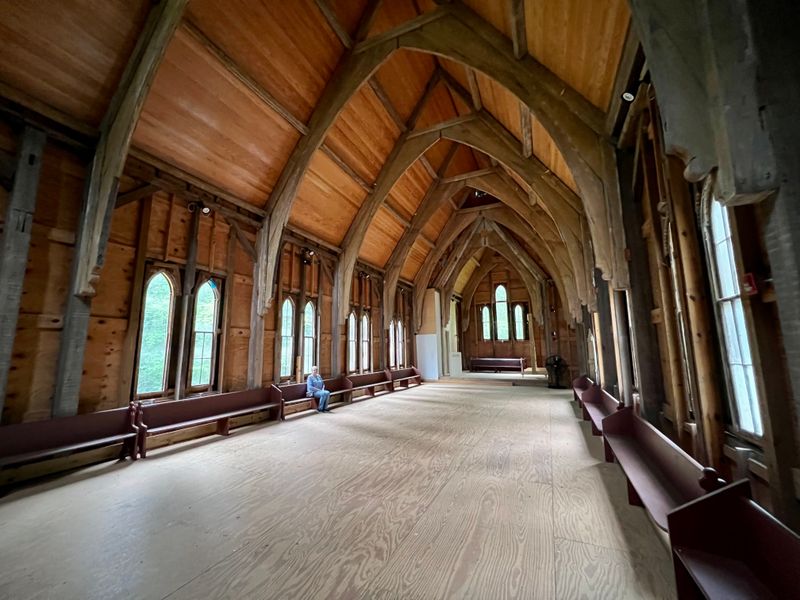
The courthouse square went from busy to echoey.
Decisions started getting made somewhere drier, and suddenly home felt temporary.
Town pride takes a hit when the map stops pointing to your streets.
What remains now is the outline of that nerve center.
You stand where walls used to carry voices.
The empty air still feels arranged for meetings that no longer happen.
At Old Cahawba Archaeological Park, 9519 Cahaba Road, Orrville, the courthouse footprint sits quiet.
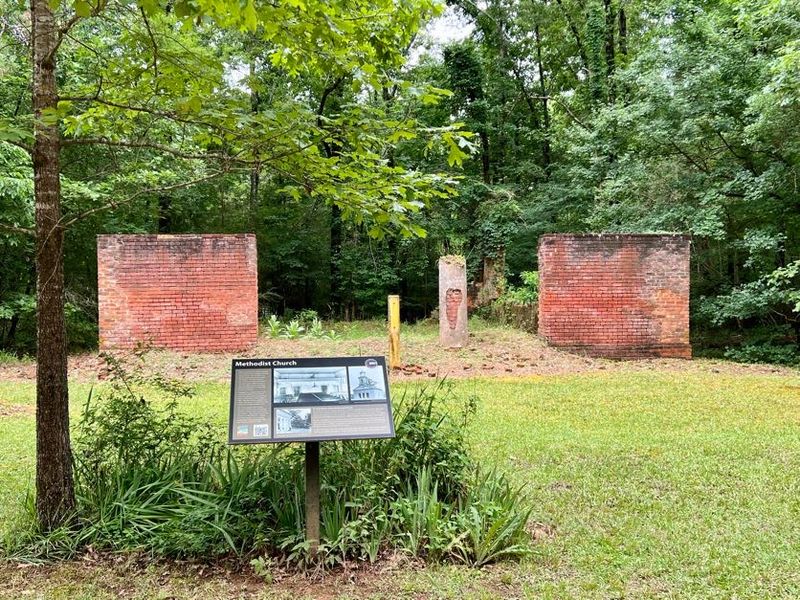
An interpretive sign sketches the building back into view without raising a single wall.
Alabama’s story shifts here, gentle but final.
I like to trace the rectangle with slow steps.
It is a small ritual that makes the past feel reachable.
Then I look toward the river and the reason it all moved on.
Residents Follow The Exit
Once the work left, neighbors started packing quietly.
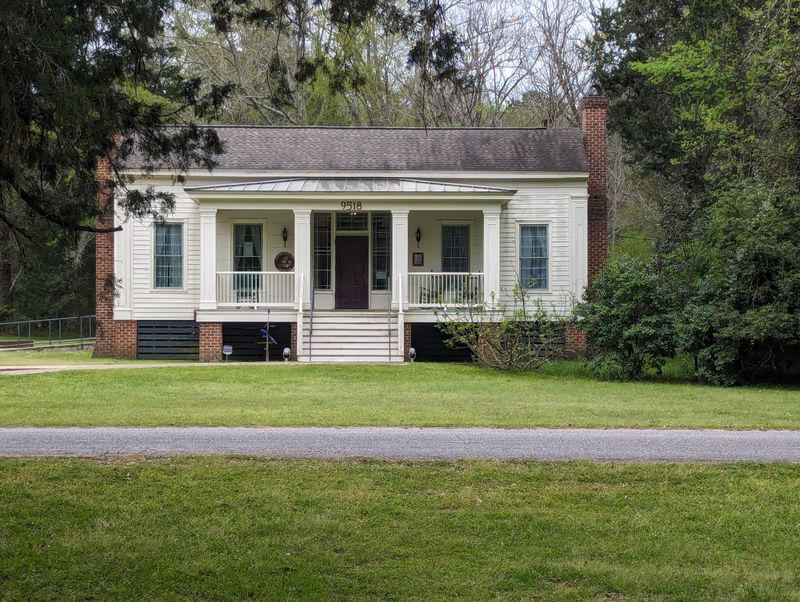
Houses emptied room by room until only porches and steps kept watch.
You can almost see curtains that are not there brushing a breeze that keeps moving.
The community feeling thinned like mist over the river.
Church bells rang to fewer ears and then to none.
The grid stayed neat while life slipped out through the edges.
Today, a set of brick steps climbs to nothing.
Mailbox posts lean toward a road that does not expect them anymore.
It is tender and strange to stand there and picture daily routines.
Walk the line of oaks along Capitol Avenue inside Old Cahawba, 9519 Cahaba Road, Alabama, and let your imagination fill the porches.
The shade makes it easy to pause.
Alabama sunlight filters through as if it knows the script.
I usually listen for birds and give the place a nod.
Leaving is a kind of weather, too.
It comes in, it lingers, and it moves on.
A Town Slowly Swallowed By The Floodplain
Time does steady work here, and the floodplain helps.
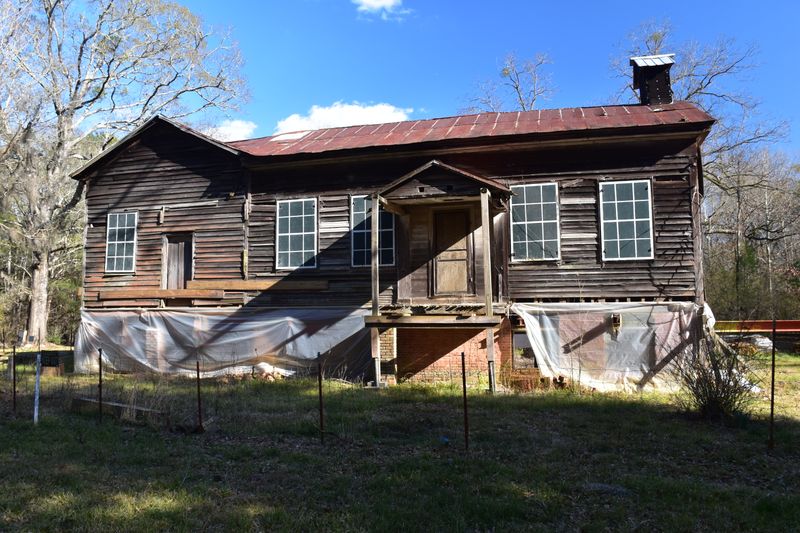
Grass rolls over bricks and turns corners soft.
Old fences sink back into the soil and leave only hints.
You can follow a street trace until it quietly dissolves into green.
The straight line becomes a suggestion and then nothing.
Nature is patient and thorough when given space.
It is not sad when you stand there.
It is more like a slow handshake between town and river.
The compromise looks gentle from a few steps back.
Find the old Church Street trace at Old Cahawba, 9519 Cahaba Road, and walk it until it fades.
The arc of the canopy turns the light friendly.
Alabama shows its soft-spoken side under those branches.
I like how the ground keeps secrets without locking them away.
You catch a brick edge and a story follows.
Then the grass tucks it back in like a careful friend.
What Still Lies Beneath The Ground
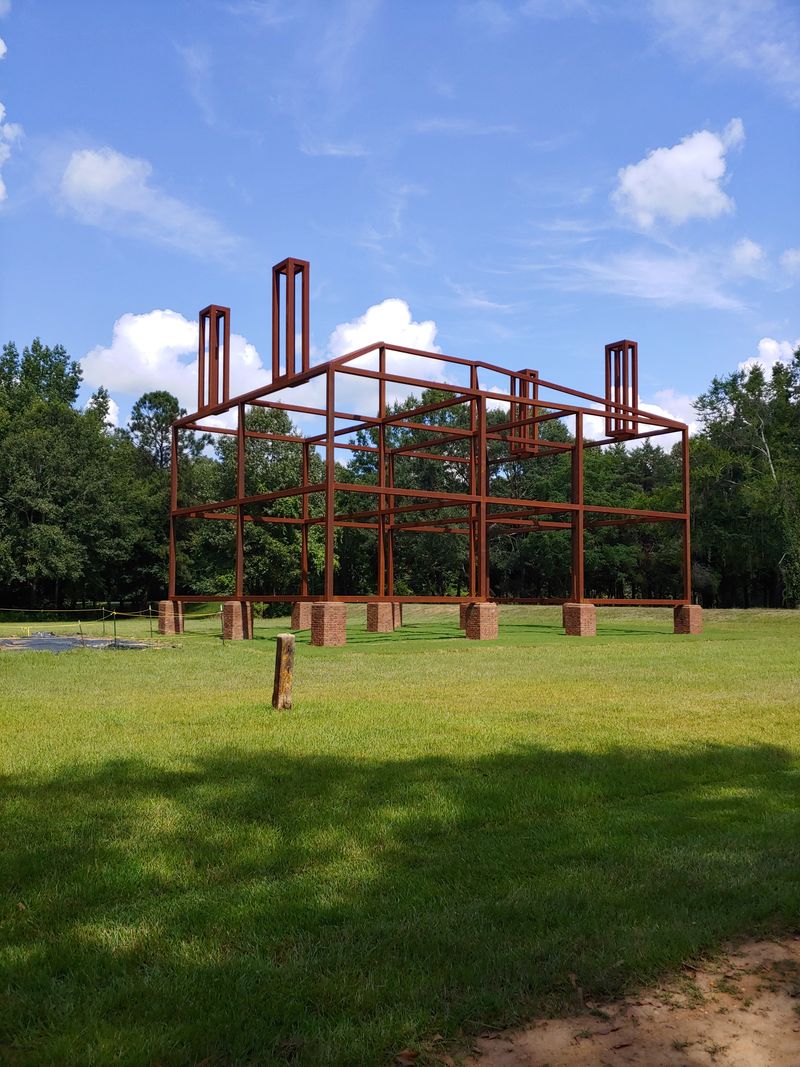
When the water drops, the town breathes.
Bricks appear like freckles after a day in the sun.
Little things surface and hint at rooms, corners, and lives tucked just below.
Archaeology here feels like eavesdropping kindly.
You are not prying, just listening to what the river returns.
Survey flags and neat notes mark patience more than conquest.
Sometimes a path goes wet and then dries into a map of edges.
The shapes are shy about it.
You walk slowly so you do not miss the quiet talk.
The archaeological core at Old Cahawba Archaeological Park is where this patience lives.
Staff keep the work measured and respectful.
Alabama history rises carefully, then rests again.
I love the idea that the ground knows the story better than we do.
We just take turns borrowing pieces when they float up.
Then we put them back with a nod and a thank you.
The Park You Can Walk Today
If you are wondering what it feels like right now, it is easygoing.
You park, you look around, and the quiet settles in quick.
Trails peel off in different directions like gentle suggestions.
There are signs that give just enough without overexplaining.
The space leaves room for your own curiosity to do some of the work.
It is friendly in a low key way that makes wandering feel right.
I usually loop past the river spur and then angle back by the old street grid.
The rhythm is unhurried by design.
You are not checking boxes, you are moving through a story at walking speed.
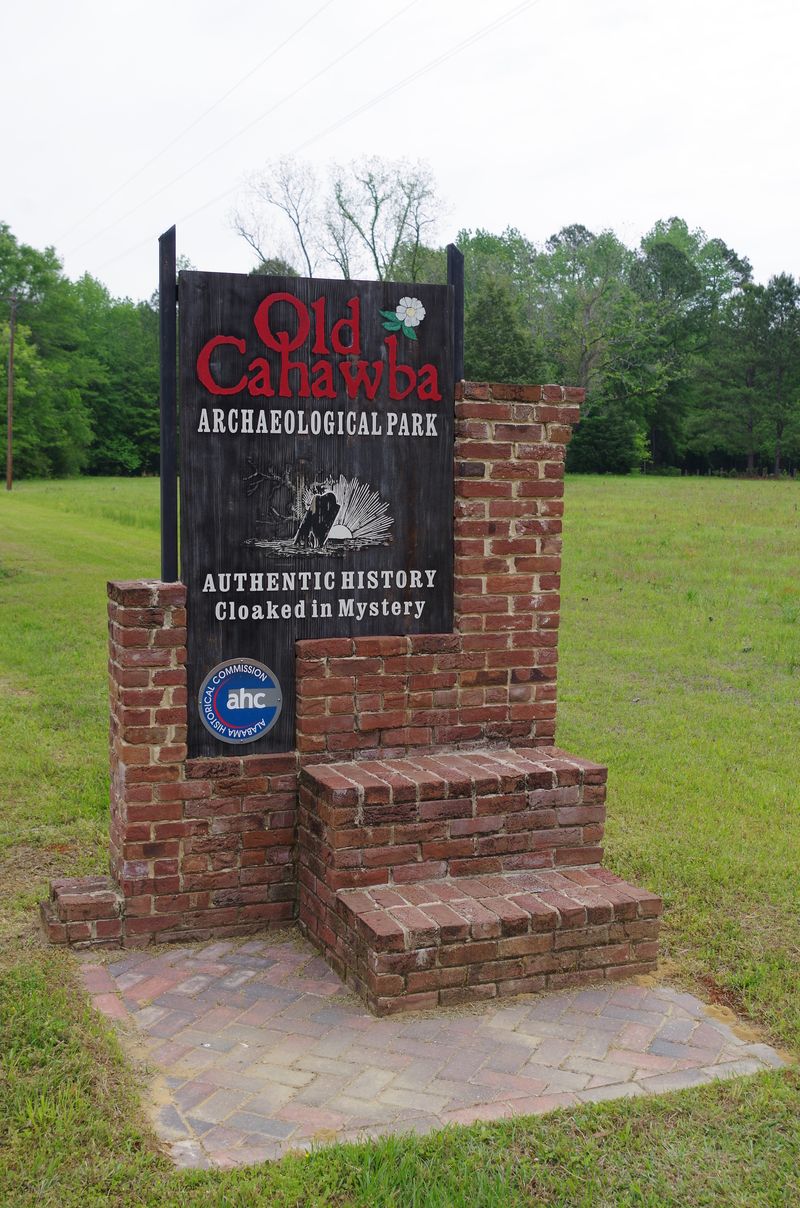
Set your starting point at Old Cahawba Archaeological Park, 9519 Cahaba Road.
The parking area puts you close to the first trailheads.
Alabama days here stretch and shrink depending on your steps.
Give it time and the place will start pointing out little details.
A brick corner here, a distant call there.
Leaving feels like folding the page down instead of closing the book.
Planning Your Riverplain Detour
This is an easy add to a long drive if you like places that speak softly.
You swing off the main route and the road relaxes.
The last miles feel like clearing your head.
Bring shoes that do not care about a little mud.
The ground near the river can change its mind after rain.
A slow pace is your friend because this story likes to unfold.
Save a little bandwidth for just standing around.
That is where Cahawba does its best work.
The silence is part of the tour, and it lingers.
Type Old Cahawba Archaeological Park, 9519 Cahaba Road, into your map and you are set.
The drive rolls past fields and a big sky.
Alabama keeps the horizon wide in this corner.
When you head out, you will carry a quiet kind of memory.
It slips into future drives and taps your shoulder.
That is usually the sign a place is going to stick.
Dear Reader: This page may contain affiliate links which may earn a commission if you click through and make a purchase. Our independent journalism is not influenced by any advertiser or commercial initiative unless it is clearly marked as sponsored content. As travel products change, please be sure to reconfirm all details and stay up to date with current events to ensure a safe and successful trip.
