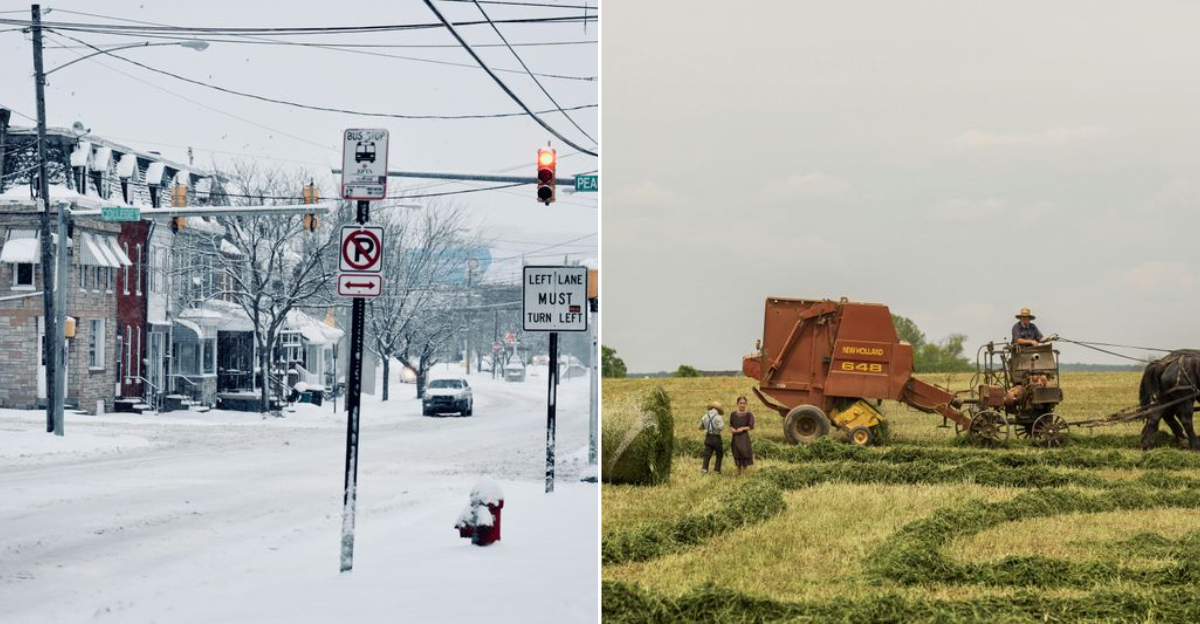
Did you know the Amish population in Pennsylvania isn’t shrinking? It’s actually growing every single year.
That might surprise you, especially if you’ve always thought of the Amish as a small, isolated group holding on to old traditions. The truth is, their communities are expanding steadily, and Pennsylvania remains the heart of Amish life in America. I remember driving through Lancaster County a few summers ago and noticing how many new farms had popped up since my last visit. It wasn’t just the same families.
It was clear that the Amish way of life continues to attract younger generations who choose to stay, marry, and raise families within the community. With large families and strong ties to faith and tradition, growth feels natural here. This steady rise in numbers isn’t just about statistics.
It’s about how a centuries-old culture continues to thrive in modern times. So the next time you picture the Amish, don’t imagine them fading away. Instead, think of a community that’s quietly but surely growing stronger year after year.
Big Families Are The Baseline
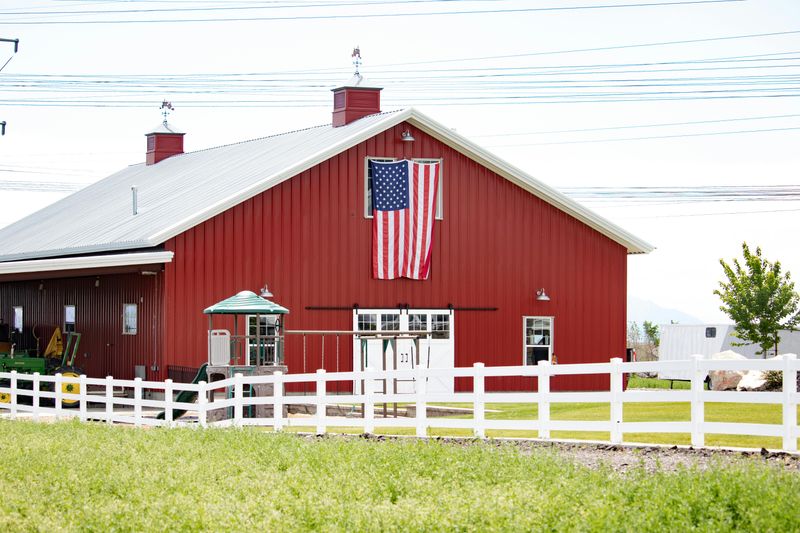
You notice it right away on country roads. There are lots of children out by the lane, scooting after a dog or pushing a small wagon, and it tells a simple story you can feel more than read.
Amish couples in many communities tend to have large families, often averaging around six or seven children, and that rhythm shapes every corner of daily life.
When births stay high year after year, the population does not just grow, it snowballs in the easiest way to understand.
Each new household brings more future households, and the line keeps going even when everything else holds steady.
That natural increase is the biggest engine behind Pennsylvania’s rising Amish numbers If you want a snapshot, just watch a Sunday afternoon lane.
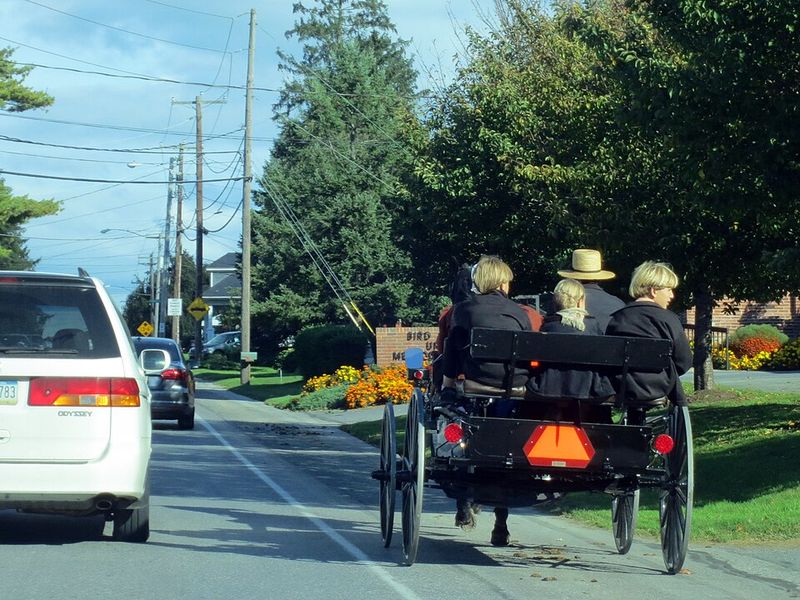
Buggies roll by slowly, kids chatter, and the older ones keep an eye on the younger ones while adults catch up along a fence.
I feel like the warmth of that scene is also the math in motion. I like how unhurried it feels.
You see growth without anyone chasing it, just families living in step with their convictions.
Most Kids Stay Amish As Adults

Here is the second piece you can see if you hang around long enough.
A big share of Amish children eventually choose adult baptism and stay in the church, and that decision turns childhood scenes into long term community strength.
High birth rates plus high retention is a rare combo in modern America, and it keeps the totals climbing across Pennsylvania’s valleys and towns.
It is not a trend that needs a sales pitch. I think it is a lane by lane choice that repeats quietly and reliably.
Listen near a schoolhouse when voices spill out at day’s end. You will hear cousins, friends, and future neighbors, not a group getting ready to scatter.
Those ties make it easier to picture a life close to home, and that picture pulls like gravity.
We talked once about how many groups shrink when teens move away and never look back. This is different.
The center holds because it is woven into family, worship, and work, which means the numbers do not leak out the sides.
The Population Is Youth-Heavy On Purpose
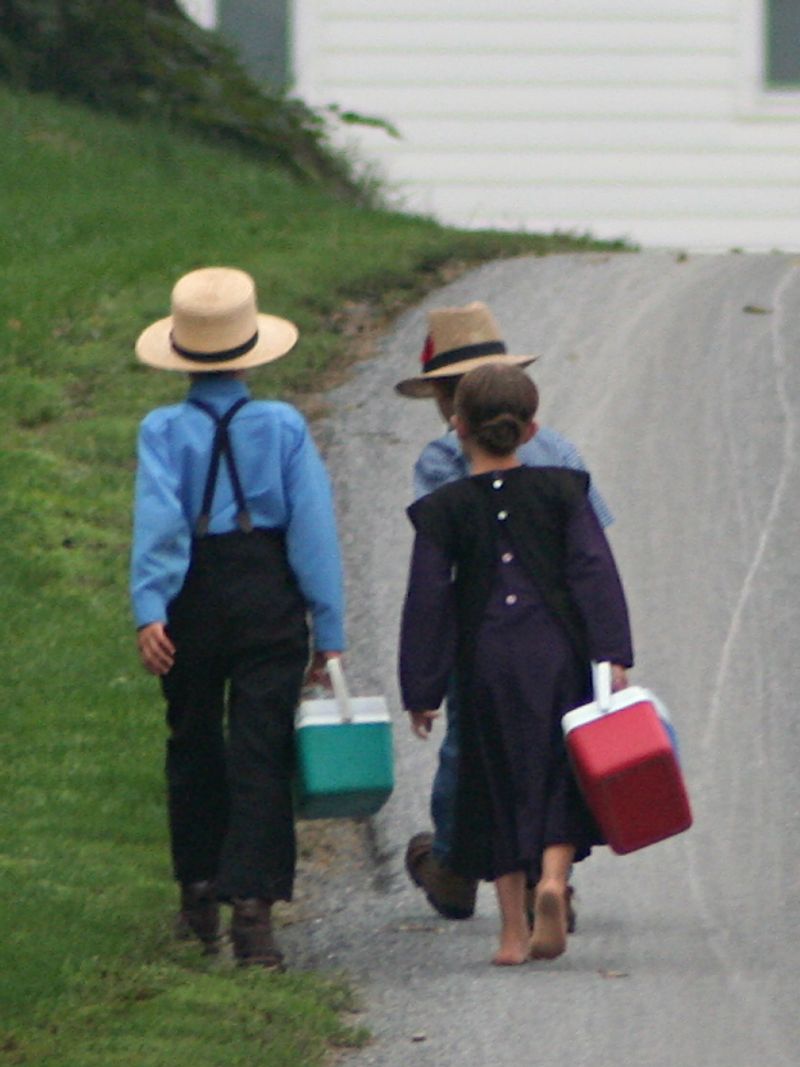
Take a minute by a small schoolyard and count the scooters lined up. It is a sea of color and wood, and it hints at the age shape behind the growth story.
Amish communities have a large proportion of children and young adults compared with the broader U.S. population, which is easy to see on any weekday.
That means there is a steady pipeline of people reaching marriage and child raising ages every year.
Even if the family size stayed exactly the same, that age structure alone keeps growth steady and visible across Pennsylvania.
You do not need charts to feel it, just a few unhurried stops along a back road.
Think about the effect over time. Younger households create more younger households, and the pattern sustains itself without much noise.
It is slow, kind, and repetitive in the best way.
When you pull off for a quick look at a ball game behind a schoolhouse, the sound carries. Laughter travels over the grass, and the whole scene looks future heavy in the most grounded way.
I think that is the quiet logic behind the rise you keep hearing about.
“Doubling” Math Adds Up Fast In Pennsylvania

Here is a fun brain teaser for the road: Amish growth is often described as fast enough to double roughly every twenty years.
Pennsylvania, as the largest Amish population state, feels that compounding effect the most because small steps add up when the base is big.
Once you have got a very large base, even normal annual growth creates big year to year jumps in headcount. That is just compound growth wearing a straw hat.
You can test the idea while driving. Every few miles the same signs show up again, and fresh schoolhouses or new outbuildings hint at recent households.
It is not sudden, it is consistent, and consistency wins every time with math like this.
I like that it feels ordinary from the ground. Nothing dramatic needs to happen for the totals to climb.
A dozen little choices across a county line do the heavy lifting while everyone else is thinking about bigger headlines.
Lancaster’s Size Creates Its Own Momentum
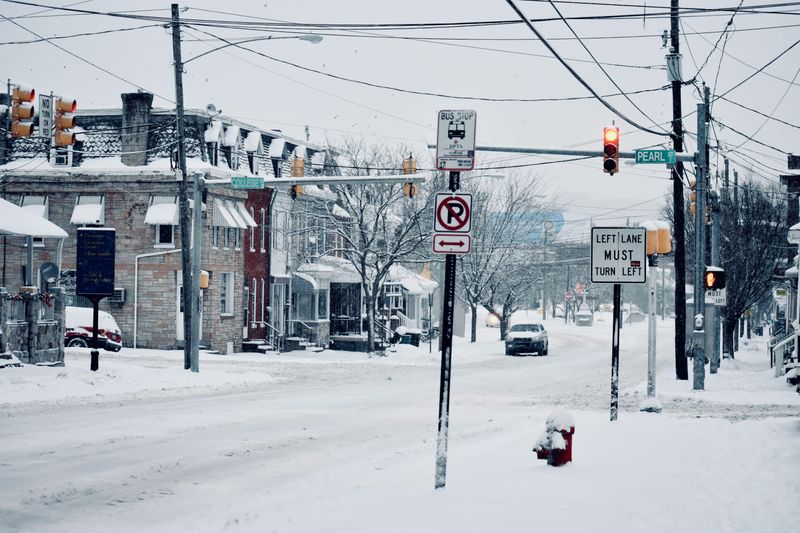
You can feel the scale before you even check a map. The Lancaster area settlement is described as the largest Amish settlement in the country, with around forty four thousand Amish adults and children.
I think that presence carries its own gravity. When a settlement is that large, it naturally produces a lot of new households each year without fanfare.
So even when land gets tight, the headcount still rises because the community is already enormous and well connected across roads and kin lines.
That momentum is not hype, it is habits repeated by a lot of people in a small radius.
Driving through, you notice more meetinghouses, more roadside stands, and more small shops tucked into barns. Each one signals another family anchored nearby.
It adds up block by block and lane by lane.
You could circle these roads all afternoon and still keep finding new turns. That is the feeling of a place that grows by being itself.
Expansion Into Nearby Counties Keeps The PA Total Rising
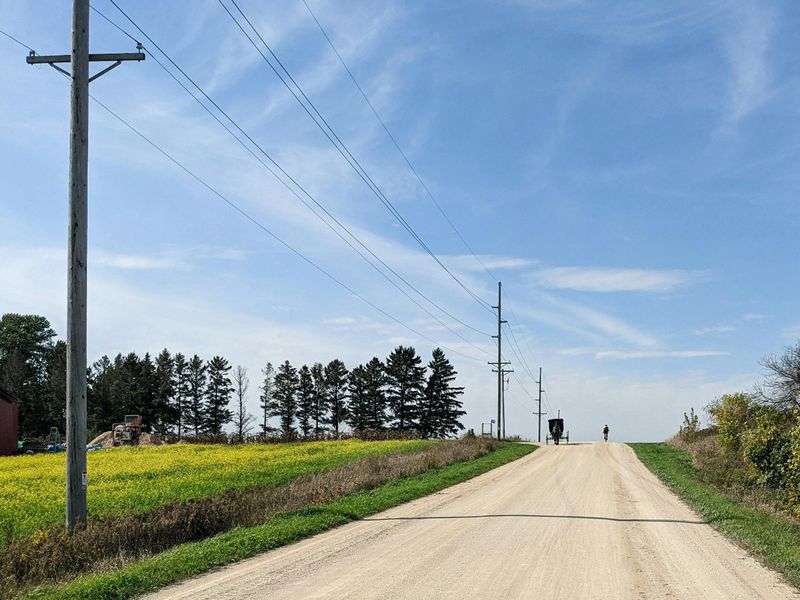
Let us chase the county lines for a minute. The Lancaster settlement is not confined to one county line.
It has spread into surrounding counties and even into a neighboring state in its broader settlement definition.
So Pennsylvania’s Amish growth is not only more people, it is also more places in Pennsylvania with Amish households, which you can see in new lanes and new schoolhouses.
That geographic spread helps explain why the statewide number keeps ticking up consistently. A new pocket forms, then deepens, and soon it fits cleanly into the larger network.
The roads start to carry familiar patterns of travel and worship.
You can feel the edges softening while you drive, I’m sure you’ll notice that. Where one map pin ends, another small group appears just a few turns away.
It is like the community breathes outward while staying knitted to the main core.
I find that part fascinating on a road trip. Expansion does not require a grand plan.
It just follows families, land availability, and work, and the state’s wide farmland gives enough room for that slow spread to keep going.
Land Pressure Pushes Adaptation
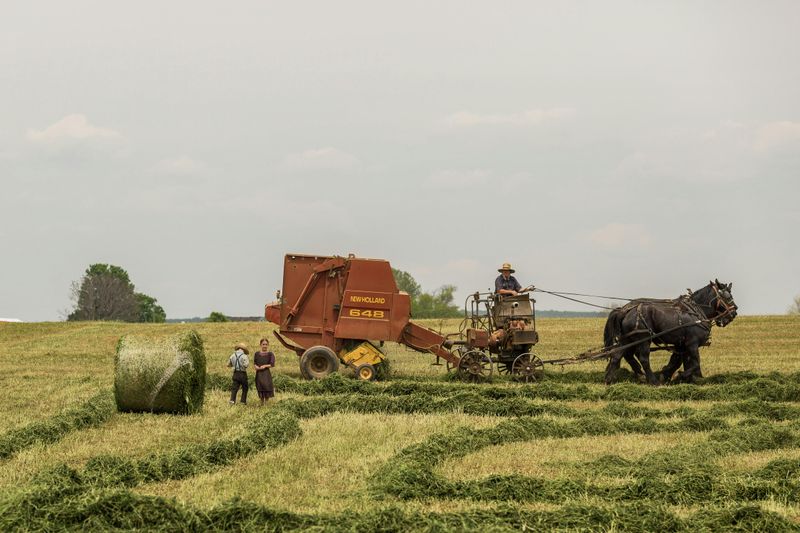
People always ask about farmland.
As farmland becomes scarce in places like Lancaster County, more Amish families earn a living outside of farming, and that shift is now part of the landscape.
You see small shops, bustling work yards, and tidy workshops tucked behind homes along quiet Pennsylvania roads.
I think that shift matters because it lets new households form even when there are not enough farms to buy or lease nearby.
In other words, limited farmland changes jobs, but it does not stop the population from growing in the places they already call home.
The community adapts, and the headcount keeps inching up without drama. Adaptation here feels practical and calm.
I like how no one is trying to reinvent anything. They just keep making space for new households with the tools they already trust, and that keeps Pennsylvania’s numbers rising in the background.
Small Businesses Make Bigger Communities Possible
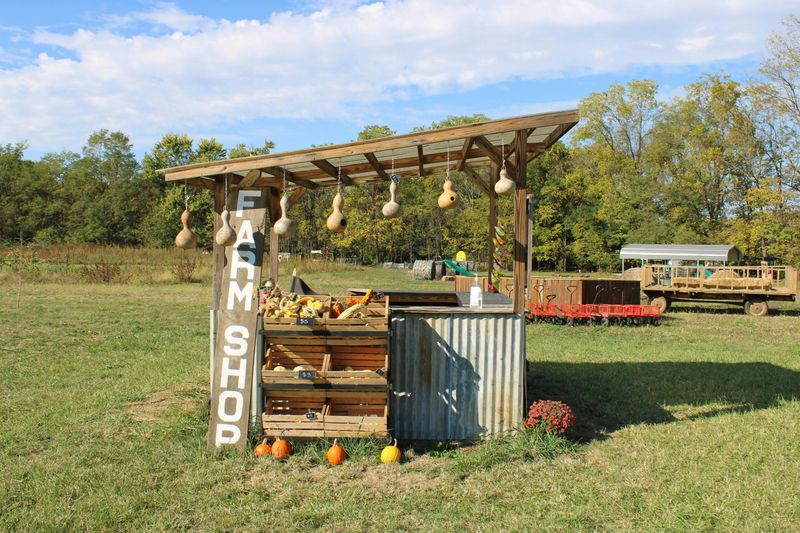
Here is the heartbeat behind a lot of new roofs: there is increased Amish entrepreneurship and non-farm work in Pennsylvania settlements.
You can spot it in cabinet shops, metal fabricators, and crews heading to job sites at first light.
When income can come from shops, construction, manufacturing, or services, families do not need a farm to stay local and build a life.
That economic flexibility supports continued growth right where the Amish already have deep roots, especially around Lancaster and nearby counties.
I think it holds young adults close to home and gives room for new households to settle in. You hear the hum of planers and the slap of lumber, and that sound means stability.
I like how straightforward it all feels. Work stays close to home, the road stays familiar, and the numbers keep rising because the jobs do not pull people away.
That is growth powered by skill and trust rather than flash.
Newcomers Keep Appearing Inside The State
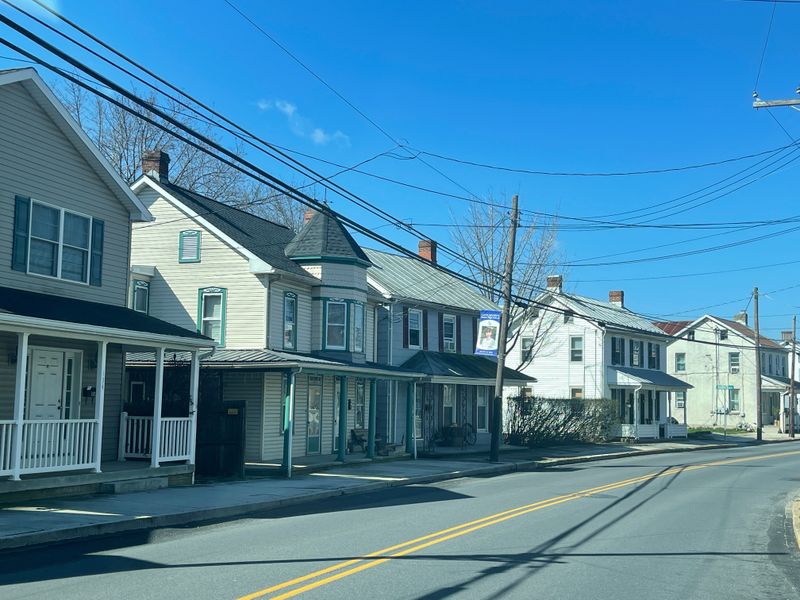
Keep an eye on the map pins inside Pennsylvania.
Even while some families move outward for more space, the state also sees Amish presence expanding into additional local areas where farms come up for sale.
The reporting around places like Adams County near Littlestown describes new Amish families buying farms and starting businesses. I feel like that shifts the local picture one lane at a time.
So the Amish map within Pennsylvania keeps filling in, and the statewide count keeps rising with it as each cluster takes root.
The first few households bring school plans and church routines. That scaffolding invites the next wave.
Before long, buggies become a normal part of traffic on quiet back roads.
You will ride past a place with fresh fencing and a new hitching rail. It looks like a beginning, neat and hopeful.
That is how growth often looks here, not a surge, just a clean start that others can join.
I like these early chapters best. They feel close to the ground and personal.
You can see how a state as wide as Pennsylvania offers room for new dots that eventually connect to the wider network.
The Numbers Are Closely Tracked
Here is the part that keeps the conversation grounded. Amish population estimates are compiled regularly by researchers, and those updates give a steady view of change.
Those estimates include both adults and children, so annual changes capture the full births plus growth picture without guessy leaps.
That consistent tracking makes Pennsylvania’s year over year rise hard to miss.
You can match what you see on the road with what shows up in reports, and the two fit neatly most of the time. It is nice when data and day to day life rhyme like that.
Slow numbers, updated carefully, explain slow growth that you can feel in your bones.
It is not flashy. It is accurate enough to plan a day of exploring and come back with stories that line up with the charts.
I think that blend of observation and research keeps the picture honest across the state.
“Rising” Is A Reliable Pattern

Let us end with a small reminder.
Fact checkers and researchers routinely cite Pennsylvania’s Amish population in the rough neighborhood of the mid ninety thousands in recent years.
That is reflecting long run growth rather than a one time event that fades.
The reason it keeps rising is boring in the most powerful way, with lots of births, lots of people staying, and communities that keep adapting as needed.
When those three stay true at the same time, up every year is exactly what you would expect, and so far that is what the roads keep showing.
You can see it in new schoolyards, fresh shop signs, and familiar Sunday patterns repeating without fuss. It is consistency that does the heavy lifting.
You can roll past a quiet lane and watch the porch lights flick on one by one. Nothing dramatic, no big announcement, just a steady pulse of ordinary life.
That is the kind of pattern you can trust more than any headline.
So yes, the numbers keep climbing across Pennsylvania. The story fits what you will see, and the map keeps getting a little denser each season.
Dear Reader: This page may contain affiliate links which may earn a commission if you click through and make a purchase. Our independent journalism is not influenced by any advertiser or commercial initiative unless it is clearly marked as sponsored content. As travel products change, please be sure to reconfirm all details and stay up to date with current events to ensure a safe and successful trip.
