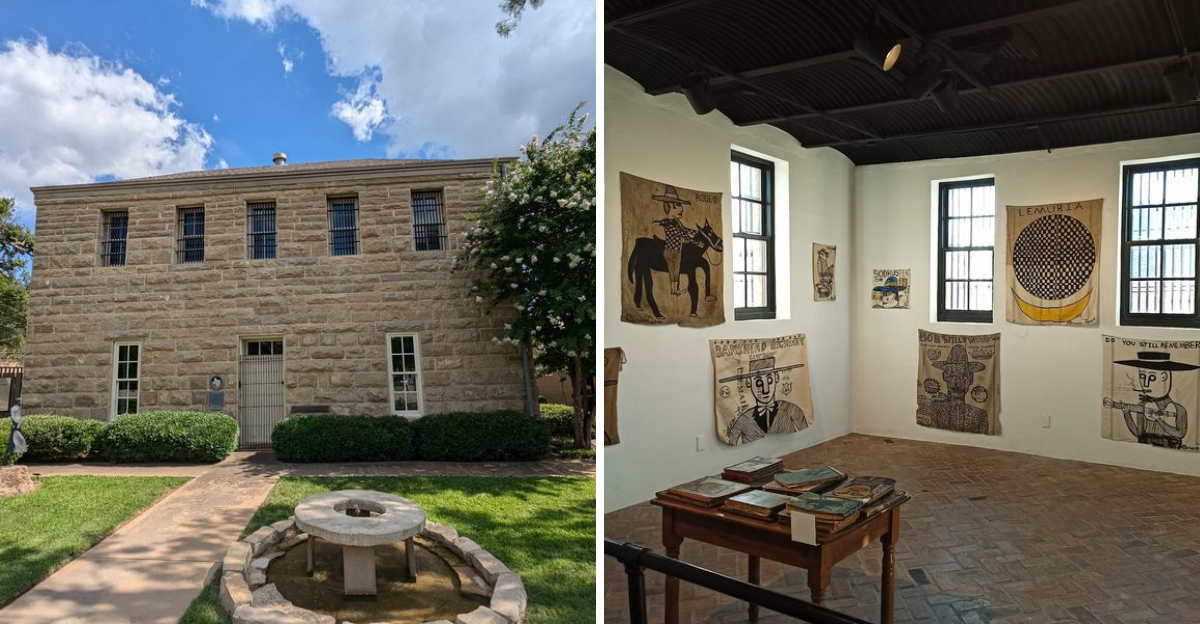
Most art museums do not come with prison bars, heavy cell doors, and the occasional reminder that somebody once desperately wanted out.
This Texas museum began inside the county’s first permanent jail, a limestone building completed in 1878, and when it became an art center in 1980, the renovation did not erase all the wonderfully strange parts of its former life.
Original cells, iron bars, chains, and even historic inmate graffiti still share space with changing exhibitions and a collection that has grown far beyond those first four little galleries.
Today the museum stretches across roughly 17,000 square feet, making this one of those Texas places where you can admire contemporary art and then suddenly remember you are standing in an actual 19th-century jail.
Scratched Initials And The Alphabet Jail Nickname
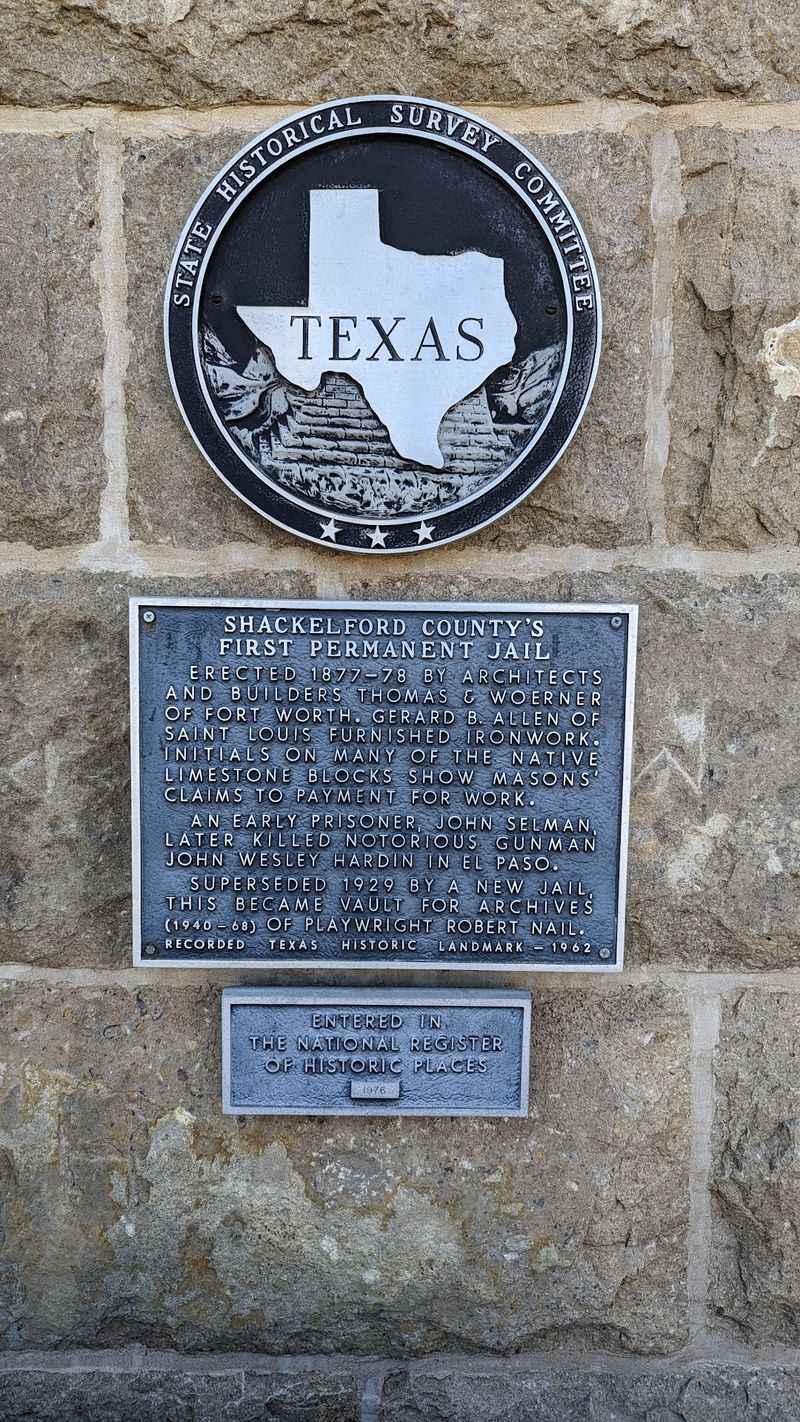
Look closely at the stone and the surface starts talking. Letters, initials, and rough marks are cut into the limestone all over the original building.
Some came from prisoners passing slow hours. Others were left by the Scottish stonemasons who cut and set the blocks, marking their work the way tradesmen did.
All those letters earned the place a nickname that stuck: the alphabet jail. It is one of those details that sounds like local legend until you run a finger across the actual grooves.
Personally, this was the part that slowed me down the most. Paintings are wonderful, but a name gouged into rock by somebody stuck upstairs in 1890 hits a different nerve.
The upstairs once held a large room with two cage cells plus a smaller isolation room. Ventilation came from internal and external shutters, and heat came only from fireplaces in the lower rooms.
That means winters were brutal and summers worse. No plumbing, no fans, no relief.
Restoration work between 1979 and 1980 finally brought electricity, heating, cooling, running water, and indoor plumbing into the building. The crews were careful, though, and the raw stone character survived the upgrade.
Bring a small flashlight if the light seems dim, or simply angle yourself so daylight rakes across the wall. Shadows reveal carvings that vanish under flat lighting.
Take your time here. The museum rewards visitors who slow down and read the walls.
The Limestone Lockup That Refused To Disappear
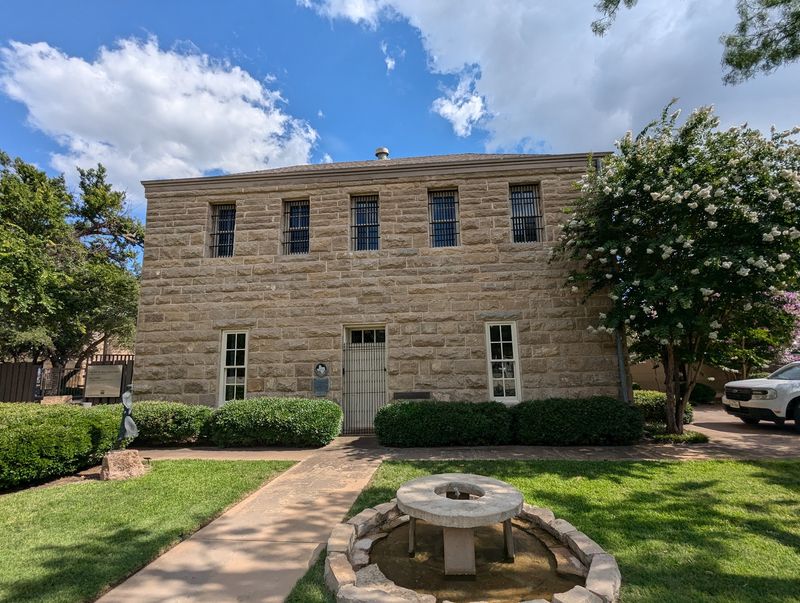
Hard, pale limestone blocks form the oldest part of this museum, and they were stacked here between 1877 and 1878. The jail was the first permanent public building in Shackelford County.
It cost roughly nine thousand dollars at the time, a serious sum for a young frontier county. Prisoners were kept in the upper story, while the jailer and his family lived on the floor below, which sounds like an odd arrangement by modern standards.
For more than fifty years the building did its job. John Selman, a name familiar to anyone who reads about the Old West, spent time behind these walls.
A newer jail took over in 1929, and the limestone structure sat mostly empty. Buildings like that usually meet a bulldozer.
Instead, in 1940, local author and playwright Robert E. Nail Jr. bought it for three hundred seventy-five dollars, mainly so nobody could tear it down.
He turned it into a studio and a place to keep county historical documents until his death in 1968.
Recognition followed. The site became a Recorded Texas Historic Landmark in 1962, then joined the National Register of Historic Places in 1976 as part of the Shackelford County Courthouse Historic District.
Standing outside, the scale surprised me. It is smaller than expected, almost modest, with narrow openings where iron bars once replaced window glass.
Knowing the whole art museum grew outward from this stubborn little box makes the rest of the visit land differently.
How Two Cousins Turned A Ruin Into A Museum
Family kept this building alive. After Robert E.
Nail Jr. died, the jail passed to his nephew Reilly Nail and sat vacant through 1977.
That same year the Old Jail Foundation was organized, and the idea of an art museum stopped being talk. Reilly Nail teamed up with his cousin, the artist Bill Bomar, to make it real.
Restoration plus a new addition took a few years of work. Doors opened to the public on December 19, 1980.
The starting collection came straight from the family. Reilly Nail, Bill Bomar, and their mothers donated a mix of twentieth-century art and Asian art, which gave the young museum instant credibility.
Growth followed in waves. Additions arrived in 1984, 1996, and 2009, all designed by Fort Worth architect Arthur Weinman, pushing the facility to about seventeen thousand square feet of exhibition and support space.
Then came the stamp of professional approval. The American Alliance of Museums granted accreditation in 1989, something plenty of big-city institutions never achieve.
What I find charming is how the new construction defers to the old. The additions do not shout or compete with the limestone; they wrap around it and let the jail stay the main character.
Ask at the front desk about the building sequence if the layout feels puzzling. Understanding which wing came when turns a simple walk-through into a treasure hunt through four decades of thoughtful expansion.
Contemporary Art Inside The Original Cells
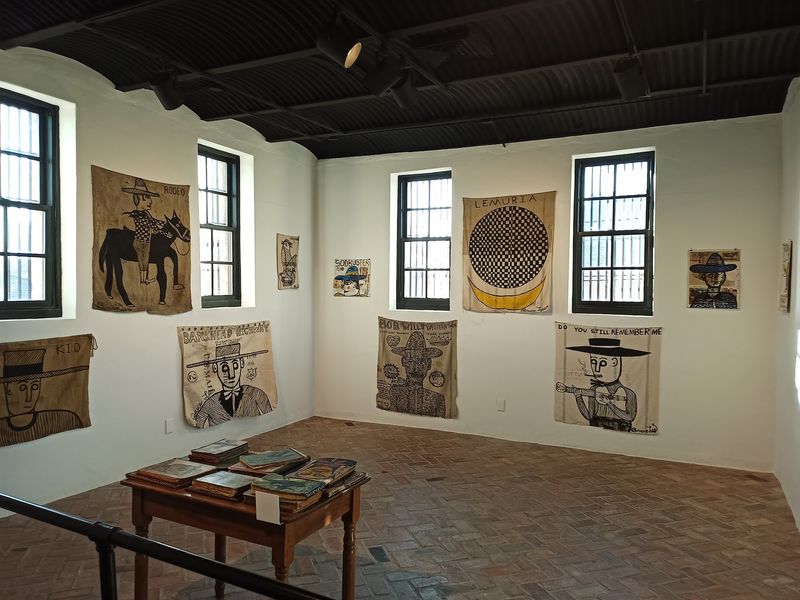
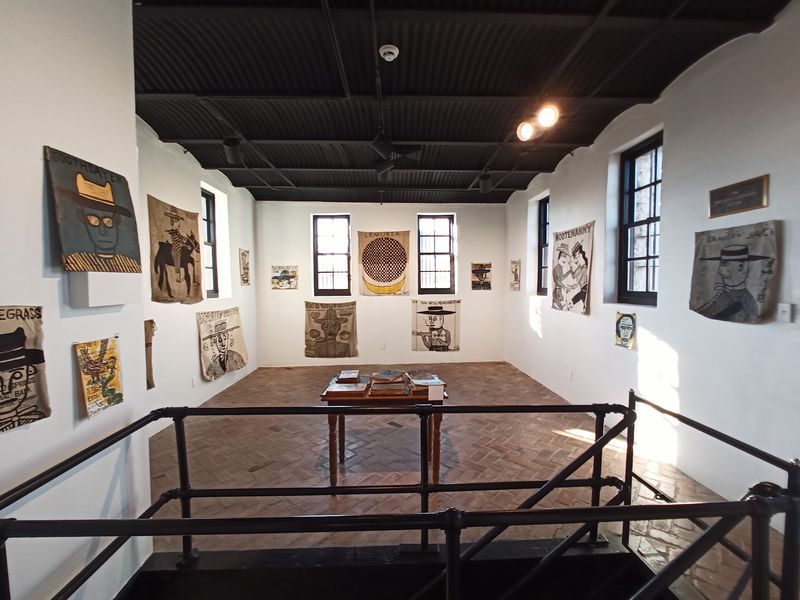
Here is the twist that makes the whole place unforgettable. Several former cells are still cells, and artists get to work inside them.
The program is called the Cell Series. Contemporary artists build site-specific installations designed for those cramped historic rooms, so the art responds directly to iron, stone, and confinement.
Results vary wildly depending on who is showing, which is exactly the appeal. One installation might feel meditative, another slightly unsettling, and the space itself always adds pressure to the experience.
Squeezing into a cell to view an artwork changes how you look at it. The walls are close.
Sound behaves strangely.
You cannot step back for a comfortable viewing distance, and that limitation becomes part of the piece. Very few museums anywhere can offer that.
Because installations rotate, repeat visits pay off. Something entirely different may fill the same small room a year later.
The museum also runs an annual Emerging Artist exhibition, which keeps fresh names moving through a building that could easily coast on history alone. Supporting new talent inside a nineteenth-century jail feels like a fitting kind of contradiction.
A practical tip: check what is currently installed before driving out, since the Cell Series is often the reason art lovers make the trip. Give yourself extra minutes upstairs rather than rushing back to the main galleries.
Quiet observation works best here. The rooms are small, and the ideas inside them tend to be big.
Picasso, Modigliani And Han Dynasty Figures In One Building
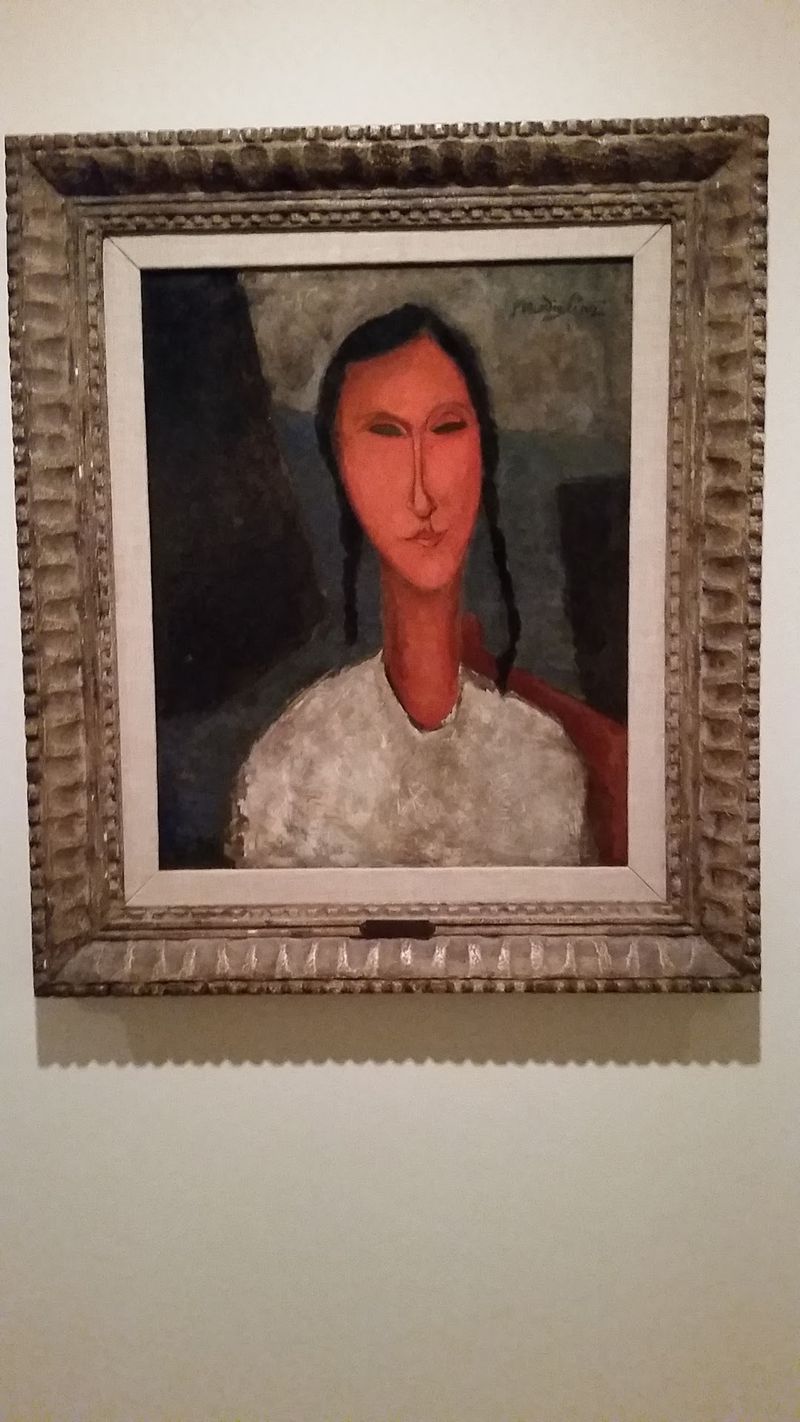
Roughly 2,200 to 2,400 works make up the permanent collection, and the range is genuinely startling for a town this size. Drawings, paintings, prints, and sculpture span antiquity through the present day.
Names on the labels include Alexander Calder, Francisco Goya, Paul Klee, John Marin, Amedeo Modigliani, Henry Moore, Pablo Picasso, Rembrandt, Pierre-Auguste Renoir, and Grant Wood. Reading that list on a wall in Shackelford County is a small thrill.
Certain areas run deep rather than wide. Modern British art, the Fort Worth Circle, and the Taos Moderns are real strengths, which gives the galleries a distinct regional and mid-century flavor.
The Asian holdings deserve unhurried attention. Ancient Chinese terracotta tomb figures from the Han through Tang dynasties stand in cases with a quiet presence that photographs never capture properly.
Older still is the William O. Gross, Jr. collection of pre-Columbian art, with objects dating back as far as 1,000 B.C.
Contemporary Texas artists round out the picture, keeping the collection rooted in its own landscape.
Because gallery space is limited, displays rotate. What hangs today may rest in storage next season, so treat the visit as a snapshot rather than a complete inventory.
My advice is simple. Move slowly through two or three rooms instead of skimming everything, since this collection rewards close looking far more than fast walking.
Small museums like this one make masterpieces feel oddly approachable.
The Sculpture Courtyard Where The Prairie Light Does The Work
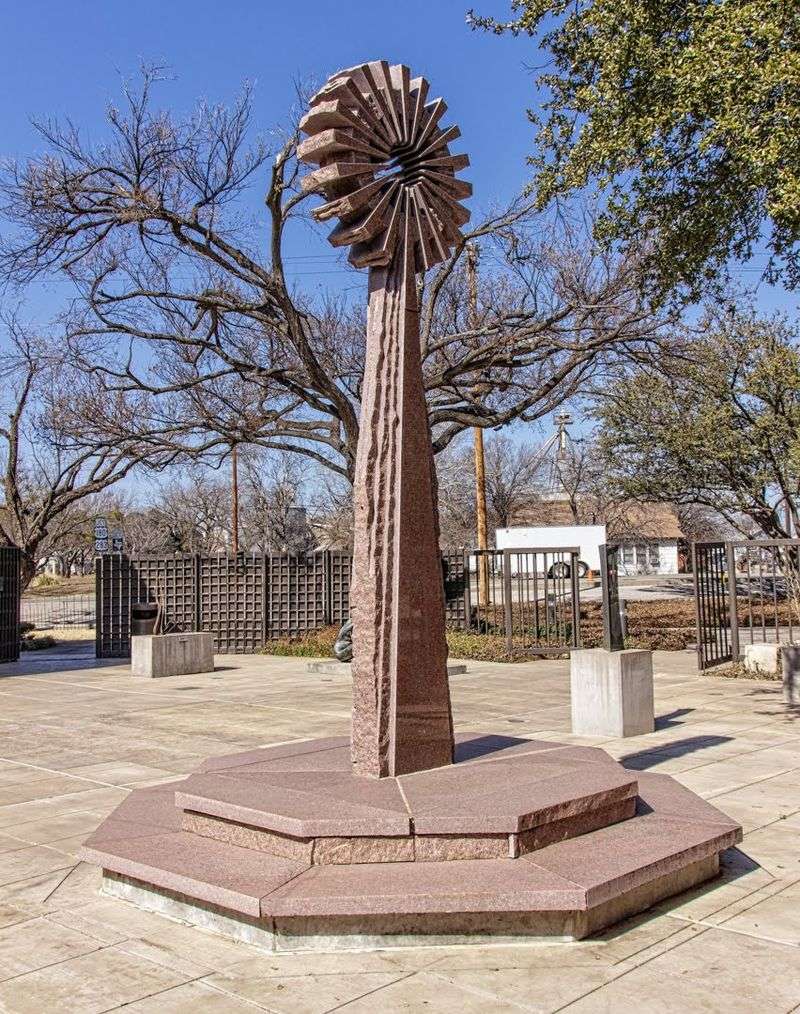
Step outside into the Marshall R. Young Sculpture Courtyard and the mood shifts completely.
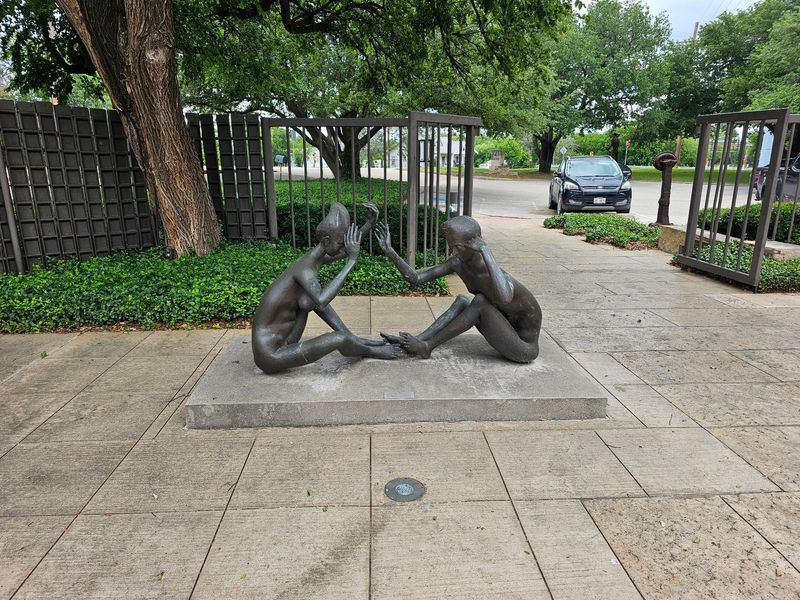
More than twenty sculptures share the open space, and West Texas sunlight becomes part of the display.
Shadows stretch and shorten through the day. A piece that looked flat at noon can turn sharp and dramatic by late afternoon.
Sitting out there was my favorite pause of the visit. Wind moves through, birds argue somewhere overhead, and the sky feels enormous compared to the tight cells upstairs.
The courtyard also functions as a breather between galleries. Museum fatigue is real, and having fresh air built into the route keeps attention sharp.
Heat deserves respect, though. Summer afternoons in this part of Texas get fierce, so morning or later-day timing makes the outdoor portion far more pleasant.
Water and a hat cost nothing to bring and improve everything.
Photographers will find good angles from multiple sides, since the sculptures read differently against stone paving, greenery, and open sky. Circle each work rather than settling for one view.
Kids tend to relax here too. After the hush of indoor galleries, a space where movement is allowed helps younger visitors reset.
What struck me most was the contrast. Inside, art sits under controlled light behind careful labels; outside, it stands exposed to weather and wind like anything else on the prairie.
Both settings belong to the same museum, and the shift between them is half the pleasure.
Research Rooms, Ranching Records And A Woodworking Shop
Beyond the galleries sits a side of this museum most visitors never expect. The Green Art Research Library holds around three thousand books and periodicals covering visual arts and art history.
A reading room invites lingering. Sinking into a chair with an art book while housed inside a nineteenth-century jail is a strange and pleasant combination.
History runs just as deep. The Robert E.
Nail Jr. Archives preserve documents tied to Shackelford County, offering researchers material that exists nowhere else.
Regional life shows up in dedicated collections too. The Sallie Reynolds Matthews historical collection and the Watt Matthews Ranching collection anchor the museum firmly in local ranching heritage.
That pairing matters. Cattle country and modern European painting rarely occupy the same address, yet here the two sit comfortably side by side.
There is even an in-house woodworking shop, used for building what the museum needs. Practical, unglamorous, and somehow very Texan.
For anyone tracing family history in the area, or writing about frontier life, the archives are worth planning around. Reaching out ahead of a visit is wise if research access is the goal.
Casual visitors benefit as well. Flipping through a few volumes after seeing the galleries connects the art to the land outside the windows.
Admission is always free, which makes lingering guilt-free. Spending an extra half hour in the reading room costs nothing but time, and it turns a quick stop into an afternoon worth remembering.
Making A Day Of It In Albany, Texas
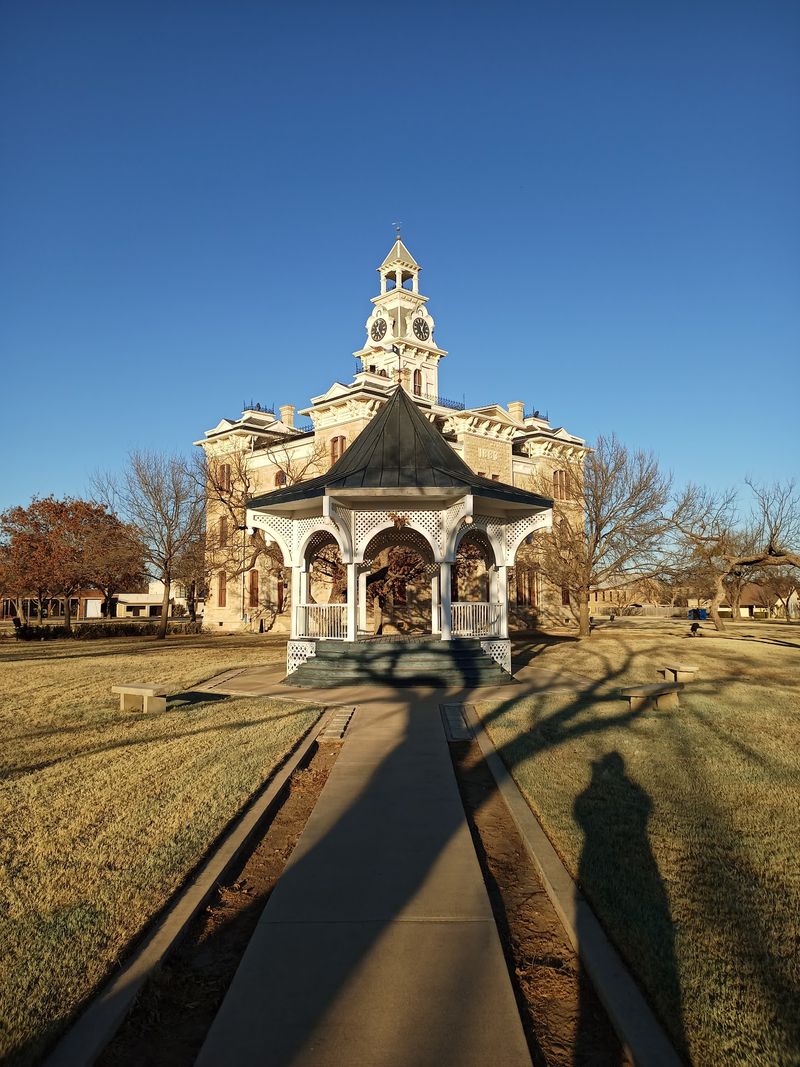
Albany itself deserves more than a parking spot. Established as the county seat in 1874, the town wears its ranching history openly, with a historic courthouse square and wide, unhurried streets.
It is a stop on the Texas Forts Trail, part of a heritage tourism route that strings together frontier sites across the region. That context helps explain how such a serious museum landed here.
Fifteen miles north sits Fort Griffin State Historic Site, a former U.S. Cavalry post.
The Official State of Texas Longhorn Herd grazes there, and seeing those horns in person is worth the short drive.
Albany is also home to the Fort Griffin Fandangle, the oldest outdoor musical in Texas. Performances retell local history through song and staging, drawing visitors from far beyond the county line.
For slower hours, Webb Memorial Park and the Albany Golf Club offer easy ways to stretch out an afternoon. Nobody rushes around here.
Practical planning helps. Small-town hours can be limited, so confirm opening times for the museum and any nearby sites before setting out, especially on weekends and holidays.
Fuel up before long stretches of highway. Distances between towns in this part of Texas are real.
What lingers after leaving is the contrast. A jail built to hold people now holds Goya prints, terracotta figures, and installations made specifically for its cells, all inside a town most travelers have never heard of.
Address: 201 S 2nd St, Albany, TX 76430
