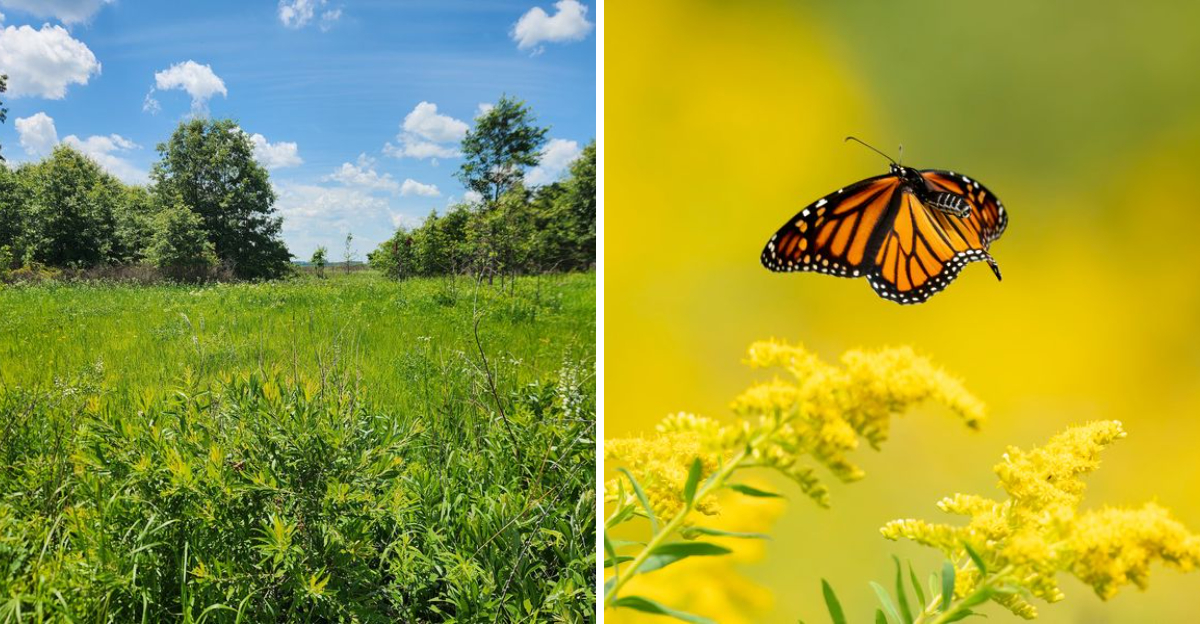
Less than 1% of Indiana’s original tallgrass prairie is thought to remain, making this unassuming stretch of grassland far more remarkable than it first appears.
Across just 29 acres, towering native grasses rise alongside colorful wildflowers, wet prairie, and pockets of oak savanna, creating a surprisingly diverse landscape.
Butterflies and birds also move through the vegetation, adding plenty of life to the open terrain. What looks like a simple field is actually a rare surviving fragment of a much larger ecosystem that once covered enormous portions of the region.
For anyone curious about the landscape that existed before widespread development, this is a fascinating glimpse backward.
A Prairie That Was Never Turned Over by a Plow
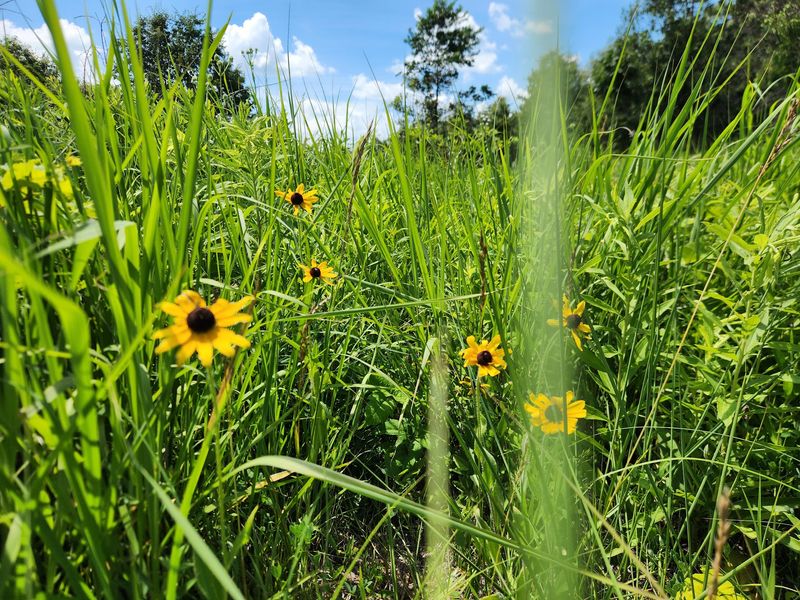
Most of the ground you drive past in this part of Indiana has been farmed for well over a century. Spinn Prairie is the rare exception, a patch of tallgrass prairie that was never broken by a plow.
That single detail changed how I looked at the place. The soil underfoot holds root systems that have been growing, dying back, and regrowing for thousands of years, in some cases reaching many feet below the surface.
You cannot see that part, but you can feel how springy and alive the ground is.
Tallgrass prairie once spread across huge stretches of western and northwestern Indiana. Almost all of it is gone now, converted to fields and towns, which makes these 29 acres feel less like a park and more like a surviving fragment of the state’s original landscape.
Because nothing here was ever plowed, the plant community is far more complex than a planted restoration. Species grew up together, competed, and settled into their spots over centuries.
I would recommend giving yourself time to stand still for a few minutes before walking anywhere. The grasses move in slow waves, and once your eyes adjust you start noticing dozens of different leaf shapes packed into a single square yard.
It is a humbling little history lesson, delivered entirely by plants and wind.
Wildflowers With Names Worth Learning
Rattlesnake master. Prairie dock.
Hoary puccoon. The plant list here reads like a page from an old field guide, and honestly, learning the names became half the fun of my visit.
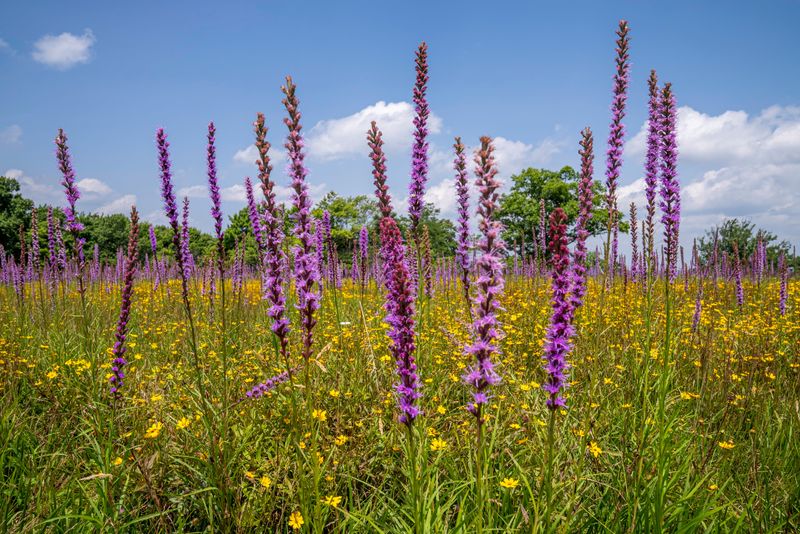
Spinn Prairie shelters an impressive spread of native prairie species. Blazing star sends up purple spikes, wild white indigo stands stiff and pale, and compass plant leaves feel rough as sandpaper between your fingers.
Depending on the month, you might also spot shooting star, prairie phlox, cream wild indigo, downy sunflower, wild lupine, wild quinine, purple prairie clover, prairie lily, and prairie gentian. Prairie panic grass fills the gaps between them.
Spring brings the low, delicate bloomers, while midsummer through early fall belongs to the tall showy ones. If you want maximum color, aim for July or August.
Bring a plant identification app or a small guide, because there are no interpretive signs pointing anything out. That absence is part of the charm, though it does mean the discovery work is on you.
I ended up crouched in the grass for a solid twenty minutes photographing a single cluster of blossoms and lost track of time completely.
One tip from experience. Wear long pants, since the vegetation is dense and taller than you expect once you step off the road edge.
Wet Swales Hiding Between the Grasses
My shoes got damp faster than expected, and that turned out to be one of the more interesting things about walking here.
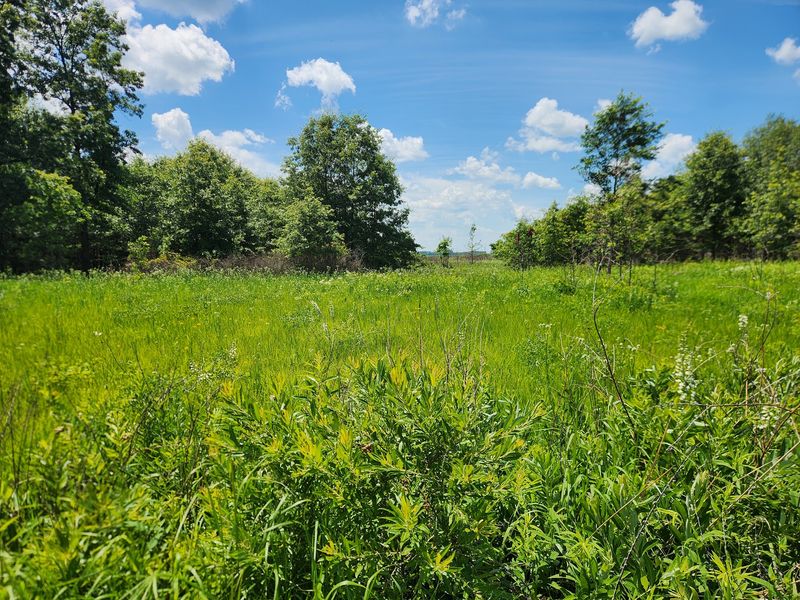
The land at Spinn Prairie looks almost perfectly flat from the road. Walk into it, though, and you find shallow low spots called swales where water collects and lingers.
Cordgrass takes over in those damp channels, growing in coarse, arching clumps with edges sharp enough to notice. The change from dry prairie to wet swale can happen in the space of a few steps, and the plants shift right along with it.
Those subtle dips are leftovers from the glaciers that shaped this whole region, and they create small wetland pockets in the middle of an otherwise dry grassland.
For anyone curious about how habitats work, it is a wonderful little demonstration. Water levels drop a few inches, and an entirely different set of species moves in.
Spring and early summer visits tend to be the wettest, so waterproof boots earn their keep. Later in summer the swales often dry down, leaving the cordgrass standing tall and rustling.
Frogs and insects use these damp corners heavily. I stopped near one and just listened, and the layered buzzing and chirping was louder than anything else around.
Oak Savanna on the Higher Ground
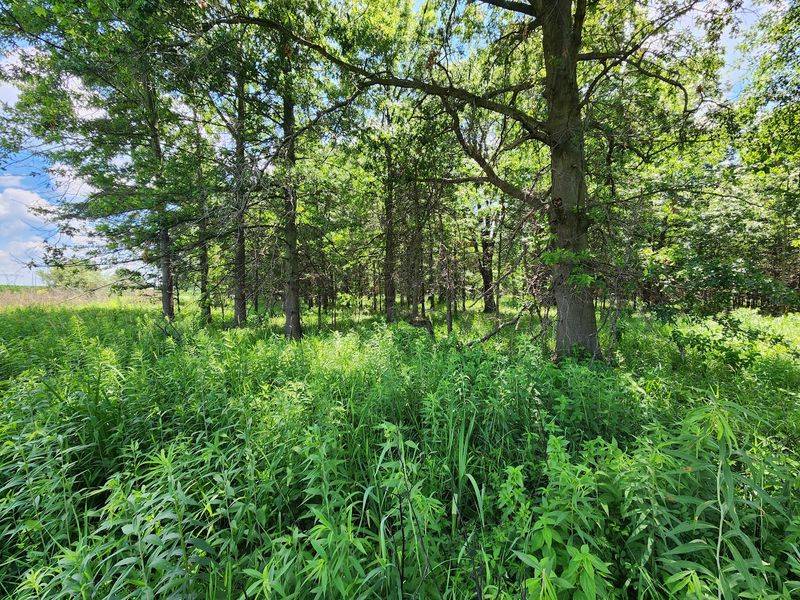
Toward the higher edges of the preserve, scattered oaks break up the open grassland and change the mood entirely.
Black and white oaks grow here in an open pattern known as oak savanna, a habitat that sits somewhere between forest and prairie. Trees are spread apart rather than closed in, so sunlight reaches the ground and grasses keep growing beneath the branches.
These savanna areas have declined in quality over the years, largely because shrubs and young trees crowded in once regular fires stopped. Restoration work is ongoing, with brush removal and prescribed burns used to open things back up.
Seeing that work in progress gave me a new appreciation for how much effort goes into keeping a place like this alive. Prairie and savanna both depend on periodic fire, which sounds destructive but actually clears the way for native plants and stimulates fresh growth.
The shade under the oaks makes a welcome break on a hot afternoon. I sat on a fallen limb for a while and watched the grass line ripple out in front of me.
Fall visits are especially good in this section, when oak leaves turn deep russet above the bronze grasses. Bring a camera, because the contrast between the two habitats photographs beautifully in low, slanted light.
Bees, Butterflies and Birds Everywhere You Look
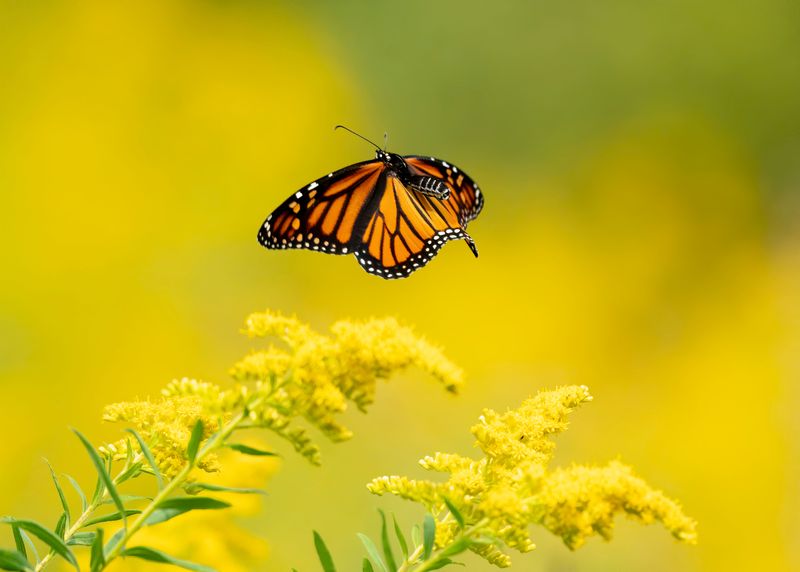
The sound hit me before anything else. Not birdsong, not wind, but the steady low buzz of hundreds of insects working the flowers.
Spinn Prairie functions as a genuine refuge for pollinators. Native bees, bumblebees, and butterflies move constantly between blossoms, and because the flower variety is so wide, something is usually in bloom from late spring into fall.
All those insects feed something bigger. Upland birds rely on protein-rich bugs to raise their chicks, and diverse native plant cover provides exactly that at exactly the right time of year.
Birders will find plenty to work with, especially in the mix of grassland and wooded edge. A previous visitor noted good birding despite the nearby highway, and traffic noise really does fade once you are a short distance into the grass.
Early morning is the best window for bird activity, while midday suits butterfly watching better since they get moving when temperatures rise.
Binoculars are worth carrying, though I got just as much enjoyment out of watching things at close range. A single blazing star spike can host several species at once.
One practical note. This is prime tick habitat, so check yourself thoroughly when you get back to the car.
No Trails, No Restrooms, No Crowds
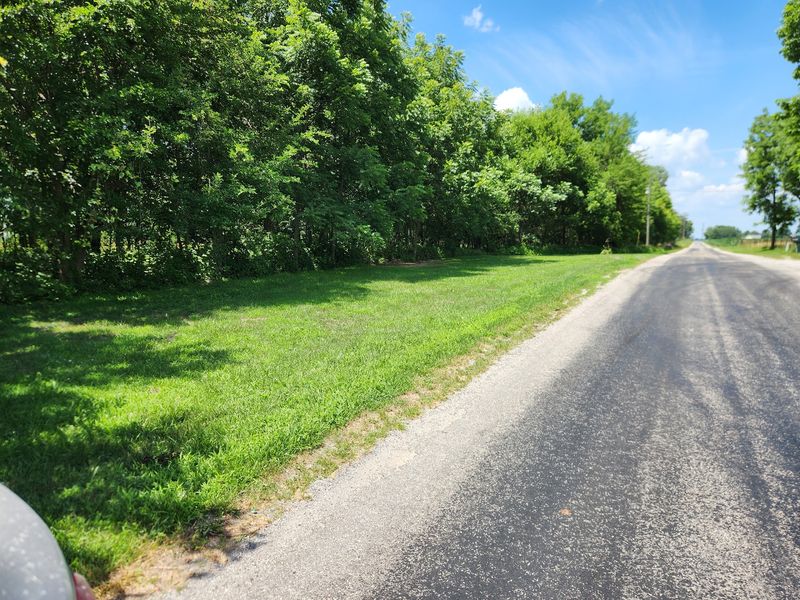
Let me be upfront about what you will not find. There is no parking lot, no trail system, no restroom, no shelter, and no picnic table.
A single sign faces the road, plus one informational sign nearby. That is the extent of the infrastructure, and for some visitors it will be a dealbreaker.
For me it was the appeal. Without a marked path telling me where to go, I wandered based on what caught my attention, which is a rarer feeling than it should be.
You park along the roadside. Reports mention a grassy pull-off area roughly a tenth of a mile south of the preserve sign, across from a house, which works well enough.
The road itself is quiet, though US 421 runs parallel and stays visible to the west. Cell service is reportedly strong, which is reassuring in a place with no facilities.
Plan ahead accordingly. Bring water, use the restroom in Reynolds first, and wear sturdy closed shoes since you will be walking through unmowed vegetation.
Solitude is close to guaranteed. Other visitors are rarely around, and on my walk I did not see another person the entire time I was there.
Sometimes emptiness is the whole point.
A Small Conservation Win You Can Actually Walk Through
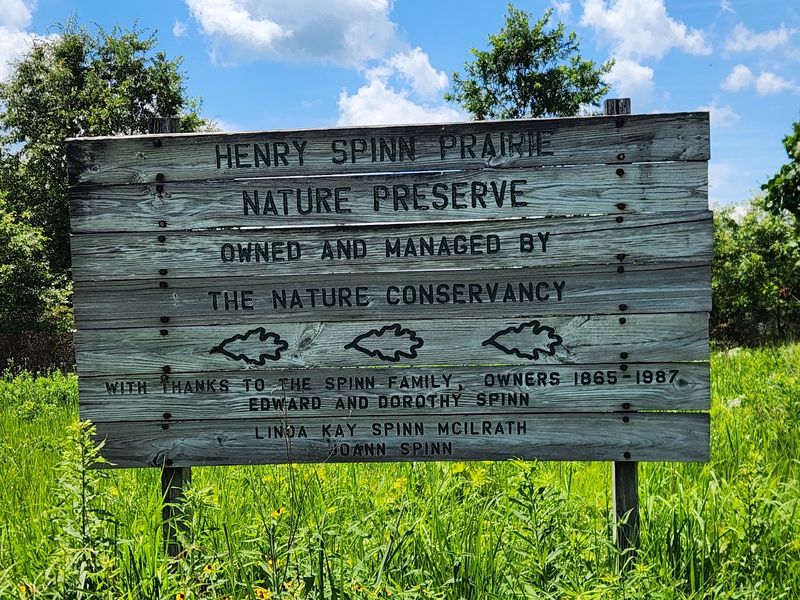
Places like this do not survive by accident. Spinn Prairie exists today because people recognized its value and acted before it was too late.
The Nature Conservancy acquired adjacent land in 1979, and the site was formally dedicated as a nature preserve in 1981. The organization continues to own and manage the roughly 29 acres today.
Management is not passive, either. Prescribed burning, brush clearing, and monitoring all help keep native species dominant and hold invasive plants back.
Knowing that history made my visit feel different. Every blazing star and every oak represents decisions made decades ago by people who chose protection over profit.
Indiana has lost the overwhelming majority of its original prairie, so surviving remnants carry real scientific and genetic weight. Seeds and plant communities here help inform restoration work elsewhere in the state.
Visiting respectfully is the best thing a traveler can do. Stay on the ground, take nothing, leave nothing, and let the plants be.
The preserve is open around the clock, though daylight visits make far more sense given the lack of trails. Late afternoon light through the grass is my personal favorite.
Address: 1501-1999 N Meridian Rd, Reynolds, IN 47980
