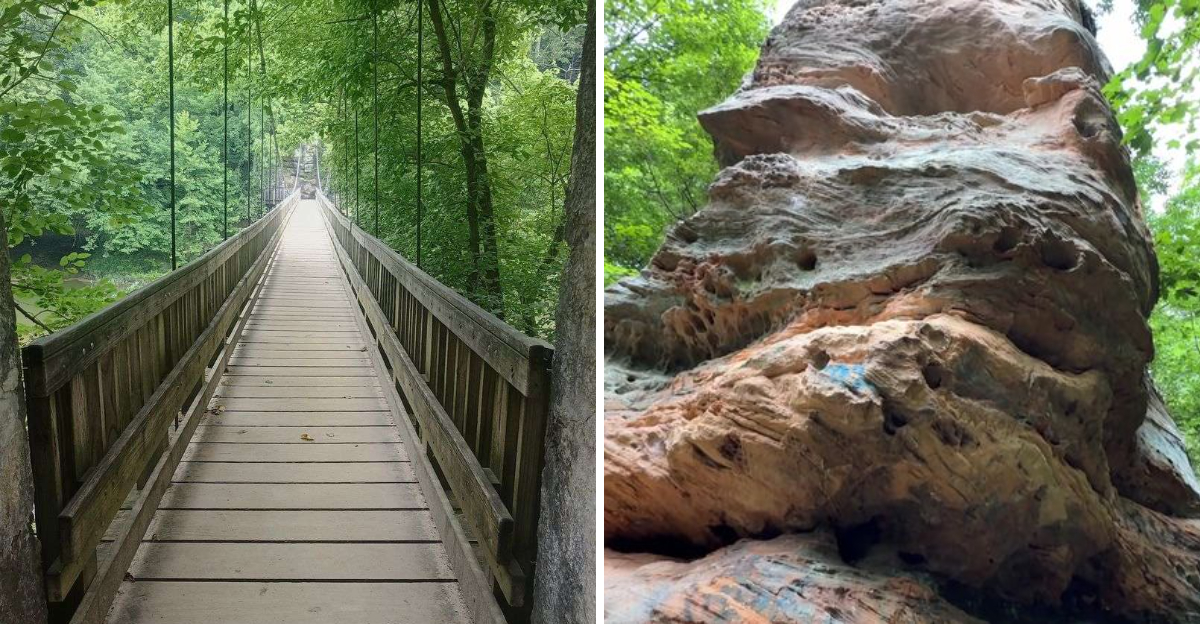
Who decided the Midwest had to look like endless fields and flat roads? Indiana has a few natural surprises that can make you question where you actually are, from towering dunes and rugged sandstone gorges to caves, waterfalls, wetlands, and dense old-growth forests.
Some of these parks feel almost coastal, others resemble landscapes you would expect much farther south or west. The best part is that you do not need to leave the state to experience them.
Scattered across out state are quiet corners where the scenery changes dramatically enough to make an ordinary weekend outing feel like a completely different kind of adventure.
1. Hemlock Cliffs Nature Preserve, Indiana’s Hidden Rainforest
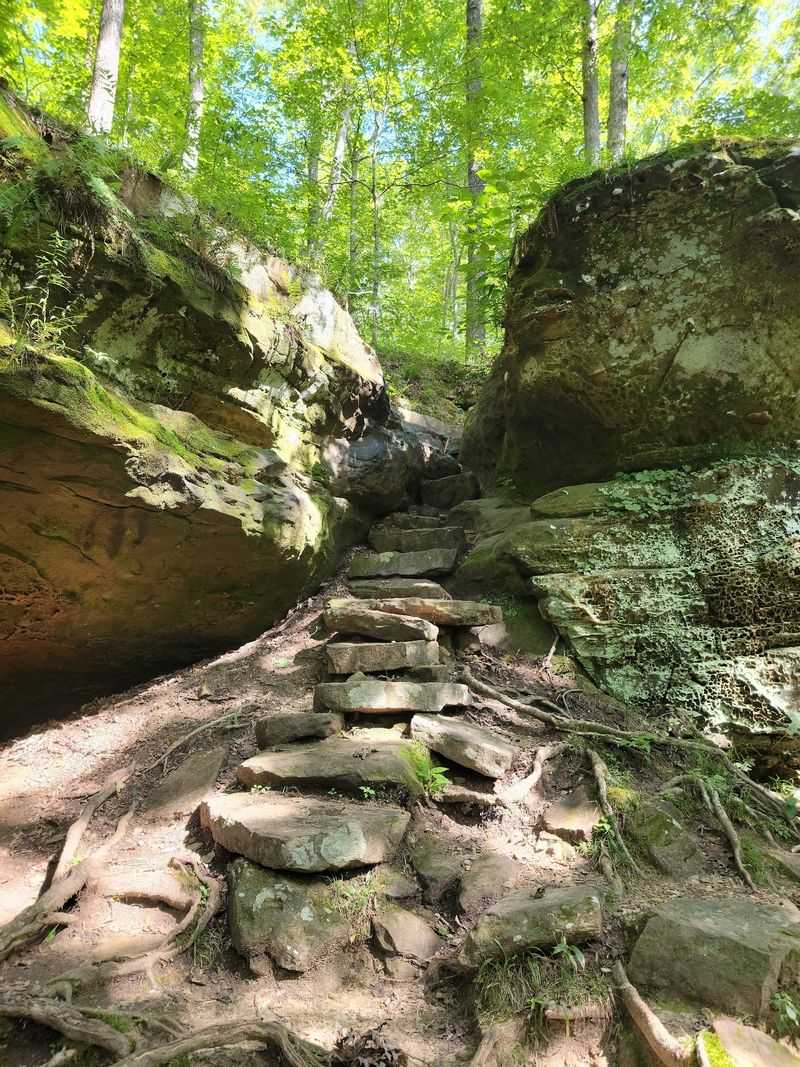
My first minutes here were spent just listening. Water dripped from a ledge somewhere overhead, and the temperature dropped noticeably as the trail dipped into the canyon.
People call this pocket of the Hoosier National Forest Indiana’s hidden rainforest, and after a rainy spring week, the nickname makes complete sense. Sandstone walls rise on both sides, pitted with strange little holes that formed as iron ores weathered out of the rock.
The effect looks like honeycomb, and I kept stopping to run a hand across it.
Eastern hemlocks grow along the rim, which is unusual this far south, and the forest floor holds wintergreen and wild geranium if you look carefully.
A one-mile loop takes you down into the gorge, under overhangs and past rock shelters where people sheltered thousands of years ago. That history sits quietly in the background while you scramble over roots and slick stone.
Waterfalls run hardest in late winter and spring, and by August they can slow to a trickle, so timing matters here more than at most places.
Bring shoes with real grip. The descent gets slippery, and the pocket caves tempt you into damp corners where footing gets tricky.
I left with muddy knees and a genuine feeling that I had wandered into Appalachia by accident.
Address: English, Indiana (located within Hoosier National Forest)
2. Pine Hills Nature Preserve and the Devil’s Backbone
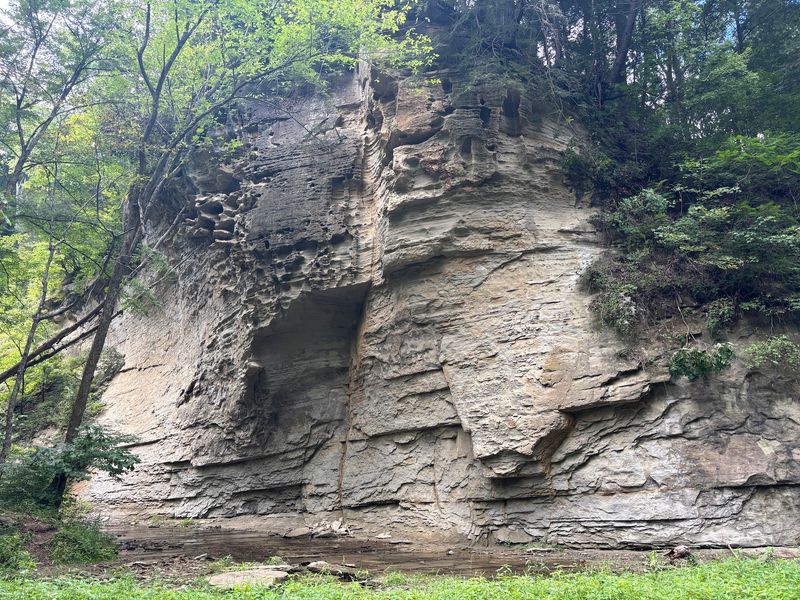
The ridge walk here made my legs feel oddly aware of themselves. On both sides the ground simply falls away, and the creek below sounds much farther off than it looks.
Indiana’s very first dedicated nature preserve protects a landscape of steep ravines, sandstone bluffs, and forest that leans more northern than Midwestern. Northern white pines grow along Sugar Creek in this spot, a small botanical oddity that adds a sharp, resinous smell to the air.
Devil’s Backbone gets most of the attention, and rightly so. It is a narrow hogback ridge with drop-offs that demand slow, deliberate steps and full attention.
Honeycomb Rock earns its name too, with countless small pockets etched into a tall cliff face that looks almost handmade.
Since the preserve sits alongside Shades State Park, you can stretch a visit into a full day without repeating any trail. I would suggest going on a weekday morning if you can, because the ridge feels far better when nobody is waiting behind you.
Water crossings are common, so wet feet are part of the deal after storms.
Sound carries strangely in these canyons, muffled and close. That quiet, plus the pines and craggy hills, convinced me more than once that I had somehow driven into mountain country.
Address: 7751 S 890 W, Waveland, IN 47989
3. Portland Arch Nature Preserve, Sandstone and Old Ruins
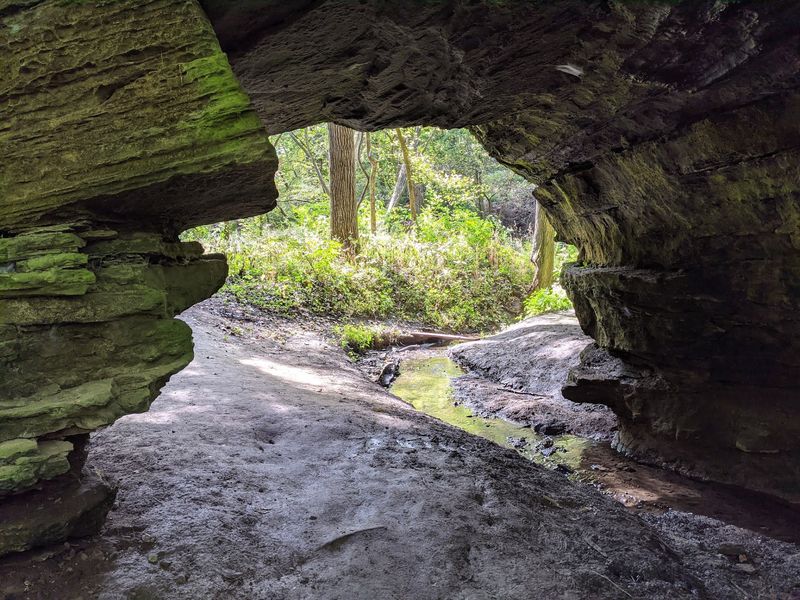
Finding the arch takes a little patience, and I liked that about the place. The forest near Covington gives up nothing at first, then the ravine narrows and there it is, carved through solid sandstone.
Natural arches are rare in this state, which makes standing beneath one feel like a small victory. Centuries of water working through weak stone did all the labor, and a little stream still runs under the opening.
Ravines wrap around the trail, holding cool air and moss. After heavy rain, seasonal waterfalls appear in odd corners, and the whole preserve turns louder and greener.
What surprised me most were the leftovers of human history scattered nearby. Remnants of an old resort and a former Boy Scouts camp sit quietly in the woods, slowly being reclaimed by roots and leaf litter.
Trails here involve stairs, boardwalk sections, and a few root-tangled climbs, so this is not a stroller kind of outing.
Spring brings the best water and the most wildflowers. Fall brings better footing and thinner crowds, which is my personal preference.
Cell service gets spotty, so I would screenshot the trail map before leaving the parking area.
Few Indiana stops feel this genuinely tucked away, and the arch alone justifies the detour off the main highway.
Address: Covington, Indiana
4. Clifty Falls State Park Above the Ohio River
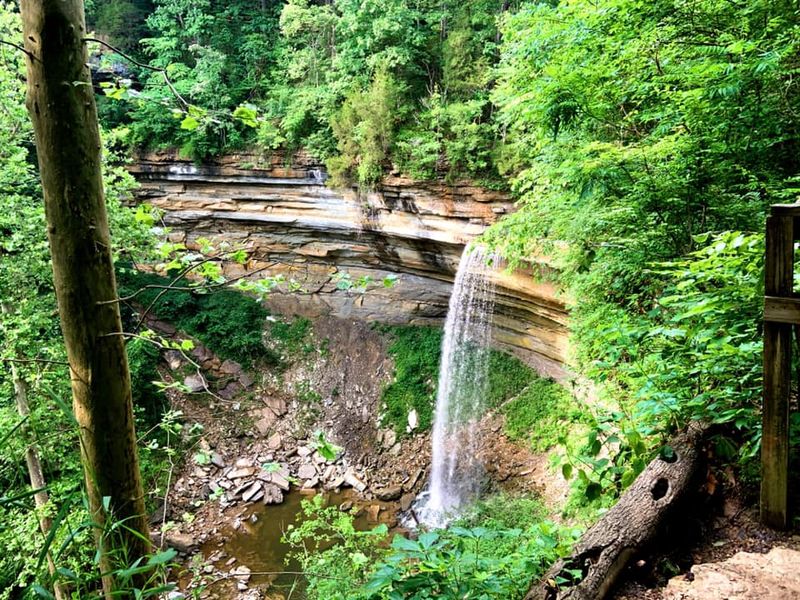
Winter turned out to be my favorite time in this canyon country. The trees stand bare, the waterfalls run full, and every cliff edge shows its layers clearly.
Near Madison, the land splits open into deep gorges that overlook the Ohio River, and the scale honestly caught me off guard. Four main waterfalls do the heavy lifting here: Clifty Falls, Little Clifty Falls, Tunnel Falls, and Hoffman Falls, each dropping over sheer rock into shadowed basins.
Seasons change their personalities completely. Spring gives you roaring water, while late summer softens everything into thin mist and quiet pools.
The canyon floor is a rock hound’s daydream. Marine fossils sit right there in the exposed stone, left behind by a sea that covered this land roughly 425 million years ago.
Trails range from easy rim walks with big overlooks to rugged creek-bed routes that involve boulder hopping. I would rate the creek bed as the more memorable option, though it slows your pace considerably.
Wear something waterproof. Spray from the falls reaches farther than expected, and the stones stay slick year round.
Madison sits just minutes away, which makes this an easy stop if you are working your way along the river.
Between the elevation swings and the canyon shadows, the flat Midwest feels very far off.
Address: 2221 Clifty Drive, Madison, IN 47250
5. McCormick’s Creek State Park, Limestone Canyon Charm
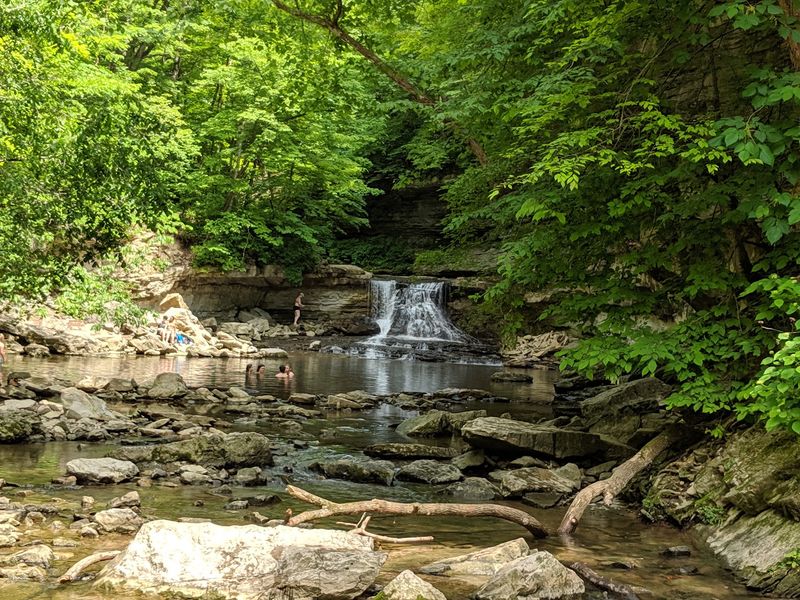
Old parks have a certain settled feeling, and this one wears its age well. Indiana’s very first state park still keeps its trimmed lawns and stone structures looking cared for, which contrasts nicely with the wild ravines just beyond.
The limestone canyon is the showpiece. Water steps down through pale rock walls, and the creek bed becomes a natural hallway you can walk right through when levels are low.
Wolf Cave pulled me in more than I expected. It is a small, tight passage, and the nearby Twin Bridges formation gives the whole area a slightly storybook quality.
Densely forested ravines surround the main canyon, so shade is easy to find on hot afternoons.
History threads through the trails as well, with a fire tower and stone shelters that reflect the vision of the land’s original owner.
Practical tip from experience: the canyon trail gets crowded midday on weekends, so early mornings pay off with better light and fewer voices bouncing off the rock.
Sturdy footwear matters if you plan to walk in the creek, and a small towel is never a bad idea.
Spencer sits close by for supplies. The blend of polished grounds and rough limestone gorge makes this stop feel unlike anywhere else on the route.
Address: 250 McCormick Creek Park Road, Spencer, IN 47460
6. Turkey Run State Park and Its Ladder Trails
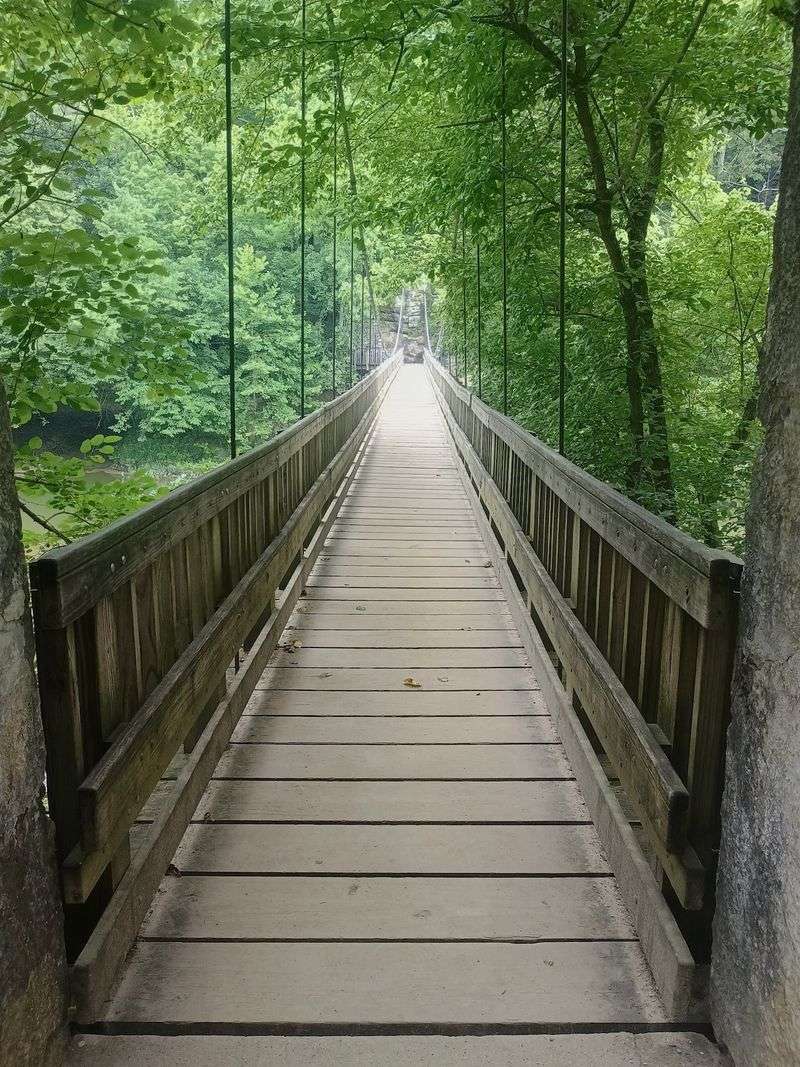
Ladders. Actual ladders bolted into rock, which is not something I ever expected to climb in Indiana.
Sandstone ravines cut deep through this park, carved patiently over thousands of years into corridors that block out sound and sunlight. Ancient hemlocks cling to the rims, and cliff walls rise so abruptly that the whole place feels primeval.
Named features keep the hiking interesting: Box Canyon, Gypsy Gulch, and the Punch Bowl waterfall each have their own character. The Ice Box, a glacial formation, stays startlingly cool when the rest of the state is sweating.
A historic suspension bridge crosses Sugar Creek, swaying just enough to make you grin, and the views from the middle are some of the best in the park.
Virgin woodlands survive here, alongside traces of an old coal mine, so natural history and human history sit side by side without much fanfare.
Some trails are rated rugged for good reason. Expect stream walking, steep stairs, and sections where hands matter as much as feet.
I would skip flip-flops entirely and pack a dry pair of socks.
Crowds gather near the main trailheads, but push a little farther and the ravines empty out quickly.
By the time I climbed the last ladder, the Midwest label had stopped making any sense at all.
Address: 8121 E. Park Road, Marshall, IN 47859
7. Leonard Springs Nature Park, Karst Country Near Bloomington
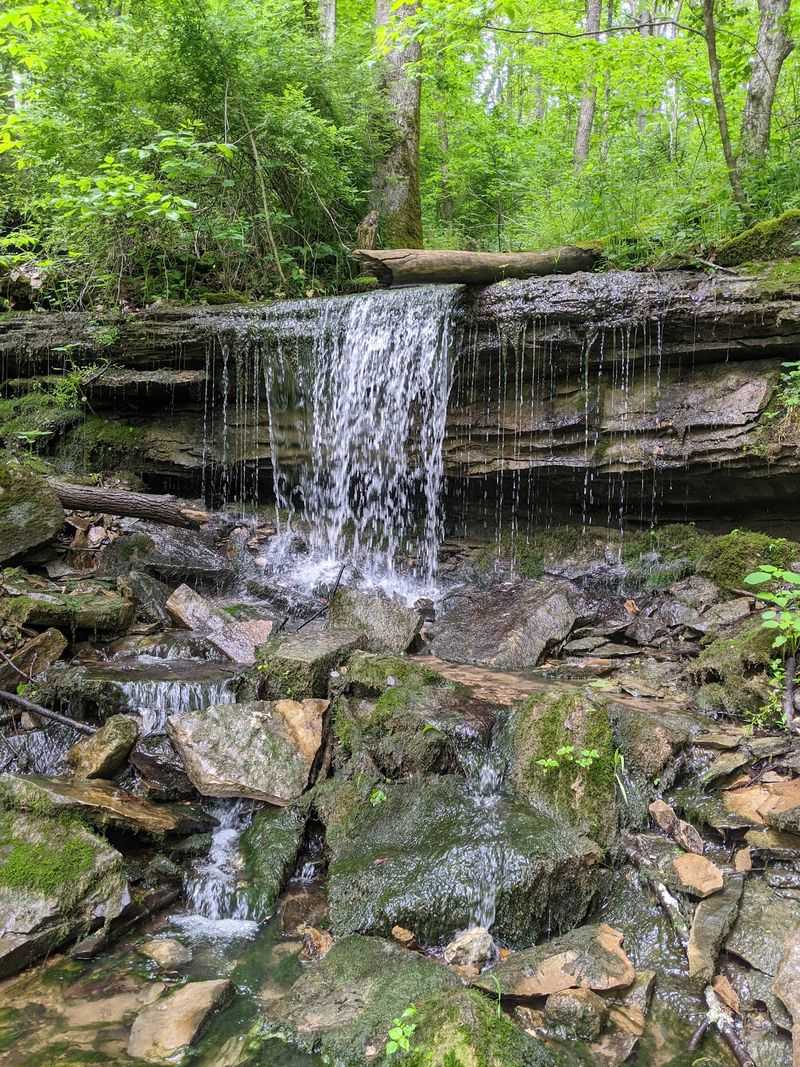
Locals seem to keep this one to themselves, and I understand the instinct. Just south of Bloomington, a hundred acres of karst country hides waterfalls, springs, and cave openings that most visitors never hear about.
Water runs the show here. It disappears into limestone, resurfaces somewhere unexpected, and after heavy rain it gushes out of rock faces in a way that seems almost theatrical.
Steep forested slopes drop toward a calm wetland, and the mix of habitats supports a surprising range of plants and animals. I spent a while just watching dragonflies over the still water.
The Leonard Springs Trail links the most scenic spots, including the cave and falls area, while the Ridgetop Road route offers a shorter and gentler alternative for anyone not up for the descent.
Boardwalks help in the soggiest sections, though the steeper stretches can be slick after rain.
Timing is everything at this stop. Visit during a dry spell and the falls go quiet, so aim for spring or the days right after a good storm.
Educational signs along the way explain the karst system, which turned out to be genuinely interesting rather than a chore to read.
Small, wild, and unpolished, it delivers far more atmosphere than its size suggests.
Address: 4685 S Leonard Springs Road, Bloomington, IN 47403
8. Twin Swamps Nature Preserve, A Slice of the Deep South
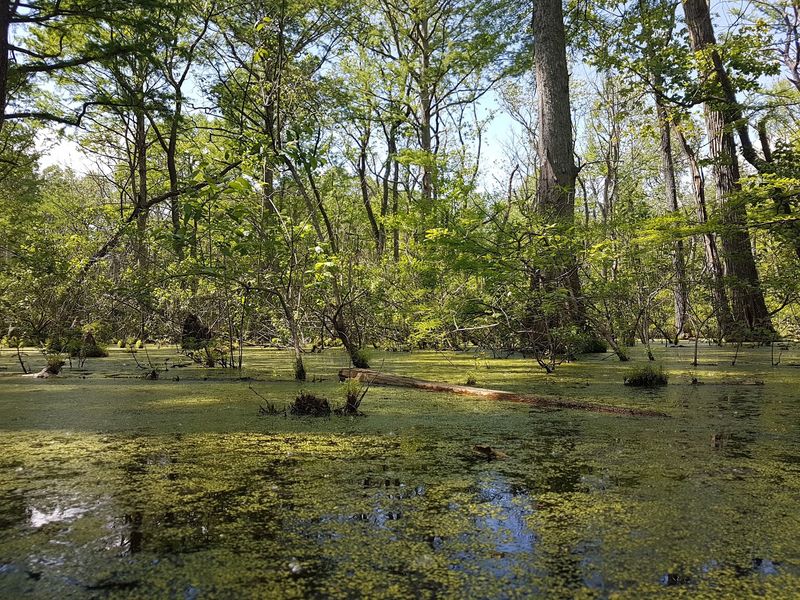
Nothing prepared me for cypress trees in Indiana. Dark water, knobby knees poking up like little stumps, and a heavy green stillness that belongs several states south.
Down in Posey County, this preserve protects two rare swamp types side by side: a cottonwood and bald cypress swamp, plus a dense overcup oak swamp. Southern flatwoods sit between them, which makes the walk feel like crossing three different worlds in one afternoon.
A long boardwalk carries you over the water, close enough to study reflections and watch for movement in the shallows.
Spider lilies and featherfoil grow here, both unusual finds, and the bird life leans heavily southern. Bring binoculars if you have them, because the calls come from every direction during spring migration.
Because this marks the northern edge of these ecosystems’ natural range, everything feels slightly out of place in the best possible way.
Summer visits mean humidity and insects, so long sleeves and repellent go a long way. Spring high water makes the cypress swamp look its most dramatic.
The nearest town of any size is Mount Vernon, so fill your tank and pack water before heading out.
I stayed until the light went gold across the water, and honestly, I could not name the state I was standing in.
Address: Posey County, near Mount Vernon, Indiana
9. Jug Rock Nature Preserve, The Desert Hoodoo Hidden in the Woods
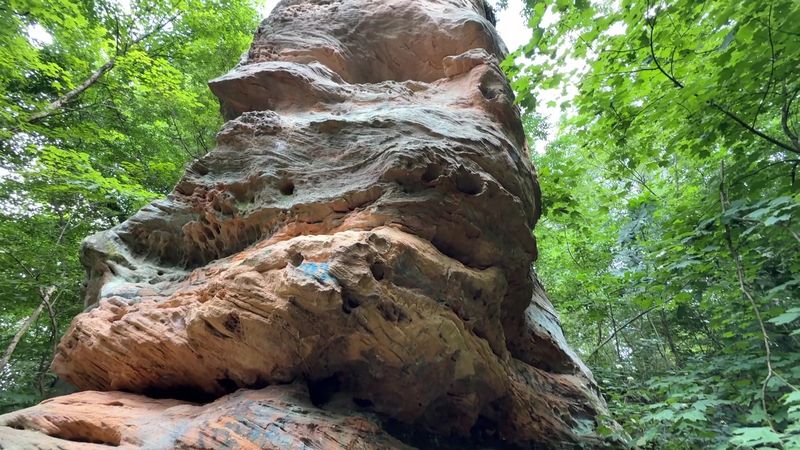
My first glimpse of this geological oddity made me blink twice because a massive sandstone pillar shaped like a giant jug looks entirely out of place in a dense Indiana hardwood forest.
Standing sixty feet tall, this geological wonder is the largest freestanding table rock formation east of the Mississippi River.
Centuries of wind and water erosion from the nearby East Fork of the White River carved away the softer stone layers, leaving behind a towering stack of Mansfield sandstone that looks like a desert hoodoo from Utah or Arizona.
The trail to reach it is incredibly short but packs a scenic punch, dropping you into a quiet, shadowed ravine where the massive rock structure suddenly looms directly ahead of you.
Ferns and moss wrap around the base of the pillar, creating a beautiful contrast between the rugged, ancient stone and the lush Indiana greenery.
Because it is a protected state nature preserve, there are no gift shops, guard rails, or commercial platforms here; just a raw piece of natural history tucked quietly behind a small gravel pull-off.
Photographers will want to visit during the late afternoon when the sun filters through the trees and hits the textured sandstone layers perfectly. Wear shoes with deep traction since the short descent into the ravine can get slippery after a heavy rain.
It is a quick but completely surreal detour that will make you forget you are in the Midwest.
Address: Albright Lane, Shoals, IN 47581
