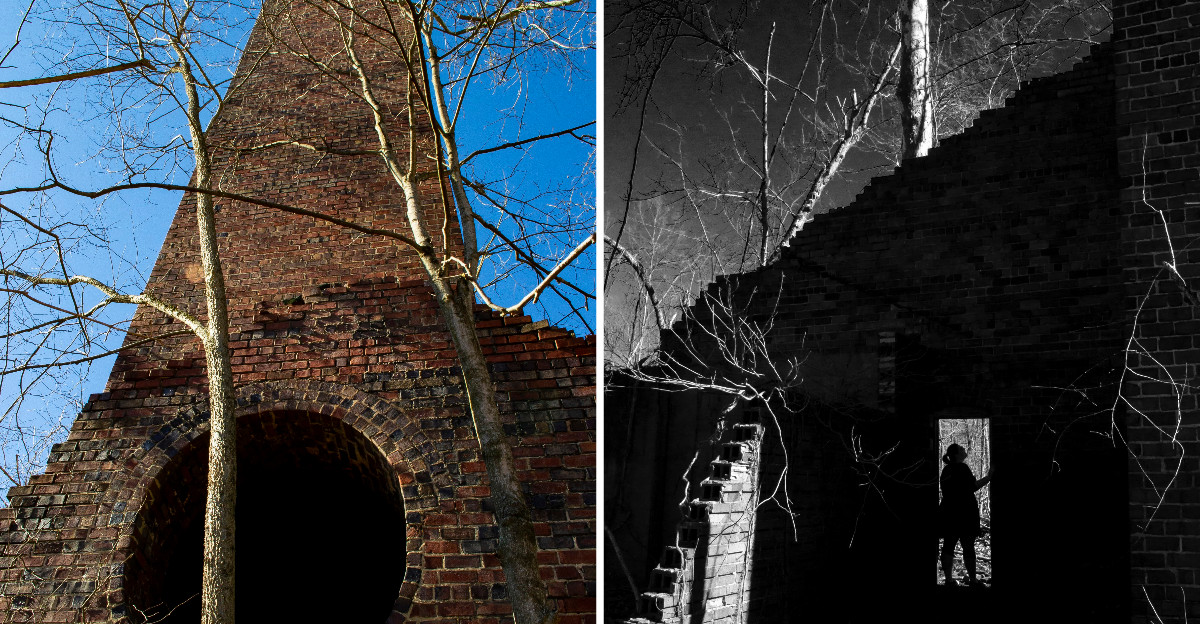
Brick smokestack pokes above the treeline, quiet as a held breath, with a historical marker standing guard at the edge of a gravel lot. It appeared on a narrow road in Ohio, where a rusted sign and a patch of weeds were all that was expected.
The hills here are soft and green, the kind of countryside you would drive through without a second thought. Yet this little roadside stop holds the heaviest story in the state’s mining history, and it sits there without fanfare.
Numbers on a page feel different when you are standing on the same gravel where families once waited for news. The smokestack is all that remains of a disaster that took dozens of lives and changed a community forever.
Staying far longer than planned, just reading, looking, and thinking, was the only possible response. The past here does not shout, it waits for you to notice.
A Company That Grew Into a Giant
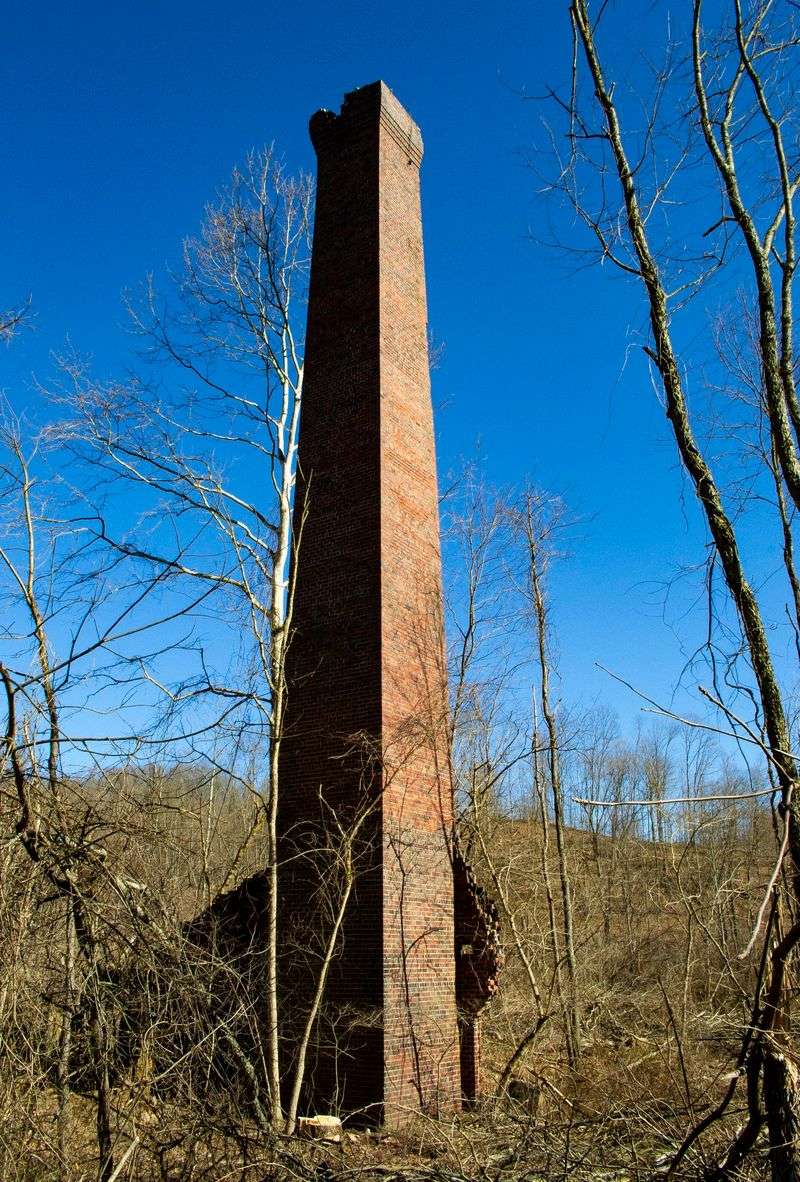
Hard to picture now, looking at brush and private fencing, but the company behind this mine once ranked as the second largest coal mining operation in the world. Sunday Creek Coal Company was the reason Millfield existed in the shape it did.
Mine No. 6 went into the ground around 1910 and 1911, and for decades it powered paychecks, general stores, schools, and church collections across the Hocking Valley. When I read that, the scale of the place clicked into focus for me.
Coal towns in southeastern Ohio were not side attractions. They were the main event, feeding railroads and furnaces far beyond the county line.
The 1920s were strong years here. Work was steady enough that families put down real roots, and the mine carried a reputation as the company’s best and safest operation in the valley.
That detail sticks with me more than any other. Safety was not an afterthought at Mine No. 6; it was a selling point, something leadership bragged about openly.
Driving the surrounding roads, you can still read the old layout in how houses cluster and how the land was cut. Nothing announces itself loudly, but the bones of a company town are there if you slow down and pay attention to the hillsides.
November 5, 1930, at Quarter to Noon
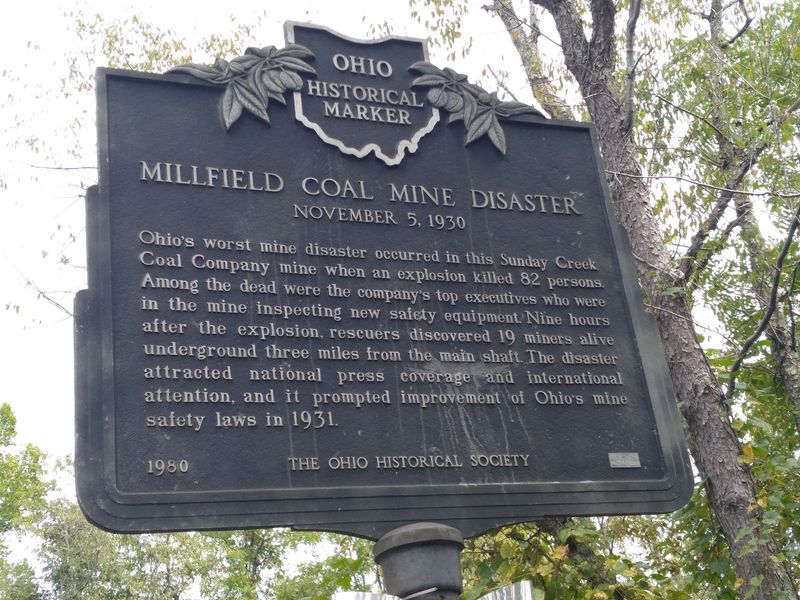
Late morning on a Wednesday, most of the shift was deep underground and thinking about lunch. At roughly 11:45 a.m. on November 5, 1930, an explosion tore through Mine No. 6 and became the worst mining accident Ohio has ever recorded.
Eighty-two men passed. Around 250 were working below at the time, which means a great many escaped, some climbing out through ventilation shafts.
The mechanics of it are almost unbearably simple. Methane had gathered in section 6 North, a part of the mine already known for being gassy.
A fallen trolley wire touched rail, an electrical arc sparked, and the gas ignited. Coal dust and poor ventilation turned a flash into a catastrophe.
The force wrecked the interior, caved walls, scorched equipment, and twisted beams as far as 760 feet from the main shaft. Cars were yanked clean off their tracks.
Most of the men who passed away were taken by carbon monoxide rather than the blast itself, which is the part I found hardest to sit with at the marker.
The mine was not fully cleared of that gas until November 9. Four days is a long time to wait for an answer you already fear.
The Cruel Timing of a Safety Tour
Of all the details on the storyboard, one stopped me cold. The president of Sunday Creek Coal Company, W.E.
Tytus, was underground when the explosion happened, along with other top executives.
They were not there by accident. The group had come to inspect and show off newly installed safety equipment, the very improvements meant to protect the men working below.
They entered the main shaft roughly half an hour before the blast and had traveled about a mile and a half in. None of them made it out.
Investigators later found something that still reads like a bitter footnote. The stretch of trolley rail where the spark began was broken and inactive, meaning there was no working reason for power to be running on that line at all.
So the failure was not a lack of intention. It was a gap between good intentions and the messy reality of an operating mine.
I have visited plenty of industrial history sites, and this one lands differently because of that irony. The men in charge passed beside the men they employed, on a day meant to celebrate progress.
It is a reminder that safety is only as real as the last inspection actually completed.
How Help Arrived From Four Cities
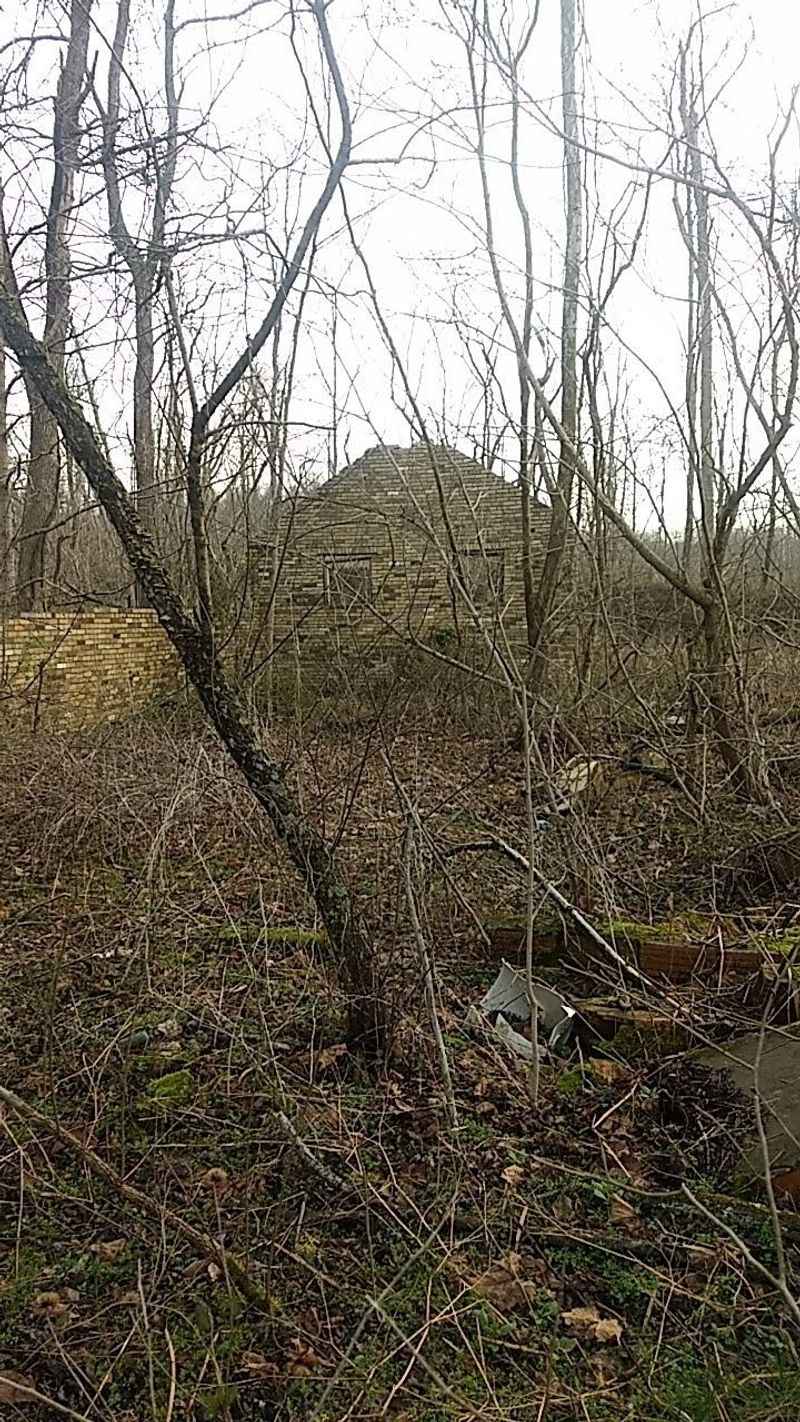
Word traveled fast, faster than you might expect for 1930. Distress calls went out to Columbus, Nelsonville, Cambridge, and Pittsburgh within minutes of the explosion.
Twenty-four Red Cross nurses came, along with local doctors and Salvation Army volunteers. They treated injured miners and stayed with the families gathered above ground.
Rescue crews worked against carbon monoxide that lingered in the tunnels for days. Some miners were brought up alive well after the initial blast, which is why those hours mattered so much.
Standing near the fence line, it is easy to forget how crowded this quiet spot must have been. Wives, children, neighbors, and reporters all pressed toward the shaft waiting for names.
The aftermath numbers tell the rest. Fifty-nine women became widows, 154 children lost fathers, and fourteen families lost more than one member on the same day.
Multiple losses in a single household changed the shape of Millfield permanently. Whole family lines were thinned in a single morning.
What I take from that part of the story is the response itself. Strangers from four cities dropped everything for a small Athens County town, and that instinct feels worth remembering as much as the tragedy does.
Laws That Changed the Following Year
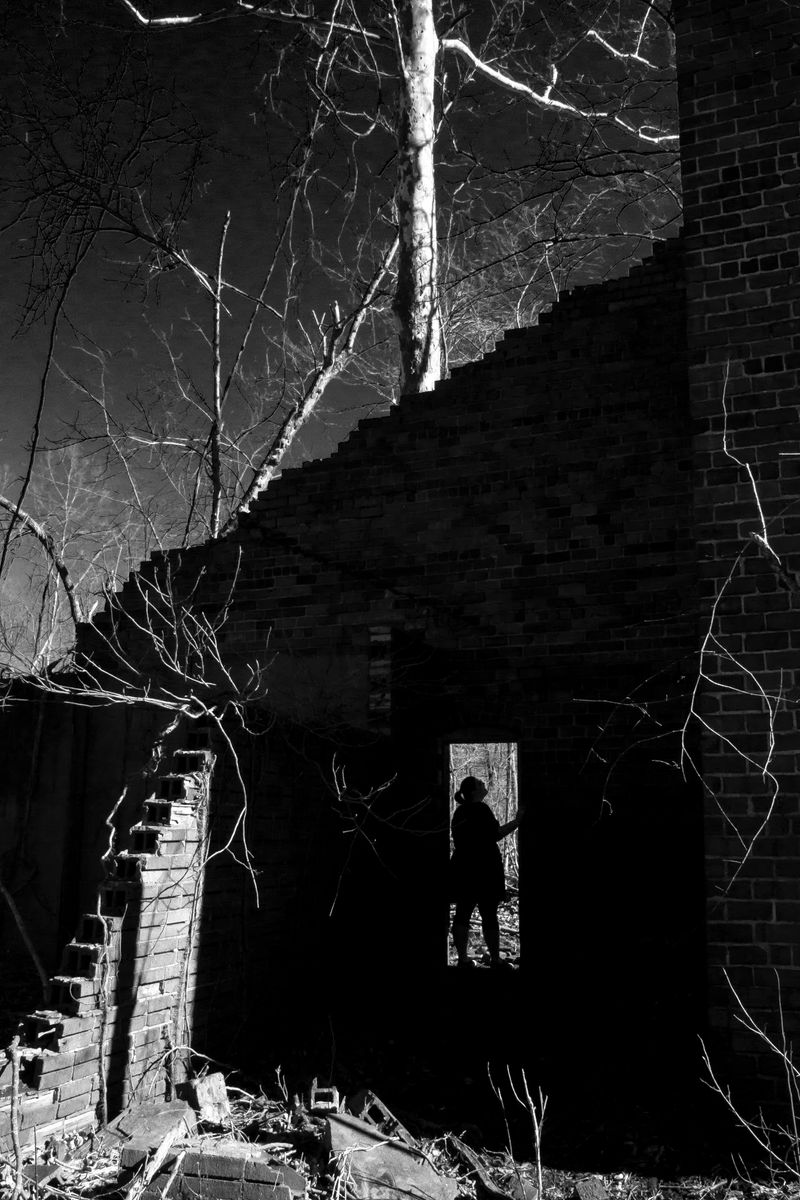
Tragedies sometimes rewrite rulebooks, and this one did. By 1931, Ohio had passed meaningful changes to its mine safety laws, driven directly by what happened at Mine No. 6.
New requirements targeted the exact cause. Underground electrical equipment needed better insulation, and rules were tightened to reduce the chance of stray sparks near gas.
The Ohio Division of Mines also got real teeth. Expanded powers, more funding, and the ability to run frequent unannounced inspections replaced a system that had been far easier to sidestep.
Inspectors gained authority to enforce compliance and to shut down operations outright when air quality did not meet standards. That last piece matters, because ventilation failures were central to how dangerous the blast became.
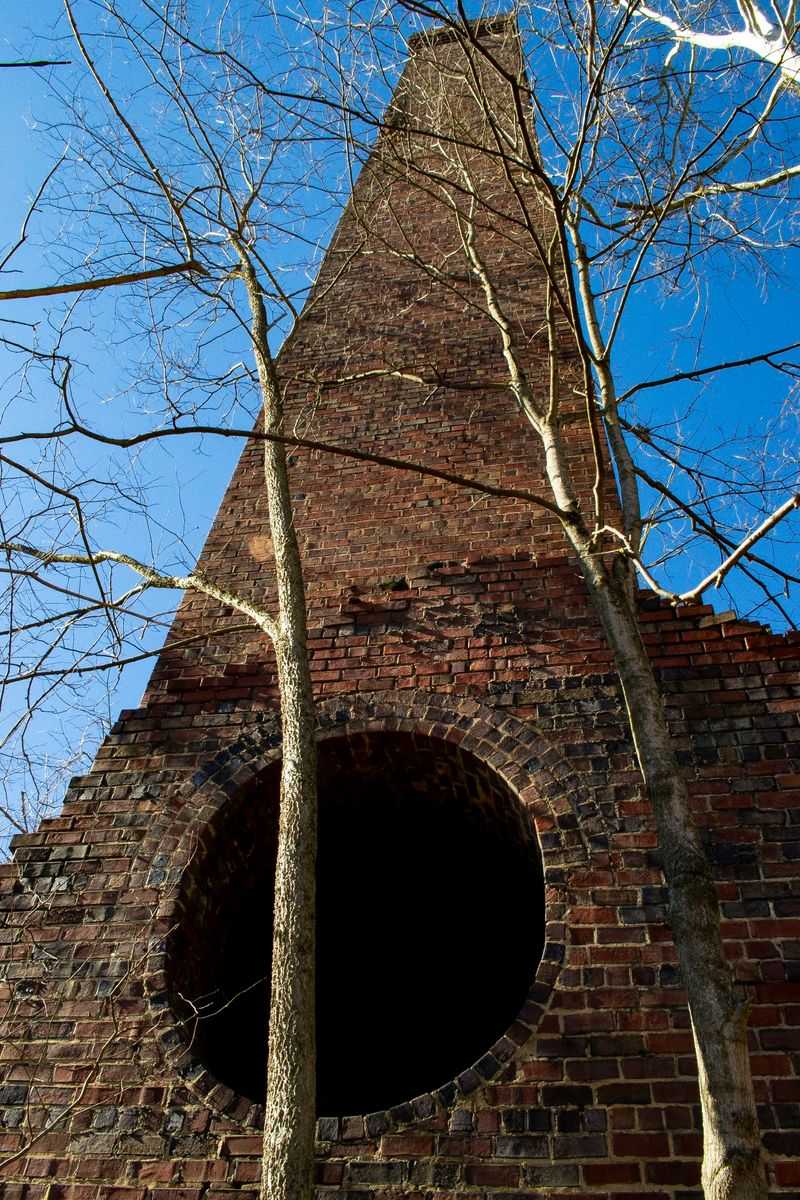
One of the site’s visitors noted how the old furnace-and-smokestack method pulled bad air out of the mine, long before powerful fans took over that job. Rock dusting later became standard too, coating walls so coal dust cannot catch and carry an explosion.
Reading about those reforms while looking at the remaining chimney gave the visit a strange balance. Nothing undoes 82 tragic endings, but the rules that followed protected thousands of miners across Ohio in the decades after, and that legacy is stitched into this hillside.
Fifteen More Years of Digging
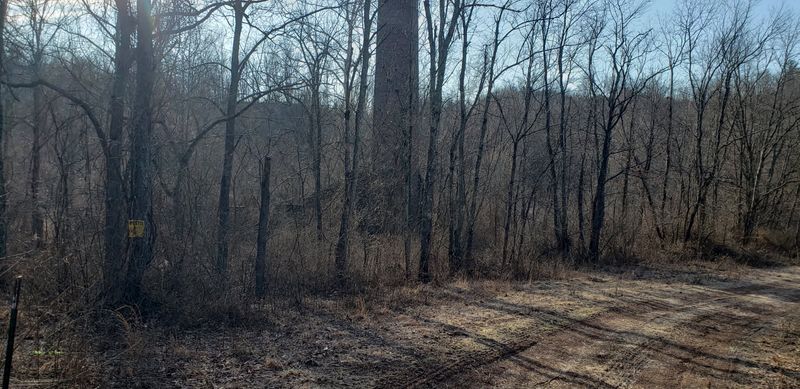
Here is the part that surprised me most. The mine did not close after the disaster, at least not for long.
Operations stopped for roughly a month, then Mine No. 6 reopened and kept producing coal. Men went back down the same shaft where their neighbors and relatives had passed away weeks earlier.
Work continued until May 1945, when the mine shut for good. The reasons were economic rather than dramatic: rising labor costs, strikes, and coal prices that refused to climb.
Fifteen years is a long second chapter, and it says a lot about how the region lived. Coal was not a choice so much as the available livelihood, and families needed those shifts.
Sunday Creek Coal Company’s mines remained the economic engine for Millfield and the surrounding communities well into the 1940s. When the digging ended, so did the anchor that had held the town together.
You can sense that quiet afterward while driving the area today. Houses sit where houses sat, roads bend where rail once ran, and the pace is unhurried in a way that feels lived-in rather than empty.
Industrial towns rarely vanish neatly. They just settle, and Millfield settled with a long memory.
What Remains Along Millfield Road Today
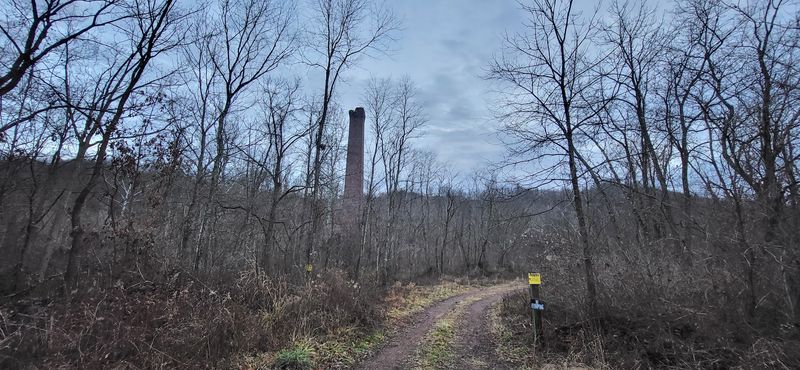
My honest advice before you go: set your expectations for a roadside memorial, not a tour. The main entrance collapsed in 2012, and the Ohio Department of Natural Resources sealed the shaft in 2013.
A tall brick smokestack still rises out of the brush, along with a few crumbling building walls. Those structures sit on private land now, fenced and posted, so the viewing happens from the road.
A memorial plaque stands at the entrance to the former mine property on Millfield Road, and it does the heavy lifting. Take your time with it, because the storyboard explains the sequence of that morning clearly and without drama.
The mine site is listed in the National Register of Historic Places for its significance in commerce, economics, and mining history. That listing feels earned even though the grounds are overgrown.
Visitors often mention wishing the place were restored, and I understand the impulse. Still, there is something fitting about a quiet road, a stack of old brick, and a plaque that simply names what happened.
Pull over safely, respect the fences, and give it ten unhurried minutes. Ohio’s most tragic mine disaster deserves that much attention.
Address: Millfield Road, Millfield, Ohio 45761
