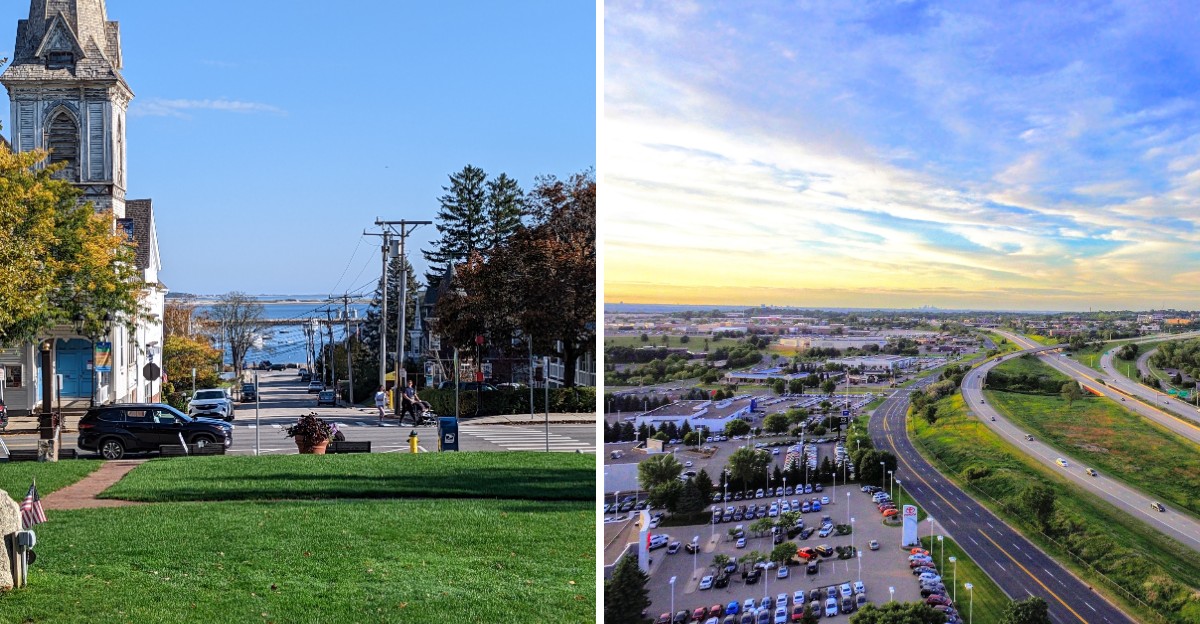
Suburban life used to promise stability. In parts of Minnesota, that promise is quietly falling apart as costs climb faster than paychecks can keep up.
Families who once saw these towns as long term homes are reconsidering completely, priced out by rising property taxes and everyday expenses stacking up faster than expected. Moving trucks show up more regularly now, neighbors leaving for cheaper options rather than staying.
Watching a community shrink this way happens slowly at first, then all at once as more households make the same difficult decision. Local businesses feel it too, fewer customers walking through doors that used to stay reliably busy.
Suburban stability rarely gets tested quite this hard. Minnesota towns built on that promise are learning firsthand how quickly rising costs can change everything.
1. Eden Prairie
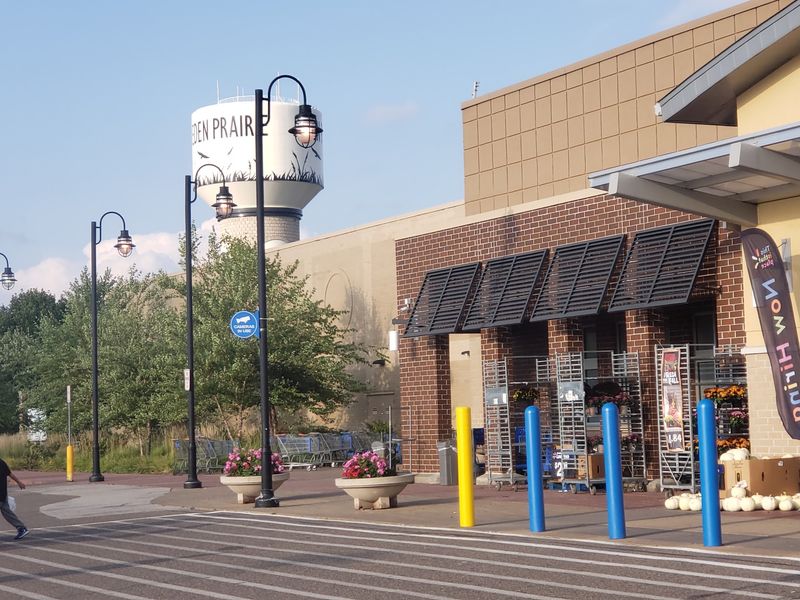
Eden Prairie has long worn its reputation as one of Minnesota’s most desirable suburbs like a badge of honor. Tree-lined streets, excellent schools, and easy access to Minneapolis made it a magnet for families willing to stretch their budgets for a better quality of life.
For years, that trade-off felt worth it.
But something shifted. Housing prices climbed steadily, property taxes followed, and the monthly math stopped working for a growing number of households.
Younger residents especially started questioning whether the prestige of an Eden Prairie address was worth the financial strain it demanded.
The town still has undeniable charm. Parks are well-maintained, community events draw good crowds, and the local trails are genuinely beautiful in every season.
Yet the exits have been ticking upward. Some families are heading to outer-ring suburbs or smaller cities where the same dollar buys considerably more breathing room.
Eden Prairie isn’t struggling in the traditional sense, but the quiet departure of middle-income residents is reshaping who actually gets to call this polished suburb home.
2. Minnetonka
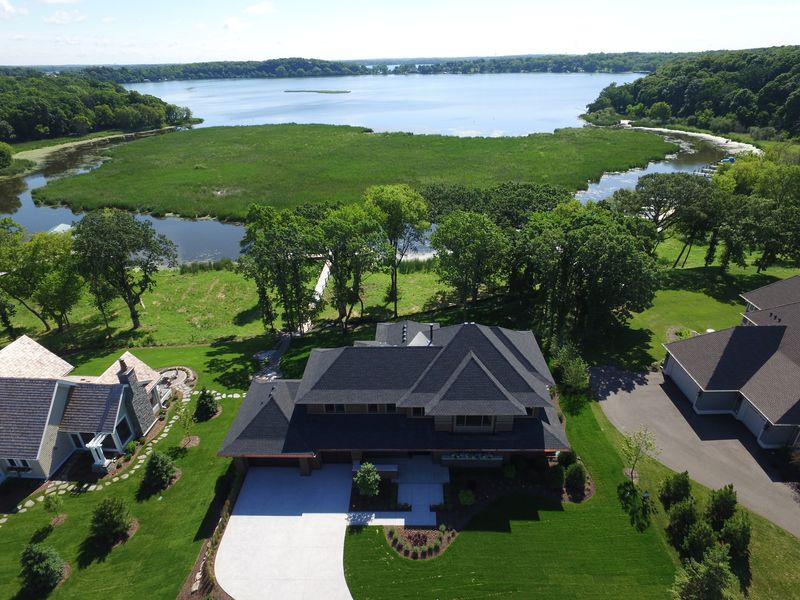
There’s something undeniably appealing about Minnetonka. The lake views alone could sell almost anyone on the idea of settling here, and for decades, plenty of people did exactly that.
It became a symbol of comfortable Minnesota living, the kind of place where weekends felt slower and neighbors still waved from their driveways.
The problem is that comfortable living in Minnetonka now comes with a price tag that keeps climbing. Home values have risen sharply, and renters have faced some of the steepest increases in the western metro.
For families who bought in years ago, the equity looks great on paper. For anyone trying to plant roots here now, the numbers are discouraging. I spoke with someone who grew up in Minnetonka and recently moved to a smaller town two counties away. She didn’t leave because she wanted to.
She left because staying simply wasn’t realistic anymore. That sentiment is becoming more common here, and the community is starting to feel the slow but steady effects of losing residents who once would have stayed for a lifetime.
3. Plymouth
Plymouth used to be the kind of suburb that surprised people. It had the amenities of a larger city but felt manageable, even friendly.
New developments brought in young professionals, parks filled with kids, and the local economy hummed along with quiet confidence. It was, for a while, one of the region’s best-kept secrets.
That secret got out, and the cost followed. Plymouth’s population growth brought demand that pushed housing prices into ranges that feel increasingly out of reach for first-time buyers and working families.
The irony is sharp: the very growth that made Plymouth successful is now making it inaccessible to the people who helped build that success. Residents who’ve left often describe a tipping point rather than a single reason. Maybe it was a lease renewal that jumped by hundreds of dollars.
Maybe it was realizing that a starter home now required a down payment that took a decade to save. Whatever the specific moment, the pattern is clear. Plymouth is gaining affluence while quietly losing the economic diversity that once gave it such an approachable, livable energy.
4. Woodbury
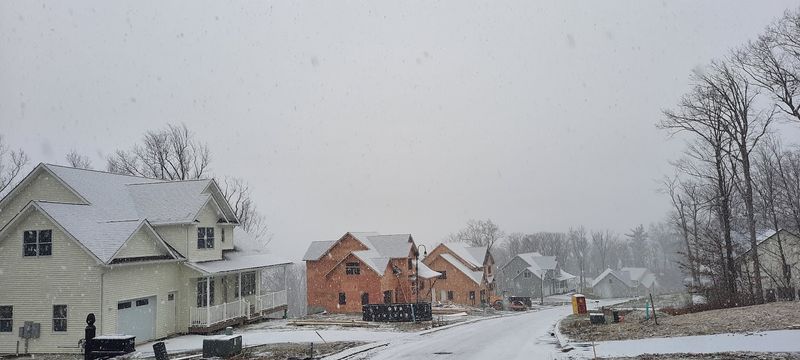
Woodbury grew fast. Really fast. What was once farmland on the eastern edge of the Twin Cities became one of Minnesota’s most rapidly expanding suburbs. For a while, it delivered on those promises convincingly.
Growth, though, has a way of catching up with itself. As Woodbury’s reputation rose, so did its costs.
The affordable new-build that attracted buyers a decade ago now sells for a figure that puts it firmly out of reach for many. Rental options have tightened, and the community that once prided itself on welcoming newcomers is finding that welcome increasingly conditional on income level.
There’s still plenty to like here. The infrastructure is solid, the parks are genuinely nice, and the community has invested in amenities that make daily life comfortable.
But comfort comes at a cost, and that cost is pushing families toward communities further east or north where the pace of development hasn’t yet priced out the middle class. Woodbury’s story is a familiar one in the modern American suburb.
5. Maple Grove
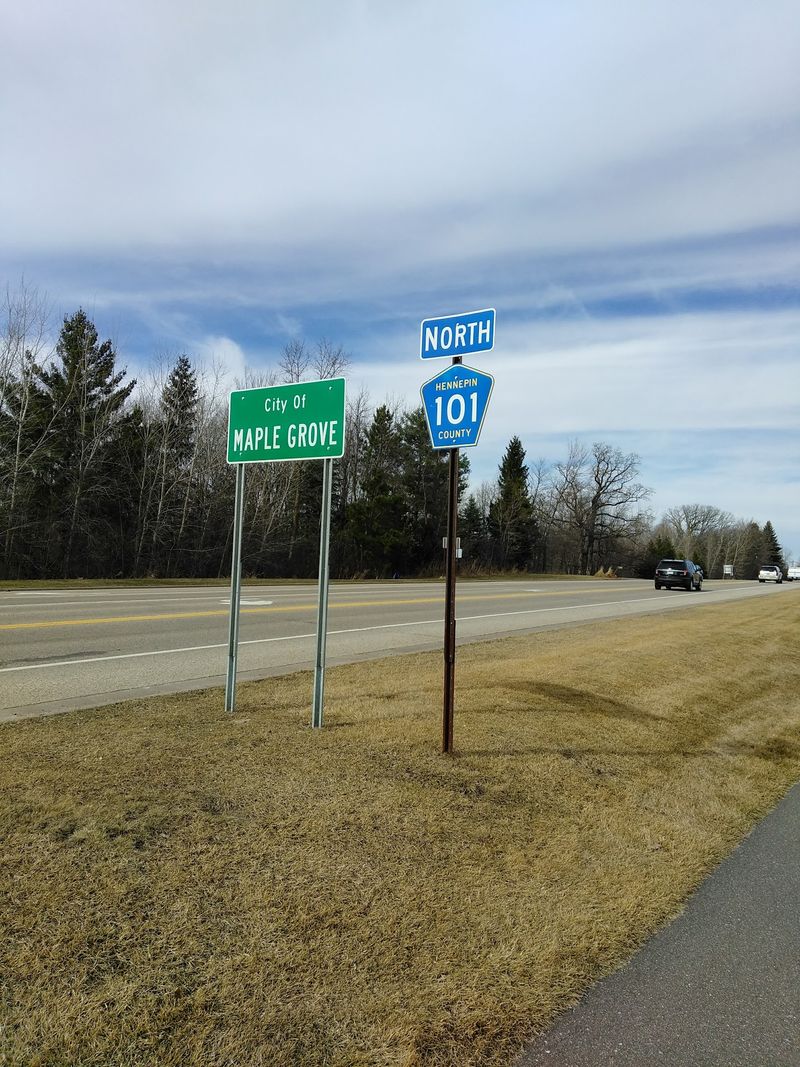
Maple Grove has spent years cultivating an image of polished suburban living, and it’s done a convincing job. The retail corridors are busy, the neighborhoods feel orderly, and the school district consistently earns praise from parents who prioritize education above almost everything else.
On the surface, it looks like a community firing on all cylinders.
Underneath that polished surface, though, a quieter story is unfolding. The cost of living in Maple Grove has risen steadily enough that residents who once felt financially comfortable are now reassessing.
Teachers, healthcare workers, and service industry employees who work in and around the area often find they can no longer afford to live where they work. That disconnect creates a slow but meaningful drain on community character.
What strikes me most about Maple Grove’s situation is how invisible the departure can feel at first. Families don’t leave all at once.
They trickle out over time, replaced by households with higher incomes who don’t necessarily share the same roots. The neighborhood still looks the same on the outside.
But ask a longtime resident, and they’ll tell you the feeling has shifted in ways that are hard to articulate but easy to sense.
6. Eagan

Eagan sits in a spot that should make it ideal for almost everyone. Positioned between Minneapolis and Saint Paul, with solid highway access and a well-developed commercial base, it has the bones of a community that works for people at many different life stages.
For years, that accessibility made it a reliable choice for families who wanted convenience without paying downtown prices.
The gap between Eagan and downtown pricing has narrowed considerably. Housing costs have climbed, and the relative affordability that once defined the city has eroded enough to push residents toward communities further south or east.
Young couples who would have settled here a generation ago are now looking at towns like Farmington or Hastings, where their budget goes noticeably further.
Eagan still has genuine strengths. The park system is extensive, the community center draws good participation, and the local business scene remains active. But a town’s health isn’t measured only by what it has. It’s also measured by who stays and who feels they have to leave.
Right now, Eagan is losing some of the residents who would have been its next generation of community builders, and that loss carries long-term consequences worth paying attention to.
7. Burnsville
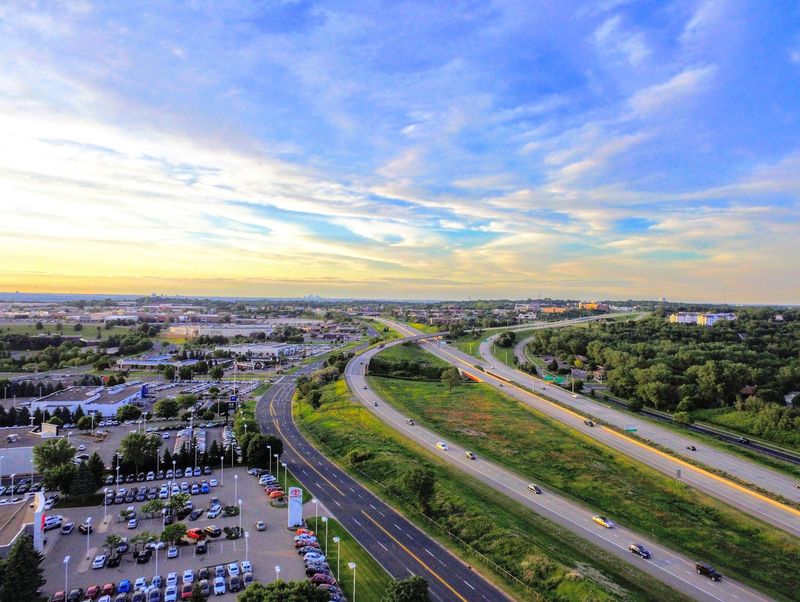
Burnsville occupies an interesting middle ground in the Twin Cities suburban landscape. It’s older than many of its neighbors, which gives it a certain character that newer developments can’t replicate.
The housing stock is more varied, the neighborhoods feel more layered, and there’s a history here that shows up in the details if you know where to look.
That history hasn’t protected Burnsville from the same pressures squeezing other suburbs. Costs have risen, and the city’s older housing stock, once a source of relative affordability, has appreciated in ways that surprise longtime residents.
Renters have faced particularly sharp increases, and the working-class households that gave Burnsville much of its grounded, unpretentious character are finding it harder to stay.
There’s something a little melancholy about watching a community like Burnsville change under economic pressure. It didn’t build its identity on exclusivity or prestige.
It was always more of an honest, hardworking kind of place. Losing residents to cost pressures feels especially pointed here, because Burnsville was supposed to be the option for people who didn’t need the glossy suburb. Turns out, even the unglamorous choice is getting expensive.
8. Lakeville
Lakeville earned its reputation as a family-friendly suburb the old-fashioned way: good schools, safe streets, and enough space to feel like you had room to breathe. For families moving out of denser urban areas, it offered exactly the kind of reset they were looking for.
The commute to the city was manageable, and the trade-off in space felt worthwhile.
The calculus has shifted. Lakeville’s appeal drove demand, and demand drove prices to levels that have started filtering out the very families the community was built to serve.
Entry-level homes have become harder to find, and the competition for what’s available can feel exhausting for buyers without significant financial advantages.
I find Lakeville genuinely likable as a place. The trails are well-used, the community events feel real rather than performative, and there’s a warmth to the neighborhoods that doesn’t feel manufactured.
But likeability and affordability aren’t the same thing, and right now, the gap between them is growing. Families who would have chosen Lakeville a few years ago are looking further south toward communities where the price of entry doesn’t require compromising every other financial goal.
9. Coon Rapids

Coon Rapids always had a certain unpretentious appeal. It wasn’t trying to be the fanciest suburb in the metro, and that honesty made it genuinely useful for families who needed affordability more than status.
The housing stock was accessible, the community had real personality, and for many residents, it was exactly the right fit.
Affordability is relative, and in the current market, Coon Rapids has become noticeably more expensive than it once was. While it may still be cheaper than some southern or western suburbs, the gap has narrowed enough to catch residents off guard.
People who moved here specifically for the lower cost of living are finding that their advantage has shrunk considerably in recent years.
The community still has a lot going for it. The Mississippi River runs along its western edge, the parks are genuinely pleasant, and the sense of neighborhood identity remains strong in many pockets.
But economic pressure doesn’t care about community spirit. Residents on fixed incomes, young renters, and working families are all feeling the squeeze, and some of them are making the difficult decision to move somewhere that still offers the breathing room Coon Rapids once reliably provided.
10. Blaine

Blaine built its identity around growth, and for a long stretch of years, that strategy worked beautifully. New subdivisions attracted young families, the commercial corridors expanded to meet demand, and the city developed a reputation as a place where things were happening.
Energy like that is contagious, and Blaine had it in abundance. Growth is a double-edged thing. The same momentum that made Blaine exciting also made it expensive.
Home prices have climbed alongside the city’s profile, and the affordability that originally drew many residents here has quietly faded. For families already stretched thin by rising costs in other areas of life, the housing market in Blaine has become one pressure too many.
What’s interesting about Blaine is that it still looks like a community on the rise from the outside. New construction continues, the roads are well-maintained, and the amenities are solid.
But talk to residents who’ve been here for ten or fifteen years, and you’ll hear a different kind of story. Neighbors have moved away. The mix of households has shifted. The sense that Blaine was a place where anyone could get a foothold is harder to sustain when the market keeps climbing.
11. Shakopee
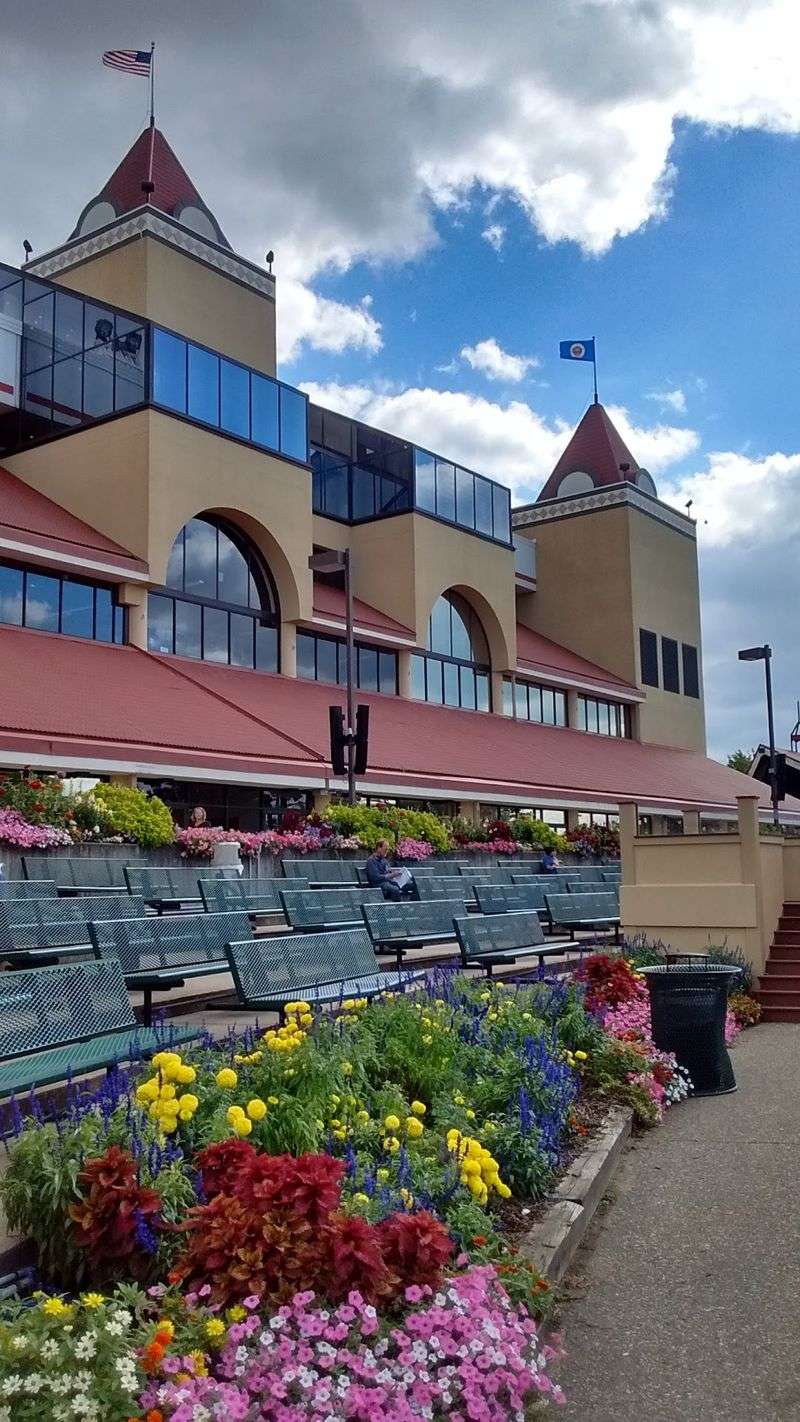
Shakopee carries a kind of dual identity that makes it fascinating to think about. On one hand, it has genuine historical character, sitting along the Minnesota River with a downtown that hints at a longer, more layered past.
On the other hand, it’s been swept up in the same suburban expansion wave that has reshaped so much of the outer metro.
That expansion brought investment, new residents, and development that transformed large portions of the city. It also brought the cost increases that tend to follow when a place becomes desirable.
Shakopee’s affordability relative to closer-in suburbs was a major selling point for families willing to accept a longer commute. That advantage has narrowed considerably as prices have risen across the board.
There’s still something worth holding onto in Shakopee. The river views are genuinely striking, the older neighborhoods have a warmth that newer developments often lack, and the community has a history that gives it texture beyond the typical suburb.
But texture doesn’t pay the bills, and residents who stretched to buy here are now watching their neighbors reassess and relocate to communities further out where the financial pressure eases just enough to make staying feel possible again.
