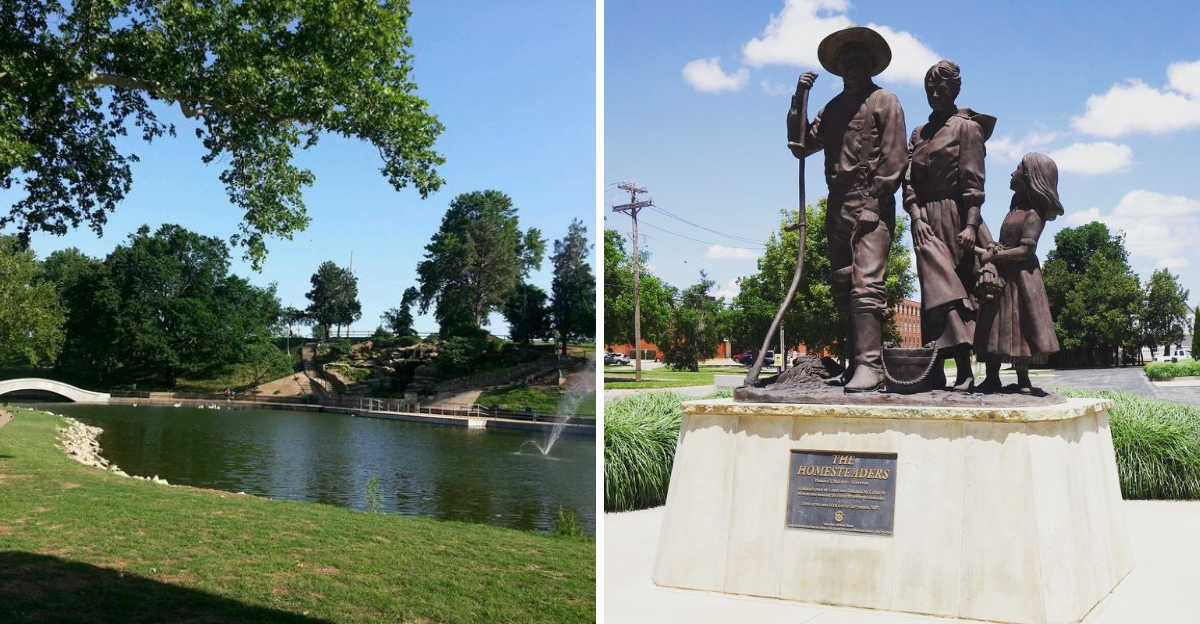
Enid, Oklahoma often gets overlooked by travelers rushing between bigger cities, but this charming town in the heart of Garfield County has a way of surprising first-time visitors with its warmth and character.
Founded during the dramatic Cherokee Outlet Land Run of 1893 and named after a character from Tennyson’s poetry, Enid has grown into Oklahoma’s ninth-largest city with a population just over 51,000.
What seems like a quiet agricultural hub at first glance transforms into a destination full of unexpected attractions, from vintage downtown architecture to wide-open prairie landscapes that shift with the seasons.
Whether you’re drawn to small-town hospitality, fascinating local history, or simply want to experience authentic Oklahoma culture away from tourist crowds, Enid offers travelers a refreshing change of pace that lingers long after the visit ends.
Downtown Enid’s Architectural Charm
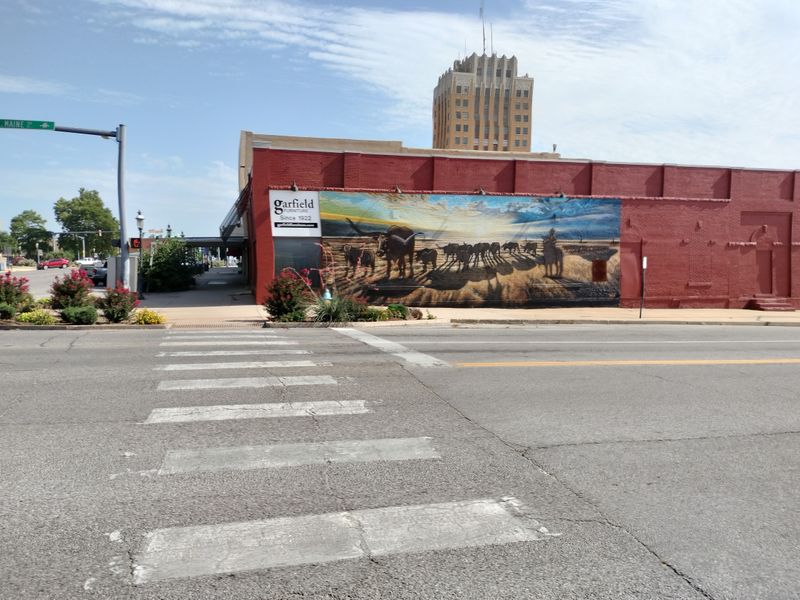
Walking through downtown Enid feels like stepping into a time capsule where early 20th-century architecture still stands proud along wide, tree-lined streets.
The brick facades and ornate details tell stories of the town’s boom years when oil and wheat brought prosperity to this prairie settlement.
Unlike many small towns that have lost their historic cores to decay or modernization, Enid has preserved its downtown character with care.
Strolling along the main thoroughfares, you’ll notice locally-owned shops tucked into buildings that have served the community for generations.
The atmosphere shifts beautifully with the seasons.
Summer brings golden light that makes the red brick glow warmly in late afternoon.
Autumn transforms the streetscape with leaves drifting past storefronts.
Winter adds a quiet stillness that makes the historic buildings feel even more timeless.
Spring arrives with renewed energy as flowers bloom in planters along the sidewalks.
What makes this area special isn’t just the buildings themselves but how they’re still actively used by the community.
Coffee shops, antique stores, and small restaurants occupy these spaces, giving visitors authentic reasons to linger and explore.
The scale of downtown Enid feels human and walkable, never overwhelming.
You can cover the main blocks in an hour or spend an entire afternoon discovering hidden architectural details and chatting with shopkeepers who actually remember when their grandparents ran the same businesses.
This isn’t a manufactured tourist district but a living piece of Oklahoma history that continues to serve its original purpose.
The Railroad Museum of Oklahoma
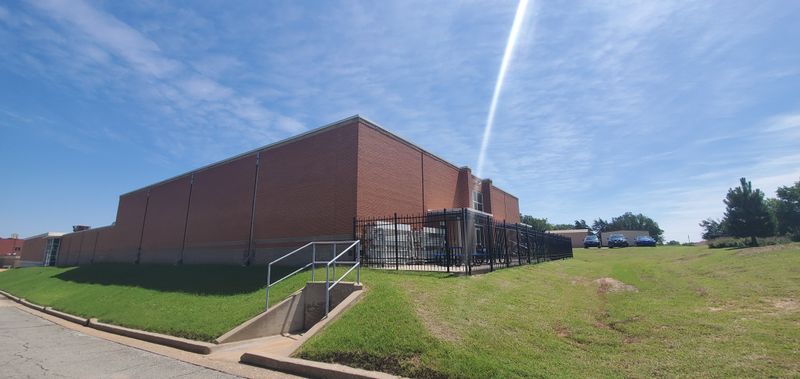
Railroad history runs deep through Enid’s veins, and the Railroad Museum of Oklahoma at 702 North Washington Street preserves this essential part of the town’s identity.
The museum sits on actual historic railroad property, giving visitors an immediate sense of connection to the trains that once defined life in this part of the Great Plains.
Massive locomotives rest on outdoor tracks, their metal bodies weathered but still impressive in scale and engineering.
Children climb into engineer cabs while parents photograph them pretending to operate controls that once moved tons of freight across the prairie.
The collection includes passenger cars where you can imagine travelers from another era settling in for long journeys across Oklahoma’s wide landscapes.
Inside the museum buildings, smaller artifacts tell more intimate stories about railroad life.
Lanterns, uniforms, tickets, and tools show the human side of an industry that connected isolated communities.
What strikes visitors most is how these exhibits explain Enid’s very existence.
The town’s location wasn’t random but carefully chosen because of railroad routes that would bring settlers and commerce.
Understanding this context makes walking through modern Enid more meaningful.
The museum staff, often volunteers with personal connections to railroad families, share stories that textbooks never capture.
Visiting during spring or fall offers the best weather for exploring the outdoor exhibits comfortably.
Summer heat can make the metal train cars uncomfortably warm, though early morning visits avoid the worst temperatures.
This museum won’t overwhelm you with size, but it offers genuine insight into how transportation shaped Oklahoma communities in ways that still matter today.
Government Springs Park
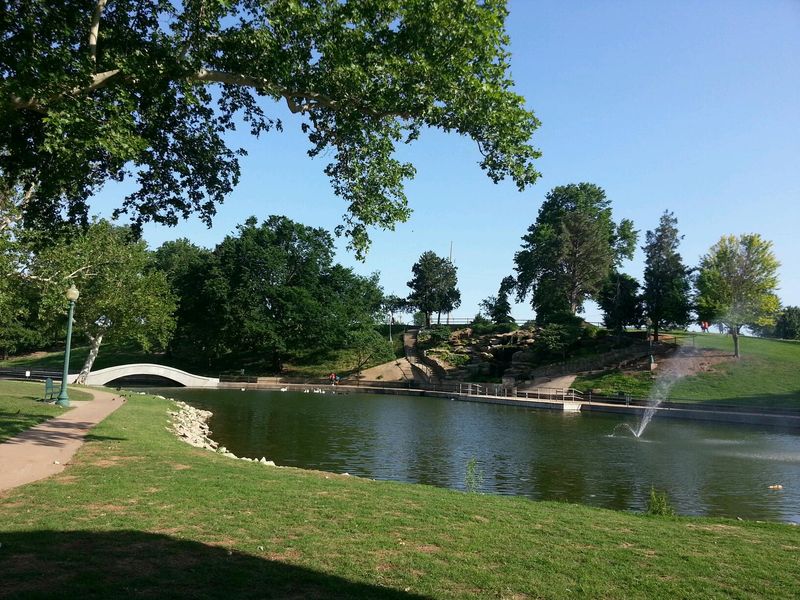
Government Springs Park at 501 West Maine Avenue provides Enid with a green oasis that locals have treasured since the town’s earliest days.
The park takes its name from natural springs that once provided crucial water to settlers during the land run era.
Though the springs no longer flow as they once did, the park has evolved into a beloved community gathering space with mature trees that offer shade during Oklahoma’s intense summers.
Families spread blankets on the grass while children play on equipment designed for various age groups.
Walking paths wind through the grounds, popular with morning joggers and evening strollers alike.
The park’s atmosphere changes dramatically with the seasons in ways that surprise visitors expecting monotonous prairie weather.
Spring brings explosions of wildflowers and fresh green growth that transforms the landscape almost overnight.
Summer means thick shade under established trees becomes precious relief from the sun.
Autumn paints the park in warm colors as leaves change and temperatures finally moderate.
Even winter has its appeal, with bare tree branches creating intricate patterns against big Oklahoma skies.
What makes Government Springs Park special isn’t elaborate features but its role as genuine community space where Enid residents actually spend time.
You’ll see multi-generational families picnicking, teenagers hanging out after school, and elderly couples taking their daily constitutional.
The park hosts seasonal events that draw crowds without feeling commercialized.
For travelers, it offers a perfect spot to rest between other activities, observe local life, and appreciate how small-town Oklahoma communities create gathering places that serve everyone regardless of age or background.
Cherokee Strip Regional Heritage Center
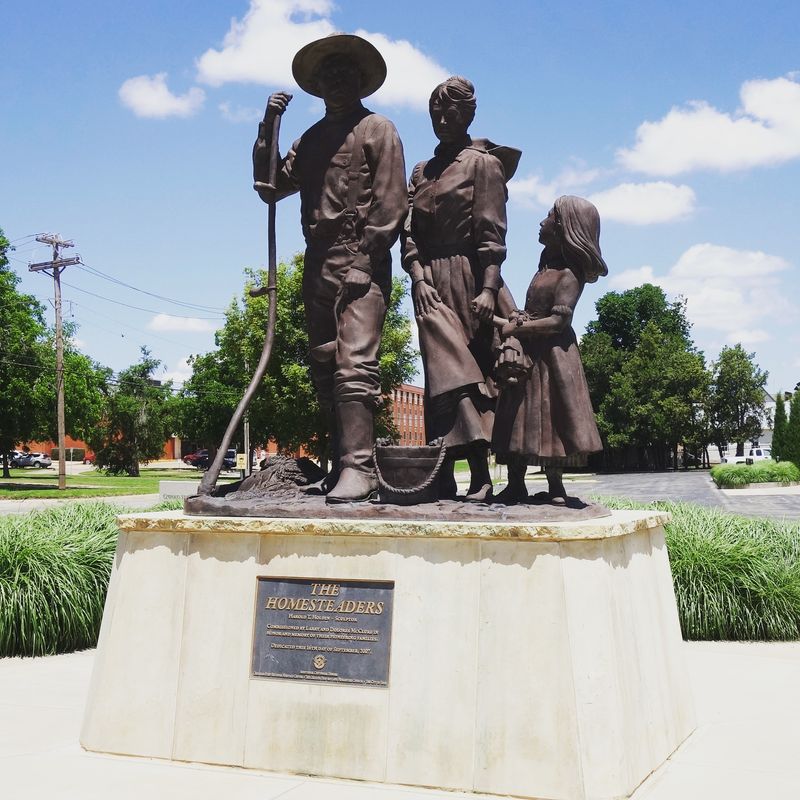
Understanding Enid requires understanding the Cherokee Outlet Land Run of 1893, and the Cherokee Strip Regional Heritage Center at 507 South Fourth Street tells this complex story with nuance and detail.
The museum occupies a modern building designed to house extensive collections documenting the land run that literally created Enid overnight.
On September 16, 1893, thousands of settlers raced across the prairie to claim parcels of land previously held by the Cherokee Nation.
Exhibits recreate the chaos, excitement, and hardship of that transformative day through photographs, personal accounts, and artifacts from pioneer families.
You’ll see the actual tools settlers used to break prairie sod, the household items they carried in wagons, and documents proving their land claims.
The museum doesn’t romanticize this history but presents it honestly, including perspectives on what the land run meant for Native peoples who lost territory.
Beyond the land run itself, the center explores how Enid developed from tent city to established town in remarkably short time.
Early photographs show muddy streets and temporary structures that seem impossibly primitive.
Later images reveal how quickly permanent buildings, schools, and churches appeared as settlers committed to their new home.
The museum also covers the agricultural and oil industries that sustained Enid’s growth through the 20th century.
Interactive displays let visitors experience aspects of pioneer life without oversimplifying the challenges people faced.
Climate-controlled galleries make this an excellent rainy-day destination, though the stories inside will make you want to drive out into the surrounding countryside to see the landscape settlers encountered.
The staff provides context that helps visitors grasp how this specific place fits into larger patterns of westward expansion and Oklahoma statehood.
Meadowlake Park
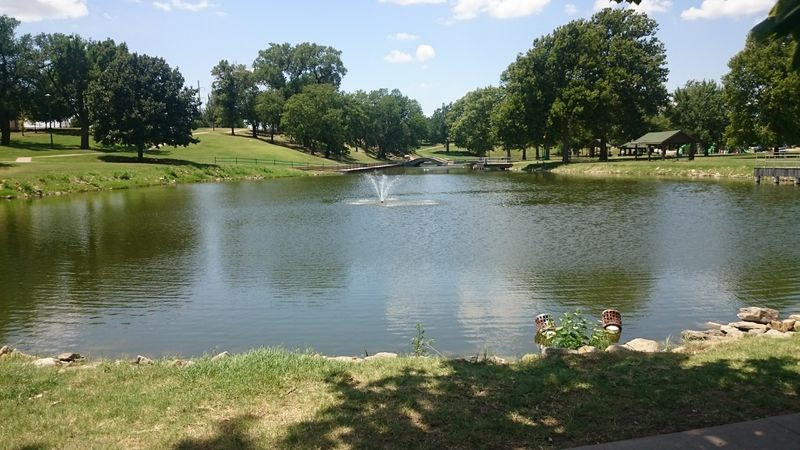
Meadowlake Park stretches across the eastern edge of Enid, offering residents and visitors alike a substantial outdoor recreation area centered around a genuine lake that reflects Oklahoma’s big skies.
The park provides a welcome contrast to the urban grid, with open water attracting waterfowl and creating microclimates that shift with the seasons.
Anglers line the shores hoping for catches while walkers and runners follow paved trails that circle the lake.
The distance around offers just enough challenge for exercise without requiring athletic training.
Benches placed at intervals let you rest and watch the water, which changes character throughout the day.
Morning light turns the lake surface golden and glassy.
Afternoon winds create ripples and waves.
Evening brings spectacular sunsets that locals photograph constantly but never quite capture accurately.
The park includes playgrounds, picnic shelters, and sports fields that see heavy use during pleasant weather.
What distinguishes Meadowlake from typical city parks is how it incorporates native prairie landscape rather than fighting against it.
Grasses and wildflowers grow in designated areas, creating habitat for birds and insects while requiring less maintenance than manicured lawns.
Seasonal changes here feel more dramatic than in more developed parts of town.
Spring migration brings waterfowl stopping over on their journeys north.
Summer heat makes early morning or evening visits most comfortable.
Fall transforms the surrounding vegetation into warm tones.
Winter can leave the lake partially frozen, creating stark beauty that photographers love.
For travelers, Meadowlake Park offers a chance to experience how Enid residents actually spend their leisure time in an authentic setting that hasn’t been designed specifically for tourists.
Enid’s Aviation Heritage
Aviation has shaped Enid’s identity since World War II, when the military established what became Vance Air Force Base just south of town.
The base continues training pilots today, and the sound of aircraft overhead becomes part of the daily soundtrack for anyone spending time in Enid.
Rather than being intrusive, these sounds remind visitors that this quiet town plays an ongoing role in national defense.
The relationship between Enid and its air force base runs deeper than simple proximity.
Generations of military families have lived in town, attended local schools, and become part of the community before transferring elsewhere.
This constant flow of people from across the country has given Enid a more cosmopolitan character than you might expect from a town of its size.
Restaurants and shops reflect this diversity, with owners learning to serve customers from varied backgrounds.
The base occasionally opens for public events where visitors can see training aircraft up close and meet the pilots who fly them.
These events draw aviation enthusiasts from surrounding areas who appreciate the chance to connect with active military aviation.
Even without special access, you’ll likely see T-6 Texan II training aircraft flying overhead during your visit.
Their distinctive profiles against Oklahoma’s expansive skies create memorable moments, especially during golden hour when the light catches their wings.
Downtown Enid includes subtle reminders of aviation heritage through murals, memorials, and business names that reference flight and military service.
Understanding this aviation connection helps explain why Enid feels less isolated than its map location might suggest.
The town has always looked outward, connected to larger worlds through the pilots trained here and the military families who call it home, however temporarily.
Local Dining and Culinary Scene
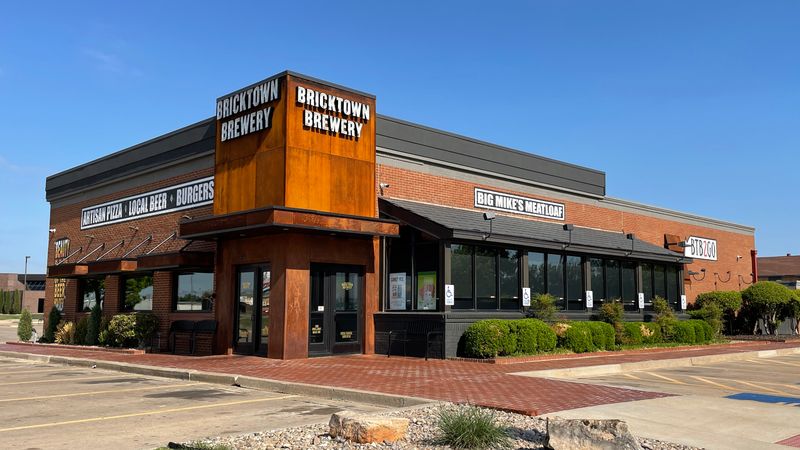
Enid’s dining scene surprises visitors expecting only chain restaurants and fast food.
The town supports a collection of locally-owned establishments that reflect both traditional Oklahoma tastes and influences from the diverse military families who’ve lived here over decades.
Downtown holds several cafes and restaurants where regulars occupy favorite tables and staff recognize returning customers.
These aren’t trendy farm-to-table concepts but honest eateries serving food people actually want to eat repeatedly.
You’ll find classic American comfort food prepared well, with generous portions that reflect Midwestern hospitality.
Chicken-fried steak appears on multiple menus because locals genuinely love it, not because tourists expect it.
Mexican restaurants operated by families who’ve lived in Enid for generations serve regional specialties alongside more familiar dishes.
Asian cuisine options reflect the military community’s international connections, with some restaurants run by families who first came to the area through military service.
Breakfast holds special importance in Enid’s dining culture.
Several spots open early to serve farmers, military personnel, and locals who prefer starting their day with a substantial meal and conversation.
The atmosphere in these morning gathering places tells you more about Enid’s character than any tourist brochure could.
Coffee shops have emerged in recent years, giving younger residents and visitors alternative spaces for working or socializing.
These newer establishments coexist comfortably with traditional diners rather than replacing them.
Seasonal eating happens naturally here, with summer bringing fresh produce to restaurant menus and winter favoring heartier preparations.
Prices remain remarkably reasonable compared to larger cities, letting travelers enjoy multiple meals out without budget stress.
The real value isn’t just affordability but experiencing how food brings together Enid’s diverse community in spaces where everyone feels welcome.
Prairie Landscapes and Open Skies
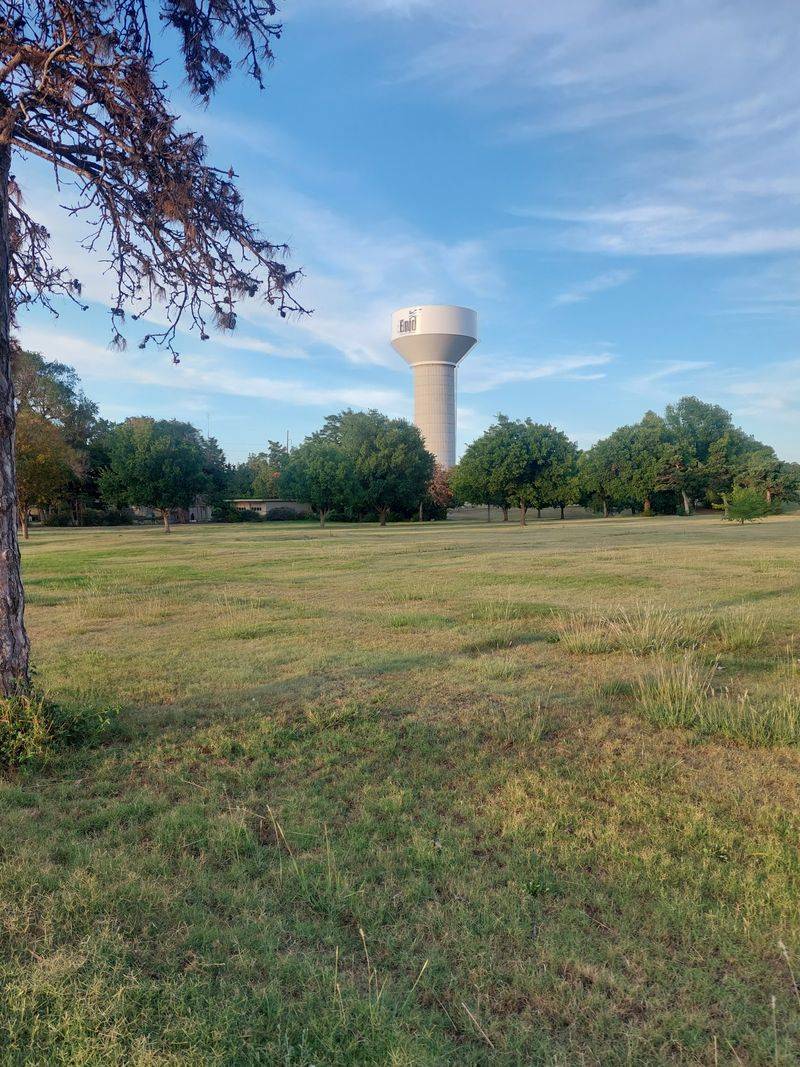
Enid sits in the middle of genuine prairie landscape that stretches to distant horizons in every direction.
For travelers from coastal or mountainous regions, this flatness can initially seem monotonous.
But spending time here reveals subtle beauty in the land’s openness and the sky’s overwhelming presence.
The prairie around Enid isn’t empty but filled with native grasses that change color and texture with the seasons.
Spring brings green growth and wildflowers that carpet fields in unexpected colors.
Summer turns the grasses golden and dry under relentless sun.
Fall adds warm tones as plants prepare for winter dormancy.
Winter reveals the land’s bones, with brown grasses bending under wind and occasional snow.
The sky dominates everything here in ways that feel almost overwhelming at first.
Weather systems become visible from miles away as clouds build or storms approach across the flat terrain.
Sunrises and sunsets last longer without mountains to block the light, painting the entire dome of sky in shifting colors.
Stars at night appear in quantities that shock visitors accustomed to light pollution.
Driving the rural roads surrounding Enid lets you experience this landscape intimately.
You’ll pass working farms and ranches where agriculture continues as it has for over a century.
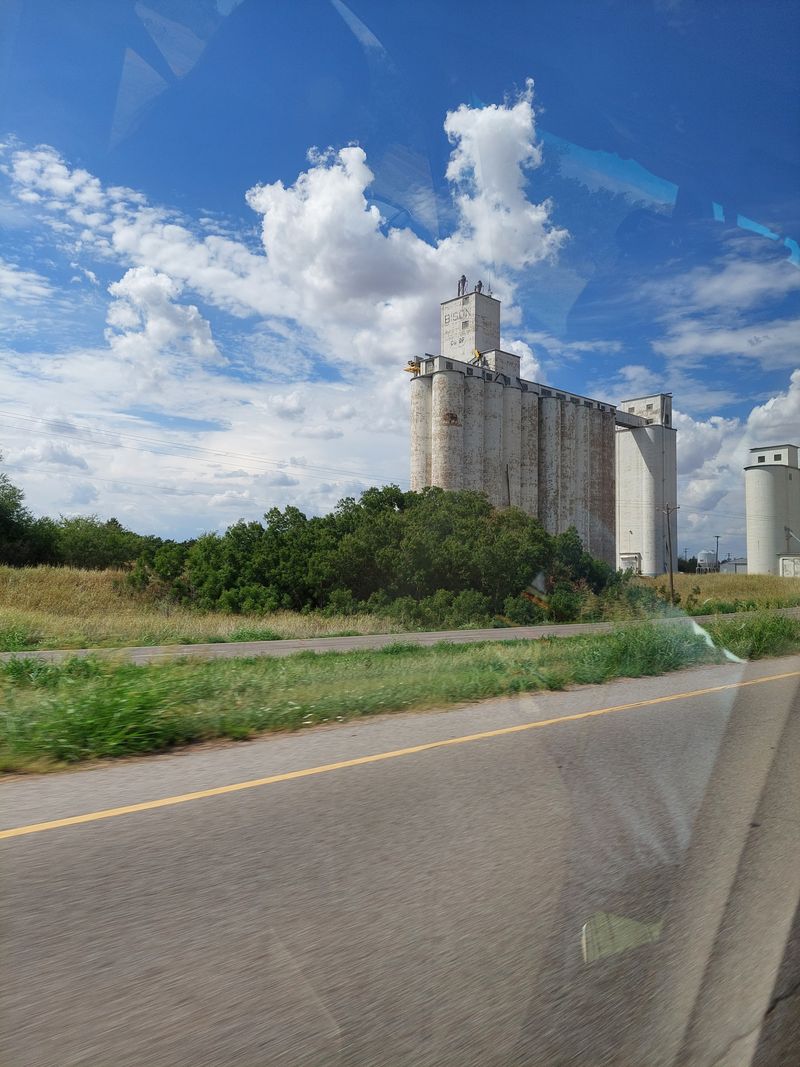
Grain elevators rise from the flatness like prairie cathedrals, visible from miles away.
Wind turbines now share the horizon, their white towers and spinning blades adding modern elements to the timeless scenery.
This landscape requires patience and attention to appreciate fully.
It doesn’t announce its beauty loudly but reveals it gradually to those willing to slow down and really look at what surrounds them.
Seasonal Festivals and Community Events
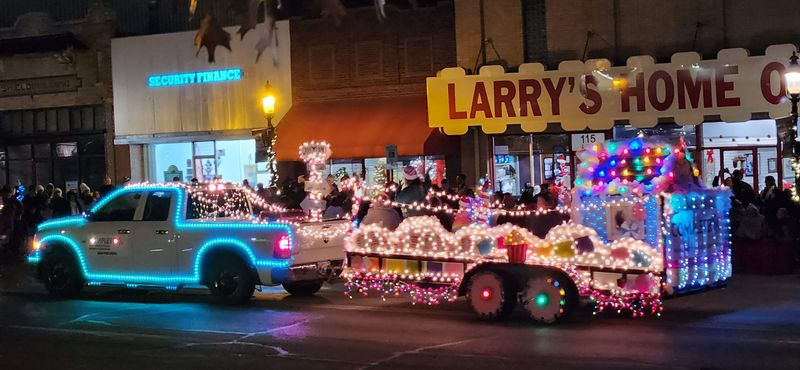
Enid’s calendar fills with seasonal events that bring the community together and offer visitors chances to experience local culture authentically.
These aren’t manufactured tourist attractions but genuine celebrations that would happen whether outsiders attended or not.
Spring brings events celebrating the end of winter and the return of growing season.
Farmers markets begin operating, connecting urban residents with rural producers in weekly exchanges that have sustained communities for generations.
Summer means outdoor concerts in parks where families spread blankets and children run freely while music plays as the sun sets.
The relaxed atmosphere at these gatherings reflects small-town life at its best, with neighbors greeting each other and strangers welcomed easily into conversations.
Fall festival season celebrates harvest and cooler weather with events downtown and in parks.
Classic car shows attract enthusiasts who’ve maintained vintage vehicles with obvious pride.
Craft fairs showcase work by regional artists and makers, offering visitors chances to purchase unique items while meeting the people who created them.
Holiday events in winter transform downtown with lights and decorations that feel charming rather than commercial.
Parades still draw crowds who line streets to wave at neighbors riding on floats.
The scale remains human and accessible rather than overwhelming.
What makes these events special is their authenticity.
Organizers prioritize community participation over tourist appeal, creating experiences that feel genuine and welcoming.
Visitors who time their trips to coincide with festivals gain insight into how Enid residents celebrate together and maintain traditions that connect present to past.
These gatherings demonstrate that small-town Oklahoma life isn’t boring but rich with connection, creativity, and shared joy that larger cities often struggle to replicate.
Dear Reader: This page may contain affiliate links which may earn a commission if you click through and make a purchase. Our independent journalism is not influenced by any advertiser or commercial initiative unless it is clearly marked as sponsored content. As travel products change, please be sure to reconfirm all details and stay up to date with current events to ensure a safe and successful trip.
