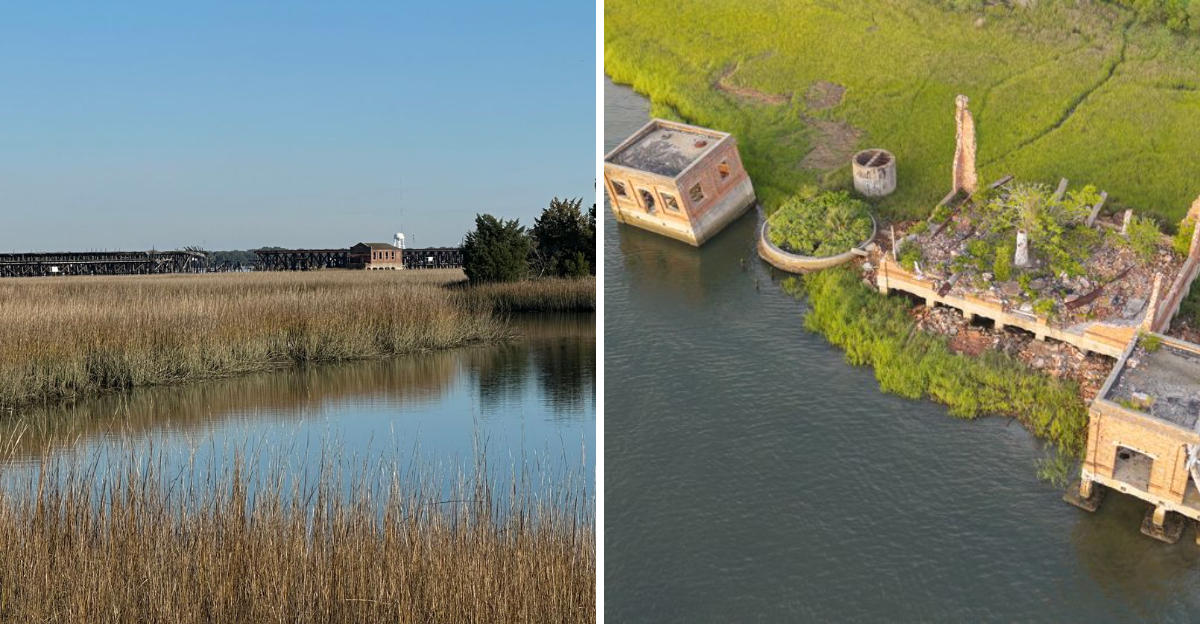
You are standing on the edge of Charleston history, where steel, tide, and grit shaped a working waterfront that powered the Lowcountry.
This guide explores the Charleston Coal Terminal story through the lens of architecture, industry, and the people who kept the conveyors humming.
You will find practical tips for viewing the shoreline, understanding the port context, and staying respectful of active, restricted areas.
South Carolina heritage feels especially alive here, with layered histories that reach from rail lines to harbor lights.
Walk in with curiosity, and you will leave with a deeper appreciation for the city that balanced commerce and coastline.
Where the coal story fits into Charleston
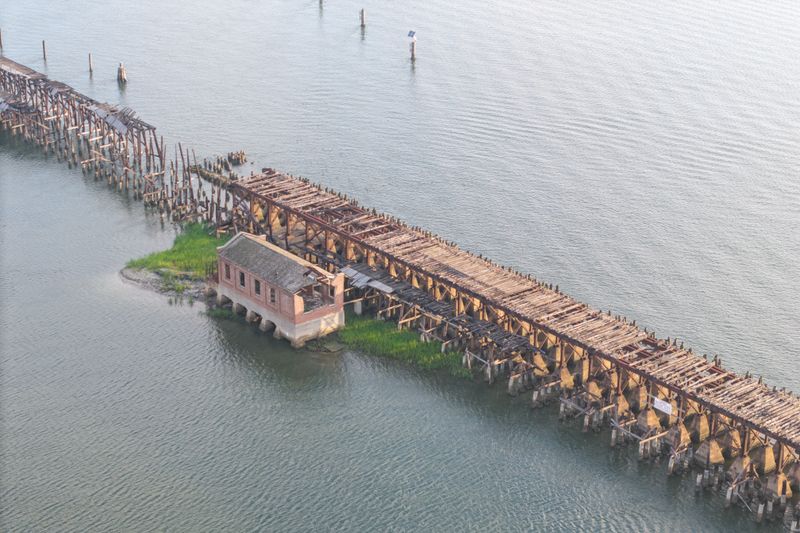
The Charleston Coal Terminal belongs to the larger working harbor that carried raw materials through tidal channels and out to sea.
Coal once moved here by rail car and belt, meeting ships that waited by the wharf under gulls and shifting winds.
You can still read the landscape for clues, from pilings to channel markers that hint at constant motion.
This site reflects South Carolina persistence, with infrastructure that adapted as markets, vessels, and regulations changed.
The story unfolds in layers, so plan time to watch the water and listen to harbor traffic notes.
Charts, old photographs, and port archives help you connect vessels and routes to the shoreline you see.
Modern port operations frame the terminal today, and visitors should remember that access is limited for safety.
Great vantage points include public waterfront walks that offer open views without trespassing lines.
Bring binoculars since distance viewing is the rule, not the exception, along working berths.
Early morning light helps highlight cranes, rails, and silhouettes that tell the industrial narrative clearly.
I like to sketch the edges, marking conveyor angles and cross bracing in simple lines.
These small drawings become souvenirs that feel more personal than a quick phone snapshot.
Listen for horn signals that mark movements, since sound choreography reveals the tempo of the harbor.
Tide cycles change the stage, so compare high water reflections with the rugged textures of low water.
The Charleston Coal Terminal sits within living commerce, which means patience rewards careful observers.
Ask locals about working years, but verify dates with public records and maritime references.
Some memories inflate timelines, so treat oral history with affection and healthy caution.
What remains visible tells only part of the picture, yet it still grounds the coal era in place.
The terminal linked inland mines to ocean trade, turning rail energy into hull bound cargo.
You will feel that connection when a tug slides by and a wake taps the pilings gently.
How to view it responsibly and safely
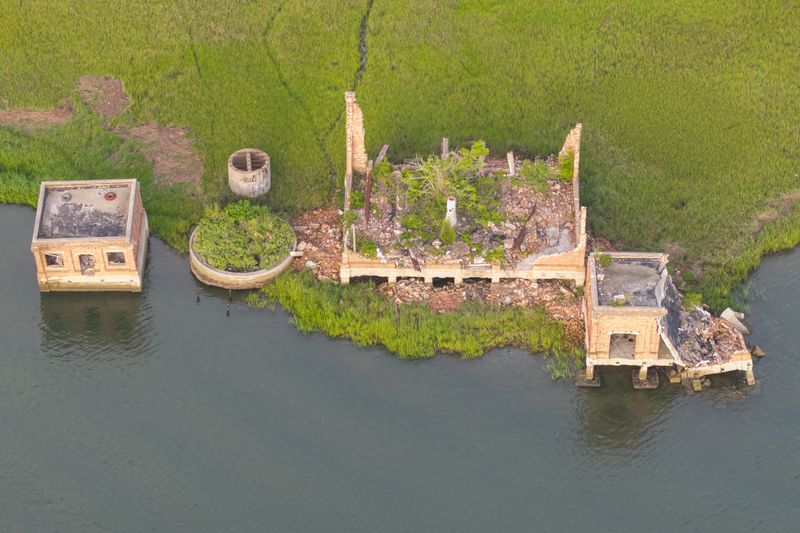
Most of the Charleston Coal Terminal sits within active port zones, so visitors should plan for off site viewing.
Respect posted signs and fences, since they protect workers and keep the logistics machine moving smoothly.
You will still find rewarding perspectives along public waterfronts that face the industrial horizon.
Check current advisories from port authorities before you go, because operations and security can shift with demand.
A harbor map helps you orient conveyor alignments, berths, and rail corridors without stepping into restricted lanes.
Bring a zoom lens or binoculars to study details like catwalks, idlers, and transfer towers safely from afar.
Tripods are best used on public sidewalks where pedestrian flow remains open and considerate.
Sunrise visits reduce glare on the water while revealing steel profiles with crisp contrast.
Overcast days soften highlights and bring out subtle textures in pylons and sheet piles.
Wear closed toe shoes if you plan to walk longer segments along park paths or piers.
Hydration matters more than you expect because sea breeze can mask heat and humidity.
Be mindful that port sirens, horns, and radio chatter are part of normal maritime routines.
Do not fly drones near terminals without checking federal and local rules that govern airspace.
Navigation channels require clear skies and line of sight, so never obstruct mariners with lights.
Police and security patrols may ask questions, and a friendly explanation usually suffices.
I keep notes that describe what I saw rather than guessing at interior processes.
This habit keeps the story honest while honoring South Carolina port workers.
Share locations broadly but avoid pinpointing sensitive gates or camera placements.
Responsible tourism keeps industrial heritage accessible for future curious visitors.
You will leave with sharper eyes and a deeper respect for the harbor that feeds the city.
A quick history you can trust
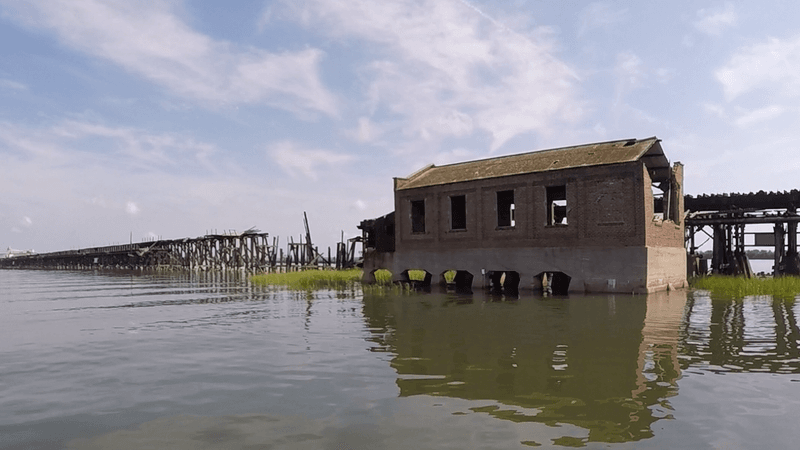
Coal handling in Charleston grew with rail expansion that linked inland mines to Atlantic trade routes.
By the early twentieth century, specialized piers, cranes, and chutes helped load bunkers for steam vessels efficiently.
The port shifted as fuel technologies evolved, yet coal shipments continued for industrial and export needs.
Records show periodic upgrades that modernized conveyors, dust control, and shiploader reach to meet vessel sizes.
Federal navigation projects deepened channels, enabling larger drafts and aligning the harbor with global fleets.
Railroads reorganized through mergers, but the essential connection from yard to berth remained the lifeline.
Historic photographs reveal rugged timber pilings that later gave way to concrete, steel, and better fenders.
Safety improved with lighting, radios, and procedures that kept crews coordinated across long narrow structures.
Environmental rules encouraged covered transfer points and better water management during storm events.
South Carolina invested in maritime infrastructure as trade diversified into containers, automotive, and bulk.
Coal volumes rose and fell with global prices, domestic demand, and power generation strategies.
The terminal persisted as part of a flexible port system that could pivot between cargo types.
Today you will not find museum signs on the pier, but the industrial form still broadcasts its purpose.
Look for alignment with rail corridors that approach the waterfront through low gradients and broad curves.
Shiploader silhouettes and gallery trusses outline where cargo once crossed from land to hull.
I like to match old images with modern vantage points to spot anchors of continuity.
This method turns a simple walk into a living archive that rewards careful attention.
When details are uncertain, treat them as possibilities and check multiple sources.
A truthful sketch beats a dramatic claim that cannot survive basic scrutiny.
Your appreciation grows when the timeline feels grounded, specific, and open to nuance.
Where to start your harbor walk
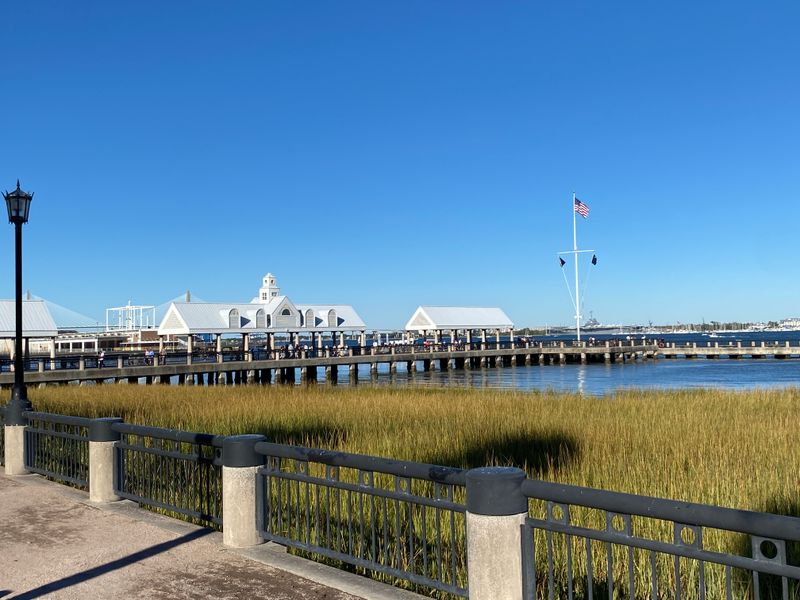
Begin your exploration from public spaces that frame the working harbor without crossing security lines.
Waterfront Park offers open sightlines across the Cooper River, with long views to industrial structures.
The evening light here brings out layered silhouettes that feel both historic and contemporary.
From the promenade you can watch tugs, barges, and pilot boats thread through the channels steadily.
If you prefer a structured vantage, note the Port of Charleston at 196 Concord St, Charleston, SC 29401.
This address anchors a visible cruise and cargo complex that contextualizes the broader maritime scene.
Use it as a reference point rather than a coal specific entrance for your mapping and timing.
Paths nearby provide comfortable footing for longer observation sessions with a camera or sketchbook.
Shade appears in pockets, so a hat helps during bright late morning periods.
Restrooms in public parks make extended visits easier when waiting for ships to pass.
Look for interpretive signs that discuss harbor ecology and navigation aids along the riverfront.
These brief reads add depth when paired with your visual scan of conveyors and piers.
You can return at high tide to note how reflections shift around pilings and steel frames.
A second visit at low tide reveals mud textures that underline the working character of the shoreline.
South Carolina breezes keep the scene dynamic and can push clouds that filter the sun softly.
Carry a small notebook to log vessel names and call signs heard on the air.
I often mark time stamps to match ship movements with photographs later.
Patience pays when the harbor quiets briefly and then stirs without warning.
Stay aware of cyclists and joggers while you set up gear along the railings.
Your walk will feel purposeful as you connect these viewpoints to the coal story.
Architecture and machinery details to spot
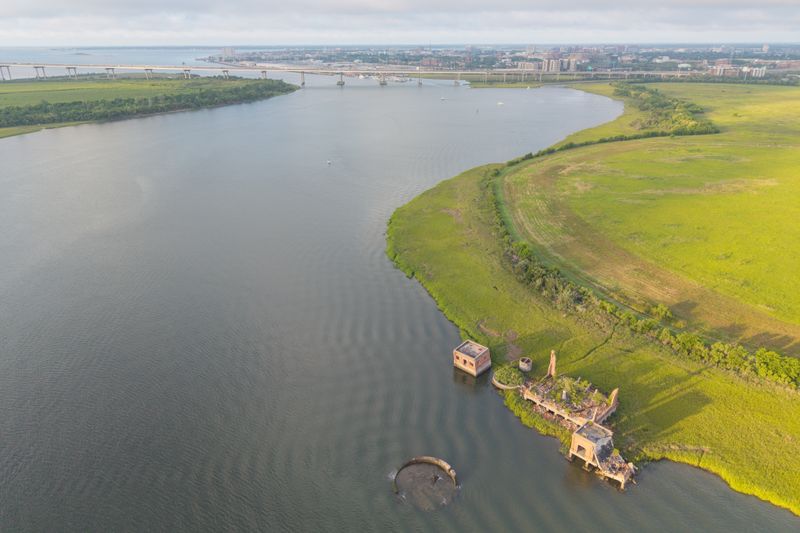
From a distance, the coal terminal reads as a composition of lines, trusses, and angular galleries.
Conveyor housings form clean rectangles that ride above trestles, bridging rail yards and moored ships.
Look for transfer towers where belts change elevation, since these blocks often anchor maintenance platforms.
Catwalks lace the galleries and reveal safety cages, handrails, and ladder runs that outline routes.
Shiploaders swing on pivots with telescoping chutes designed to reach deep holds without spillage.
The booms appear skeletal until you notice the cables, motors, and counterweights balancing every move.
Pilings support the waterfront face, with fender systems protecting both structure and vessel hulls.
Lighting arrays help crews see dust and belt tracking at night while reducing glare toward ships.
Older sections may show riveted steel while newer spans shift to welded plates and boxed beams.
Paint tells a maintenance story, where color blocks mark equipment responsibilities and hazard zones.
Rail spurs approach with broad curves that feed dumpers or stockpile areas behind the waterfront.
You might spot stacker reclaimers inland that shape the coal yard into neat conical mounds.
Environmental upgrades include covers on transfer points and water management channels along edges.
Sound shields appear in places where nearby neighborhoods benefit from quieter operations.
South Carolina coastal air gives the steel a gentle patina that reads beautifully at sunset.
Keep a checklist of components so you can identify parts quickly through binoculars.
I label sketches with arrow notes to remember pulley locations and tensioning gear.
This practice makes later research easier when matching photos to equipment models.
You will end up with a visual glossary that translates the industrial skyline.
Understanding these features turns a distant view into a richly legible scene.
Environmental safeguards and best practices
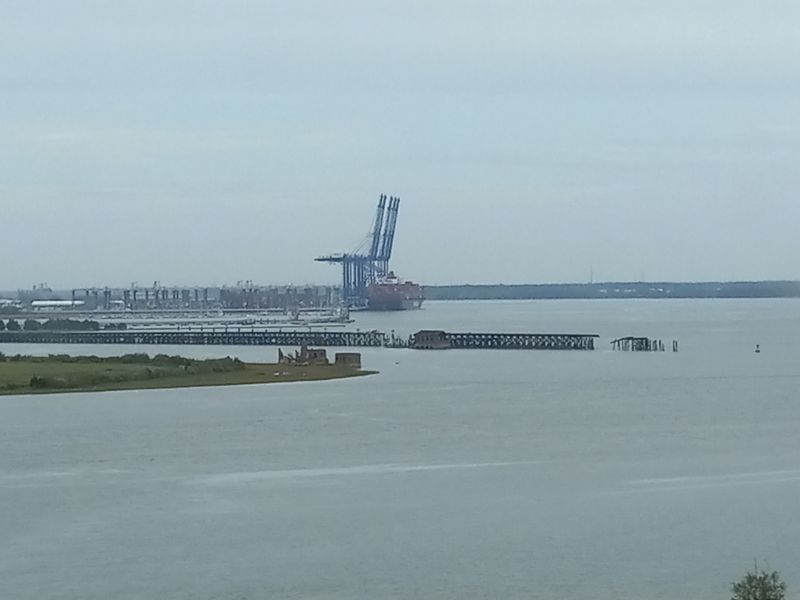
Modern bulk terminals operate under environmental permits that guide dust, noise, and water protection.
You may notice covered transfer points that reduce wind lift as belts change direction and height.
Water sprays and fogging systems knock down fine particles during loading and stacking activities.
Stormwater plans route runoff into treatment systems rather than letting it sheet into the harbor directly.
Containment berms appear around stockpiles, forming quiet hills that hold material within set boundaries.
Operators monitor air quality and adjust flows when wind patterns amplify potential drift.
Noise mitigation includes equipment enclosures and maintenance schedules that keep bearings running smoothly.
Harbor partnerships support wildlife habitat projects that coexist with shipping lanes thoughtfully.
Signs at public edges sometimes summarize stewardship commitments in simple, readable language.
South Carolina agencies publish compliance records that you can review for high level context.
These documents help visitors understand how industrial and ecological goals align over time.
Results rarely look perfect, but incremental improvements usually trend in the right direction.
If you hear claims about unchecked dust, check dates and ask whether upgrades have occurred.
Rumors can lag reality, so balance commentary with current permit information before judging.
You will appreciate the scale of effort when you watch sprays shimmer under side light.
Water looks calmer near well maintained edges where erosion control works quietly and steadily.
I like to compare different vantage points to see where mitigation measures concentrate.
This exercise turns a casual visit into a thoughtful survey of practical solutions.
Responsible observation encourages better public conversations about working waterfronts.
Your notes can highlight successes that deserve recognition and attention from other ports.
Photography tips for the industrial shoreline
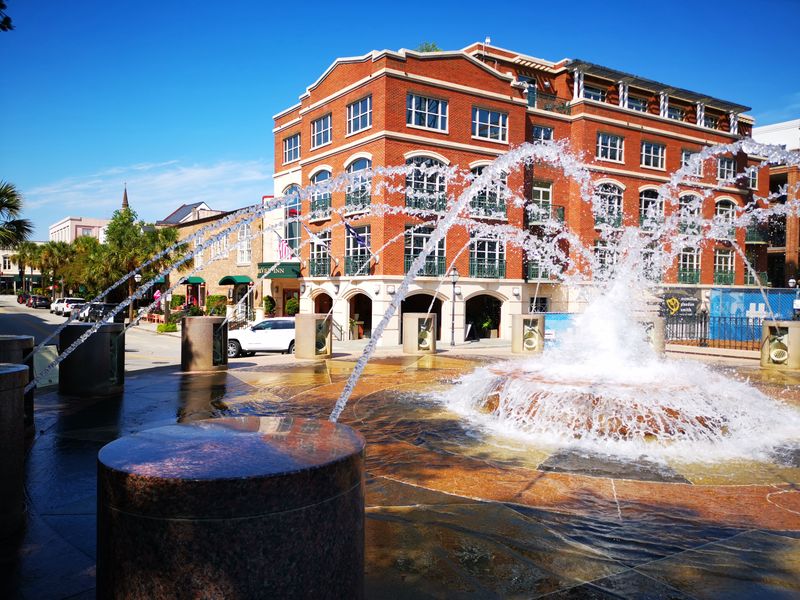
Industrial shorelines reward patient photographers who read light, tide, and wind like a script.
Golden hour brings warm edges to steel, while blue hour cools color and emphasizes line work.
Use a longer lens to compress distance and isolate shiploader booms against softer horizons.
A tripod helps during low light, but keep it compact on busy walkways to avoid blocking paths.
Consider a polarizer to tame glare on water while preserving highlights on painted beams.
Long exposures smooth ripples and give conveyors a calm backdrop that feels cinematic.
Frame details like catwalk joints, pulleys, and gussets that reveal craft and proportion.
Negative space above the booms keeps compositions breathable and emphasizes vertical energy.
Cloud cover turns into a giant softbox that levels contrast across complex machinery.
Reflections at high tide can double the geometry and add quiet symmetry to scenes.
South Carolina humidity sometimes softens distance, so manual focus can help maintain crisp edges.
Keep lens cloths handy since salt mist loves glass and ruins sharpness quickly.
I shoot bursts when tugs pass because wakes create graceful leading lines toward structures.
Bracketing exposures protects highlights on water while holding shadow detail in trusses.
Monochrome edits draw attention to texture and remove color distractions from safety paint.
Respect privacy by avoiding close framing of security posts or identifiable workers.
Review local rules about tripods and commercial work before setting up in crowded areas.
Scout in daylight and return at twilight when the harbor lights bring subtle drama.
Leave room for ships so compositions can breathe as traffic moves through the frame.
Your final set will balance accuracy, mood, and a clean sense of industrial place.
Legends and lore, clearly labeled as stories
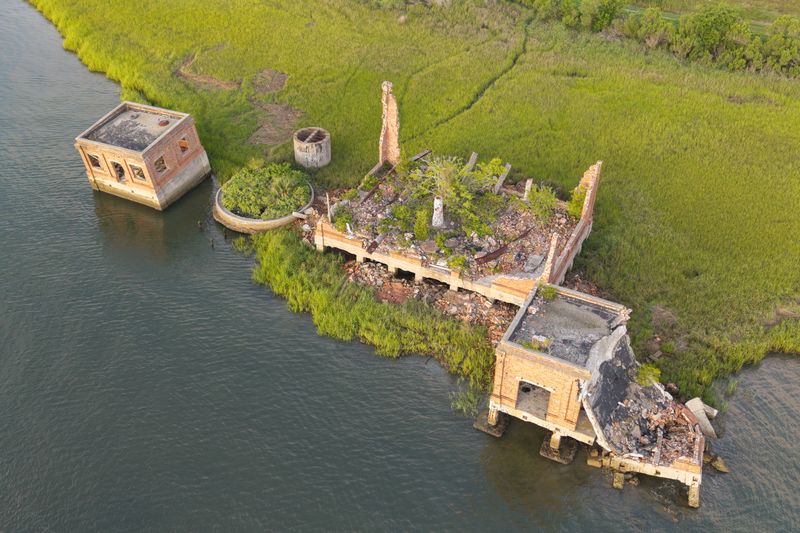
Local stories describe night shifts where gulls circled the lights and workers guessed the next arrival by scent.
These tales are not documented, yet they color the atmosphere that still lingers around the terminal edges.
Another rumor says a ship once docked early after a squall pushed it along like a gentle hand.
No record confirms the timing, but maritime logs often include weather notes that encourage such memories.
Some visitors whisper about a lantern glow that flickers near old pilings on extremely foggy mornings.
This is folklore, not fact, and the effect likely comes from reflections that bend through mist.
Dock chatter once gave nicknames to conveyers and cranes that sounded like baseball rosters.
Nicknames fade when crews rotate, but a few might survive in pockets of longshore culture.
Stories like these blend with the hum of engines to create a gentle sense of continuity.
South Carolina harbors collect yarns the way beaches collect shells after a lively tide.
You can enjoy the narratives while keeping your feet planted on verifiable ground.
Ask elders for memories, then note dates and check them against newspapers and port reports.
I record attributions so legends remain separate from the confirmed historical thread.
This practice keeps the romance without losing respect for the facts that anchor the place.
Harbor lore works best as texture that frames your photographs and field notes.
Let the stories point toward sights, then test them gently with current research.
Your visit gains charm when myth and reality share the same horizon politely.
Folklore should guide curiosity, not dictate what you claim about the terminal.
Carry the tales lightly and return them to the wind when you leave the pier.
The best souvenir is a balanced mind that values wonder and evidence together.
Planning your visit around weather and tides
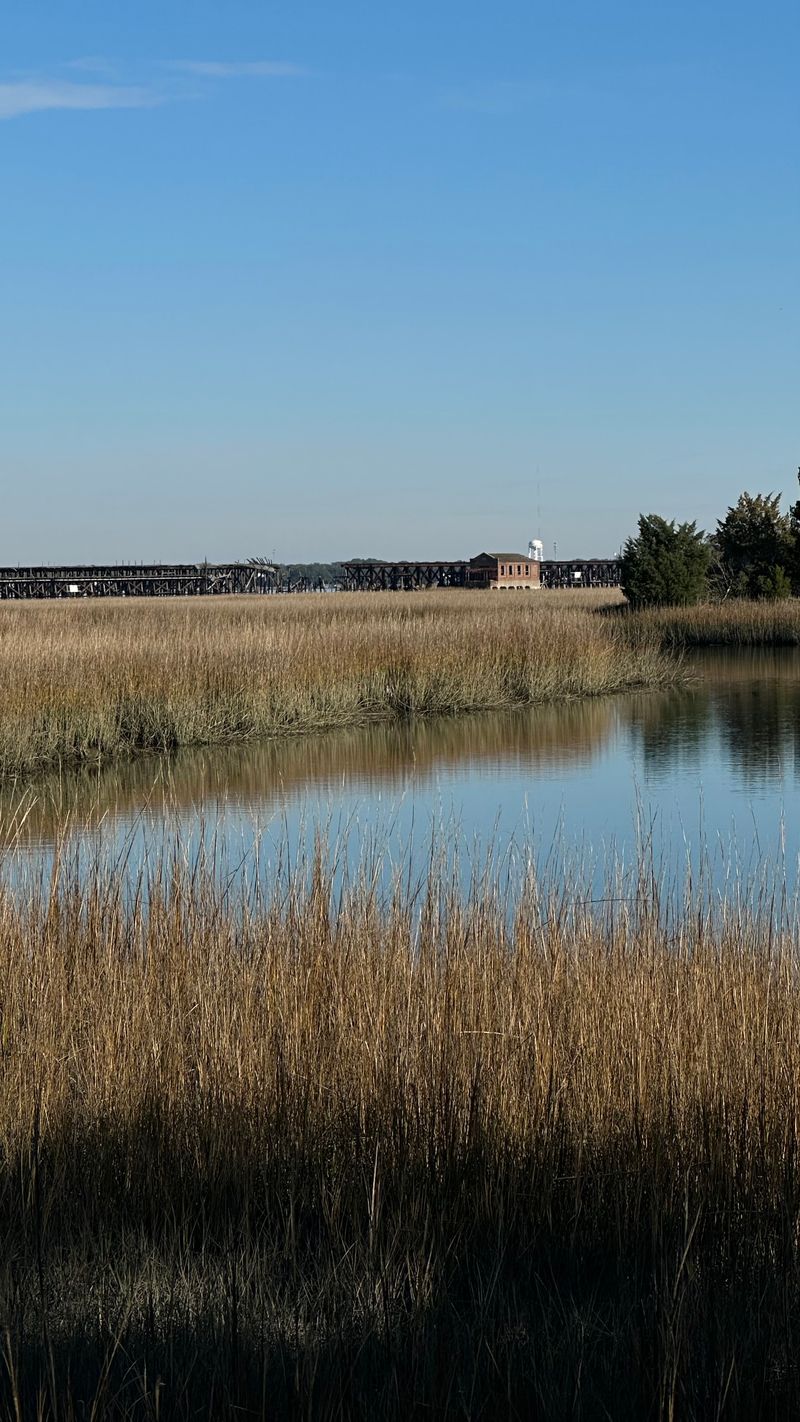
Weather and tide timing shape what you will see and how your photos will feel.
Calm mornings often bring mirror water that turns pilings and conveyors into doubled forms.
Windy afternoons add texture that suits wider shots but can shake a long lens easily.
Check tide tables to decide whether you prefer reflective surfaces or exposed structure lines.
High tide hides lower piles while low tide reveals working scars and mussel patterns.
Cloud breaks after rain yield saturated colors that make painted steel look clean and new.
Summer humidity in South Carolina softens distance, so plan closer viewpoints on those days.
Winter air stays clearer and can produce crisp edges across the harbor at midday.
Pack a light layer because breezes near open water feel cooler than inland streets.
Use a weather app that shows wind direction and gusts so you can pick sheltered angles.
Sun position matters because structures cast long shadows that either help or complicate framing.
Early arrivals reduce crowds along popular promenades and leave more room for tripods.
If storms roll through, wait for the back edge when sky drama tends to peak.
Lightning safety comes first, so head indoors whenever thunder moves within close range.
I bring microfiber towels to dry gear quickly after a sudden squall passes.
Lens hoods help keep spray off glass and maintain contrast across darker beams.
Review your plan the night before to match routes with predicted tides and light.
Flexibility makes the difference between average shots and memorable sequences of the terminal.
Small adjustments on location usually unlock stronger compositions without extra effort.
Your best visit will blend preparation, patience, and a little good coastal luck.
Respectful travel and what to bring
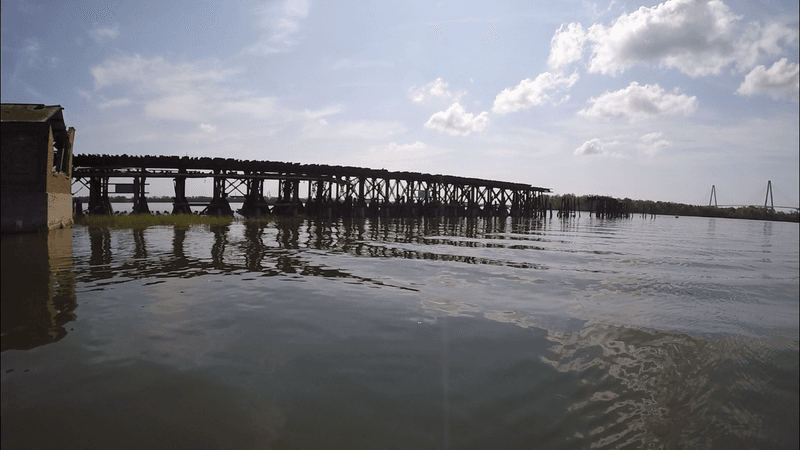
Packing light keeps your harbor walk comfortable and helps you stay nimble as scenes change.
Binoculars reveal machinery details that turn distant views into clear, readable shapes.
A small notebook helps track ship names, times, and weather that influence your experience.
Comfortable shoes matter because you may cover several miles while scouting perspectives.
Bring sun protection and water so you can linger when the light turns ideal unexpectedly.
Respect workers by avoiding flash and by keeping distance from gates and loading edges.
Public benches become excellent rest points where you can edit and regroup quietly.
Trash should leave with you since waterfront breezes can scatter light items quickly.
Headphones stay in your pocket because hearing horn signals enhances situational awareness.
Tripod feet should sit where pedestrian flow remains open for everyone passing by.
South Carolina hospitality starts with small courtesies that make shared spaces feel easy.
Share viewpoints generously and you may learn tips from other harbor fans nearby.
Carry identification if security asks for a quick conversation about your purpose.
A printed map helps in case your phone battery dips after heavy photo use.
I keep spare memory cards in a waterproof sleeve for peace of mind.
Microfiber cloths and a rocket blower protect lenses from salt and dust buildup.
Consider a lightweight rain cover since squalls can arrive without long warnings.
Plan breaks so you return fresh for the best tide and light windows.
Thoughtful preparation makes the visit smoother and the storytelling more accurate.
Your kit will feel dialed in after one visit, and future trips get easier.
Dear Reader: This page may contain affiliate links which may earn a commission if you click through and make a purchase. Our independent journalism is not influenced by any advertiser or commercial initiative unless it is clearly marked as sponsored content. As travel products change, please be sure to reconfirm all details and stay up to date with current events to ensure a safe and successful trip.
