A town of just 37 people deliberately removed unnecessary streetlights and replaced others with dark-sky-friendly fixtures. Then it handed out special outdoor bulbs so the stars could take over.
That effort paid off in 2024. The little place became the first International Dark Sky Community in Oregon, and the night sky here rates around Bortle class 2.
I’m particularly drawn to the goal behind it all. The community wants you to see the Milky Way from Main Street, and that’s not a slogan.
The same quiet streets also hide a wild past. One detail I find worth mentioning is that this town once lost its own name.
The Streetlights Went Dark So The Galaxy Could Shine
Most towns brag about adding lights. Antelope, Oregon earned its fame by taking them away.
In 2024, DarkSky International named Antelope the first International Dark Sky Community in Oregon. That’s a serious title, and it doesn’t get handed out for simply being far from a city.
The town had to show real effort to cut light pollution. Residents removed nonessential streetlights, which sounds bold for any place with a Main Street. They also received special outdoor bulbs designed to keep light pointed down instead of spilling into the sky.
Here’s what makes that impressive. Antelope had only 37 residents in the 2020 census. A small group pulled together and changed how their whole town looks after sunset.
The result is a sky that feels almost unfair to city folks. The community’s stated goal is simple and kind of poetic: you should be able to see the Milky Way from Main Street.
Think about how rare that is now. Many kids grow up never seeing our own galaxy at all.
In Antelope, the view is part of the neighborhood. It’s a reminder that protecting nature can be as easy as flipping a switch, or skipping one entirely.
Bortle 2 Means Your Eyes Get The Good Seats
Astronomers use something called the Bortle scale to rate night skies. It runs from 1, the darkest, to 9, the glow of a big city downtown.
Antelope’s sky registers around Bortle class 2. In plain words, that’s exceptionally dark, and few places most people can drive to reach that level.
So what does that look like overhead? The Milky Way shows up as a soft, cloudy band stretching across the sky. Some describe it as a fog of stars, and that’s pretty accurate.
On rare nights, the northern lights have even made an appearance here. Nobody can promise that show, but it’s a fun bonus to keep in mind.
Timing matters a lot. Moonless nights in July and August usually give the best Milky Way views, when the brightest part of the galaxy rides high.
A quick tip for beginners: give your eyes about 20 to 30 minutes to adjust. Skip bright phone screens, or use a red light setting if you have one.
Bring a blanket or camp chair and lie back. Your neck will thank you, and your jaw will probably drop anyway.
Stagecoaches Put This Place On The Map First
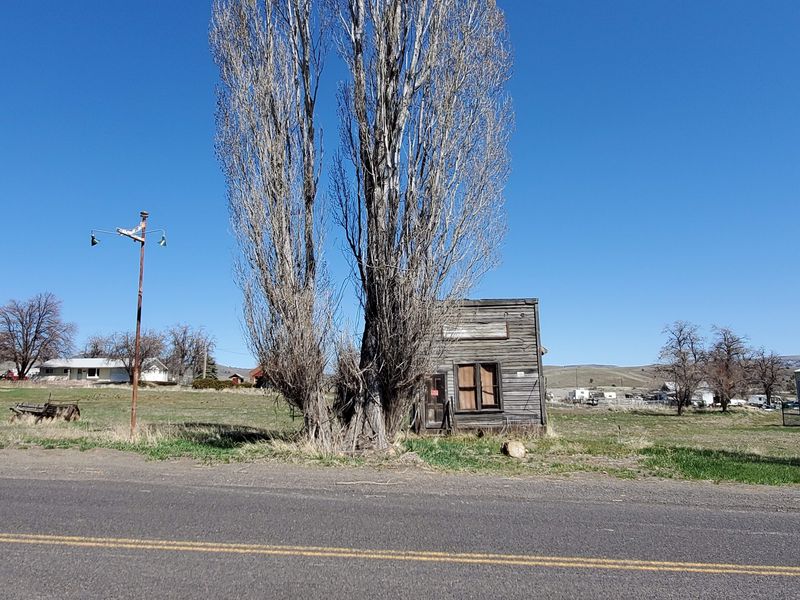
Long before stargazers showed up, freight wagons rolled through here. Antelope began as a stage and freight wagon road stop on the old route between The Dalles and Canyon City.
Records put its founding in 1872, with roots in the 1860s. Travelers heading toward the gold country around Canyon City needed places to rest, water animals, and grab supplies.
The stop grew into a real community. Antelope officially incorporated as a city in 1901, which makes it older than plenty of famous Oregon towns.
Fun fact time. Antelope’s ZIP code is 97001, and that number gets attention for good reason.
Oregon ZIP codes begin with 97, and 97001 sits right at the front of the line. It’s a neat bit of trivia to pull out on the drive in.
Picturing the town’s early days helps the night sky feel even richer. Those wagon drivers looked up at the same stars, minus a century of light pollution elsewhere.
When you stand on Main Street now, you’re standing on an old travel route. Antelope has been welcoming tired travelers for over 150 years, and it still does it quietly.
The Town Lost Its Name And Then Took It Back
Few towns have a plot twist like this one. In the early 1980s, followers of the Rajneesh movement moved to a large ranch near Antelope.
Hundreds of newcomers soon outnumbered the longtime residents. They gained control of the town government, and from 1984 to 1986 the city was officially renamed Rajneesh.
The era drew national attention for all the wrong reasons. It included a bioterror attack in The Dalles, and the movement eventually collapsed under legal trouble.
On November 5, 1985, voters approved restoring the name Antelope, even though Rajneesh followers still controlled much of the town government. The town had its identity again, and it never forgot the experience.
Here’s a sweet, more recent chapter. In March 2024, new welcome signs went up, replacing signs that had been removed during the Rajneesh years.
That happened the same year the town became a Dark Sky Community. Talk about a comeback season for a place with only a few dozen people.
If you’ve watched documentaries about this saga, seeing Antelope in person adds real depth. The calm streets make the old headlines feel almost unbelievable, which is part of the fascination.
A Monument With The Best Name In Oregon
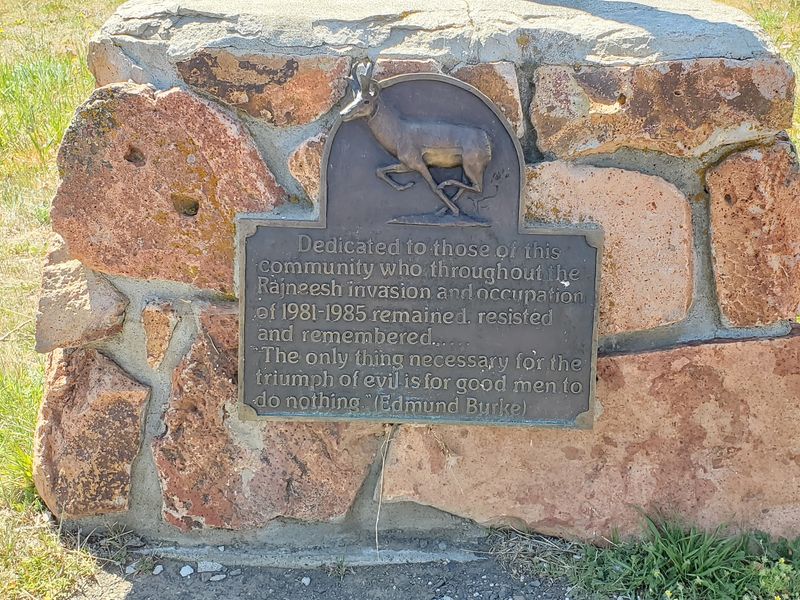
Some memorials feel solemn. Antelope’s is called the Good Riddance Monument, and the name tells you exactly how residents felt.
The monument recalls the town’s experience during the Rajneesh years. It’s a small, direct marker that turns a painful chapter into something you can stand beside and think about.
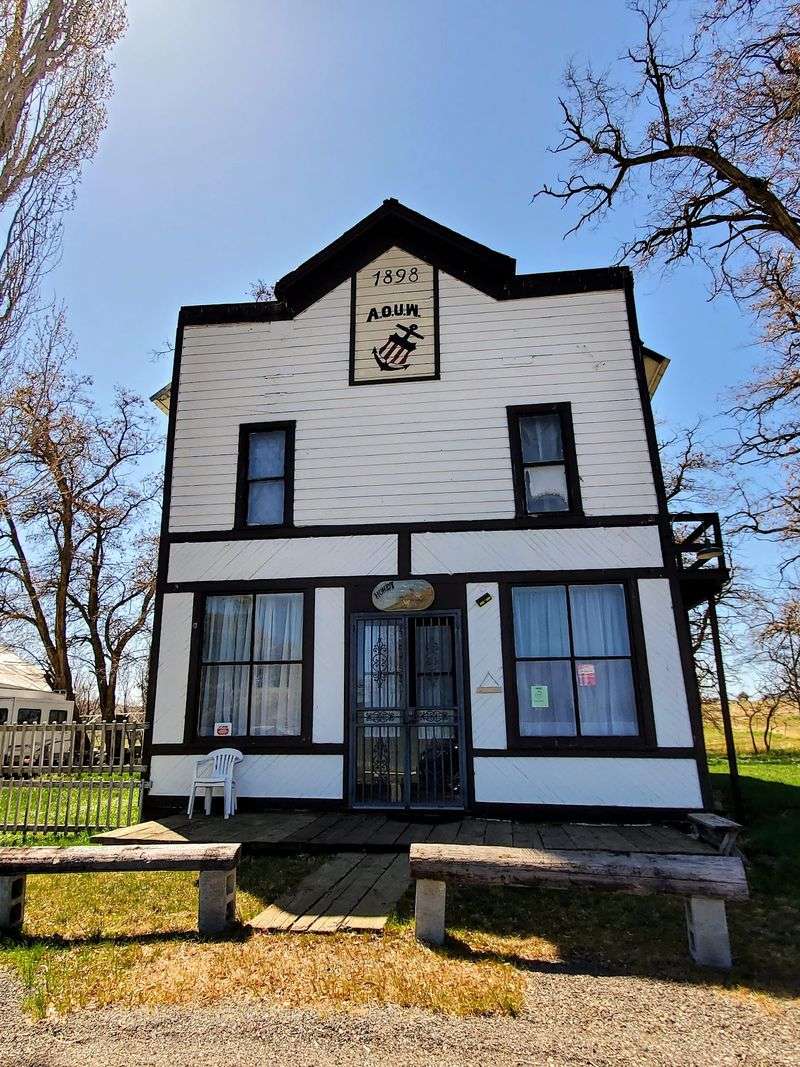
History buffs have another stop nearby. A mini museum sits inside the historic A.O.U.W. Hall, a building tied to an old fraternal organization.
The Ancient Order of United Workmen was a lodge group popular in the late 1800s. Many small Western towns had halls like this, and plenty of them didn’t survive.
Antelope’s hall still stands, which is a nice win for a tiny community. A museum in a town of 37 is a reminder that size doesn’t decide how much history a place holds.
Plan to keep your visit respectful and low-key. These are community landmarks, not big attractions with gift shops and crowds.
Snap a photo, read what’s posted, and take a moment. Then save your energy for sunset, because the evening program here is the main event.
An Old Schoolhouse Is Getting A Second Act
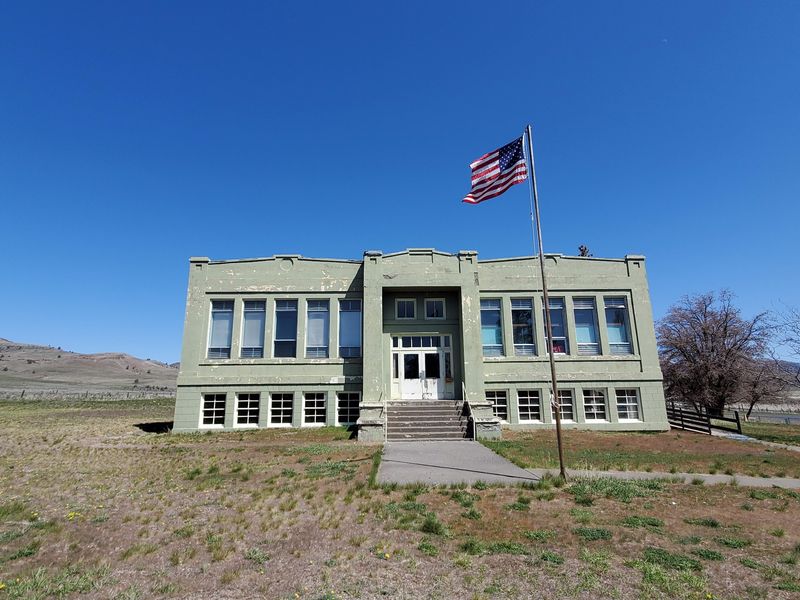
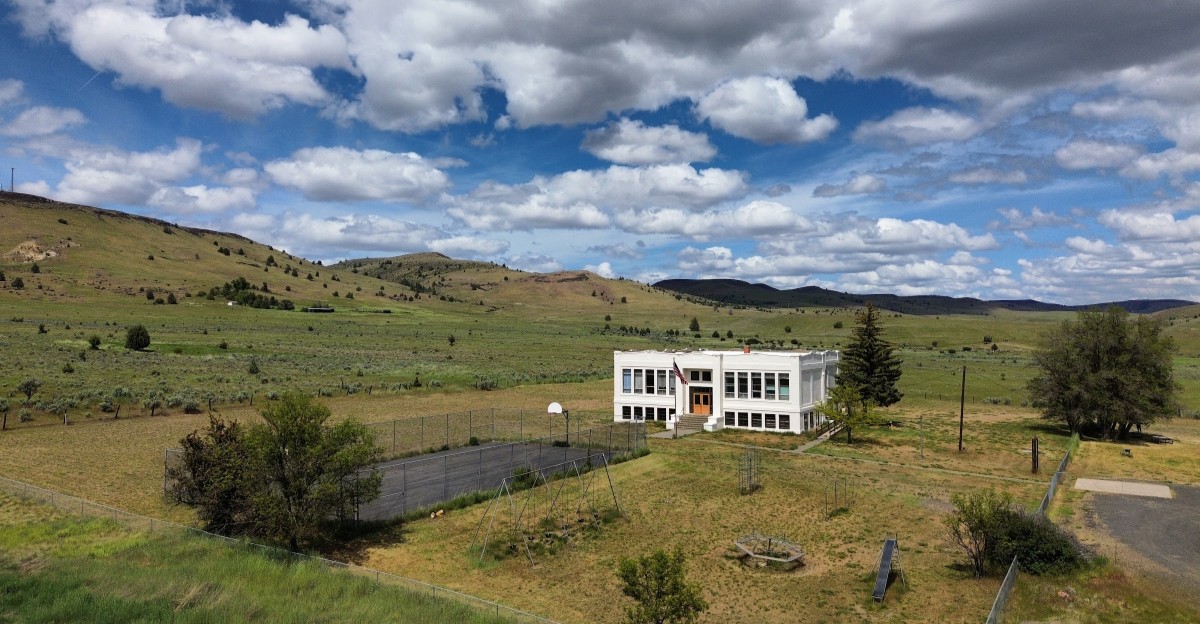
Brick, wood, and a whole century of stories. The former Antelope School building was completed in 1925, and it now serves as City Hall and the Community Center.
Antelope calls its current effort a Reawakening. The idea is to protect the town’s heritage with the same care it gives the night sky.
The old school building sits at the center of that plan. The building celebrated its 100th anniversary in 2025, when the city received preservation grants to help restore its historic exterior windows.
That centennial pushes the project forward with real purpose. Old buildings don’t fix themselves, especially in a town with so few residents to share the work.
Inside, the building does more than hold meetings. It hosts community dinners and events, which makes it the social heart of Antelope.
I find it easy to appreciate a town that treats its schoolhouse like family. Plenty of rural schools across the West have simply faded away.
If you visit, take a look at the structure from the street. Keep an eye out for community event announcements too, since gatherings here offer a rare peek at small-town life in Oregon.
Red Lights And Tiny Cabins Make Bedtime Optional
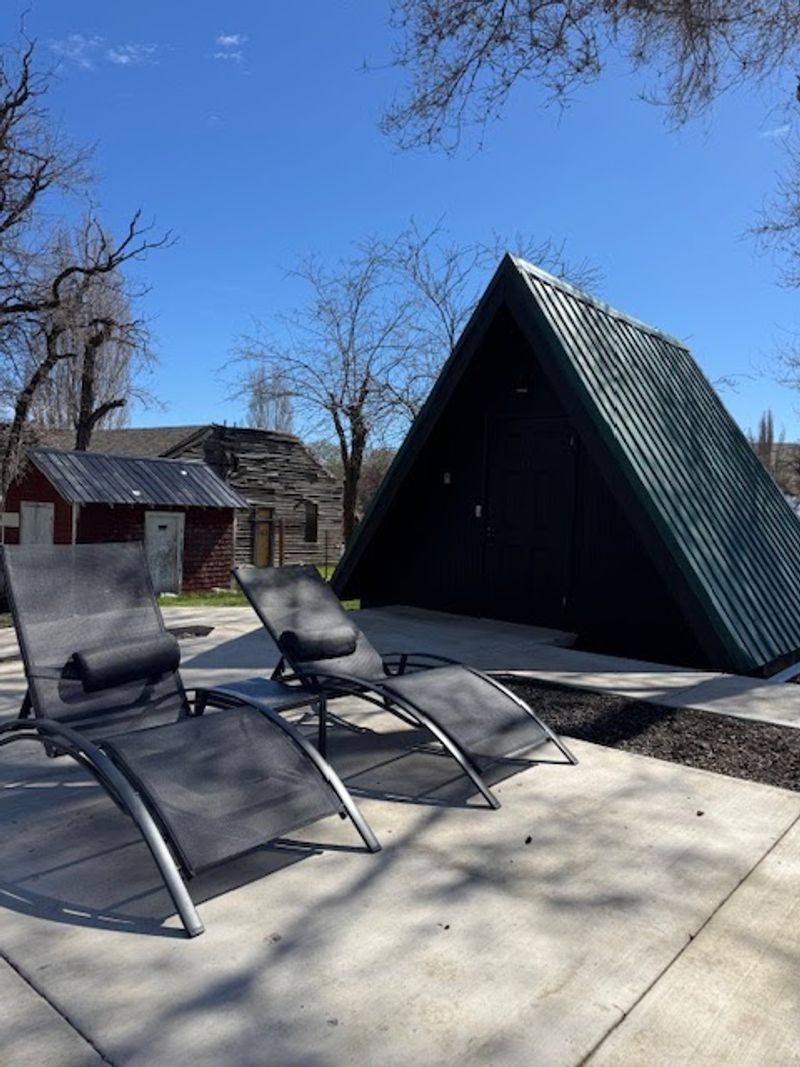
Red lights usually mean stop. At Antelope Basecamp, they mean keep looking up.
This micro-cabin resort was certified as Oregon’s first DarkSky Lodging in March 2026. That makes Antelope the home of two state firsts, which is quite a haul for a town this size.
The property uses only low-lumen red lighting on its exteriors. Red light helps protect your night vision, so you aren’t blinded every time you step outside.
It also keeps skyglow down. That matters, because one bright porch light can wash out a surprising chunk of sky.
Staying overnight changes the whole trip. You won’t have to drive a dark rural highway after midnight, which is a big comfort out here.
Basecamp works as a launchpad in both directions. Spend daylight hours exploring the high desert, then trade the map for the stars once the sun drops.
Book ahead if you’re targeting a moonless summer weekend. Those dates line up with the best Milky Way season, so planning early is just smart stargazing strategy.
Getting There Is Half The Scenery
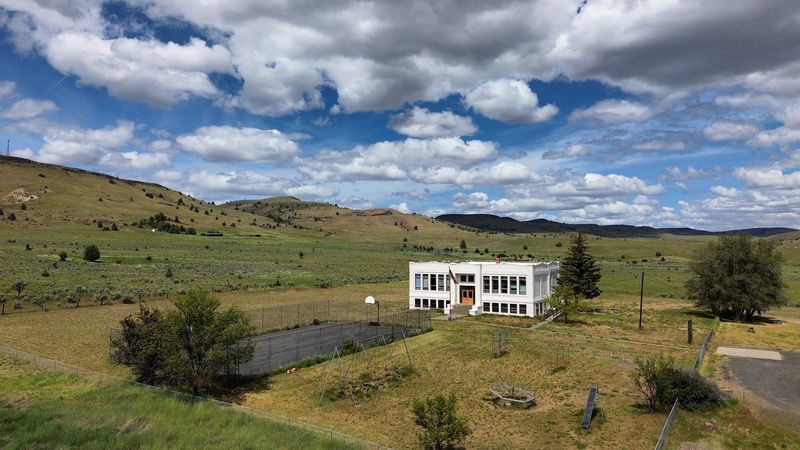
Rolling wheat fields. Working ranchland. Big open hills that seem to go forever.
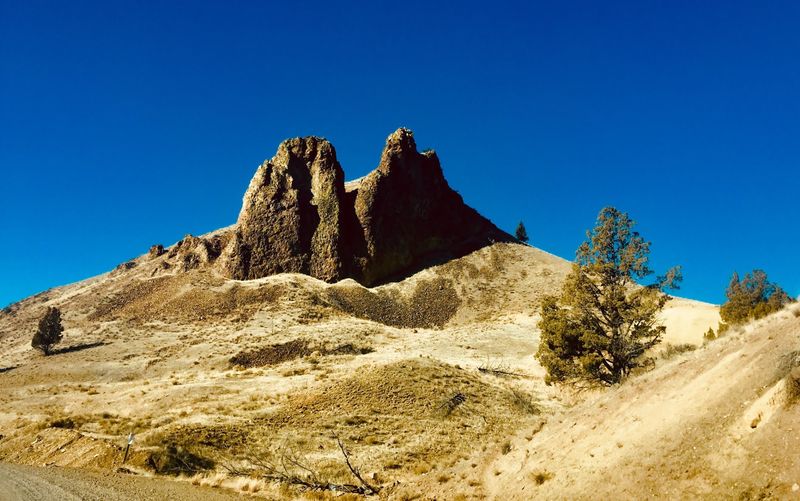
That’s the setting around Antelope, which sits in rural Wasco County in north-central Oregon. Its mailing address is simply Antelope, OR 97001, a fitting fit for a town this small.
The town lies along the Journey Through Time Scenic Byway. That route winds through high desert country packed with geology, ranch history, and old towns.
So the drive isn’t just a way to reach the stars. It’s a scenic warmup act that lasts for miles.
The farm landscape also explains the darkness. Wide-open agricultural land means few neighbors, little traffic, and almost no glow on the horizon.
Try to arrive before sunset if you can. Watching the light fade over the fields gives you a great sense of how quickly true darkness settles in here.
Bring a camera for the golden hour shots. The same hills that look sleepy at noon turn warm and dramatic as evening rolls across the valley, and then the night shift begins.
Pack Smart Because Services Are Scarce
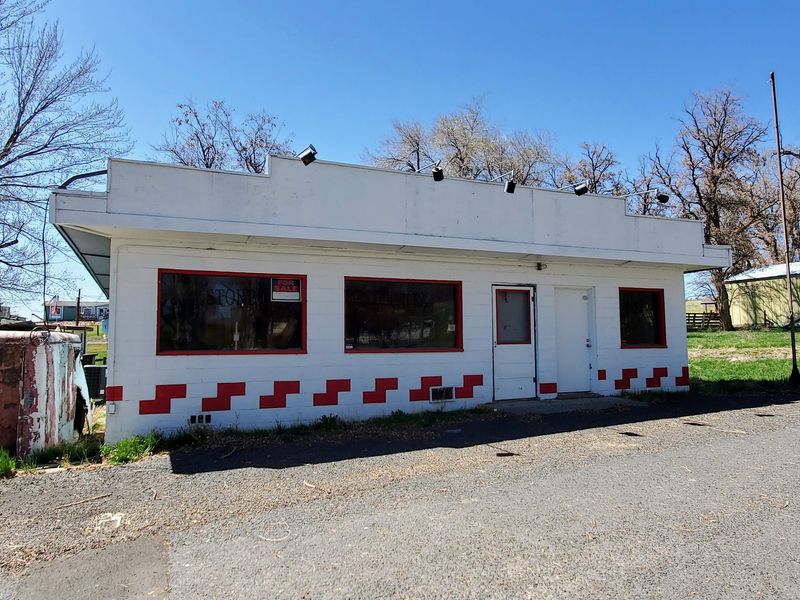
A full tank of gas is your best friend here. Antelope is a very small town with limited services, so fill up before you leave the bigger towns.
Cell service can be spotty in this part of Oregon. Download maps and directions ahead of time, so a dead signal doesn’t turn into a detour.
Snacks and water deserve a spot in the car too. Don’t count on grabbing supplies once you arrive.
For stargazing, a short checklist goes a long way. Pack warm layers, since high desert nights cool off fast, even in summer.
A red flashlight helps you see without ruining your night vision. A blanket, a reclining chair, and a stargazing app saved for offline use round things out nicely.
Remember that people live here. Keep noise low, respect private property, and avoid shining headlights or bright lights where they aren’t needed.
The payoff is worth every bit of prep. Unplugged, quiet, and under a sky this dark, you might forget your phone even exists. Honestly, that could be the best souvenir Antelope offers.
