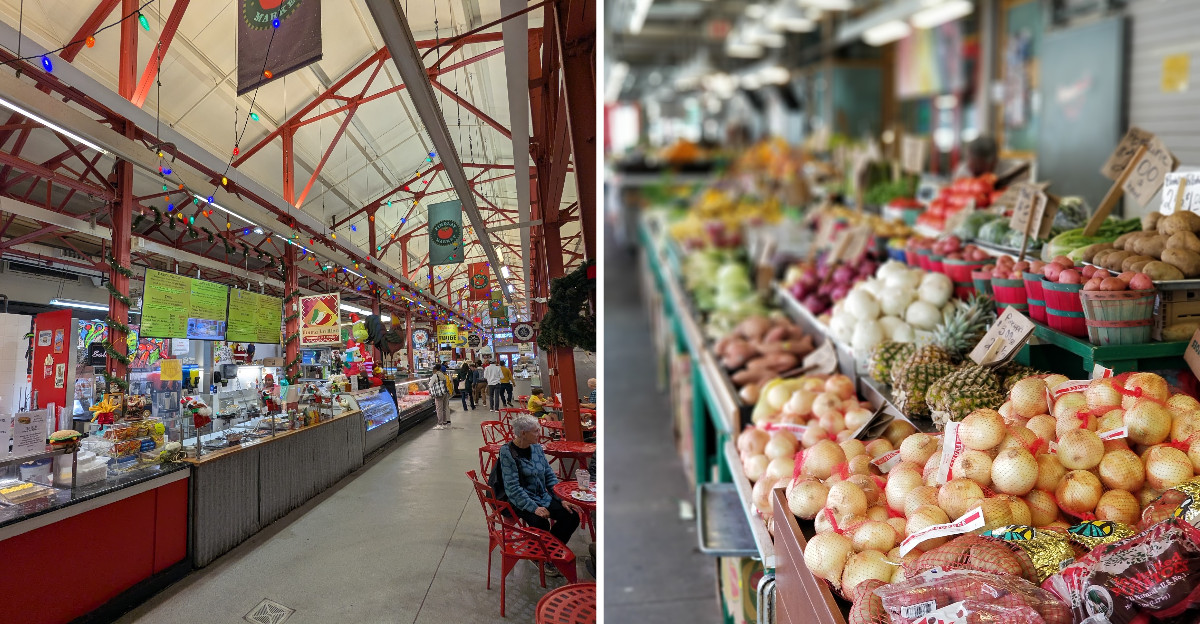
Fresh food has been sold beneath the iron framework of this Ohio market house since 1855, long before modern supermarkets became part of everyday life. More than 170 years later, shoppers still visit the historic building for meat, bread, cheese, spices, and other groceries.
What makes the place remarkable is its survival. While other municipal market houses disappeared or found new purposes, this one continued serving customers, preserving a shopping tradition that stretches back generations.
I love how the history here remains part of ordinary life rather than something displayed behind glass. Butcher counters, specialty vendors, and seasonal farmers create a lively atmosphere where people come to fill their grocery bags, not simply admire an old building.
The surrounding neighborhood adds another layer of character, with colorful murals, historic architecture, and independent businesses that make a market visit feel like a small exploration of the city.
The Iron Market House That Refused To Retire
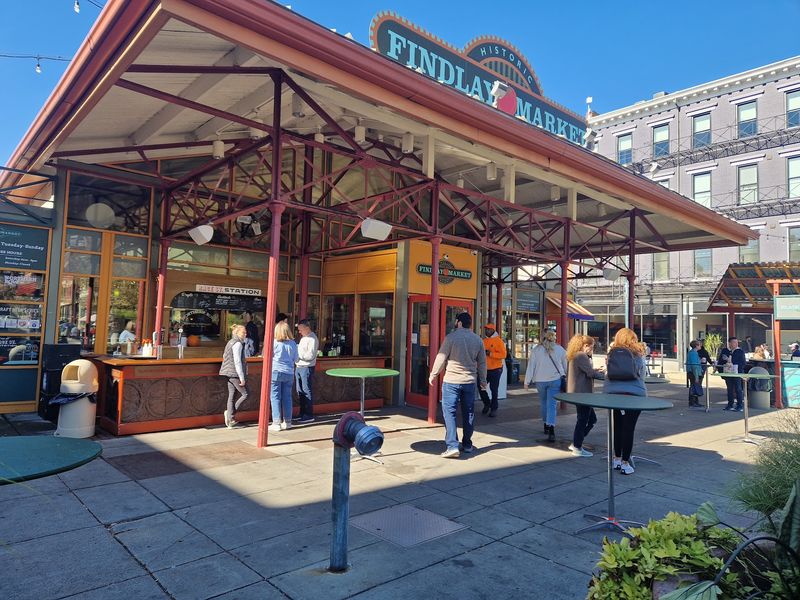
Findlay Market opened in 1855, and it has been feeding Cincinnati ever since. That makes it Ohio’s oldest continuously operated public market.
Cincinnati once had several public market houses scattered around town. Every other one eventually closed or disappeared, leaving this one as the last survivor.
The building itself is a big part of the story. Its frame uses cast iron, a material that was cutting-edge for builders back in the 1850s.
The market is named for James Findlay, an early Cincinnati mayor and military leader. His estate gave the land so the city could build a market on it.
Over the years, the market house has gone through careful restorations. Those updates kept the historic look while making it work for modern shoppers.
The market is also listed on the National Register of Historic Places. That’s a pretty fancy title for a place where people buy pork chops.
I love that the history here isn’t locked behind glass. You can touch it, shop in it, and leave with a bag of groceries.
Today, a nonprofit group called the Corporation for Findlay Market runs it. Their job is keeping the market strong for the next generation of shoppers.
So when you stand inside, remember the timeline. You’re shopping where Cincinnati families have shopped for more than 170 years.
Butcher Counters Are The Real Main Event
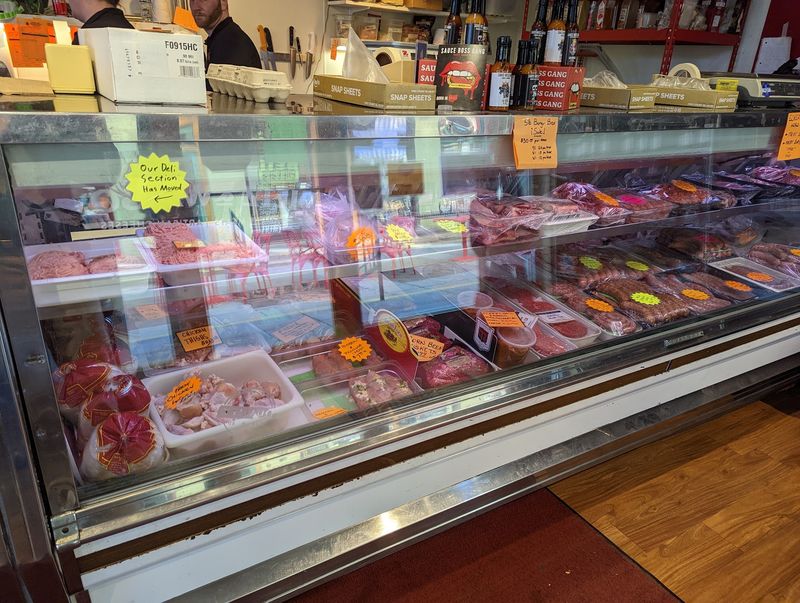
Meat lovers, this is your moment. The butcher counters inside the market house are some of its longest-running attractions.
Cincinnati has deep German roots, and you can taste that history here. Sausages, fresh cuts, and specialty meats fill the glass cases.
Shopping at a butcher counter feels different from grabbing a plastic tray at a supermarket. You can ask questions, request a certain cut, and get advice about cooking it.
Planning a cookout? Grilling season gets a lot easier when someone behind the counter helps you choose.
Deli fans have options too. Waldeck’s Deli offers deli meats and cheeses, which makes building the perfect sandwich at home very tempting.
Seafood also shows up in the mix. That means you can cover a whole dinner menu without leaving the building.
Here’s a smart tip for out-of-town visitors. Bring a cooler in your car if you plan to buy fresh meat.
Otherwise, you might end up staring sadly at a gorgeous steak you can’t take home. Nobody wants that kind of heartbreak.
Local shoppers often treat these counters like their regular grocery stop. Honestly, once you see the selection, it’s easy to understand why.
Follow Your Nose To The Spices And Cheese
Spices might be the sneaky star of Findlay Market. Shelves of seasonings and blends make it easy to upgrade boring weeknight dinners.
Home cooks tend to linger here. When you see so many jars in one spot, choosing just one feels almost impossible.
My advice is simple. Make a short list before you go, then leave a little room for one surprise pick.
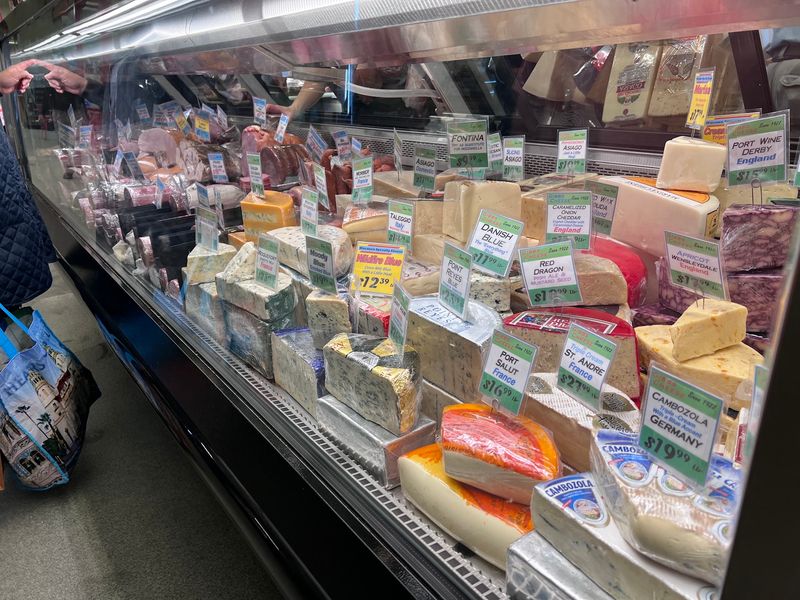
Cheese counters add another tasty layer to the trip. You can browse local and imported options, which makes snack boards much more exciting.
Pair your cheese with fresh bread from one of the bakery vendors. Suddenly, you’ve got an easy picnic without much planning.
Not sure what to buy? Ask the vendors what they enjoy, since they know their products best.
Some counters may offer samples, depending on the day and vendor. A tiny taste can save you from bringing home something you don’t love.
Spices also make great gifts because they travel well. They’re perfect if you can’t carry home anything that needs a fridge.
Think of this corner of the market as your flavor toolbox. A few small purchases can change dinner for weeks.
Lunch Gets Complicated In The Best Way
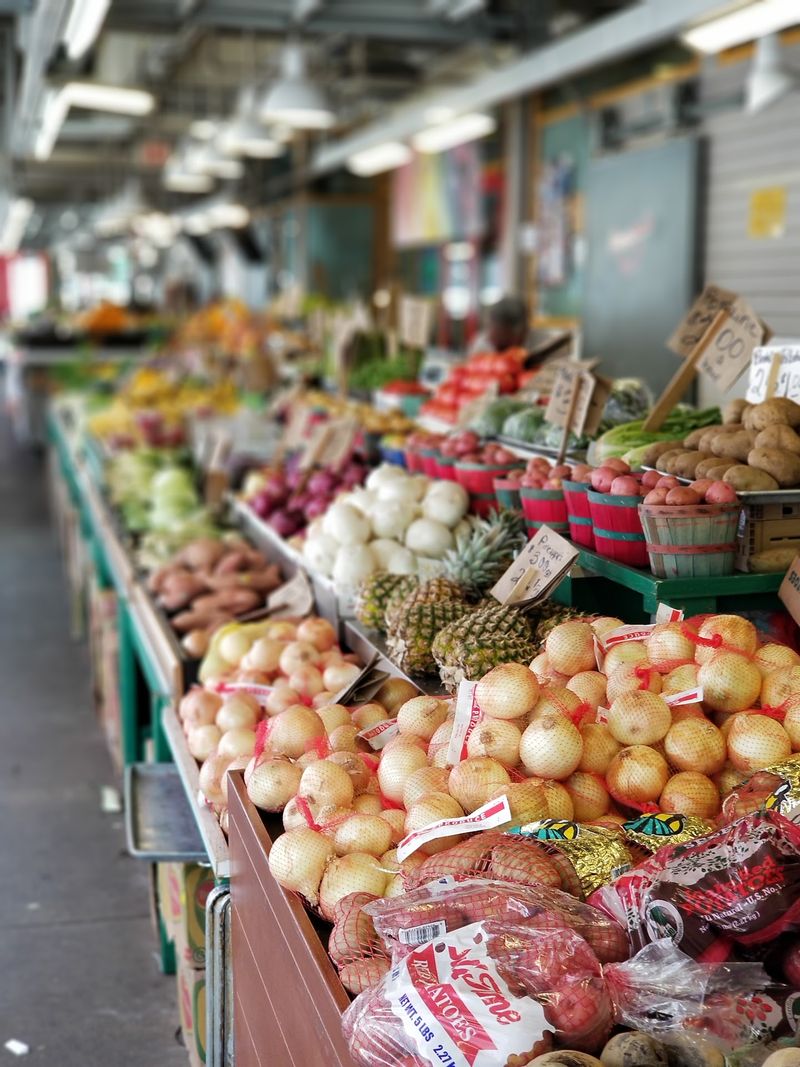
Deciding what to eat here takes real strategy. The market mixes grocery vendors with small eateries serving ready-to-eat food.
Taste of Belgium is one of the most recognized names around the market. It started at Findlay Market and became known for its Belgian waffles.
Craving something savory instead? You’ll find prepared meals and international flavors scattered through the market house and the surrounding storefronts.
Pierogies, baked goods, and sweet treats like fudge also pop up among the vendors. Gelato is another popular way to cool off.
The best plan is to walk one full lap before buying anything. That way, you won’t fill up on the first tempting thing you see.
Sharing helps too. Split a few small items with friends, and you’ll get to taste more without needing a nap afterward.
Seating is available around the market, including outdoor areas. It’s a nice chance to slow down and watch the neighborhood around you.
Vendors can change over time, so check current listings on the market’s channels before visiting. That keeps your food plans from turning into a guessing game.
Either way, arriving hungry is a wise move.
Farmers Bring The Fields To Race Street
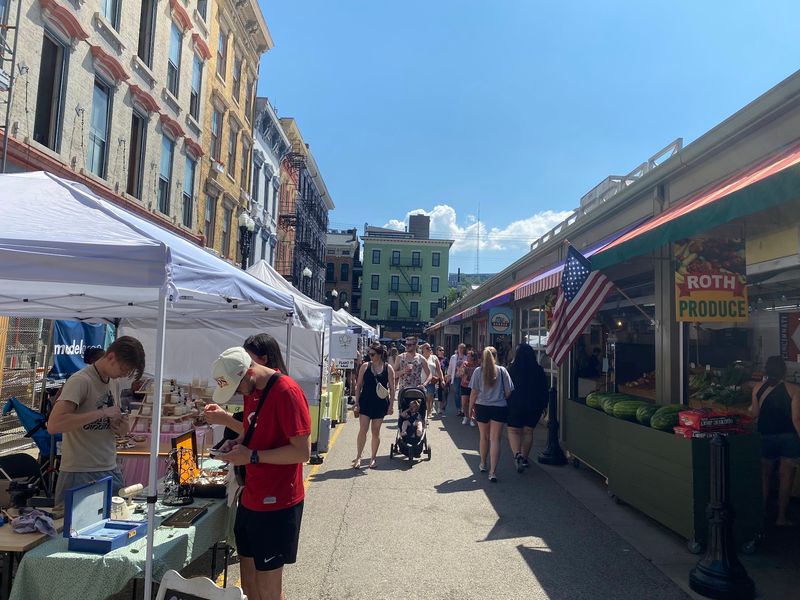
The farmers market brings growers and producers alongside the historic market house throughout the year. Outdoor shopping becomes especially colorful during the warmer growing season, when fresh produce, flowers, and plants fill the stands.
Fresh produce takes center stage during these months. Fruits, vegetables, flowers, and plants turn the sheds into a colorful scene.
Buying from farmers feels personal in a good way. You get to meet the people who grew your tomatoes, which is pretty cool.
Seasonal shopping also teaches you what grows in this region. Spring, summer, and fall each bring their own lineup to the tables.
Weekends are usually the liveliest time for outdoor vendors. That’s when the market feels most like a big community gathering.
Bring reusable bags if you plan to shop the farm stands. Produce adds up fast, and juggling peaches by hand is not a sport.
Craft and specialty vendors sometimes join the outdoor mix as well. You might leave with a plant or handmade item along with your groceries.
Since schedules change by season, look up the farmers market dates before heading out. That one quick step can make your trip much more rewarding.
It’s a fresh, simple way to support local growers.
Timing Your Trip Like A Pro
Opening hours matter here, and Monday is the day to skip. Findlay Market is closed every Monday.
From Tuesday through Friday, the market runs from 9 a.m. to 6 p.m. Saturday starts earlier at 8 a.m. and also closes at 6 p.m.
Sunday hours are shorter, running from 10 a.m. to 4 p.m. Plan accordingly if you’re squeezing in a weekend visit.
Saturdays bring the most energy, with more vendors and plenty of shoppers. Expect to say excuse me a few times while moving through the aisles.
Prefer a calmer pace? A weekday visit may give you more room to browse and chat with vendors.
Fridays can be a nice middle ground. You still get plenty of shops open without the full weekend rush.
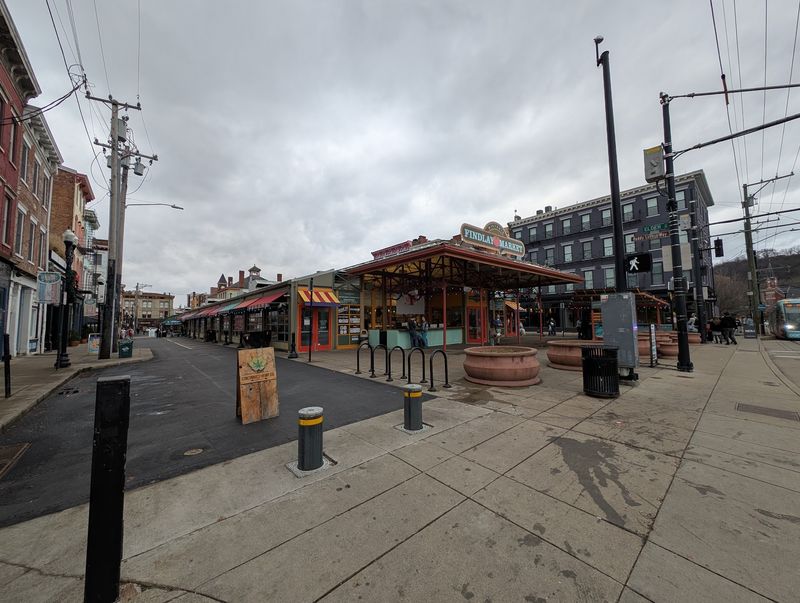
The main market house is one long building, so it’s easy to explore. Add the outdoor vendors and nearby shops, and you can easily stay a while.
Wear comfortable walking shoes. You’ll be on your feet more than you expect.
Holiday hours can change, so double-check before any special trip. Nothing ruins a snack mission like a locked door.
Parking Puzzles And The Streetcar Shortcut
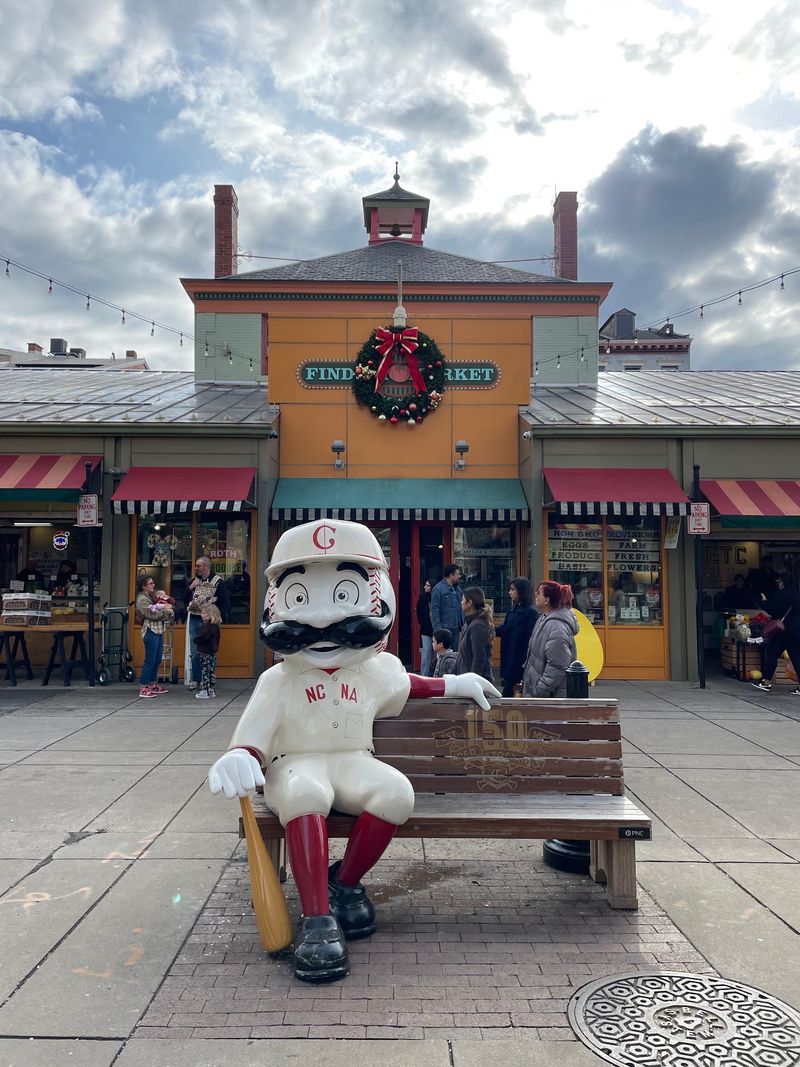
Finding the market is easy. It sits at 1801 Race St, Cincinnati, OH 45202, in the historic Over-the-Rhine neighborhood.
Parking takes a little more patience. Paid lots sit near the market, but spaces can fill up on busy days.
Street parking a block or two away can work too. A short walk is a fair trade for avoiding endless circling.
Here’s a much easier option. The Cincinnati Connector streetcar has a stop near the market and links it to downtown.
Riding the streetcar has been free in recent years. That makes it a smart pick if you’re staying downtown or near The Banks.
Taking the streetcar also means you won’t stress about parking meters. You can spend that energy deciding between waffles and gelato instead.
Families with strollers should plan for crowds on weekends. The market house aisles can feel snug when everyone shows up at once.
Public restrooms are available near the market. That’s a small detail, but parents will appreciate it.
Getting here is the least exciting part of the trip. Once you arrive, though, the effort feels totally worth it.
The Neighborhood Shows Off Its Colors
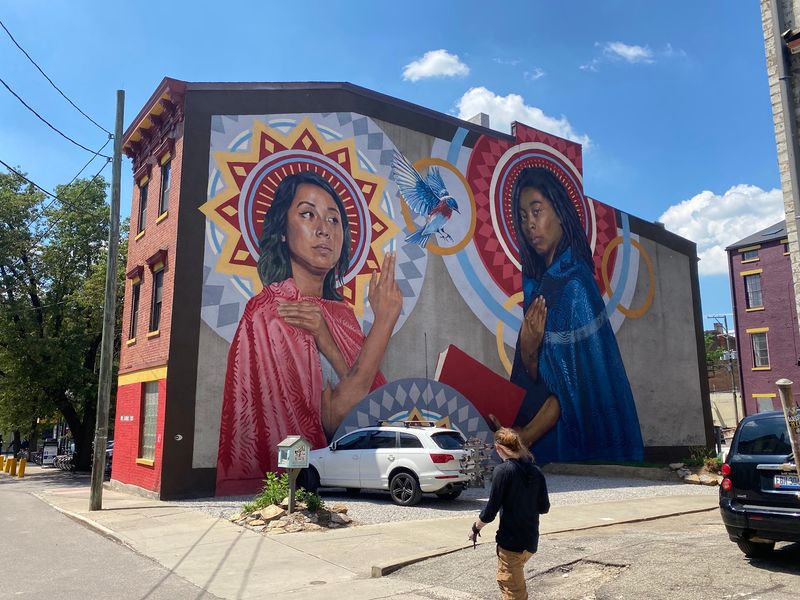
Over-the-Rhine wraps around the market like a giant art gallery. Bright murals and painted buildings make the walk to the market part of the fun.
The neighborhood is known for its large collection of 1800s Italianate buildings. Many have been restored, giving the area a lively mix of old and new.
German immigrants shaped this part of Cincinnati long ago. Their influence still shows up in the street names, architecture, and food traditions.
Shops and boutiques line the blocks around the market. You can browse local businesses before or after your grocery run.
Plan an extra hour if you can. Wandering these streets is almost as fun as shopping the market house.
Bring your camera, or at least a charged phone. The murals are hard to resist, and your friends will want to see them.
Washington Park and Music Hall are also in Over-the-Rhine. They make easy additions if you want a fuller day in the neighborhood.
Ohio has many great city districts, but this one feels especially packed with character. The market sits right at the center of that story.
Why This Market Still Matters Today
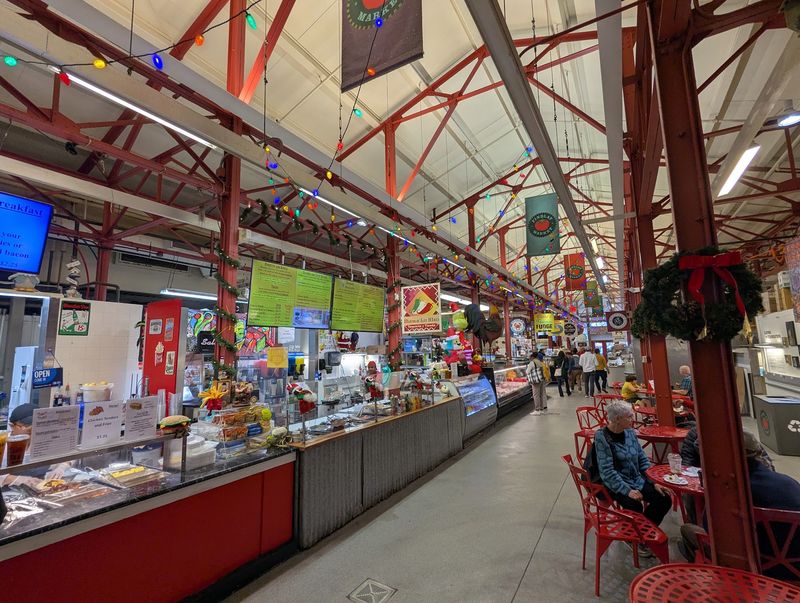
Plenty of historic buildings become museums. Findlay Market went a different direction and simply kept working.
That’s what makes it special. It still serves its original purpose as a public place where people buy and sell food.
The market supports dozens of small businesses, from longtime family vendors to newer food makers. Every purchase helps keep that local mix alive.
It also brings people together. Shoppers from different neighborhoods and backgrounds end up in the same aisles, hunting for the same good bread.
The Corporation for Findlay Market works to help new food businesses grow. That effort helps the market keep evolving instead of standing still.
Events and community gatherings add to the energy throughout the year. Seasonal happenings give people even more reasons to stop by.
I believe places like this make a city feel rooted. They connect daily life with history in a way that’s easy to enjoy.
Ohio is lucky to still have one working market house from the 1800s. Cincinnati is even luckier that it’s this lively.
So grab a bag and bring a friend. This old market still has plenty to offer.
