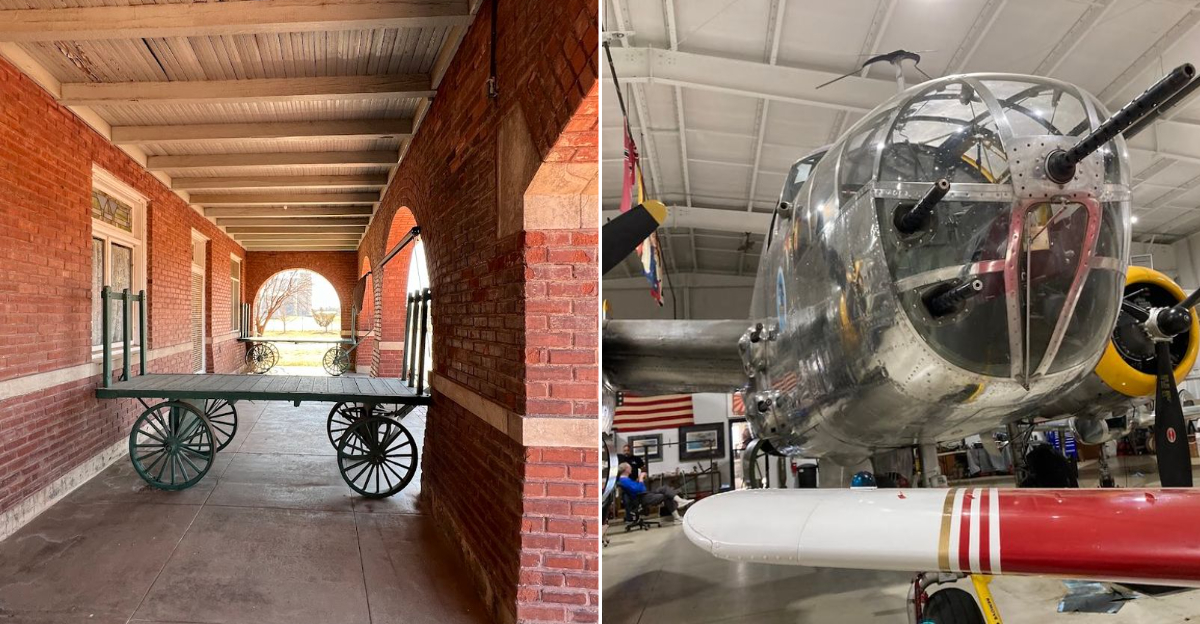
The second-floor museum in this historic building tells the story of a time when train travel connected the country. Built in 1910 as a Harvey House, the structure once served meals to travelers on the Santa Fe Railway.
Today, it preserves the legacy of those early days of rail and air travel. Inside, you will find exhibits on the railroad, an ice plant, and the Transcontinental Air Transport venture that briefly made this Oklahoma town a hub of coast-to-coast travel.
Model trains wind through miniature landscapes, and artifacts from the Harvey Girls era line the walls. It is the kind of place where history feels present, not just displayed.
A stop here is a step into a forgotten chapter of American transportation.
Walking Into A Real Harvey House
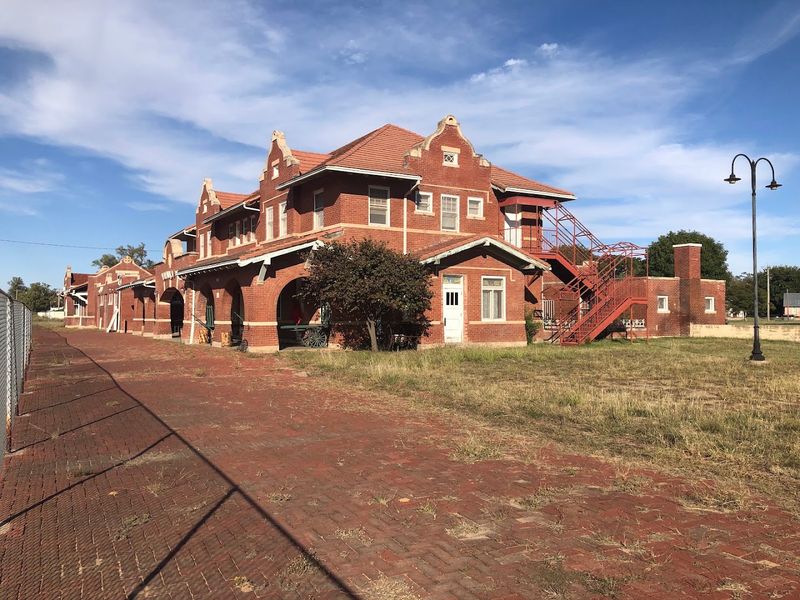
The first thing that got me was the building itself, because this is not some made-up old-timey attraction trying to borrow a little character from the past. You are standing inside a real Harvey House, and that changes the whole mood before you even start reading a single exhibit label.
The walls, the layout, and the feeling of the place still carry that sense of movement, as if travelers only just stepped out for a minute.
I kept thinking about how many people once came through here tired, dusty, and hungry, looking for a decent meal and a place that felt orderly after a long trip. That old Fred Harvey idea of comfort on the road suddenly feels very personal when you are actually in one of the surviving buildings.
It makes the history easier to feel, because you are not imagining it from far away.
What I liked most was how the museum lets the building do part of the storytelling without forcing it. Even before you get into the air and rail displays, the Harvey House setting gives everything more weight and more texture.
In Oklahoma, that kind of preserved place does not just show history to you, it pulls you right into it.
Finding It In Waynoka
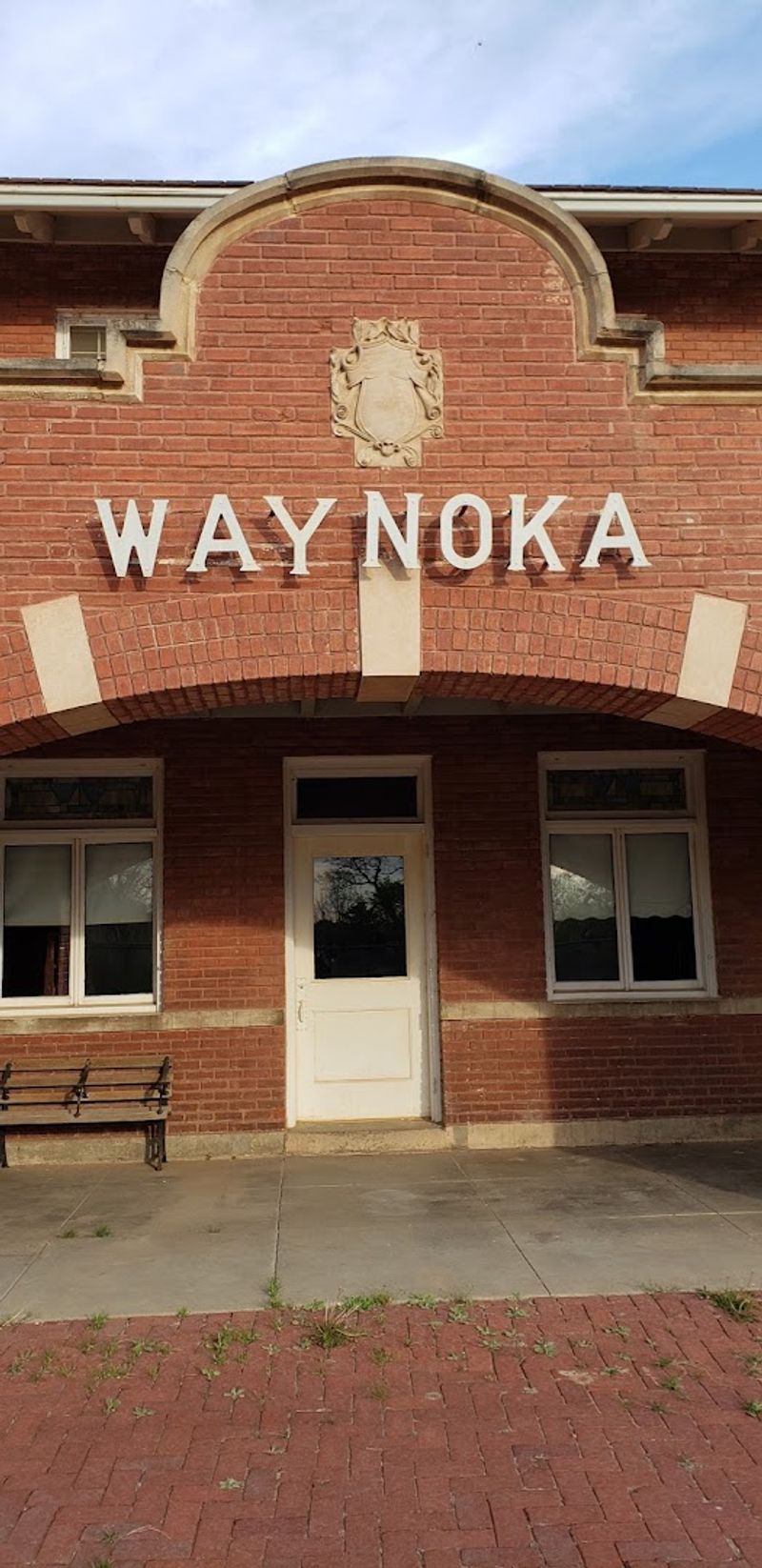
Let me put this plainly, because it helps to know exactly where you are going before you roll into town. The Waynoka Historical Society sits at 1383 Cleveland St, Waynoka, OK 73860, and once you get there, the building has enough presence that you will know you found the right place.
It feels grounded in its neighborhood, not staged, and that makes the arrival part of the fun.
Waynoka is one of those Oklahoma towns where the landscape and the history seem to sit close together, so the museum never feels disconnected from the place that created it. You are not driving to a random warehouse full of artifacts that could be anywhere.
You are going to the exact kind of location where the stories happened, which gives the whole visit more honesty.
I always appreciate when a place does not need a dramatic setup to win you over, and this one definitely does not. You pull up, take a second to look at the old structure, and your brain starts filling in the missing noise of trains, conversation, and arriving passengers.
Before you walk inside, Waynoka already starts doing its work on you.
Where Trains Met The Early Skies
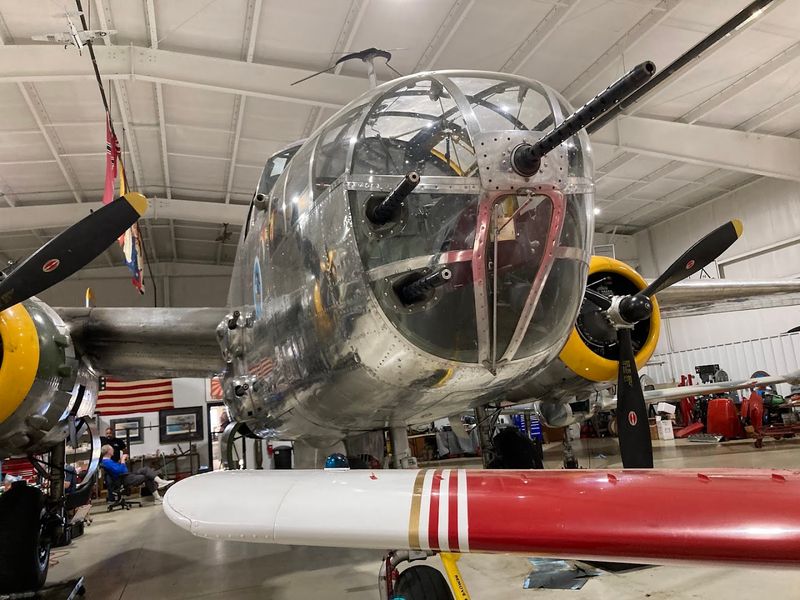
Here is the part that really sneaks up on you, because you expect railroad history in a place like this, but then aviation enters the conversation and suddenly the whole town feels bigger. Waynoka mattered during the early days of cross-country travel, when air routes and rail routes had to work together in practical, clever ways.
That mix gives the museum a personality that is way more interesting than a single-subject collection.
I loved learning how passengers could move through Oklahoma by combining flight and train service back when long-distance travel still involved a lot of coordination and trust. Instead of treating early aviation like a separate chapter, the exhibits show how these systems leaned on each other.
You start to see Waynoka not as a side note, but as one of those places that helped make ambitious travel possible.
That story also keeps the museum from feeling dusty or overly nostalgic, because it is really about problem-solving and movement. People were trying to connect distant parts of the country with the tools they had, and this town became part of that experiment.
Once that clicked for me, every room felt more alive and a lot more surprising.
The Harvey Girls Feel Close Here
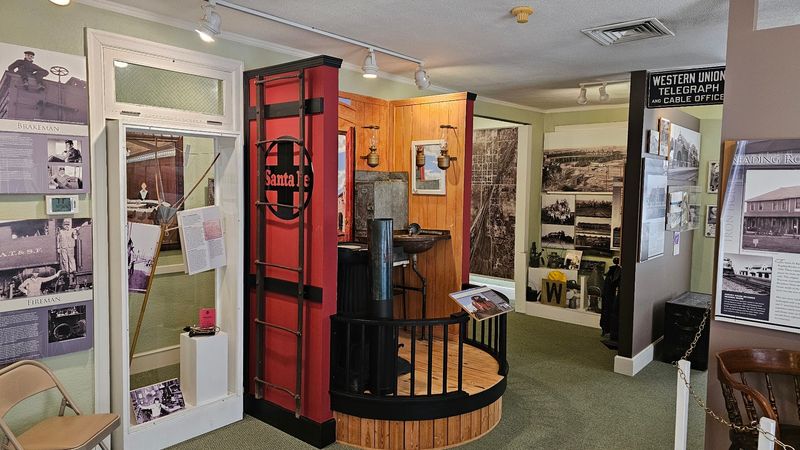
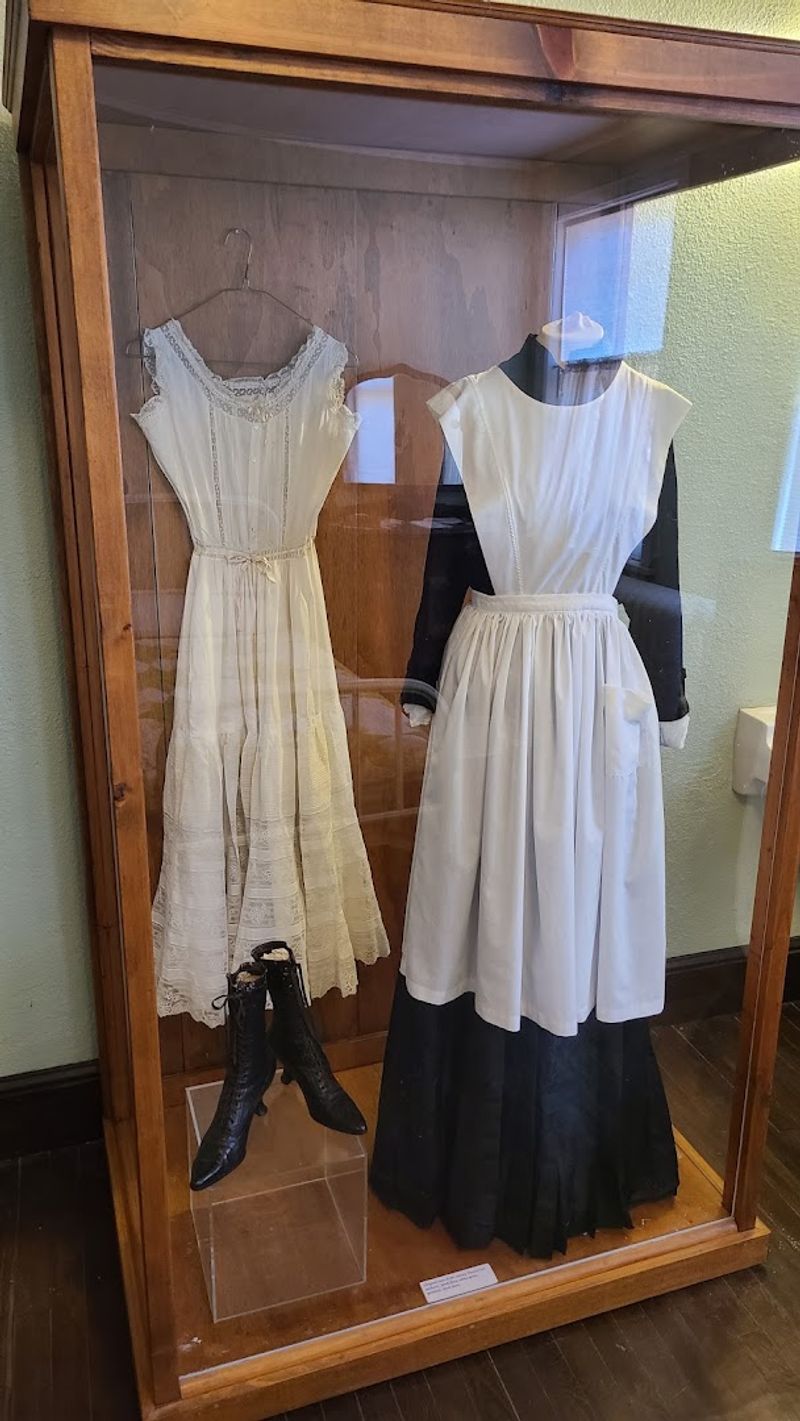
One of the most human parts of the visit is learning about the Harvey Girls, because the story stops being only about transportation and starts being about daily life. It is one thing to hear that women worked in these famous railroad dining rooms, and another thing entirely to picture where they slept, how they lived, and what their routines might have felt like.
That personal angle gives the whole building a steadier heartbeat.
The preserved room upstairs really stayed with me, mostly because it narrows the distance between then and now in a quiet, direct way. You are not staring at a grand abstract history lesson about labor and service.
You are looking at a lived space, and that makes you imagine conversations at the end of a shift, moments of homesickness, and the strange excitement of working in a busy travel hub.
I think that is why this section lands so well, even if you did not arrive especially interested in hospitality history. It reminds you that these famous places only worked because real people kept them running with discipline and grace.
In Oklahoma, that preserved glimpse of ordinary life feels just as memorable as any locomotive or airplane story.
Famous Travelers Passed Through
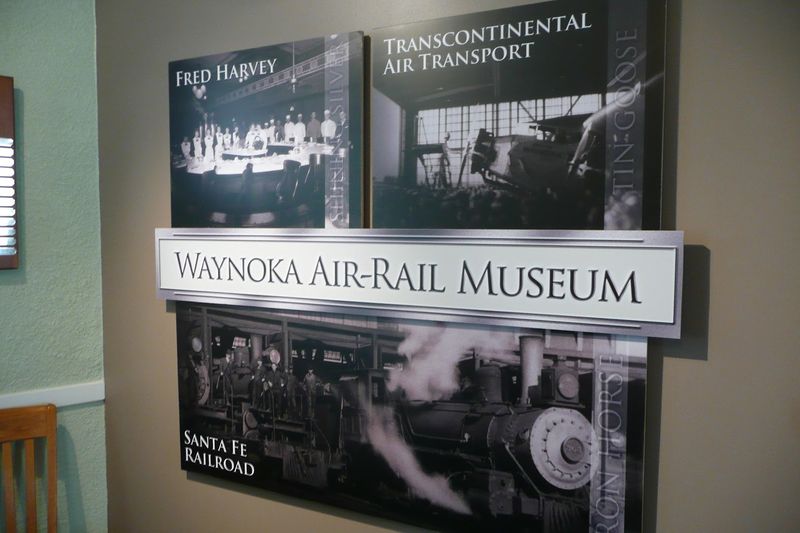
I always get a little skeptical when a place starts talking about famous visitors, because sometimes that kind of detail feels pasted on for extra sparkle. Here, though, it actually fits the bigger story, since this building served people moving across the country during a very particular travel era.
When names like Amelia Earhart and Mae West show up in the museum narrative, they feel connected to the route, not just dropped in for effect.
What I found fun was imagining how ordinary and extraordinary the place must have felt at the same time. A traveler could be grabbing a meal, waiting on the next leg of a trip, and sharing space with someone who would later become a legend.
That possibility gives the museum a lively energy, because fame is almost beside the point compared with the constant flow of people and stories.
It also helps you understand why Waynoka had real significance beyond its size, especially in Oklahoma travel history. This was not some sleepy backdrop with accidental importance attached later.
It was a working stop in a wider national network, and those recognizable names simply make that truth easier to picture and a lot more memorable.
Railroad Energy Never Really Left
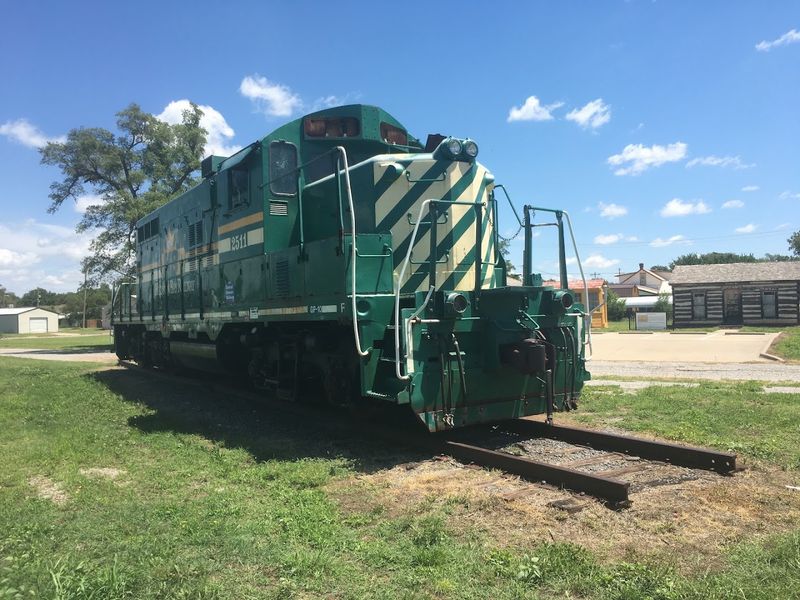
Even if you arrive for the museum history, the railroad presence around this place keeps tugging at your attention in the best way. Waynoka was an important Santa Fe division point, and that legacy still hangs in the air with a kind of practical pride.
You do not have to force your imagination much, because the town and the museum still feel tied to active rail life.
I like museums that stay connected to their surroundings, and this one absolutely does. The nearby tracks, the depot context, and the broader railroad landscape make the exhibits feel anchored instead of isolated behind glass.
You are learning about locomotives and routes while standing in a place where those subjects genuinely shaped work, movement, and daily routines.
That connection matters, because railroad history can turn abstract fast if it is stripped away from real geography. Here, the geography is still doing part of the talking, and it gives everything more force.
For me, that was one of the strongest reasons to stop in Waynoka, Oklahoma, because the museum does not simply preserve rail history, it sits inside a town that still speaks the language.
The Exhibits Give You Plenty To Wander Through
Some museums are over almost as soon as you settle into them, but this one gives you enough to poke around and follow your curiosity for a while. The exhibits move between Santa Fe railroad history, early air travel, Fred Harvey culture, and local stories without making the whole place feel scattered.
It has that nice balance where you can browse casually or slow down and read almost everything.
I was especially drawn to the historic photographs, because they pull the town out of the realm of legend and put actual faces, buildings, and working scenes in front of you. The model railroad is fun in a very immediate way, and it breaks up the denser material nicely.
There is also something satisfying about seeing transportation history presented through objects that still look grounded and useful rather than overly precious.
What helps most is that the museum never feels like it is trying too hard to impress you with size alone. Instead, it leans into depth, specificity, and the pleasure of making connections between seemingly separate stories.
By the time I finished wandering through the rooms, Waynoka felt less like a dot on the map and more like a place with real gravity.
It Feels Bigger Than A Small Town Stop
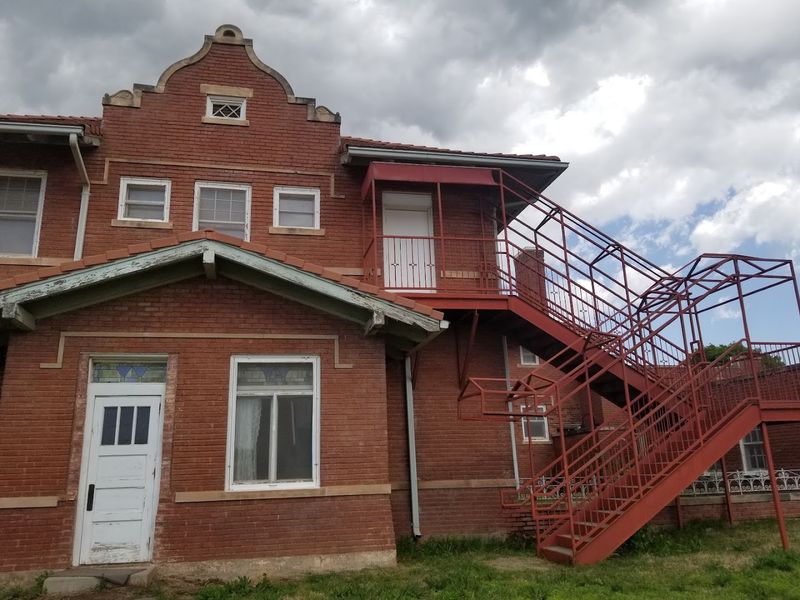
By the end of the visit, what stayed with me most was how much reach this museum has for a place that might look modest from the road. You come in expecting a local history stop, and then it opens into a much wider story about how Americans moved, ate, worked, and imagined distance.
That widening effect is part of what makes it memorable instead of merely pleasant.
I also think the setting helps keep the whole experience grounded, because nothing here feels inflated or overperformed. The museum trusts the building, the artifacts, and the town to carry the story, and honestly, they do.
You are allowed to notice small things, draw your own connections, and let the place settle in slowly rather than being pushed through a flashy version of history.
If you are the kind of traveler who likes coming home with one story you cannot wait to tell somebody, this is that sort of visit. I left feeling like I had stumbled into an Oklahoma chapter that should be talked about more often, especially because it ties together air travel and railroading so naturally.
That is not a combination you run into every day, is it?
Why I Would Tell You To Go
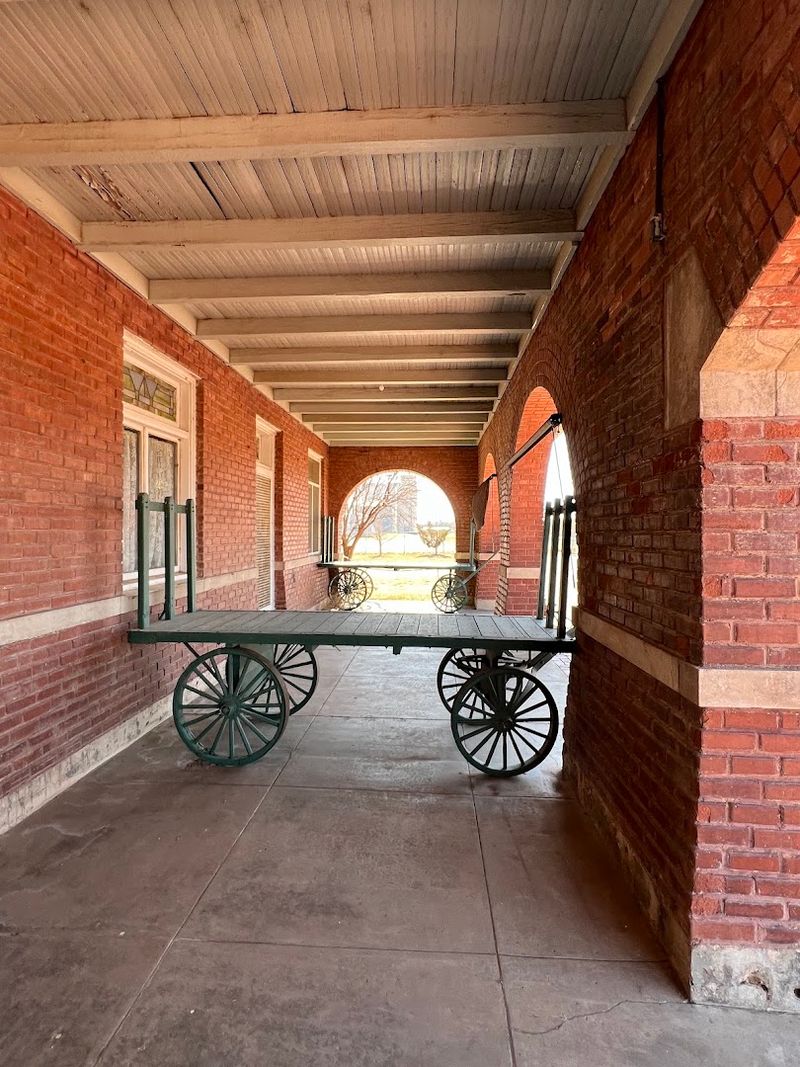
If I were telling you about this place over coffee, I would probably start by saying it feels genuine in a way that is getting harder to find. Nothing about the museum depends on hype, because the story is already unusual enough and the building has the kind of presence that does not need embellishment.
It simply lets you step into a real setting where rail history and aviation history unexpectedly meet.
That alone would be enough reason to go, but the visit also has warmth, which matters more than people admit. You are not just absorbing facts about routes and famous names.
You are moving through rooms that still hint at meals served, travelers arriving, workers resting upstairs, and a town in Oklahoma doing an outsized job in a changing country.
So yes, I would absolutely tell you to make time for it if your travels bring you anywhere near Waynoka. Go for the Harvey House, stay for the air and rail story, and pay attention to the small preserved details while you are there.
They are what turn the museum from an interesting stop into the kind of place you keep bringing up long after the trip is over.
