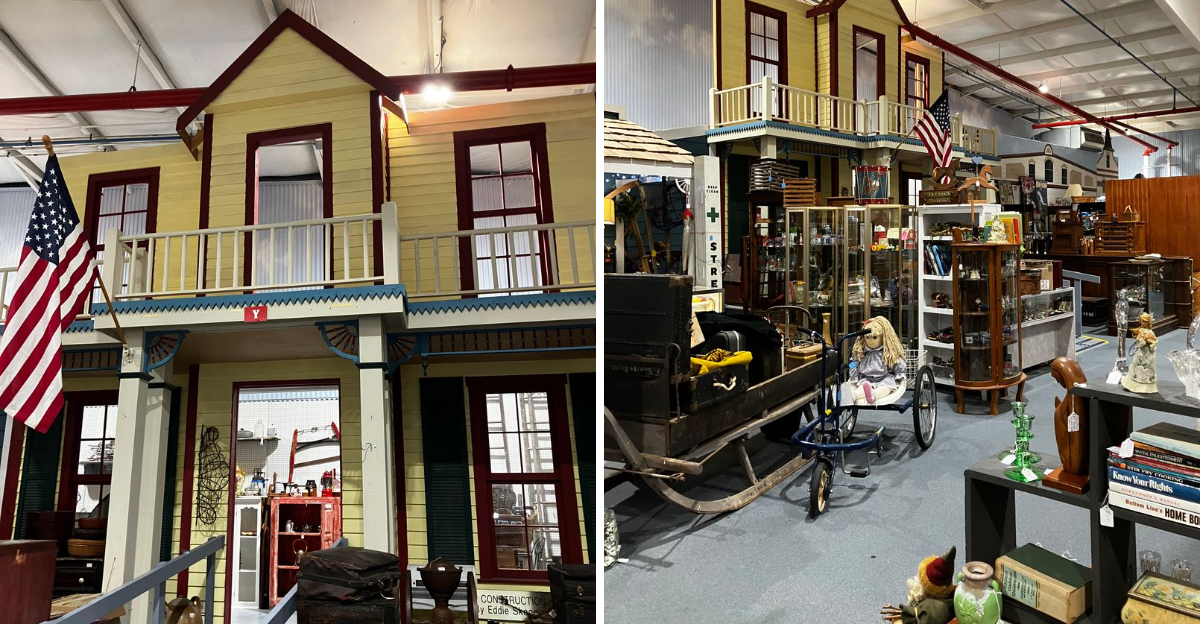
Hidden just off the highway in southern Indiana, an ordinary-looking building becomes extraordinary the moment you step inside.
What seems like just another roadside stop is actually one of the largest indoor antique markets in the Midwest, sprawling across a massive 72,000-square-foot space.
Families have been making pilgrimages to this treasure hunter’s paradise for years, discovering everything from vintage toys to rare collectibles tucked into hundreds of vendor booths.
Whether you’re a serious collector hunting for that one missing piece or simply someone who loves exploring unique finds, this place offers an adventure unlike any typical shopping experience.
Its sheer size makes it feel like wandering through a labyrinth, with every turn revealing something unexpected and fascinating.
From the moment you grab a map at the entrance to the hours later when your feet start aching, you’ll understand why people drive from several states away just to spend an entire day browsing.
Local visitors and tourists alike fall in love with the endless rows of carefully curated booths, each offering its own personality and surprises.
Getting lost in this maze of memories and merchandise isn’t just possible; it’s practically guaranteed, and that’s exactly what makes it such an unforgettable destination.
The Staggering Size Makes Every Visit a Multi-Hour Adventure
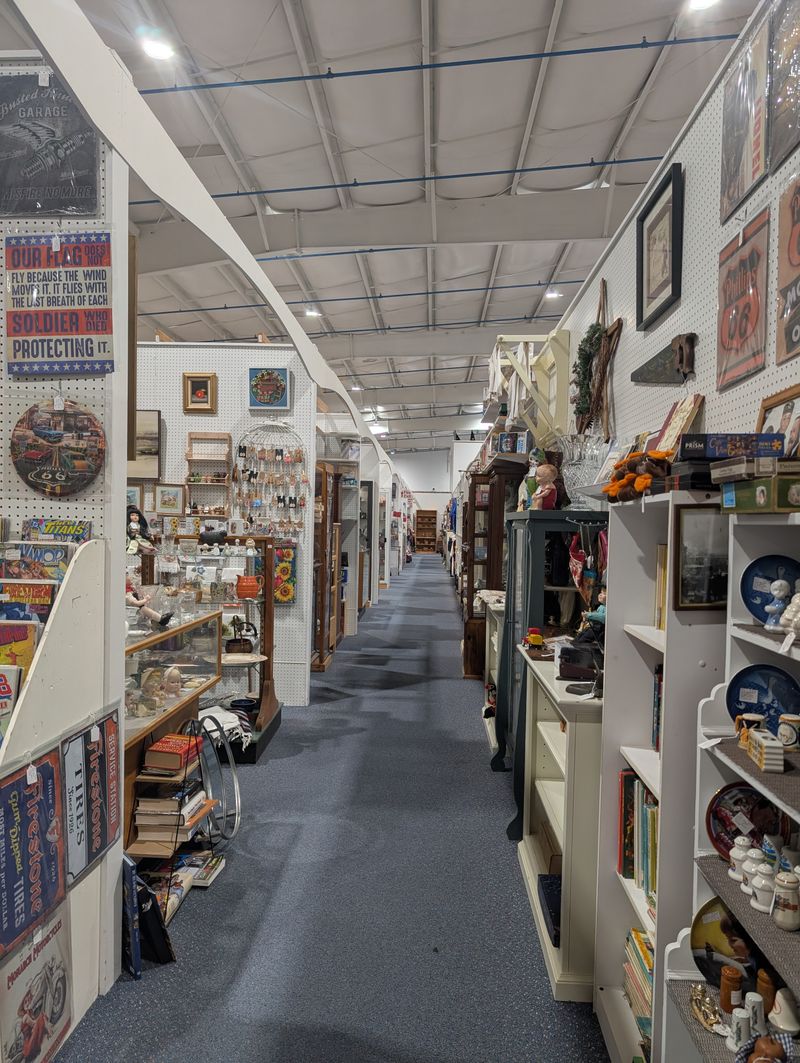
Walking through the front doors, first-time visitors often stop in their tracks when they realize just how enormous this place really is.
The building stretches far beyond what you can see from the parking lot, with aisle after aisle creating a genuine maze that requires several hours to explore properly.
Many shoppers report spending four to five hours inside and still not seeing everything available.
Comfortable shoes aren’t just a suggestion here, they’re practically a requirement.
The concrete floors and endless walking can wear you out quickly, especially when you’re stopping every few feet to examine interesting items.
Smart visitors pace themselves, taking breaks at the seating areas or grabbing a snack from the vending machines near the restrooms.
Maps are available at the entrance, and they’re not just decorative.
With hundreds of vendor booths arranged in a complex layout, it’s genuinely easy to lose your bearings and forget where you spotted something earlier.
Staff members wearing red vests roam the aisles ready to help confused shoppers find their way back to specific sections or locate the checkout area.
The market operates seven days a week from 10 AM to 6 PM, giving treasure hunters plenty of opportunities to visit.
Weekdays tend to be less crowded than weekends, making it easier to navigate the narrow spaces between booths.
Serious collectors often plan entire day trips around their visits, combining shopping with meals at nearby restaurants to make the most of their journey to Edinburgh, Indiana.
Hundreds of Independent Vendors Create Incredible Variety
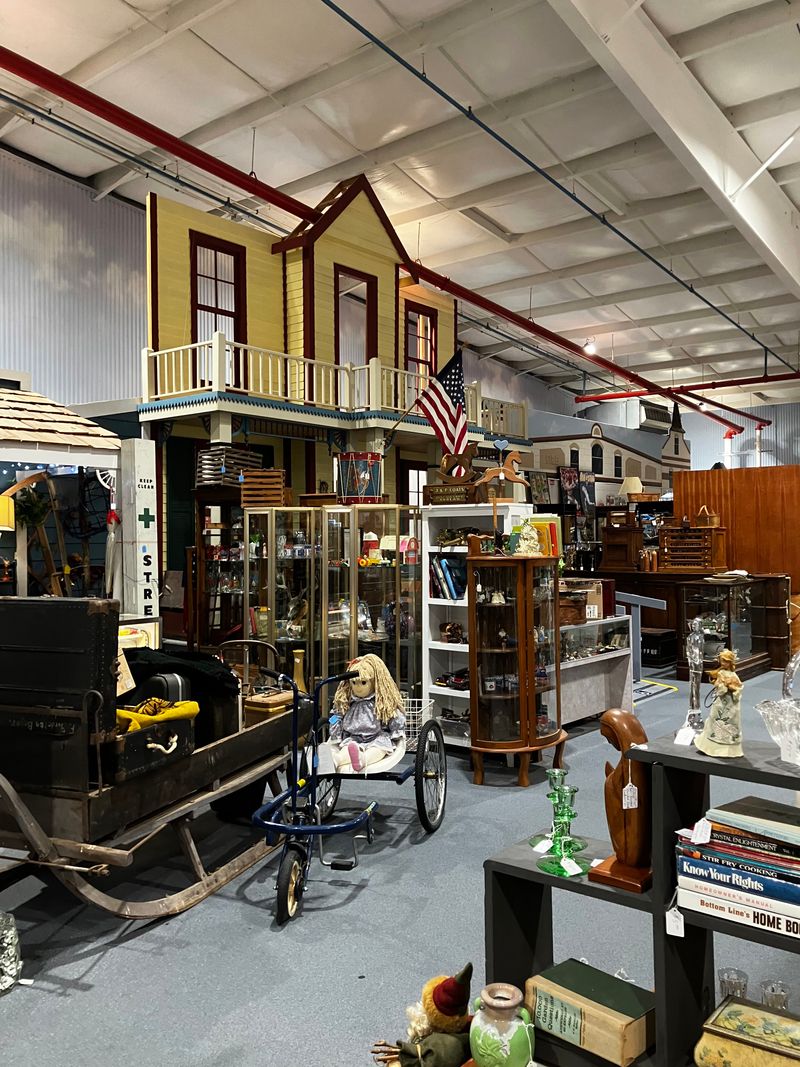
Rather than one massive store with uniform inventory, this antique market operates more like a shopping village where each booth tells its own story.
Individual vendors rent spaces ranging from small display cases to large corner sections, filling them with their personal collections and specialties.
Some focus exclusively on vintage glassware, while others might specialize in sports memorabilia, musical instruments, or mid-century modern furniture.
This vendor model means prices and quality vary dramatically from booth to booth.
One section might feature carefully curated antiques with higher price tags, while the next offers affordable collectibles perfect for casual browsers.
Shoppers appreciate this diversity because it means there’s genuinely something for every budget and interest level, from serious collectors to people just looking for unique home décor.
The overlap between vendors actually works in shoppers’ favor.
When multiple booths carry similar items like vintage dishes or old coins, you can comparison shop without leaving the building.
Some customers spend time noting prices in different sections before deciding where to make their purchases, especially on bigger-ticket items.
Vendors also offer different discount policies, with many providing significant price reductions for cash payments.
These discounts can range from 10 to 20 percent off the marked price, making it worthwhile to stop at an ATM before shopping.
The variety extends beyond merchandise to the personalities of the vendors themselves, each bringing their own knowledge and passion to their carefully curated spaces.
Cash Discounts Make Treasure Hunting More Affordable
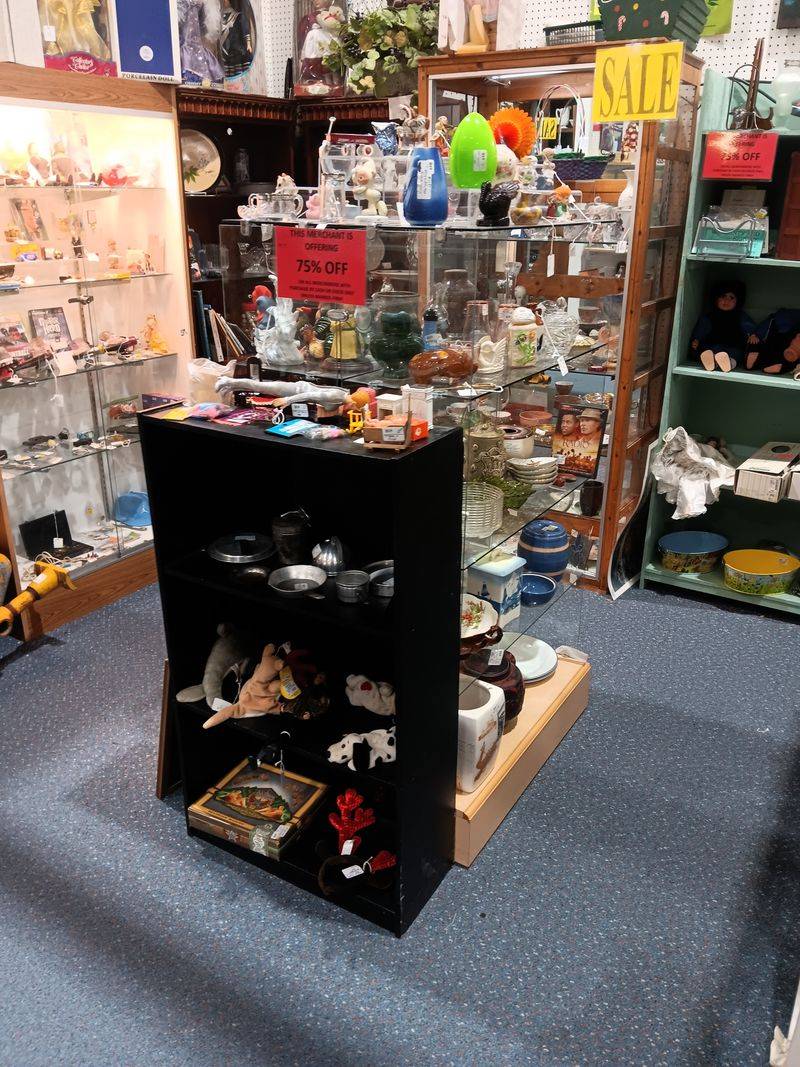
Savvy shoppers know to bring cash when visiting because many vendors offer substantial discounts for avoiding credit card fees.
These savings aren’t just a few dollars either, with some vendors taking 15 to 20 percent off purchases paid in cash, check, or gift card.
For someone spending a hundred dollars or more, that discount adds up to real money back in your pocket.
The policy might seem unusual at first, but it makes perfect sense from the vendors’ perspective.
Credit card processing fees cut into their already slim profit margins, so they pass those savings directly to customers willing to use alternative payment methods.
Staff members at checkout are happy to explain which vendors offer discounts and how much you can save by paying with cash instead.
Planning ahead is key to maximizing these savings.
While the market does have an ATM on-site, stopping at your bank beforehand means avoiding ATM fees on top of your purchases.
Some regular visitors report saving hundreds of dollars over multiple trips simply by remembering to bring cash and asking about vendor-specific discount policies at checkout.
The discount system also encourages more spontaneous purchases.
When you know you’re getting 20 percent off that vintage lamp or collectible toy, it’s easier to justify buying something you weren’t necessarily planning to purchase.
This creates a win-win situation where vendors move more inventory and customers feel like they’re getting genuine bargains on unique items they won’t find anywhere else.
Helpful Red-Vest Staff Assist Throughout Your Journey
Getting lost or needing help in such a massive space is inevitable, which is why trained staff members in distinctive red vests patrol the aisles throughout the day.
These employees aren’t just there for security, they’re genuinely helpful guides who can unlock display cases, answer questions about items, and help you navigate back to sections you visited earlier.
Spotting a red vest when you need assistance is always a relief.
Many vendor booths feature locked glass cabinets protecting valuable or delicate items like jewelry, rare coins, or collectible figurines.
Rather than hunting down the individual vendor, you simply press a button located near these cases, and a staff member arrives within minutes to unlock them.
This system lets you examine items up close without worrying about security, making the browsing experience much more hands-on and personal.
Staff members also prove invaluable when you’re ready to make purchases from multiple vendors.
They can help coordinate your items at checkout, ensuring everything gets properly wrapped and attributed to the correct vendor accounts.
For shoppers buying numerous fragile items, staff assistance with packing becomes essential, though one reviewer noted the importance of checking your boxes before leaving to ensure proper packing.
The telephone system scattered throughout the market provides another way to summon help when you’re in a far corner and can’t spot a red vest nearby.
This attention to customer service makes the overwhelming size of the market feel more manageable and welcoming, especially for first-time visitors who might otherwise feel intimidated by the sheer scale of the place.
Rare and One-of-a-Kind Items You Won’t Find Elsewhere
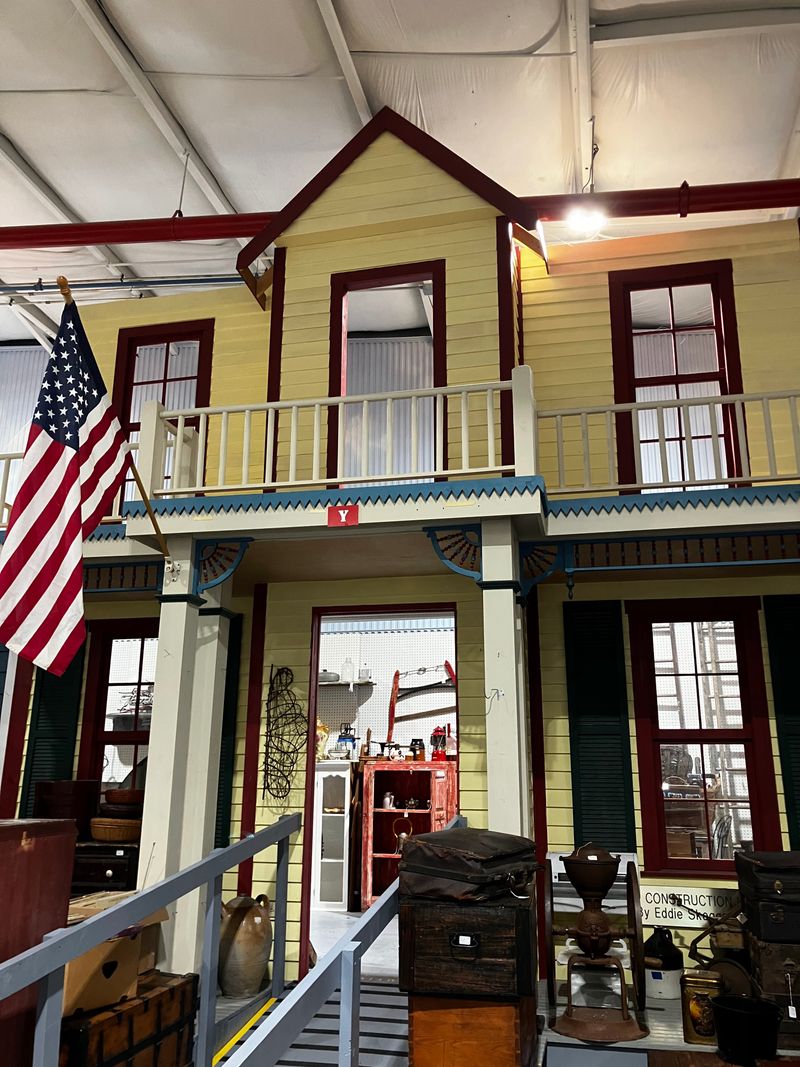
Unlike big-box stores with predictable inventory, this market specializes in the unusual and unexpected.
Shoppers consistently rave about discovering items they’ve been searching for years to find, from specific vintage glassware patterns to rare sports memorabilia and hard-to-locate collectibles.
The constantly changing inventory means every visit offers new surprises, even for people who come regularly.
Serious collectors appreciate the quality and authenticity of many items available here.
While some booths lean more toward flea market merchandise, many vendors curate genuinely valuable antiques and vintage pieces with proper pricing that reflects their rarity.
You’ll find everything from signed jerseys and vintage posters to live-edge wood pieces and complete dish sets that have been out of production for decades.
The variety extends into unexpected categories too.
Diecast car collectors report finding incredible selections, while 80s kids discover nostalgic toys and memorabilia that transport them back to childhood.
Musical instruments, vintage clothing, retro furniture, and even unusual oddities create an eclectic mix that keeps browsers engaged for hours.
It’s not uncommon to stumble across something you didn’t even know you wanted until you saw it.
However, the flip side of this treasure hunt is that if you see something you love, you should buy it immediately.
The market’s enormous size makes relocating a specific item nearly impossible if you move on and change your mind later.
Many shoppers have learned this lesson the hard way, spending frustrated hours trying to remember which aisle and booth contained that perfect vintage lamp or collectible they passed earlier.
Clean, Well-Maintained Facility With Thoughtful Amenities
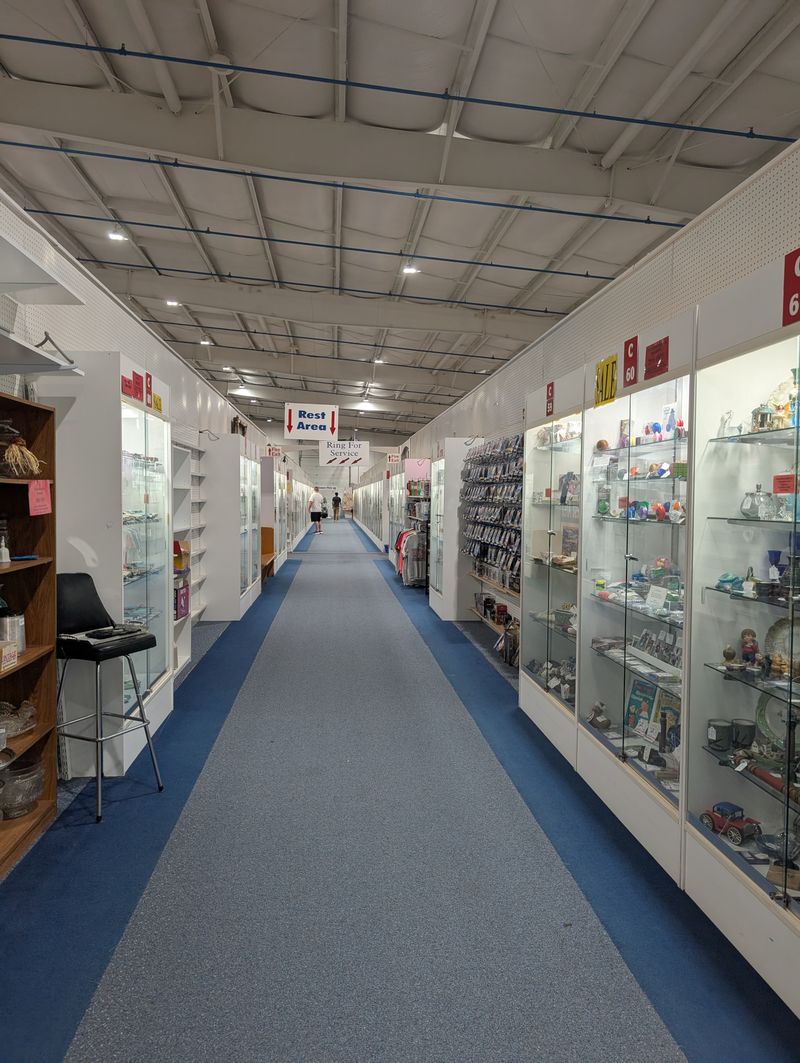
Despite its warehouse size and vintage focus, this market maintains surprisingly high cleanliness standards.
The wide aisles stay uncluttered, making navigation easier than many smaller antique shops where merchandise spills into walkways.
Floors are kept clean, and the overall organization helps prevent the overwhelming chaos that sometimes plagues large multi-vendor spaces.
Restroom facilities receive consistent praise from visitors, which might seem like a minor detail until you’re several hours into exploring and desperately need a break.
The bathrooms are spacious, clean, and well-maintained, providing a comfortable respite during long shopping sessions.
This attention to basic amenities shows that management understands the needs of customers who spend entire afternoons browsing.
Seating areas and vending machines offer additional conveniences for tired shoppers.
While there’s a café on-site, some visitors report it’s not always open, making the vending machines a reliable backup for snacks and drinks.
These small touches make the difference between an exhausting marathon and an enjoyable day trip, especially for older visitors or families with children who need occasional breaks.
The facility also welcomes well-behaved dogs on leashes, making it easier for pet owners to include their furry companions in the adventure.
Ample free parking means you never have to worry about finding a spot or feeding meters while you shop.
The building’s climate control keeps temperatures comfortable year-round, making it an ideal destination even during Indiana’s harsh winters or humid summers when outdoor flea markets become less appealing.
Perfect Location for Day Trips and Regional Tourism
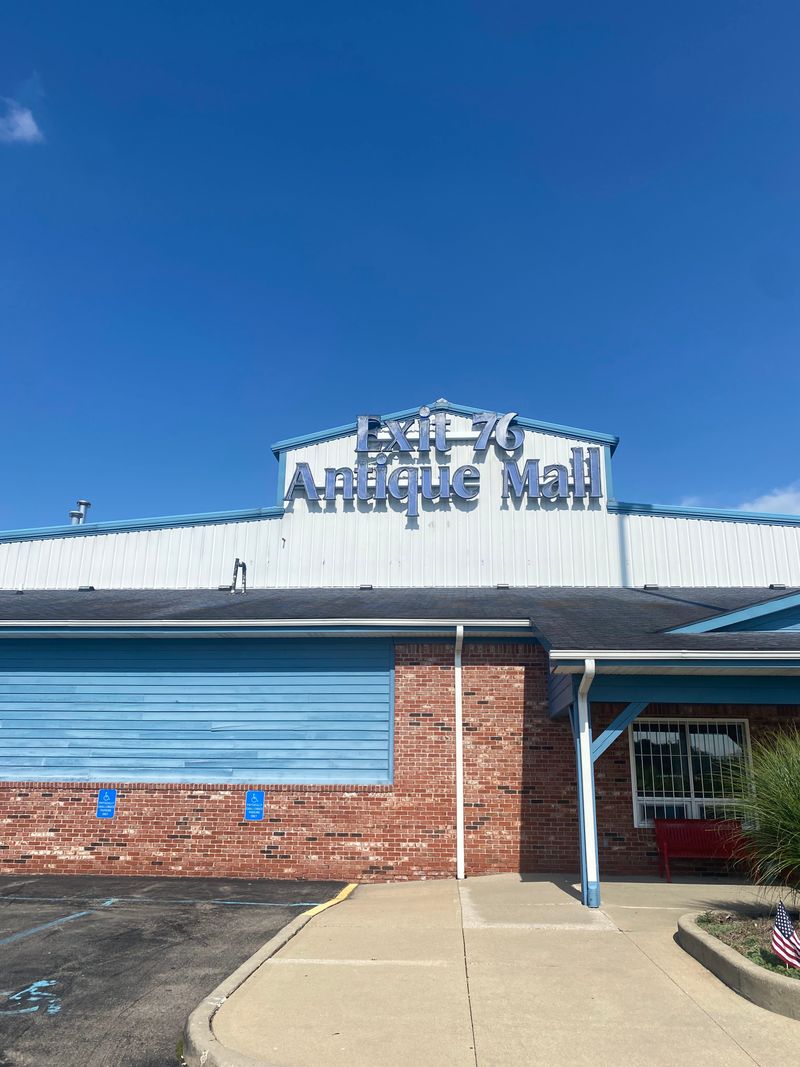
Located at 12595 N Executive Drive in Edinburgh, Indiana, right off Interstate 65, the market benefits from easy highway access that makes it convenient for both local visitors and travelers passing through.
The Exit 76 location has become a destination in itself, with families planning entire outings around their antique hunting adventures.
Its position between Indianapolis and Louisville means shoppers from multiple states can reach it within a reasonable drive.
The surrounding area offers several good restaurants within a short distance, making it simple to combine antique shopping with a nice meal.
Many visitors structure their day trips to include lunch or dinner at nearby establishments, turning their market visit into a full-day experience.
This combination of shopping and dining creates an appealing outing that satisfies multiple interests beyond just browsing antiques.
The market’s history adds another interesting dimension to visits.
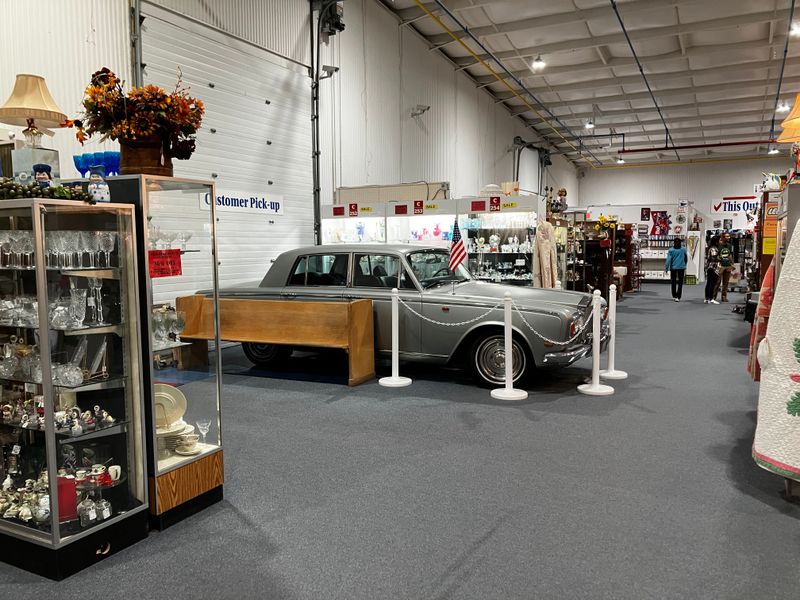
Long-time customers remember when half the facility housed a car museum, and many families have been making regular pilgrimages here since the market first opened.
This sense of continuity and tradition makes it more than just a shopping destination, it’s become a beloved regional institution with loyal followers who return again and again.
Dear Reader: This page may contain affiliate links which may earn a commission if you click through and make a purchase. Our independent journalism is not influenced by any advertiser or commercial initiative unless it is clearly marked as sponsored content. As travel products change, please be sure to reconfirm all details and stay up to date with current events to ensure a safe and successful trip.
