The cliffs along the water look like ordinary dirt and rock. But inside them, pressed into the layers of ancient sediment, are things that should not be there.
Fossils from a time when Virginia was underwater, when huge creatures swam where people now walk their dogs and launch kayaks. I visited this state park and spent a morning walking the shoreline, scanning the ground for the dark shapes of buried bones.
Shark teeth are the most common find, but other fossils turn up too. The park rangers can help you identify what you find.
The feeling of pulling a million-year-old tooth out of the mud does not get old.
Fossil Beach: Where the Past Washes Ashore
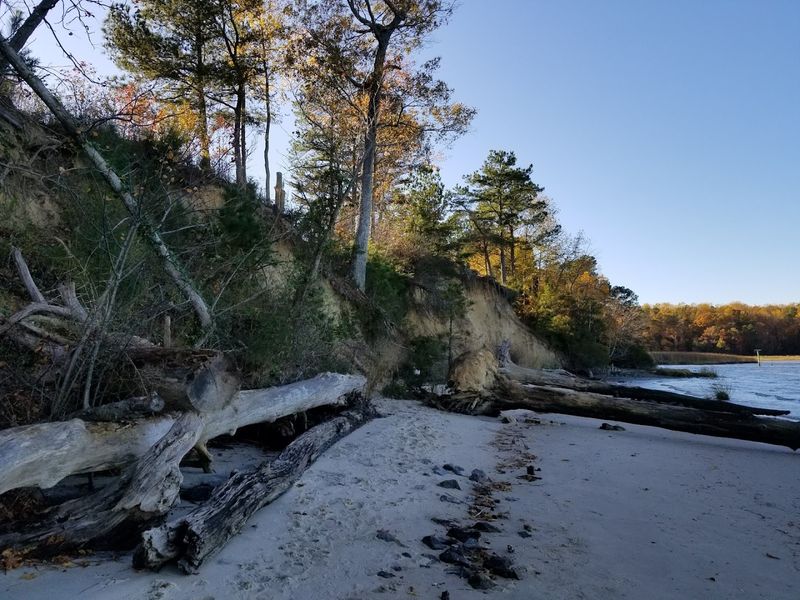
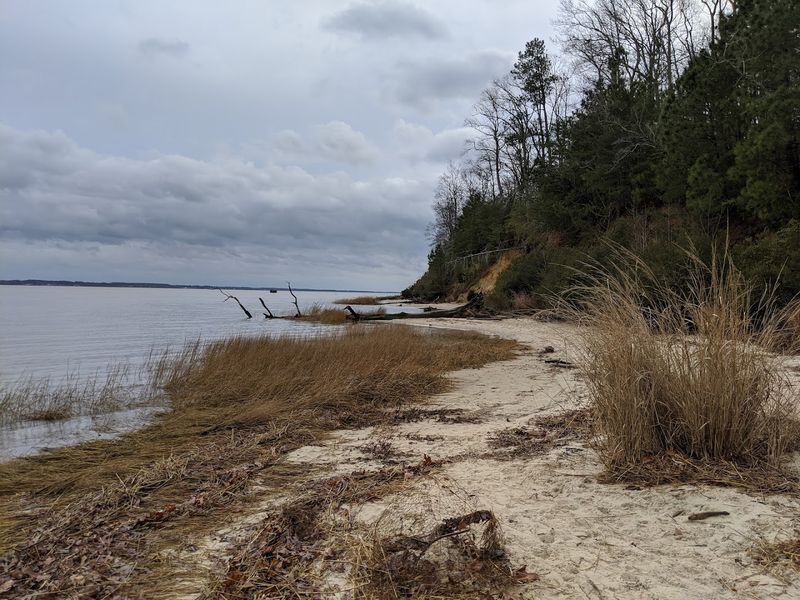
Not many beaches come with a prehistoric treasure hunt built right in. Fossil Beach at York River State Park is the kind of place that makes your jaw drop the moment you realize those odd-looking lumps in the sand are actually ancient marine fossils.
Erosion does all the heavy lifting here. Every storm and high tide chips away at the sandy cliffs, sending barnacles, oyster shells, coral fragments, and even whale bones tumbling down to the shoreline.
The beach practically resets itself after every rainfall, meaning each visit can turn up something completely different.
Getting there is part of the fun. A well-marked trail winds through hardwood forest and past wooded cliffs before opening up to the riverfront.
The hike is only about fifteen to twenty minutes from the visitor center, making it totally manageable for families with kids of all ages.
One smart tip: check the tide schedule before heading out. Low tide exposes far more of the fossil-rich sediment along the base of the cliffs.
Bring a small bag, keep your eyes low, and move slowly. Patience is genuinely rewarded on this beach.
The Yorktown Formation: A Geological Goldmine
Most people walk past geological formations without giving them a second thought. At York River State Park, the Yorktown Formation practically begs for your attention, and once you know what you are looking at, it is impossible to ignore.
This ancient geological unit dates back to the Pliocene epoch, roughly 5.3 million years ago, when the land that is now Virginia was submerged under a shallow warm sea. The sediment that accumulated on that ancient seafloor eventually hardened and then slowly eroded over millions of years, releasing the fossils trapped inside.
What makes this formation so exciting is its accessibility. You do not need special equipment or scientific training to spot the fossils it produces.
The cliffs along the York River are actively crumbling, continuously revealing new specimens at the base of the bluffs.
Geologically speaking, the park also contains Windsor Formation fossils from the upper Pliocene and lower Pleistocene, adding even more layers of prehistoric interest to the site. Standing at the base of these cliffs genuinely feels like flipping through the pages of Earth’s oldest photo album, one crumbling layer at a time.
Marine Fossils You Can Actually Find and Take Home
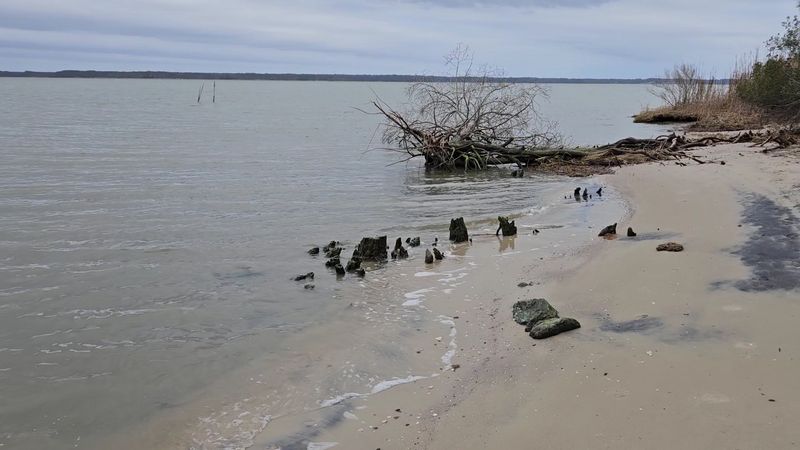
Here is something that genuinely sets York River State Park apart from almost every other natural site in Virginia: you are allowed to take one fossil home with you. That single rule transforms a scenic hike into an unforgettable personal experience.
The variety of fossils waiting to be discovered is honestly impressive. Barnacles, clams, snails, oysters, coral fragments, ray dental plates, fish vertebrae, crab claws, sponge borings, and bryozoans all show up regularly along the shoreline.
Some marine creature fossils found here date back more than 6,000 years, which adds a whole extra layer of wonder to each find.
The Chesapecten Middlesex is a crowd favorite among fossil hunters visiting the park. This ancient scallop species is recognizable by its distinctive fan shape and ribbed surface, and spotting one feels like winning a small lottery.
Whale bones also occasionally appear, which is the kind of discovery that stops you completely in your tracks. Picking up a fragment of ancient marine life and knowing it spent millions of years locked inside a cliff is the sort of moment that sticks with you long after you drive home from Virginia.
Fossil Frenzy Hikes: The Park’s Signature Educational Experience
York River State Park does not just let you stumble across fossils on your own. The park runs structured educational programs that make the whole experience richer, more informative, and a lot more fun for everyone involved.
The Fossil Frenzy Hikes are the crown jewel of the park’s programming. Led by knowledgeable park rangers, these guided walks take participants down to the fossil-bearing shoreline while explaining what they are looking at, how the fossils formed, and why this particular stretch of Virginia coastline is so geologically remarkable.
Fossil walks are also available for groups who want a more focused experience. Both programs are designed to be accessible and engaging for all ages, making them a genuinely smart choice for families, school groups, or anyone who wants more than just a casual stroll.
Booking in advance is strongly recommended, especially during warmer months when the programs fill up fast. The visitor center staff is consistently friendly and helpful when it comes to scheduling and answering questions.
Walking away from one of these hikes with both a fossil and a solid understanding of how it got there is a combination that is hard to beat.
The Trails: Miles of Scenic Virginia Wilderness
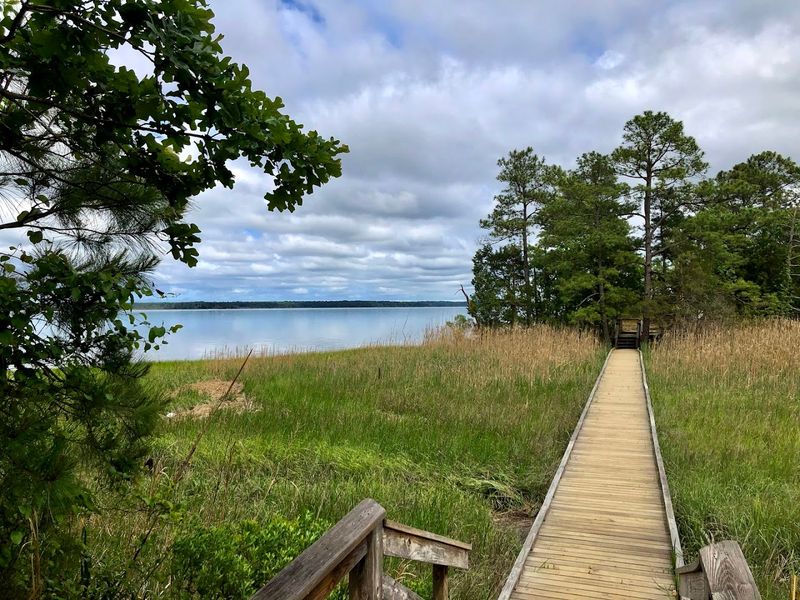
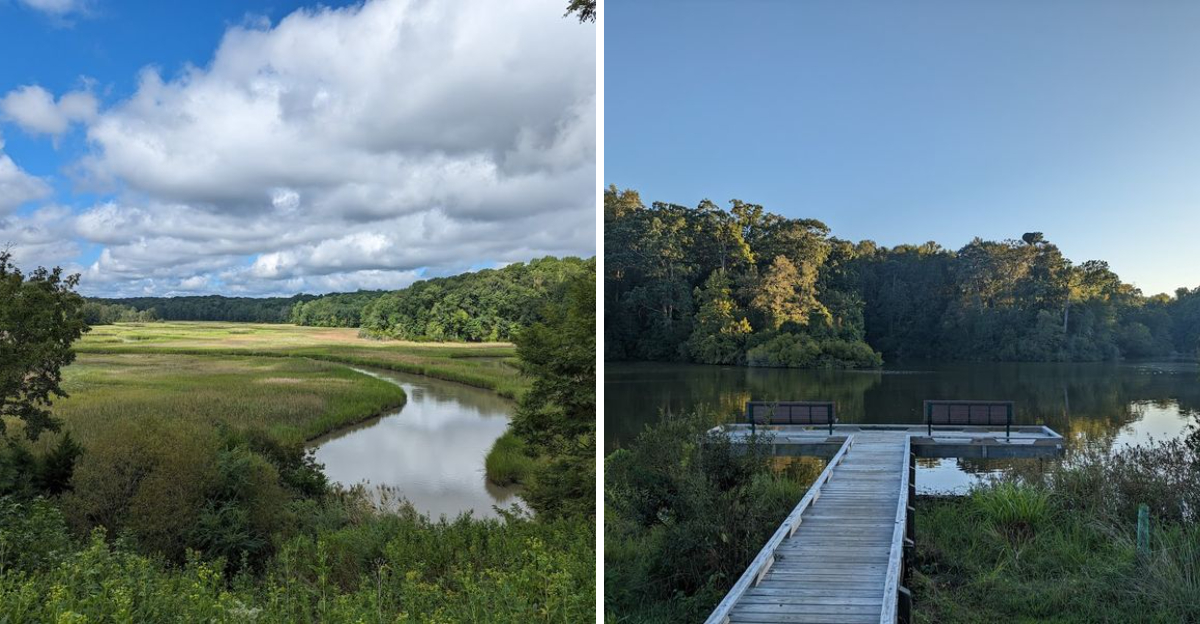
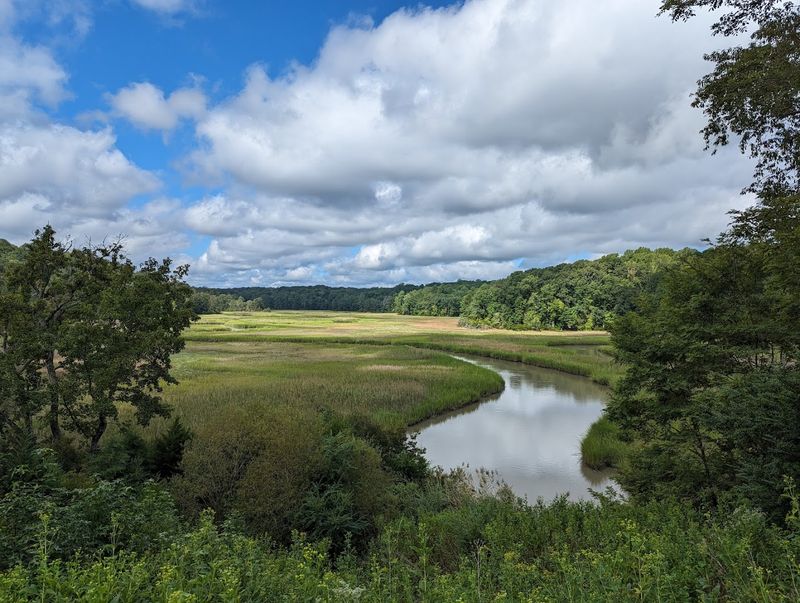
York River State Park is not a one-trick pony. Beyond the fossil hunting, the trail system here is genuinely spectacular, covering miles of varied terrain that shifts from hardwood forest to salt marsh to wooded cliffs to open riverfront.
Popular routes include the Mattaponi Trail, the Beaver Trail, and the Backbone Trail, each offering a distinct personality. Some paths are wide and graveled, making them comfortable for most fitness levels.
Others get steep and root-covered as they descend toward the water, which adds a satisfying sense of adventure to the journey.
Wildlife sightings are a regular bonus along these trails. Great blue herons, egrets, and even dolphins spotted from the riverbank have been reported by those who take their time and stay observant.
Binoculars are a genuinely useful addition to any visit.
The Woodstock Pond Loop is another trail worth exploring, offering peaceful views of a freshwater pond tucked inside the park’s interior. With so many routes to choose from, repeat visits to York River State Park never feel redundant.
Each trail reveals a different side of this remarkably diverse Virginia landscape.
Kayaking and Paddleboarding on the York River
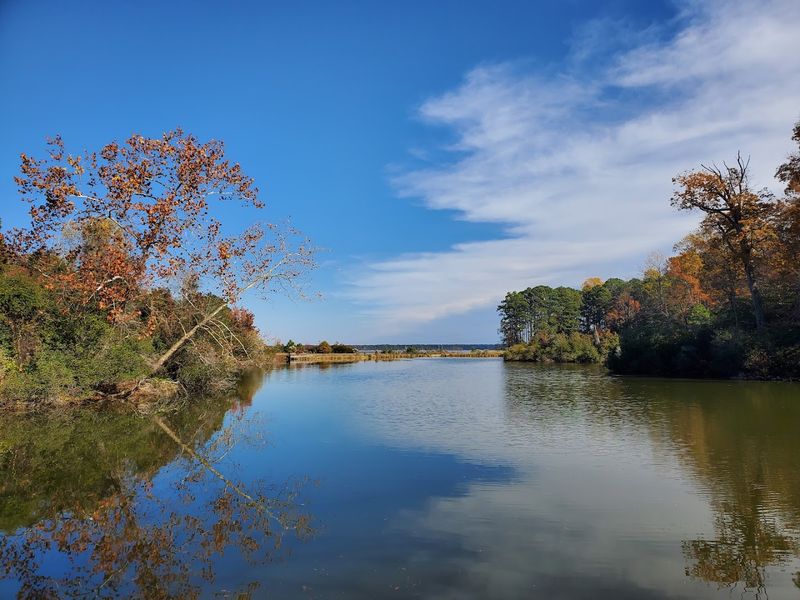
Seeing York River State Park from the water is a completely different experience, and one that is absolutely worth the extra effort. The calm stretches of the York River make this one of the most enjoyable paddling destinations in all of Virginia.
Kayaks and canoes are available for rent during the appropriate season, making it easy to get on the water even if you did not pack your own gear. Paddleboarding has also become increasingly popular here, with the river’s gentle conditions suiting beginners and experienced paddlers equally well.
From the water, the fossil-bearing cliffs take on a completely new visual scale. Seeing those ancient geological layers rising above the waterline while gliding quietly past them is genuinely awe-inspiring.
The combination of natural beauty and prehistoric history is hard to find anywhere else in the mid-Atlantic region.
Early morning paddles are particularly magical, when the mist sits low over the river and wildlife activity peaks along the shoreline. Herons stand motionless in the shallows, turtles sun themselves on logs, and the whole park feels like it belongs entirely to you.
This is Virginia outdoors at its most serene and satisfying.
The Visitor Center: Your First Stop for Everything
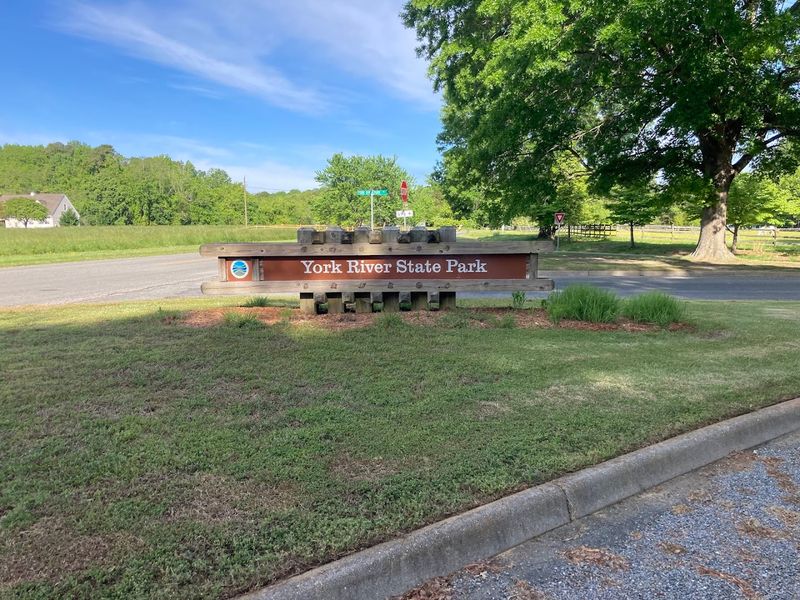
Skipping the visitor center at York River State Park would be a genuine mistake. This modest but well-stocked facility is the best starting point for any visit, especially if it is your first time exploring what the park has to offer.
Inside, you will find detailed displays on local wildlife, the geology of the York River estuary, and the fossil record that makes this park so scientifically significant. The exhibits are designed to be approachable and engaging for all ages, so kids and adults leave with a solid understanding of what they are about to explore.
The staff here consistently earns high praise for being friendly, knowledgeable, and genuinely enthusiastic about the park. Trail maps, fossil hunting tips, and program schedules are all available at the front desk.
There is also a nature view balcony, an amphitheater, and even a labyrinth walk on the grounds immediately surrounding the building.
Clean, year-round restrooms are located at the visitor center, along with ample parking nearby. A small playground sits adjacent to the building, giving families with young children an immediate outlet for energy before hitting the trails.
Starting here sets the tone for a well-organized and deeply satisfying day.
Wildlife Watching Along the Estuarine Shoreline
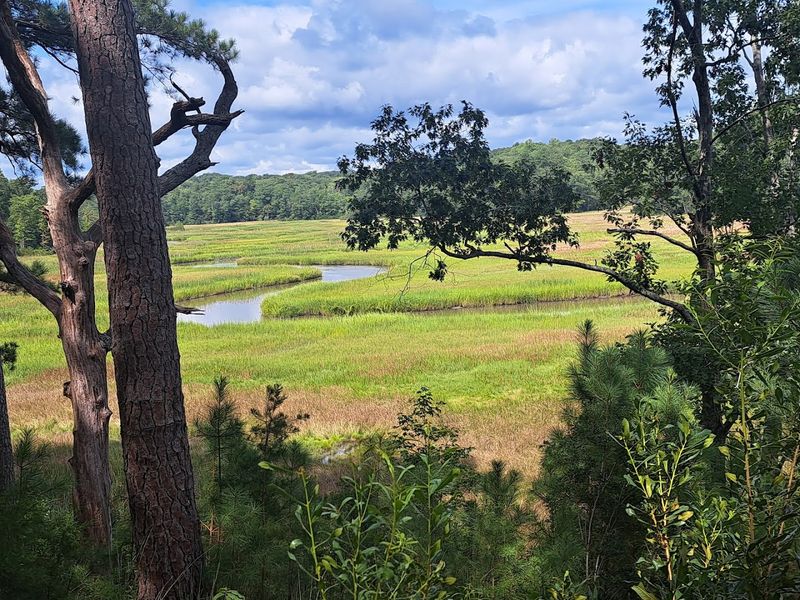
Fresh water and salt water meet at York River State Park, creating a richly productive estuarine environment that supports an impressive diversity of wildlife. For anyone who loves nature watching, this park delivers in ways that feel almost effortless.
Great blue herons are practically park regulars, standing tall and motionless in the shallows as if posing for photographs. Egrets drift elegantly through the marsh grasses, while ospreys and bald eagles have been spotted riding thermals above the river.
Dolphin sightings from the shoreline happen often enough to count as a genuine park highlight.
Land-based wildlife is equally active throughout the park’s interior trails. White-tailed deer move through the hardwood forest at dusk, and a remarkable variety of songbirds fill the canopy with sound during spring and fall migration seasons.
Turtles, land crabs, and mud crabs add texture to the riverbank experience.
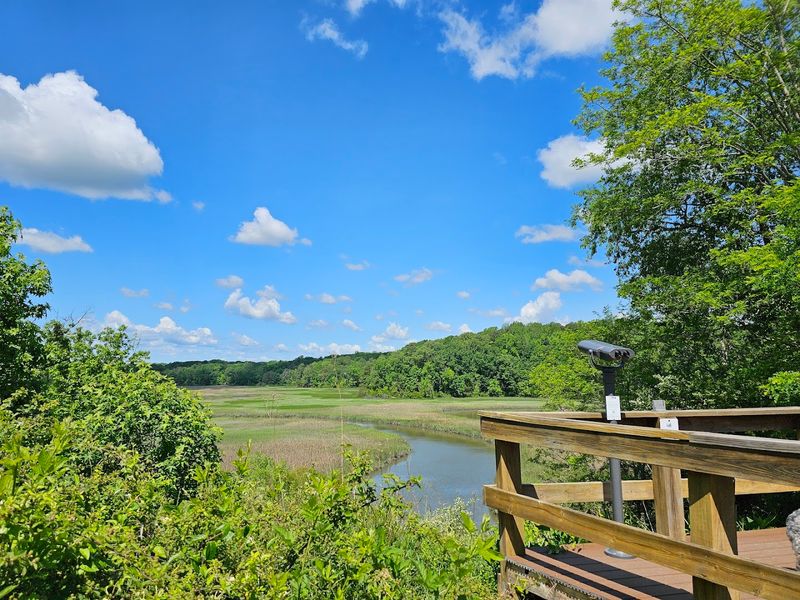
The park’s overlook areas come equipped with mounted binoculars, making it easy to scan the river and marsh without straining your eyes. Bringing your own pair is still a great idea for trail use.
Virginia’s coastal wildlife is genuinely world-class, and York River State Park puts you right in the middle of it.
Fishing on the York River: A Surprisingly Rewarding Afternoon
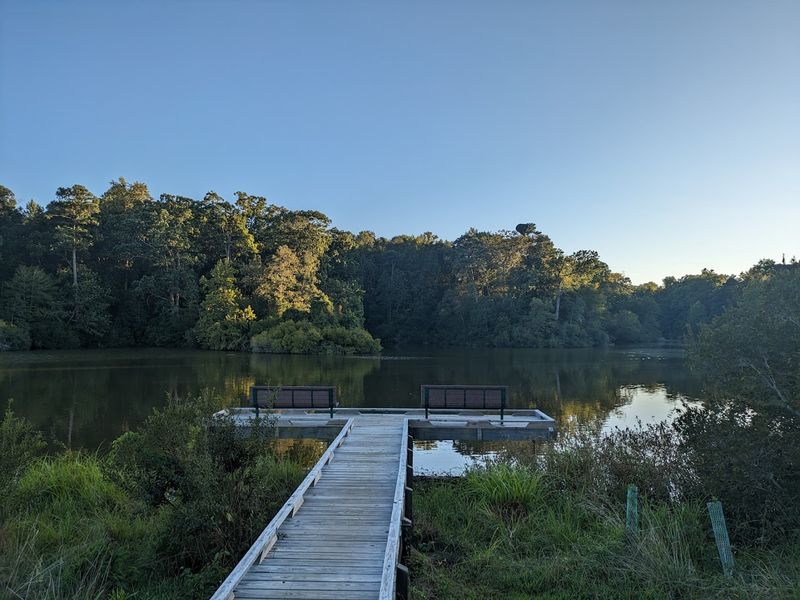
Fishing at York River State Park has a reputation for delivering results, and it is easy to see why. The estuarine environment where fresh and salt water blend creates ideal conditions for a wide variety of fish species throughout the year.
The park’s shoreline access points and dock areas make setting up a line straightforward, even for casual anglers. The mix of tidal influence, marsh habitat, and open river channel means you are fishing in a genuinely productive ecosystem rather than a stocked pond.
Spending a full day here and landing multiple solid catches is entirely realistic. The park’s fishing spots also double as excellent wildlife watching perches, so even the slow moments between bites come with great scenery and regular bird activity to keep things interesting.
A valid Virginia fishing license is required for anglers over the required age, so sorting that out before arrival is a smart move. The park is open daily from 8 AM to 8 PM, giving you a solid window to make the most of morning feeding times and evening tidal activity.
Few spots in Virginia combine this level of fishing access with such a stunning natural backdrop.
Planning Your Visit to York River State Park
York River State Park sits at 9801 York River Park Rd, Williamsburg, VA 23188, placing it in a sweet spot for day trips from the greater Hampton Roads area and Colonial Williamsburg. The location alone makes it an easy addition to any Virginia travel itinerary.
The park operates daily from 8 AM to 8 PM, which gives you a generous amount of time to cover trails, hunt fossils, paddle the river, and still catch the late afternoon light on the water. A small parking fee applies at the entrance, and it is genuinely worth every cent given what the park delivers.
Wearing sturdy shoes with good grip is strongly recommended, especially if Fossil Beach is on your agenda. The trail leading down to the shore involves steep sections and exposed roots that can be slippery after rain.
Packing layers is also smart since the riverfront tends to be cooler and breezier than the inland trail sections.
Reaching the park by phone at +1 757-566-3036 or checking the official Virginia Department of Conservation and Recreation website before your visit ensures you have the most current program schedules and trail conditions. York River State Park genuinely earns its place as one of Virginia’s most rewarding outdoor destinations.
