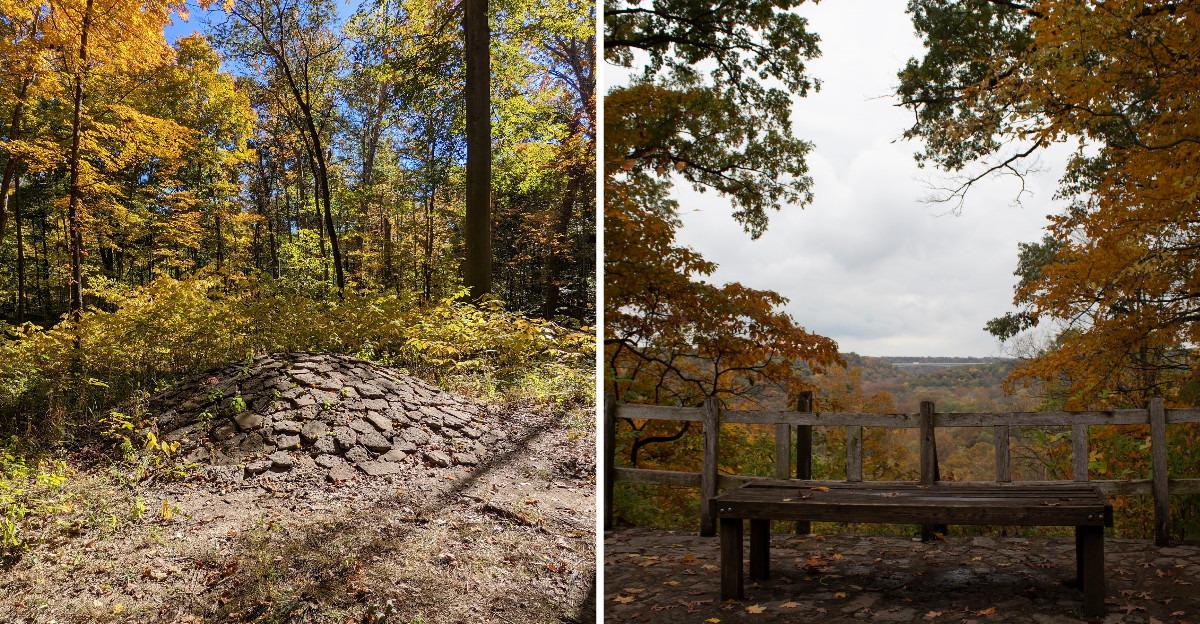
Ohio keeps plenty of its oldest stories in plain sight, although they do not always look dramatic at first. Sometimes history is simply a rise in the ground, a curve through the trees, or a trail following something people shaped thousands of years ago.
I came here expecting impressive earthworks, but their scale was harder to understand until I started walking beside them.
The walls just keep going, bending through the woods and following the contours of the bluff with an amount of precision that makes you stop asking how quickly they were built and start wondering how many hands it took.
Then the story gets even more interesting. Look beyond the sheer amount of earth that was moved, and patterns begin connecting the landscape with the sky above it.
What initially seems like a massive construction project becomes something far more thoughtful.
A Mountain of Dirt, Carried by Hand
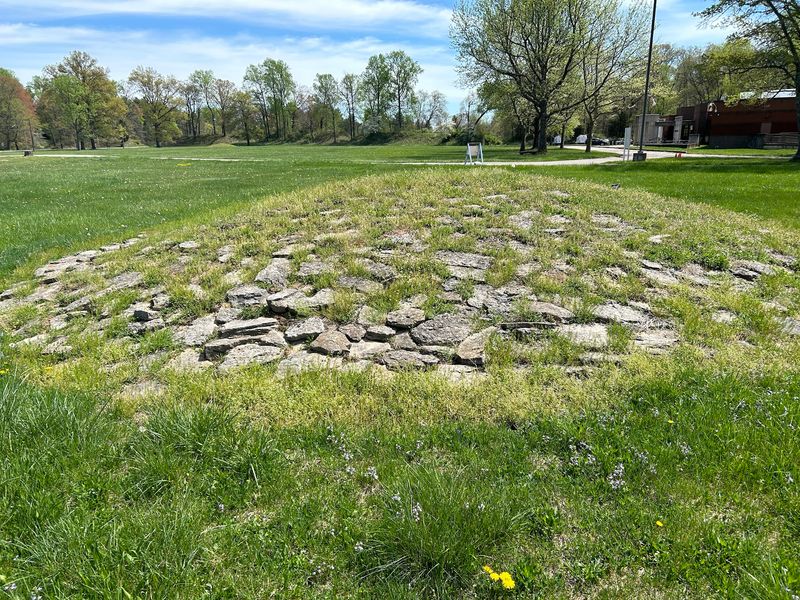
My arms got tired just thinking about it. The builders of Fort Ancient moved an estimated 553,000 cubic yards of earth, and every bit of it traveled in baskets.
Each basket held roughly 35 to 40 pounds of soil, which is about the weight of a heavy backpack loaded with textbooks. Now picture carrying that load up and down a hillside, over and over, for years.
The walls you see today are the result of countless trips like that.
Before any carrying could happen, the dirt had to be loosened. Workers used deer shoulder blades, split elk antlers, clam shell hoes, and simple digging sticks to break up the ground.
None of these tools were metal, and there were no wheelbarrows or animals to pull carts.
Seeing the walls in person changes how you think about the word ‘tools.’ A clam shell does not sound like much until you realize it helped shape a site so big it covers around 100 acres or more.
If you visit with kids, try a quick math game on the way in. Ask how many 40 pound baskets it might take to fill your car, then imagine a whole hilltop.
It makes the effort feel real in a fun way.
Meet the Hopewell, the Real Builders
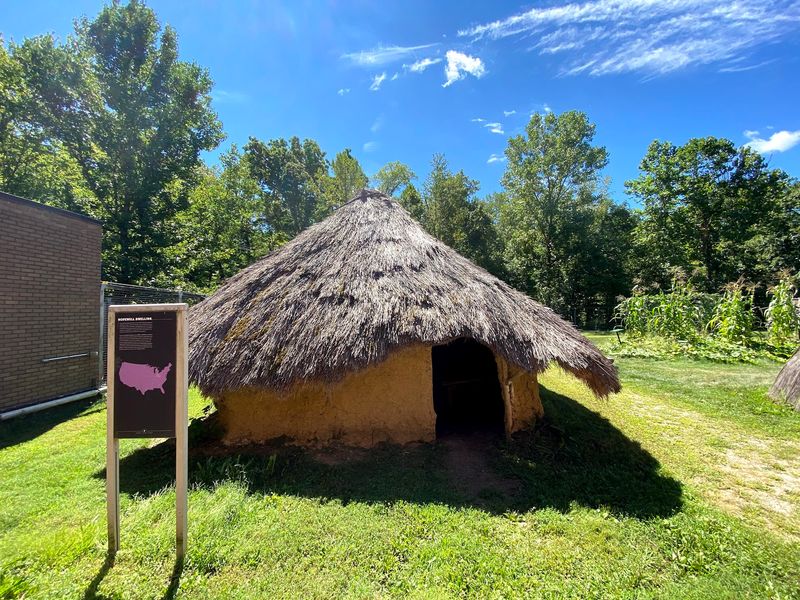
Here is a mix-up I had to untangle right away. The site is called Fort Ancient, but the people known as the Fort Ancient culture did not build it.
The earthworks were made by the Hopewell culture, starting around 2,000 years ago. Most sources place the work somewhere between about 200 BCE and 400 CE.
Construction happened in at least three stages, spread across an estimated 400 years.
That long timeline blew my mind. Think of it this way: the people who finished the walls lived many generations after the people who started them, yet they kept building toward the same plan.
Imagine grandparents passing a project to grandkids, then those grandkids passing it on again.
Centuries later, a different group called the Fort Ancient people lived in the area. They made their own mark on the region, but they arrived long after the Hopewell walls were already standing on the bluff.
Knowing this before you go helps the museum exhibits click into place. Keep an eye out for how the displays separate these cultures, since it makes the timeline much easier to follow.
It also makes a great bit of trivia to share with whoever rides along with you.
Plot Twist, It Probably Was Never a Fort
Early settlers took one look at the big walls and assumed they were built for battle. The name stuck, but the clues on the ground tell a very different story.
First, check out the ditches. At a real fort, you would expect a ditch outside the wall to slow down attackers, yet here the ditches sit on the inside.
Pretty sneaky clue, right?
Then there are the gaps. The walls have somewhere between 67 and 84 openings, which is a lot of doors to guard if you are worried about enemies.
Archaeologists also have not found signs of a large military force living here.
So what was it? The evidence points to a gathering place where people came together for ceremonies, social events, and watching the sky.
I like to picture it as a mix of a community center and a sacred space, though the exact details of what happened here are still being studied.
When you hike past the walls, try spotting one of the gateways for yourself. Seeing an opening in the earth, and knowing crowds may have passed through it long ago, feels much more welcoming than any fortress ever could.
A Calendar Built Into the Land
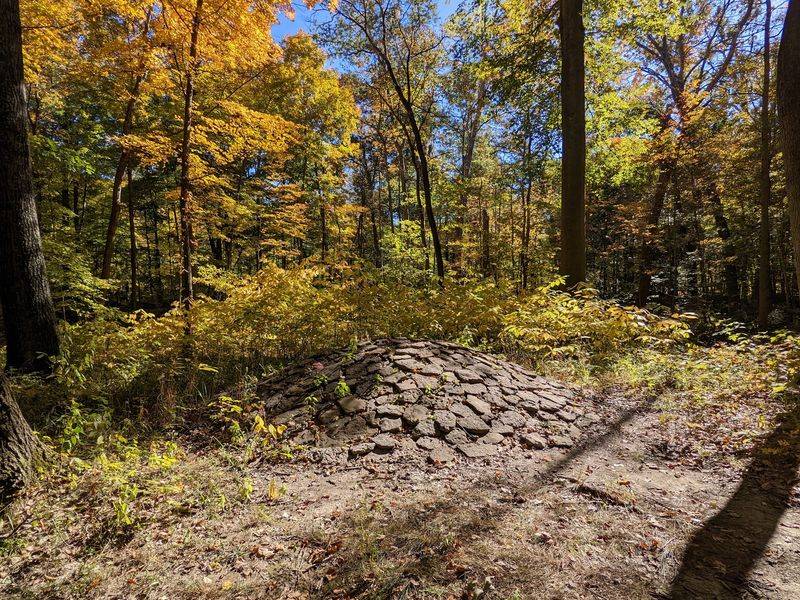
Forget apps and wall calendars. The Hopewell tracked time with mounds, stone pavements, and crescent-shaped gateways lined up with events in the sky.
Two limestone-capped mounds point toward the summer solstice sunrise, the longest day of the year. Another pair lines up with the winter solstice sunrise, the shortest day.
Knowing when seasons would turn mattered a lot for people who planted crops and gathered wild foods. A sunrise hitting just the right spot would have been a clear signal that change was coming.
Here is the part that really got me. Evidence suggests the builders understood the 18.6-year lunar cycle, a slow pattern in where the moon rises and sets along the horizon.
Noticing that pattern takes years of careful watching, passed down from one person to the next. Without writing or telescopes, they still figured it out and then shaped the earth to match.
Across the road from the main enclosure, you can find an area connected to these seasonal markers. Reading the signs there first, then looking out at the landscape, helps you understand how the whole hilltop worked like a giant clock.
If you ever wanted a reason to pay more attention to sunrise, this is it.
A Museum That Covers 15,000 Years
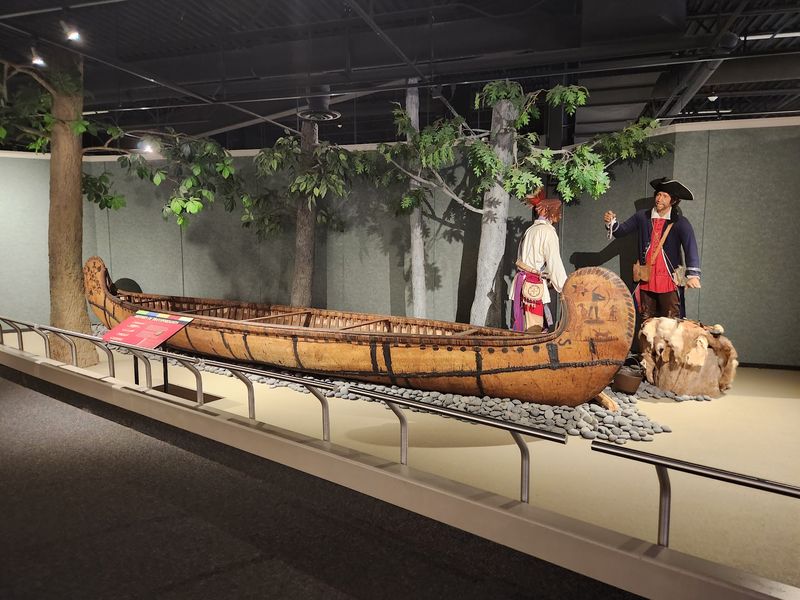
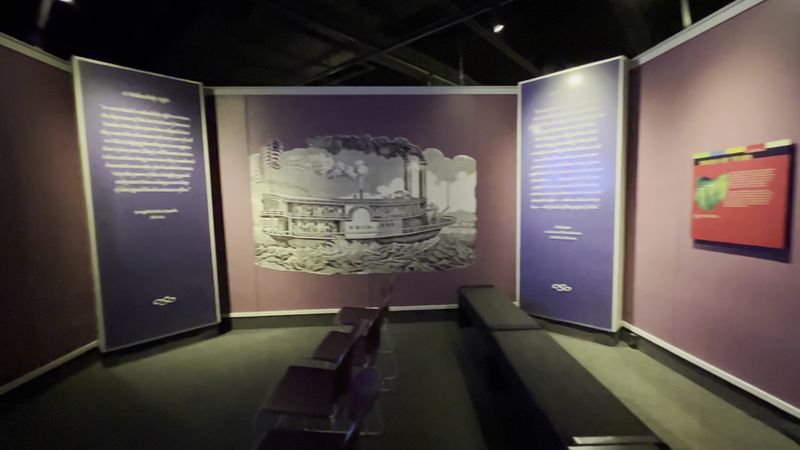
I expected a small room with a few arrowheads. What I found was a museum with 9,000 square feet of exhibits covering 15,000 years of Ohio history and prehistory.
The displays start long before the Hopewell and carry the story forward through later cultures and the arrival of European settlers. Artifacts, replicas, and dioramas help you picture daily life, from making tools to growing food.
Give yourself more time than you think you need. Plenty of visitors end up spending a couple of hours inside, and it is easy to see why once you start reading the panels.
Starting your visit in the museum is a smart move. You will head out to the trails already knowing what to look for, which makes the walls and mounds far more meaningful.
Outside the building, a recreated American Indian garden shows the kinds of plants people grew and used. It is an easy stop, and it helps connect the history inside to the soil under your feet.
Before leaving, browse the gift shop. It carries books on history and culture, along with jewelry and rocks, making it a fun spot to pick up something that keeps the trip going at home.
Staff here are known for being friendly and happy to answer questions.
A Spot on the World Stage
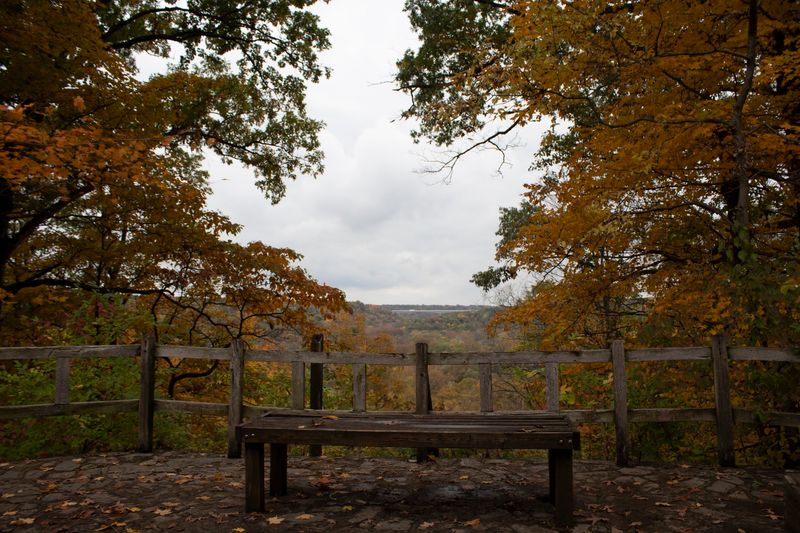
September 2023 was a big month for this hilltop. Fort Ancient was added to the UNESCO World Heritage list, joining famous places around the globe that are protected for their value to all of humanity.
It shares that honor as part of the Hopewell Ceremonial Earthworks, a group of eight sites across Ohio. Together, they show how the Hopewell culture built on a huge scale and connected their work to the sky and to each other.
Honestly, I think Ohio has been keeping a secret for a long time. Many people drive past signs for these sites without realizing they rank alongside some of the most important cultural landmarks on Earth.
There is another fun fact to tuck away. Fort Ancient is also Ohio’s oldest state park, so people have been working to protect it for well over a century.
That is a long streak of care for one hill.
If you enjoy collecting travel experiences, consider making this the first stop on a Hopewell road trip. Visiting several of the eight sites lets you compare how each one was shaped, and it turns a single day trip into a bigger adventure.
Each site adds a new piece to the puzzle.
Plan Your Visit and Treat the Walls Kindly
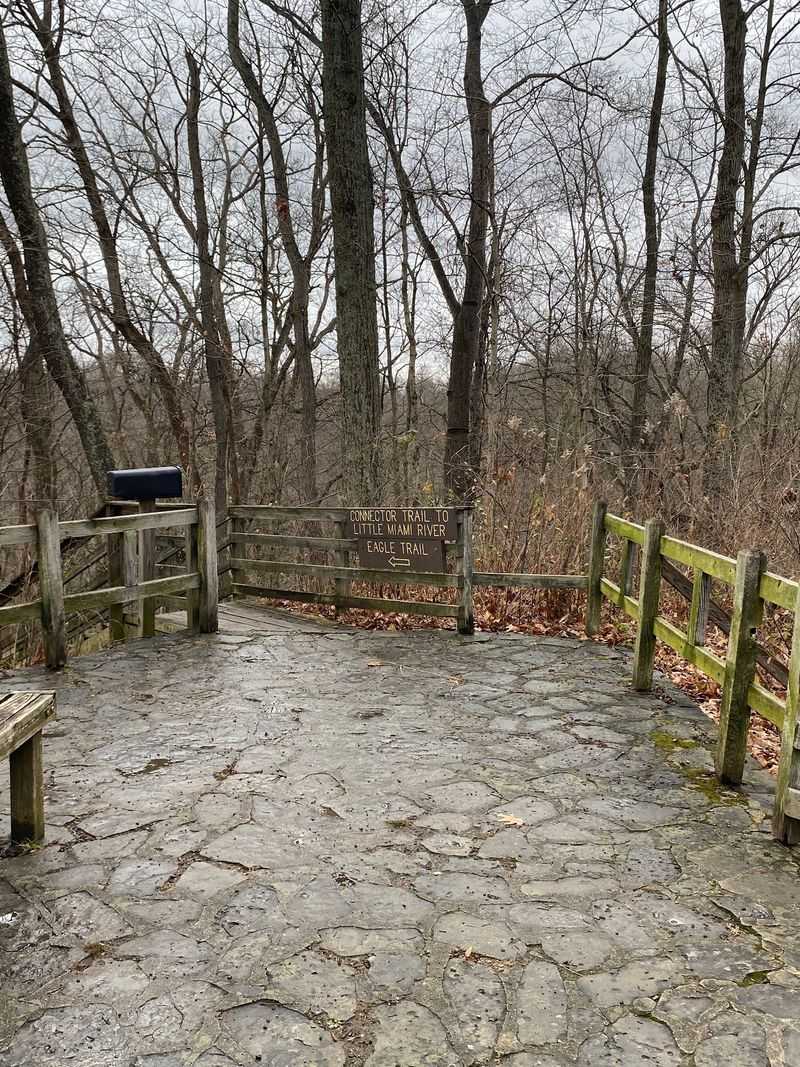
A little planning goes a long way here. The site is open Wednesday through Saturday from 10 AM to 4 PM and Sunday from noon to 4 PM, with Monday and Tuesday closed, so check the Ohio History Connection website before you go in case anything changes.
The most important rule is simple: please stay off the earthen walls. Climbing or walking on them wears them down, and they have survived about 2,000 years, so let’s help them last a few thousand more.
Leashed dogs are welcome on the grounds, which makes this a great outing for pup parents. Pets are not allowed inside the museum, though, so plan to split up or keep the visit mostly outdoors.
Some roads into the area wind steeply through the river valley with tight curves. Take them slowly, especially in wet or icy weather.
Parking is easy to find, and restrooms are inside the museum building. For the best experience, arrive early enough to explore both the exhibits and a trail without rushing.
Comfortable shoes are a must.
Address: 6123 State Route 350, Oregonia, OH 45054
