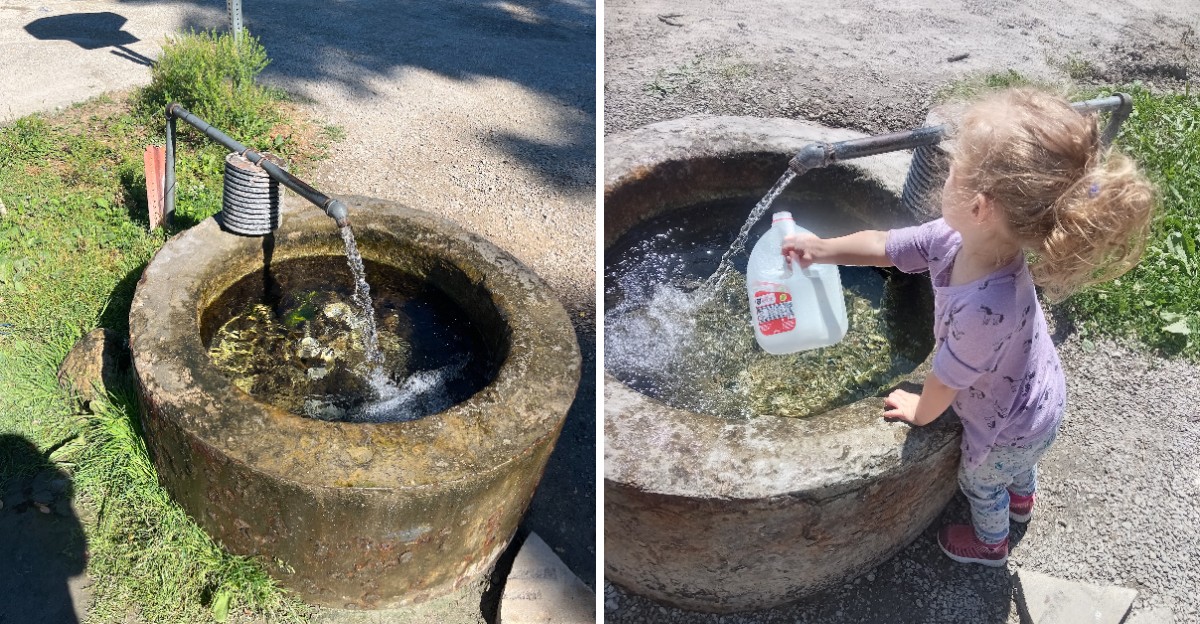
There is a very specific sound people are willing to drive miles to hear. Water hitting a jug.
That is basically the entire attraction here. This Indiana spring runs freely from a simple pipe, giving visitors a chance to fill their own containers with cold water and head home.
There is no ticket booth, no souvenir stand, and no giant sign explaining why anyone should care. People apparently figured that part out themselves.
Families have returned for generations, and the claim that the water tastes unusually good has become part of the local lore. The whole ritual takes only a few minutes, yet nobody seems especially eager to treat it like a meaningless errand.
Fill the jug. Take a drink.
Fill another one just in case. Suddenly, a roadside pipe has become the most anticipated stop of the day.
A Pipe That Never Takes a Day Off
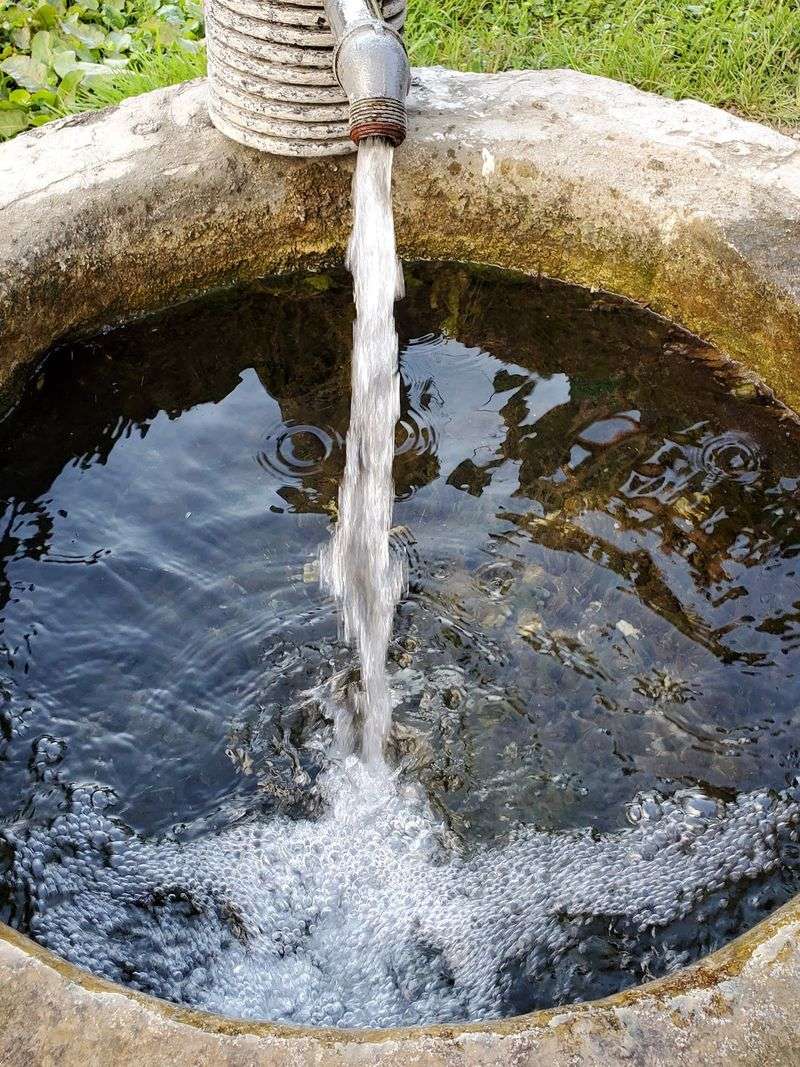
Clocks and calendars mean nothing to the little pipe in Pittsburg. Day or night, rain or snow, the water keeps pouring out, and nobody has to flip a switch to make it happen.
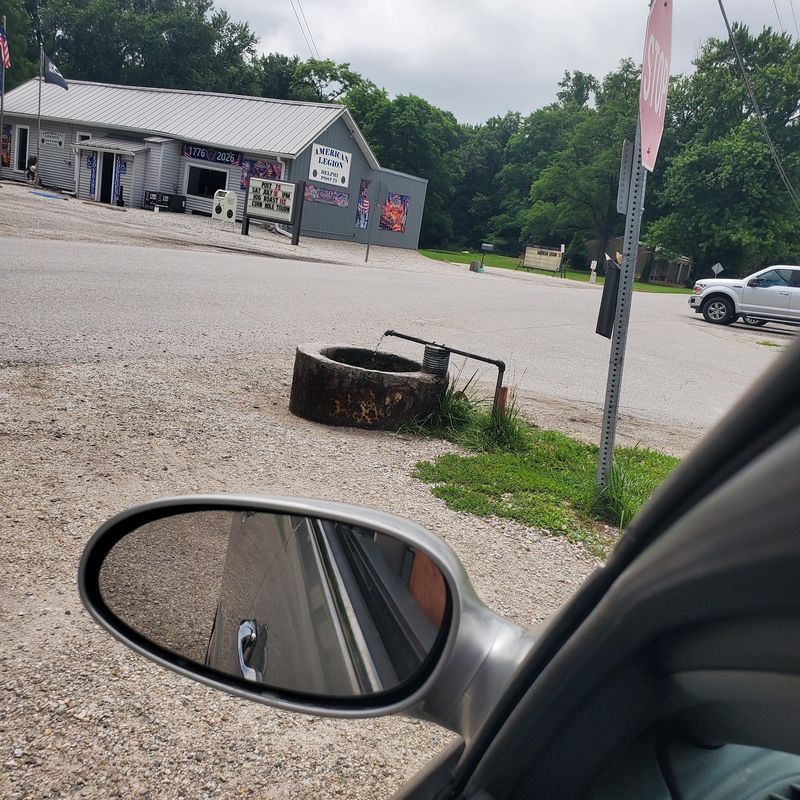
The Pittsburg Artesian Spring sits near the corner of Washington Street and Howard Street, and its official spot is listed as Howard St, Delphi, IN 46923.
That Delphi mailing address can confuse first-timers, since Pittsburg is a tiny community on the west bank of the Wabash River, right across from Delphi itself.
A quick glance at a map before leaving home saves a lot of circling.
Because the spring is open 24 hours, visitors can swing by whenever it fits their plans. Early mornings tend to feel calm and quiet.
Late evening trips work well too, especially in summer when a splash of cold water feels amazing after a hot day on the road.
No gate, no ticket booth, and no staff are waiting at the spring. It is simply a pipe by the road that has become a small landmark, and that plain setup is part of its charm.
People pull in, fill up, and head on their way.
Here is a helpful tip. Since many folks visit with large containers, a little patience goes a long way if someone is already filling jugs.
Waiting a few minutes is easy, and the steady splash of water makes great background music.
Where Does the Water Get Its Push
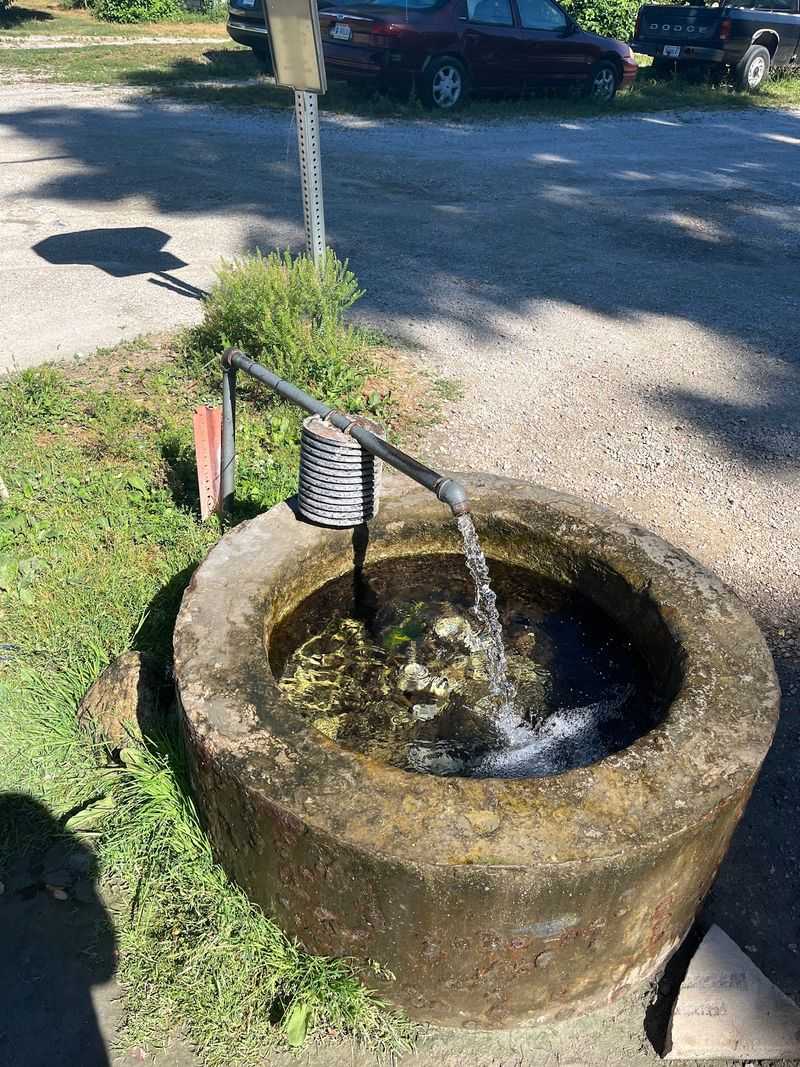
Here is a fun fact to share on the drive. The word artesian comes from Artois, a region in France where people dug famous flowing wells hundreds of years ago.
An artesian spring works a bit like squeezing a water balloon. Deep underground, water gets trapped between layers of rock that it cannot soak through.
The weight and pressure from above push on that water, and when it finds an opening, it rises all the way to the surface by itself.
That is why the Pittsburg spring needs no pump, no motor, and no electricity. The earth does all of the work.
The name tells visitors how the water moves, not what is in it. Artesian describes the natural pressure system, so it is not a special brand or a type of mineral mix.
Still, water that travels through layers of rock and sand often picks up a crisp, clean taste that many people love.
Indiana has a long history with springs. Back in the 1800s and early 1900s, mineral springs around the state drew visitors who believed the water could help their health, and some towns grew busy around them.
The Pittsburg spring never became a fancy resort, which might be the best thing about it.
For curious kids, the spring makes a great real-life science lesson. Point out the steady flow and ask them where they think the water comes from.
It is geology class without a textbook.
Bring the Big Jugs, Seriously
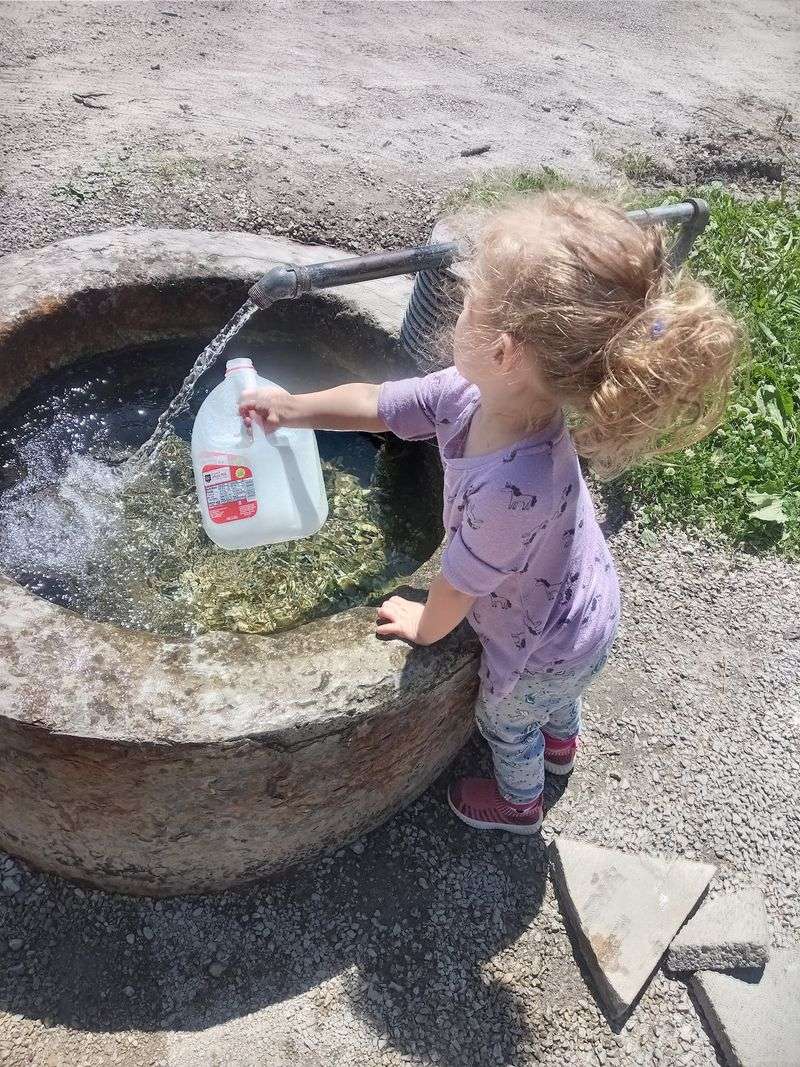
Nobody shows up with just one tiny cup. Regulars arrive with gallon jugs, five-gallon containers, and reusable bottles, ready to haul home enough water to last for days or even weeks.
The water comes out fast and cold, which surprises many first-time visitors. On a hot July afternoon, that first sip feels like a gift.
Plenty of people describe the flavor as clean and smooth, without the odd aftertaste that sometimes comes from a kitchen faucet.
Some locals go as far as calling it the best water in Indiana. That is a big claim for a pipe by the road, but the steady stream of cars pulling in suggests a lot of folks agree.
Taste is personal, so trying it is the only way to know.
A little planning makes the trip smoother. Pack clean containers with tight lids, and bring a funnel if the jug openings are narrow.
A towel in the car helps too, because splashes happen.
Parking is simple, with an easy pull-in spot close to the pipe. Try not to block others, and keep fills quick when a line forms.
Good manners keep the spot friendly for everyone.
Anyone with health concerns should remember that natural spring water is not treated like city tap water. The spring has a history of safety testing, yet checking with the Carroll County Health Department for current information is a smart move before drinking a lot of it.
Grandparents, Grandkids, and the Same Old Pipe
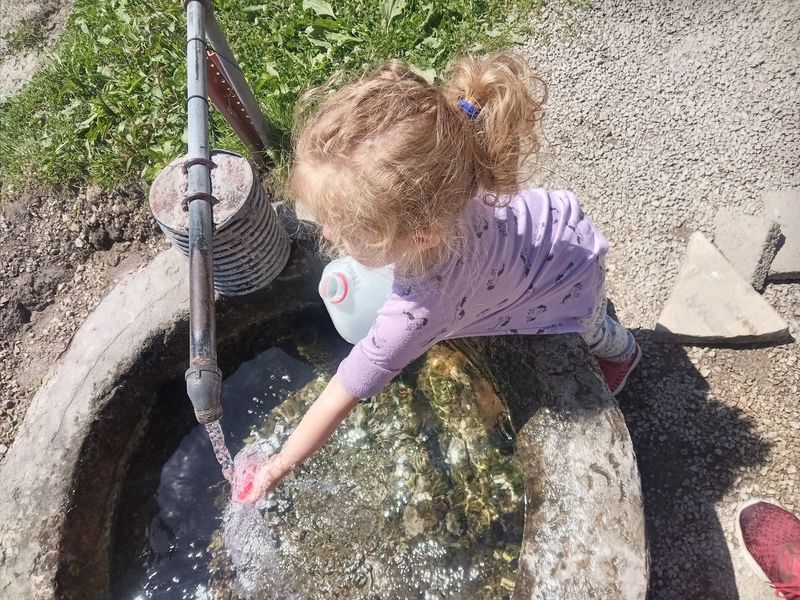
Some traditions come in the form of holiday recipes or old photo albums. In Pittsburg, one of them comes out of the ground.
Families in this corner of Carroll County have been filling containers at the spring for generations. Parents who once tagged along as kids now bring their own children, and older residents remember when a trip for water was simply part of the weekly routine.
That long history gives the spot a warm, neighborly feel. Strangers chat while waiting their turn.
Someone might mention how long they have been coming, or where they are headed next, and suddenly a quick water stop turns into a friendly moment.
Former residents often make the spring a must-stop when they come back to visit Indiana. It is a way to reconnect with home, one gulp at a time.
For families passing through, it can become a new tradition that kids look forward to every trip.
There is something special about teaching children to slow down and notice small wonders. Letting them hold the jug, feel how cold the water is, and watch it bubble into the container creates a memory that sticks.
Simple moments like that often last longer than a day at an expensive attraction.
Want to make it even more meaningful? Snap a photo at the spring each year and watch the kids grow taller beside the same old pipe.
The Blast That Rewrote Pittsburg’s Story
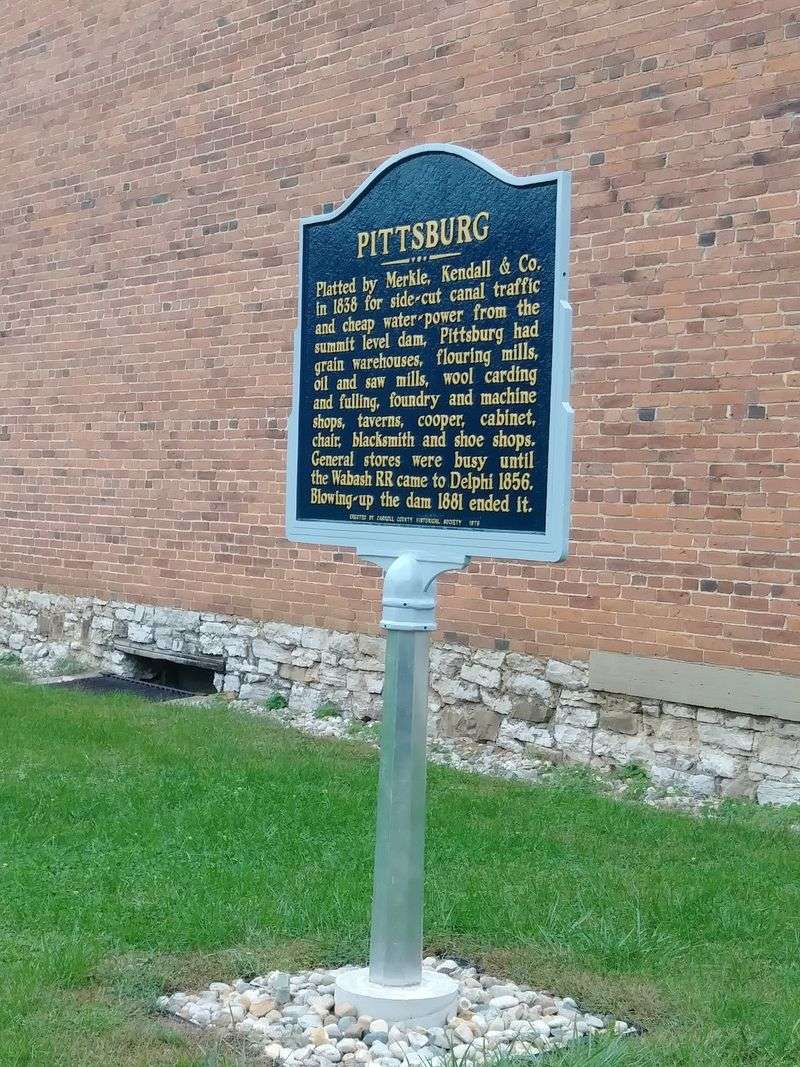
Few people passing through Pittsburg today would guess it once buzzed with mills and river traffic. The quiet streets hide a surprisingly dramatic story.
Pittsburg was platted in 1836 on the west bank of the Wabash River, and a post office opened just two years later. For decades, the post office spelled the name Pittsburgh, with an h at the end, until switching to the current spelling in 1894.
Yes, it was named after the big city in Pennsylvania.
The real game changer was the Great Dam, built across the Wabash just east of town. It helped boats travel and fed water into the Wabash and Erie Canal, including a side-cut that reached Pittsburg directly.
With that water power, the town filled up with grain warehouses, flour mills, sawmills, and oil mills.
Steamboats even docked here when the river ran high enough. Then, in 1881, the story took a sharp turn.
Vigilantes, reportedly farmers from upstream, blew up the dam with dynamite, wiping out the canal link and the water power in one blast.
The busy days ended almost overnight, and Pittsburg settled into the small, peaceful community it is today. The spring, though, kept right on flowing through all of it.
Visitors who enjoy history should take a few minutes to picture the riverbank lined with mills and workers. A cold drink from the spring, sipped near the water, makes that old story feel a lot closer.
Paddles, Fishing Poles, and the State River
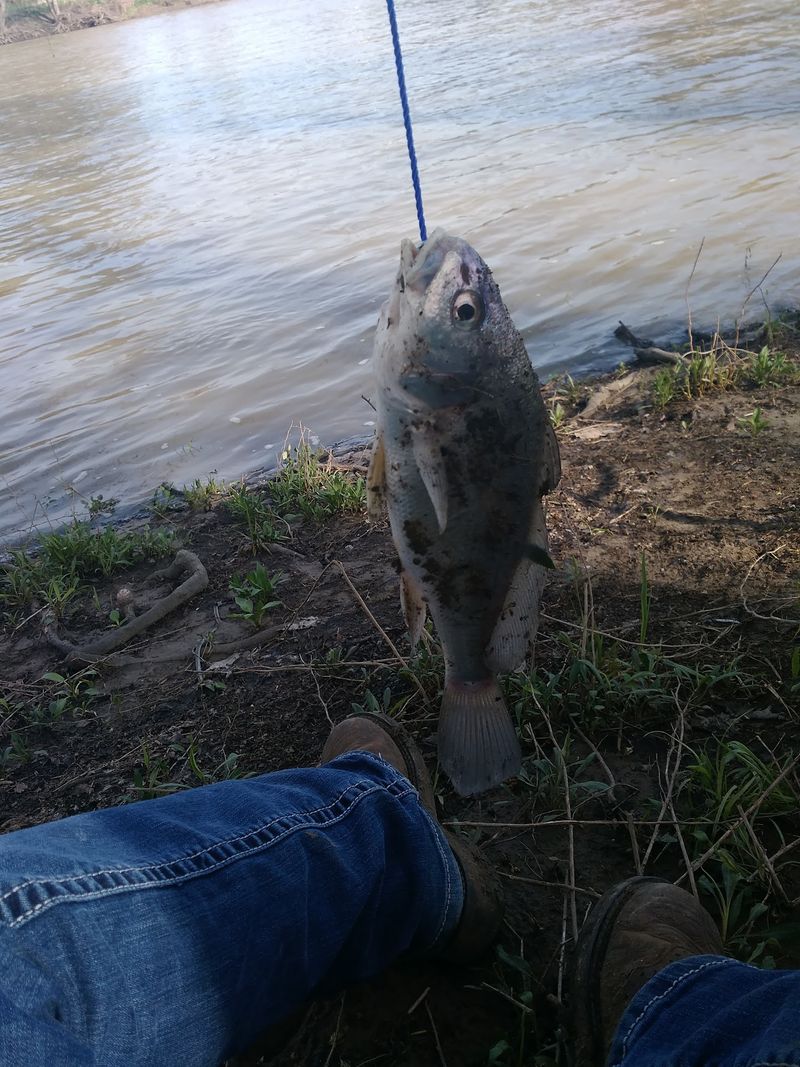
Just a short hop from the spring, the Wabash River rolls past Pittsburg on its long journey across Indiana. It is the official state river, and it stretches more than 500 miles.
Even better, a 411-mile section flows freely without dams, making it one of the longest free-flowing stretches of river east of the Mississippi. For paddlers and anglers, that means plenty of room to explore.
Pittsburg even has its own public boat launch, so getting on the water is easy.
Canoeing and kayaking here tend to be relaxing rather than wild. The current is usually gentle, and the tree-lined banks make great scenery for a slow afternoon float.
Always check water levels and weather first, since rivers can change quickly after heavy rain.
Fishing fans have plenty to smile about. The Wabash supports around 150 species of fish, and nearby waters like Deer Creek and the Tippecanoe River add even more options.
Pack a fishing license, some bait, and a little patience.
The river also matters for nature. It provides homes for rare plants and animals, and groups like The Nature Conservancy work to protect the watershed so it stays healthy for years to come.
Here is a smart plan for a summer day. Paddle or fish in the morning, then stop by the spring to refill water bottles with something icy cold.
After hours in the sun, few things taste better.
Bonus Afternoon Across the Wabash in Delphi
Once the jugs are full and tucked safely in the trunk, the adventure does not have to end. Delphi sits right across the Wabash River, just a few minutes away.
The Wabash and Erie Canal Park is a favorite stop for families. Its interactive museum tells the story of the canal, which was once the second-longest in the world.
An 1850s pioneer village shows how people lived, worked, and cooked back then.
During warmer months, visitors can hop on a canal boat ride along a watered section of the old waterway. It is a slow, peaceful trip that makes history easy to picture.
Miles of walking and biking trails also wind through the grounds for anyone who wants to stretch their legs.
Downtown Delphi has its own small-town charm. The historic courthouse anchors the square, and nearby shops are fun to browse for local finds.
The Delphi Opera House hosts shows and events, so checking its calendar before the trip is a good idea.
History lovers can also seek out the Freedom Bridge, an old iron truss bridge that once served the town of Freedom, Indiana, and now carries walkers over State Road 25 near Delphi. It connects to local trails and makes a neat photo spot.
Pairing the spring with Delphi turns a quick water run into a full day out. Grab a cold drink from the pipe, then spend the afternoon exploring.
