Forests, lakes, and salty coastline all sit within a couple of hours of each other in New Hampshire, and this summer, something extra showed up in places nobody expected.
Black bears turned up on rocky ocean jetties, in quiet lakeside villages, and deep mountain campsites, following the wild edges of the state in ways that made the news.
I followed the reports with real curiosity, a bear swimming across the Piscataqua River toward Maine, another caught on camera walking a jetty at Odiorne Point, and one that calmly rang a doorbell in New Hampton like it was checking in for a visit.
Each sighting added a new layer to the landscape, a reminder that the wild side of this state is alive and full of surprises.
Traveling through these areas with a little extra awareness made the whole trip feel richer, and honestly, more alive. The bears were just passing through, but they left a story behind at every stop.
1. Rye and Its Surprising Ocean Jetty Visitor
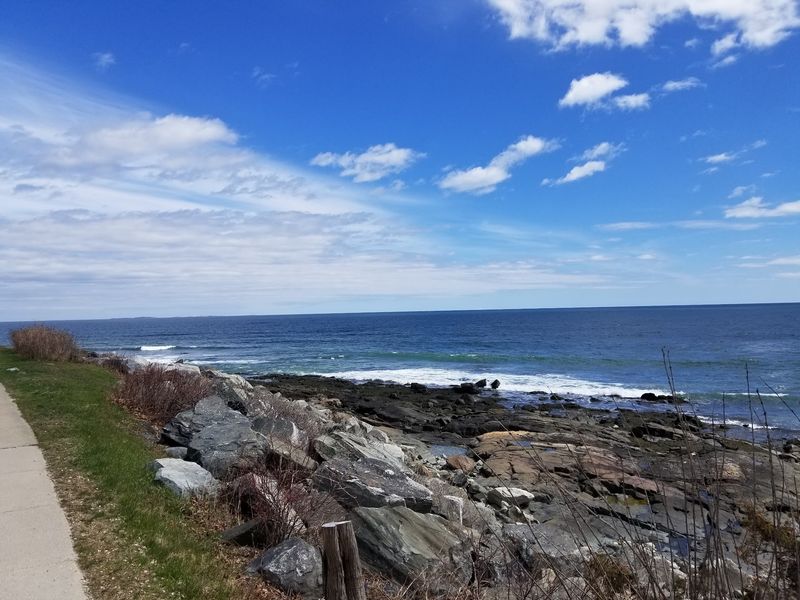
Salt air, gulls arguing overhead, and a stretch of granite jetty reaching into the Atlantic. That is the picture I keep in my head from this coastline, and it got a lot more interesting in June.
Reports and video circulated widely of a young black bear strolling along a jetty right beside the ocean, picking its way over slick rock like it had done it a hundred times. The local police department even put out a black bear alert after several reports came in from around town.
I find something wonderful about that image, a forest animal casually meeting the sea. It reminds me that wildlife does not read our maps or follow our expectations.
If you visit, the shoreline here rewards slow walking. Tide pools shimmer between the boulders, and the wind off the water carries that clean, briny smell you only get on the open coast.
Keep snacks packed away, watch your surroundings, and enjoy the fact that a beach morning here can hold a genuine surprise.
Address: 570 Ocean Blvd, Rye, NH 03870
2. Odiorne Point State Park, Where History Meets the Shoreline
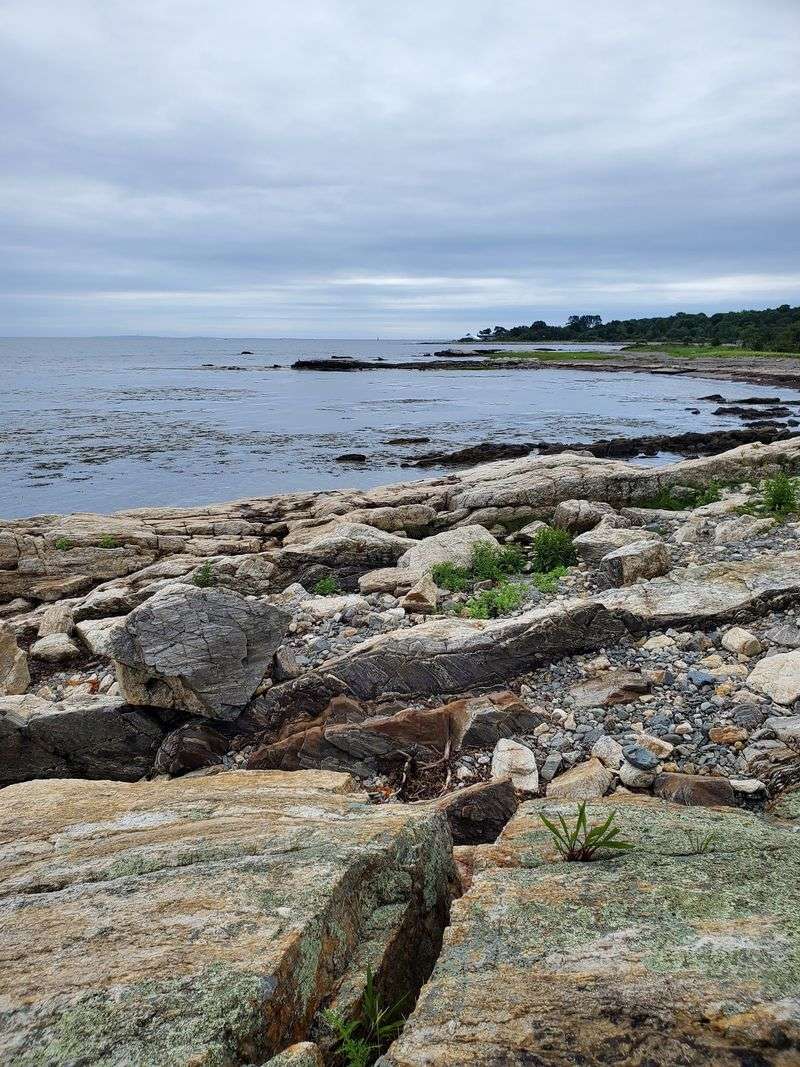
Old concrete bunkers half swallowed by grass, winding trails, and a shoreline that crackles with tide pools. I always feel two stories happening at once here, one from wartime history and one from the living ecosystem all around it.
Then a third story arrived this summer. The same young bear seen along the Rye coast was also observed working its way over the rocks near the science center inside the park.
Picturing that animal moving between weathered fortifications and seaweed-covered stone still makes me grin. It shows just how adaptable black bears are when curiosity takes over.
Trails here loop through salt marsh, thickets, and shady groves, so the landscape shifts every few minutes. Birdsong fades in and out, replaced by waves knocking against the ledges.
I would call this one of the most layered stops on the Seacoast, because you get natural history, human history, and now a memorable wildlife chapter in the same afternoon.
Bring binoculars, walk quietly, and let the place reveal itself slowly.
Address: 570 Ocean Blvd, Rye, NH 03870
3. New Castle, An Island Town With an Unexpected Guest
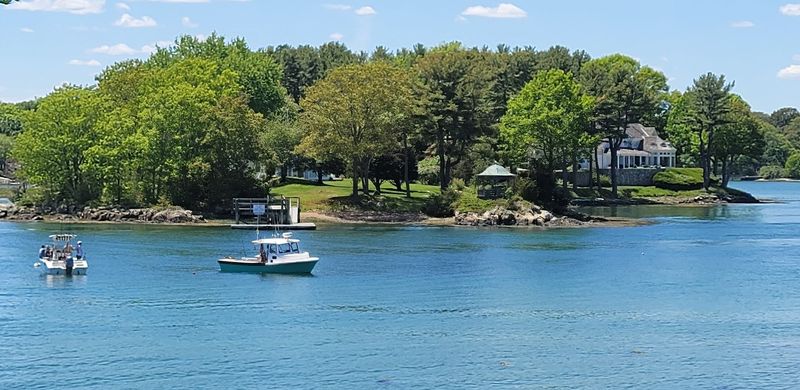
Narrow lanes, shingled homes leaning into the wind, and water glinting at the end of nearly every street. Island life on the New Hampshire coast has a hushed, unhurried rhythm that I never get tired of.
In June that quiet was broken by something unusual. Residents reported a young black bear wandering through neighborhoods, the same wanderer already seen farther down the coast.
What happened next reads like something out of an adventure story. Wildlife officials confirmed the bear eventually entered the water and swam away from the island, heading off on a serious open-water crossing.
Whenever I walk here now, I imagine that determined shape slipping between hedges and gardens before choosing the sea over the streets.
The town itself is a joy for wandering, with historic architecture, harbor views, and benches placed exactly where you want to sit. Sea breeze keeps summer afternoons comfortable, even when the rest of the state is baking.
Go early, walk slowly, and keep an eye on the water. You never know what might be paddling past.
4. Georges Mills in Sunapee, Quiet Lakeside With Wild Neighbors
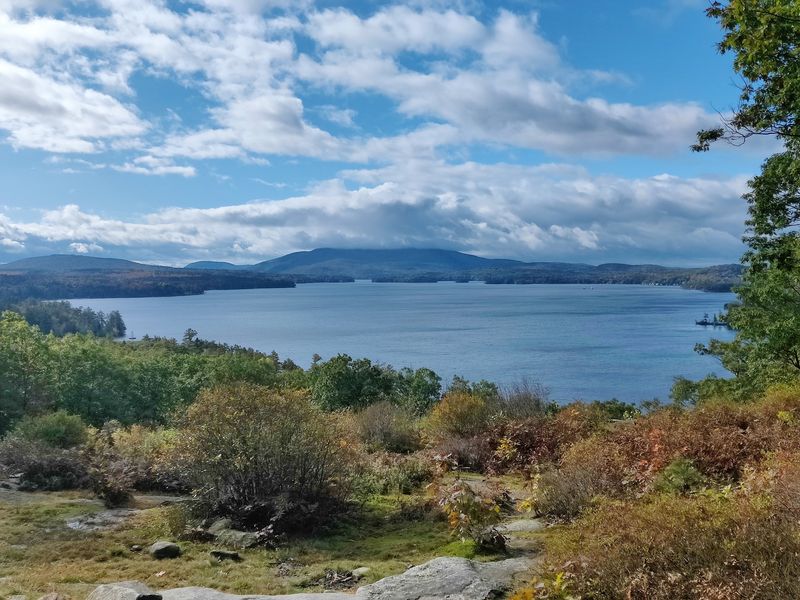
Driving into this little village beside Lake Sunapee, the road narrows, the trees close in, and the water appears in flashes between cottages. Loons call across the surface in the evening, which might be my favorite sound in the entire state.
Bears fit naturally into a landscape like this, and there have been recent sightings in and around the residential streets here.
Nothing dramatic, just wild animals doing what wild animals do. Bears are common across New Hampshire, and warm months bring them looking for easy calories near homes.
Bird feeders, unsecured trash, and pet food left outdoors are the usual invitations. Removing those things makes a huge difference for both people and bears.
I appreciate villages like this one because they feel lived in rather than staged. Kayaks lean against garages, kids fish off docks, and the pace stays slow all summer long.
Sharing space with wildlife is simply part of the deal, and locals here seem to take that in stride with a shrug and a smile.
5. Piscataqua River and the Bear That Chose to Swim
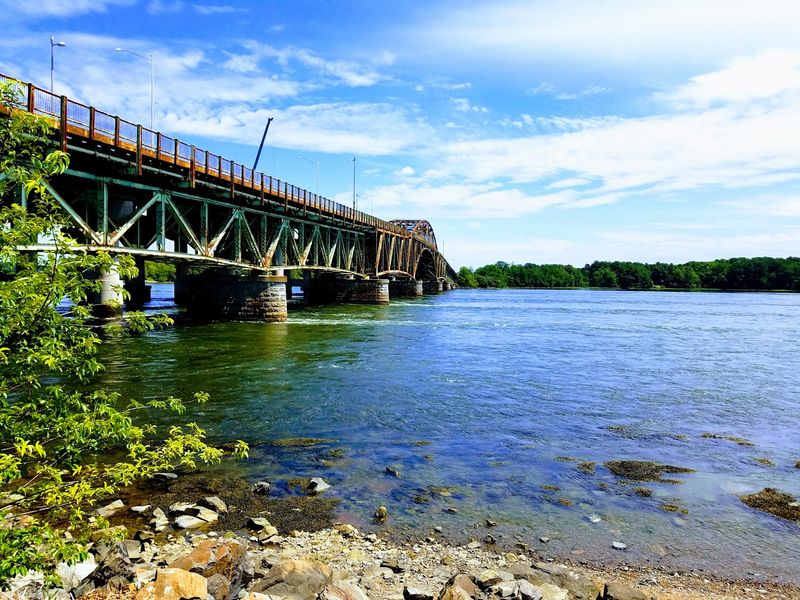
Strong current, working boats, and a channel that separates two states while somehow connecting them. Watching vessels fight the tide here always reminds me how powerful this waterway really is.
In June something remarkable happened on these waters. A young black bear was seen swimming across from the New Hampshire side toward Kittery, Maine.
A harbormaster observed its small head bobbing above the surface as it paddled along with surprising strength. Onlookers were captivated, and the story spread fast.
I keep coming back to that detail, the bear treating a major tidal river as nothing more than an inconvenience on the way to somewhere new.
For visitors, the riverfront offers a completely different flavor from beaches or forests. Bridges rumble overhead, tugboats churn past, and the smell of the working waterfront mixes with the tide.
Grab a spot along the shore, watch the boats, and remember that the wildest thing you see out there might not have a motor at all.
6. Seacoast Beaches and State Parks Along the Coast
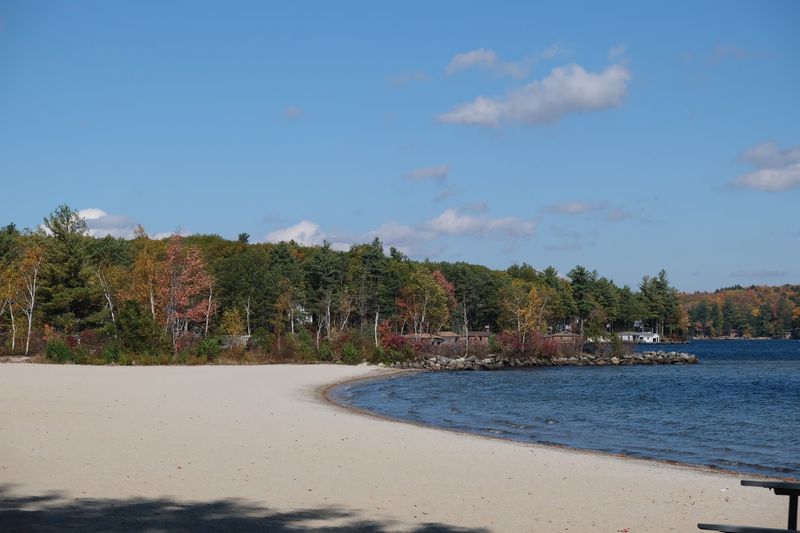
Crashing surf, warm sand, and the constant hum of summer crowds. That is the usual soundtrack along this stretch of shoreline, and it rarely disappoints.
June added something stranger to the mix. Officials noted sightings of a young black bear swimming in shallow water off local beaches and appearing at several state parks nearby.
Rare, yes, but Fish and Game officials have pointed out that coastal bear sightings are not unheard of here. New Hampshire wildlife ranges farther than most people assume.
I love how those moments rearrange your whole sense of a place. One minute you are watching sailboats, the next you are watching something furry doing the backstroke.
Practical habits help. Pack food in sealed containers, use proper trash bins, and never leave coolers unattended on the sand.
Days here can start with rocky ledges at low tide and end with a sunset over dune grass. Adding a genuine wildlife memory to that mix makes the coast feel far bigger than its short shoreline suggests.
7. White Mountains Region, Bear Country in Its Purest Form
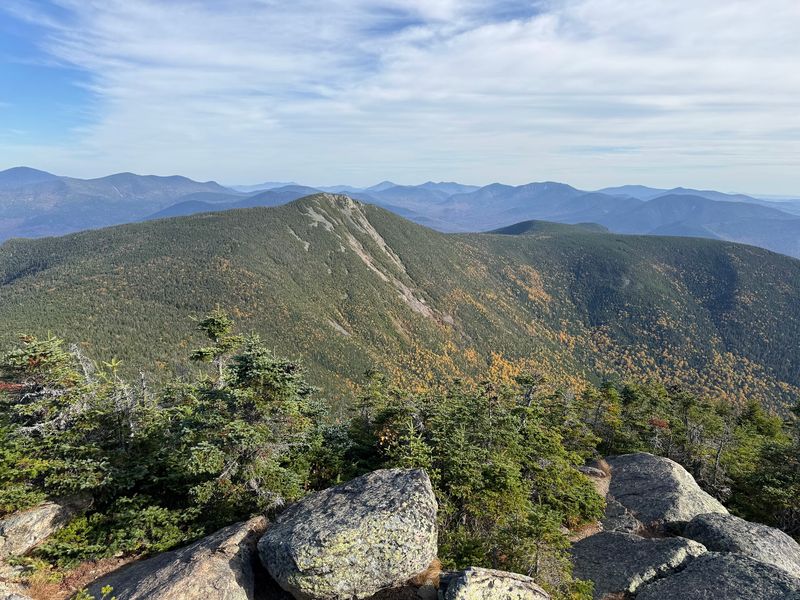
Ancient peaks, dark spruce forests, and rivers loud enough to drown out conversation. Every trip into these mountains humbles me a little, and bears are native residents of this enormous wilderness.
Recent summers brought more encounters, especially for hikers and campers. In August 2025 a campsite at Franconia Brook Tentsite near Lincoln closed because a food-habituated bear damaged tents and screen enclosures.
Earlier, in July 2025, officials reported rising numbers of food-conditioned bears interacting with people around the Pemigewasset Wilderness.
Hikers were urged to store food properly, since bears have visited shelters and tent platforms and torn into packs looking for an easy meal.
I have swapped plenty of stories with fellow backpackers about hanging food correctly, and it really is the single most important habit up here. Bears learn routes and repeat them.
The national forest remains a wonderful place to see wildlife, provided we treat their home with respect. Carry a bear-resistant container, keep a clean camp, and the mountains will reward you generously.
8. Central Region Lakes, Forests, and Quiet Corridors
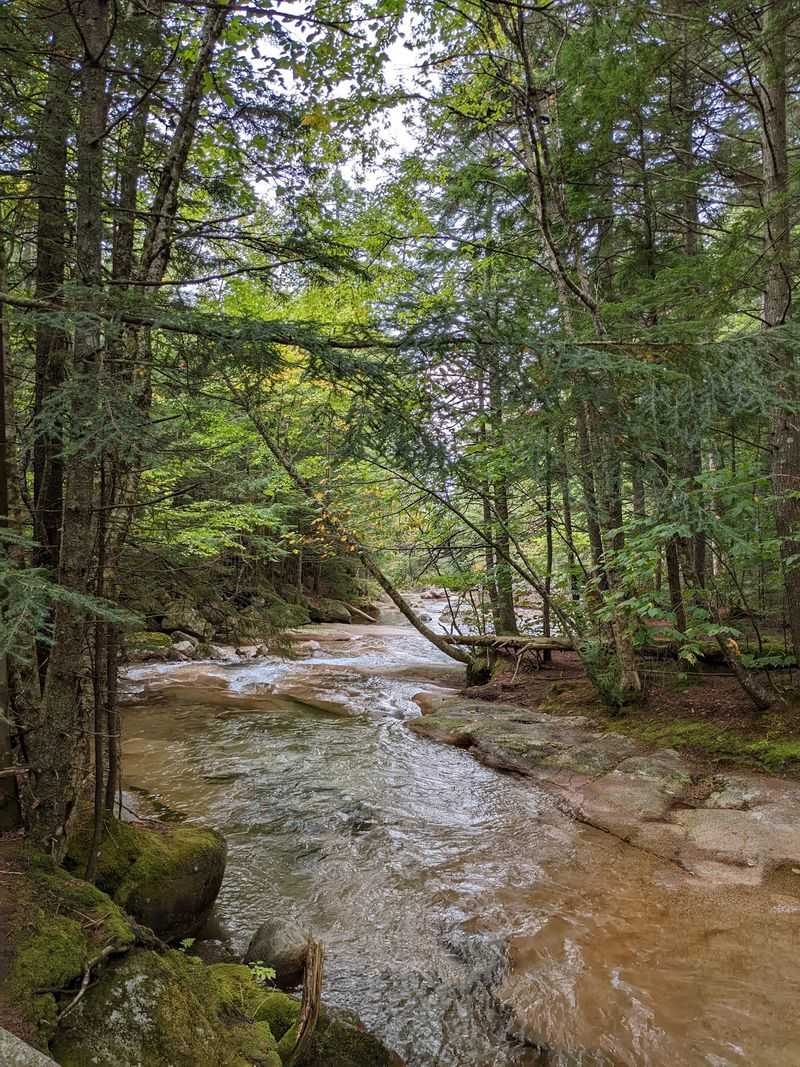
Mixed woods, glassy lakes, and small towns where the general store still functions as the town bulletin board. Traveling through the middle of the state always feels comfortable to me, like the landscape is exhaling.
Bears do well here, and the population across the state has been steady and increasingly widespread.
Forest types shift constantly in this part of New Hampshire, blending wetlands, hardwood stands, and developed pockets into fragmented but functional habitat. Bears travel natural corridors like ridgelines and river valleys, which give them cover plus easy access to food.
Summer is berry season, so regenerating forests and timber harvest areas turn into buffets. Those spots pull bears in reliably.
I find it fascinating to think about animals moving quietly through country where families are grilling dinner a mile away.
For a closer look without the guesswork, the Squam Lakes Natural Science Center in the Lakes Region gives visitors a chance to observe black bears safely and learn how they actually live.
9. North Region, Where the Forest Swallows the Road
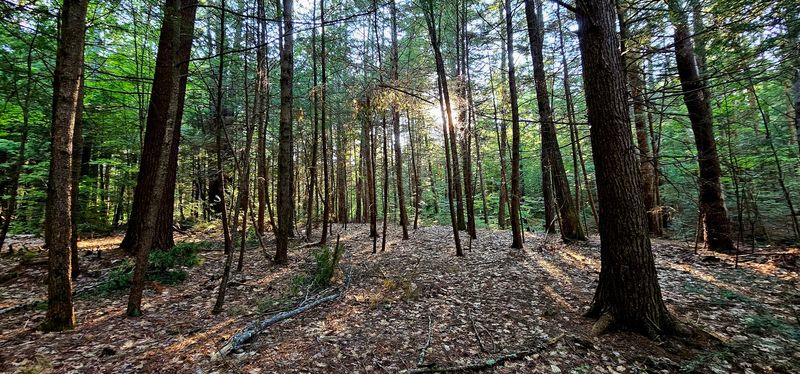
Cell signal fades, the pavement narrows, and the forest presses in from both sides. Heading north in New Hampshire always feels like crossing a threshold into something genuinely wild.
Black bear populations are most concentrated up here, which makes perfect sense given how much undisturbed habitat remains.
Vast foraging grounds stretch for miles, and bears follow seasonal food cycles closely, leaning hard on summer berries when they ripen. Blueberry and raspberry patches along old cuts become busy places.
Your odds of seeing a bear in truly natural surroundings feel higher in this region than anywhere else in the state.
Remote logging roads and quiet forest trails carry a hush that I find hard to describe, broken only by wind through the canopy or a distant stream.
Drive slowly, especially at dawn and dusk, and keep camp food locked away. Traveling through this country left me humbled, grateful that corners this untouched still exist so close to home.
