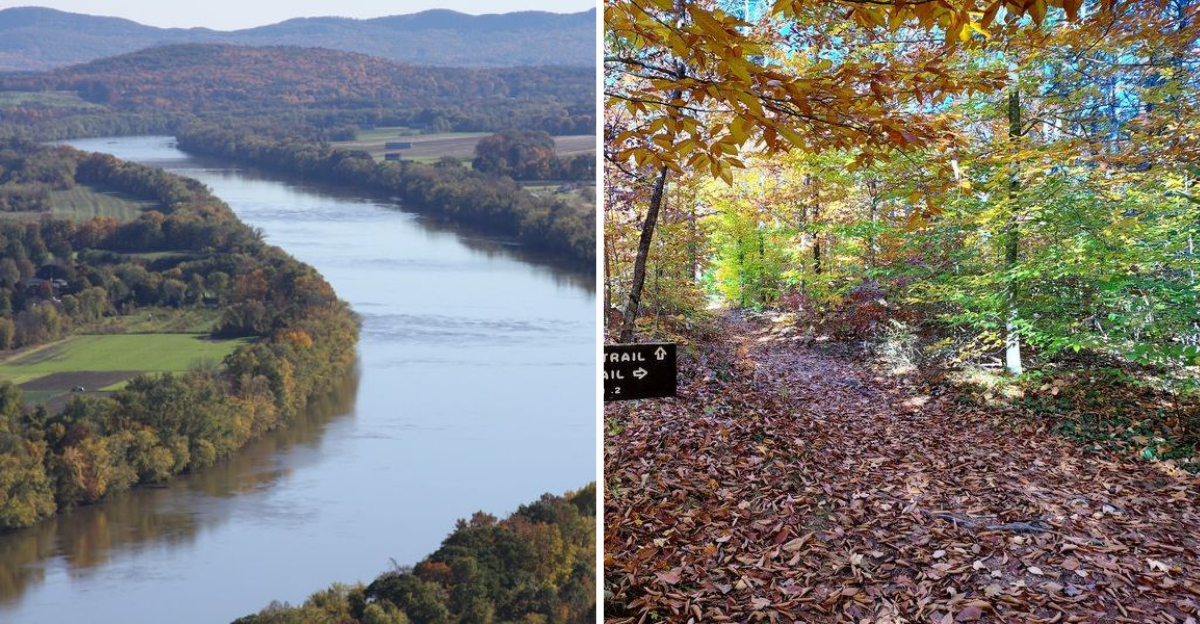
That warm morning when the air smells like pine sap and salt water at the same time, that is how summer hits me in New Hampshire every year. I love how quickly the scenery shifts here, from wide sandy shoreline to granite ridges to quiet river valleys that feel a hundred miles from anywhere.
What I have learned after years of wandering these places is that the same lush conditions I chase are also the ones ticks love most. Knowing which corners of the state report the busiest activity has honestly made me a better traveler, not a more nervous one.
This route takes you through nine areas where reports run highest, from the coast to the western river towns and up into the mountains. Think of it less as a warning list and more as a smarter way to fall in love with the Granite State outdoors.
I have hiked these trails, sat in these fields, and walked these riverbanks, and I still cannot get enough of them.
1. Hampton Beach State Park
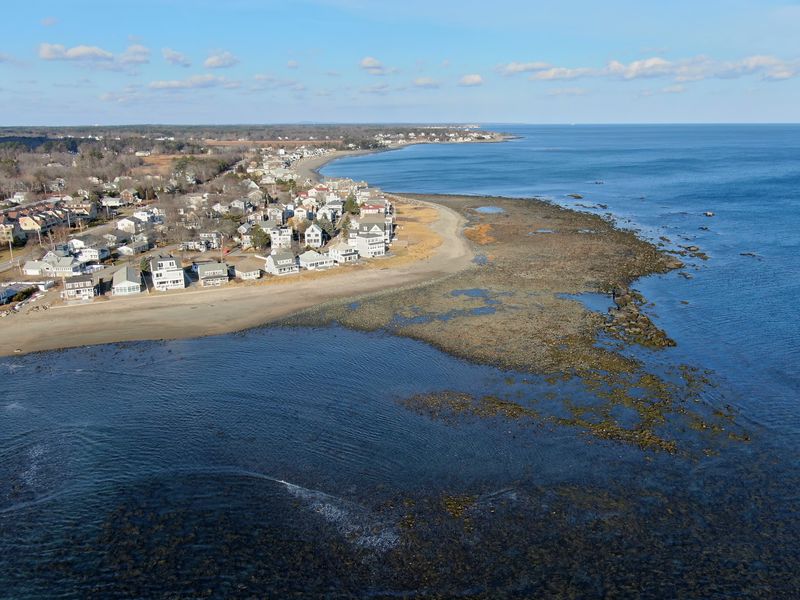
Salt spray on my sunglasses within about ten seconds of arriving, that is my clearest memory of this stretch of coast. The Atlantic here rolls in with a steady, hypnotic rhythm, and the sand feels warm enough underfoot to make you slow way down.
What surprised me was learning that even a breezy shoreline like this shows up in tick conversations. The culprit is not the open sand at all.
It is the tall coastal grass and the shady, damp edges where paths cut between the dunes.
Blacklegged ticks are commonly found within roughly 35 miles of the shoreline, and this area sits squarely in Rockingham County, which reports the state’s highest number of Lyme disease cases.
My habit now is simple. I stay on the sand and boardwalk, and if I wander toward the brushy back edges, I check my ankles afterward.
There is something wonderfully old-fashioned about a day here, kites overhead, kids racing the waves, gulls plotting against your snacks. Sunset over the marshes behind the beach is the part most visitors skip, and it might be the prettiest half hour of the whole trip.
Address: 8 State Park Road, Hampton, NH
2. White Mountain National Forest
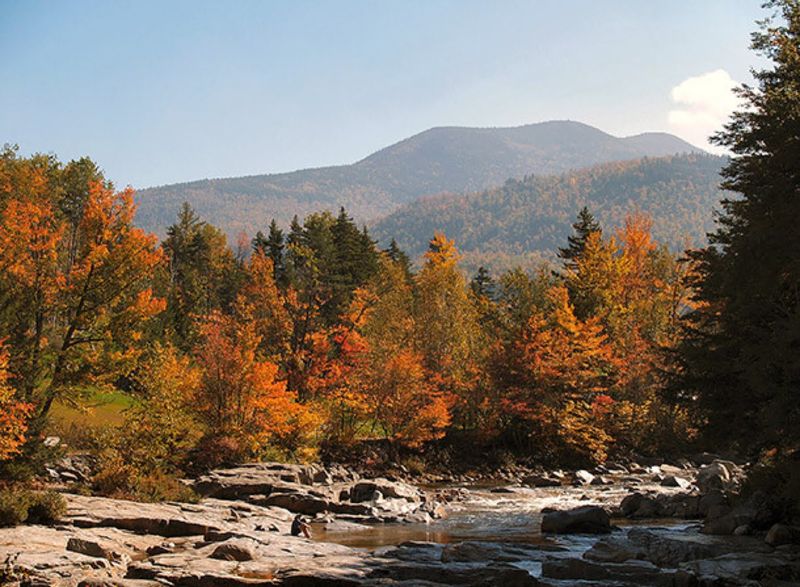
My boots have never come back clean from these mountains, and I mean that as a compliment. Mist hangs in the notches early in the morning, and the trails smell like wet moss and warm balsam.
Higher up, above roughly 2,500 feet, ticks thin out noticeably. The busier zones are the foothills and the trailheads, exactly where most of us start the day fiddling with laces and packs.
Deer and small rodents have grown more plentiful after a string of mild winters, and that means more hosts for blacklegged ticks in the leafy lower woods.
Peak activity runs from May through July, so early summer hikers should treat a tick check like part of the gear routine.
I tuck my pants into my socks at the parking lot, which looks ridiculous and works beautifully. Long sleeves in the shade of the hardwoods never bother me anyway.
Beyond that small precaution, the forest is pure reward. Waterfalls run loud in June, the alpine light late in the day turns the granite gold, and the silence above treeline is the kind you remember for years afterward.
3. Hillsborough County
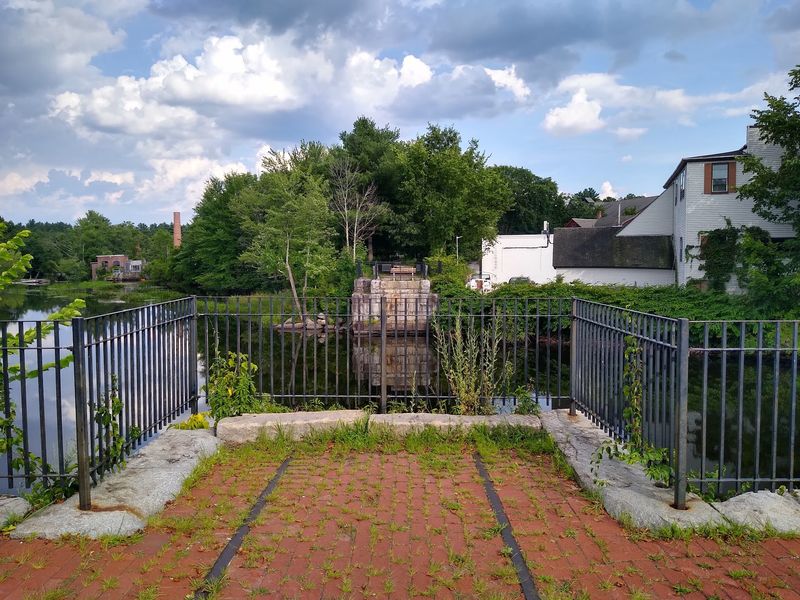
Neighborhoods that end in stone walls and then simply become forest, that is the look I associate with this part of the state. Old mill towns, farm stands, shaded back roads that curve for no clear reason.
Here is the sobering part. This county leads New Hampshire in recorded cases of Lyme disease, Anaplasmosis, Babesiosis, and Ehrlichia chaffeensis Ehrlichiosis.
The reason is geography as much as anything. Moist, well-drained soil along shaded forest edges sits right up against heavy residential development, so people and ticks cross paths constantly.
In one study, more than half of the adult blacklegged ticks collected here carried the pathogen behind Lyme disease. A rare case of Powassan encephalitis was also reported back in 2013.
None of that keeps me away. I just treat those lawn-to-woods transition strips as the real hotspots rather than the deep forest.
The upside is easy access to green space almost everywhere you turn, plus rail trails, ponds, and town forests that feel unhurried on a weekday morning. Bring a light-colored pair of pants and you will spot hitchhikers before they get comfortable.
4. The Connecticut River
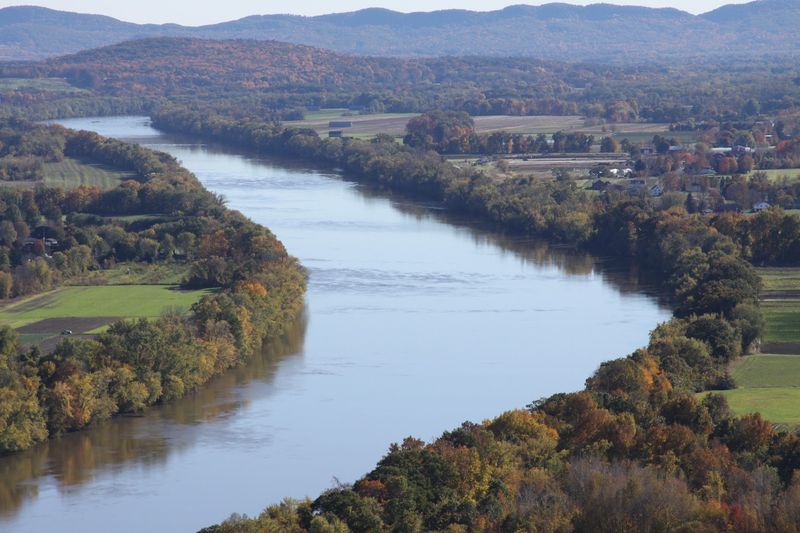
Fog sitting on the water at seven in the morning, cows somewhere out of sight, a heron doing its slow-motion stalk along the shallows. The western edge of New Hampshire has a softer rhythm than the mountains.
Research from this side of the state found blacklegged tick numbers noticeably higher near the river than farther inland. Moderate temperatures and steady humidity in the valley explain a lot of it.
Rich, moist bank soil and dense riverine forest support deer and small mammals in abundance, which keeps tick populations well fed and busy from late spring onward.
Paddling is the safest way to enjoy it, honestly. Once I step off into the shaded floodplain woods, I keep to wider paths and do a careful check before getting back in the car.
Farm stands along the valley roads are a quiet highlight, corn and berries and the occasional handwritten sign.
Evening light on the water is unreasonably good, all soft gold and long reflections, and the bridges linking New Hampshire to Vermont make for the kind of unplanned stops that end up being your favorite part.
5. Bear Brook State Park
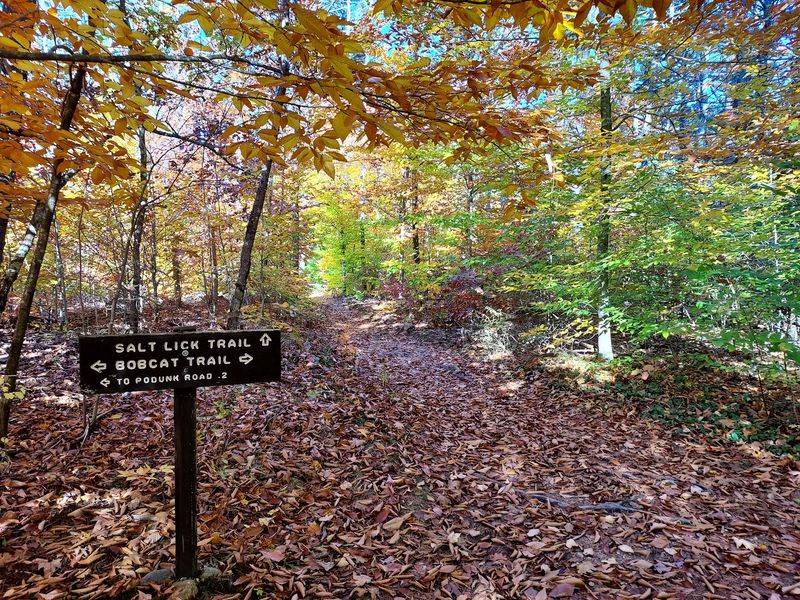
More than 10,000 acres of hardwood forest, wetland, and singletrack, and somehow it never feels crowded. I came for the mountain biking and stayed for the ponds.
Damp shaded forest floors and thick low brush pressing right up to the trail create close to ideal tick conditions. Brushing vegetation is basically unavoidable on the narrower routes.
The park sits largely within Merrimack County, which reports the state’s third-highest rates of Lyme disease, Anaplasmosis, and Babesiosis.
My routine here is a mid-ride check plus a proper one at the car, and it takes about two minutes total. Small price for trails this fun.
Beyond biking, there is fishing, swimming, and archery, plus quiet corners where the loudest thing is a woodpecker working a dead pine.
What I like most is the variety of skill levels on the trail network, so a group of mixed abilities can all leave happy. Late afternoon, when the light slants through the hardwoods and the pond goes glassy, is the moment I always end up staying for.
Address: 157 Podunk Road, Allenstown, NH
6. Rockingham County

Seacoast energy meets farmland calm in this corner of the state, and you can drive between the two moods in twenty minutes. Salt marsh one minute, rolling hayfields the next.
Reports consistently place this county first in New Hampshire for Lyme disease cases and second for the incidence of Anaplasmosis.
Dense vegetation, high humidity, and plentiful deer and rodents around places like the Great Bay National Wildlife Refuge keep tick numbers steady through the season.
Woodchuck ticks, which can carry Powassan encephalitis, are found predominantly in this county as well, and blacklegged ticks are especially common across this southeastern region.
Where lawns meet woods, or coastal grass meets shoreline, is where I pay attention. Everywhere else I relax and enjoy the walk.
Tidal creeks, working harbors, and long stretches of quiet marsh boardwalk make this an easy place to lose an afternoon. Birdlife is excellent in July, and the breeze off the water keeps things comfortable even when the interior of the state is baking.
Light clothing and a quick post-hike check cover the rest.
7. Merrimack County
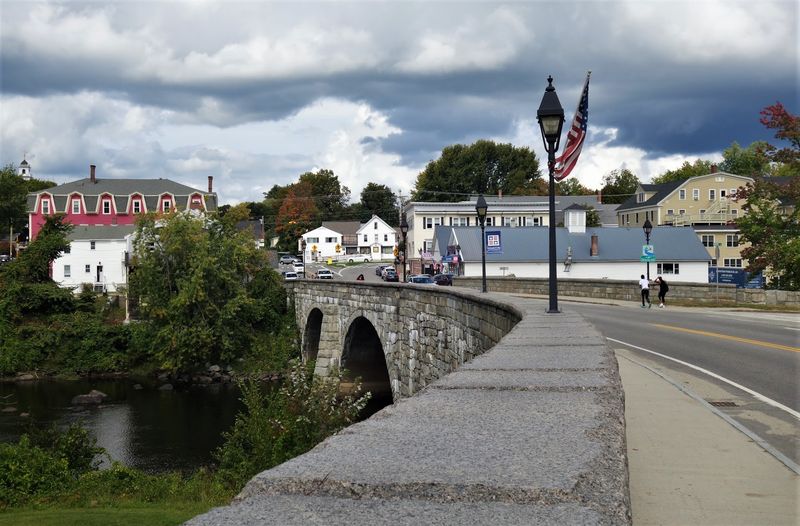
Central New Hampshire is where I go when I want scenery without the parking lot scramble. Rolling hills, working farms, rivers that wander instead of rush.
Tick numbers are no small matter here. The county ranks third statewide for Lyme disease, Anaplasmosis, and Babesiosis.
In sampling done between 2013 and 2014, more than half of adult blacklegged ticks collected in this county carried Borrelia burgdorferi, the bacterium behind Lyme disease. An earlier 2007 study also detected low to moderate levels of Babesia microti.
One genuinely interesting wrinkle is that analysis suggests American dog ticks outnumber blacklegged ticks here, which sets this county apart from the coastal areas.
Either way, it carries a high-risk designation this summer, so protective clothing and a real check afterward are worth the effort.
The reward is a slower kind of travel. Town greens with bandstands, covered bridges, forest trails that see maybe three people on a Tuesday, and long views from modest hilltops that feel earned.
I always leave with mud on my shoes and no particular hurry to be anywhere else.
8. Strafford County

Brick mill buildings, a river running through the middle of town, and then twenty minutes later nothing but trees. That contrast is what keeps pulling me back to this county.
It ranks among the highest in the state for reported Lyme disease cases, and the reasons are all around you once you look.
Deer ticks thrive in the plentiful wooded areas, deep leaf litter, and shaded lawns that define much of the landscape here, especially where forest meets open ground.
Testing showed more than 50 percent of adult blacklegged ticks from this county carried the Lyme disease pathogen. Low to moderate levels of Babesia microti have turned up too, along with the potential for anaplasmosis and Powassan virus.
Records also note that Ixodes muris, another tick species, occurs predominantly in this county.
High-risk designation aside, the walking here is lovely and shaded, which matters in August. I stick to wider paths, wear light colors, and check thoroughly at the trailhead.
Riverside downtowns, quiet farm roads, and woods that smell like damp oak leaves make this a genuinely underrated stop.
9. Cheshire County
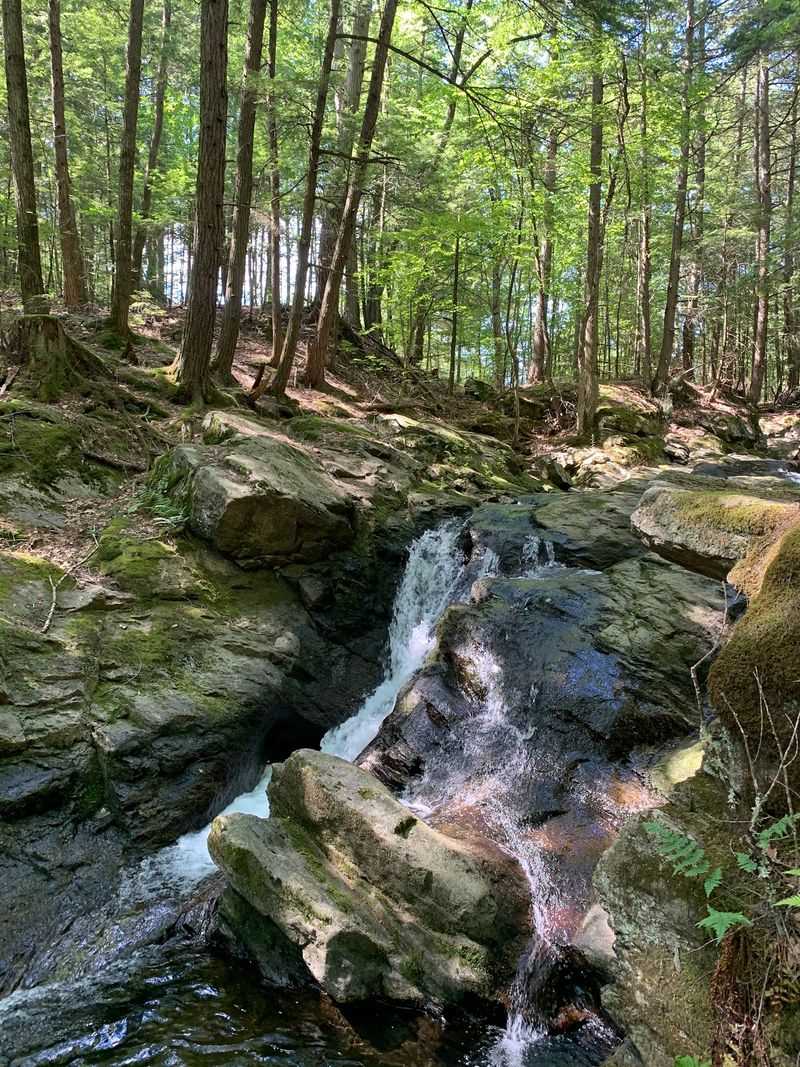
Mount Monadnock has a way of appearing over a hayfield right when you stop expecting it, and southwestern New Hampshire is full of that kind of quiet drama. Rolling farmland, thick forest, hill towns with white steeples.
Tick numbers here deserve a mention. An estimated 6,020 true Lyme disease cases were recorded in this county between 2000 and 2020.
Older data from 2007 to 2010 found more than 50 percent of tested adult blacklegged ticks infected with the Lyme pathogen, while a 2019 analysis put that figure closer to 35 percent.
Those swings are a good reminder that tick populations shift year to year, so awareness beats assumptions.
American dog ticks may be less common in parts of this county, but the blacklegged tick is definitely present in the forested terrain.
I still consider this one of the most peaceful regions in the state. Trails wind through mossy hardwoods, summit views stretch into three states on clear days, and the pace of the villages is delightfully unhurried.
A careful check at the end of the day is all it costs.
