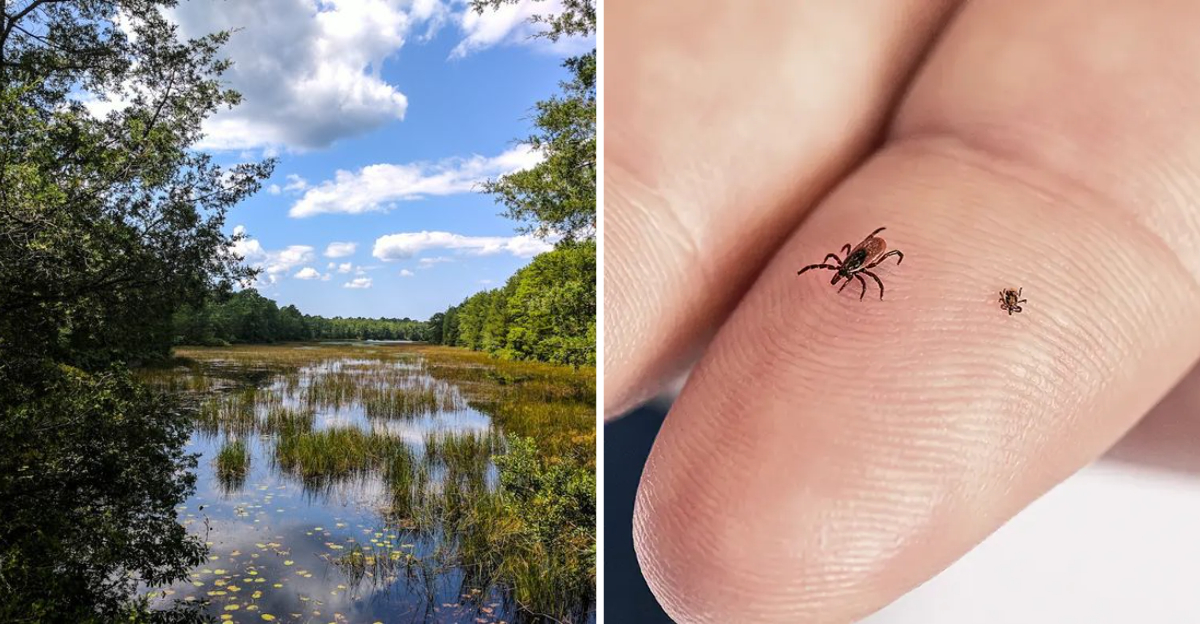
Tick season is ramping up faster than usual this year, and New Jersey is seeing the effects.
Several counties are reporting higher than average tick activity, with some areas emerging as the primary hotspots.
The risk is especially elevated in wooded and grassy regions where these tiny arachnids thrive.
These creatures are not just a nuisance, they carry diseases that can have lasting effects if not caught early.
The higher numbers are concentrated in specific counties that offer the perfect combination of climate and habitat.
Staying informed about which zones carry the highest threat is crucial for anyone planning to spend time outdoors.
This is where awareness becomes your best protection, and knowing the danger zones is your first line of defense.
1. High Point–Stokes Forest Area
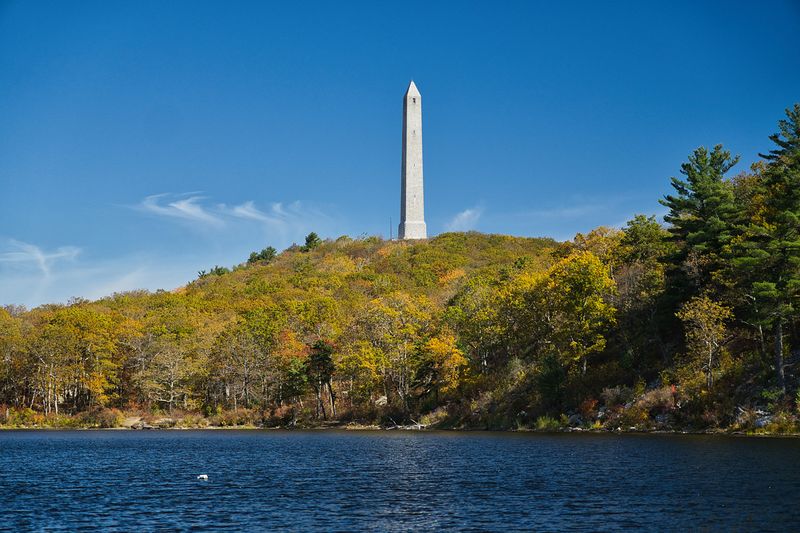
There is something humbling about standing on New Jersey’s highest point, surrounded by ancient oaks and a forest floor thick with leaf litter.
But that same lush environment is exactly what makes the High Point–Stokes Forest Area one of the most significant tick hotspots in the entire state.
Sussex County has historically recorded some of the highest Lyme disease case rates in New Jersey, and the connection to this forested region is hard to ignore.
Blacklegged ticks, commonly called deer ticks, thrive in the cool, moist conditions found beneath the dense tree canopy here. They nestle into leaf piles, low shrubs, and tall grasses along trail edges, waiting to latch onto any passing host.
Beyond Lyme disease, these ticks can also transmit anaplasmosis and babesiosis, both serious illnesses that are increasingly reported in this county.
Hiking here in summer means nymphal ticks are at peak activity, and their tiny size makes them incredibly easy to miss. Wearing light-colored clothing, tucking pants into socks, and applying EPA-approved repellent are practical steps every visitor should take.
Doing a thorough tick check immediately after any trail time is non-negotiable in this area. The forest is genuinely beautiful, but preparation makes all the difference.
Address: High Point State Park, 1480 NJ-23, Sussex, NJ 07461
2. Hackettstown–Long Valley Area
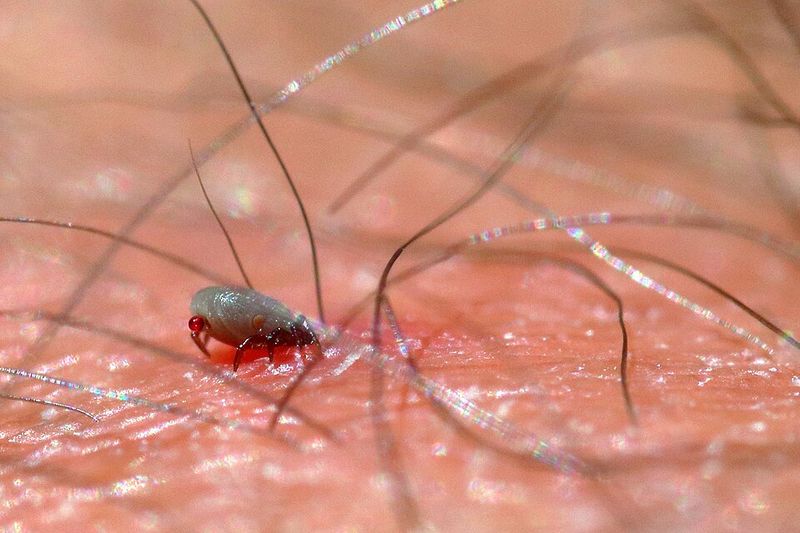
Most people assume ticks are only a problem deep in the wilderness, but the Hackettstown–Long Valley Area flips that idea completely on its head.
Morris County is one of New Jersey’s most consistently flagged high-risk zones for tick-borne illness, and a big reason is the patchwork of suburban neighborhoods butting right up against fragmented hardwood forests.
That edge habitat is prime real estate for blacklegged ticks.
White-tailed deer move freely between wooded patches and residential yards, carrying adult ticks with them and effectively depositing them in places people least expect.
Backyard gardens, neighborhood parks, and maintained trails all become potential exposure zones during the warm months.
Lyme disease is the primary concern, but anaplasmosis cases are also regularly reported in this region.
Humidity plays a significant role here too. Even during drier stretches of summer, New Jersey’s naturally humid climate keeps tick populations active and searching for hosts along trail edges and in tall grass.
Nymphal ticks are most active from late May through July, overlapping directly with the busiest outdoor season.
Performing daily tick checks after time outdoors, showering promptly, and treating outdoor clothing with permethrin are highly effective habits for anyone spending time in this area. Staying on the center of paved or well-cleared trails also reduces contact significantly.
Address: Hackettstown, NJ 07840
3. Watchung Reservation Area
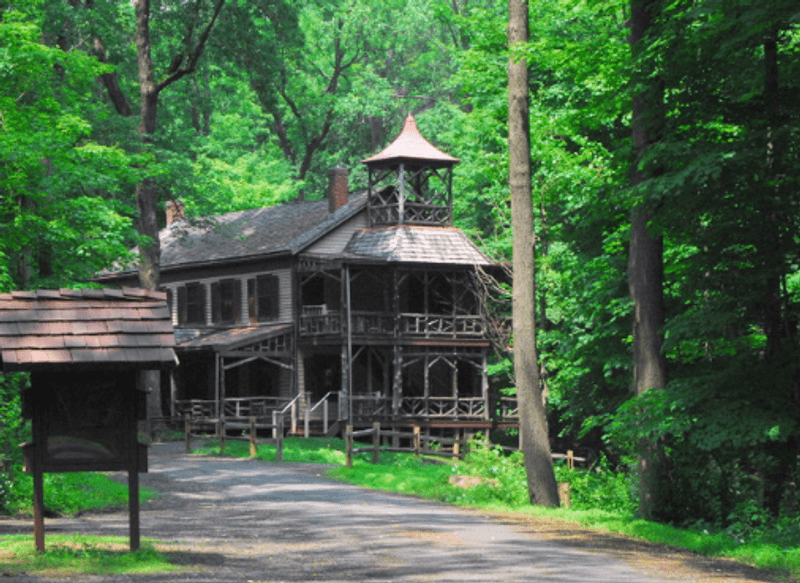
Walking into the Watchung Reservation on a warm July morning, the cool shade and birdsong make it easy to forget you are just miles from one of the most densely populated regions in the country.
Union County sits squarely in east-central New Jersey, a zone recognized for persistently high tick activity throughout spring and summer.
The reservation’s mix of hardwood forest, wetlands, and suburban borders creates layered habitat that supports multiple tick species simultaneously.
Blacklegged ticks dominate the shaded, humid interior sections, thriving in leaf litter and low vegetation near freshwater wetland edges. These are the ticks most associated with Lyme disease, babesiosis, and anaplasmosis.
American dog ticks are also common, particularly in the open grassy areas and meadow edges within the reservation, and they can transmit Rocky Mountain spotted fever.
Lone Star ticks have been expanding their range northward in recent years, and the Watchung area has seen an uptick in their presence. They are notably aggressive in their host-seeking behavior, which increases the likelihood of contact during a casual walk.
Repellents containing DEET or picaridin applied to exposed skin provide solid protection, and permethrin-treated clothing adds another layer of defense.
Checking carefully around the hairline, behind the knees, and under arms after every outing is essential. The reservation is a wonderful green space, and smart preparation keeps every visit enjoyable.
Address: Watchung Reservation, 452 New Providence Rd, Mountainside, NJ 07092
4. Stockton–Frenchtown Area
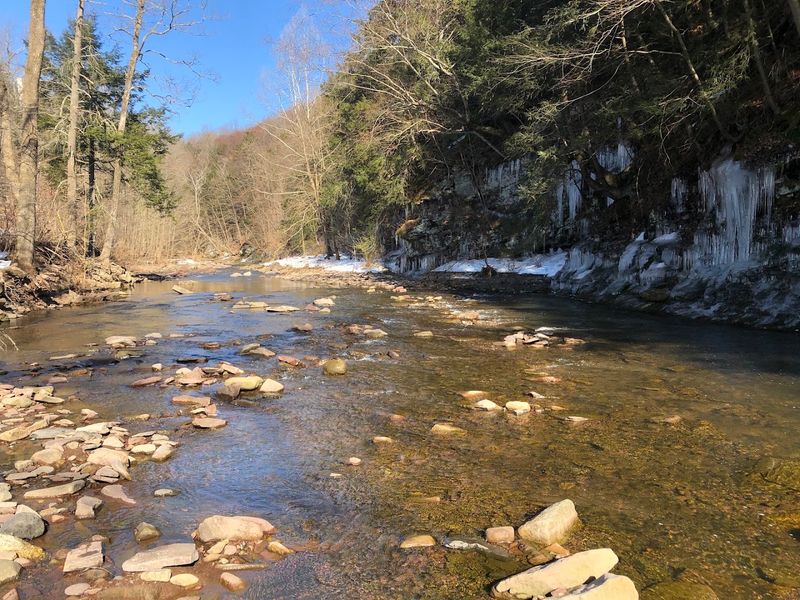
Hunterdon County holds a striking distinction in New Jersey: it consistently ranks among the highest in the state for Lyme disease incidence, with several of its towns appearing at the very top of reported risk scores year after year.
The Stockton–Frenchtown corridor along the Delaware River is especially notable, where scenic beauty and outdoor recreation collide with genuinely elevated tick exposure.
The landscape of forested ridges, riparian corridors, and rural residential edges creates exactly the kind of habitat blacklegged ticks love most.
Nymphal deer ticks hit peak activity from May through July, which lines up perfectly with summer hikes along the towpath and riverside trails. These nymphs are roughly the size of a poppy seed, making them extraordinarily difficult to spot before they have already begun feeding.
Lyme disease, anaplasmosis, and babesiosis are all active concerns in this county.
Lone Star ticks have also been expanding into northern Hunterdon County in recent seasons, bringing with them the risk of ehrlichiosis and alpha-gal syndrome.
Alpha-gal syndrome is a red meat allergy triggered by a tick bite, and it is becoming more widely recognized across New Jersey’s northern counties.
Wearing long pants, using insect repellent, and doing a full-body tick check after every outdoor excursion are the most effective protective steps available.
Address: Stockton, NJ 08559
5. Manasquan Reservoir–Howell Area
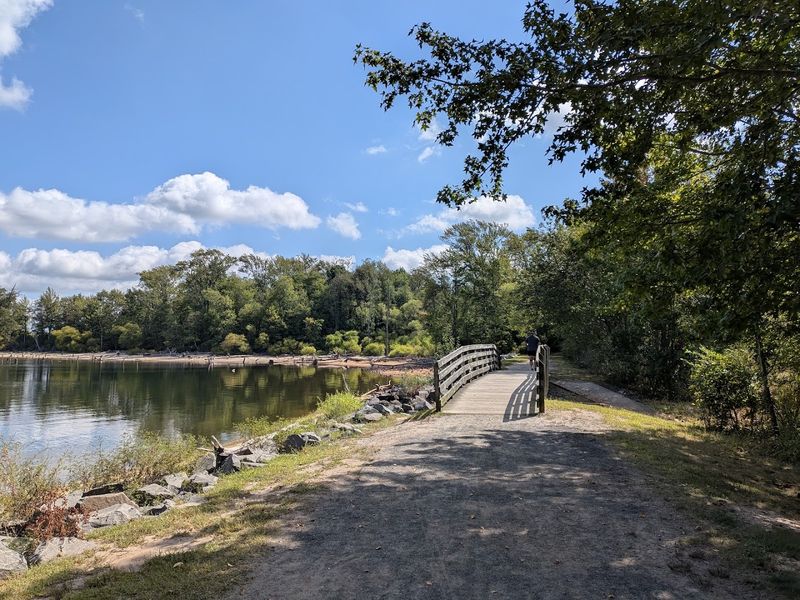
The Manasquan Reservoir trail is genuinely one of New Jersey’s most popular outdoor destinations, and on a clear summer morning, it is easy to see why so many people flock here.
The five-mile perimeter loop winds through a mix of open grassland, wooded sections, and brushy edges, which also happens to describe ideal tick territory almost perfectly.
Monmouth County is consistently listed among New Jersey’s primary tick transmission zones.
Blacklegged ticks are active in the wooded and shrubby sections of the trail, with nymphs peaking in activity during late spring and early summer. Lone Star ticks are increasingly present in Monmouth County and have been documented moving northward with each passing year.
Their aggressive host-seeking behavior, where they actively pursue a host rather than simply waiting on vegetation, makes them harder to avoid than other species.
American dog ticks are also frequently found in the open grassy sections near the reservoir’s parking areas and picnic spots. The coastal proximity of this region contributes to sustained humidity throughout the summer, keeping tick populations robust even during drier weeks.
Applying repellent before stepping onto any trail here is a smart habit.
Carrying a tick removal tool and knowing how to use it properly can make a real difference if a tick is found attached. Prompt removal within 24 to 36 hours significantly reduces the risk of disease transmission.
Address: Manasquan Reservoir, 311 Georgia Rd, Howell, NJ 07731
6. Cheesequake–Old Bridge Area
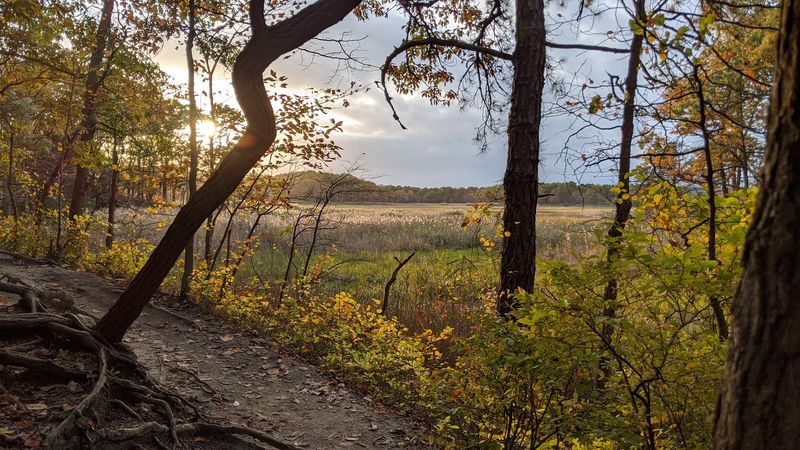
Cheesequake State Park is one of those places that surprises you with just how much ecological variety is packed into a relatively compact area.
The park straddles the line between the coastal lowlands of southern New Jersey and the higher elevation hardwood forests of the north, creating a genuinely unusual mosaic of habitats.
That diversity is great for nature lovers, and it is equally great for ticks looking for varied terrain to establish themselves.
Blacklegged ticks are active along wooded ravines and near the freshwater wetlands threading through the park’s interior trails. The dense leaf litter in these sheltered spots stays moist well into summer, which is ideal for tick survival.
Deer populations in and around Old Bridge have grown steadily, contributing to tick dispersal into suburban neighborhoods immediately adjacent to the park.
Lone Star ticks have also been expanding rapidly through Middlesex County, aided by milder winters and an abundant supply of hosts. Their presence adds a layer of risk beyond the familiar Lyme disease concern, as they are associated with ehrlichiosis and the unusual alpha-gal red meat allergy.
Narrow overgrown sections of trail, where vegetation brushes both sides of the path, present the highest risk of tick contact.
Staying on the center of maintained trails and avoiding sitting directly on the ground or on logs are practical habits that reduce exposure meaningfully in this area.
Address: Cheesequake State Park, 300 Gordon Rd, Matawan, NJ 07747
7. Princeton–Hopewell Area
Princeton may be best known for its university and historic character, but the surrounding green spaces and preserved open lands tell a different story when it comes to tick risk.
Mercer County experiences steady tick activity throughout the warm months, shaped by a landscape where well-maintained suburban neighborhoods sit right alongside preserved forest corridors and community parks.
That combination is particularly favorable for blacklegged tick populations.
Shaded, humid sections of trail through places like Mercer Meadows and the Hopewell Valley greenways are prime blacklegged tick habitat. Nymphs are most active from May through July, and their near-invisible size means many bites go unnoticed until symptoms appear.
Lyme disease is the primary concern, but American dog ticks are also common in the open grassy fields and meadow edges of this area, active during late spring and summer.
The consistent humidity of central New Jersey summers keeps tick populations thriving even when rainfall is below average. Suburban development intersecting with preserved open space creates the edge habitat that amplifies tick density and human exposure simultaneously.
Treating clothing with permethrin before outdoor activities provides protection that lasts through multiple washes.
Checking for ticks after every outing, including in unexpected spots like the scalp, behind ears, and around the waistband, is a habit that can genuinely prevent illness. A little vigilance goes a long way in this historically active region.
Address: Princeton, NJ 08540
8. Wharton State Forest and the Central Pine Barrens
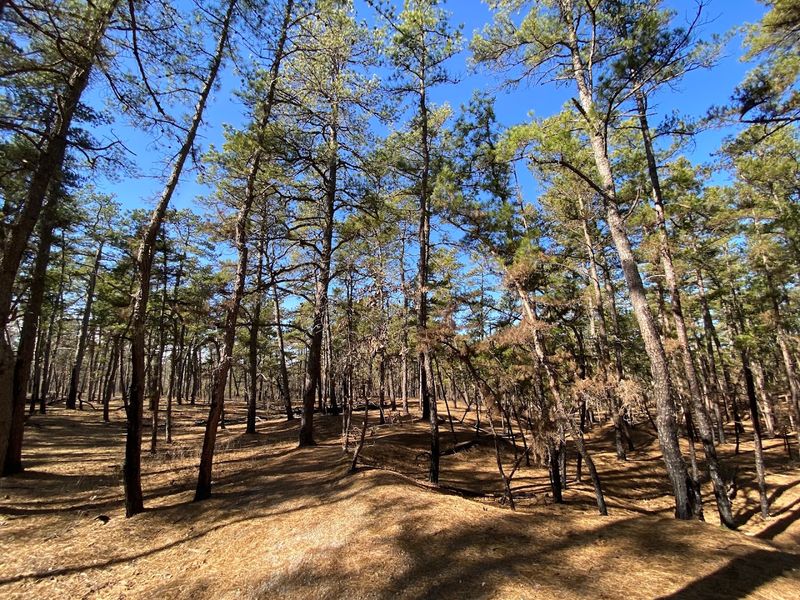
Wharton State Forest is the largest single tract of land in the New Jersey state park system, covering over 115,000 acres of the Pine Barrens. Its sandy fire roads, cedar swamps, and oak-pine woodlands create a landscape unlike anywhere else in the state.
That uniqueness extends to its tick populations, which skew heavily toward Lone Star ticks rather than the blacklegged ticks that dominate northern New Jersey.
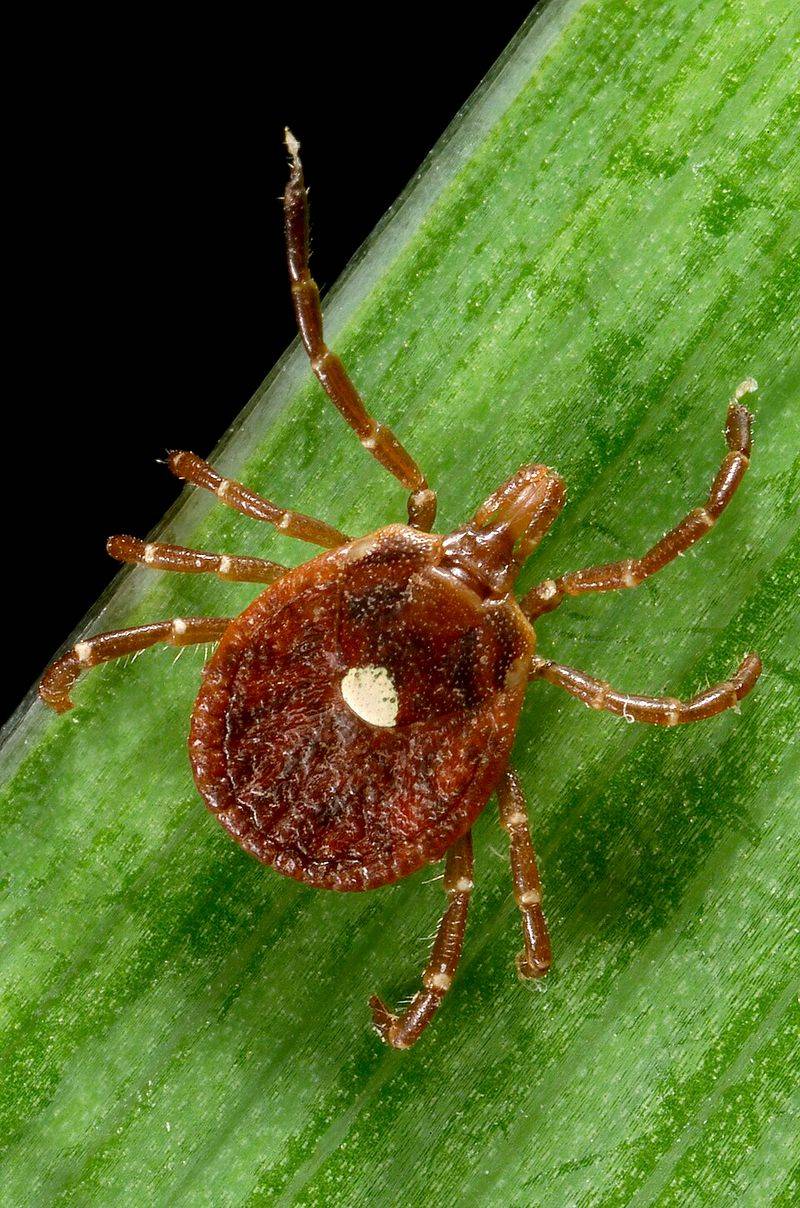
Lone Star ticks are recognizable by the single white dot on the female’s back, and they are far more aggressive than most other species. Rather than waiting passively on vegetation, they actively move toward a host, which means hikers and campers often encounter multiple ticks at once.
They are linked to ehrlichiosis and the increasingly recognized alpha-gal syndrome, a red meat allergy that can develop after a bite.
Blacklegged ticks and American dog ticks are also present throughout the forest, particularly near damp lowlands and wildlife corridors where deer and small mammals are abundant.
The Pine Barrens’ acidic, sandy soil and scrub oak canopy are particularly well-suited to Lone Star tick survival and reproduction.
Camping and extended trail use in this forest require especially thorough tick checks at the end of each day.
Wearing full-coverage clothing and applying repellent to both skin and gear before entering any section of this forest is strongly recommended for every visitor.
Address: Wharton State Forest, 31 Batsto Rd, Hammonton, NJ 08037
9. Bass River–Tuckerton Area
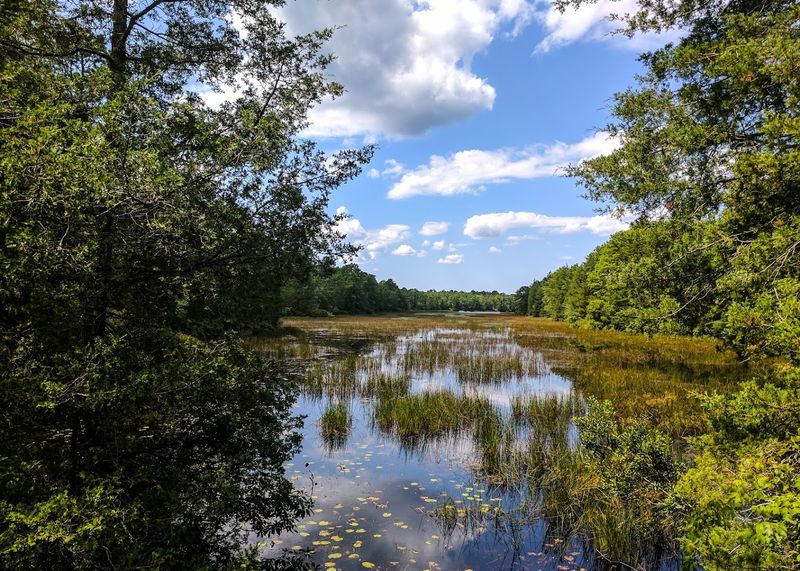
Ocean County consistently appears on New Jersey’s high-risk tick lists, and the Bass River–Tuckerton corridor captures much of why.
This area blends coastal marsh, pine forest, and suburban neighborhoods in a way that keeps multiple tick species active across different terrain types throughout the summer.
The ecological transition zone here is genuinely striking, and the tick diversity matches the habitat diversity almost exactly.
Blacklegged ticks are found in wooded sections and along forest edges, with nymphs most active during the peak of summer outdoor activity.
Lone Star ticks are increasingly common in this southern portion of the state, frequently encountered in brushy vegetation, tall grasses, and the transitional areas between pine forest and open marsh.
Their active pursuit of hosts makes casual encounters more likely than with other species.
American dog ticks round out the picture, often turning up in grassy recreational areas and along the edges of parking areas near popular trailheads.
Mild winters in this coastal region have extended the active season for all three species, meaning tick risk begins earlier in spring and lingers later into fall than in northern counties.
Consistent use of repellent and permethrin-treated clothing throughout the entire outdoor season is the most reliable protective approach here.
Checking gear, pets, and clothing before getting back into a vehicle is a simple habit that prevents ticks from hitchhiking home after a day on the trails.
Address: Bass River State Forest, 762 Stage Rd, Tuckerton, NJ 08087
10. Belleplain State Forest–Woodbine Area

Cape May County might be famous for its Victorian architecture and birdwatching, but Belleplain State Forest tells a quieter, wilder story.
Stretching across parts of Cape May and Cumberland Counties, this forest is a southern New Jersey gem with dense pine and hardwood stands, freshwater wetlands, and sandy trails that see steady recreational use throughout summer.
It is also an area where tick populations are well-established and active across multiple species.
Blacklegged ticks are present in wooded and shrubby sections throughout the forest, with nymphs most active during the late spring and early summer months. The moist, shaded interior sections near the forest’s lake and wetland areas are particularly favorable for their survival.
Lyme disease remains the primary disease concern associated with blacklegged ticks in this region.
Lone Star ticks are a significant and growing presence in southern New Jersey’s forests, and Belleplain is no exception. Their aggressive host-seeking behavior and the potential for ehrlichiosis transmission make them a genuine concern for anyone spending extended time on the trails.
American dog ticks are also active during the warmer months, particularly in open grassy sections near trailheads.
One important fact about this region: the mild coastal winters allow adult deer ticks to remain active on warm days well outside the typical summer season. Year-round vigilance is genuinely warranted for anyone visiting this beautiful forest regularly.
Address: Belleplain State Forest, 1 Henkinsifkin Rd, Woodbine, NJ 08270
