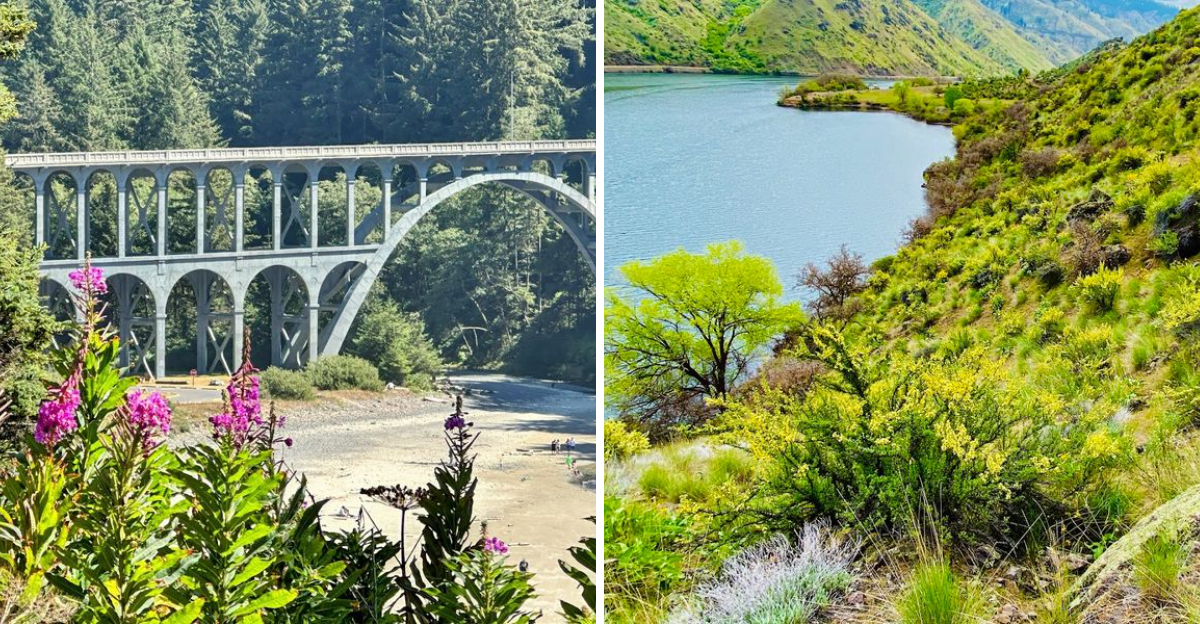
Oregon’s tick activity varies across the state this summer, with certain habitats seeing higher concentrations than others. The western part of the state, especially areas near the largest city, has reported a surge in tick activity.
Nature parks with a mix of meadow, brush, and wildlife provide the perfect environment for them to thrive.
In the eastern mountains, the concern shifts to soft ticks that live in rustic cabins and rodent-inhabited structures at higher elevations. These ticks pose a different risk than the ones found in grassy trails and wooded areas.
Oregon’s landscape is beautiful and diverse, but it also supports tick populations. Staying on clear trails, using repellent, and checking for ticks afterward are your best defenses wherever you explore this summer.
1. Cascade Foothills Near Mount Hood
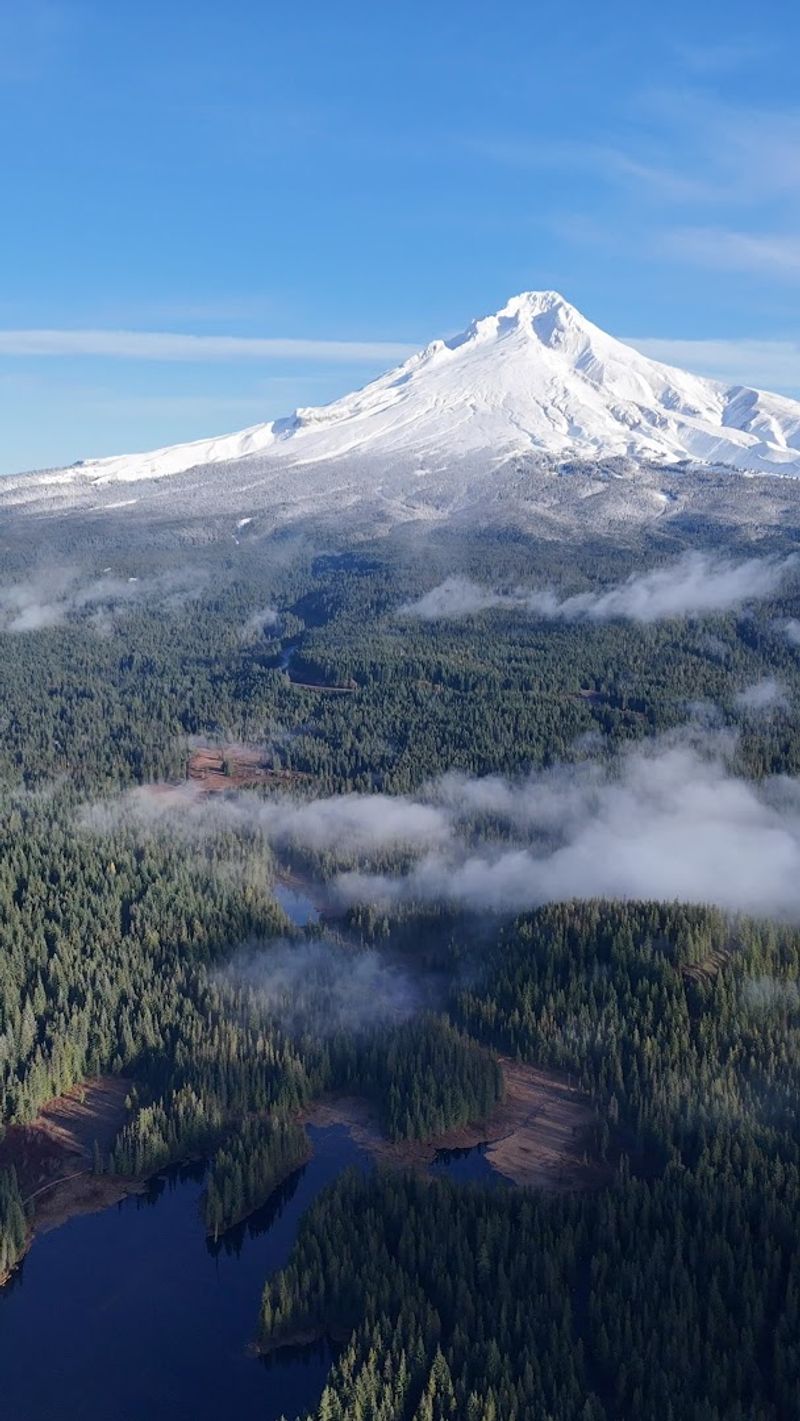
There is something almost magnetic about the trails winding through the Cascade foothills near Mount Hood. The greenery is thick, the air smells like pine and earth, and the whole place feels alive in a way that is hard to describe until you have been there yourself.
That lushness, unfortunately, is exactly what ticks love. This area has consistently ranked among the highest for tick reports in Oregon this summer, largely due to its dense undergrowth, abundant wildlife, and the warm, humid pockets tucked between tree lines.
Western black-legged ticks are the primary concern here. They tend to cling to tall grasses and low shrubs, waiting for a warm-blooded host to brush past. Hikers heading out on popular trails like Mirror Lake or Ramona Falls should stick to the center of paths whenever possible.
Long sleeves and pants tucked into socks might not be the most fashionable hiking look, but they genuinely help. Applying an EPA-registered insect repellent before heading out adds another solid layer of protection.
After any outdoor time, a full body check is non-negotiable. Ticks often hide in areas like behind the knees, along the hairline, and under the arms. Catching one early dramatically reduces the risk of tick-borne illness. The beauty here is absolutely worth the extra precaution.
2. Rogue River-Siskiyou National Forest
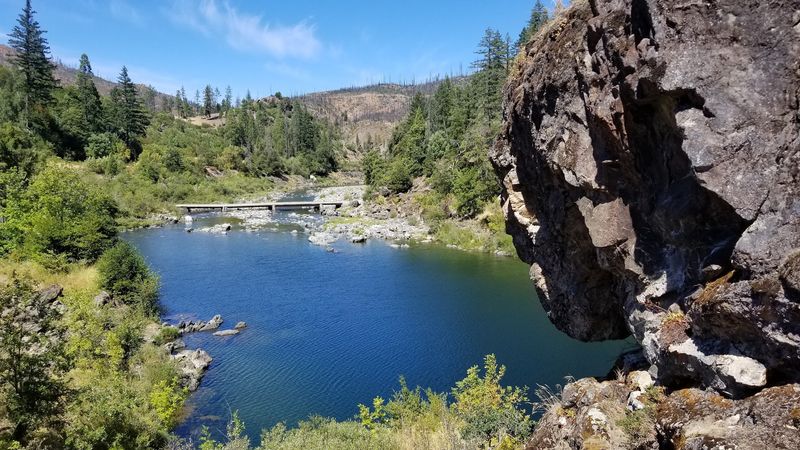
Southern Oregon has a character all its own, and the Rogue River-Siskiyou National Forest captures that perfectly. The landscape shifts from pine-covered ridges to open oak woodlands, and the mix of habitats makes it one of the most ecologically diverse places in the state.
It also happens to be one of the most tick-active regions reported this summer. The combination of oak woodland and grassy clearings creates ideal conditions for Pacific Coast ticks, which are well-established throughout this forest system.
Warm, dry summers in southern Oregon tend to push ticks into shadier, more sheltered spots along creek beds and trail edges. If you are planning to fish along the Rogue River or hike into the backcountry, those shaded riparian zones deserve extra attention when doing your post-trip tick check.
One thing I always remind myself in this kind of terrain is that ticks are not just a deep-woods problem. Picnic areas, trailheads, and even roadside rest stops bordered by tall grass can harbor them just as easily.
Bringing a fine-toothed tick removal tool in your pack is a smart habit. If you do find a tick attached, removing it promptly and correctly, by pulling steadily upward without twisting, is the safest approach. The forest is stunning. Just go prepared.
3. Willamette Valley Grasslands
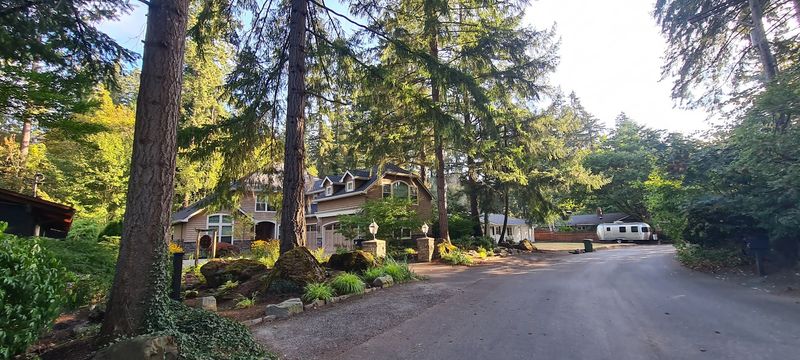
Most people picture wine country when they think of the Willamette Valley, but the native grasslands and oak savannas scattered throughout this region tell a completely different story. These open landscapes are genuinely beautiful in summer, especially when the grasses turn golden.
They are also prime tick territory. The Willamette Valley has seen a notable uptick in reported tick encounters this summer, particularly in restored prairie areas and along the edges of wildlife refuges where tall vegetation meets woodland.
The western black-legged tick thrives in exactly these kinds of transitional zones. Deer, rodents, and other wildlife that frequent these areas serve as primary hosts, keeping tick populations well-fed and active throughout the season.
If you enjoy birdwatching or nature photography in grassland habitats, it pays to wear light-colored clothing. Ticks are much easier to spot on pale fabric before they find a way to your skin. That small change can make a real difference.
Staying on mowed or maintained paths reduces contact with tall grass where ticks tend to quest, which is the term for that waiting behavior where they extend their front legs to grab onto passing hosts.
Doing a thorough check immediately after returning to your car is one of the easiest habits to build.
4. Umpqua National Forest
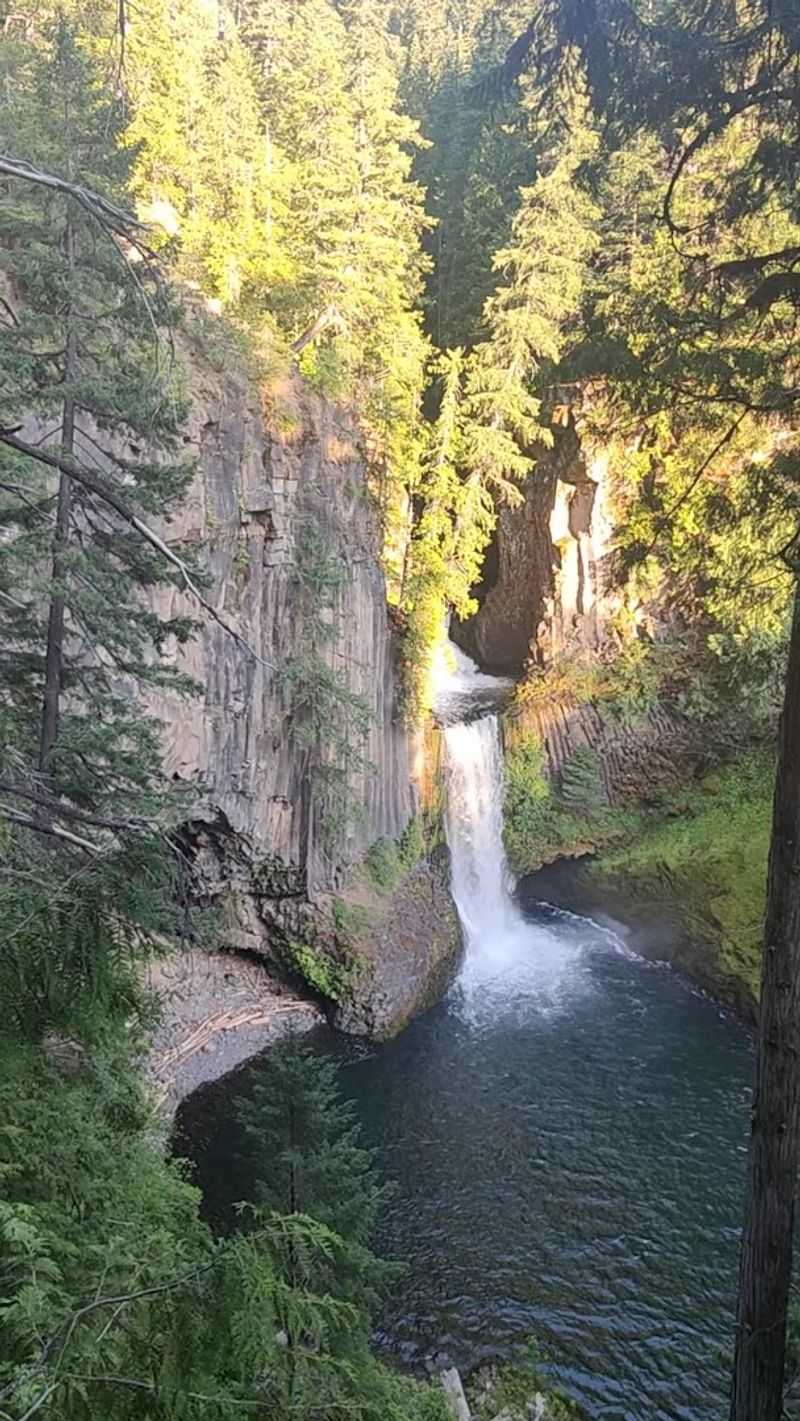
Umpqua National Forest feels like a place that time has been unusually kind to. Old-growth Douglas firs tower overhead, streams cut through mossy ravines, and the whole forest carries that deep, quiet energy that makes you slow down without even meaning to.
This summer, it is also one of the areas with the highest tick activity reported in Oregon. The forest’s dense canopy, abundant fern understory, and network of streams create a habitat that ticks find extremely hospitable, particularly in the lower elevation zones where temperatures stay warmer.
Visitors heading to popular spots like Watson Falls or the North Umpqua River Trail should be especially mindful in areas where the trail passes through fern-heavy sections or brushy creek crossings. Those are exactly the microhabitats where ticks tend to be most concentrated.
Permethrin-treated clothing is worth considering if you spend a lot of time in forested environments like this one. It bonds to fabric fibers and remains effective through multiple washes, offering a longer-term layer of protection beyond standard repellents.
Checking your gear and your dog, if you brought one, is just as important as checking yourself. Ticks can hitch a ride on backpacks, jackets, and pets and end up finding you hours later. The forest is genuinely one of Oregon’s great treasures. A little preparation keeps the experience exactly that.
5. Eastern Oregon High Desert Shrublands
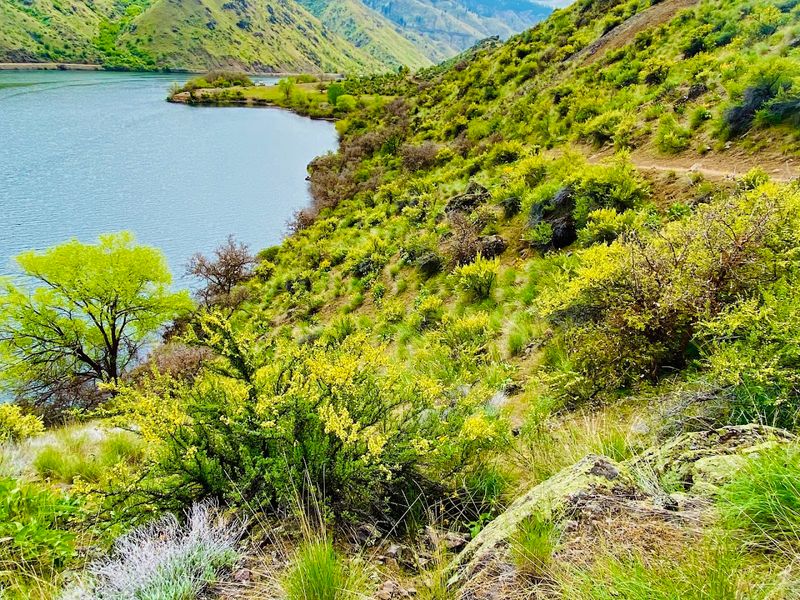
Eastern Oregon surprises a lot of first-time visitors. The landscape is stark and wide open, with sagebrush stretching to the horizon and the kind of silence that feels almost physical. It is genuinely unlike anything else in the state.
What catches people off guard is the tick presence out here. Many assume ticks are purely a wet, forested problem. But the high desert shrublands of eastern Oregon have reported significant tick activity this summer.
Particularly the Rocky Mountain wood tick, which is well-adapted to arid conditions.
These ticks are most active in spring and early summer, but reports this year suggest their season has extended further than usual. Areas around the Ochoco Mountains and the rimrock country near Prineville and Burns have seen higher activity levels.
Sagebrush and bitterbrush are the main vegetation where these ticks wait for hosts. If you are exploring off-trail or doing any wildlife watching in shrubby terrain, treating your boots and lower pants with permethrin before heading out is a genuinely useful step.
Rocky Mountain wood ticks can transmit Rocky Mountain spotted fever and tick paralysis, so prompt removal matters. Carrying a small first aid kit with a tick removal tool whenever you head into remote eastern Oregon terrain is just practical thinking.
6. Coast Range Forests Near Lincoln City
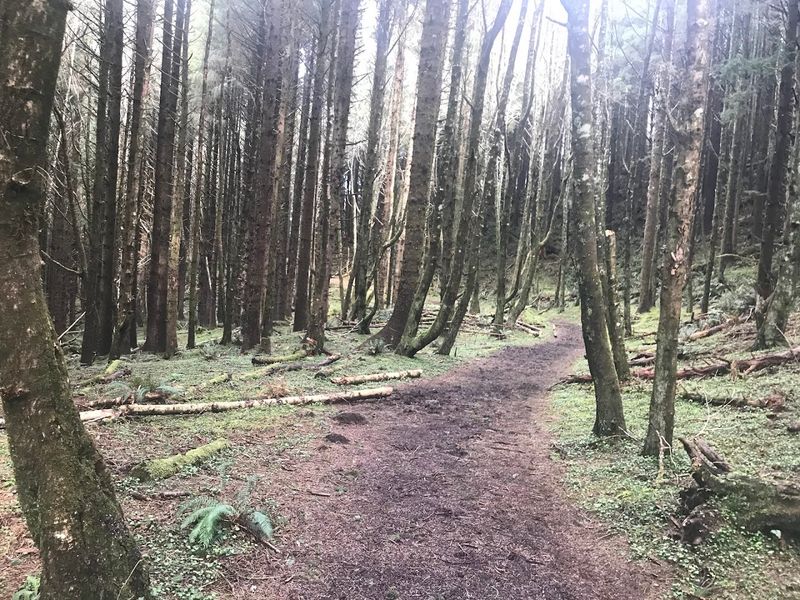
There is a particular kind of magic to the Coast Range forests near Lincoln City. The trees are draped in moss, the salal grows thick and knee-high along the trail edges, and fog tends to drift through even on summer mornings, giving everything a soft, slightly ethereal quality.
That persistent moisture is also what makes this area one of the more active tick zones on the Oregon coast this summer.
Western black-legged ticks thrive in the cool, damp conditions that the Coast Range provides year-round, and summer activity here tends to remain elevated longer than in drier inland areas.
Trails leading into the forest from coastal towns often pass through dense salal and sword fern, which are prime questing habitat. Short day hikes from Lincoln City into the forest can expose you to ticks well before you feel like you are deep in the backcountry.
One thing worth knowing is that nymph-stage ticks, which are tiny and much harder to spot than adults, are often most active in early summer. They are poppy-seed-sized and easy to miss during a casual post-hike check, so taking your time with the inspection really does matter.
Using a hand mirror or asking a travel companion to check hard-to-see spots is genuinely helpful. The coast is breathtaking, and the forests behind it are just as rewarding. Go slowly, check carefully, and enjoy every minute.
7. Klamath Basin Wildlife Refuges
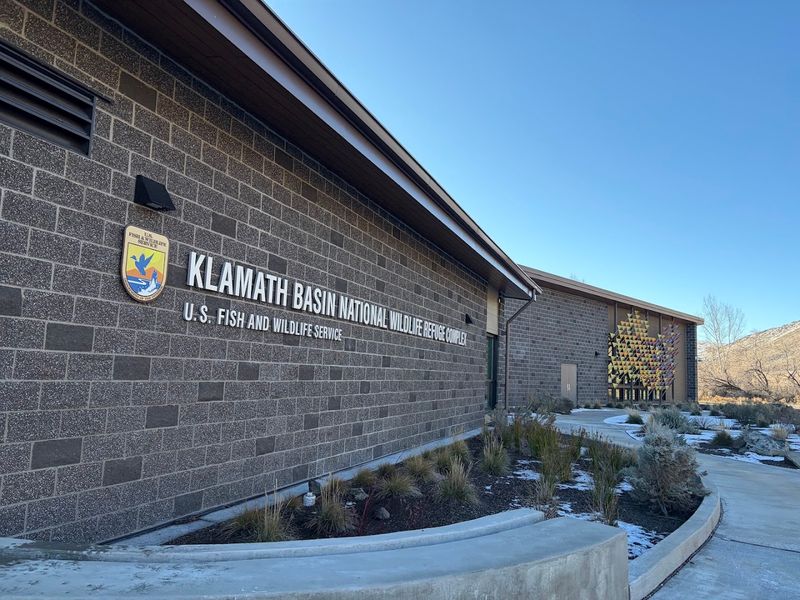
Birders and wildlife watchers know the Klamath Basin as one of the most important stopover points on the Pacific Flyway. Thousands of birds move through here, and the refuge system supports an extraordinary range of wildlife across its wetlands, uplands, and agricultural edges.
All of that wildlife also supports a robust tick population. The Klamath Basin refuges have appeared consistently in Oregon tick reports this summer, with the transitional zones between wetland and dry upland habitat being the most active areas for tick encounters.
Pacific Coast ticks and western black-legged ticks both occur here, and the refuge’s mix of habitats means you can encounter them in different conditions across a single visit. Grassy levee roads, shrubby upland areas, and woodland edges near water all warrant attention.
Wearing gaiters over your boots and lower pants when walking on grassy levees is a practical move in this kind of terrain. It creates a physical barrier that slows ticks down and makes them easier to spot before they reach your skin.
The Klamath Basin is genuinely one of those places that rewards a slow, patient visit. You might spot a bald eagle, a white pelican, or a tule elk in the same afternoon. Just budget a few extra minutes at the end of your day for a careful tick inspection.
8. Siskiyou Mountains Near Ashland

Ashland is the kind of town that draws you in with its arts scene and then keeps you around because the surrounding mountains are simply too good to leave quickly. The Siskiyous rise sharply behind the city, and the trails climbing into that terrain are genuinely spectacular.
They are also among the most tick-active areas in southern Oregon this summer. The Siskiyou Mountains sit in a unique climate zone where Mediterranean conditions meet Pacific Northwest moisture, and that blend creates excellent habitat for multiple tick species simultaneously.
The Pacific Coast tick is common at lower elevations in the chaparral and mixed woodland zones, while western black-legged ticks tend to dominate the shadier, moister north-facing slopes. Depending on which trail you take, you could encounter either or both in a single outing.
Popular routes like the Grizzly Peak Trail and the Mount Ashland area trails pass through exactly the kind of mixed habitat where tick awareness is most important. Carrying tick repellent and doing a mid-hike check if you stop for lunch in a grassy area is a smart habit to build.
I find that keeping a small lint roller in the car is surprisingly useful for a quick pass over clothing before getting back inside. It catches crawling ticks before they settle in. The Siskiyous are wild and beautiful. A little vigilance is all it takes to enjoy them fully.
9. Siuslaw National Forest
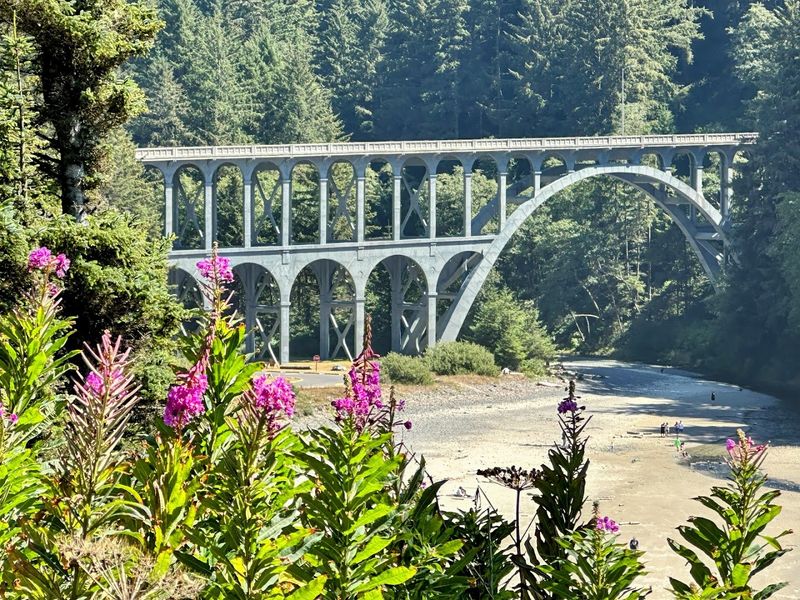
Siuslaw National Forest stretches along a generous swath of the Oregon coast, covering everything from coastal dunes to dense inland forest. It is the kind of place where you can spend a full day and feel like you have barely scratched the surface.
This summer, it is also drawing attention for its elevated tick reports, particularly in the inland forest sections away from the immediate coastline.
The red alder and bigleaf maple zones, with their dense understory of ferns and shrubs, provide ideal conditions for western black-legged ticks throughout the warmer months.
Trails near the Alsea River and along the South Fork Alsea have seen tick encounter reports climb this season. The riparian zones along these waterways are especially lush, which is great for scenery and less great for keeping ticks at bay.
One thing I appreciate about hiking in Siuslaw is how varied the terrain is. You can go from open dune landscapes to shaded forest interior within a short drive. Adjusting your tick awareness based on the habitat you are moving through makes a real difference in how well you manage the risk.
Showering within two hours of returning from a tick-prone area is actually recommended by health officials because it can wash off unattached ticks and gives you a natural opportunity to check your body. Siuslaw is well worth the effort. Prepare smartly and the experience is genuinely memorable.
10. Blue Mountains in Northeastern Oregon
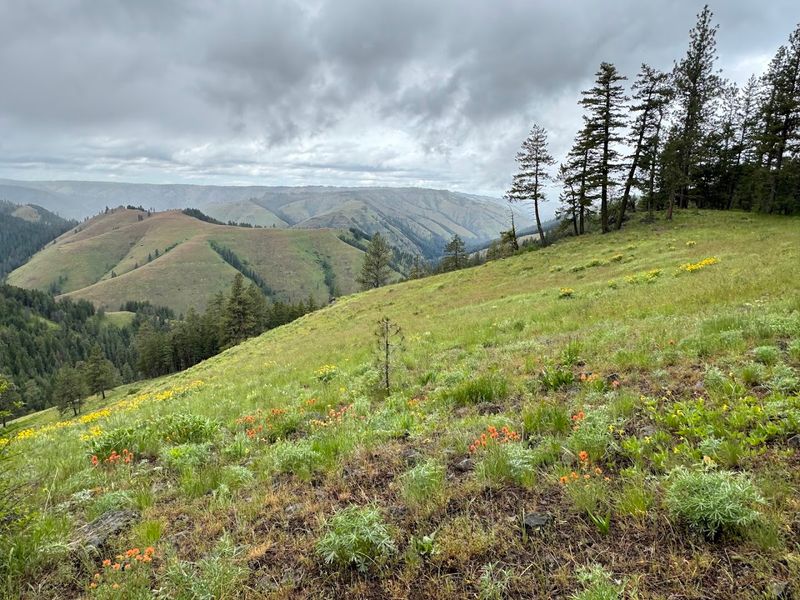
The Blue Mountains do not always get the attention they deserve compared to Oregon’s more famous landscapes, but anyone who has spent time up there knows how special the place is.
Ponderosa pine forests open into grassy meadows and the light at golden hour does something remarkable to the ridgelines.
Tick reports from this corner of Oregon have been notably high this summer, with the Rocky Mountain wood tick being the primary species of concern. These ticks are active from early spring through midsummer and tend to be most concentrated in the lower-elevation ponderosa.
The Wallowa-Whitman National Forest, which covers much of this region, has seen tick encounter reports from hikers, hunters scouting trails, and horseback riders alike. The combination of abundant large wildlife and open grassy terrain keeps tick populations well-supported year after year.
Horses and other animals can carry ticks into camp, so checking your animals after rides is just as important as checking yourself. It is a step that experienced riders know well but newer backcountry visitors sometimes overlook.
Keeping your campsite tidy and avoiding setting up in tall grass or brushy areas reduces passive exposure during rest periods. The Blue Mountains reward the visitors who take them seriously. Pack smart, check often, and you will leave with memories that genuinely last.
