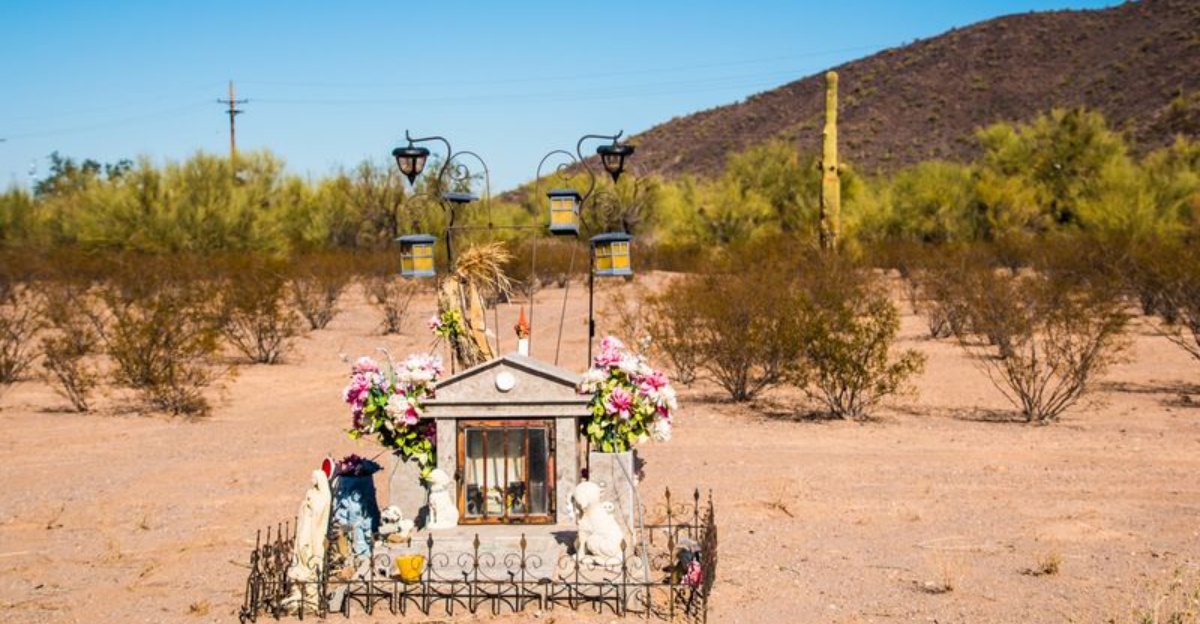
Arizona’s border with Mexico stretches nearly 400 miles, creating a unique ribbon of communities that depend almost entirely on the constant flow of vehicles passing through.
These towns exist in a fascinating in-between space, where American highways meet Mexican roads and where travelers stop for gas, food, and supplies before continuing their journeys.
From major commercial ports handling billions in trade to tiny desert outposts serving beach-bound tourists, each of these communities has built its identity around serving people on the move.
Their survival hinges on staying relevant to drivers who might otherwise pass right by without a second glance.
1. Nogales
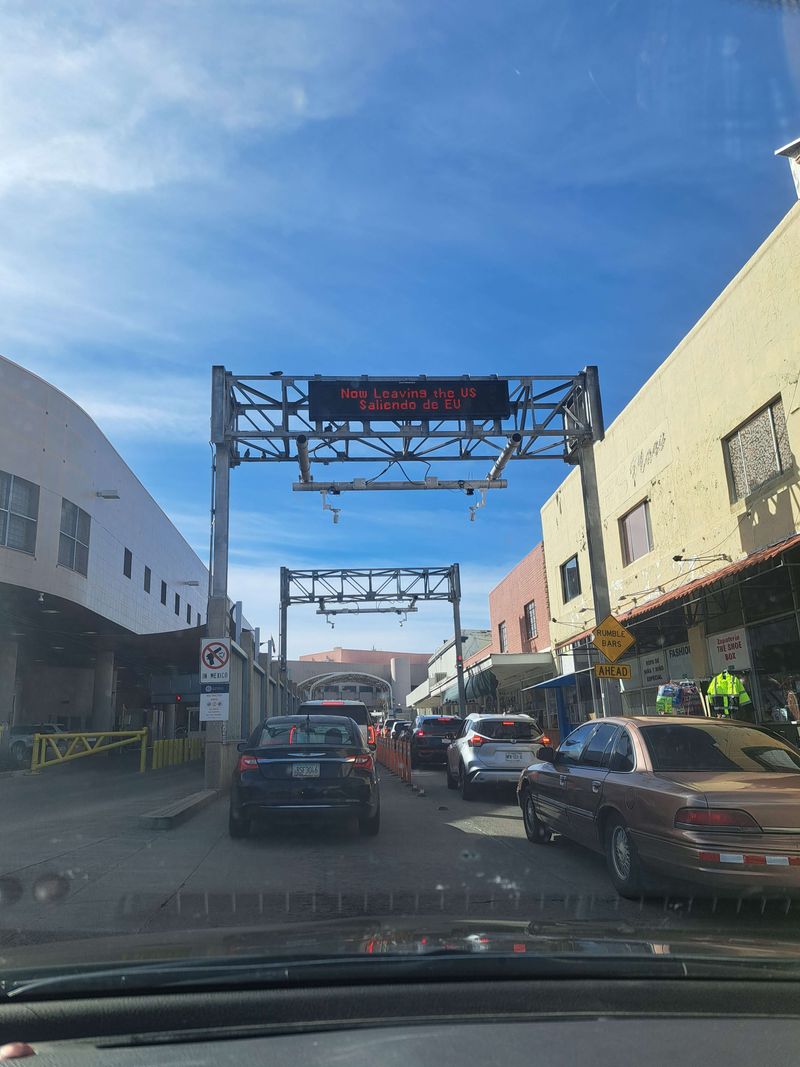
Standing at one of the busiest land crossings between the United States and Mexico, Nogales processes roughly $30 billion worth of goods every single year.
The city has transformed itself into a critical gateway for fresh produce, with trucks loaded with tomatoes, peppers, and berries streaming northward daily.
Four separate international ports of entry operate within the city limits, making it impossible to ignore the economic heartbeat created by constant border traffic.
The Mariposa Port of Entry alone received a massive $250 million renovation to handle the ever-increasing volume of commercial vehicles.
Local businesses from gas stations to restaurants position themselves strategically along the main routes, knowing their survival depends on catching the attention of passing drivers.
Mexican shoppers cross northward for American goods while American tourists head south for authentic experiences and affordable shopping.
The dual nature of Nogales creates a fascinating cultural blend where Spanish and English mix freely on street signs and in conversation.
During peak crossing times, the wait at the border can stretch for hours, creating captive audiences for nearby shops and eateries.
The city has learned to capitalize on this forced patience, offering everything from quick snacks to full shopping experiences within walking distance of the crossing.
Without this constant stream of cross-border traffic, Nogales would lose its primary economic engine and the identity it has carefully cultivated over decades.
The relationship between commerce and community here is inseparable, with generations of families building businesses around serving people in transit.
2. Lukeville
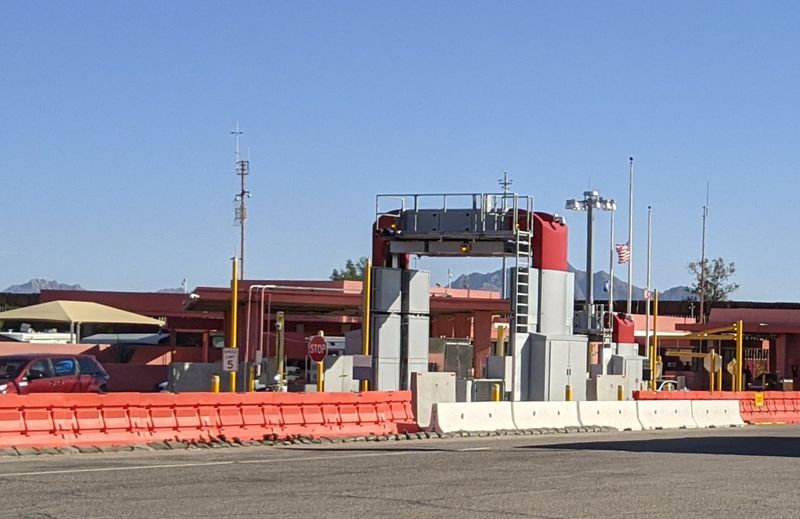
Tucked into Arizona’s remote southwestern corner, Lukeville exists almost exclusively as a pit stop for travelers heading to Puerto Peñasco’s beaches.
The tiny community consists of little more than a gas station, a convenience store, and the port of entry itself, yet it serves a vital function.
Every weekend during peak season, thousands of vehicles funnel through this single crossing point, making the brief stop to fuel up before crossing into Mexico.
When authorities temporarily closed the Lukeville Port of Entry in December 2023 due to migrant surges, the economic impact was immediate and devastating.
Local business owners watched helplessly as their customer base evaporated overnight, with travelers forced to detour hundreds of miles to alternative crossings.
The closure highlighted just how fragile the economy becomes when it relies entirely on passing traffic with no backup plan.
Lukeville represents the extreme end of border town dependency, where literally every transaction comes from someone passing through rather than local residents.
There is no downtown, no residential neighborhoods to speak of, just the essential services needed by people in motion.
The landscape surrounding Lukeville is stark desert, with the Organ Pipe Cactus National Monument providing the only nearby attraction beyond the border itself.
Most travelers barely slow down except to cross, making their purchases quick and functional rather than leisurely.
Yet despite its minimal footprint, Lukeville plays an outsized role in connecting Arizona to one of Mexico’s most popular beach destinations.
The town’s existence proves that even the smallest community can survive if positioned at exactly the right crossroads.
3. Douglas
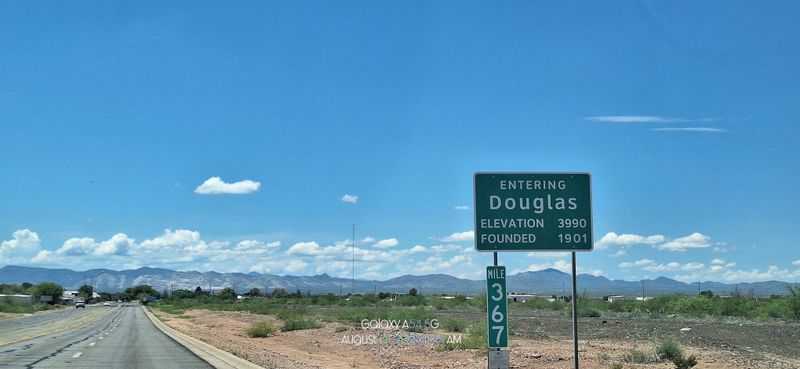
Positioned directly across from Agua Prieta, Sonora, Douglas has built its economy around the steady flow of cross-border shoppers and commuters.
Mexican families regularly cross northward to shop at Douglas stores, bringing crucial retail dollars that keep local businesses operating.
The relationship works both ways, with Douglas residents heading south for affordable medical care, prescriptions, and authentic Mexican cuisine.
Historic downtown Douglas still shows traces of its copper boom past, when the town thrived on mining rather than border traffic.
Those glory days have faded, leaving Douglas to reinvent itself as a border community dependent on maintaining strong cross-border relationships.
The challenge lies in infrastructure that has not kept pace with modern needs, creating bottlenecks that frustrate travelers and limit economic potential.
Economic disparities between the two nations create both opportunities and complications for Douglas businesses trying to serve diverse customer bases.
Some shops price items specifically to attract Mexican shoppers, while others cater primarily to American tastes and budgets.
The Gadsden Hotel stands as a reminder of Douglas’s more prosperous past, its ornate lobby speaking to a time when the town had grander ambitions.
Today, the reality is more modest, with many storefronts catering to the practical needs of people passing through rather than destination shoppers.
Border policy changes can dramatically impact Douglas overnight, as stricter crossing requirements reduce the casual traffic that fuels the local economy.
Despite these challenges, Douglas persists, adapting as it must to remain relevant in an ever-changing border landscape.
4. San Luis
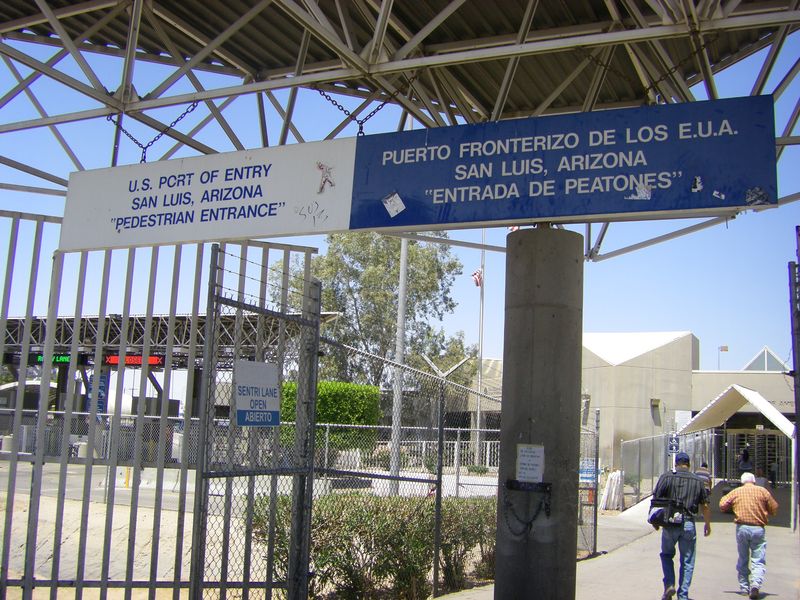
San Luis sits at Arizona’s southwestern tip, where the state meets both Mexico and California in a geographic quirk that shapes everything about the community.
The port of entry here handles massive volumes of both commercial produce trucks and personal vehicles, creating multiple revenue streams for local businesses.
Agricultural products flow northward constantly, with San Luis serving as a critical pressure valve for California’s overtaxed border crossings.
Recent expansion projects aim to reduce congestion and speed traffic flow, recognizing that efficiency directly translates to economic health.
The faster vehicles can move through, the more likely drivers are to stop and spend money rather than viewing the crossing as pure frustration.
San Luis has worked hard to make itself traveler-friendly, with clear signage and convenient services clustered near the crossing.
Mexican shoppers from San Luis Río Colorado cross regularly to access American retailers, creating steady foot traffic in border-area stores.
The community has a more established residential feel than some border towns, with actual neighborhoods beyond just commercial strips.
Still, the economic reality remains unchanged, as local employment and business success tie directly to border traffic volumes.
Agricultural inspections create natural delays that savvy business owners exploit by positioning restaurants and shops within easy reach of waiting drivers.
The dual-language environment feels natural here, with most residents moving fluidly between English and Spanish depending on the situation.
San Luis represents a more mature border town model, where the community has learned to balance serving transient traffic while maintaining a sense of permanent place.
5. Sasabe
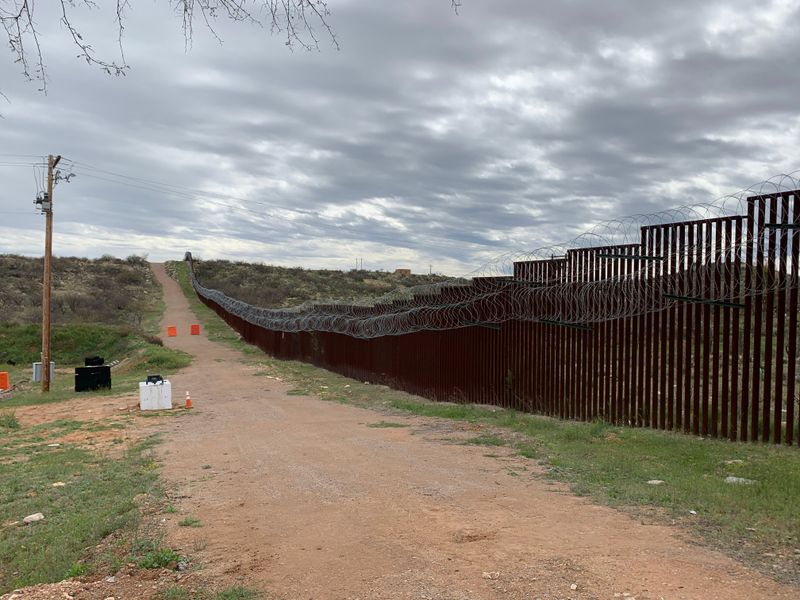
Remote and rugged, Sasabe barely registers as a town in the traditional sense, existing primarily as a crossing point for ranchers and adventurous travelers.
The landscape here is pure Sonoran Desert, with saguaro cacti standing sentinel over dirt roads that seem to lead nowhere in particular.
Unlike the bustling commercial ports, Sasabe handles minimal traffic, serving mainly local ranchers who own property on both sides of the border.
A tiny port of entry operates with limited hours, making Sasabe useless for most travelers but essential for the handful who need this specific crossing.
The few businesses that exist here cater to an extremely niche market, selling supplies and fuel to ranchers and border patrol agents.
There is no tourist infrastructure to speak of, no hotels or restaurants designed to capture passing trade.
Instead, Sasabe survives on the absolute minimum, proving that even the smallest trickle of traffic can sustain a community if expectations remain modest.
The isolation appeals to certain travelers seeking authentic borderlands experiences far from the crowds of Nogales or San Luis.
Bird watchers and nature enthusiasts sometimes venture to Sasabe as a jumping-off point for exploring the Buenos Aires National Wildlife Refuge.
The border fence here looks almost symbolic, a metal barrier cutting through wilderness that seems to care nothing for human boundaries.
Sasabe represents the ultimate stripped-down border town, where survival requires nothing more than being in the right place for the right people.
Its continued existence proves that border traffic comes in many forms, not all of them measured in thousands of vehicles per day.
6. Naco
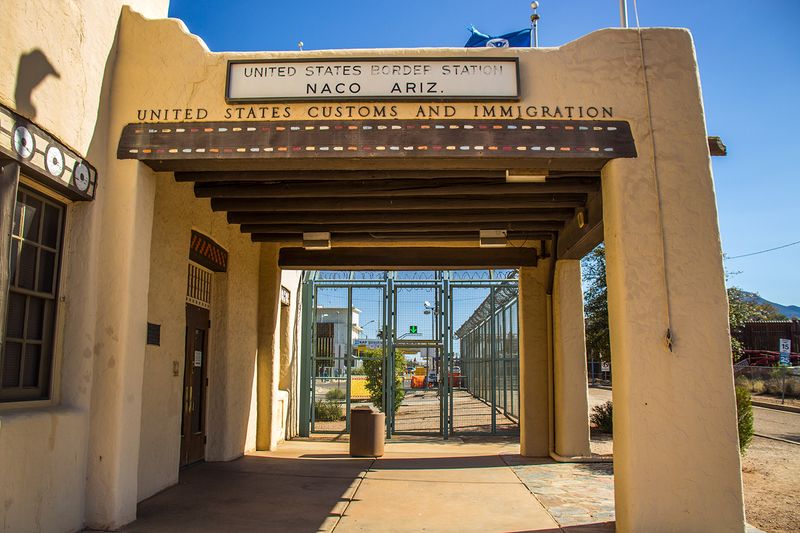
Straddling the border directly south of Bisbee, Naco serves as a quieter alternative to the busier crossings that dominate Arizona’s border landscape.
The town split into two when the international boundary was drawn, creating Naco, Arizona and Naco, Sonora, forever linked yet separated.
Local traffic dominates here, with residents crossing regularly for work, family visits, and shopping on either side of the line.
Commercial traffic remains light compared to Nogales, giving Naco a more personal, small-town feel despite its international status.
The historic downtown shows its age, with buildings that remember when Naco played a larger role in regional commerce and transportation.
Today, the reality is quieter, with modest businesses serving the basic needs of border crossers without much flash or marketing.
Naco’s proximity to Bisbee creates an interesting dynamic, as some travelers use it as a southern gateway to the historic mining town.
The relationship between the two Nacos feels more intimate than at larger crossings, where the sheer volume of traffic creates anonymity.
Here, border agents often recognize regular crossers, and businesses know their customers by name rather than just as faces in a crowd.
The economic vulnerability remains the same as any border town, with changes in crossing policies or traffic patterns causing immediate ripples.
Naco survives by maintaining its role as a convenient local crossing, not trying to compete with the major ports but serving its specific niche reliably.
The town’s future depends on remaining relevant to its core users while hoping that increased border traffic eventually finds its way to this quieter crossing.
7. Why

With possibly the most memorable name of any Arizona town, Why sits at the junction of State Routes 85 and 86, explaining its unusual moniker.
The original name was simply “Y” for the Y-shaped intersection, but regulations required at least three letters, leading to the phonetic spelling.
This tiny unincorporated community exists almost entirely to serve travelers heading to either Organ Pipe Cactus National Monument or the Lukeville border crossing.
A handful of businesses cluster at the intersection, offering gas, food, and lodging to drivers who need a break before continuing into the remote desert.
Why represents pure roadside pragmatism, built not for residents but for the constant stream of vehicles passing through the junction.
The population barely reaches double digits, yet the businesses here process thousands of transactions monthly during peak travel seasons.
Travelers heading to Rocky Point often make Why their last American stop, filling gas tanks and grabbing snacks before the final push to Lukeville.
The desert surrounding Why is spectacular in its emptiness, with vast stretches of creosote and cactus extending to distant mountain ranges.
This isolation makes the services at Why even more valuable, as the next reliable fuel and food lie many miles in any direction.
When Lukeville closed temporarily in 2023, Why felt the impact immediately as beach-bound traffic evaporated overnight.
The town’s entire economic model depends on maintaining its position as the logical stopping point for travelers using this particular route.
Why proves that location matters more than size, as even the smallest community can thrive if positioned at exactly the right crossroads.
8. Ajo
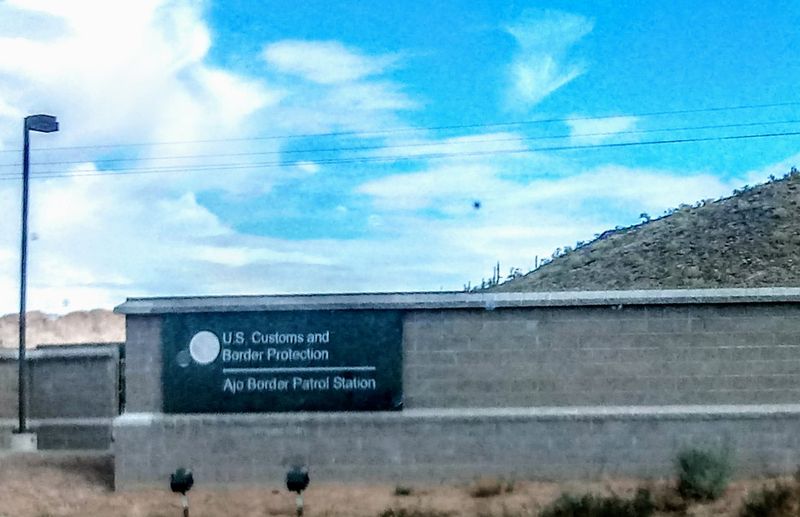
Once a thriving copper mining town, Ajo has reinvented itself as a stopping point for travelers heading to Organ Pipe Cactus National Monument and Mexico.
The town’s Spanish colonial plaza remains its centerpiece, a beautifully maintained reminder of planned community design from the mining era.
When the Phelps Dodge mine closed in 1985, Ajo lost its economic foundation and had to find new ways to survive.
Tourism and passing traffic became the answer, with Ajo positioning itself as the gateway to both natural wonders and border crossings.
Artists have discovered Ajo in recent years, drawn by cheap real estate and the dramatic desert landscape surrounding the town.
This creative influx has added galleries and cultural venues that give travelers more reason to linger rather than just refuel and continue.
Still, the primary economic driver remains the steady flow of vehicles heading south on Highway 85 toward Lukeville and Mexico.
Local businesses have learned to cater to both quick-stop travelers and those seeking a more authentic small-town desert experience.
The historic Curley School has been converted into artists’ studios and galleries, creating a cultural anchor that distinguishes Ajo from purely functional border towns.
Ajo’s location near Organ Pipe provides a natural customer base of national park visitors who need lodging and services.
The town walks a delicate balance between preserving its historic character and adapting to serve the needs of modern travelers.
Without the constant traffic heading to and from the border, Ajo would struggle to maintain even its current modest population and business base.
Dear Reader: This page may contain affiliate links which may earn a commission if you click through and make a purchase. Our independent journalism is not influenced by any advertiser or commercial initiative unless it is clearly marked as sponsored content. As travel products change, please be sure to reconfirm all details and stay up to date with current events to ensure a safe and successful trip.
