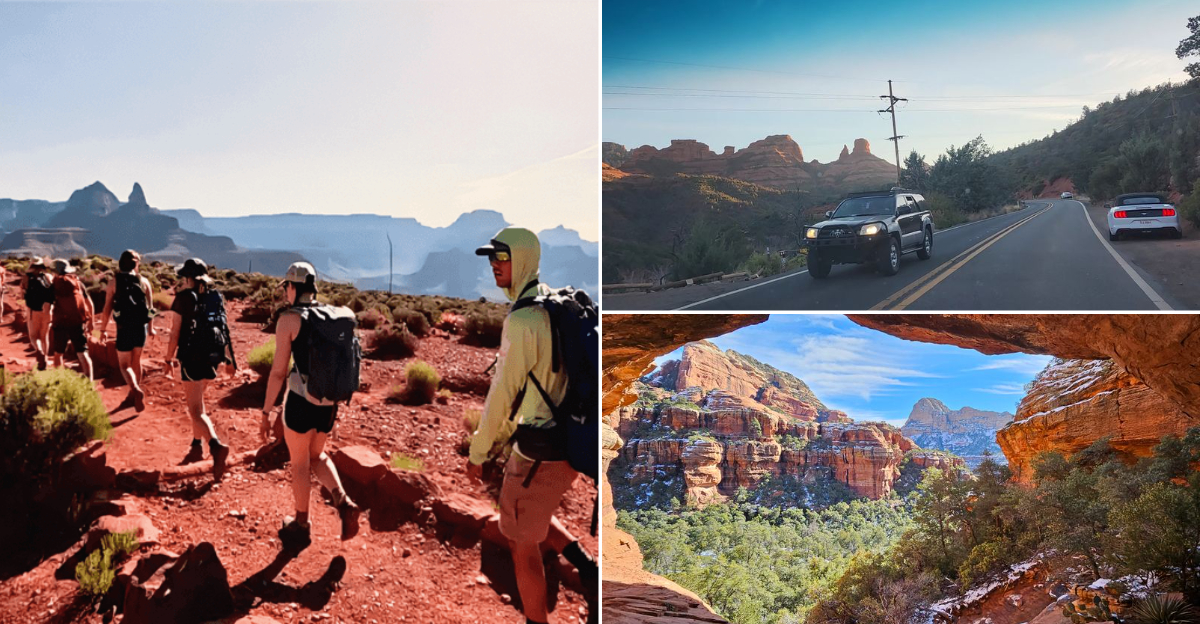
You know that feeling when a place you love suddenly feels different, like the volume got turned up without anyone asking? That is how Arizona’s canyons have been lately, especially the spots that keep popping up in your feed.
The photos are stunning, sure, but the reality on the ground feels louder, busier, and a little more complicated. Let’s talk through what we will run into on this road trip and how to do it right without adding to the mess.
That means knowing where crowds tend to bunch up and where patience actually pays off. It also means understanding access rules, local concerns, and why some areas are asking visitors to slow down or stay back.
Once you know the landscape beyond the photos, the trip feels more intentional and a lot less overwhelming.
Why Arizona’s Canyons Suddenly Feel Busier
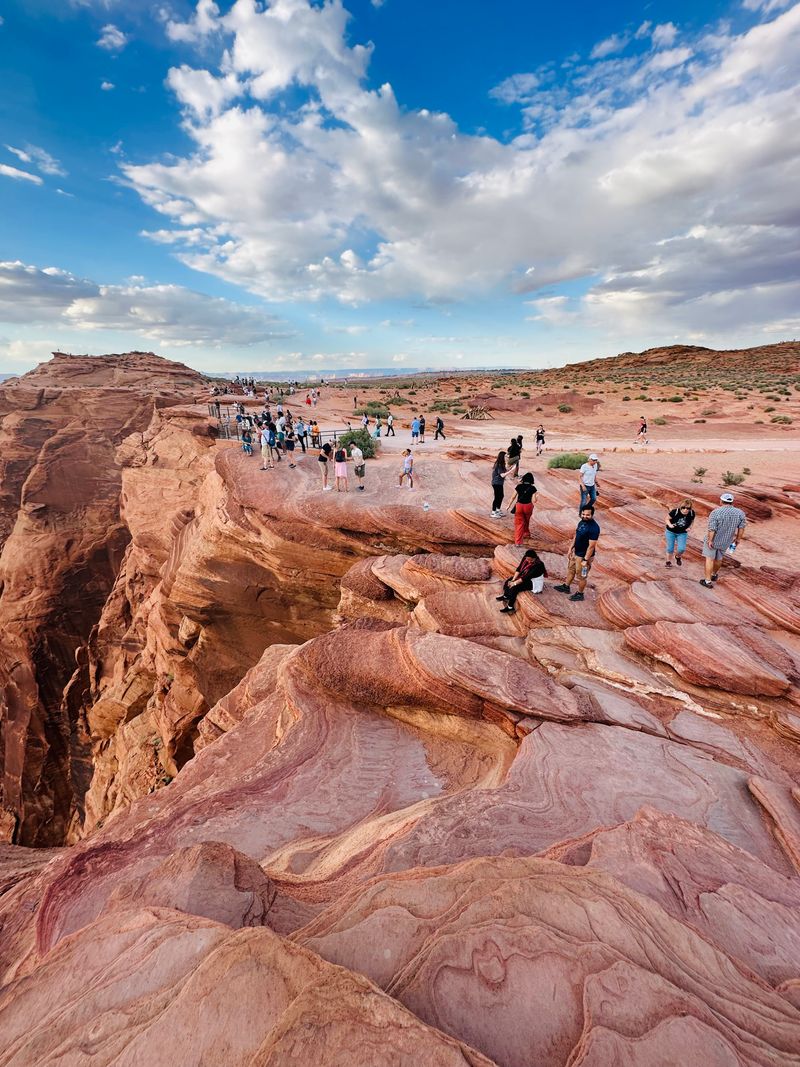
You felt it too, right, that shift from quiet trailhead mornings to packed pull-offs and tripods everywhere?
Arizona is still gorgeous, but the pace at places like Antelope Canyon, 22 S Lake Powell Blvd, Page, now moves like a queue rather than a wander.
The pattern shows up at Horseshoe Bend, Page Rim View Dr, Page, where the overlook swells fast and stays crowded.
That change trickles into nearby parking, bathrooms, and those little dirt shoulders on US routes that used to handle a handful of cars.
Even at Walnut Canyon National Monument, 3 Walnut Canyon Rd, Flagstaff you can sense the uptick on calm weekdays. It is not bad people, just a lot of us following the same geotag at the same moment.
I still want to go, and you probably do too. The trick is adjusting expectations and timing so the canyons feel like landscapes again instead of lines.
How Social Media Turned Remote Canyons Into Must-See Stops
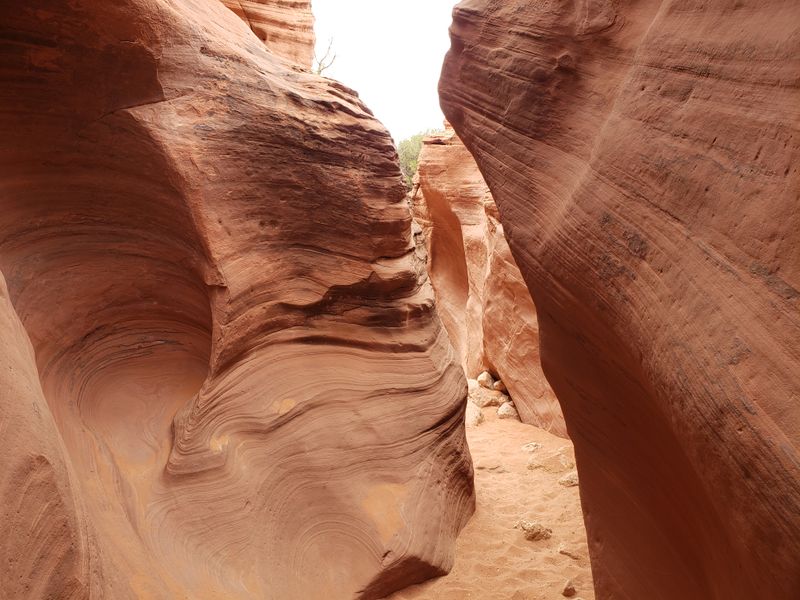
It is wild how a single reel can reroute a road trip. Places like Canyon de Chelly National Monument, Indian Rte 7, Chinle went from quiet detours to must-stop moments after a few dramatic cliff-edge clips blew up.
Same story at Paria Canyon-Vermilion Cliffs Wilderness, House Rock Valley Rd, Marble Canyon, where a wave of shares made a rugged area feel surprisingly popular.
People follow the shot list and suddenly these remote corridors feel like Main Street.
Lower exposure spots like Tonto National Monument, 26260 AZ-188, Roosevelt, are catching overflow from trendier canyon names.
You can see it in the lot, in the murmurs near trailheads, and in the steady stream of phone gimbals.
I do not blame anyone for wanting that same frame, because the views are unreal. But the speed of sharing outpaces the slow logic of desert places, and that gap shows up in wear and stress.
The Power Of A Single Viewpoint Going Viral
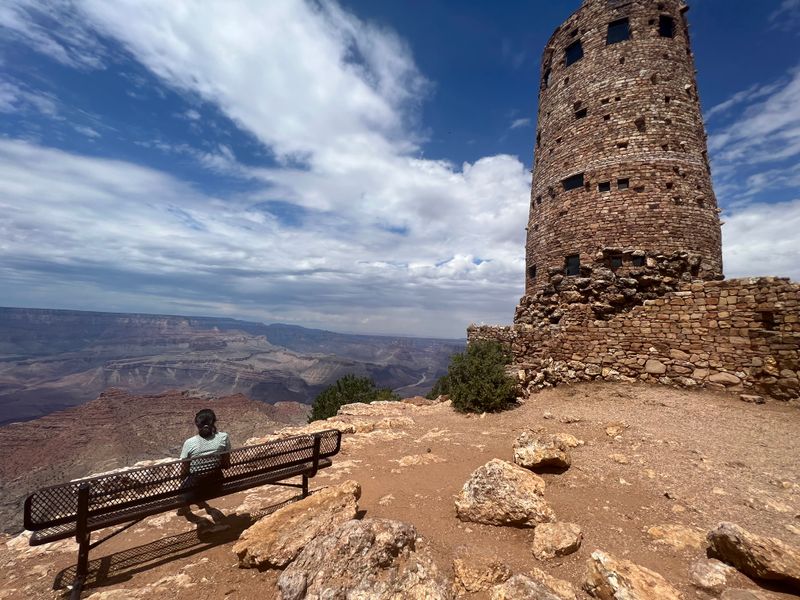
You know that narrow bend where everyone wants the same angle?
At Horseshoe Bend, Page Rim View Dr, Page a tiny slice of rim carries the whole crowd’s attention, and all the pressure lands on a few feet of sandstone.
Another example sits at Cathedral Rock via Templeton Trail, Back O Beyond Rd, Sedona, where the popular ledge funnels into a small posing spot. The trail feels fine until the bottleneck near the view, then everything slows.
Even the South Rim Mather Point, 2 Village Loop Dr, Grand Canyon Village, compresses awe into a compact zone.
People drift toward the exact railing corner they saw online, and that corner takes the beating.
We can step back ten paces and find nearly the same view with less stress. If more of us did that, the rock and the moment would breathe again.
When Scenic Hikes Become Photo Lines
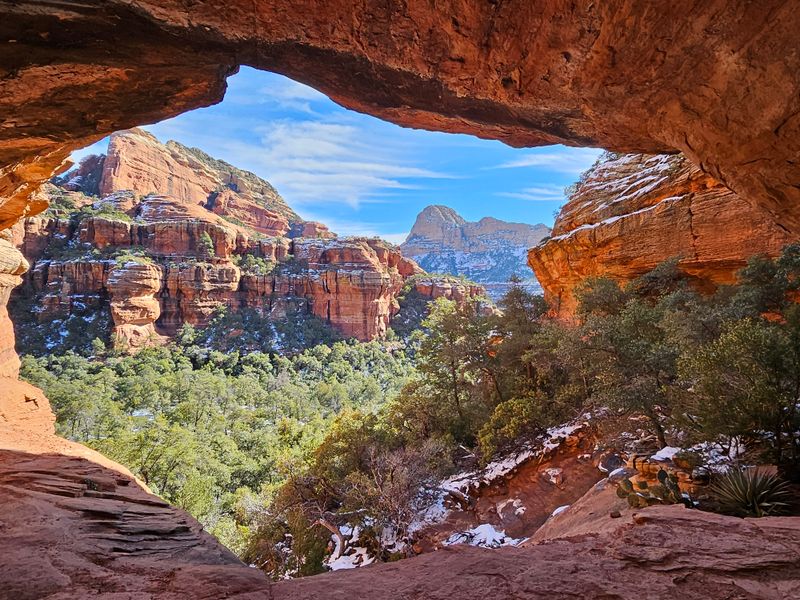
You have seen it: a beautiful trail turning into a patient shuffle.
At Antelope Canyon, 22 S Lake Powell Blvd, Page guided flows move like clockwork, yet the posing pauses create mini jams inside the curves.
Down in Boynton Canyon Trail, 105 Boynton Canyon Rd, Sedona the end alcove becomes a rotating stage. Folks wait, adjust tripods, and repeat the same stance while others hover just out of frame.
Even at Water Holes Canyon, AZ-98, Page, the rhythm shifts from hike to production. The canyon is wonderful, but the pacing now belongs to the camera more than the footstep.
I try a simple rule: take the shot, then step aside fast and enjoy the echo.
It keeps things flowing and makes the hike feel like a hike again.
Fragile Landscapes That Weren’t Built For Heavy Foot Traffic
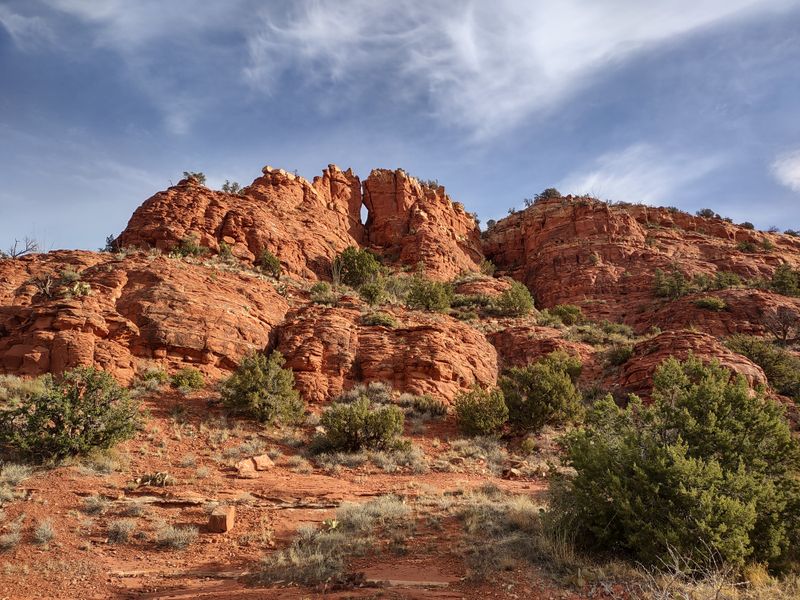
This desert looks tough, but a single step can bruise it for ages.
Around Walnut Canyon National Monument, 3 Walnut Canyon Rd, Flagstaff you can spot braided social trails nibbling at the rim where people cut corners for quicker views.
Cryptobiotic soil near Grand Canyon National Park South Rim, 20 South Entrance Rd, Grand Canyon, breaks under stray footsteps. It is tiny life doing big work, and it does not bounce back quickly.
In Red Rock State Park, 4050 Red Rock Loop Rd, Sedona, slickrock shoulders collect scuffs where folks scramble for angles.
Little scratches add up, especially when the same move repeats all day.
We can stick to rock, marked routes, and durable surfaces. If a spot looks soft or crusty, we skip the shortcut and save the scene for the next trip.
Parking And Access Issues In Remote Canyon Areas
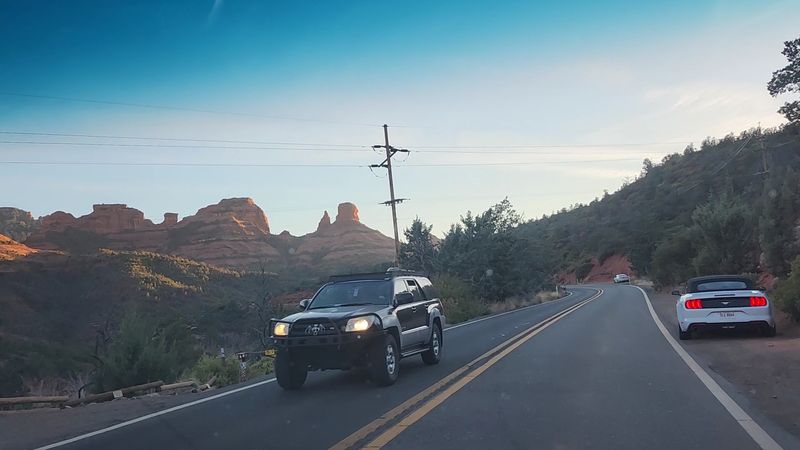
Parking is where the day often goes sideways. At Oak Creek Canyon, Arizona, shoulder spots fill early, and late arrivals stack into awkward places that make passing tight and stressful.
Down near Paria Canyon trailheads off House Rock Valley Rd, Marble Canyon, the road turns rough fast.
People underestimate clearance, then clog pull-outs when they pivot around.
Even the signed lots at Grand Canyon Village, Arizona, feel like musical chairs during peak hours.
When spaces disappear, tempers shorten and safety slips.
We plan soft windows and backup stops a few miles away. The day stays calm when the car has a guaranteed place to sit.
Why Rescue Calls And Ranger Interventions Are Increasing
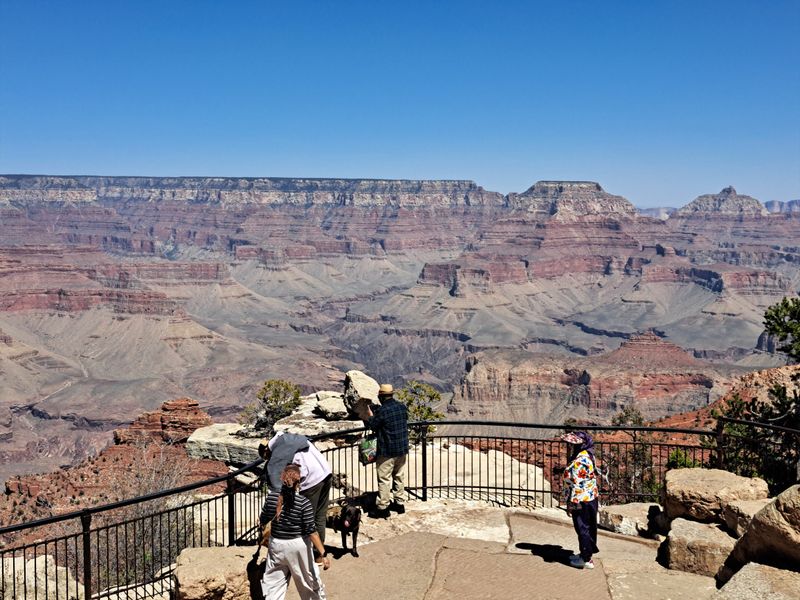
Rescues spike when trips are planned around a photo instead of the conditions.
In Saguaro National Park East, 3693 Old Spanish Trl, Tucson, Arizona heat and distance get underestimated when the route looks flat on a screen.
Rangers at Grand Canyon National Park, 20 South Entrance Rd, Grand Canyon, see folks drop fast into the corridor and stall on the way back. The climb out is the real story, not the selfie at the turnaround.
Even at Sedona’s Bell Rock Pathway, 6246 AZ-179, Sedona, navigation seems easy until weather hits and people wander off trail.
Small mistakes stack up, and then someone’s day gets complicated.
We check forecasts, carry basics, and keep margins wide. It is boring prep that makes a dramatic landscape feel friendly again.
How Wildlife And Quiet Are Being Pushed Out
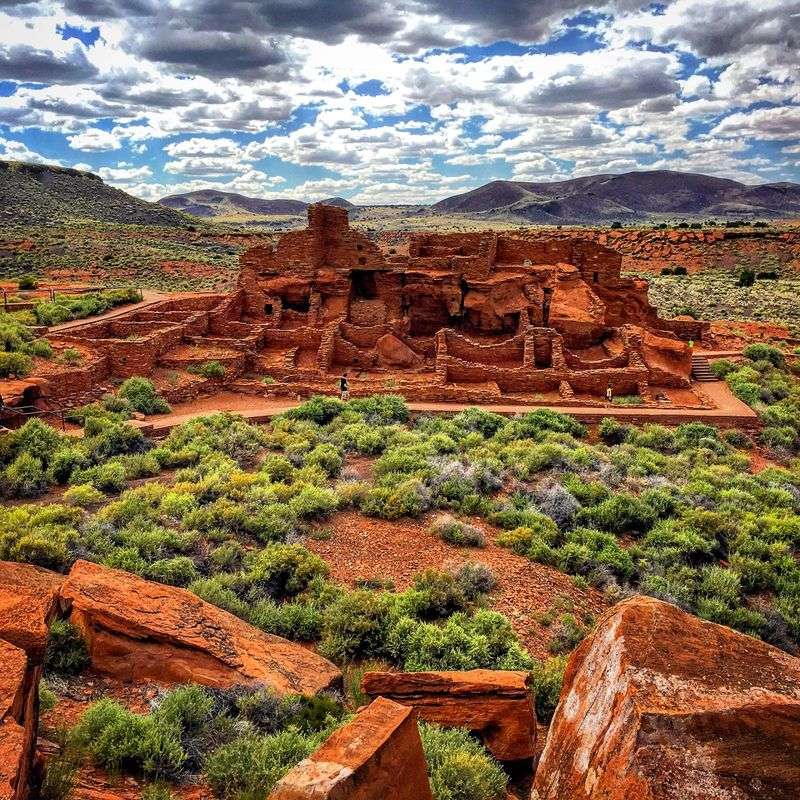
You notice it when the quiet never settles. At Wupatki National Monument, 25137 N Wupatki Rd in Flagstaff, the open soundscape carries voices far, and the hush that wildlife needs gets trimmed short.
Desert bighorn near Marble Canyon along US-89A avoid busy overlooks during daylight, sliding deeper into side canyons and quietly changing old patterns.
Even the rim near Yavapai Point, 2 Village Loop Dr in Grand Canyon, Arizona, feels less contemplative once speakers and group calls turn steady.
The view remains massive, but the mood thins.
We keep voices low and step back from edges when animals appear. That simple courtesy gives the canyon its silence back.
It also reminds everyone around you that this place still works best when humans act like guests.
Silence, here, is not empty, it is part of the landscape doing its job.
The Difference Between Early Visitors And Peak Crowd Hours
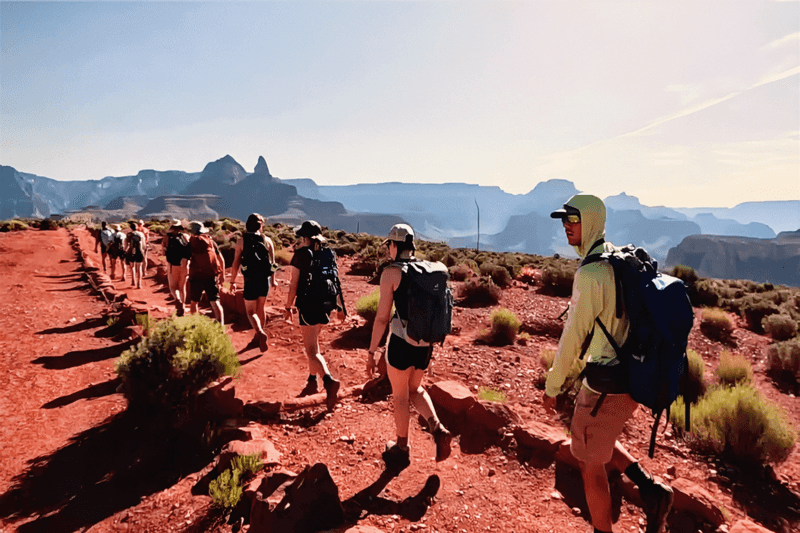
Timing changes everything, more than any hack.
At South Kaibab Trailhead along Yaki Point Road in Grand Canyon Village, the first light window feels open and kind, then the day ramps like a switch.
Slide the plan to sunrise at Lost Dutchman State Park, 6109 N Apache Trail in Apache Junction, and you get room to breathe before the queues form.Same trail, different planet.
Even midday has a quieter pocket if storms threaten and people hesitate. Just be ready to turn around if the sky decides otherwise.
Pick an early anchor stop, then float the rest.
Arizona rewards the flexible more than the lucky.
When you stop forcing the schedule, the landscape starts meeting you halfway.That is usually when the day finally clicks into place.
What Land Managers Are Doing To Regain Balance
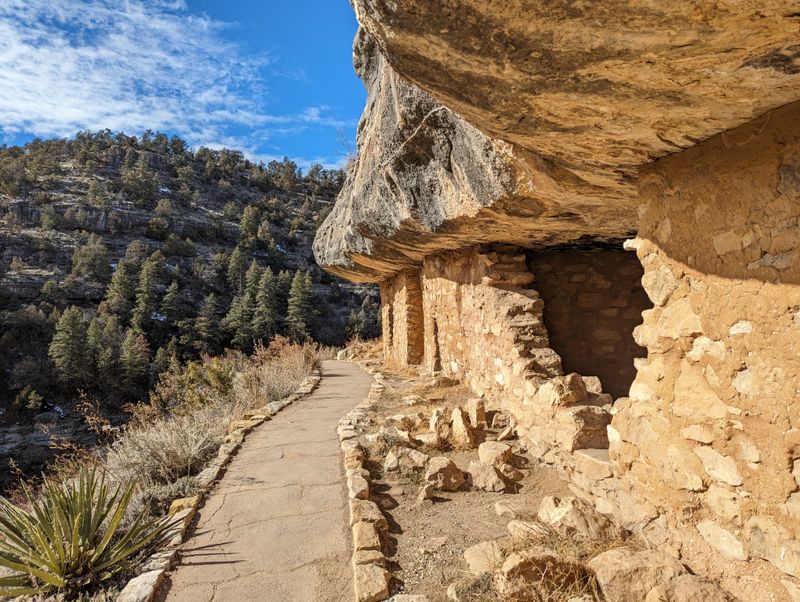
Permits and limits are not about gatekeeping, they are about keeping trails alive.
At Coyote Buttes North access, House Rock Valley Rd, Marble Canyon, the lottery keeps the landscape from unraveling under too many feet.
Walnut Canyon National Monument, 3 Walnut Canyon Rd, Flagstaff, uses closures and signed routes to steer traffic away from delicate ledges. It is a nudge that saves stair-steps and artifacts.
Over at Sabino Canyon Recreation Area, 5700 N Sabino Canyon Rd, Tucson, managed access balances canyon demand with safety.
Rangers answer the same questions kindly, because repetition protects the place.
If a sign says wait, we wait. The view will still be there, and the ecosystem will thank us silently.
What It Will Take To Keep Arizona’s Canyons From Being Loved Too Much
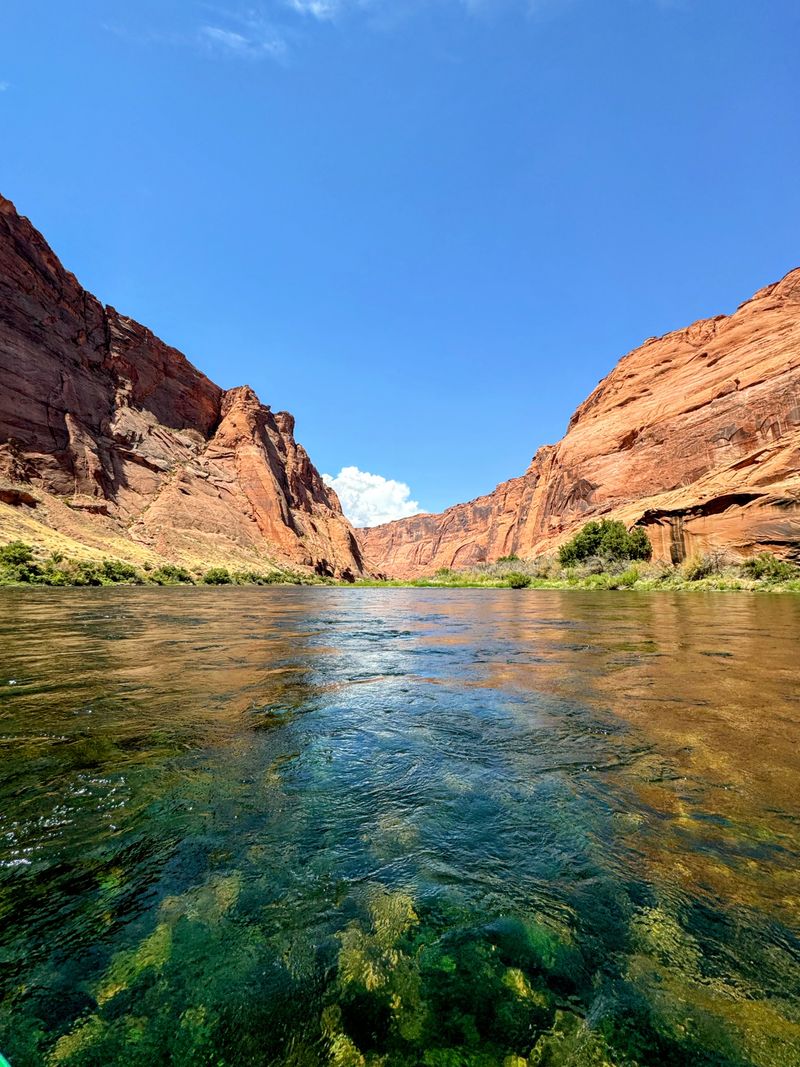
Here is the deal we make with places we love. We move gently, share thoughtfully, and leave the drama to the cliffs rather than our plans.
That means geotag wide, not exact, when a small spot cannot handle a surge.
It means staying on durable ground even when the angle begs for one more step.
It also means listening when rangers at Grand Canyon National Park, 20 South Entrance Rd, Grand Canyon, ask us to pivot.
Arizona is big, and there is always another overlook a short drive away.
If we carry patience like water, the canyons breathe easier. Then your next trip and mine will still feel like discovery instead of déjà vu.
Dear Reader: This page may contain affiliate links which may earn a commission if you click through and make a purchase. Our independent journalism is not influenced by any advertiser or commercial initiative unless it is clearly marked as sponsored content. As travel products change, please be sure to reconfirm all details and stay up to date with current events to ensure a safe and successful trip.
