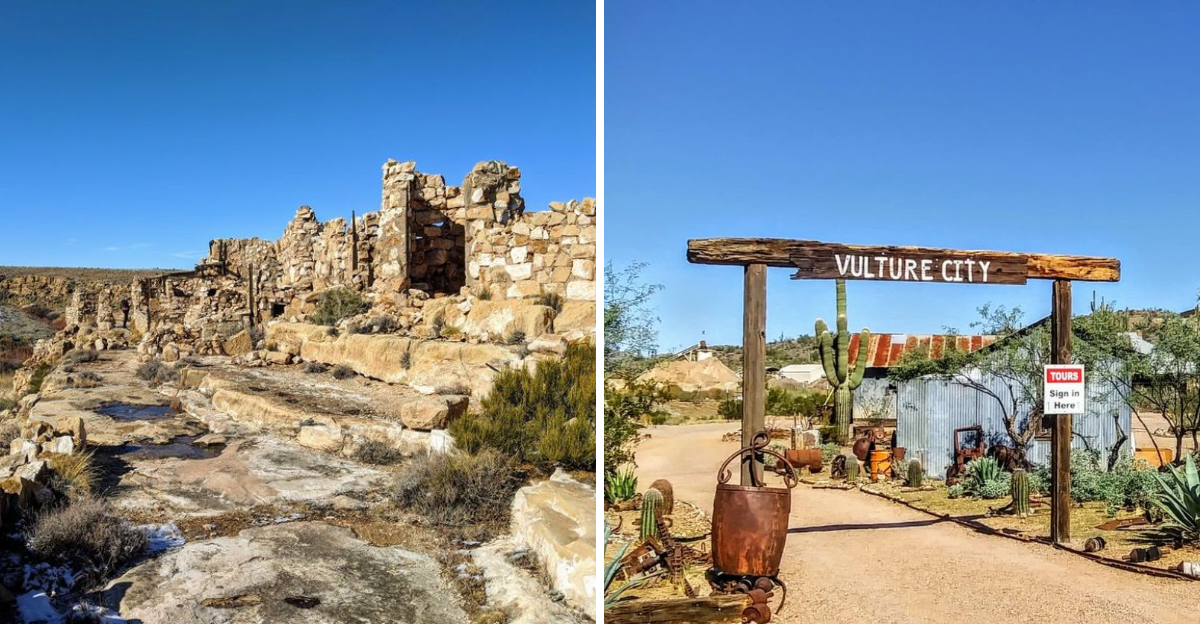
Winter is the perfect season to trace Arizona’s quiet backroads and step into towns that history left behind.
Cooler air makes the hikes easier, the light turns silver and soft, and the stories feel closer to the surface.
You hear the crunch of gravel, see long shadows across weathered boards, and notice details summer glare often hides.
If ghost towns are your thing, this is when Arizona truly lets you in.
1. Jerome Historic Mining Town
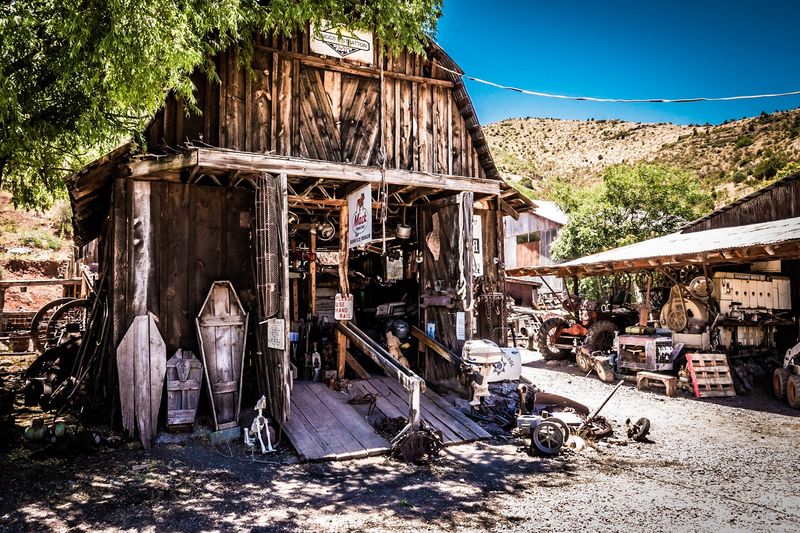
Jerome sits on Cleopatra Hill like a stubborn idea that refused to fade, and winter reveals its edges with clarity.
With cooler temperatures, you can wander steep lanes without the summer scorch, and the copper mining relics feel within reach.
You hear the wind thread through broken windows and sense the past alive in creaking staircases and rusted equipment.
The best vantage points overlook the Verde Valley where winter haze softens the horizon and sharpens the town’s silhouette.
Stop by the interpretive signs that explain how ore moved down the mountain, and match each caption to the ground beneath your boots.
Look for hillside foundations that hint at lost neighborhoods, and notice how vegetation curls around stone walls.
Snow rarely sticks long here, yet chilly air adds a cinematic quality to every alley and catwalk.
Shops and small museums keep doors open, so you can warm up while digging into photographs of strike days and rebuilds.
If you want a deeper dive, follow the old tramway traces and identify the skeletal frames that once anchored cables.
Evenings bring a quiet that feels almost theatrical, as if the stage lights dimmed and the set paused for you.
Arizona history is legible in Jerome’s grain, from labor stories to engineering grit and hillside resilience.
Winter grants you space to read it slowly, one switchback at a time, without the summer glare muting the ink.
2. Bisbee’s Lowell District and Erie Street
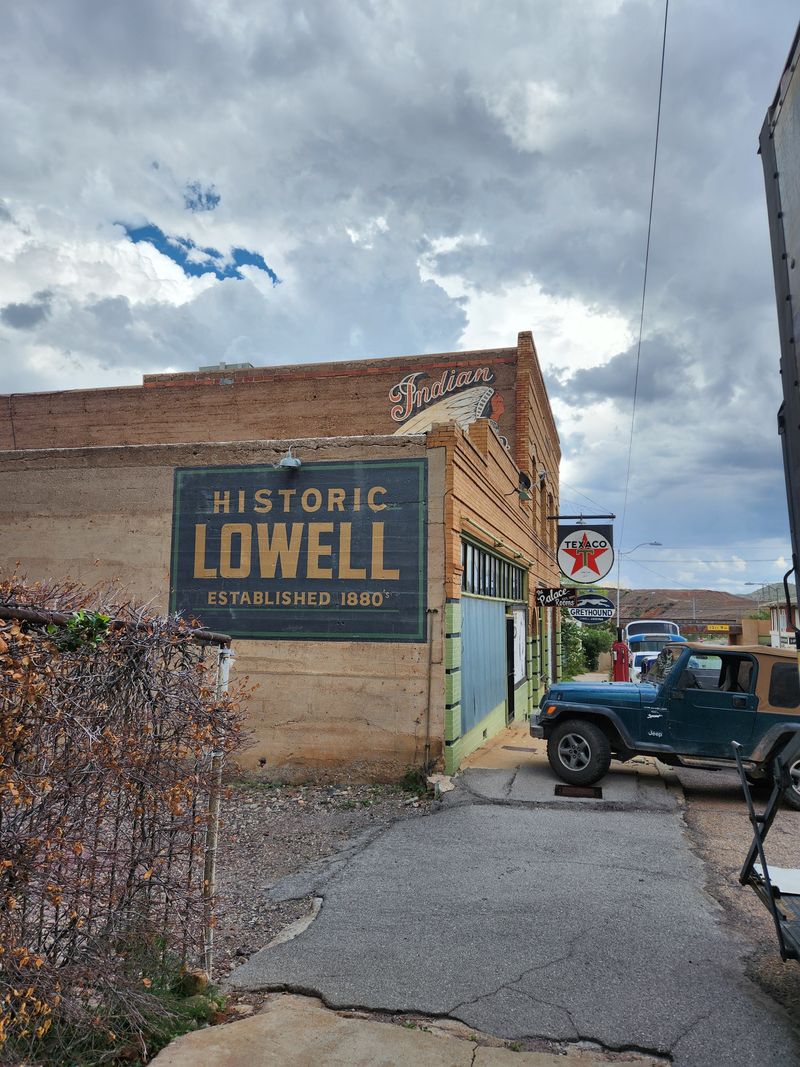
Bisbee hums year round, yet the Lowell district feels deliciously paused in winter, especially along Erie Street.
The storefronts look like a movie set, and cool air lets you linger on signage, paint chips, and chrome edges.
You can stand by the curb and imagine the shift whistle, the buses, and the mine trucks that once ruled the day.
Walk toward the Lavender Pit rim and watch winter sun skim the benches, turning tailings into layered sculpture.
Interpreted viewpoints explain the operation, and you can trace haul routes while comparing maps to the carved landscape.
Back on Erie Street, the mix of vintage vehicles and closed facades creates an uncanny time pocket.
Cameras love the textures here, and winter light avoids harsh contrast that can flatten metal and brick.
Sound travels crisply, so footsteps echo and make each doorway feel like a story you could open.
Arizona’s mining arc flows through Bisbee, and this district distills the drama into one concentrated stretch.
Nearby galleries and cafes offer warmth without breaking the spell, letting you toggle between present and past.
Give yourself time to read placards and notice utility poles, gutters, and shop windows that survived upheaval.
Lowell rewards patient wandering in winter, when the pace slows enough to hear the town breathe.
3. Ruby Ghost Town
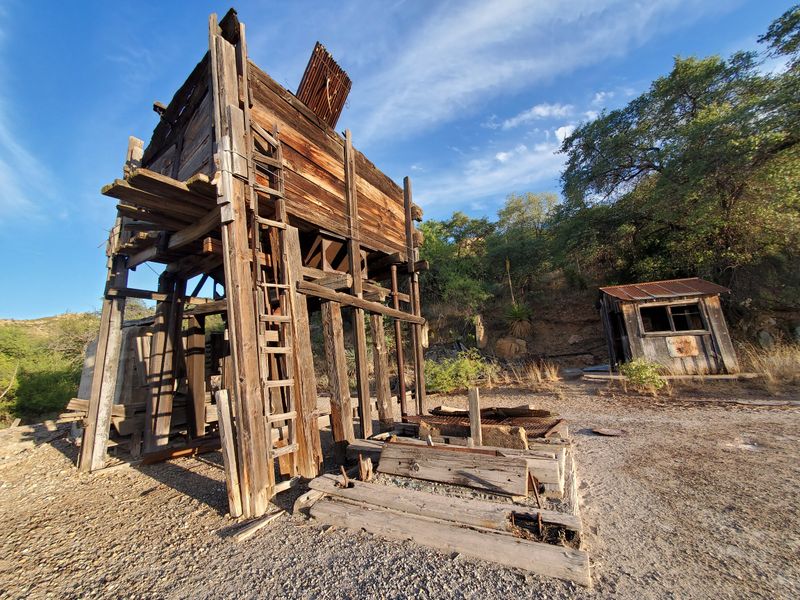
Ruby lies tucked near the border, its adobe walls and corrugated roofs holding onto stories the wind still tells.
Winter is the sweet spot here, with cool air for exploring and clear views across hills and water.
The old mercantile, jail, and school outline a self contained community shaped by ore, grit, and long shifts.
You step carefully between foundations, reading the site map and matching numbers to structures that left strong footprints.
The pond mirrors bare branches in cold months, making reflections that double the mood of quiet.
Listen for birds that favor the season, and scan the slopes for trails worn by decades of work.
Interpretive boards share tough episodes, and the timeline grounds what you see in documented events.
Bring sturdy shoes because surfaces vary, from packed dirt to rock and splintered wood near machinery.
The isolation feels safe yet powerful, and you can pace your visit without heat pressing you onward.
Arizona’s borderlands have layered histories, and Ruby condenses them into a walkable archive of labor and daily life.
Photography is rewarding in winter, with low sun shining along walls and picking out embedded straw.
You leave with a clearer sense of how a town breathes, fades, and still speaks when roofs are gone.
4. Chloride’s Murals and Mine Remnants
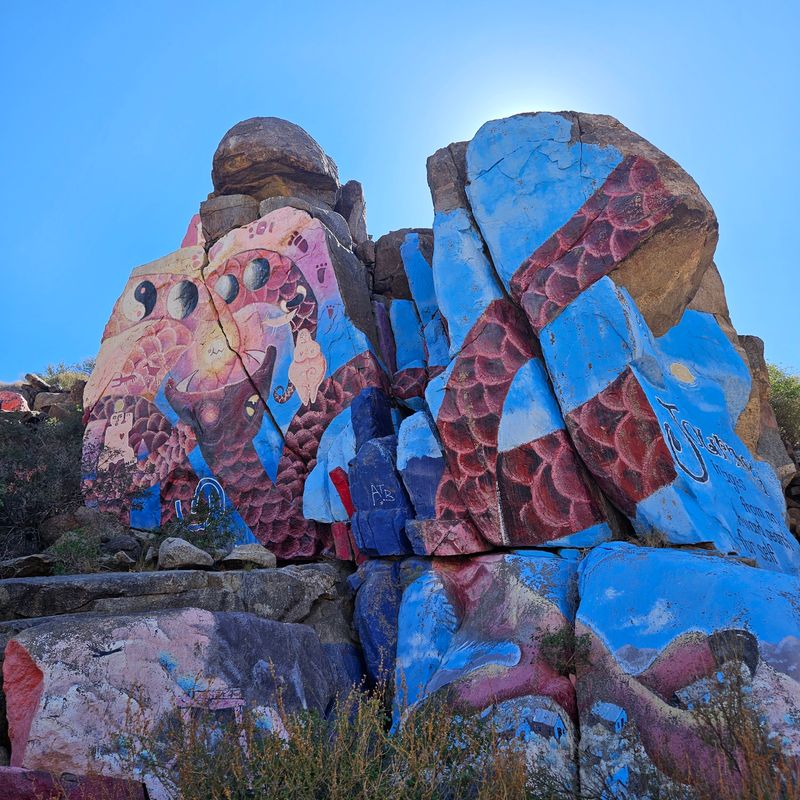
Chloride is no museum under glass, and winter makes its open air character easier to explore on foot.
The streets angle toward low desert hills where Roy Purcell’s murals splash color across boulders like coded messages.
Cooler months mean you can hike to the rock art without worrying about heat that slows every step.
In town, wooden storefronts and metal sculptures mingle with yard art, creating a lived in ghost town atmosphere.
You spot mine remnants almost casually, from tailings to fenced shafts marked for safety and curiosity in equal measure.
Local signs explain claim history, and you can triangulate dates with building styles and surviving hardware.
Travelers in winter tend to linger, so conversations unfold on porches and near murals framed by blue sky.
Arizona’s northwest desert shows its clarity here, with crisp air and long sightlines inviting slow looking.
Photographers appreciate soft shadows that define grain in timber and patina on old trucks.
The murals feel especially vivid when the sun arcs low, revealing brushwork and carved lines in stone.
It is easy to pair town strolling with a short hike, making a full day without long drives.
Chloride meets you halfway between present and past, and winter gives you time to enjoy the overlap.
5. Vulture City near Wickenburg
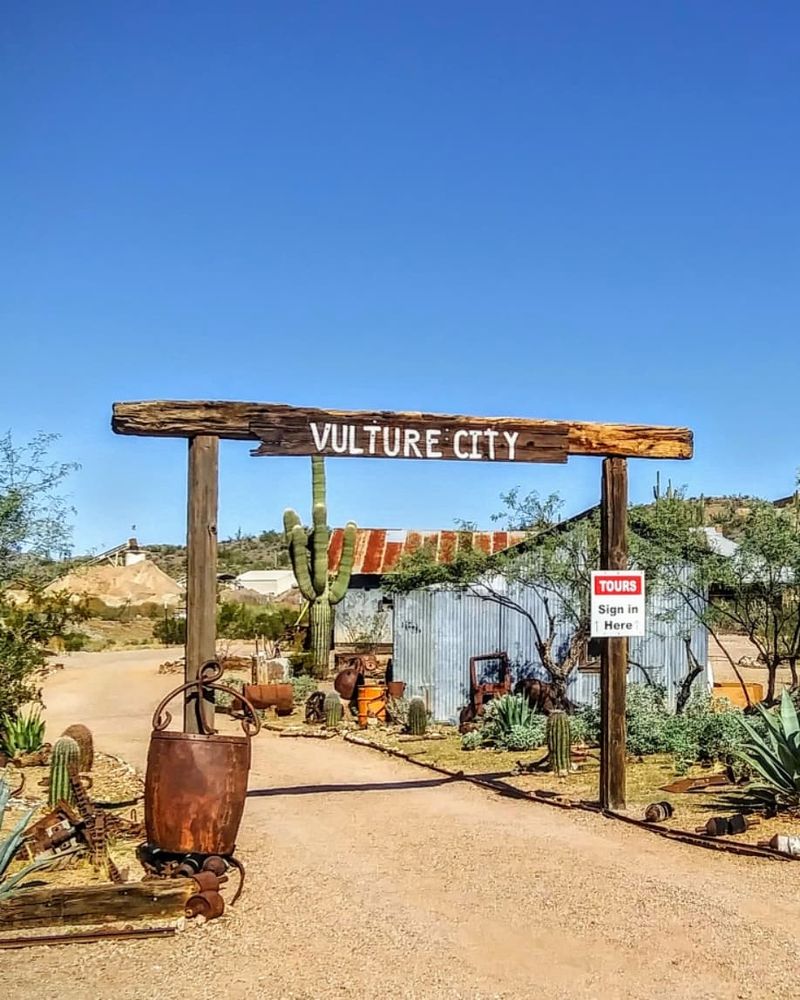
Vulture City sits beside the famous mine that powered a boom, and winter unlocks its boardwalks and exhibits.
Guided tours run regularly, and cooler days make slow pacing comfortable while you study the equipment and cabins.
The assay office and blacksmith area frame a story of technology adapting to rugged desert conditions.
You can trace ore flow from shaft to mill while reading clear signage that keeps the narrative grounded.
The gallows frame draws attention, and docents discuss law, order, and myth without drifting into tall tales.
Desert plants around the buildings wear winter sunlight like a soft filter that boosts texture and color.
Arizona’s central valleys can be pleasant now, so you can linger and wait for perfect photo angles.
Check the small museum rooms for artifacts that connect names to tools and daily life details.
Strolling between structures feels safe and organized, thanks to maintained paths that protect sensitive ground.
Each doorway holds a draft of cooler air that lifts dust and reveals grain in floorboards.
The nearby town of Wickenburg adds dining and lodging, making Vulture City an easy day trip anchor.
Winter keeps the experience comfortable and focused, with history unfolding step by step across the site.
6. Bodie-like Ambiance at Fairbank
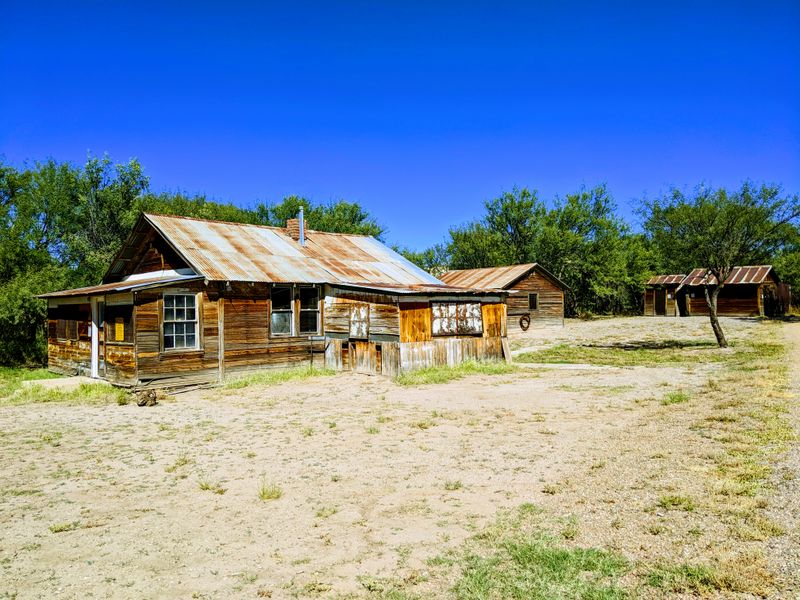
Fairbank rests along the San Pedro River, where winter strips the cottonwoods and lets the landscape show its bones.
The preserved schoolhouse operates as a tiny museum on select days, offering context before you walk the trails.
Railroad traces and store foundations line paths that feel gentle in cool air and bright low angle light.
You can loop to the cemetery on a mellow trail and read names framed by open sky.
The river corridor holds birds even in winter, so bring patience and notice movement around the understory.
Interpretive panels tie Fairbank to Tombstone’s supply chain, grounding the site in freight and timing.
Arizona’s southern riparian setting feels rare in a state of stone, and winter amplifies its quiet.
Photographs work best when clouds filter the sun and turn the scene into soft tonal layers.
Old storefront outlines and scattered materials ask for close looking rather than rushing between landmarks.
Footing is friendly, making this a good stop for mixed groups with different hiking comfort levels.
After the loop, the schoolhouse lends warmth and detail that rounds out the on site exploration.
Fairbank rewards slow time in cooler months, when stories and landscapes share the stage with ease.
7. Goldfield Ghost Town by Superstition Mountains
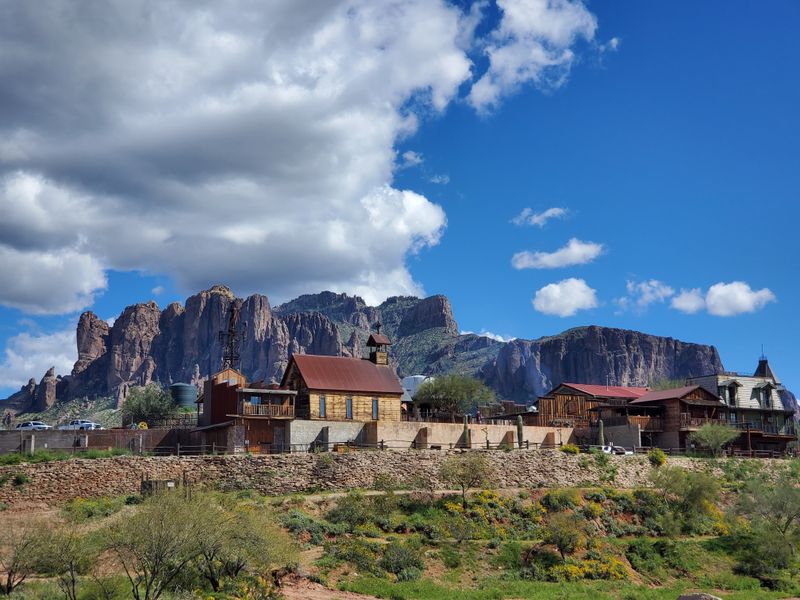
Goldfield sits at the foot of the Superstitions where winter light grazes peaks and turns the boardwalks into theater.
This is a recreated town around authentic history, with mine tours and staged experiences that still preserve context.
Cooler days help you wander between the headframe, shops, and small exhibits without overheating on the planks.
Interpretive materials outline the original boom and the geology that lured prospectors into rugged country.
You can pair a mine tour with a short stroll on nearby desert trails for mountain views.
Photographers catch clouds wrapping the range, creating dramatic backdrops for facades and machinery silhouettes.
Arizona’s winter sunsets often arrive bold, and the town’s skyline turns into a sharp cutout against color.
Family friendly touches coexist with historical notes, making it easy to tune your visit to your interests.
Listen for the whistle and the clank of reenactments that give texture without overwhelming the setting.
Docents are generous with answers, especially about ore grades, shafts, and safety practices.
Plan unhurried time because small corners reveal artifacts you might miss on a brisk walk through.
Goldfield shines in cooler months when stories, scenery, and comfortable weather align at the base of the range.
8. Oatman on Historic Route 66
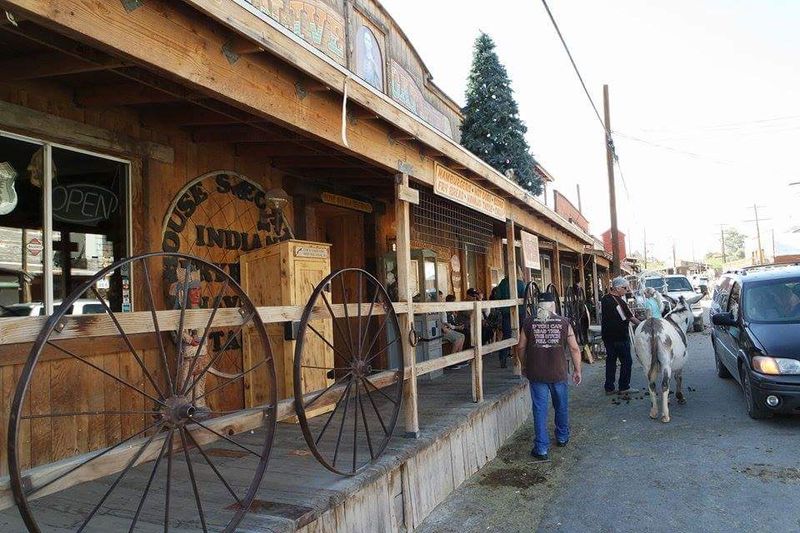
Oatman curls along a mountain pass where winter brings friendly air for strolling the wooden sidewalks.
The false front buildings hold shops and photos that chart the mining era’s clamor and later quiet.
Burros roam the streets, and you respect their space while taking in the scene and the ridgeline views.
Historic Route 66 bends through town, turning every corner into a frame that mixes road lore and mining grit.
Winter smooths traffic flows, so you can pause for architecture details and hillside remnants without the usual heat fatigue.
Look uphill for seams and tailings that explain why settlement clung to this canyoned slope.
Street shows add sound and movement that make the timeline tangible without drowning it in noise.
Arizona’s northwest high desert shows texture after rain, and the timbers darken beautifully under soft clouds.
Trails nearby give quick escapes to views where switchbacks stitch the mountains together.
Photography in winter finds forgiving light that flatters wood grain and rusted metal equally.
It is easy to spend a lazy half day here, letting small details accumulate into a full picture.
Oatman rewards curiosity, especially when cooler air encourages you to wander beyond the main drag.
9. Two Guns and Apache Death Cave Site
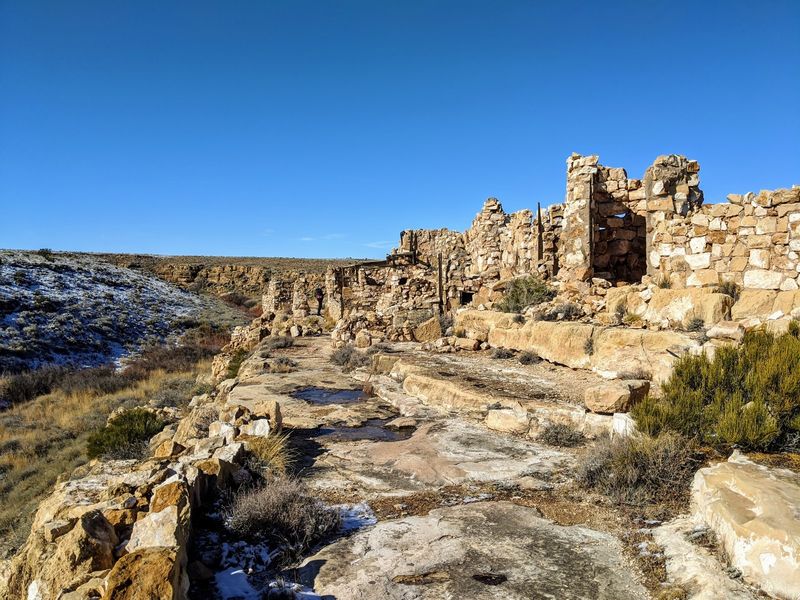
Two Guns spreads across the rim of a small canyon, where winter light casts long lines through stone ruins.
The site carries complex stories, including trading post chapters and contested narratives that require careful reading of sources.
You explore respectfully, staying mindful of fragile ground and the canyon edge that drops fast underfoot.
Graffiti and broken walls mix with surviving masonry that hints at an ambitious roadside dream.
The adjacent cave stories are sensitive, and interpretive accounts vary, so you avoid speculation and stick with posted materials.
Cool air makes lingering possible, letting you photograph textures without heat shimmer softening edges.
Arizona’s high country sits wide open here, and wind can rise quickly across the plateau.
Keep your route simple and watch for uneven surfaces hidden by grass in winter’s low growth.
Old bridge alignments and culverts add layers that connect to historic highway changes.
The ruins work best as a quiet stop, where you move slowly and let the location speak.
Respectful behavior matters because this place holds painful chapters within its roadside veneer.
Two Guns asks for thoughtfulness, and winter grants the calm needed to honor that request.
10. Swansea Remote Desert Ruins
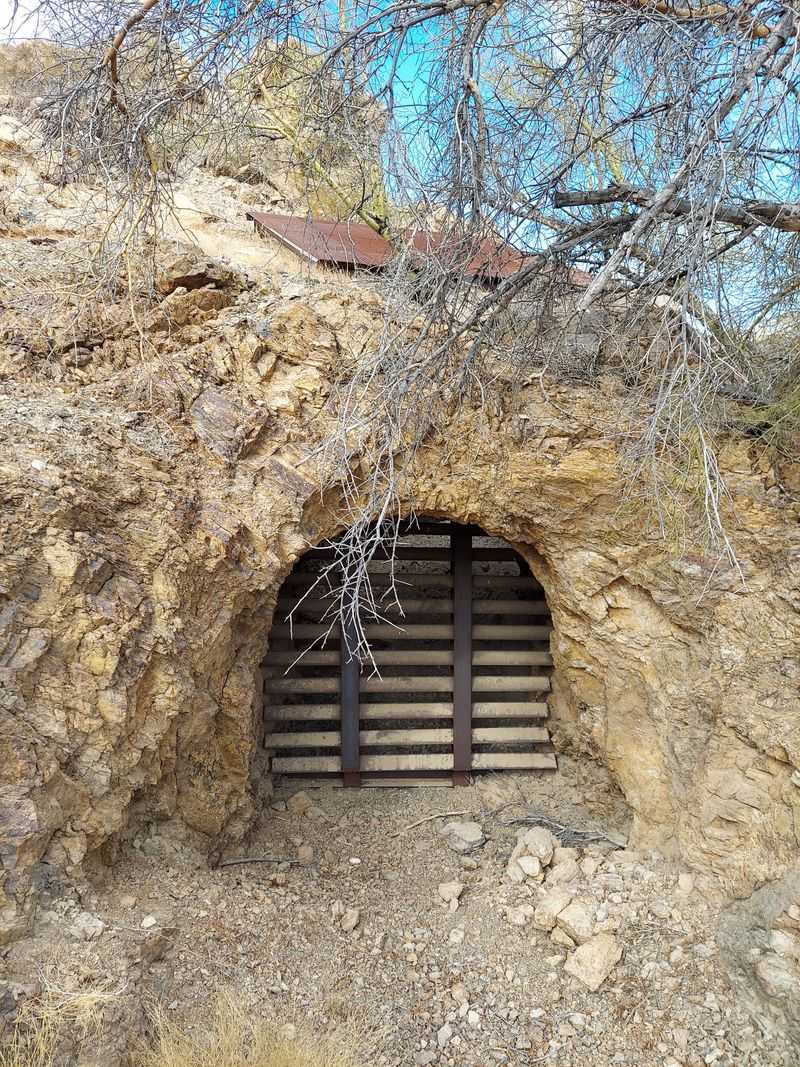
Swansea hides in a remote stretch of desert where concrete pads and smelter ruins sit like a grid of memory.
Winter turns the approach drive into a manageable adventure, with cooler temps making washboard roads feel less punishing.
You walk between foundations that map a company town, reading placards that outline business models and daily routines.
Low mountains shoulder the horizon, and the quiet is absolute except for wind edging across open concrete.
Metal remnants sparkle in slant light, and you tread carefully to avoid disturbing fragile surfaces.
Arizona’s backcountry ethic applies here, so you pack water and respect signage that protects sensitive features.
Smelter ruins reveal industrial design and clever placement for airflow, exhaust, and transport lines.
Winter clouds flatten glare and give the site an elegant palette of grays, tans, and soft blues.
Vehicle access varies with recent weather, so you check conditions before committing to the long spur.
Once there, you can meander without rush, letting distances between structures frame the scale of operations.
This is a place for slow looking and quiet note taking rather than quick snapshots and sprinting.
Swansea rewards preparation and patience, especially when winter offers comfort and crystal clear horizons.
11. Castle Dome Mining District
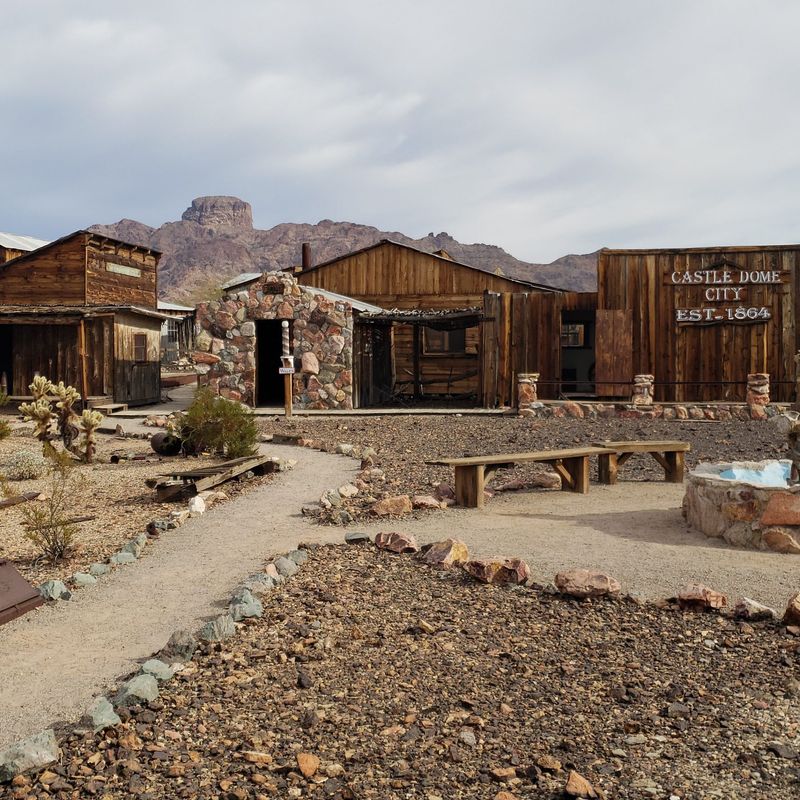
Castle Dome gathers restored buildings and artifacts into a walkable district that feels immersive without losing credibility.
Winter is ideal here because the lower Colorado Desert cools enough for long strolls among cabins and workshops.
Exhibits show how miners adapted interiors for shade, airflow, and storage that matched the climate’s demands.
You can trace power, water, and ore routes while comparing hardware across buildings that represent different trades.
The museum layout encourages a logical loop, so you cover ground without backtracking or missing key stops.
Arizona’s far southwest shows a different desert character, with luminous skies and pale mountains framing the town.
Photography thrives on the subdued winter palette that emphasizes grain, tool marks, and window glass waviness.
Docent stories stay anchored in records, and labels keep the narrative factual and digestible.
Open spaces between structures feel generous, giving you room to study each facade without crowding.
Plan time to linger in the assay area and the newspaper office where small artifacts add texture.
Cool breezes carry the scent of creosote after rare winter rains, enhancing the sensory memory.
Castle Dome shines in winter when comfort, clarity, and careful curation come together in the desert.
Dear Reader: This page may contain affiliate links which may earn a commission if you click through and make a purchase. Our independent journalism is not influenced by any advertiser or commercial initiative unless it is clearly marked as sponsored content. As travel products change, please be sure to reconfirm all details and stay up to date with current events to ensure a safe and successful trip.
