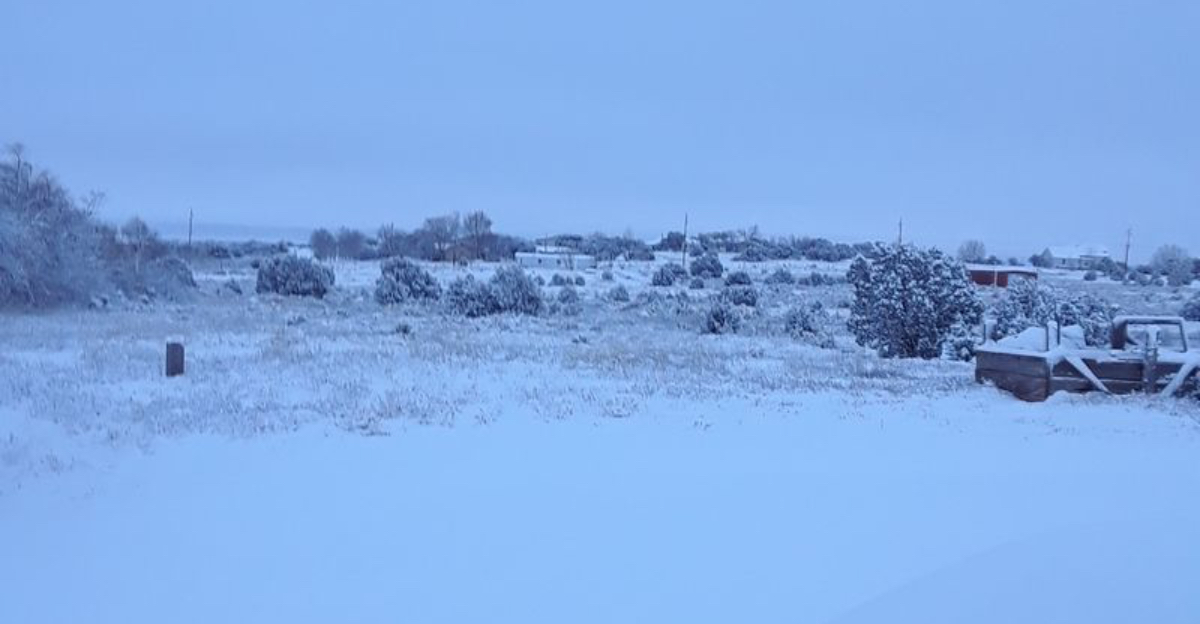
Winter in Arizona can feel like a secret, and Snowflake is the whisper that keeps returning to your feed.
The high plateau town turns cold months into a study of light, texture, and quiet streets that invite slow looking.
You will find scenes that feel unedited, where snow, timber, and open sky meet without fanfare.
Keep reading, because this is where subtle weather and small town pace make photographs feel like memories you have not made yet.
A Historic District That Softens Under Snow
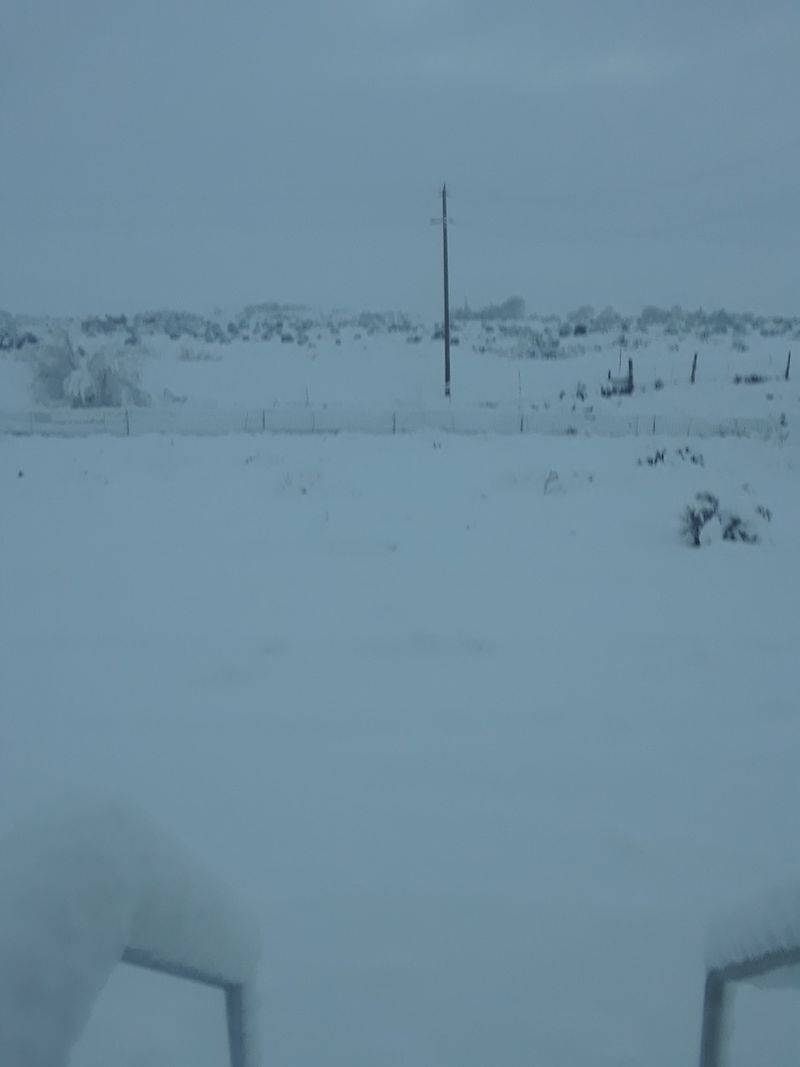
The historic core holds homes and civic buildings from the late nineteenth and early twentieth centuries, built by early Mormon settlers who shaped the town plan.
Brick, stone, and timber sit close to the street, and snow rounds the lines so each facade looks carefully drawn.
Gables carry smooth ridges, porch posts gather white collars, and window sills turn into neat ledges.
Walk a block, and the palette shifts from warm brick to pale snow, then back to wood shingles dark with melt.
The contrast feels gentle, not theatrical, which makes a camera linger on corners, soffits, and steps.
Arizona history reads quietly here, with names etched on plaques and church grounds that remain open to visitors.
Sidewalks narrow where drifts settle, but that channeling frames each doorway like a natural vignette.
Street trees hold thin sleeves of ice that catch a soft sparkle when the sun returns.
Even the courthouse lawn, when dusted, becomes a clean stage for simple lines and measured symmetry.
Details matter in this district, because winter strips out bright distractions and leaves texture to do the work.
Photographers find that even overcast days help, since flat light protects color and reveals grain in old timber.
Step back at dusk, and the mix of lamplight and snow glow turns the block into a scene that feels both preserved and lived in.
Broad Streets That Capture Winter Light
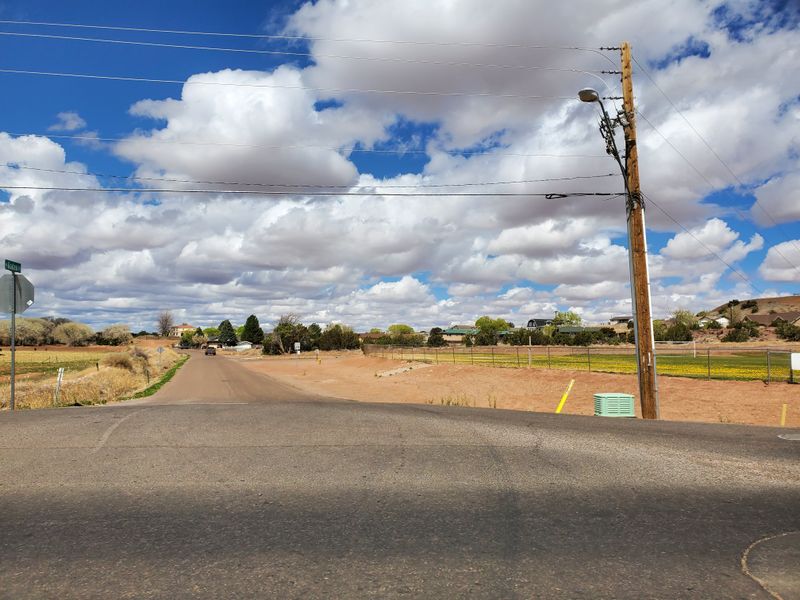
The early town plan favored wide streets, so winter light crosses open yards and reaches facades that would sit in shade elsewhere.
Midday sun bounces off pale surfaces and lays a thin sheen across asphalt that reads bright but not harsh.
That breadth creates long sightlines, which makes framing easy for lens work and casual phone shots alike.
Snowbanks keep edges tidy, and intersections look like clean grids with plenty of negative space.
Arizona skies often stay clear after a storm, so reflections stretch and glimmer along curbs.
With fewer parked cars than a big city, compositions line up with uninterrupted curb runs and power poles.
The geometry of winter becomes the subject, a set of lines and planes that accepts shadow like paint.
As the afternoon shifts, low sun pulls gold out of brick and leaves the road a cool slate.
Crosswalks read crisp against pale shoulders, and signage stands legible without visual clutter.
Even a simple mailbox throws a defined shadow that anchors an image and suggests scale.
When clouds drift through, the streets still hold light because of the width, which keeps scenes evenly lit.
By evening, the broad layout turns streetlights into islands of warmth that sketch a quiet map from block to block.
A High Plateau Town Built for Cold Seasons
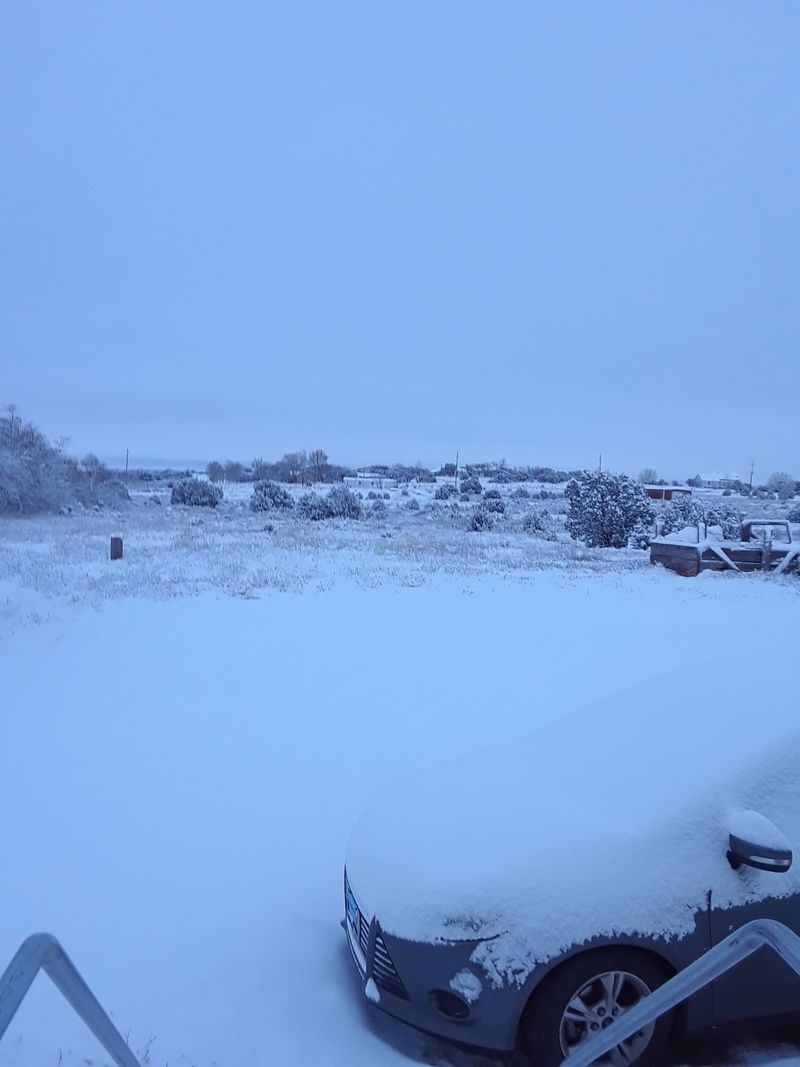
Snowflake sits on the Mogollon Rim shoulder of northeastern Arizona, where the plateau steps up and holds winter longer than the low desert.
At more than five thousand feet, mornings start crisp, with breath hanging in the air and porch rails edged in white.
The cold arrives clean, so you notice the hush in alleys, the crunch of tires on packed snow, and the way sound seems to carry a little farther.
Sunrise spreads slowly across the town, and the light filters through thin air that makes colors feel clear rather than bright.
Neighborhoods hold to a steady rhythm, with plowed routes tracing familiar loops and side streets left with soft ruts.
Photographers lean into the altitude, because shadows stay cool longer, and the sky keeps a deep enamel look that holds detail.
Even a fence line turns into a measured composition, posts capped by snow, wire tracing an even beat.
From the first cold snap, roofs take on a thin frosting that outlines each pitch and dormer.
As storms pass, the plateau reveals distance in stacked ridges, and you feel the town placed within a wide bowl of air.
Arizona shows a different face here, one that trades heat shimmer for clarity and calm.
Visitors notice how the day keeps its edges, with brisk midday walks that never feel heavy.
By late afternoon, the temperature dips and streetlights glow against pale yards, inviting a final round of photographs before night settles.
A Landscape That Blends Pines With Open Plateau
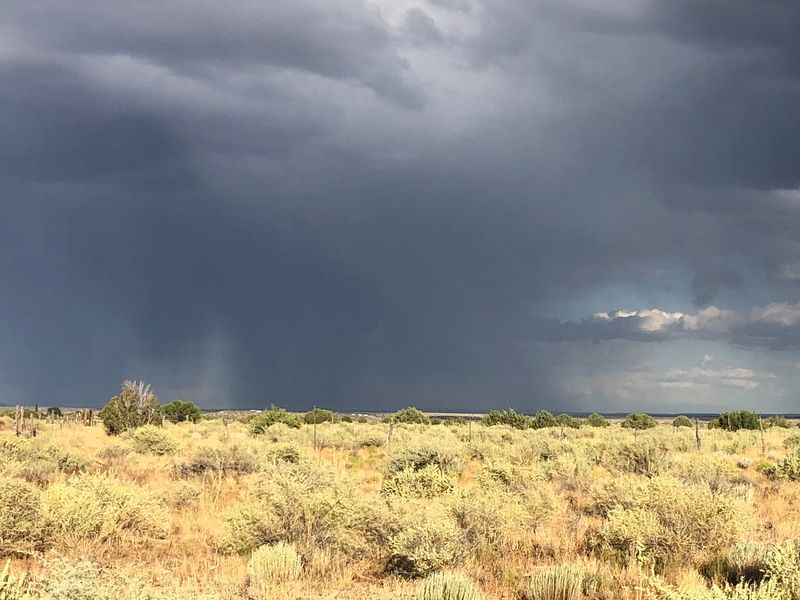
Beyond town edges, the plateau folds into belts of juniper and ponderosa, then relaxes into open grasslands dotted with rock.
Snow drifts along the tree line and exposes the boundary between woodland shade and open light.
Those transition zones create patterns that read beautifully from ground level and from overlooks.
Trailheads near the outskirts allow quick access to gentle routes, where you meet both crunching needles and open frost.
Arizona’s high country shows balance here, never as dense as mountain forests, but more textured than pure desert.
When wind passes through the pines, powder lifts and forms short veils that drift across sunlight.
Photographs pick up these small movements, which frame the stillness of distant buttes.
Open meadows hold shallow hollows where snow gathers, making soft bowls that set off lone shrubs.
The mix of green, ocher, and white creates a palette that changes slightly with each hour.
Cloud shadows travel far on this terrain, sketching moving stripes over the gentle roll.
In late day, the trees deepen to near black, which helps the snow read luminous without glare.
Return at first light, and the plateau opens again, ready for a new series of slow, measured frames.
A Calm Business District With Clear Sightlines
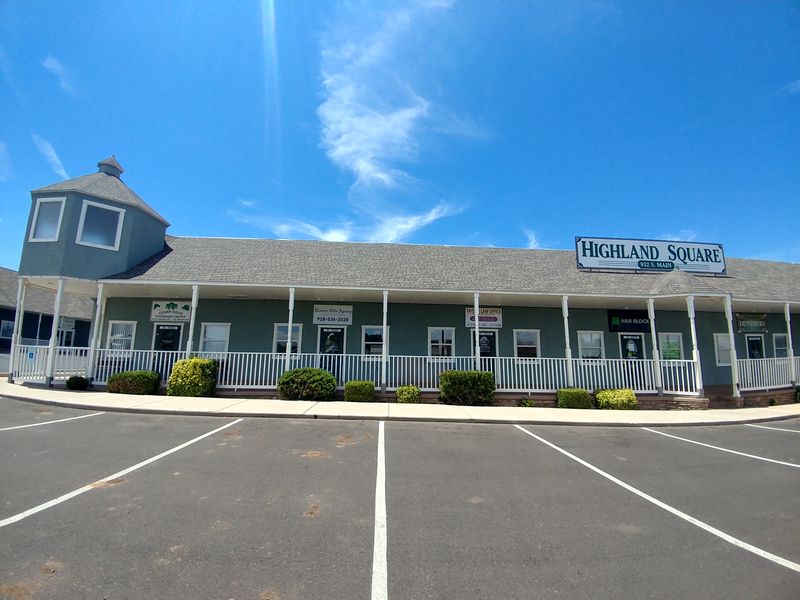
Downtown Snowflake keeps a modest scale, with low brick storefronts, tidy sidewalks, and a main street that never feels rushed.
Window displays lean practical, and the gaps between buildings let the sky play a larger role than signs.
Winter light finds every edge, so lintels, sills, and cornices pop against a pale background.
The grid stays simple, which makes it easy to move from the library to civic offices to local shops.
Arizona flags stir over doorways, adding color to an otherwise quiet palette.
Because the street trees are trimmed for clear lines, branches cast neat shadows that shift with the hour.
Photographers like the clean vanishing points that run through cross streets and around gentle corners.
Benches sit where you can watch small patterns, like tire spray turning to mist and then to sparkle as it cools.
Facade materials change block by block, but the rhythm feels steady rather than mixed.
After a light snow, awnings gather fringes that echo the simple geometry of the block.
Even on busy days, the noise never overwhelms the sense of open air and measured pace.
By dusk, warm windows balance the blue of the street, and the district settles into an easy, photogenic calm.
The Silver Creek Corridor Adding Subtle Winter Movement
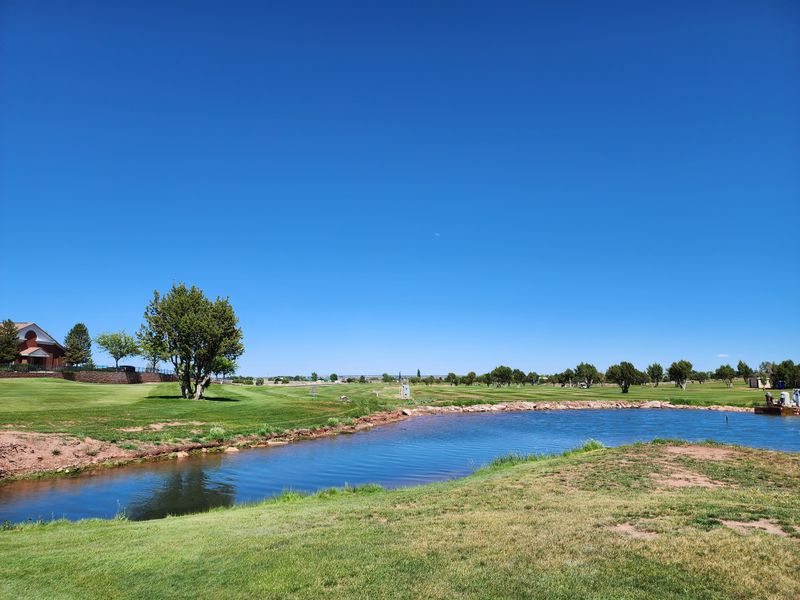
East of town, Silver Creek slips through meadows and cottonwoods, bending just enough to show motion without fuss.
Winter often leaves thin sheets along the edges, while the center keeps a slow mirror that reflects sky and bark.
That mix of frozen and open water creates layered images that change as temperatures shift during the day.
Cottonwood trunks stand pale, with dark seams that read strong against snow.
The creek corridor stays accessible from public pullouts and small parks near the water.
Arizona’s dry air helps ice hold shape, so textures remain crisp for days after a cold snap.
Listen for the faint rattle of ice as the current slides under a thin lid.
Tracks at the banks tell quiet stories, and the patterns add scale without crowding the frame.
Reflections of sky move slowly downstream and break into shards where small branches touch the surface.
Photographers find clean compositions by stepping back and letting the creek draw a natural line through the scene.
As light fades, the water turns steel blue, and the cottonwoods take on a soft bronze.
By night, the corridor holds a hush that feels deeper than the town, yet remains only minutes away.
A Night Sky That Sharpens After Snowfall
When storms wash the air, the night sky over Snowflake turns precise, with stars carrying hard points against a dark field.
Snow on the ground helps the town feel brighter under starlight, so outlines stay readable without heavy glare.
Light pollution remains limited, which lets long exposures pick up faint structures in the Milky Way during clear cold spells.
Streetlights glow small and warm, and that scale keeps the horizon calm in wide frames.
Arizona winter nights can feel biting, but that cold air stabilizes the view and rewards patience.
Tripods set on snow hold firm, and footprints behind the camera disappear into shadow.
Foregrounds work best simple, like a fence rail or a quiet shed roof glazed with frost.
Thin clouds sometimes slide by and catch a silver edge that adds depth without blocking the field.
Even short exposures look crisp, because the dry air keeps clarity high.
After midnight, the silence grows, and the only sound might be a distant train from the Apache Railway line.
Frames made here feel unforced, like the town has stepped aside to let the sky do the talking.
Pack layers, because you will want to stay longer than planned once the stars settle into view.
Morning Frost That Turns Fields Into Pale Canvases
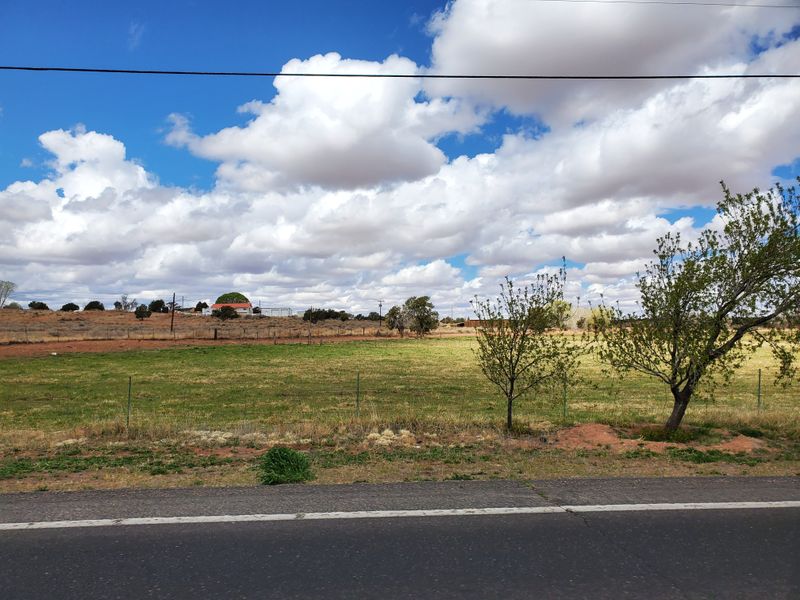
At first light, plateau grasses wear a thin glaze that makes each blade stand apart like fine lines on paper.
Frost gathers on fence wire and outlines loops and twists that usually vanish in daylight.
When the sun clears low roofs, the color palette shifts from pale blue to warm straw within minutes.
Small pastures on the town edge become natural canvases, each with its own texture and tilt.
Arizona mornings here favor stillness, so you can hear frost crackle under boots on short walks.
Photographers find that even simple angles, like shooting along a ditch line, carry a quiet elegance.
Breath hovers and drifts, adding a soft veil that moves through early frames.
As light strengthens, tiny melt beads form and throw pinprick highlights across the field.
Those points create a gentle sparkle that never feels glossy or staged.
Backlit grass heads read almost white, then fade to gold as the day gains speed.
The transformation happens quickly, which makes timing part of the fun.
By midmorning, the frost is gone, but the memory of that pale hour stays with the day.
A Community That Keeps Its Winter Identity Understated
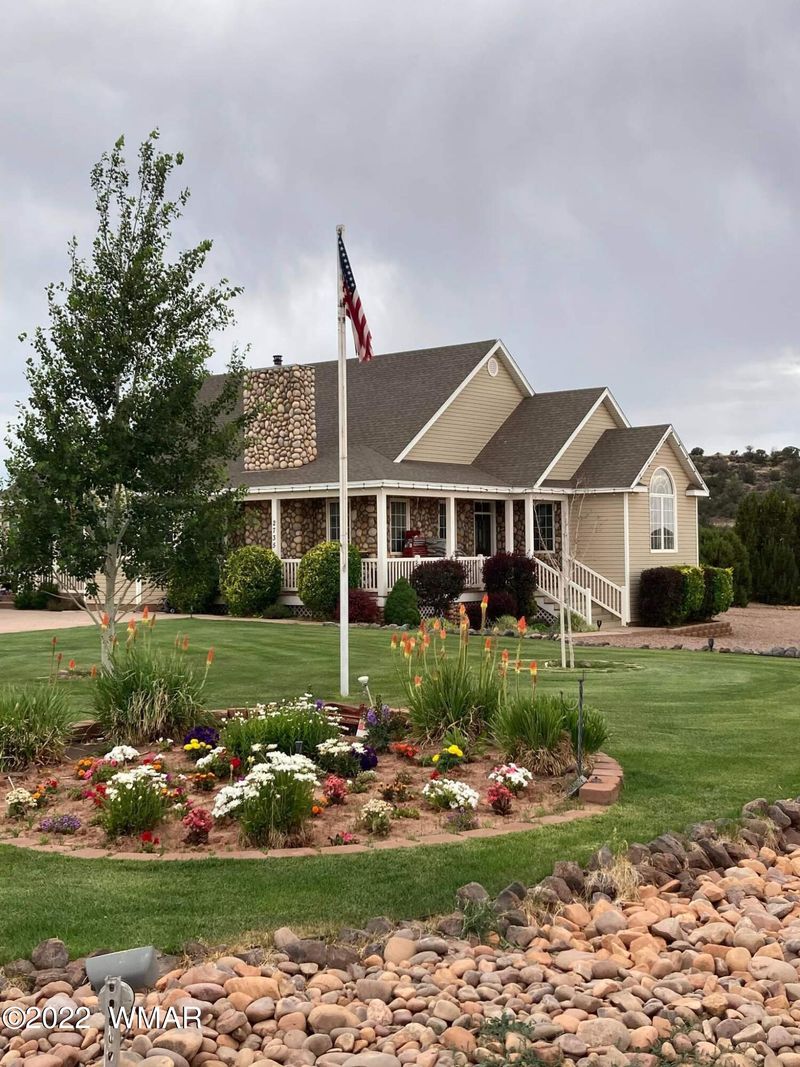
Local life treats snow as a normal season, not a spectacle, and that attitude shapes how the town looks and feels.
Driveways get cleared, porches get swept, and nothing else changes much beyond a slower pace.
Decor stays simple, which leaves the natural lines of buildings and streets to carry the scene.
Events continue on the calendar, with civic buildings and parks remaining open to visitors.
Arizona pride shows up in small ways, like a flag on a barn or a school sign that greets morning walkers.
Because the community keeps routines steady, photographs feel genuine rather than staged.
You can stand on a corner and catch honesty in ordinary tasks, like a broom, a shovel, and a wave.
That consistency means the town looks similar across winters, which helps returning visitors learn the light.
Conversations remain friendly and brief, leaving room for quiet wandering with a camera.
Storefronts focus on day to day needs, so windows reflect sky instead of heavy decoration.
The result is a cohesive winter identity that does not need banners to announce itself.
It simply emerges, steady and calm, when the first snow settles.
A Town Whose Winter Images Spread Quietly
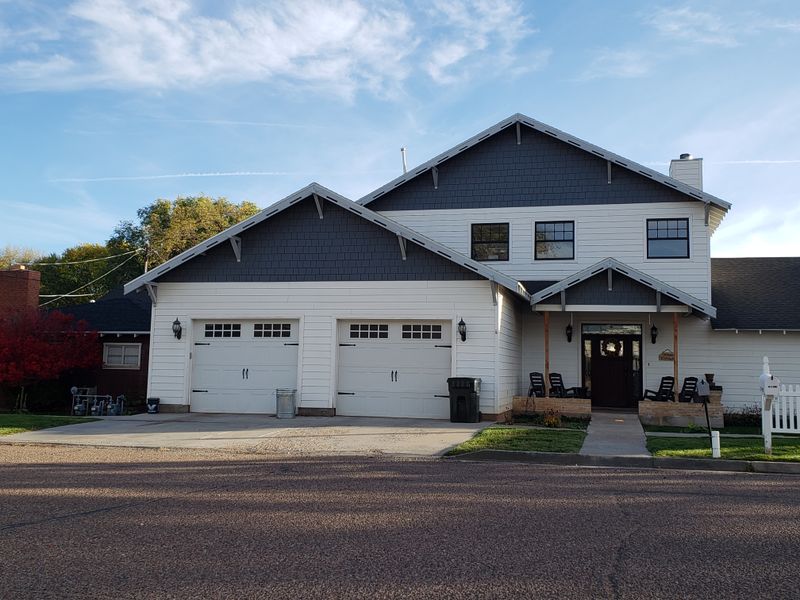
Snowflake photographs rarely go viral, yet they travel, passed along by people who liked the calm in the frame.
The town gives you elements that work together, like broad streets, high plateau light, and buildings that wear snow well.
Arizona context adds surprise, since many expect desert scenes instead of pale yards and clear breath.
The quieter the day, the more the details step forward, and that subtlety reads as trust in the place.
Images tend to carry soft color and firm lines, which makes them easy to revisit without fatigue.
Return visitors say the town looks almost the same in each winter, which helps your style stay consistent.
There is no chase for the perfect storm, just a steady season that rewards attention and patience.
Walk the same block at different hours and the light will rewrite the surface without changing the structure.
That reliability builds confidence, so you try slower shutter speeds and thoughtful compositions.
When you leave, the photos feel like something half remembered, which keeps you looking back.
They behave like rumors, gentle and persistent, inviting another visit when the air turns cold again.
Snowflake waits, not loudly, but with a clarity that stays in your pocket long after the trip ends.
Dear Reader: This page may contain affiliate links which may earn a commission if you click through and make a purchase. Our independent journalism is not influenced by any advertiser or commercial initiative unless it is clearly marked as sponsored content. As travel products change, please be sure to reconfirm all details and stay up to date with current events to ensure a safe and successful trip.
