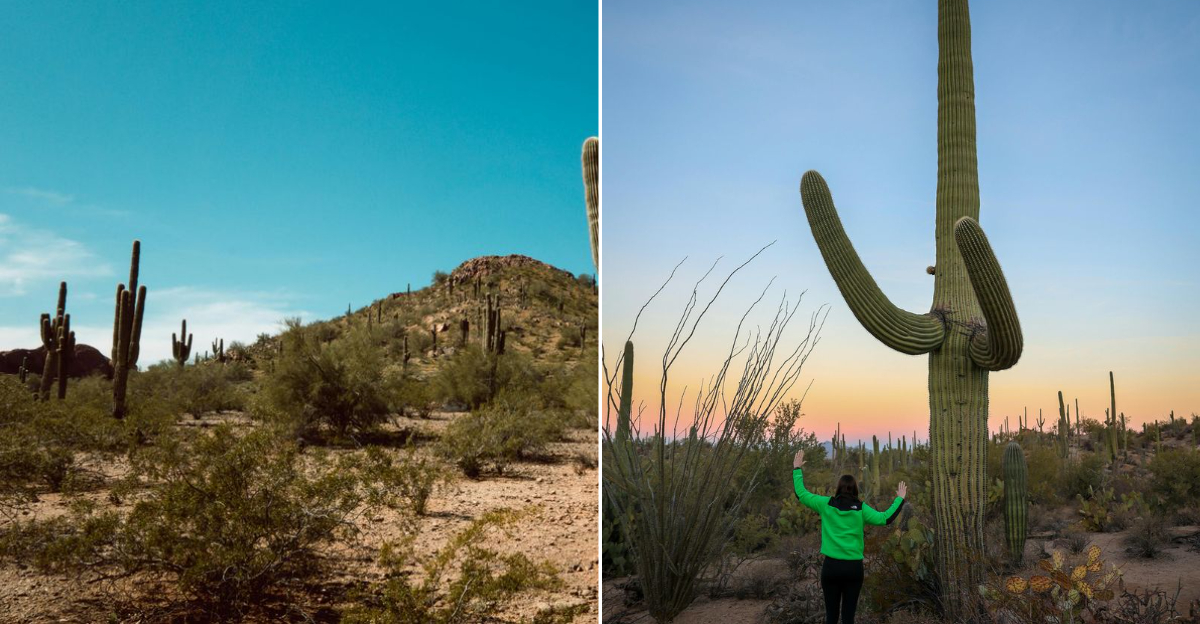
Why does a saguaro in Arizona come with paperwork like a vehicle title? Because the state treats saguaros as protected native plants, and moving one can require permits, tags, and seals through the Arizona Department of Agriculture.
Arizona law only allows moving a saguaro without that permit, tag, and seal in limited cases, such as when you can document a previous legal movement. So even on private property, relocating a cactus is not automatically a do-whatever situation.
There is even a dedicated saguaro tag fee and a separate seal fee, which tells you this is not a casual rule. The point is tracking legal salvage and transport, and making illegal collecting harder.
Arizona is basically saying this plant is part of the landscape, not a souvenir. If you are planning a move, checking the permit steps first is the easiest way to avoid an expensive surprise for your project.
Saguaro Counts As Highly Safeguarded Under Arizona Native Plant Law
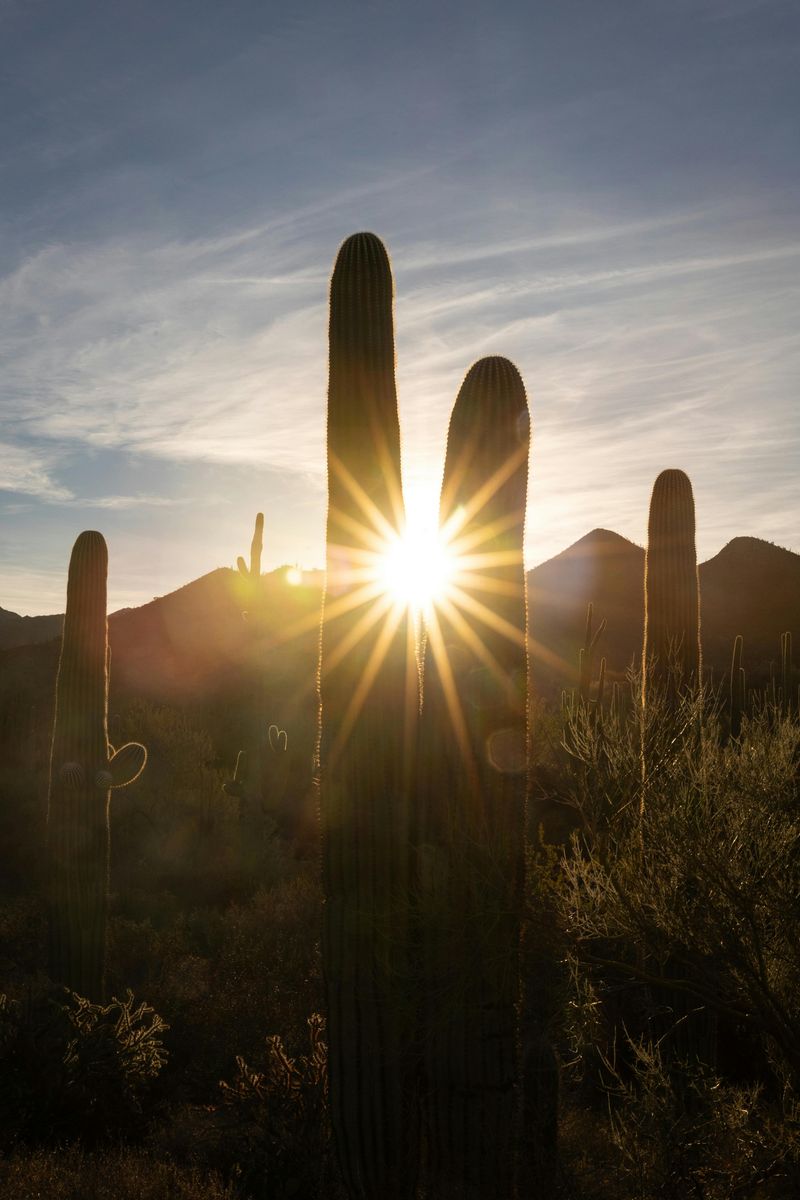
Start with this, because it explains the whole mood around saguaros in Arizona. The state treats them as living landmarks under a native plant framework, so even on private land they are not just another yard ornament that can be yanked out whenever a whim shows up.
You feel the respect in trailhead kiosks, nursery counters, and roadside pullouts where quiet notices spell out the basics without turning the place into a lecture hall.
Think of the law like a boundary line that keeps things fair, clear, and consistent across ranch fences, suburban lots, and open desert. It does not stop you from building, planting, or improving your space, but it asks that any saguaro work happen with paperwork in place so the plant’s history and destination are accounted for.
This is not fussy detail, it is practical structure that protects a slow growing species that anchors wildlife and shade.
Walk any wash near Tucson or Phoenix, and it clicks. Those tall ribs catch light, hold nests, and carry stories that outlast most plans you and I cook up on a weekend.
Arizona leans into that responsibility, and the law gives everyone a shared language to handle moves, salvages, and sales without guesswork.
If you ever wondered whether a towering cactus could be considered protected property, here is your answer. It is, and the rules are the proof.
The Core Rule, No Taking Or Moving Without Permission
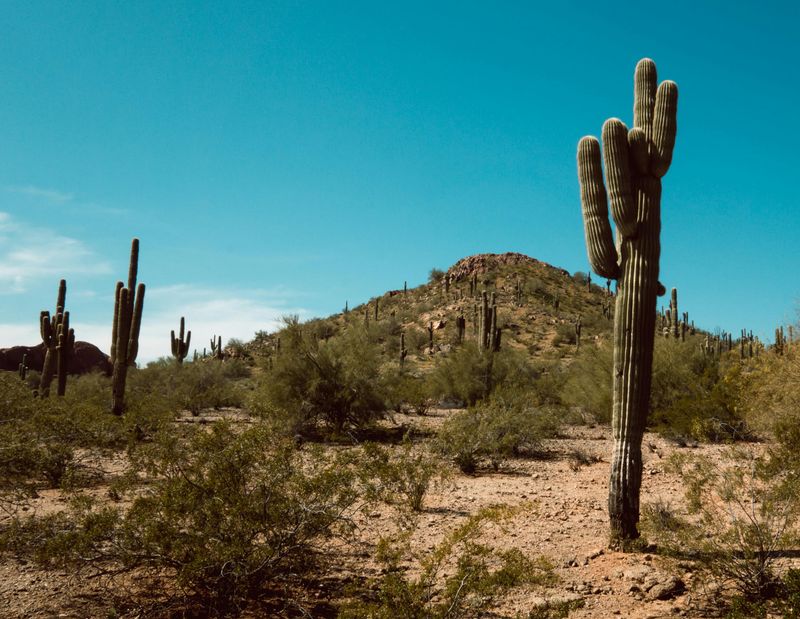
The rule at the center is simple enough to say out loud, and surprisingly easy to forget in the excitement of a new project. You do not take, cut, dig, or move a saguaro without permission that you can show if someone asks.
That permission is not just a nod from a neighbor, it is a formal permit connected to the plant’s identity and travel plan.
Here is why it matters when you are standing in a dusty side yard thinking about shifting a path. Saguaros do not bounce back from careless handling, and their roots are shallow, broad, and touchy, so the state sets a pause button that forces planning.
That pause saves lives in a very literal way, and it also saves you from an awkward conversation with an officer who already knows how this is supposed to go.
You still have options, and the process is not meant to block you from finishing a driveway or cleaning a lot. It is meant to make sure the plant’s past and future are documented so everyone knows it was handled right.
Arizona keeps it steady so enforcement does not depend on vibes or guesses.
If someone tells you to just do it at night and hope for the best, walk away. Quiet shortcuts tend to echo, and in this case the first echo is often a penalty that follows you longer than a weekend project should.
Permits And Tags Are The Proof You May Need To Show
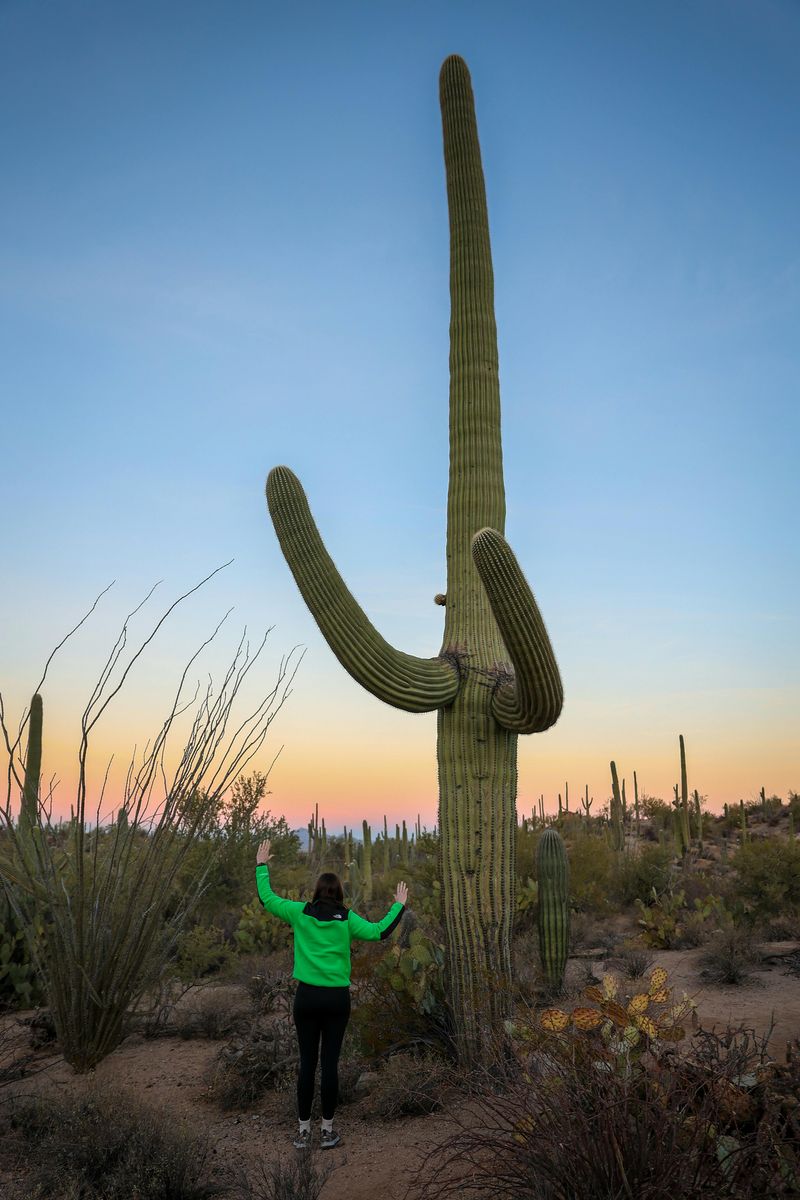
Paperwork sounds boring until you realize it is the exact thing that turns a gray area into a green light. When you hold a valid permit and the plant carries the proper tag, you have proof that the move or sale is legitimate.
If someone asks, you do not need a speech, you just point to the document and the tag, and the conversation ends calmly.
Tags are not souvenirs, they are part of the control chain that follows a protected plant from location to destination. That way, the story does not get fuzzy if the truck stops for fuel or if a neighbor starts filming.
The tag backs up your permit, and together they form a clean trail that inspectors recognize right away.
You will see tags on plants at reputable nurseries, salvage yards, and job sites where the crew knows the drill. It reassures buyers and neighbors that the cactus did not arrive by mistake or mischief.
Arizona rewards that transparency with smoother inspections and fewer headaches when questions pop up.
Keep the paperwork handy, keep the tag visible, and do not remove anything early. When the dust settles and the plant is home, you can sort the aftercare without worrying about missing proof.
Salvage Permits Cover Legal Removal And Transport
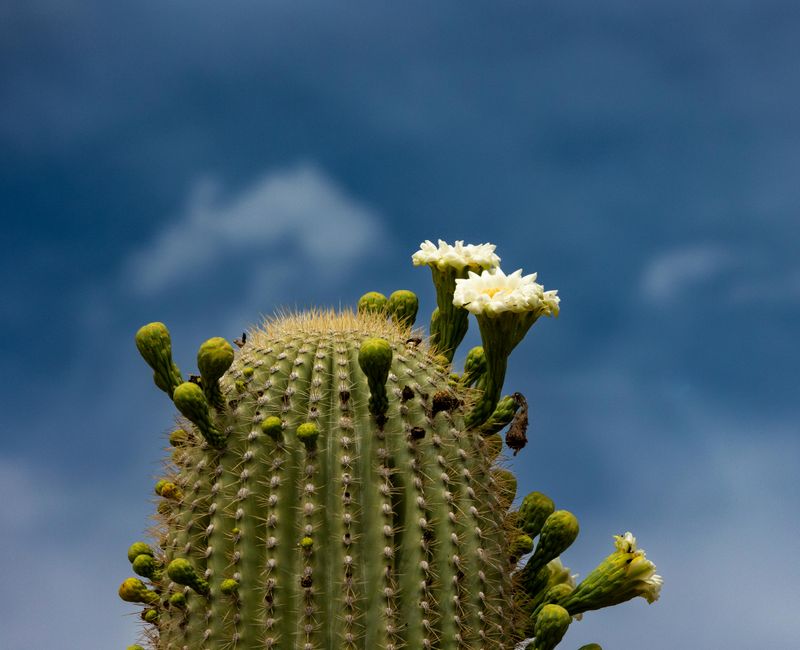
Here is the form you hear about most on job sites and in nursery yards. A salvage permit is what makes it legal to remove and transport a protected plant when development or clearing is scheduled.
It does not mean open season, it means a supervised relocation with names, routes, and destinations written down.
A good operator will walk the site, flag the plants, and match each one to a permit and a tag so nothing gets lost in the shuffle. That way, when the truck rolls, every saguaro is accounted for with a plan that covers loading, travel, and replanting.
You can ask to see that stack of permits, and a pro will show you without flinching.
Salvage is not just about saving a plant from a bulldozer, it is also about reducing shock during the move. Saguaros handle change best when they are carried upright, strapped carefully, and replanted with their original orientation.
Arizona did not invent those tips, but the rules make sure they happen.
If you are the landowner, you still benefit from this order. The permit protects you, the crew, and the plant, which is exactly the triangle you want when a living landmark is going from one address to another.
Private Land Clearing Still Has A Required Process
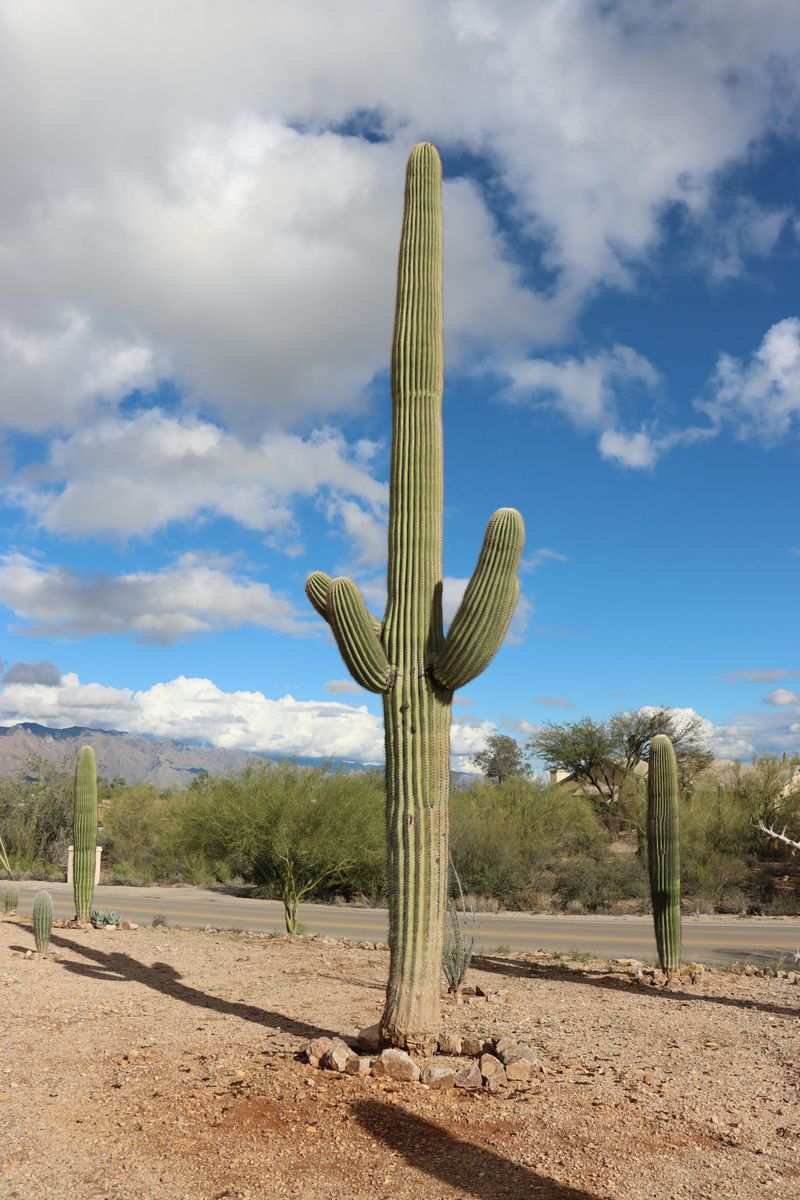
Owning the land does not change the playbook, and it actually makes the process feel more collaborative once you see how it works. Before clearing, the native plants are surveyed, documented, and either preserved in place or scheduled for legal salvage.
That keeps your project moving while still respecting the plants that belong to this landscape.
You can bring in a consultant who knows how to file the forms, coordinate with the county or city, and line up licensed crews for the heavy lifting. That person becomes your translator between your timeline and the rules, which is worth more than another round of guesswork.
It is smoother for neighbors too, because they see visible care instead of chaos.
Plenty of Arizona communities post guidance on this, and the tone is helpful rather than bossy. The idea is to fit new walls and driveways around native plants where possible, and legally move the ones that cannot stay.
You end up with a yard that looks like the desert, not a blank lot.
So yes, even on your own dirt, you follow the steps. The payoff is a finished space that sits right with the land and does not come with a side order of anxiety when a truck with state plates cruises by.
Selling Or Hauling Protected Plants Triggers More Rules
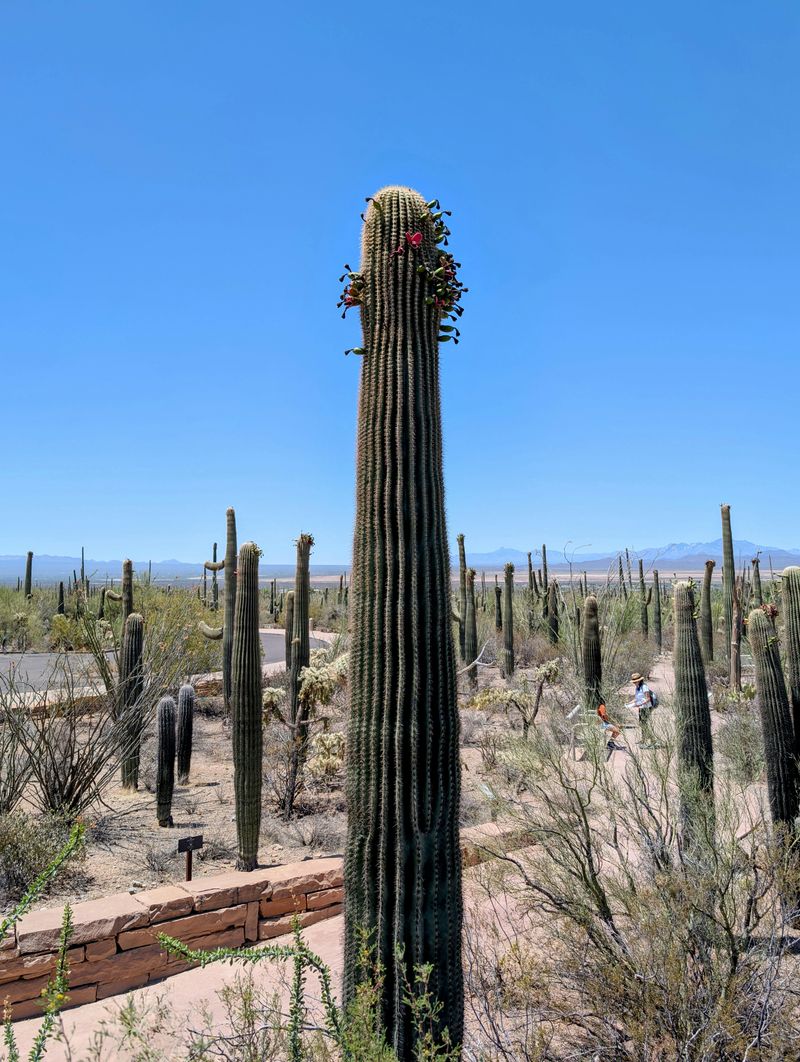
Once you cross into selling or hauling, you step into a lane with more checkpoints, and that is by design. The state wants a clean line between legal commerce and shady digging that strips the desert.
So the paperwork grows to include records of origin, destination, and the dates the plants changed hands.
That extra detail helps inspectors tell the difference between a nursery doing steady, legal business and a side hustle running on wink and nod deals. Buyers benefit too, because a plant with a full paper trail keeps its value and comes with less risk.
You get a healthier saguaro and a quiet conscience when you set it in the ground.
Transport rules ride along with this. Trucks need proper padding, upright placement, and secure tie points that will not scar the skin or crush the ribs under tension.
You are trusted to move a living thing, not a stack of patio stones, and the state expects that standard.
Ask to see the tags and permits any time you are about to pay or load. A legit seller will appreciate the question, and you will walk away with a plant that has a clear past and a better future.
Illegal Removal Can Bring Serious Penalties, Not Just Fines
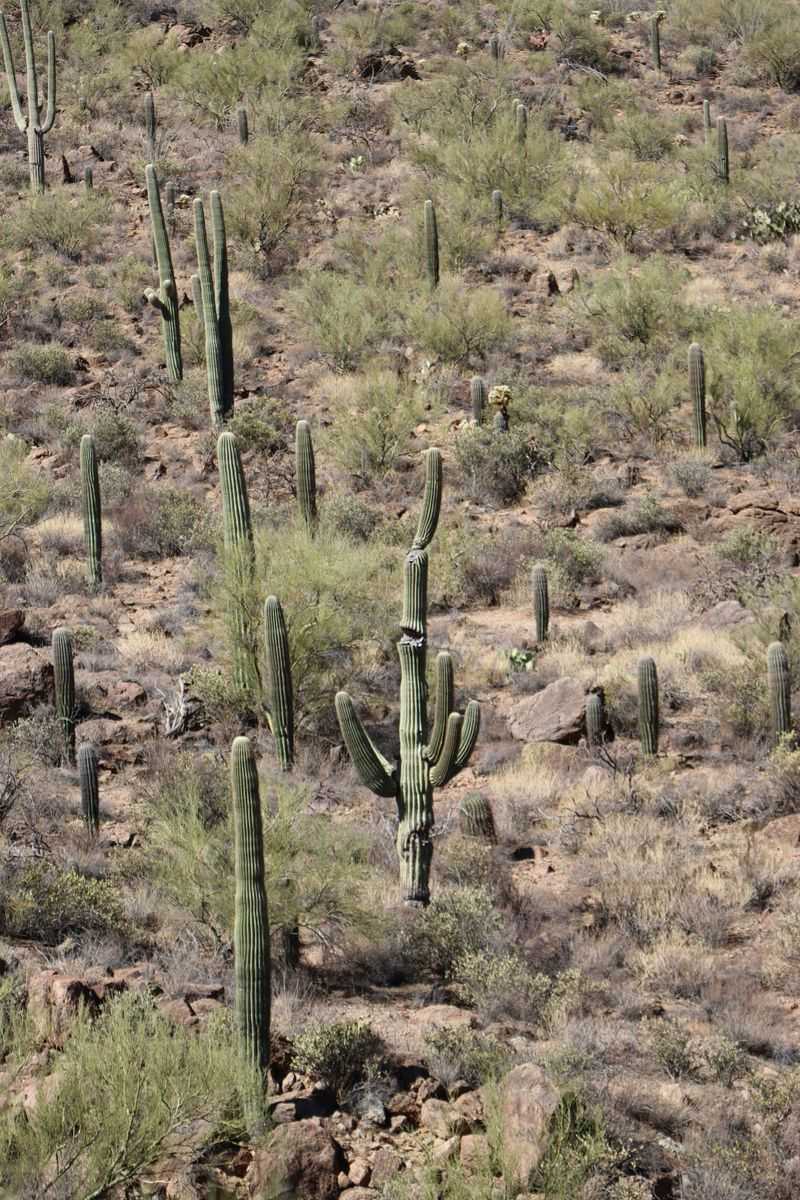
Here is the part nobody loves to discuss, and it is also the point that keeps the whole system honest. Pull a saguaro without permission, and the penalties can stack in ways that sting long after the dust settles.
We are not just talking a slap on the wrist, we are talking serious consequences that follow paperwork, property records, and reputations.
The state built strong teeth into enforcement because poaching can hollow out a landscape fast. It only takes a few reckless digs to thin a hillside and invite erosion, habitat loss, and a kind of quiet damage that takes seasons to notice.
So Arizona treats illegal removal as more than a shortcut, it treats it as an injury to shared ground.
If someone suggests a back road and a quiet lift, remember this. The desert does not forget, and inspectors are trained to read tire marks, cut roots, and tag tampering with calm precision.
It is not worth the anxiety, the risk, or the long term mess that follows.
Do it right, keep records, and sleep easy. You will have a better story to tell when that cactus throws a bloom and the neighbors wander over to admire it.
Why It Matters, Arizona Treats Saguaros Like Protected Property
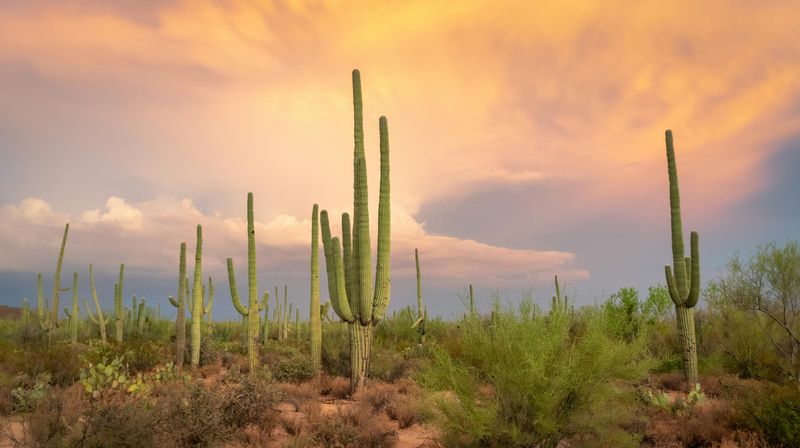
At the end of a long day, it comes back to respect, not red tape. These tall neighbors shape the skyline, anchor wildlife, and lend every drive a sense of place that sticks to your clothes like dust after a hike.
Arizona decided to act like a good host, which means setting clear house rules for guests and locals alike.
When permits, tags, and salvage crews feel normal, the culture shifts. A move becomes a planned handoff instead of a scramble, and the plant gets a fair chance to root again.
You feel it in neighborhoods where big saguaros stand close to porches without feeling like props, because their story is known and their journey was careful.
Think about what that says to visitors who fly in, rent a car, and go chasing sunsets. They meet a desert that is cared for, not just photographed, and they bring that respect back home like a souvenir that keeps growing.
The rules make that possible in small, steady ways.
So if you find yourself staring up at an old giant and wondering how it got here, the answer is probably patient hands, good paperwork, and a state that chose to protect what it loves. That is a lesson worth packing out with you.
Dear Reader: This page may contain affiliate links which may earn a commission if you click through and make a purchase. Our independent journalism is not influenced by any advertiser or commercial initiative unless it is clearly marked as sponsored content. As travel products change, please be sure to reconfirm all details and stay up to date with current events to ensure a safe and successful trip.
