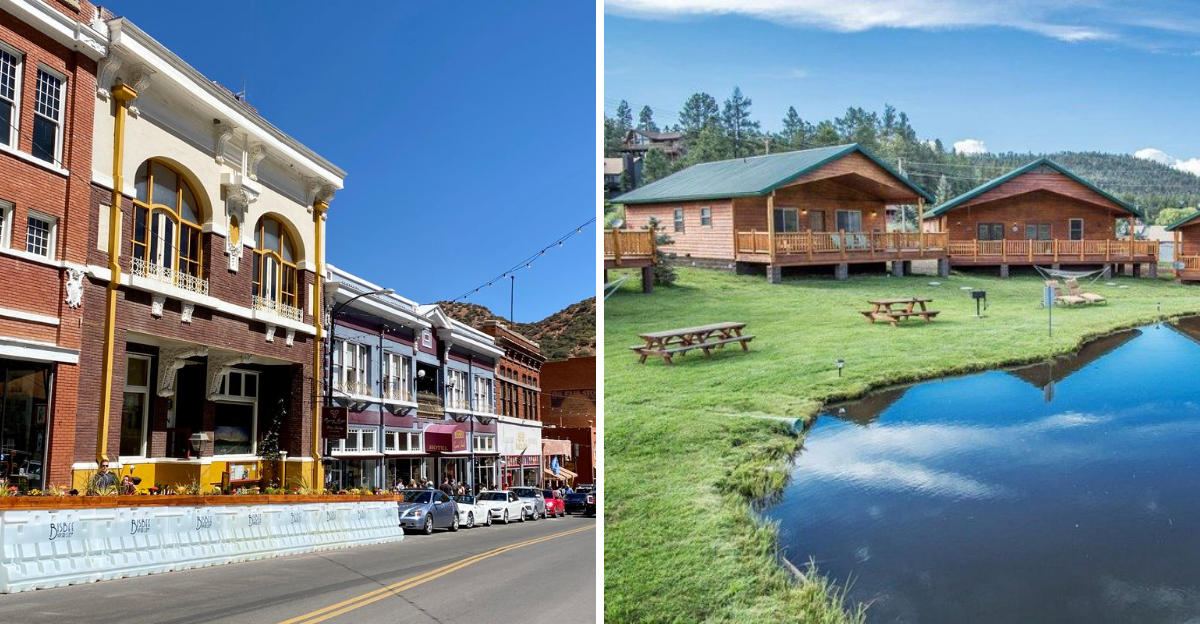
Arizona holds unforgettable landscapes, but some small communities say the quiet that once defined them is slipping away. You will hear about traffic, parking gridlock, and homes turning into short term stays that crowd out neighbors. Locals describe a year that now feels like one long peak season across parts of the state. If you love Arizona, this guide helps you visit kindly while understanding what residents are feeling.
1. Sedona
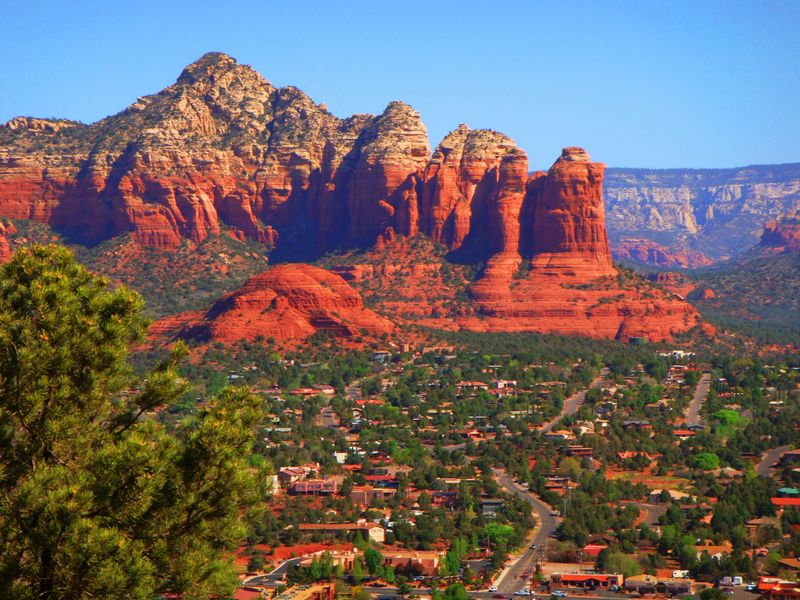
Sedona, AZ 86336.
Red rock walls glow at sunset, yet the approach into town often slows to a crawl as trailhead lots spill over and side streets fill with circling cars.
Residents point to vacation rentals changing block by block, where porch lights shift from neighbors to weekend arrivals who pack itineraries from sunrise to twilight.
Parking crunches ripple through neighborhoods near popular trail corridors, and the once simple grocery run can turn into a long chore with detours and queues.
Hiking access stays beautiful, but the squeeze on early morning trailheads sets an anxious tone for both visitors and people who just want to walk their dogs.
Shops along State Route 89A feel busy from open to close, and delivery trucks thread through congested lanes that were never built for constant tour traffic.
Locals say noise rises after dark as patio conversations linger, turning quiet hours thin and pushing bedtime later than it used to be.
Fire risk seasons add tension, since narrow roads and packed lots complicate any plan to move quickly if conditions shift or closures roll out.
City discussions keep circling around balance, with caps, enforcement, and transit shuttles floated to ease pressure without draining the lifeblood of small businesses.
Visitors who park once, use shuttles, and explore weekdays help the rhythm settle, reminding everyone that Arizona still rewards patience and care.
Red rock trails rely on fragile desert soil, and heavy foot traffic can widen paths or trample crusts that take decades to heal.
Service workers, essential to keeping the town running, often commute from farther away as housing grows scarce near the core.
Some longtime residents note that porch conversations with neighbors have shifted into reminders about parking etiquette and late-night volume.
Wayfinding signs help, but overwhelmed first-timers still make abrupt stops that ripple through already tight traffic corridors.
Seasonal festivals magnify the strain, filling every bench, curb, and viewpoint until the landscape feels more like a thoroughfare than a sanctuary.
Restroom capacity, trash pickup, and trail maintenance all stretch thin as crowds surge beyond what the original infrastructure imagined.
Handled with mindfulness – early starts, shared rides, quieter evenings – Sedona can keep its calm pockets alive even as the world arrives to see its famous glow.
2. Jerome
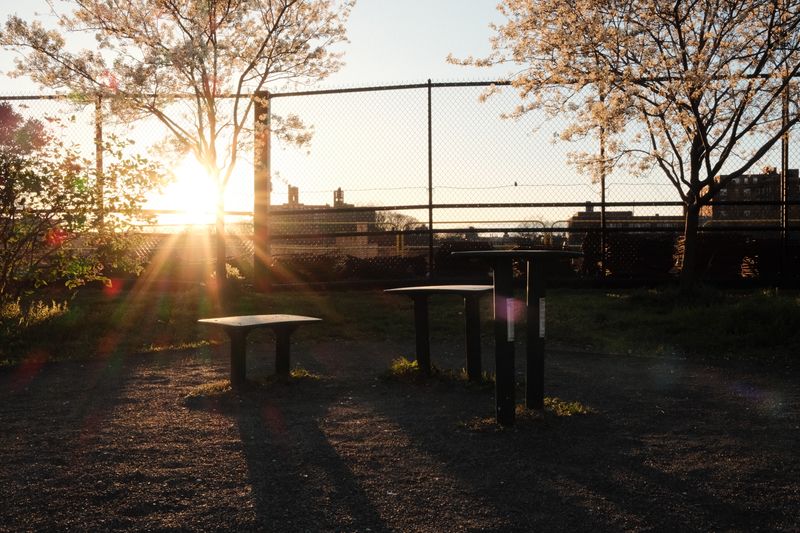
Jerome, AZ 86331. A cliffside main street clings to the mountain, and weekends bring a steady stream of cars that inch around hairpin turns and pause at every tight corner.
Locals describe doorways rattling when engines rev on the slopes, with voices echoing off brick facades that once settled into silence by early evening.
Parking slots vanish fast, so visitors circle up and down the grade, adding fumes and frayed tempers to the delicate hillside air.
Historic structures feel the strain as foot traffic funnels through narrow sidewalks that were built for a slower way of life.
Year round neighbors say routine errands now require timing tactics, since midday often feels like a fair that never quite packs up.
Home conversions raise stakes for people who hoped to stay, because a short stay market rewards turnover more than roots.
Side streets, already tight, become pinch points where delivery vans meet strolling clusters and nobody quite knows who should move first.
Community meetings keep returning to shuttle loops, capacity limits, and clearer wayfinding to keep crowds in check without dulling the town’s character.
When visitors step softly, park once, and linger on porches with low voices, the hillside steadies and Arizona’s mining past can actually be heard.
Steep inclines test older infrastructure, and even small increases in traffic accelerate wear on retaining walls and aging stairways.
Residents mention that sound carries in surprising ways, so late-night laughter can drift from balcony to balcony long after businesses close.
Galleries and tasting rooms welcome the interest, yet many owners hope for gentler pacing that lets conversations unfold without crowding the thresholds.
Emergency routes require constant attention, since a single poorly parked car can complicate access on roads already near their limits.
Shuttle drop-offs help, but inconsistent use means some blocks still face bottlenecks that strain both patience and pavement.
Local groups promote “look before you step” habits on narrow walks, preserving fragile edges that border steep drops beneath railings.
Handled with care, Jerome can stay lively without losing its fragile mountain balance, keeping the spirit of the old copper camp alive for all who call it home.
3. Bisbee
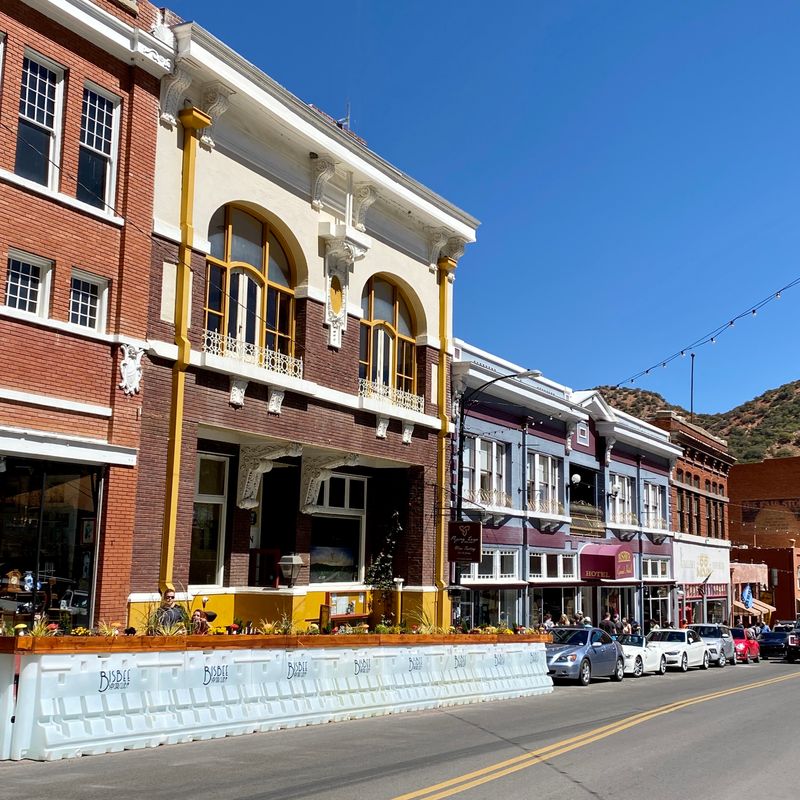
Bisbee, AZ 85603.
Steep staircases and bright facades draw creative energy, yet residents speak about rising costs as homes turn into short term retreats that rotate guests weekly.
Narrow roads strain when tour groups arrive together, and buses navigate with careful swings that stall intersections and stretch small town patience.
Artists who once found long lease stability now juggle shifting options while studio spaces compete with lodging demand.
Noise carries through the canyon, so late conversations can travel farther than expected and linger in rooms that face the street.
Parking fits like a puzzle with missing pieces, and locals often park far from home just to keep daily life moving.
Shopkeepers welcome foot traffic, but many ask for pacing that lets browsing stay relaxed without clogging doorways and stoops.
Neighborhood steps, the lifelines between levels, feel crowded on busy days, where stair pauses become bottlenecks instead of moments to catch breath.
Community groups discuss wayfinding maps, smaller group scheduling, and trail etiquette that respects the tight weave of alleys and lanes.
Thoughtful travel habits keep Bisbee’s personality intact, helping Arizona’s arts story remain lived in rather than curated for a single snapshot.
Residents note that the town’s layered architecture needs careful upkeep, and heavier visitor flow accelerates wear on century-old foundations.
Local cafés, once quiet corners for writing or sketching, now experience rushes that reshape the slower creative pace Bisbee is known for.
Service workers face longer commutes from more affordable outskirts, shifting the rhythm of shifts and limiting time for community events.
Emergency access becomes tricky on festival weekends, when tight corridors and parked cars leave little room for quick response.
The hillside layout magnifies small disruptions, turning a single stalled vehicle or delivery truck into a cascading delay.
Some longtime neighbors advocate for clearer signage about residential boundaries, hoping to reduce accidental trespass onto shared patios and terraces.
Balanced planning ensures Bisbee stays vibrant – a place where visitors admire the texture of the town without overwhelming the people who give it life.
4. Tombstone

Tombstone, AZ 85638.
Boardwalks and wooden fronts set a theatrical scene, and residents say daily performances can make ordinary errands feel like moving through a set.
Businesses cater to visitors first, which leaves some locals feeling like extras while they navigate staged moments to reach the post office or market.
Traffic concentrates near the main strip, and parking fills quickly when groups cluster for scheduled demonstrations.
Quiet streets just off the center used to offer relief, though spills of crowds now ripple into nearby blocks.
Short stays pull housing out of long term circulation, and people with deep roots face fewer paths to remain in the core.
Evening noise rises as visitors drift between attractions, and porch conversations can be louder than a neighborhood might expect.
Community voices ask for better spacing of events, improved signage, and calmer hours that let residents reclaim daily rhythms.
Shuttle ideas and remote parking lots surface often, aiming to reduce congestion without dimming the town’s living history.
Respectful pacing lets Arizona heritage feel grounded, so the story reads as a home first and a show second.
Some longtime shopkeepers note that the constant reenactments blur the line between heritage and spectacle, complicating efforts to preserve authentic stories.
Side streets see more foot traffic than before, as curious visitors wander beyond the designated performance zones in search of “hidden” landmarks.
Local services – like grocery runs, medical visits, and school commutes – adjust around peak tourism hours to avoid bottlenecks on narrow routes.
Historic buildings require careful upkeep, and increased wear from higher footfall adds pressure to already tight maintenance budgets.
Residents talk about balancing nostalgia with practicality, ensuring the town’s narrative stays honest rather than purely entertainment driven.
Some community meetings focus on ways to educate travelers about local etiquette, quiet hours, and the importance of preserving original structures.
Handled with care, Tombstone can remain a proud chapter of Arizona history, where tourism supports rather than overwhelms the people who live it every day.
5. Oak Creek Village
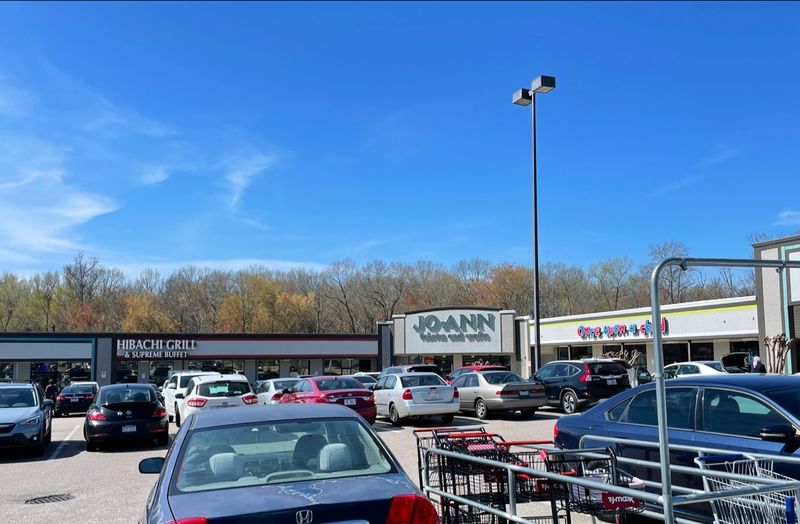
Village of Oak Creek, AZ 86351.
This community sits just south of Sedona, and wave after wave of overflow traffic finds its way onto residential roads during busy seasons.
Locals describe trailhead lots filling before breakfast, pushing cars into cul de sacs that were designed for families, not constant turnover.
Short term rentals replace long held homes, which shifts school enrollment and strains neighborhood ties that relied on everyday routines.
Sidewalks near shops feel lively, yet crosswalk waits grow longer as drivers hunt for that one open slot in a packed row.
Morning quiet gives way to tailgates opening, gear sorting, and animated route planning that echoes across otherwise calm streets.
People who work service jobs face longer commutes and fewer nearby options for stable housing.
Community boards consider limits, better transit to major trailheads, and clearer parking rules that protect driveways and emergency access.
Visitors who arrive early, park once, and use shuttles leave space for daily life to unfold without constant sidestepping.
With care, Arizona’s red rock gateway can welcome travelers while keeping the village feel intact for those who call it home.
Even small errands take longer, as weekend congestion turns a quick grocery run into a slow weave through out-of-state plates.
Outdoor dining areas stay full well past typical lunch hours, blurring the line between meal rushes and sightseeing surges.
Longtime residents adapt by timing hikes for dusk or dawn, reclaiming a bit of the peace that first drew them here.
Some side roads now carry more hikers than neighbors, shifting the rhythm that once defined everyday village life.
Local groups emphasize trail etiquette and Leave No Trace reminders to ease the wear on popular routes.
Businesses appreciate the steady foot traffic but acknowledge the strain it puts on staffing and supplies.
Even so, when the red rock cliffs glow at sunset, the Village of Oak Creek still feels like a rare blend of natural grandeur and small-community resilience.
6. Sonoita
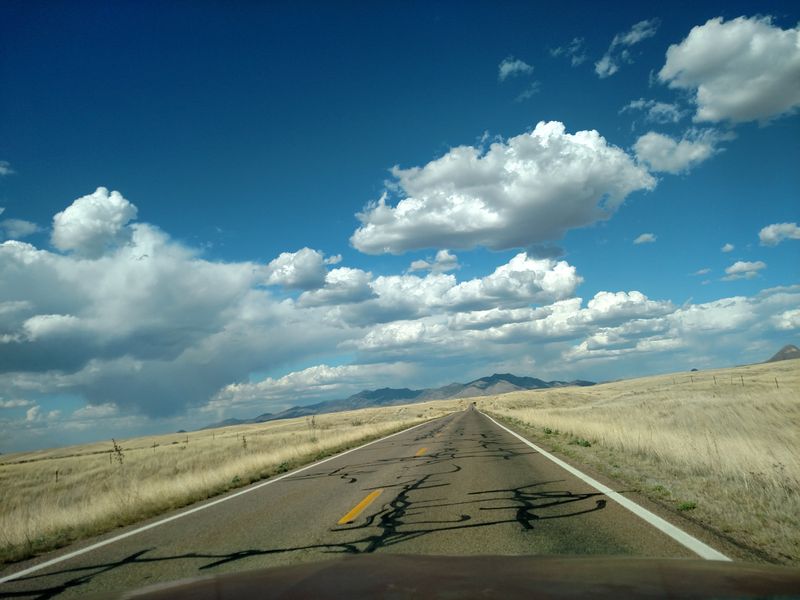
Sonoita, AZ 85637.
Rolling grasslands meet low slung buildings, and recent attention has filled weekends with visitors who follow scenic drives to quiet crossroads.
Locals say the rural rhythm feels thinner when traffic stacks on two lane roads and shoulder space becomes improvised parking.
Short stay lodging nudges prices upward, and neighbors who once traded tools now navigate booking calendars across the fence.
Patios that once offered wide open breathing room turn busy with chatter, leaving fewer corners for solitude.
Farm routes and service vehicles compete with sightseeing loops, which lengthens trips that used to be simple and direct.
Community groups weigh signage, visitor centers, and carpool messaging to lighten the pressure without losing the area’s welcoming spirit.
Cell coverage dead zones complicate wayfinding, so missed turns can spill onto private drives and ranch gates.
Respect around cattle crossings and dust control helps everyone share the landscape without fraying tempers.
Handled thoughtfully, this corner of Arizona can keep its open sky feeling while inviting travelers to slow down and tread lightly.
Even long-time tasting rooms feel the strain, with bar seats filling early and staff juggling heavier weekend flows.
Resident artists note that studio visits now come in clusters, shifting the once-steady trickle of curious neighbors into larger, faster waves.
Trail pullouts along the hills show fresh ruts where overspill parking presses into the grasslands.
Evening quiet arrives later these days, settling in only after the last cars fade toward Tucson or Patagonia.
Locals lean on shared calendars and text chains to avoid the busiest windows, preserving small pockets of calm.
Wildlife – especially pronghorn – adjust their paths when roadside activity spikes, a reminder of the area’s delicate balance.
Still, when the breeze lifts through the grass and the horizon glows copper at dusk, Sonoita retains the wide-open magic that draws people here in the first place.
7. Greer
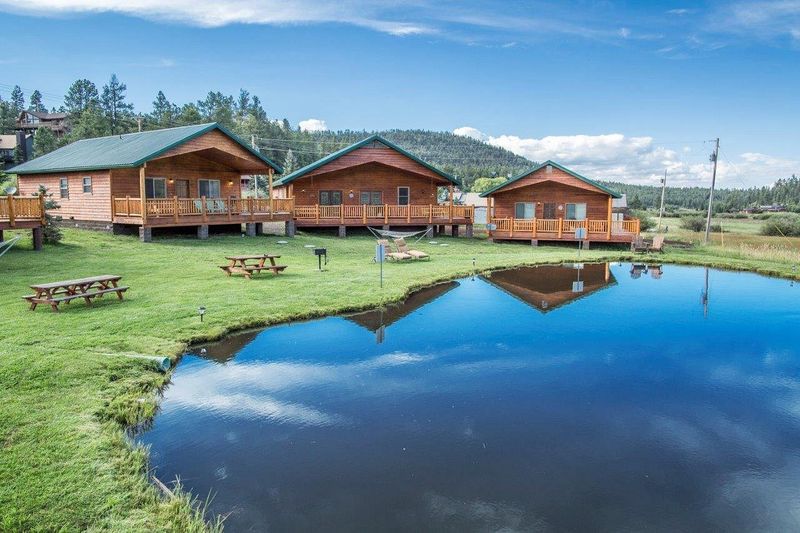
Greer, AZ 85927.
Pines frame a high country valley where summer swells bring long lines at small general stores and full parking near trail pullouts.
Residents value the hush of early mornings, yet seasonal crowds stretch that quiet thin as cabins turn over each weekend.
Roads are narrow and winding, so a few extra trucks and trailers can slow everything to a patient crawl.
Lodging demand nudges prices upward, and long term rentals become rarer for people who maintain the services everyone relies on.
Wildlife crossings add another layer, because traffic spikes increase the risks on dusky stretches of highway.
Local groups encourage trash pack out, respectful noise levels, and fire smart behavior when winds pick up.
Small trailheads reach capacity early, and overflow can damage shoulders or crowd private drives if signs are ignored.
Shuttle experiments and clearer maps have been floated to guide hikers toward lesser known routes that can share the load.
With mindful choices, visitors help Arizona’s mountain quiet return between peaks of activity, keeping Greer peaceful for the next arrival.
Warm afternoons bring a lull as families retreat to porches, letting the village breathe before the evening rush.
Shops stock essentials in small batches, so latecomers sometimes find shelves picked clean after busy weekends.
Locals swap weather notes and fire updates at the post office, grounding the community in steady routines.
When storms roll over the rim, the forest hush deepens, reminding everyone how quickly conditions can shift.
Cabins glow early with lamplight, giving the valley a patchwork warmth against the cool mountain air.
Even popular fishing spots feel the strain, with banks wearing thin where too many boots settle in the same places.
Still, when the crowds thin and the stars rise sharp over the treetops, Greer feels like the quiet heart of Arizona’s high country.
Dear Reader: This page may contain affiliate links which may earn a commission if you click through and make a purchase. Our independent journalism is not influenced by any advertiser or commercial initiative unless it is clearly marked as sponsored content. As travel products change, please be sure to reconfirm all details and stay up to date with current events to ensure a safe and successful trip.
