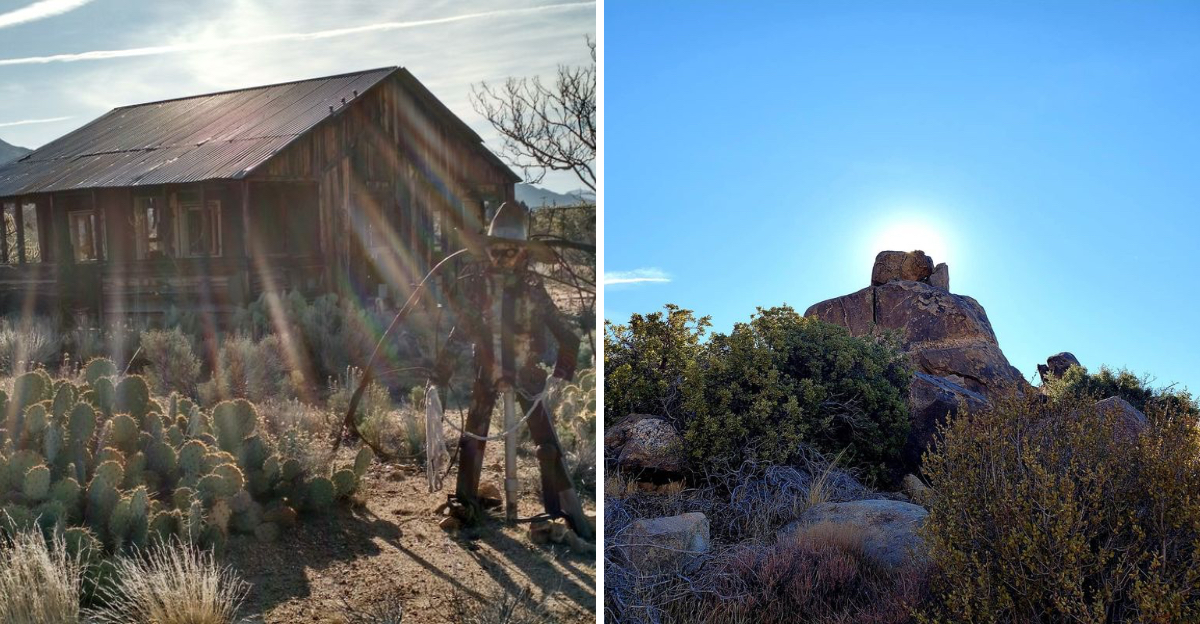
Night settles on Chloride with a velvet hush that seems to breathe from the Hualapai foothills, and every shadow feels like it has a story.
Porch lights glow against corrugated metal and old miners’ shacks, and the dark horizon presses close enough to make you glance over your shoulder.
You catch the sense of being seen by the land itself, as if Arizona keeps a quiet ledger of who comes and goes.
Curiosity takes root, and the stillness becomes an invitation to look deeper.
Old Miner Heartbeat: Chloride’s Origins
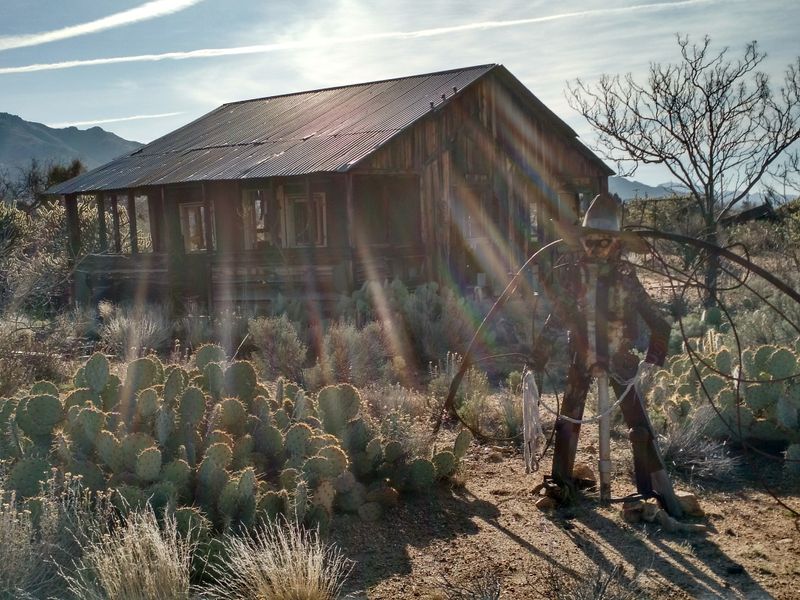
The story of Chloride begins with silver and a stubborn will to endure in the Arizona desert, as prospectors traced veins through the Cerbat Range and let the town form where promise, grit, and hard seasons met.
Weathered structures still sit like bookmarks that refuse to slip from the page, so as you walk the grid of dusty lanes and hear metal roofs ping while the sun loosens its grip, you can almost imagine clanking ore carts and voices calling the end of shift.
The quiet now feels less like emptiness and more like a long pause that keeps the past in place while local signs point toward old claims and the sparse layout lets you read the landscape like a ledger of labor, luck, and risk.
Rusted machinery rests like sculpture softened by wind and time, fragments of rail ties and foundations stitch together a map of effort, and Arizona history feels personal because the scenery does not bother to dress itself up.
Stories surface when you notice tool marks cut into stone near old adits, and Chloride’s name may nod to ore chemistry, but its character comes from perseverance that shows in every corner where someone once chose to stay when staying was hard.
You sense endurance rather than decay as the surrounding hills form a natural amphitheater for echoes of industry, and even the breeze seems to carry a fine scent of dust and sage that feels oddly industrious.
Small museums and local displays favor detail over gloss, framing daily life instead of grand legends so that tools, photos, and handwritten notes tell it plain before you step back outside and feel the sunlight land on your shoulders like another artifact.
The ground crunches under your boots as the present keeps pace with memory, and in a state where remote towns often thin out with time, Chloride resists that thinning with a steady pulse that teaches patience learned straight from the rock.
The mines breathe through gaps even when sealed, and if you look closely you see lines of effort while, if you listen closely, you hear measured resolve, together creating a rhythm that quietly guides your visit and anchors the rest of your wander.
Main Street At Dusk
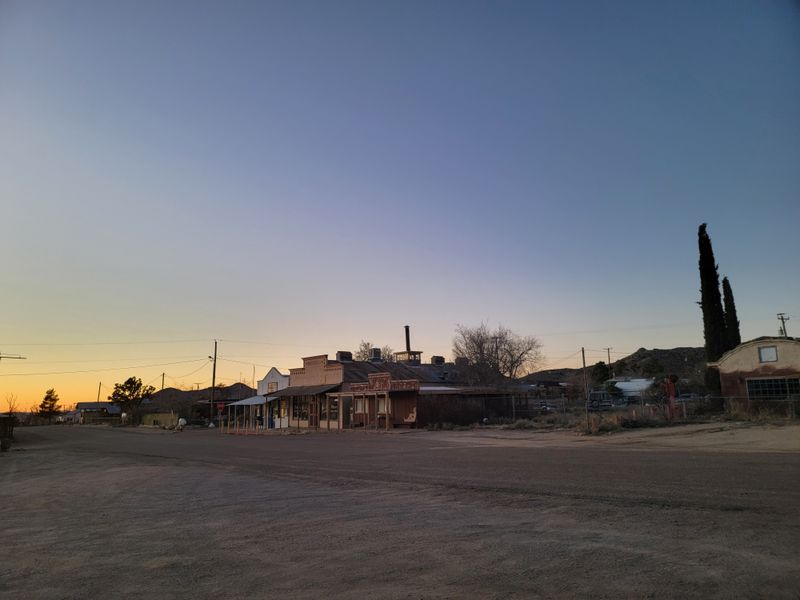
As evening unrolls across Main Street, storefronts glow like low embers while wood siding takes on a warm tone and old doors creak once before settling into the night.
You feel the road exhale as traffic falls to almost nothing, shadows stretch across the gravel where footsteps fade quickly, and a few porch chairs face the street like quiet sentries keeping an eye on things.
Conversation slips into a murmur that seems to respect the dark as the desert sky deepens from blue to ink, and warm bulbs cast a honeyed halo around hand painted signs that lean gently into the gloom.
Arizona nights bring a dry clarity that sharpens small sounds so crickets and distant dogs supply the score for strolling while constellations lift above low roofs and stars appear close enough to brush with a fingertip.
You pass weathered posts and a tidy flag that barely stirs as the wind holds its breath between light gusts, and the town feels as if it is listening rather than sleeping.
Footsteps echo differently once the gravel cools, windows reflect sky instead of rooms and turn into slim mirrors where every reflection suggests a watcher you cannot quite place, and the mood leans more alert than eerie.
The street keeps track of you without judgment as a single truck hum slides past and fades, leaving the quiet to land heavier while painted murals catch soft lamp glow that warms their colors and smooths their edges.
You slow without deciding to, because time folds a little around small places, and Arizona seems to save its best night light for towns like this where nothing glares and the dusk simply steadies your eyes until Main Street becomes a gentle corridor for wandering and you feel seen by a place that notices softly.
Wind, Rock, and Hualapai Light
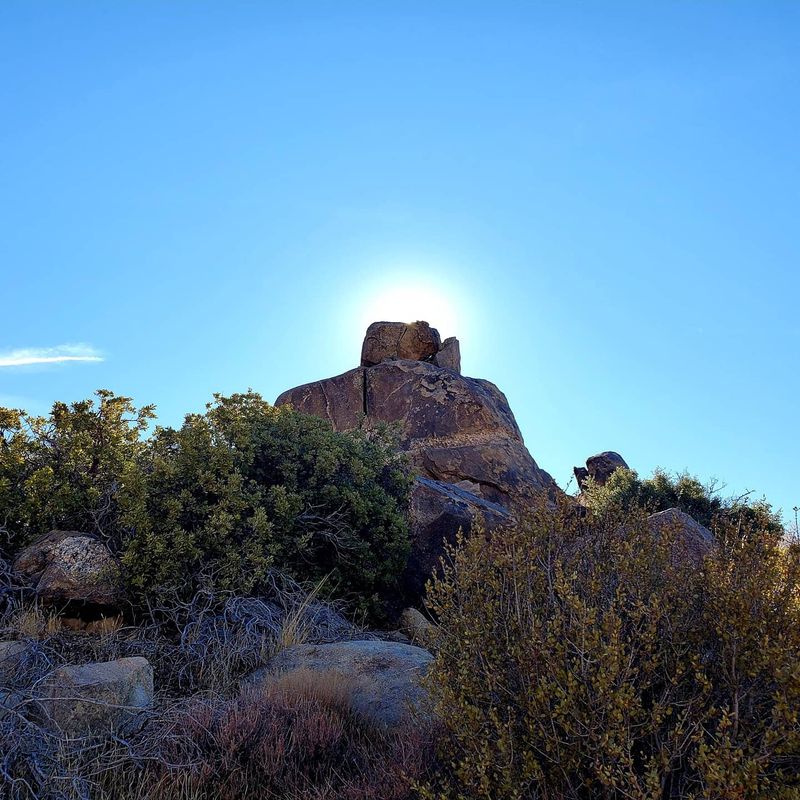
Chloride rests at the base of hills that scatter light in a kind way, so morning runs a silver edge across the rock, spills into dry washes, and meets air that feels thin, clean, and neatly stretched.
Trails thread through creosote and prickly pear with minimal fuss, marked by modest signs that let the terrain speak for itself and ask you to notice texture underfoot before you chase distant views.
Granite outcrops guard the edges like patient elders while bird calls skip across the slopes and dissolve into distance, and Arizona’s desert light clarifies the scene without washing it out so colors hold steady even as the sun climbs.
You pass barrel cactus that lean like slow dancers and watch tiny lizards zip between shadows, pausing just long enough to pose before boot prints gather near a saddle where a fine breeze carries resin, dust, and a simpler kind of breathing.
Clouds sometimes drift in narrow bands that barely move, and when they shift the ground changes tone like a dimmer sliding, so you keep walking because the light keeps rewriting the same rocks in fresh ink.
Rough steps let your legs join that conversation as the land answers with steady footing and small surprises, from one wash filled with smooth pocket stones to another that smells faintly of sage after a passing sprinkle.
When you look back, the town appears small and watchful, sitting in the basin like a careful campsite that never quite packed up, while the wide Arizona horizon stays tethered by hills that keep everything feeling intimate.
Silence on the trail feels supportive rather than empty, your thoughts fall into line with the terrain, and the walk turns into a quiet calibration instead of a conquest so that by the time you return, the light has taught you patience and the rock seems to remember your steps.
Ghost Murals Above Town
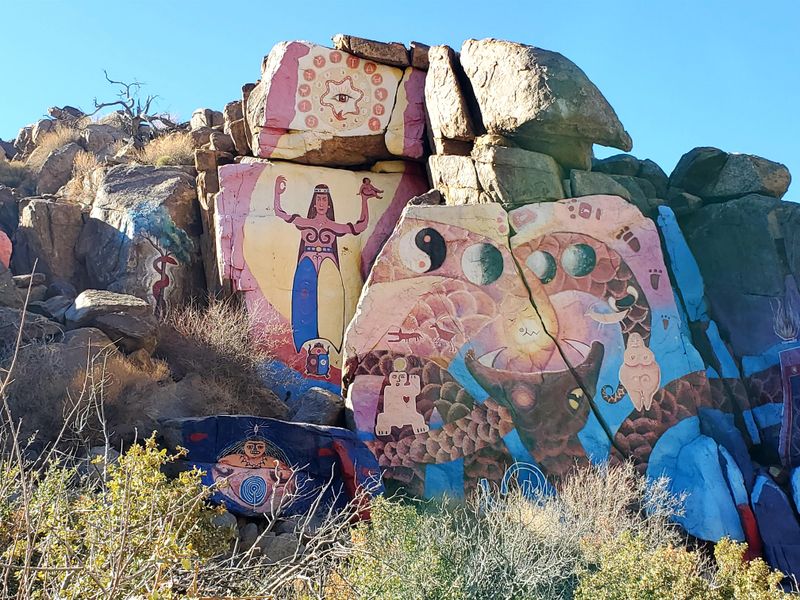
South of town, a dirt road climbs toward painted rock that locals simply call the murals, where color blocks cling to boulders at the point where the slope turns rugged and bright.
The art sits in the open air, weathered but persistent, as shapes and human figures emerge from the stone like memories you did not know you had and pigments softened by sun still hold their outline just enough to guide the eye.
You read the images as messages that raise more questions than they answer, and the approach feels like a small pilgrimage from street to hillside while your tires lift dust that hangs briefly, then disappears into the Arizona sky.
The scene arrives framed by blue that acts like a generous canvas, so your gaze rides the contrast between harsh rock and friendly color as time rubs at the edges, blessing what remains and leaving silence to collect in cracks.
You stand at a respectful distance and let the place introduce itself, because the hillside keeps a quiet dignity that asks for careful steps while paint and stone argue and agree inside a single view.
Wind hisses gently around you and settles your pace as bird tracks cross the dust near your boots, grounding the mural’s scale and reminding you that color here is a guide rather than an announcement.
The panels hold their ground without chasing attention, living outside any gallery frame and listening to heat, rain, and long days of light before answering with softened edges and stubborn tones.
The pull is not spectacle but steady presence, so you leave more slowly than you arrived as the dust settles calmly behind your steps, the town returns to view like a closing chapter, and the colors ride with you in your pocket while you wander the nearby streets.
Porch Talk and Local Lore
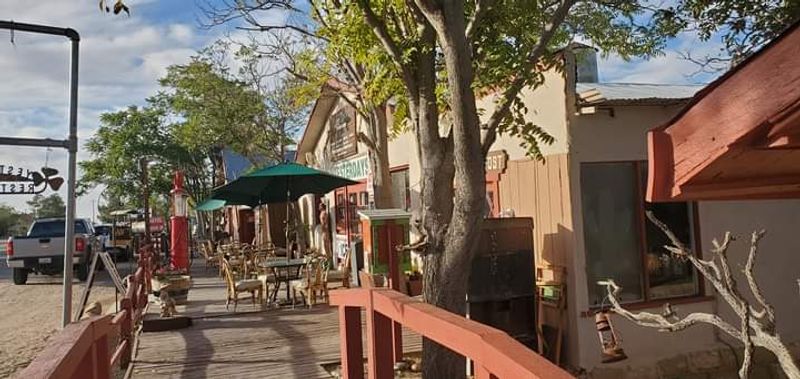
When the sun drops behind the ridge, front porches turn into open air living rooms and chairs scrape lightly as neighbors trade lines in a rhythm you are welcome to join.
Stories come short and dry, delivered with a half smile as people talk about mines, flash floods, and odd lights cresting the hills, letting that familiar watching feeling slip into the conversation like a note about the weather.
They speak plainly about noticing movement where no one stood, then shrug and slide back into talk of old trucks and aging dogs, because Arizona conversations often leave room for the unsolved and treat silence as part of the sentence.
You sit and let the tempo shape your replies as their sense of place comes through in small details, like someone naming a ridge by its nickname while another notes the exact wind direction before a storm.
Care for the town shows up in matter of fact lines, and the humor stays easy and unforced so the edges remain soft even while facts land firm and jokes settle like dust that only shines when the light tilts.
Arizona pride runs quiet here, grounded and steady, and it appears in upkeep that favors function over flourish while coffee mugs tap porch rails, someone wanders in, someone drifts away, and the talk keeps its own gentle momentum.
The night joins the circle and leans closer as a distant owl offers a single note, and by the time you stand to leave you realize the hours have blurred without effort.
Goodbyes stay short and neighborly with a nod, and as you step off the porch the town regards you kindly, the street seems to know you a little now, and that feeling of company follows you all the way back to your room.
Rust, Wood, and False Fronts
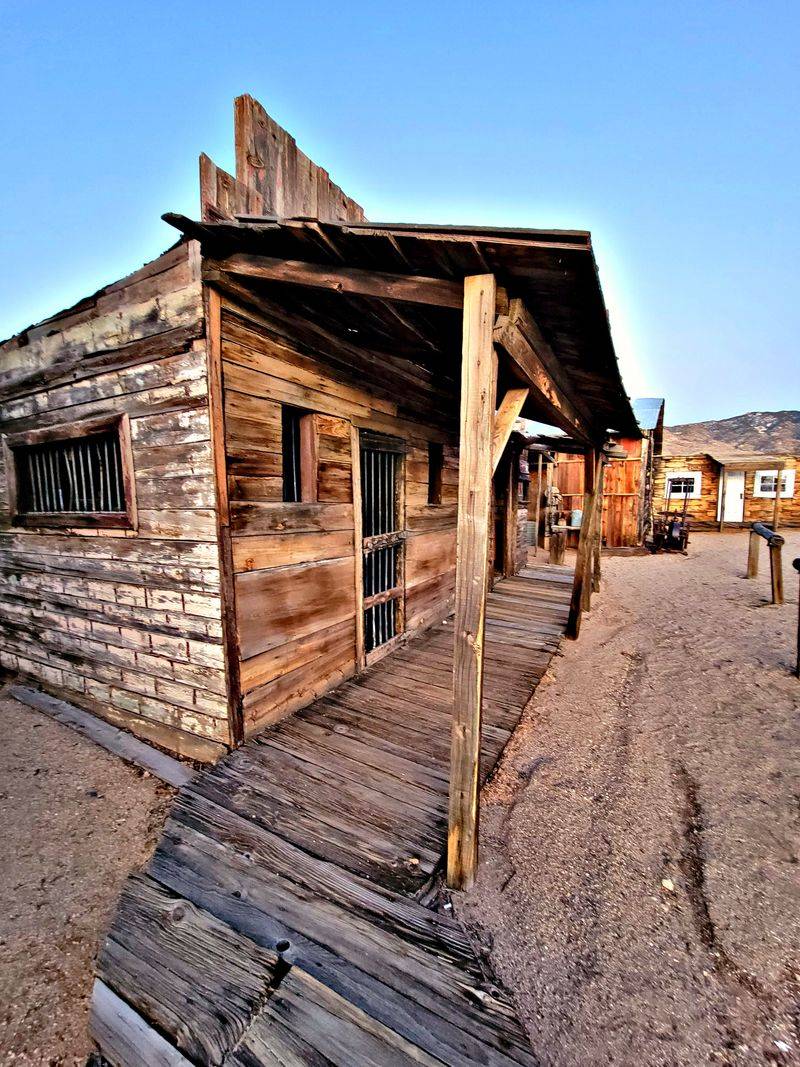
Architecture in Chloride keeps its sleeves rolled up, with false fronts that give small buildings an extra upright grin while board faces show grain lines that ripple like very slow water.
Corrugated metal flashes when the sun hits a certain angle, rusted hinges and latches become quiet decorations, and paint fades into soft blues and reds that still hold more interest than polish.
Every facade offers a quick lesson in desert durability as windows sit a little crooked yet do their job, and Arizona weather etches patterns that pass for art while preserving and scuffing at the same time.
Walk slowly and the details multiply with each step, because nothing is in a hurry and the buildings stand patient while dust gathers in trim lines and outlines shadows in a way that feels almost deliberate.
Handmade signage speaks in a direct voice, each letter measured by hand and eye, as doorways frame narrow slices of private life held politely back and chimes or chains give a soft clatter when the breeze visits.
Light slips under awnings and makes old paint strokes glow faintly so you feel grateful that nothing tries too hard here, and a quiet confidence grows from materials that simply do their work.
Arizona towns with mining roots often share this plain speech style, but Chloride speaks it fluently and without fuss, letting geometry stay honest even when angles go quirky and keeping shapes friendly for both eyes and feet.
The place photographs well because it lives well, and as morning gives spark, afternoon lays down softness, and dusk brings hush, each mood fits the boards like a comfortable shirt until you leave with a mental catalog of hinges and grain that holds your attention longer than you expected.
Seasonal Quiet and Desert Weather
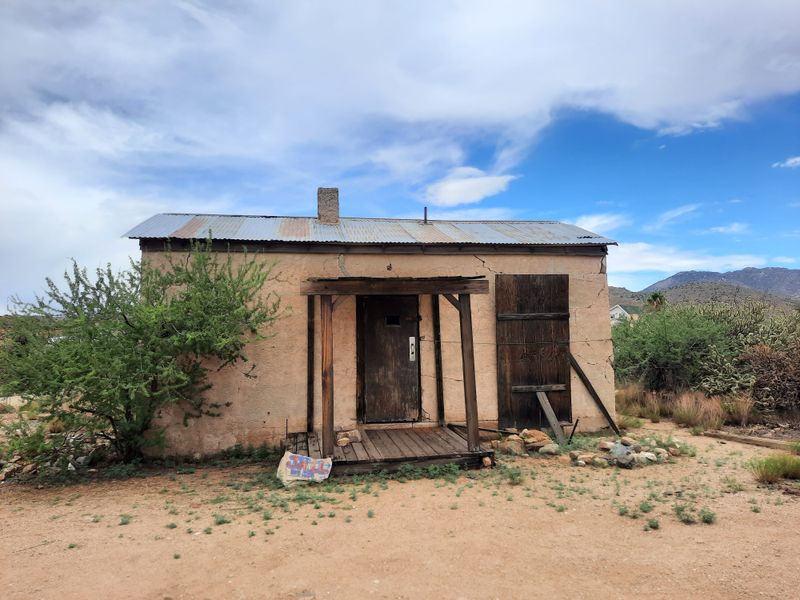
Chloride wears its seasons like a subtle rotation, letting the sun set the pace while the wind edits each day into cleaner lines.
Mornings often arrive with a quick chill that vanishes in short order, afternoons open wide and then contract toward patches of shade, and evenings pull you outside again for sky watching and slow talk under cooling air.
Nights deliver a light, mobile coolness that slips easily through layers while rain, when it comes, feels like short theater with a strong scent as petrichor spills across the gravel and lingers in the doorways.
Arizona storms announce themselves with far off rumbles and flashes, yet the lightning stays theatrical without needing an audience, as clouds organize into bands that slide in measured lines and sketch light across the hills with quiet skill.
Heat here feels honest and simply asks for water, patience, and respect, so shade becomes a small celebration on any block while the wind shows up in short bursts that can rearrange your plans in a single gust.
Dust twirls into brief columns that lose interest quickly, and when everything calms down the edges of town look sharper, as if the scene has been rinsed and set back in place.
Arizona teaches pacing and Chloride listens closely, so visitors learn to follow the sky instead of a rigid list, turning ordinary walks into tuned moments that take their cues from cloud cover and shadow.
Seasonal shifts change color more than composition, deepening greens after rain, making stones glow differently, and trading cicadas for owls and coyotes on the soundtrack until you start reading forecasts by smell and sound and the town rewards that attention with easier days.
How To Arrive and Settle In
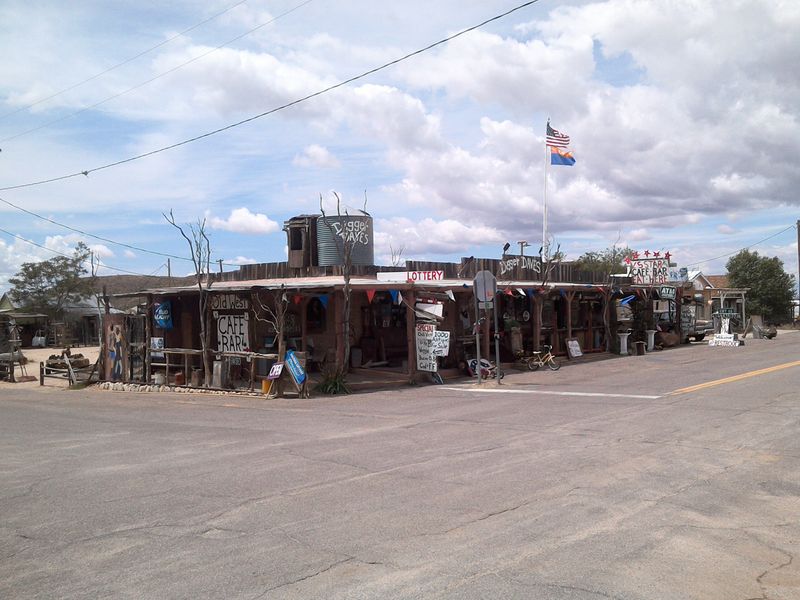
Getting to Chloride stays straightforward and pleasantly quiet, as highway approaches ease into two lane calm that starts to slow your thoughts before you ever turn off.
The final turn shifts the tempo and sharpens the details, letting speed slide down as the landscape pulls closer and parking unfolds in an informal, intuitive pattern along the main streets.
You step out into a small chorus of gravel crunch and find orientation simple, since everything sits within a relaxed walking radius and the town’s layout reads clearly at a glance.
Maps are useful, but landmarks do most of the work while you choose sun or shade one block at a time and stop for water to set an easy pace that matches the place.
Local boards list events and community notes in friendly, concise lines, and Arizona travel proves again that patience matters more than precision, especially in a town where flexibility improves every decision you make.
Ask a question and the answer usually arrives with a story attached, which means directions double as memory hooks that you will actually remember later.
Plan your day with intentional gaps for wandering and pauses, let the town choose a few of your turns, and you will slip into details you would have missed with a stricter route.
Chairs, porches, and benches act as natural rest points while shade lines move across them like slow clocks, so carrying water, sun protection, and easy curiosity, plus shoes that handle gravel, becomes the simple kit that pays you back all afternoon.
After Dark: The Feeling Of Being Watched
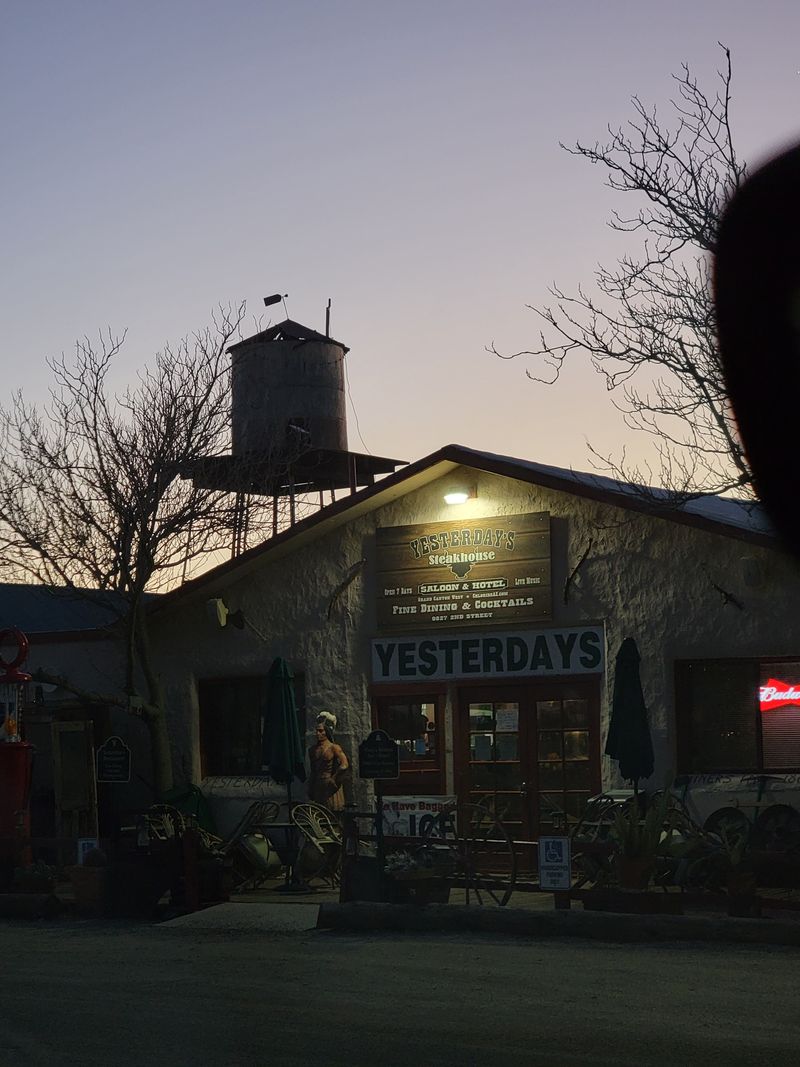
Night in Chloride softens edges until shapes hover between seen and sensed, while streetlights hold small circles of amber and leave the rest for starlight to fill.
You walk more quietly because the town feels like it is listening, gravel answers each step before swallowing the sound, and windows reflect sky instead of rooms so that glass turns into a row of slim mirrors.
The watching sensation begins there, as the hills add their own gaze from a few blocks away and ridge outlines that never move still feel present at the edge of your vision.
They are plants and rocks, but they carry a kind of still awareness, and Arizona darkness stays clear rather than thick, which stirs your attention instead of numbing it.
With that clarity comes the sense that not much escapes notice, yet the mood is less spooky than simply alert, as if the town and the land are awake on your behalf.
Wind lifts once and you turn by reflex to see that the road behind you sits empty and complete, so you keep walking until your pace finds a hush that matches the houses.
Porch silhouettes resemble patient sentries, and it is easy to imagine that every porch keeps a memory of who passed by as you feel included in a ledger kept by the night air.
An owl calls once and then goes quiet, faint rustles press at the edges of hearing, and a passing truck throws shifting shadows along a wall before leaving the air to reset itself.
Stars climb higher and pull your gaze upward until that watched feeling loosens into a sense of company, and Arizona night rewards that kind of attention with gentler steps and cooler thoughts.
When you reach your door, the handle feels cooler in your palm, the street behind you settles back into ceremony level quiet, and inside you can almost picture the town exhaling as sleep arrives like a careful host before morning takes another turn at your curiosity.
Some towns leave you with a highlight reel, but Chloride leaves you with a tone, a measured key that plays under everything you did there.
You remember the quiet more clearly than any single moment, because that quiet held warmth instead of vacancy and felt like company that did not need constant chatter.
Arizona grants that quality to places that balance space with care, and Chloride lets streets, hills, and porches collaborate to set your pace until attention sharpens without strain.
Dear Reader: This page may contain affiliate links which may earn a commission if you click through and make a purchase. Our independent journalism is not influenced by any advertiser or commercial initiative unless it is clearly marked as sponsored content. As travel products change, please be sure to reconfirm all details and stay up to date with current events to ensure a safe and successful trip.
