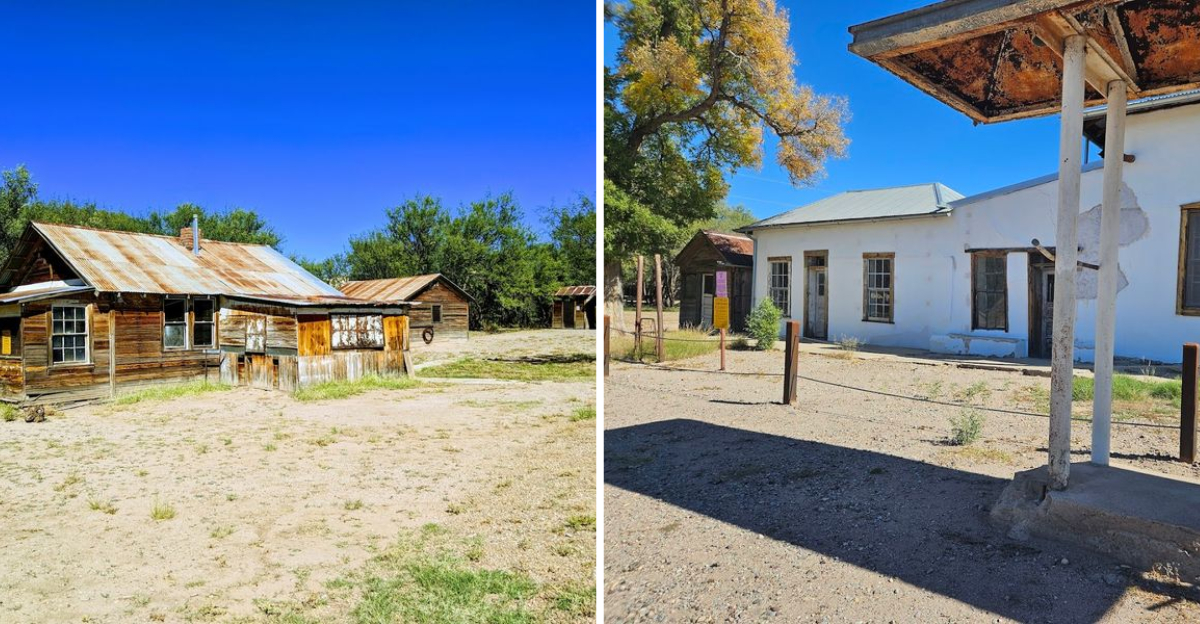
The buildings are still standing. That is the strange part.
Wooden storefronts. A saloon with the swinging doors half rotted off.
A schoolhouse with desks still inside. But no people.
Just wind moving through empty streets and the occasional creak of something settling. This town was abandoned decades ago after the mine closed. Left exactly as it was, like everyone just walked away one afternoon and never came back.
I walked down the main road and felt watched the whole time. Not in a scary movie way.
Just a heavy awareness that this place holds stories it does not want to share. Arizona has ghost towns.
This one feels different. Darker.
More patient.
The Weathered Railroad Depot
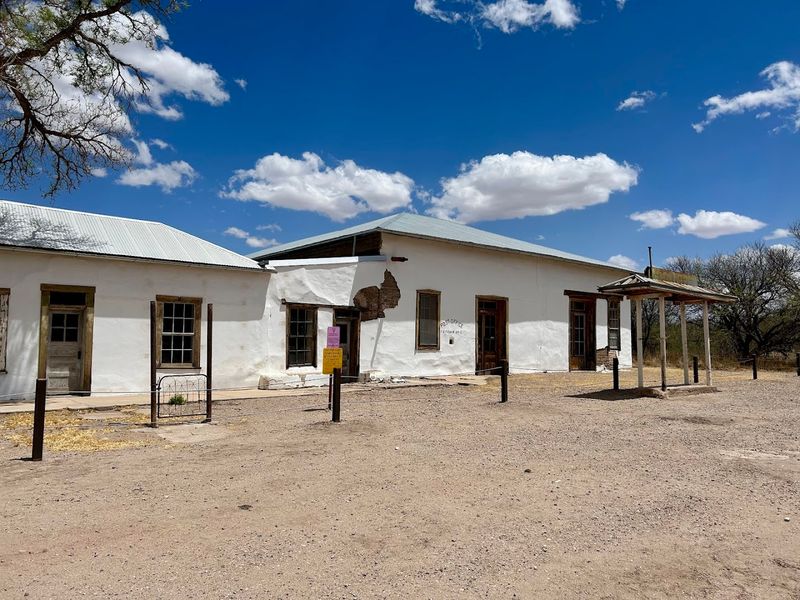
Railroad tracks brought Fairbank to life back in 1881, and this depot building became the beating heart of everything. The New Mexico and Arizona Railroad connected this place to Tombstone, just nine miles away, turning Fairbank into a vital supply hub for the silver mining operations.
Today, the depot stands as the town’s most intact structure, its wooden walls silvered by decades of brutal Arizona sun.
Walking up to it, you notice how the building seems to lean slightly, tired from holding up so many years. The loading platform where miners and merchants once hustled still extends outward, though the wood creaks warnings under your feet.
Inside, empty rooms echo with footsteps, and you can almost hear the chatter of ticket agents and the whistle of incoming trains.
The depot represents everything Fairbank was meant to be, a connection point, a place of movement and commerce. Now it connects us only to the past, standing resolute while everything around it crumbles.
The railroad company abandoned the line in 1966, cutting Fairbank’s final lifeline to the outside world. What remains is this lonely sentinel, keeping watch over a town that stopped needing it long ago.
The Forgotten Cemetery
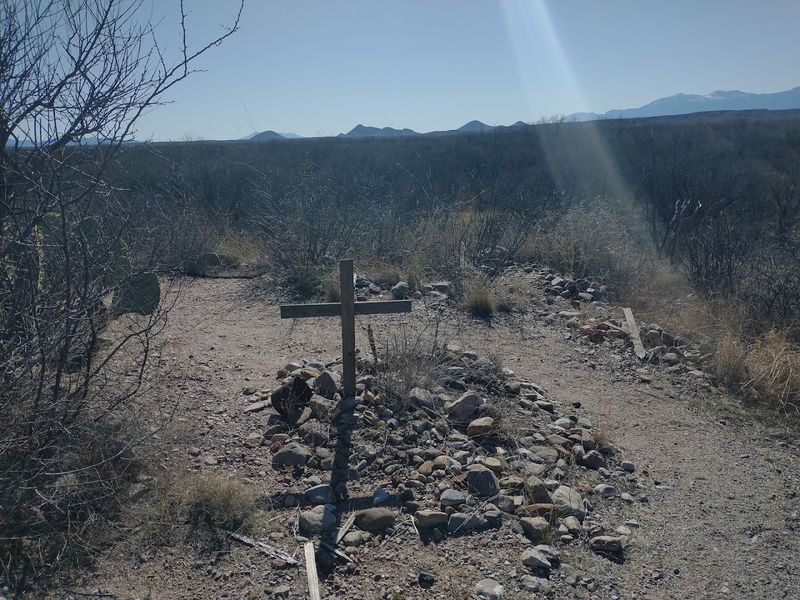
Cemeteries tell truths that history books gloss over. The burial ground at Fairbank holds maybe two dozen marked graves, though locals say there are probably more unmarked ones scattered through the desert scrub.
Some headstones date back to the 1880s, carved with names of people who died young, died violently, or simply died forgotten.
What strikes you immediately is how small many of the graves are. Children didn’t fare well in frontier Arizona, where disease, accidents, and the harsh climate claimed young lives with brutal regularity.
Reading those tiny markers, with dates just months or years apart, hits differently than any ghost story could. The wooden crosses lean at angles now, some fallen completely, returning to the earth they mark.
I found myself wondering about these people, trying to imagine their lives in this isolated settlement. Did they dream of striking it rich?
Were they running from something? The cemetery doesn’t answer these questions, it just raises them, over and over.
The desert wind moves through the brush here with a particular sound, not quite a whistle, more like a sigh. Whether you believe in ghosts or not, something about this place demands respect.
The Saloon That Served Its Last Drink
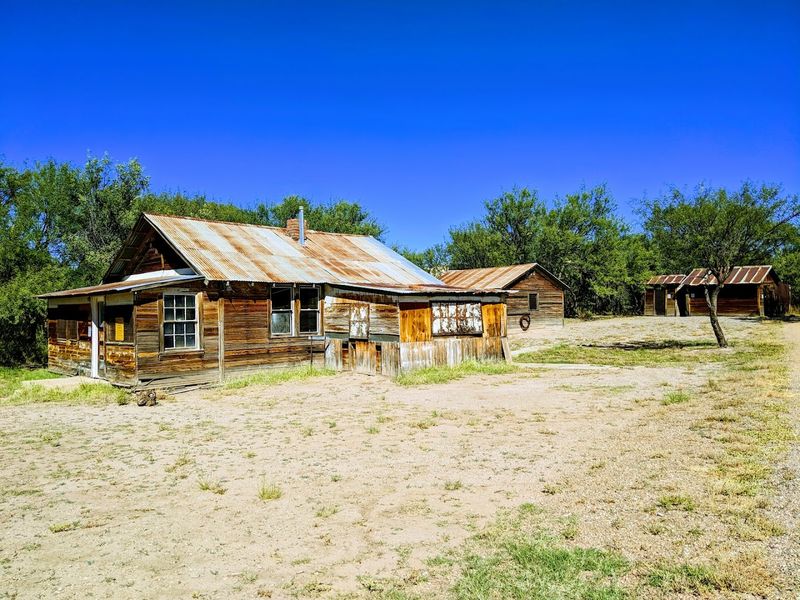
Every frontier town had its watering holes, and Fairbank was no exception. The saloon ruins sit near the main road, their adobe walls melting back into the earth like sandcastles at high tide.
Only portions of the walls remain standing, creating strange doorways and windows that frame nothing but sky and sagebrush beyond.
This building saw its share of drama, no doubt. Miners fresh from Tombstone’s silver operations would stop here, flush with pay or desperate to forget empty pockets.
The floor inside is long gone, leaving just packed dirt studded with bits of broken glass that catch the sunlight. Green, brown, and clear fragments scatter across the ground, remnants of bottles that held who knows what.
Standing in what was once the main room, you can map out where things might have been. The bar probably ran along this wall, tables scattered here, maybe a piano in that corner.
The acoustics are strange in these roofless spaces, sounds bounce wrong, creating odd echoes. When I visited during golden hour, the low sun cast long shadows through the empty doorways, and for just a moment, those shadows seemed almost crowded.
The Merchant Buildings Along Main Street
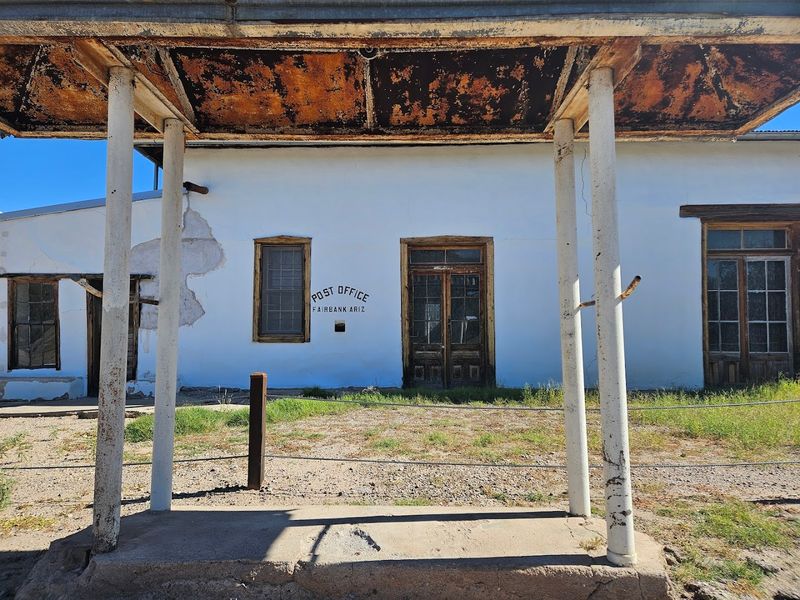
Main Street in Fairbank barely qualifies as a street anymore. The merchant buildings that once lined it sag and lean like old men too tired to stand straight.
General stores, supply shops, maybe a boarding house or two, they all share the same weathered look, the same empty stare through windows that long ago lost their glass.
Commercial enterprise drove Fairbank’s existence. Everything needed by Tombstone’s mining operations funneled through here: equipment, supplies, food, lumber.
The merchants who ran these buildings were middlemen in the truest sense, connecting the railroad to the mining camps. They made decent money while it lasted, which wasn’t all that long in the grand scheme of things.
Peering into these structures now, you see collapsed roofs, fallen beams, desert plants reclaiming the interiors. Packrats have built impressive nests in corners, and birds nest in the rafters that remain.
Nature doesn’t wait for permission to take back what humans abandon. The wooden facades still bear traces of paint in some spots, faded advertisements or signs that are now completely illegible.
These buildings formed the economic backbone of Fairbank, and watching them slowly disappear feels like watching history erase itself in real time.
The School Where Lessons Ended
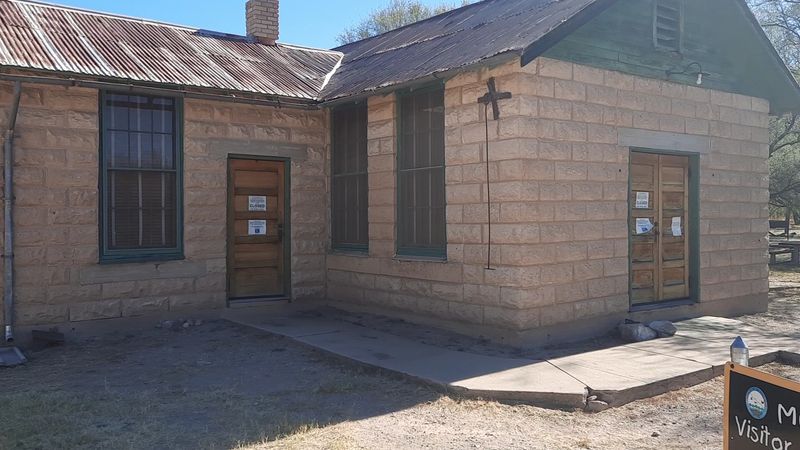
Finding the old schoolhouse requires some wandering, as it sits slightly apart from the main cluster of buildings. This little structure, probably one room when it operated, represents the community’s attempt at normalcy, at building something lasting.
As long as there were children and a teacher, Fairbank was more than just a commercial waystation, it was a real town.
The schoolhouse is smaller than you’d expect, maybe large enough for twenty students at most. Frontier education was practical and brief, most children attended only sporadically, needed at home for work.
The building’s wooden walls show the same weathering as everything else here, silvered by sun and scoured by windblown sand. Whatever stood inside, desks, books, slates, has long since been removed or deteriorated beyond recognition.
Imagining children’s voices here takes effort. The silence feels too complete, too permanent.
But they were here, kids who probably found this desert isolation completely normal, who played in the San Pedro riverbed and thought of Fairbank as home. Where did they go when the town died?
The building offers no answers, just holds its space stubbornly, refusing to collapse as quickly as its neighbors.
The San Pedro River Valley Setting
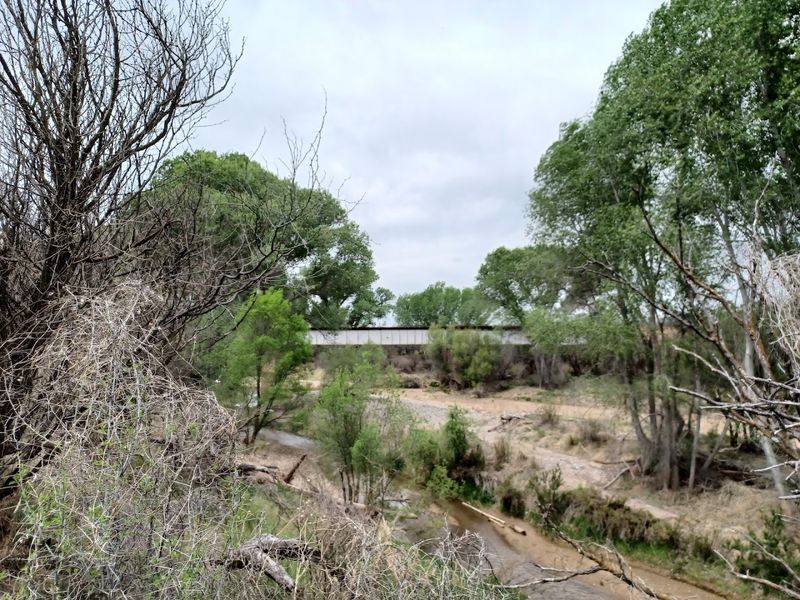
Geography determined Fairbank’s location, and geography sealed its fate. The San Pedro River, one of the last free-flowing rivers in Arizona, cuts through the valley here, creating a green ribbon of cottonwoods and willows through otherwise harsh desert.
Early settlers followed rivers, needed them for water, and this spot made sense for a railroad stop serving nearby mining operations.
Standing in Fairbank, you’re surrounded by the Huachuca Mountains to the south, the Whetstone Mountains to the north, with wide desert valley stretching between them. The landscape is beautiful in that stark, unforgiving way that characterizes southern Arizona.
Summers here are brutal, winters surprisingly cold, spring brings briefly intense wildflowers, and monsoon season transforms dry washes into dangerous torrents.
The river isn’t why Fairbank died, but it couldn’t save the town either. When the mines played out and the railroad stopped running, no amount of water could sustain a community without economic purpose.
Now the river just flows on, completely indifferent to the abandoned buildings on its banks. Birds thrive here, making the riparian area a sharp contrast to the dead town just steps away.
Life goes on, just not human life, not anymore.
The Preserved Remnants and Modern Access
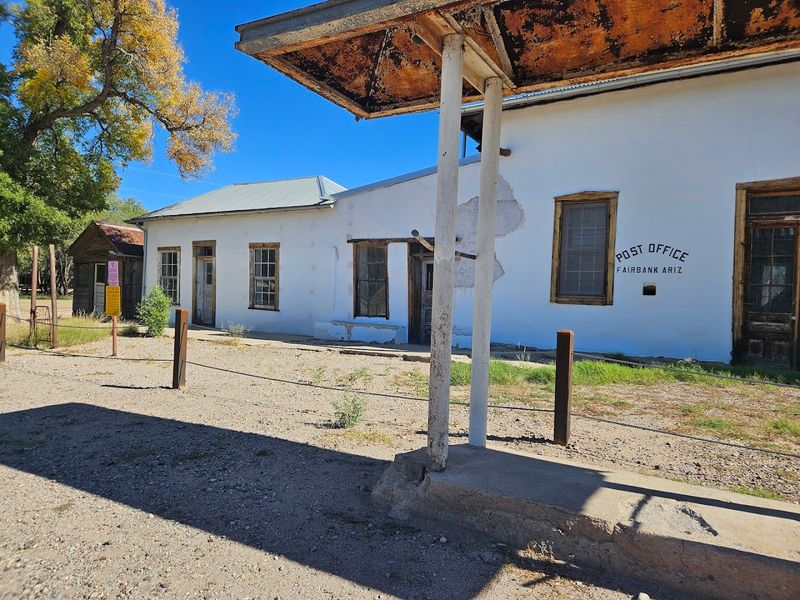
Fairbank exists today because the Bureau of Land Management took it over, preserving what remains and providing public access. Interpretive signs dot the site, offering historical context and old photographs showing what once stood here.
The BLM maintains a parking area and basic trails, making Fairbank surprisingly accessible for a ghost town.
This preservation status creates an interesting tension. Fairbank isn’t completely wild, but it’s not restored either.
The goal seems to be letting it decay naturally while keeping it safe enough for visitors. No buildings are off-limits, but you enter at your own risk.
Wooden structures can collapse, rattlesnakes seek shade in the ruins, and the desert itself poses dangers for the unprepared.
What makes visiting Fairbank powerful is that balance between accessibility and authenticity. You can walk right up to these buildings, touch the weathered wood, stand in doorways where real people once stood.
Unlike more touristy ghost towns that feel like theme parks, Fairbank feels real because it’s been left largely alone. The address, when you need it for navigation, is simply N Old Fairbank Rd, Huachuca City, AZ 85616.
Getting there requires some intentional driving, which filters out casual tourists. Those who make the effort find something genuine, a place where time really did stop and fear really didn’t need to leave.
