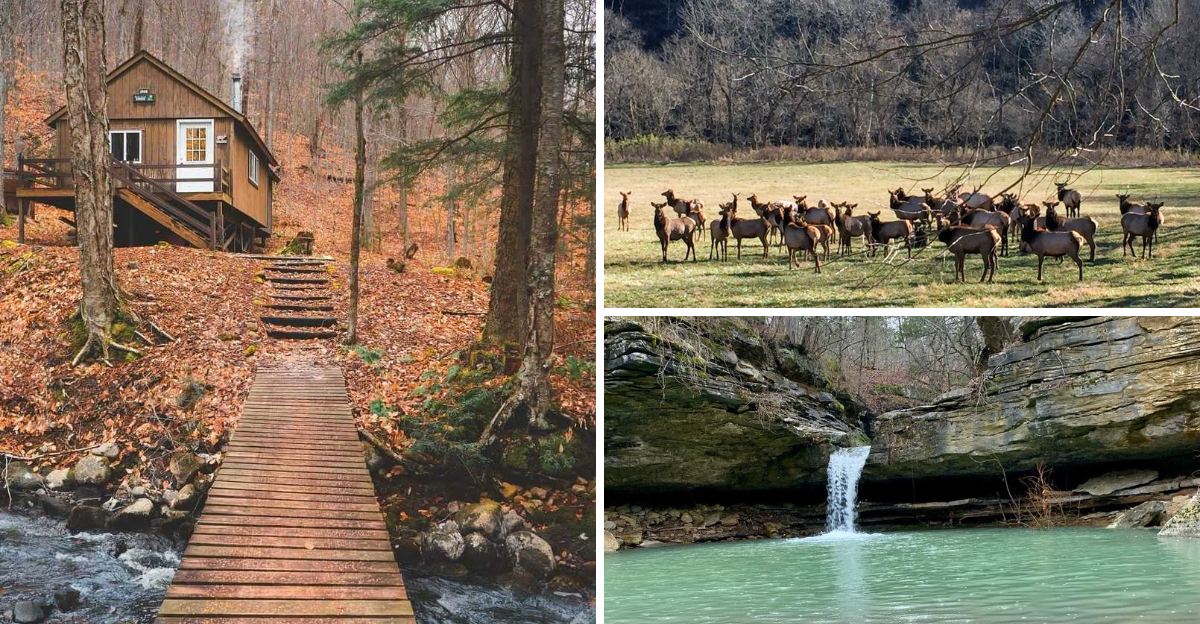
Arkansas’s mountain towns hold secrets that modern tourism hasn’t fully discovered.
Tucked into the Ozark and Ouachita ranges, these communities preserve a slower pace of life where front porches outnumber chain stores and neighbors still gather for music on courthouse squares.
Visitors find Victorian architecture standing proud on winding streets, general stores operating since the 1800s, and rivers carving through landscapes that look remarkably similar to how they appeared generations ago.
These destinations offer travelers authentic experiences rooted in Appalachian culture, folk traditions, and natural beauty that remains refreshingly uncommercialized.
We’ve based our list on landscape preservation, tourism density, and firsthand observations from our travel team. Perceptions of “untouched” vary by visitor and over time. This list is unavoidably subjective.
1. Eureka Springs
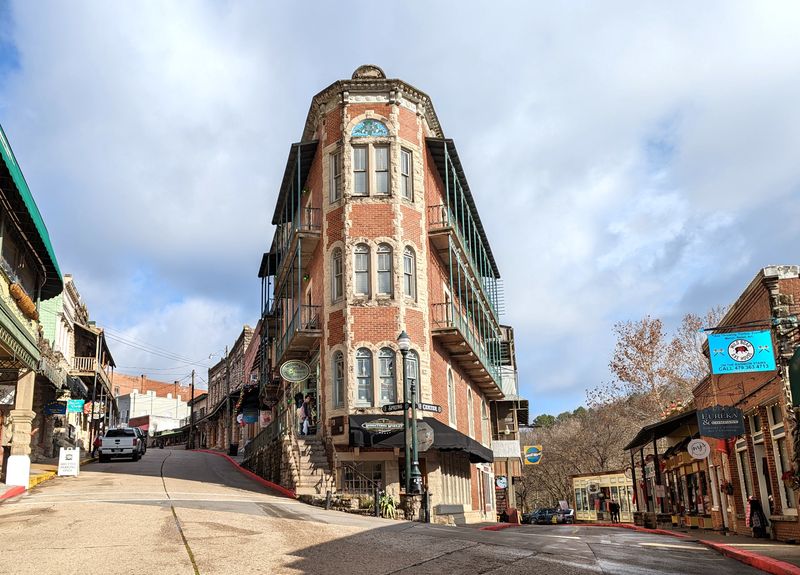
Victorian homes cascade down steep hillsides in arrangements that seem to defy both gravity and modern city planning.
The entire town earned placement on the National Register of Historic Places, a distinction that speaks to its architectural integrity and commitment to preservation.
Narrow streets wind through the community in patterns that follow the natural contours of the mountains rather than any grid system.
Visitors discover that nearly every building tells a story from the late 1800s when the town flourished as a health resort centered around natural springs.
Galleries, boutiques, and cafes now occupy structures that once housed bathhouses and hotels catering to wellness seekers.
The absence of traffic lights and chain restaurants reinforces the sensation of traveling backward through time.
Stone walls, wrought iron details, and gingerbread trim adorn buildings painted in heritage colors that maintain historical accuracy.
Walking becomes the primary mode of transportation as staircases connect different elevation levels throughout the hillside community.
Gardens spill over retaining walls, adding seasonal color to already picturesque streetscapes.
Local artisans maintain workshops where traditional crafts continue without interruption from modern manufacturing trends.
The town’s commitment to preservation extends beyond buildings to include cultural practices and artistic traditions.
Evening strolls reveal illuminated windows in century-old structures where residents still live above their businesses.
This dedication to maintaining authentic character creates an atmosphere where visitors genuinely feel they’ve stepped into another era.
The mountain setting provides a natural boundary that has protected the community from sprawling development.
Springs still flow through the town, though most visitors now come for the atmosphere rather than medicinal waters.
2. Mountain View
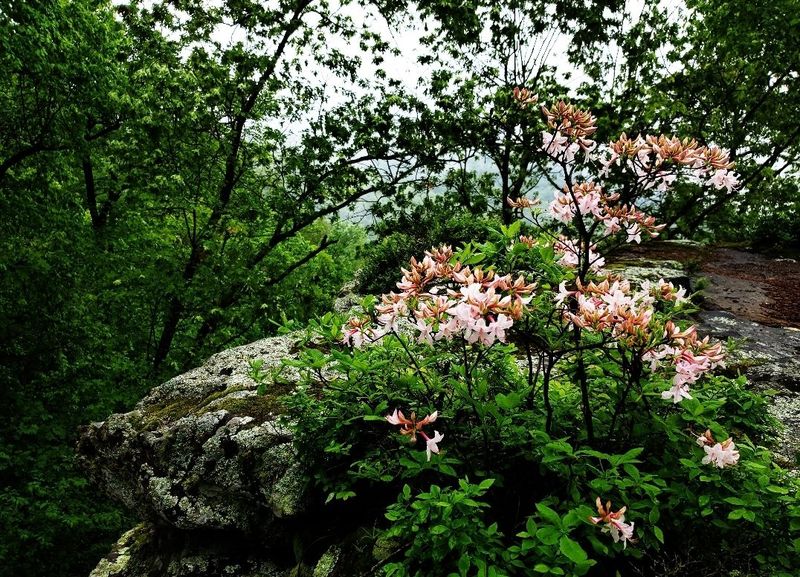
Folk music drifts across the courthouse square most evenings as musicians gather to preserve traditions passed down through generations.
This community has become synonymous with Ozark cultural heritage, maintaining practices that disappeared from most American towns decades ago.
The Ozark Folk Center State Park anchors the town’s commitment to traditional crafts and music.
Visitors watch blacksmiths, basket weavers, and woodworkers demonstrate techniques unchanged since pioneer times.
Workshops allow travelers to learn these crafts firsthand, creating connections to skills that once defined rural self-sufficiency.
Bluegrass, old-time, and traditional country music fill the air as local and visiting musicians share tunes on fiddles, banjos, and guitars.
No formal performances or ticket sales interrupt these spontaneous jam sessions that happen organically when players gather.
The downtown area maintains its historic character with locally-owned shops selling handmade goods rather than mass-produced souvenirs.
Surrounding mountains provide hiking opportunities through forests that inspired many traditional Ozark ballads.
The Blanchard Springs Caverns nearby showcase geological wonders formed over millions of years.
Seasonal festivals celebrate aspects of mountain culture from bean-planting traditions to apple butter making.
Accommodations tend toward family-run inns and cabins that prioritize personal hospitality over standardized hotel amenities.
Restaurants serve recipes rooted in Ozark foodways, featuring locally-sourced ingredients prepared using time-honored methods.
The community’s dedication to cultural preservation creates educational opportunities wrapped in genuine entertainment.
Young people learn alongside elders, ensuring these traditions continue into future generations rather than becoming museum exhibits.
3. Jasper
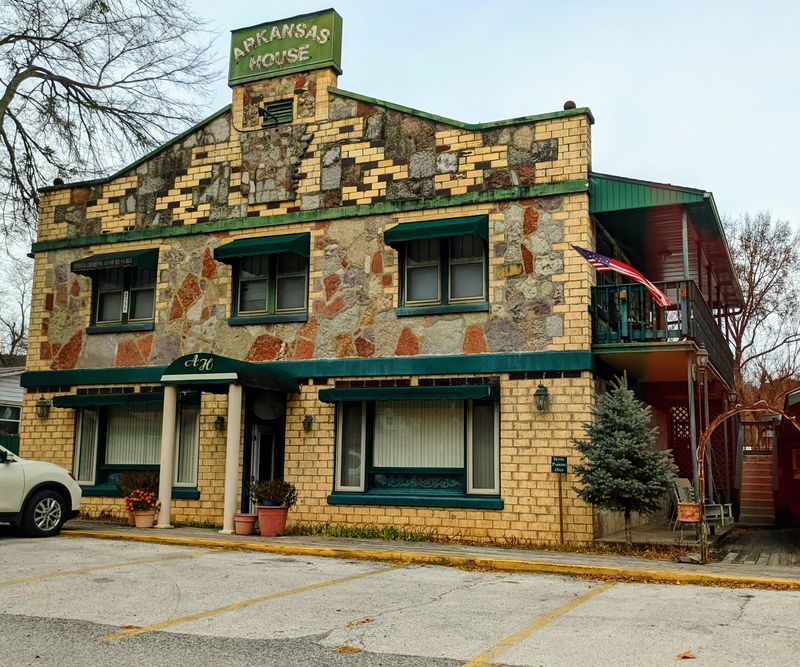
Buffalo National River flows through wilderness just beyond this small community that serves as a gateway to some of Arkansas’s most pristine natural areas.
The town itself maintains a quiet, unhurried character that reflects its role as a service center for outdoor enthusiasts rather than a tourist destination.
Downtown buildings date from the early 20th century, housing outfitters, cafes, and shops that cater to paddlers, hikers, and anglers.
Local businesses operate with the understanding that their customers value authenticity and environmental stewardship over convenience and luxury.
Conversations in coffee shops revolve around river conditions, trail reports, and wildlife sightings rather than typical small-town gossip.
The surrounding landscape offers endless exploration opportunities through limestone bluffs, hardwood forests, and clear-running streams.
Elk, reintroduced to the area in recent decades, now roam freely through valleys visible from town overlooks.
Fall brings spectacular color as hardwoods transition through brilliant yellows, oranges, and reds against evergreen backdrops.
Winter reveals rock formations and geological features hidden by summer foliage.
Spring wildflowers carpet forest floors and meadows in displays that attract botanists and casual nature lovers alike.
Summer heat drives visitors to swimming holes and shaded trails where temperatures remain comfortable.
The town’s population swells modestly during peak seasons but never reaches levels that strain resources or alter the fundamental character.
Accommodations range from basic campgrounds to rustic cabins, with few modern resort amenities available or desired.
Evening quiet descends as darkness reveals star-filled skies unmarred by light pollution.
This combination of natural access and small-town simplicity creates an experience increasingly rare in American travel.
4. Gilbert
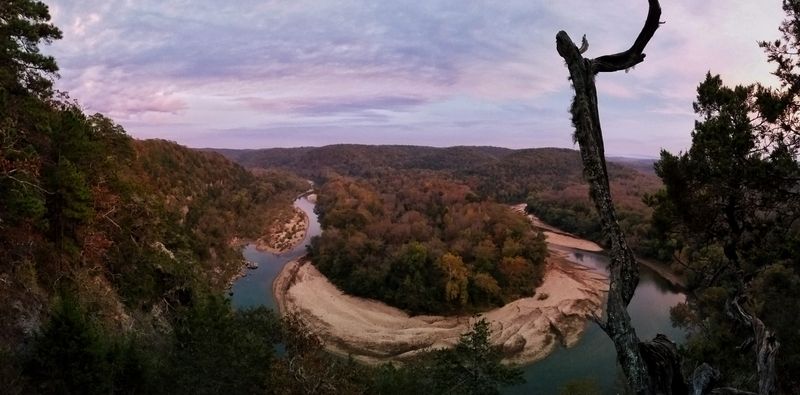
Population counts measured in dozens rather than hundreds define this riverside community where tranquility reaches almost profound levels.
Gilbert ranks among Arkansas’s smallest incorporated municipalities, a distinction that becomes immediately apparent upon arrival.
A handful of structures comprise the entire town, clustered near the Buffalo National River access point.
The Gilbert General Store serves as community hub, post office, and gathering place for residents and river travelers.
Conversations on the store’s porch follow the rhythm of river life rather than business hours or scheduled appointments.
Paddlers launching canoes and kayaks often represent the majority of people visible on any given day.
The river itself becomes the main attraction, offering float trips through some of the most scenic sections of the national waterway.
Limestone bluffs rise directly from the water, creating dramatic backdrops for photographs and memories.
Gravel bars provide perfect camping spots where the only sounds come from flowing water and wildlife.
Local outfitters operate with minimal infrastructure, maintaining the area’s undeveloped character.
Fishing opportunities abound for smallmouth bass and other native species in waters that remain remarkably clean.
Hiking trails branch from the river into surrounding wilderness where human presence becomes increasingly rare.
The absence of commercial development means visitors must come prepared with supplies and realistic expectations about amenities.
Cell phone service proves unreliable, forcing a digital detox that many initially resist but ultimately appreciate.
This enforced simplicity creates space for reflection and connection with nature that busy lives rarely accommodate.
Gilbert represents an extreme example of towns that tourism hasn’t transformed into something unrecognizable from their original character.
5. Oark
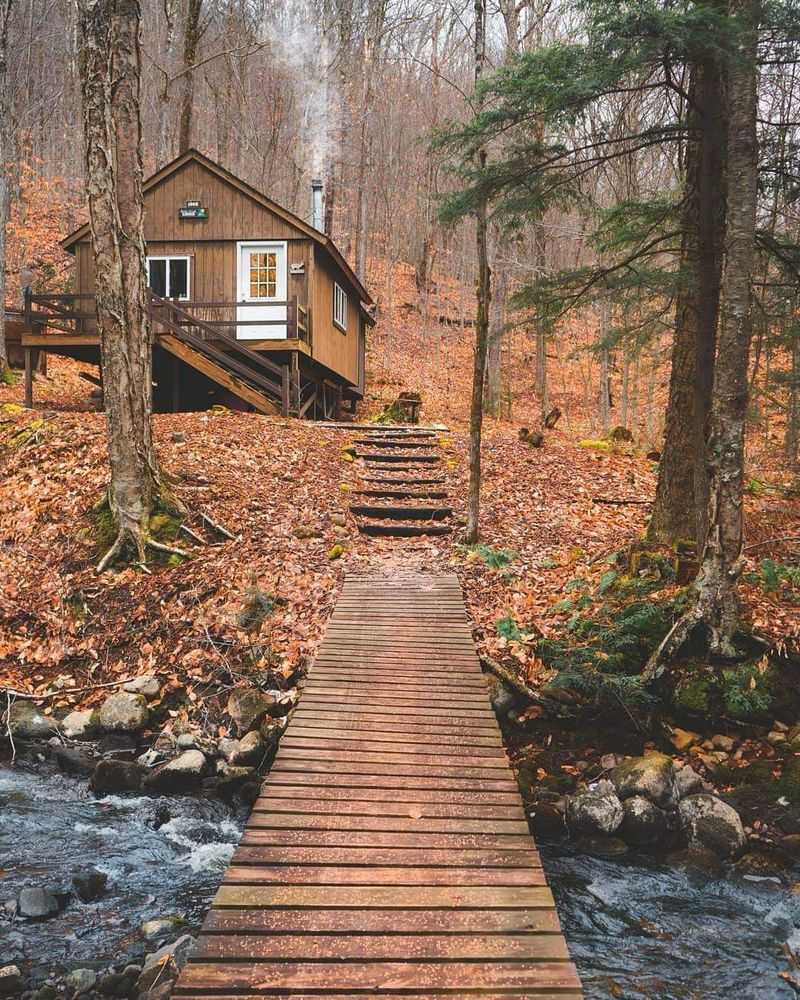
Fewer than one hundred souls call this mountain community home, maintaining a lifestyle that would seem familiar to their great-grandparents.
The Oark General Store has anchored the community since 1890, operating continuously through economic booms, depressions, and countless social changes.
Inside, wooden floors creak underfoot as visitors browse shelves stocked with practical goods rather than tourist trinkets.
Home-cooked meals emerge from a kitchen that serves locals and travelers with equal hospitality and generous portions.
Recipes reflect Ozark culinary traditions, featuring ingredients and preparation methods passed down through generations.
The store functions as post office, restaurant, supply depot, and social center for a widely-scattered rural population.
Conversations flow easily between strangers and regulars, united by appreciation for this surviving piece of authentic Americana.
Surrounding mountains rise in forested ridges that remain largely undeveloped and sparsely populated.
Gravel roads wind through hollows where homesteads sit tucked among trees, often invisible from main routes.
The Mulberry River flows nearby, offering fishing, swimming, and paddling opportunities in a designated Wild and Scenic corridor.
Fall colors transform the landscape into a patchwork of brilliant hues visible from elevated vantage points.
Wildlife sightings occur regularly as deer, turkey, and other species move through habitats that remain largely intact.
The community maintains no formal tourism infrastructure, relying instead on word-of-mouth recommendations from satisfied visitors.
This absence of promotion has protected Oark from the changes that overwhelm communities featured in travel publications.
Visitors arrive seeking authenticity and find it preserved not through conscious effort but through geographic isolation and economic circumstances.
The general store remains viable because it serves genuine community needs rather than capitalizing on nostalgia tourism.
6. Ponca
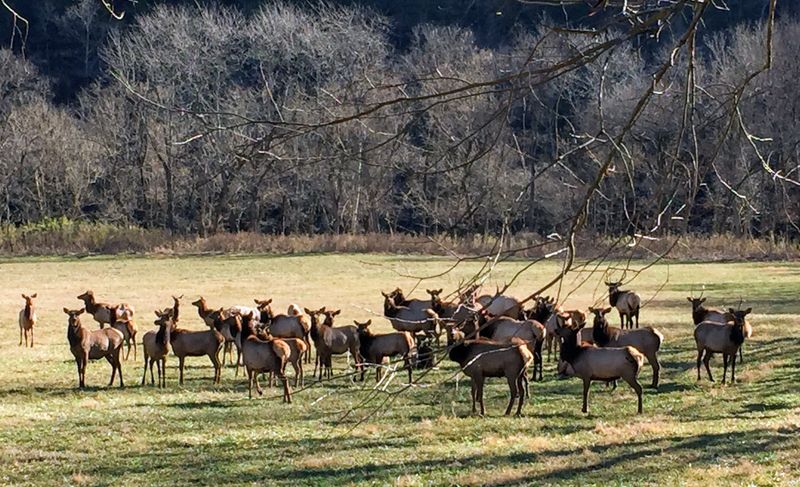
Elk herds grazing in mountain meadows create scenes more associated with western states than the mid-South.
This tiny community sits at the edge of wilderness where the Buffalo National River carves through some of its most dramatic terrain.
Towering bluffs rise hundreds of feet above the water, their layered limestone faces recording millions of years of geological history.
The elk reintroduction program has transformed the valley into one of Arkansas’s premier wildlife viewing destinations.
Dawn and dusk bring the best opportunities to observe these magnificent animals as they emerge from forests to feed.
Bulls bugle during fall rutting season, their calls echoing through valleys in displays of natural behavior rarely witnessed by humans.
The community itself consists of scattered homes, a few cabins available for rent, and minimal commercial development.
Trails leading from Ponca access some of the region’s most photographed overlooks and geological features.
Hawksbill Crag, also known as Whitaker Point, attracts hikers to a dramatic rock formation jutting from the mountainside.
The moderate trail passes through diverse forest ecosystems showcasing the botanical richness of Ozark highlands.
River access near town provides entry points for multi-day float trips through remote canyon sections.
Paddlers navigate Class I and II rapids while drifting past towering walls adorned with hanging gardens and seeping springs.
Swimming holes offer relief from summer heat in water that remains surprisingly cool even during August.
The area’s designation as a national river ensures protection from development that would compromise its wild character.
Visitors quickly realize that Ponca exists to provide access to nature rather than to entertain tourists with manufactured attractions.
This clarity of purpose creates an honest, straightforward destination where natural wonders speak for themselves without embellishment.
7. St. Joe
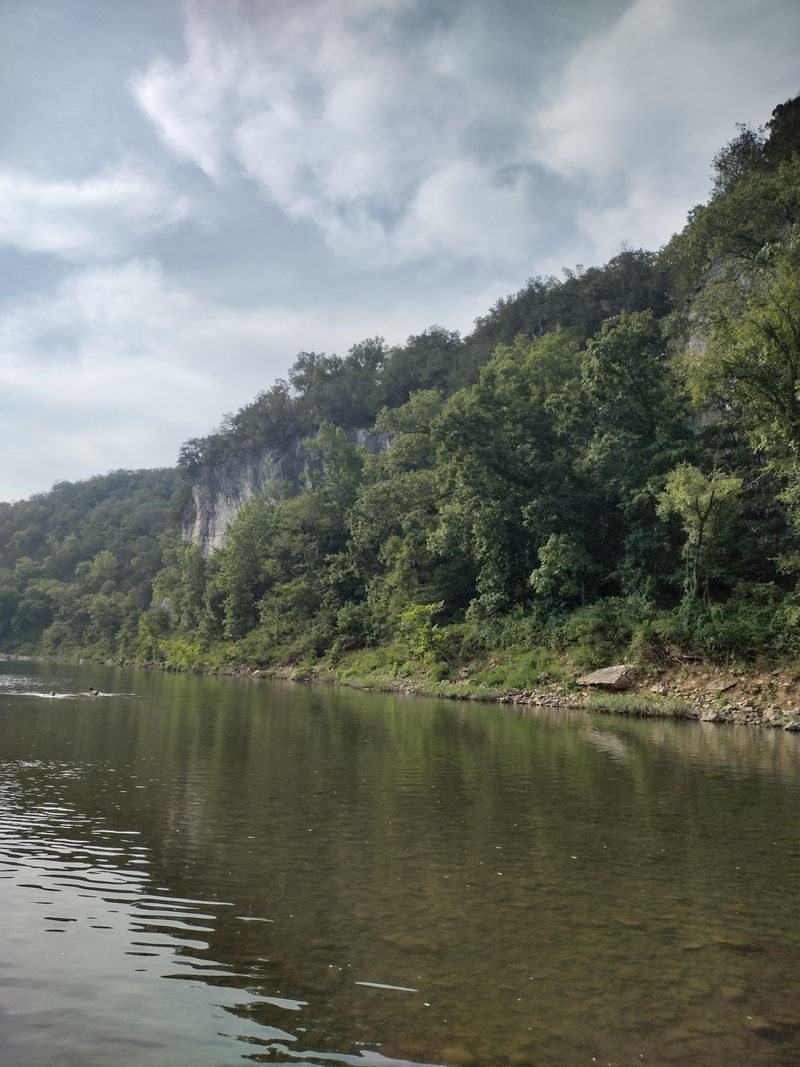
Remoteness defines this community perched high in the Boston Mountains where modern amenities remain notably absent.
The town’s elevation provides cooler temperatures than surrounding lowlands, a characteristic that attracted early settlers seeking relief from summer heat.
Today, that same geography contributes to St. Joe’s isolation and preservation of old-mountain character.
A single main road passes through town, connecting scattered homes and a few businesses that serve local needs.
The historic district contains structures from the late 1800s when the community functioned as a regional trade center.
Economic shifts and improved transportation networks redirected commerce elsewhere, leaving St. Joe frozen in an earlier era.
Surrounding forests belong to Ozark National Forest, ensuring vast tracts of protected wilderness accessible from town.
Hiking opportunities range from easy nature walks to challenging backcountry routes requiring navigation skills and preparation.
Streams cascade down mountainsides in waterfalls that swell dramatically after spring rains.
Fall brings leaf-peepers to mountain roads where overlooks reveal endless ridges fading into blue distance.
Winter occasionally delivers snow that transforms the landscape into scenes resembling Appalachian wilderness further east.
The absence of lodging options and restaurants means visitors must plan carefully, bringing supplies and accepting limitations.
This barrier to casual tourism has preserved St. Joe from the changes that commercialization brings.
Residents maintain lifestyles centered on self-reliance and connection to the land rather than service economy employment.
Gardens, livestock, and hunting contribute to household food supplies in patterns once universal but now rare.
Visitors willing to accept rustic conditions discover a community where mountain culture persists authentically rather than as performance for tourists.
8. Marble Falls
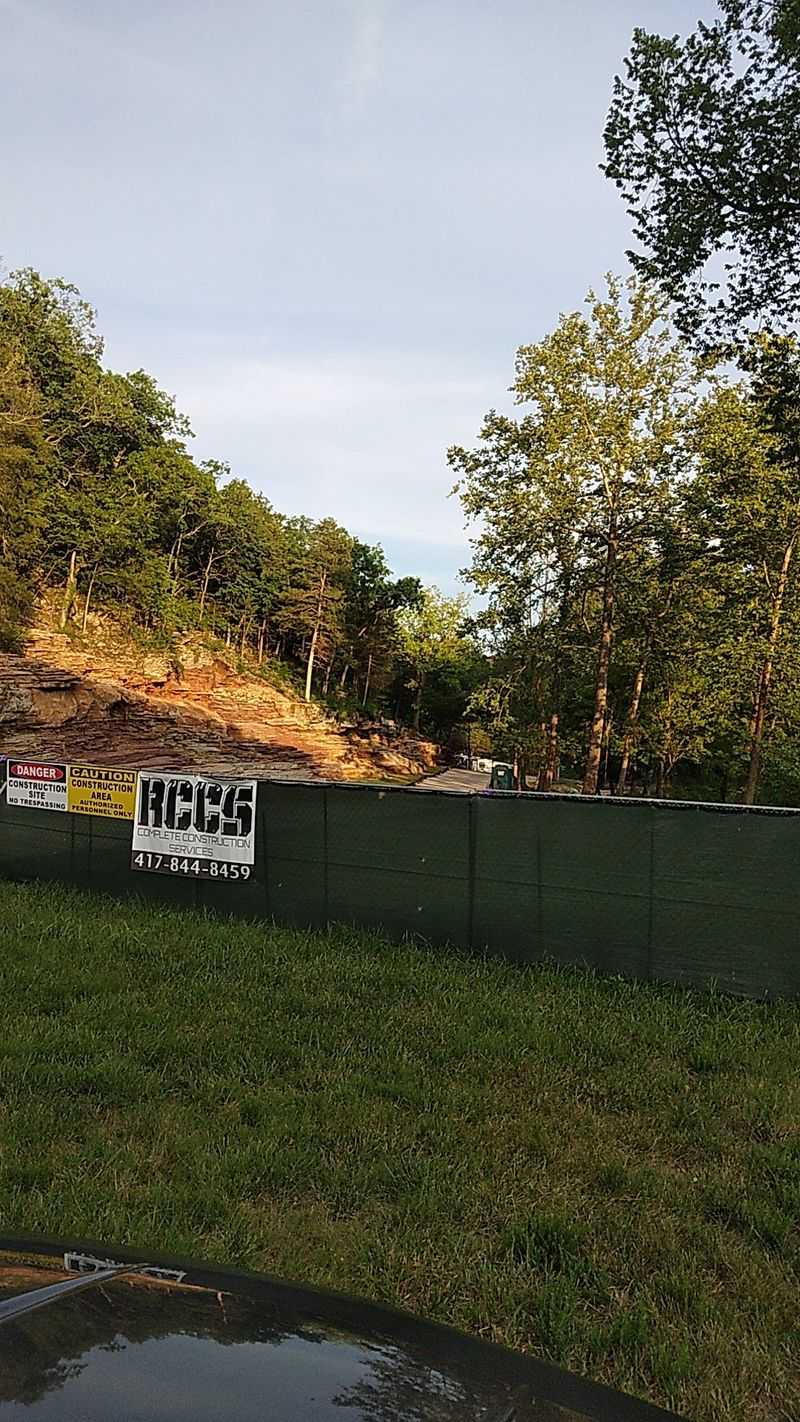
Waterfalls tumbling over marble rock formations give this hamlet its name and primary claim to fame.
The community itself barely registers as a town, consisting of scattered residences and minimal commercial presence.
Visitors come primarily to access natural features rather than to explore urban amenities that don’t exist.
The marble formations that inspired the name appear in creek beds and exposed outcroppings throughout the area.
These geological features created economic opportunities during earlier eras when quarrying operations employed local workers.
Abandoned quarry sites now provide interesting exploration destinations where nature reclaims industrial landscapes.
The Buffalo National River flows nearby, making Marble Falls a potential base for paddling adventures.
Hiking trails wind through forests where diverse plant communities thrive in microclimates created by elevation changes and water availability.
Spring brings explosive wildflower displays as native species compete for attention with showy blooms.
Summer heat drives locals and visitors alike to swimming holes where cold spring water provides relief.
Fall colors develop early at this elevation, with maples and hickories leading the transformation.
Winter reveals landscape bones as deciduous trees drop leaves and expose underlying geological structures.
The hamlet maintains no formal tourism promotion, relying instead on regional visitors who discover it through exploration.
This low profile has protected Marble Falls from development pressures that transform accessible destinations.
Residents value privacy and quiet, characteristics that attracted them to remote locations in the first place.
Visitors who respect these preferences and come prepared for rustic conditions discover a landscape remarkably similar to what early settlers encountered, preserved through isolation and intentional non-development rather than formal conservation efforts.
9. Vendor
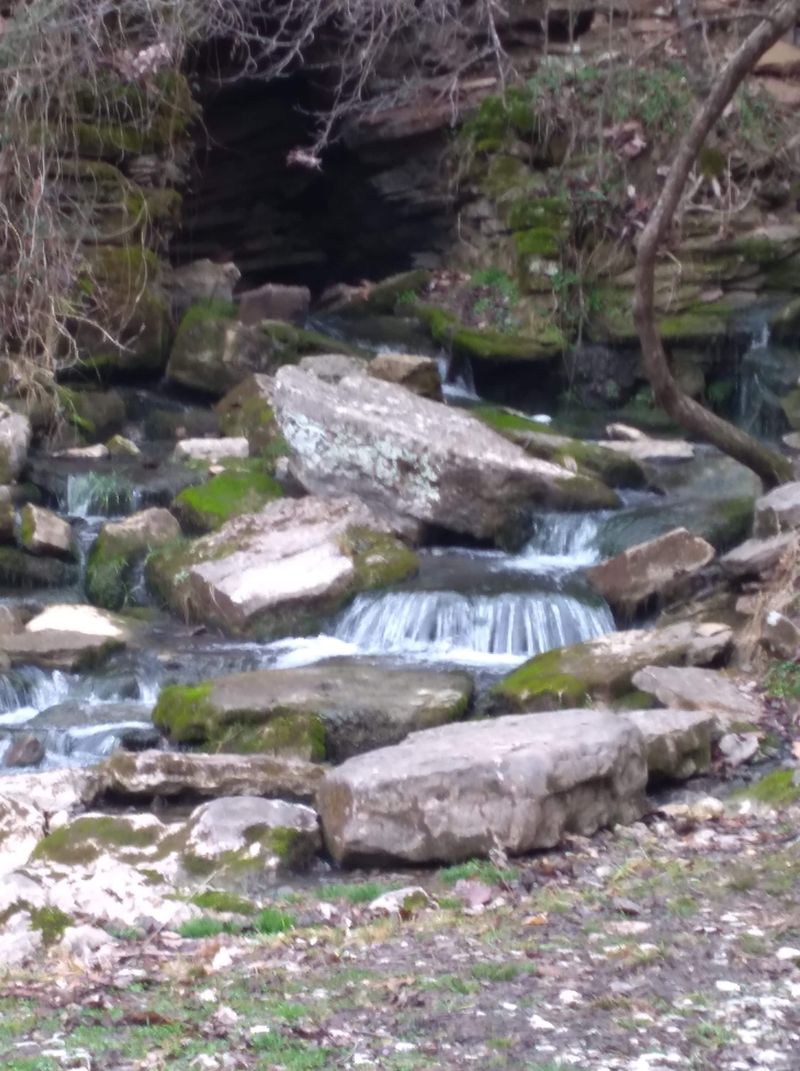
Maps sometimes omit this tiny community entirely, reflecting its minimal size and extreme remoteness.
Vendor sits deep in the Ozark National Forest where paved roads give way to gravel and modern conveniences become memories.
The handful of residents who call this area home chose isolation deliberately, seeking distance from urban pressures and complications.
No commercial establishments operate in Vendor, making it a residential outpost rather than a service center.
Nearest supplies require drives of thirty minutes or more over winding mountain roads.
This isolation creates self-reliance among residents who maintain skills and resources necessary for independent living.
Gardens, preserved foods, and hunting contribute significantly to household food security.
Firewood heating remains common, with residents cutting and splitting timber from surrounding forests.
The surrounding wilderness provides endless recreation opportunities for those willing to explore without marked trails or facilities.
Streams harbor native trout in cold, clear waters that require hiking to access.
Ridge-top vistas reveal forested mountains extending to distant horizons without visible development.
Wildlife populations thrive in habitats protected by national forest designation and low human density.
Black bears, once extirpated from the region, now roam freely through oak-hickory forests.
Night skies display celestial shows impossible to witness near population centers with light pollution.
Silence becomes almost tangible in its completeness, interrupted only by natural sounds.
Visitors to Vendor must be truly self-sufficient, as no safety nets or convenience stores provide backup plans for poor preparation or unexpected challenges in this genuinely remote corner of Arkansas.
10. Compton
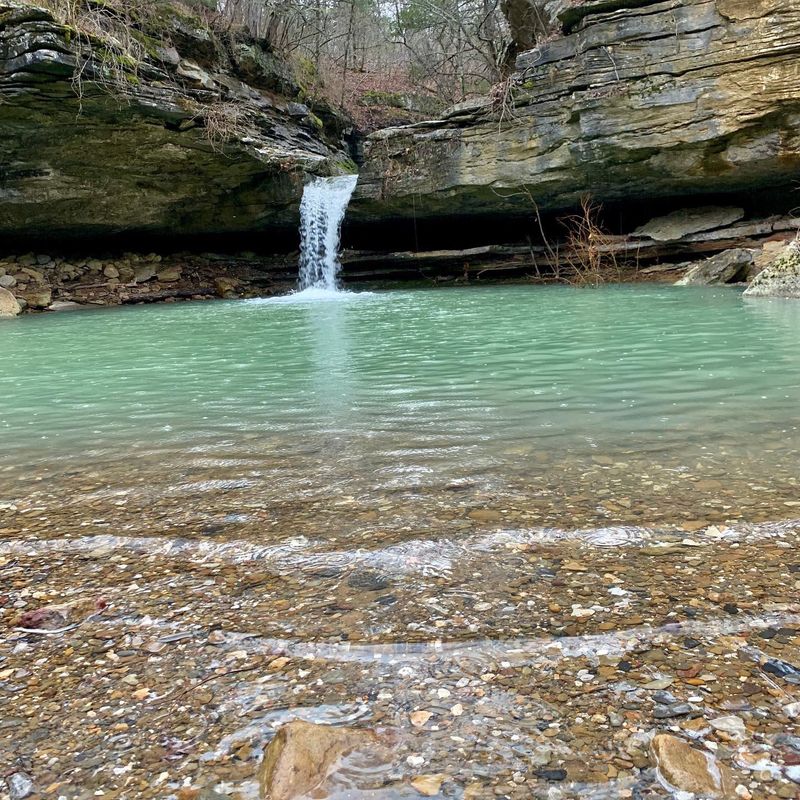
Buffalo National River flows past this small community that exists primarily to serve paddlers, anglers, and hikers exploring the protected waterway.
The town occupies a scenic valley where steep bluffs rise on both sides, creating dramatic landscapes.
Historic buildings from the early 20th century line the main street, their weathered appearances authentic rather than artificially aged.
A general store provides basic supplies and serves as an informal information center where locals share trail conditions and river reports.
Outfitters operate with minimal fanfare, offering canoe and kayak rentals without the commercialized atmosphere of busier river towns.
The community maintains a working relationship with the National Park Service, balancing preservation goals with local needs.
Residents include multi-generational families whose ancestors settled the valley before federal protection, as well as newer arrivals seeking simpler lifestyles.
This mix creates interesting cultural dynamics as traditional mountain ways blend with back-to-the-land philosophies.
Trails radiating from Compton access waterfalls, overlooks, and remote sections of the national river.
Spring brings high water levels that create exciting paddling conditions for experienced boaters.
Summer lowers water levels, revealing gravel bars perfect for camping and swimming.
Fall colors reflect in still pools between rapids, creating photographs that capture Ozark beauty.
Winter solitude attracts those seeking complete escape from crowds and noise.
The town’s small size means visitors quickly exhaust built attractions and must turn to natural surroundings for entertainment.
This limitation proves beneficial, directing attention toward the river and mountains that constitute the area’s genuine appeal.
Compton represents a functional community rather than a tourist destination, maintaining authenticity through continued local use rather than preservation for outsider consumption.
Dear Reader: This page may contain affiliate links which may earn a commission if you click through and make a purchase. Our independent journalism is not influenced by any advertiser or commercial initiative unless it is clearly marked as sponsored content. As travel products change, please be sure to reconfirm all details and stay up to date with current events to ensure a safe and successful trip.
