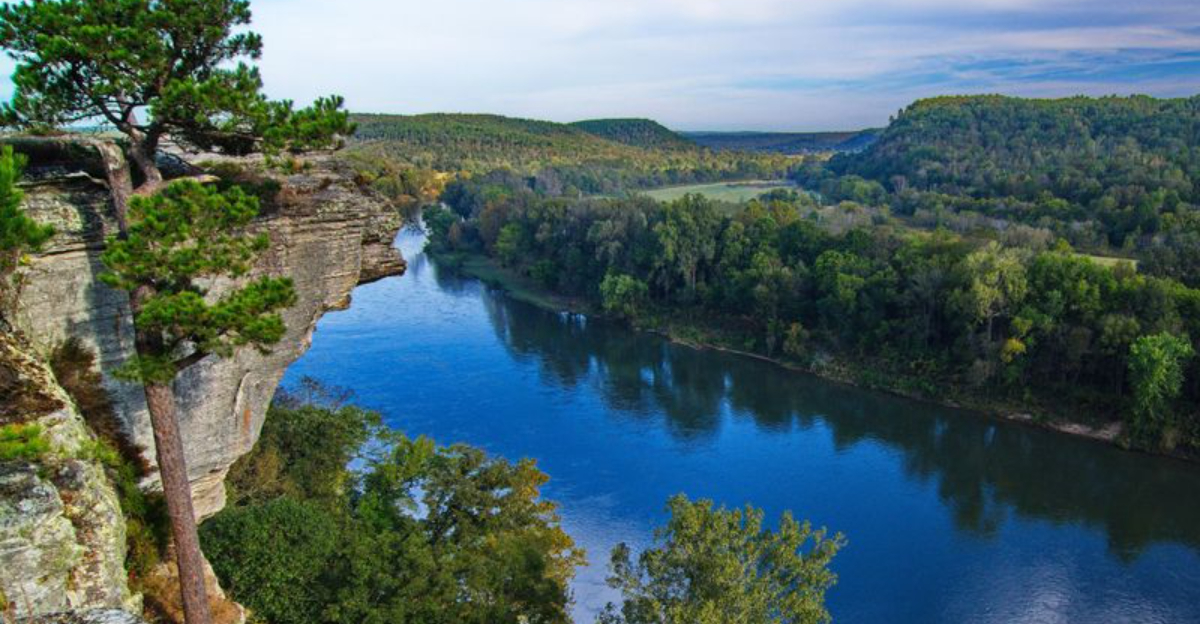
Arkansas holds a quiet charm that many travelers overlook in their rush to reach more famous destinations.
Across the Natural State, small towns and humble roadside stops carry the label of boring, yet these same places offer something increasingly rare in modern travel: genuine rest.
When the noise of daily life becomes too much, these unassuming Arkansas locations provide peaceful retreats where time moves slower and worries fade into the background.
From riverside towns cradled by the Ozarks to forgotten main streets lined with historic buildings, these destinations invite weary souls to pause, breathe deeply, and rediscover the simple pleasure of doing absolutely nothing.
1. Cotter: Riverside Tranquility Along the White River
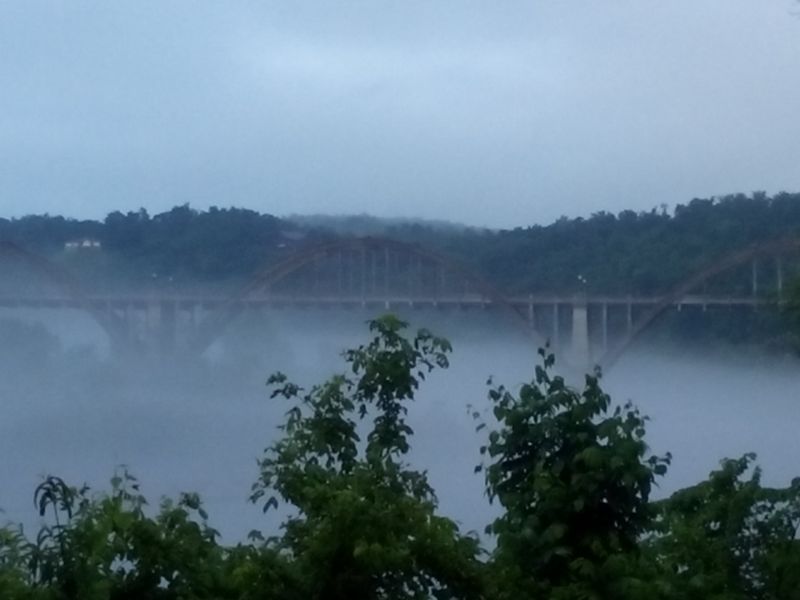
Rainbow trout glide beneath the surface of the White River while fishermen cast their lines from the banks, their movements unhurried and deliberate.
Cotter earned its reputation as a boring town decades ago when the world sped up and this riverside community chose not to follow.
The historic steel bridge stands as a reminder of simpler times, its iron framework reflecting in the calm waters below.
Visitors who arrive here seeking excitement quickly realize they’ve come to the wrong place, but those searching for rest discover exactly what they need.
The riverfront park stretches along the water’s edge, offering benches positioned perfectly for watching the current flow past without interruption.
Local families gather here on weekends, spreading picnic blankets on the grass and letting children play without the constant supervision required in busier places.
The riverfront trail winds gently through the park, inviting leisurely walks where the only sounds come from birdsong and rustling leaves.
Fishing enthusiasts appreciate the easy access to some of Arkansas’s best trout waters, though many come simply to sit by the shore and let their thoughts drift downstream.
The town itself moves at a pace that feels almost medicinal to visitors accustomed to urban chaos.
Small shops along Main Street keep irregular hours, opening when the owners arrive and closing when they feel like going home.
Nobody rushes here because there’s nowhere urgent to be.
The bridge becomes particularly beautiful at sunset when golden light transforms the steel into something almost magical.
Photographers occasionally stop to capture this moment, but most evenings the bridge belongs only to locals who’ve seen this view a thousand times and still find it worth watching.
Cotter offers no theme parks or entertainment complexes, just the steady presence of the river and the unhurried rhythm of a town that time forgot in the best possible way.
2. Gilbert: Gravel Streets and Buffalo River Serenity
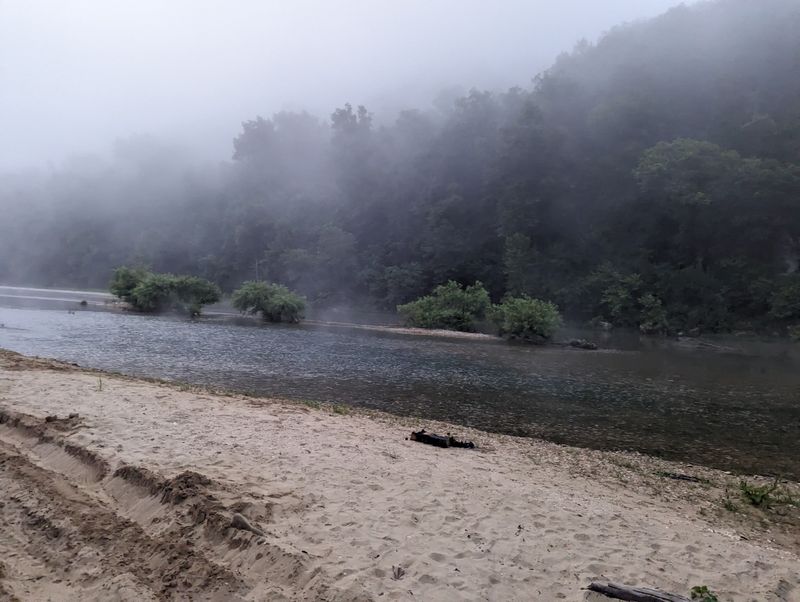
Gravel crunches beneath tires as visitors roll into Gilbert, a town so small that blinking might cause you to miss it entirely.
Historic wooden storefronts line the unpaved main road, their weathered facades telling stories of a century past.
The Buffalo National River flows nearby, its waters carving through limestone bluffs that tower above the surrounding forest.
Canoeists and kayakers use Gilbert as a launching point for river adventures, though many find themselves lingering longer than planned, drawn by the town’s unhurried atmosphere.
The general store serves as the community’s heart, offering supplies, local gossip, and cold drinks to overheated travelers.
Inside, time seems to have paused somewhere around 1950, with wooden floors creaking underfoot and merchandise displayed without modern marketing flair.
Outside, the Buffalo River calls to those seeking genuine wilderness experiences without the crowds that plague more famous national parks.
The bluffs rising from the riverbanks create dramatic scenery that photographers dream about, yet remain largely unknown to tourists following standard itineraries.
Gilbert’s reputation as boring stems from its complete lack of nightlife, shopping centers, or entertainment venues.
What it offers instead is something far more valuable: silence broken only by natural sounds.
The night sky here reveals stars invisible in cities, their brightness startling to urban dwellers unaccustomed to true darkness.
Local outfitters rent canoes and provide shuttle services, but their approach to business reflects the town’s overall philosophy of taking things slow.
Reservations get honored eventually, though exact departure times remain flexible.
The river itself provides endless opportunities for rest, whether floating lazily downstream or sitting on a gravel bar watching the water slide past.
Gilbert asks nothing of its visitors except that they slow down and remember what peace feels like.
3. Eureka Springs: Victorian Charm in the Ozark Hills
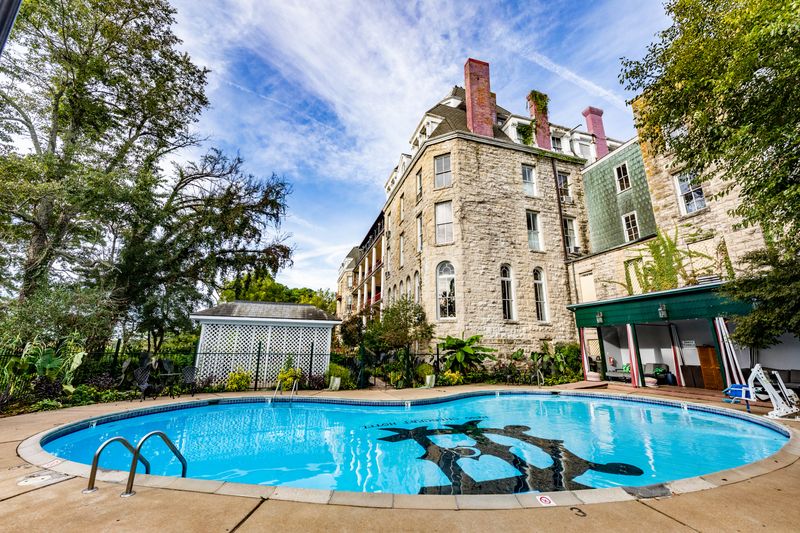
Steep hillsides force Eureka Springs to wind and twist through the Ozark Mountains, creating a maze of streets that refuse to follow any logical grid.
Victorian buildings cling to these slopes, their ornate architecture preserved from an era when this town served as a fashionable health resort.
Natural springs bubble throughout the area, their mineral-rich waters once drawing thousands seeking cures for various ailments.
Today’s visitors come for different reasons, though the healing properties of this place remain just as potent.
Art galleries occupy many of the historic storefronts, displaying works by local artists who’ve made this mountain town their creative home.
The galleries maintain a relaxed approach to sales, with owners more interested in discussing their work than pushing purchases.
Winding streets discourage hurried driving, forcing everyone to adopt the town’s slower pace whether they intended to or not.
Walking these hillside paths provides gentle exercise combined with architectural eye candy at every turn.
The town’s reputation for being boring comes primarily from young people seeking nightclubs and high-energy entertainment.
For those craving rest, however, Eureka Springs delivers exactly what the soul needs.
Local restaurants serve comfort food without pretension, their menus featuring regional specialties prepared with care rather than culinary showmanship.
The pace of service matches the town’s overall rhythm, with meals arriving when they’re ready rather than according to some corporate efficiency standard.
Historic hotels and bed-and-breakfasts offer accommodations that feel like stepping into the past, complete with creaky floors and antique furnishings.
The surrounding Ozark forests provide hiking trails that range from easy strolls to challenging climbs, all rewarding effort with views of endless green hills.
Eureka Springs proves that boring is simply another word for peaceful when you’re in the right frame of mind.
4. Calico Rock: White River Views and Historic Simplicity
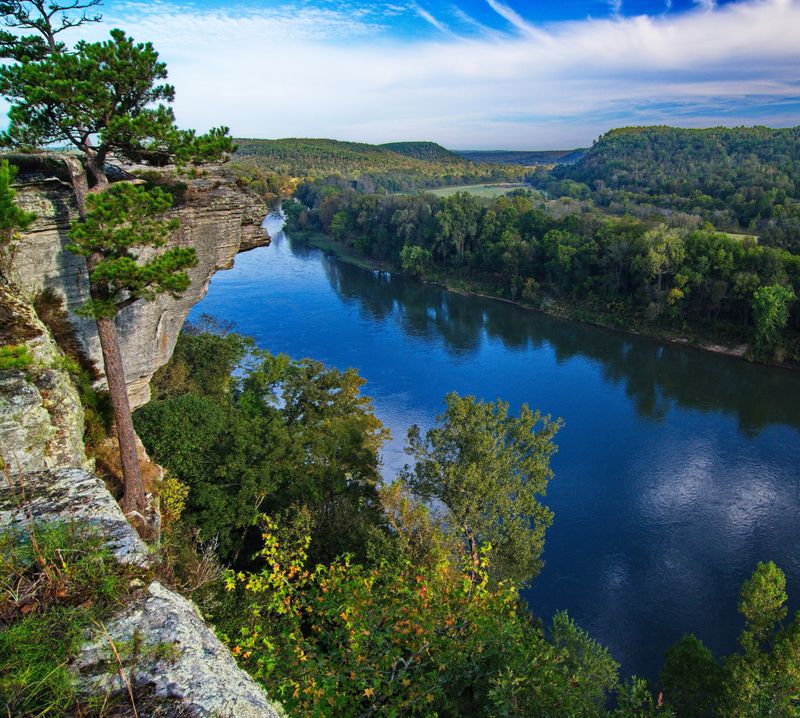
Limestone bluffs rise dramatically from the White River’s edge, giving Calico Rock its distinctive name and most striking natural feature.
The town perches along the riverbank, its historic downtown district preserving buildings that witnessed the timber boom of the early 1900s.
A walking tour of these structures takes perhaps thirty minutes, which locals joke is about all the excitement Calico Rock can offer.
Yet this simplicity forms the foundation of the town’s greatest asset: its ability to help visitors decompress from modern life’s relentless demands.
The White River flows past with mesmerizing consistency, its current never rushing but never stopping either.
Fishing guides operate from the riverbank, offering trips to anglers seeking trophy trout in the cold waters below Norfork Dam.
Even non-fishermen find themselves drawn to the river’s edge, watching the water’s surface for rising fish or simply enjoying the play of light on moving current.
Historic markers throughout town tell stories of riverboat commerce, timber harvests, and the hardy settlers who carved out lives in this rugged landscape.
Reading these markers provides a self-paced history lesson that requires no admission fee or scheduled tour time.
The town’s laid-back environment becomes apparent within minutes of arrival when you realize nobody’s watching the clock or hurrying anywhere.
A small museum preserves local artifacts and photographs, staffed by volunteers who genuinely love sharing their community’s story.
Conversations here tend to meander like the river itself, touching on weather, fishing conditions, and the unchanging nature of small-town life.
The natural beauty surrounding Calico Rock provides endless opportunities for quiet contemplation.
Whether sitting on a riverbank, hiking a nearby trail, or simply standing on Main Street watching clouds drift overhead, rest comes easily here.
Calico Rock makes no apologies for its quiet nature, understanding that what some call boring, others recognize as exactly what their weary souls require.
5. Hardy: Spring River Charm and Antique Discoveries
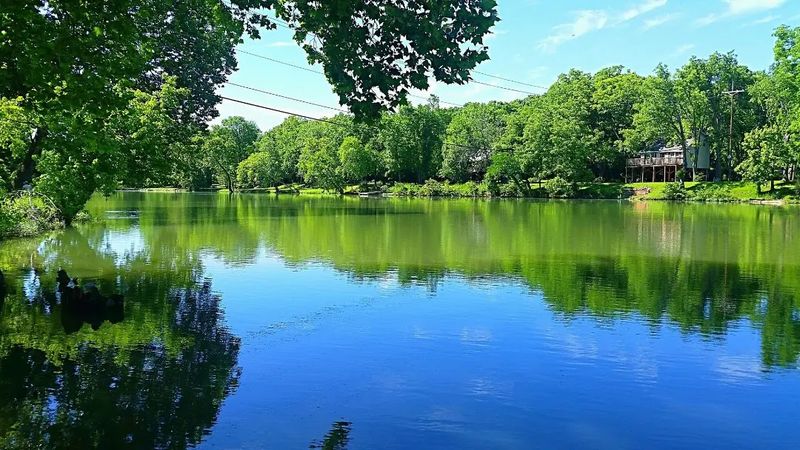
Antique shops line Hardy’s main street, their windows displaying treasures ranging from Depression glass to vintage farm equipment.
The Spring River flows through town, providing a watery soundtrack to daily life and drawing canoeists during warmer months.
Hardy built its modern identity around embracing the past, transforming from a declining rural community into a destination for collectors and nostalgia seekers.
The transformation happened slowly, without corporate planning or tourist board marketing campaigns.
Local shop owners maintain irregular hours, often closing mid-afternoon if business is slow or opening late if they feel like sleeping in.
This casual approach to commerce frustrates some visitors but perfectly embodies the restful atmosphere that makes Hardy special.
Walking from shop to shop becomes a treasure hunt where the real prize isn’t finding the perfect antique but enjoying the unhurried search itself.
Shop owners love talking about their merchandise, sharing stories about where items came from and the history they represent.
These conversations can stretch for an hour or more, with nobody checking watches or worrying about other customers.
Local eateries serve home-style cooking that tastes like Sunday dinner at grandma’s house, with portions generous enough to require takeout boxes.
The Spring River provides natural entertainment for those who appreciate watching water flow over rocks and around bends.
Small parks along the riverbank offer spots to sit and listen to the water’s constant murmur.
Hardy’s community takes pride in their town’s welcoming nature, greeting strangers with genuine friendliness rather than calculated tourist-industry hospitality.
The pace of life here allows for spontaneous conversations with locals who have time to chat and stories to share.
Evening brings a special quietness to Hardy as shops close and residents retreat to their homes, leaving the streets to crickets and the occasional passing car.
Hardy proves that boring is simply a matter of perspective, with stressed-out visitors discovering that this slow-paced river town offers exactly the rest they didn’t know they needed.
6. Jasper: Buffalo River Gateway and Mountain Peace
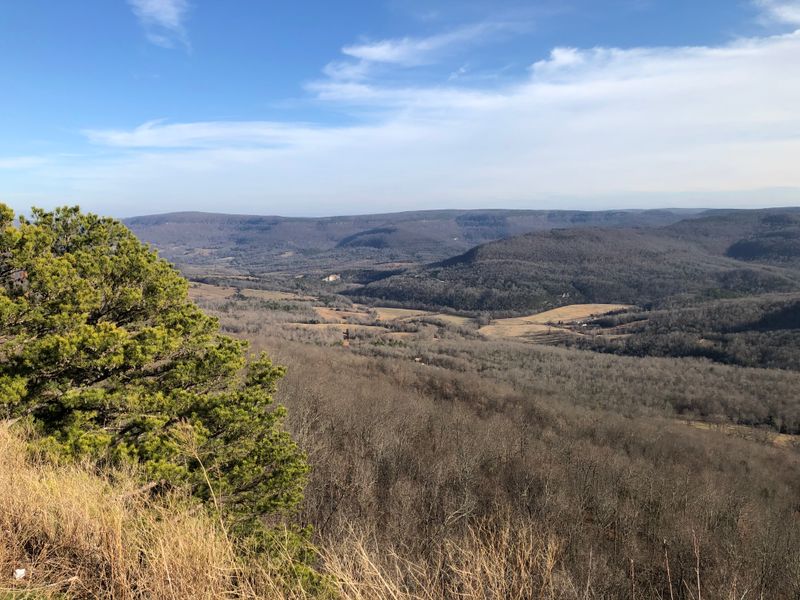
Newton County Courthouse anchors Jasper’s town square, its clock tower visible from surrounding hillsides and serving as a landmark for travelers navigating these winding Ozark roads.
The town functions primarily as a supply point for visitors heading to the Buffalo National River, though many find themselves staying longer than planned.
Something about the mountain air and unhurried pace makes rushing seem almost disrespectful to the landscape.
Local outfitters rent canoes and kayaks, but their business model lacks the aggressive marketing found in more commercialized tourist towns.
Equipment gets rented when people show up, shuttles run when needed, and nobody worries too much about maximizing efficiency.
The courthouse square features a handful of businesses: a cafe serving breakfast and lunch, a general store with essentials, and a few shops catering to river enthusiasts.
Benches around the square invite sitting and people-watching, though there’s rarely enough foot traffic to make this particularly exciting.
That’s precisely the point.
Jasper offers a place to pause between river adventures or simply to exist without agenda or schedule.
The surrounding mountains create a sense of being cradled by the landscape, with ridges rising in every direction and morning mist filling the valleys.
Hiking trails branch off from town, leading to overlooks that reveal the folded terrain of the Ozarks stretching to distant horizons.
These trails see modest traffic, meaning hikers often have entire mountainsides to themselves.
The solitude available here feels increasingly precious in an overcrowded world.
Evening brings spectacular sunsets that paint the western sky in shades of orange and pink, with the silhouettes of distant ridges creating layers of deepening blue.
Locals gather on porches to watch these displays, a nightly ritual that never grows old despite its repetition.
Jasper’s boring reputation stems from its lack of attractions beyond natural beauty and small-town simplicity, yet these supposed deficiencies become virtues for visitors seeking genuine rest rather than manufactured entertainment.
7. Mountain View: Folk Music Heritage and Quiet Squares
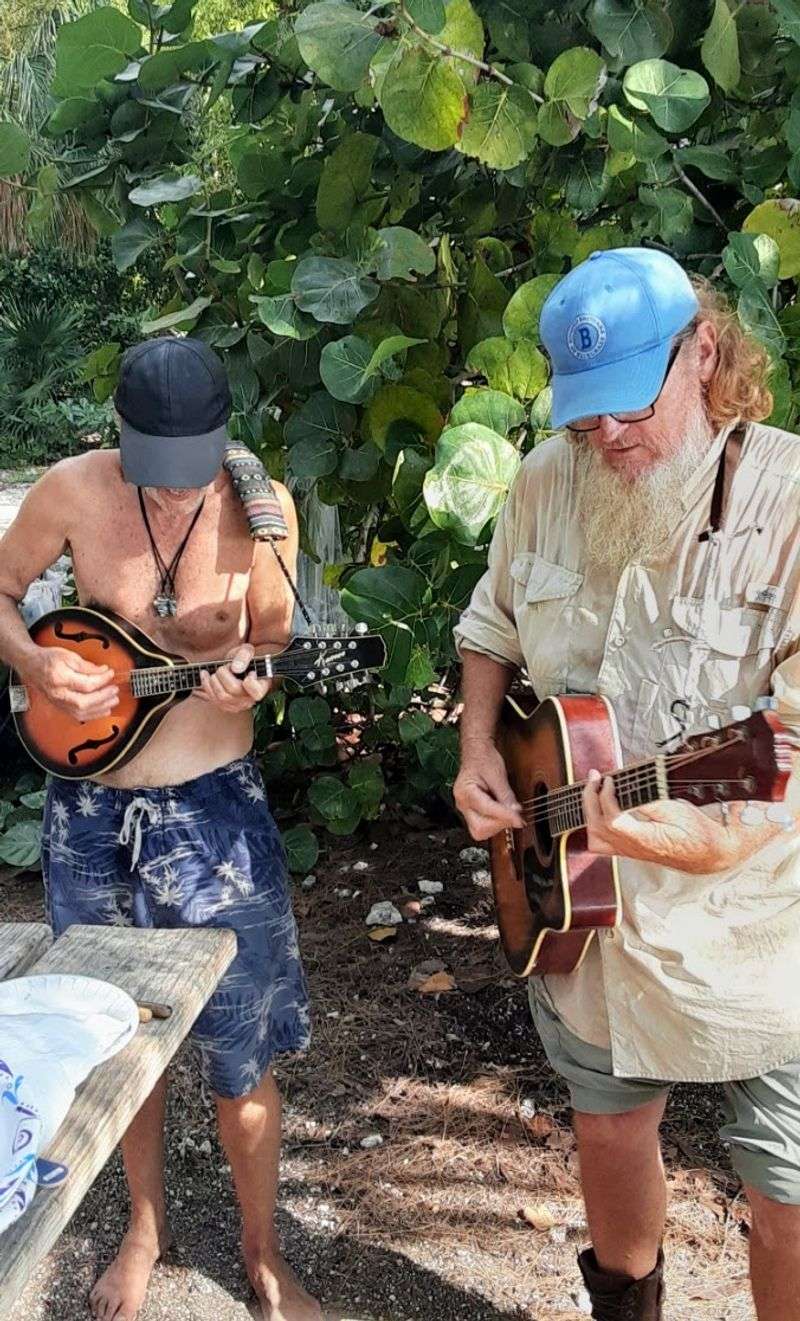
Folk musicians gather on the courthouse square most evenings, their fiddles and guitars creating impromptu concerts that draw listeners from porches and sidewalks.
Mountain View built its identity around preserving Ozark musical traditions, though the town itself remains refreshingly uncommercial despite this cultural significance.
The music happens organically, without schedules or admission fees, as local players show up when they feel like picking and visitors are welcome to listen or join in.
This casual approach to cultural preservation creates an authentic experience that contrasts sharply with staged tourist attractions.
Between musical gatherings, Mountain View settles into a quietness that some visitors find almost startling after the constant noise of urban environments.
The town’s streets remain walkable and unhurried, with drivers actually stopping for pedestrians and nobody honking impatiently at red lights.
Small shops sell handcrafted items made by local artisans: quilts, pottery, wooden toys, and other products of patient hands.
Browsing these shops becomes a meditation on craftsmanship and the value of things made slowly with care.
The Ozark Folk Center sits on the edge of town, offering demonstrations of traditional crafts and skills, though even this attraction maintains a low-key atmosphere.
Demonstrators work at their own pace, happy to answer questions but never performing for crowds or rushing their processes.
Surrounding mountains provide hiking opportunities that range from easy nature walks to challenging ridge trails.
The landscape here carries a gentleness despite its rugged appearance, with rounded peaks and forested slopes creating a sense of being embraced by the earth itself.
Mountain View’s boring reputation comes from people expecting theme parks and finding instead a living community that values tradition and tranquility.
For those willing to adjust their expectations, the town reveals itself as a sanctuary where rest comes naturally and stress melts away like morning fog.
The evening music on the square becomes a metaphor for the town itself: simple, authentic, and offering something money cannot buy in more commercialized destinations.
8. Mammoth Spring: Crystal Waters and Historic Mill Sites
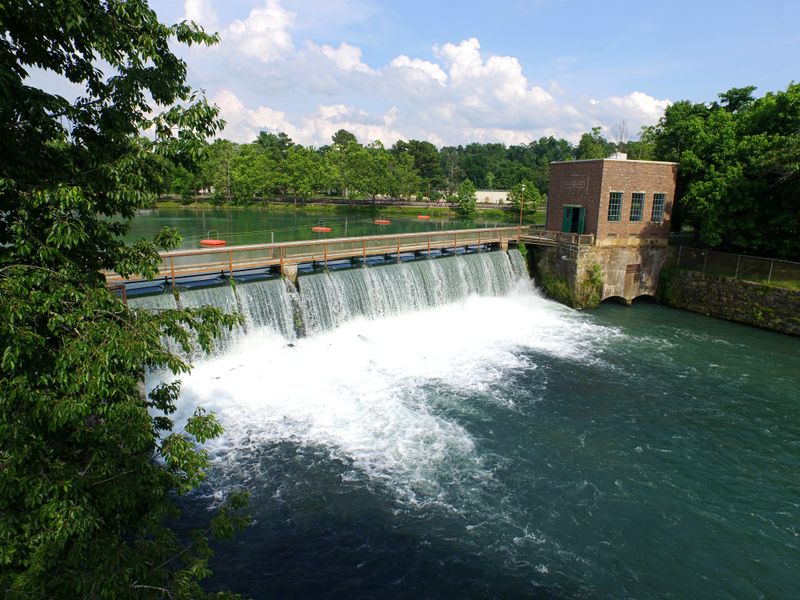
Nine million gallons of water per hour surge from the ground at Mammoth Spring, creating one of the largest springs in the United States and the town’s main attraction.
The spring forms a small lake of startling clarity where visitors can see every rock and plant on the bottom despite the depth.
A historic mill building sits beside the spring, its weathered timbers and waterwheel preserved as reminders of the industrial activity that once centered on this natural resource.
Today the mill stands silent, allowing the spring’s constant flow to provide the only sound beyond birdsong and rustling leaves.
State park facilities surround the spring, offering walking paths, picnic areas, and interpretive signs explaining the geology and history of this remarkable place.
The park sees modest visitation compared to more famous Arkansas destinations, meaning visitors often have long stretches of boardwalk and trail entirely to themselves.
Watching the spring’s water emerge from underground creates an almost hypnotic experience, with the constant flow suggesting both permanence and change.
The water maintains a constant temperature year-round, steaming in winter and providing cool relief in summer.
Trout thrive in the cold spring water, their shadowy forms visible to patient observers watching from the boardwalk.
The town of Mammoth Spring itself consists of little more than a few streets of modest homes and a handful of businesses.
Nobody comes here for urban amenities or entertainment options.
The spring is the point, and everything else serves merely as support infrastructure.
This singular focus creates an environment where rest comes easily because there’s nothing demanding your attention beyond natural beauty and historical curiosity.
Walking the trails around the spring provides gentle exercise without strenuous exertion, perfect for those seeking movement without exhaustion.
The boring label attached to Mammoth Spring reflects modern society’s addiction to constant stimulation rather than any actual deficiency in the location itself.
Address: 1 Park Ln, Mammoth Spring, Arkansas
9. Evening Shade: Rural Rhythms and Forgotten Highways
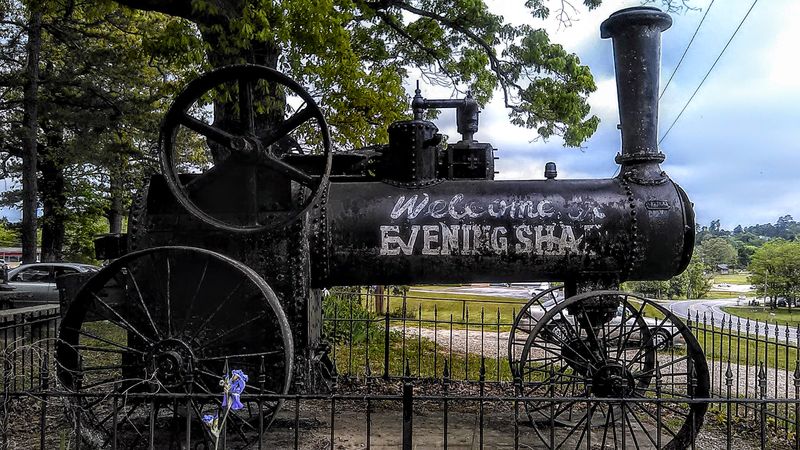
Farmland stretches in every direction from Evening Shade, with fields of soybeans and rice creating geometric patterns across the flat Delta landscape.
The town gained brief fame from a television series bearing its name, though that attention faded quickly, leaving Evening Shade to return to its natural state of quiet obscurity.
Highway 167 runs through town, carrying travelers between larger cities but rarely convincing them to stop for more than gas or a quick meal.
Those who do pause discover a community where agriculture still drives the economy and seasons dictate the rhythm of life.
Spring planting, summer growth, fall harvest, and winter rest create a cycle that has repeated for generations with only minor variations.
This connection to the land and its cycles provides a grounding influence that urban visitors often find surprisingly restorative.
The town itself offers little in the way of attractions: a few churches, a school, some businesses serving local needs.
What it provides instead is a glimpse into rural American life that continues largely unchanged despite the modern world’s frantic pace.
Sitting on a bench along the main street and watching daily life unfold becomes a form of meditation on the value of simplicity.
Farmers in pickup trucks stop to chat with neighbors, their conversations covering weather, crop prices, and local gossip.
These interactions happen without hurry, with participants understanding that relationships matter more than efficiency.
The flat landscape allows for enormous skies that dominate the visual experience, with clouds building into towering thunderheads on summer afternoons.
Watching these weather systems develop and move across the land provides entertainment that requires no screens or tickets.
Evening Shade’s boring reputation is entirely justified by conventional tourist standards.
There’s nothing to do here in the traditional sense, no attractions to visit or activities to pursue.
Yet this absence of demands creates space for genuine rest, allowing visitors to simply be rather than constantly do.
10. Ola: Magazine Mountain Foothills and Small-Town Stillness

Magazine Mountain rises to the south of Ola, its summit marking the highest point in Arkansas and providing a dramatic backdrop to this tiny community.
The town itself consists of a few blocks of buildings clustered around the intersection of two rural highways.
Passing through takes less than a minute at the posted speed limit, and most travelers do exactly that without pausing.
Those who stop discover a place where time moves differently, where the mountain’s presence creates a sense of permanence that makes daily worries seem temporary and small.
Local businesses serve the surrounding farming and ranching community, offering supplies and services rather than tourist amenities.
A small cafe provides home-cooked meals to farmers, truck drivers, and the occasional lost traveler.
The menu features country cooking without apology: fried chicken, mashed potatoes, biscuits, and gravy.
Eating here feels like visiting a relative’s kitchen, with generous portions and food that prioritizes comfort over culinary trends.
Magazine Mountain draws hikers and nature enthusiasts to its trails and overlooks, though Ola itself remains largely untouched by tourist traffic.
The mountain looms close enough to hike from town, making Ola a potential base for exploring Arkansas’s highest elevations.
Yet most visitors drive past, heading directly for the mountain without realizing that the town offers its own form of elevation: a lifting of spirits that comes from experiencing genuine small-town stillness.
The pace of life here follows agricultural rhythms rather than clock time, with activity levels rising and falling according to seasonal demands.
Harvest time brings a burst of energy and long working hours, while winter allows for slower days and earlier nights.
This connection to natural cycles provides a counterbalance to modern life’s artificial urgency.
Ola’s boring reputation is well earned by entertainment standards, but for those seeking rest rather than stimulation, the town’s quiet simplicity becomes its greatest asset, offering peace that cannot be manufactured or purchased at more popular destinations.
Dear Reader: This page may contain affiliate links which may earn a commission if you click through and make a purchase. Our independent journalism is not influenced by any advertiser or commercial initiative unless it is clearly marked as sponsored content. As travel products change, please be sure to reconfirm all details and stay up to date with current events to ensure a safe and successful trip.
