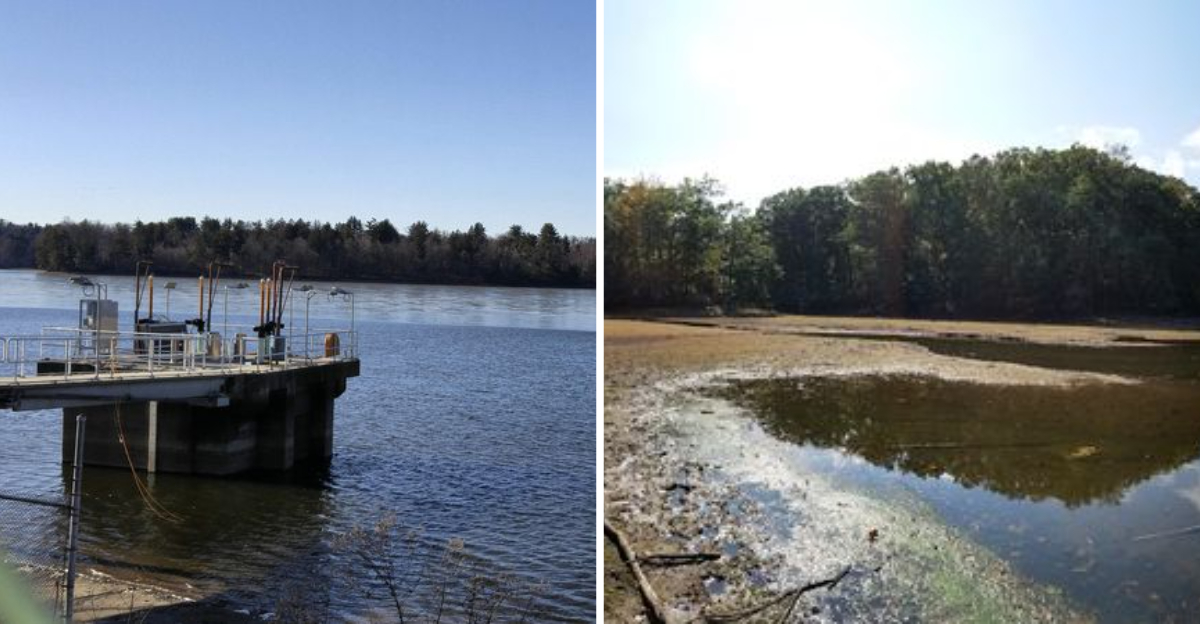
You’d expect a sparkling lake, but this New Jersey reservoir is serving major moonscape vibes instead.
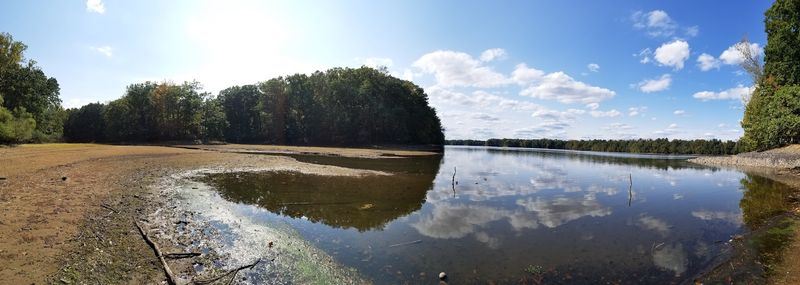
At just 37% capacity, the water has pulled way back, leaving behind cracked mudflats and dusty stretches that look like something from a space movie.
Kayaks sit on dry ground. Docks lead to nowhere.
It’s bizarre, a little beautiful, and totally worth a curious wander. Just watch your step.
The mud is real. Bring binoculars and a sense of adventure.
Who knew low water could look this high drama?
When a Reservoir Becomes a Moonscape
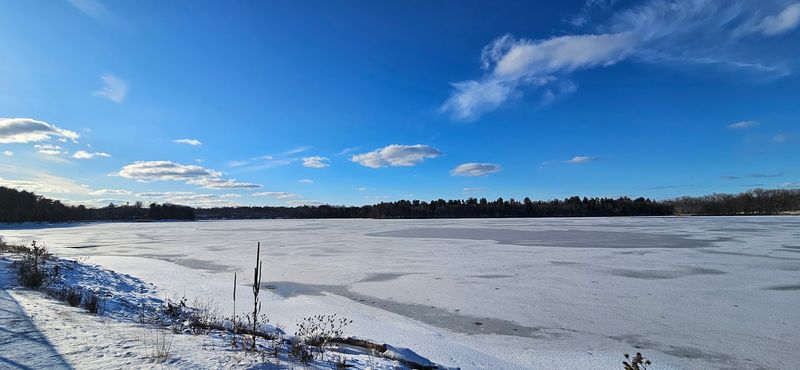
Standing at the edge of the Oradell Reservoir in early 2026 feels less like visiting a lake and more like stepping onto another planet.
The water that usually fills this 720-acre basin has pulled back so dramatically that mudflats stretch out in every direction, broken only by small islands of sediment rising from the exposed lakebed.
At 37 percent capacity, the reservoir holds a fraction of its maximum 3.5 billion gallons. The transformation is genuinely startling.
Sections where water once ran several feet deep now sit completely dry, cracked into geometric patterns under the pale winter light.
This is not a slow, subtle change. The drought of 2026, fueled by rainfall deficits stretching back through late 2025, hit this part of northern New Jersey hard.
Oradell went from a quiet, serene water body to something that looks borrowed from a science fiction film set. The scale of it is hard to grasp until you are standing right there, staring at the emptiness where a lake used to be.
The Drought Behind the Disappearing Water
Droughts do not happen overnight, and the one draining Oradell Reservoir is a slow-building story that started gaining momentum in late 2025. Rainfall deficits piled up quietly through autumn and into the new year, and by March 2026, the consequences were impossible to ignore.
The reservoir, which supplies drinking water to over 750,000 people across northern New Jersey, dropped to just 37 percent of its total capacity. That number sounds abstract until you see what it actually looks like on the ground.
Mudflats where there should be open water. Exposed sediment shelves that have not seen sunlight in decades.
Veolia, the company that owns and operates Oradell as part of a four-reservoir system alongside Woodcliff Lake, Lake Tappan, and Lake DeForest, moved quickly to implement conservation measures for surrounding communities.
The situation put a spotlight on just how dependent this densely populated region is on consistent rainfall patterns.
When those patterns break down, the effects ripple outward fast and wide.
A 720-Acre Lake With a Long History
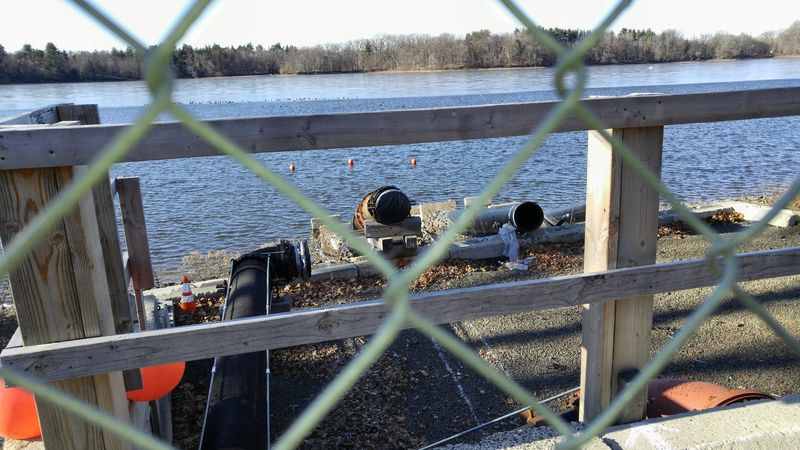
The Oradell Reservoir has been holding water and serving communities since the Oradell Dam was completed back in 1923. That makes it over a century old, which adds a certain weight to watching it sit nearly empty in 2026.
For generations, this reservoir has been the quiet backbone of northern New Jersey’s water supply.
Owned and operated by Veolia, formerly known as the Hackensack Water Company, the reservoir covers 720 acres and forms part of a larger four-reservoir network.
Water flows in from Woodcliff Lake, Lake Tappan, and Lake DeForest, all feeding into Oradell before heading to treatment plants and eventually kitchen taps across the region.
The dam itself is a piece of regional engineering history, built at a time when large-scale water infrastructure was still a relatively new science. Seeing the lakebed exposed around it now feels oddly like watching the bones of the reservoir show through the skin.
The history embedded in this place makes the current drought feel even more significant and worth paying close attention to.
Sediment Islands That Were Never Meant to Be Seen
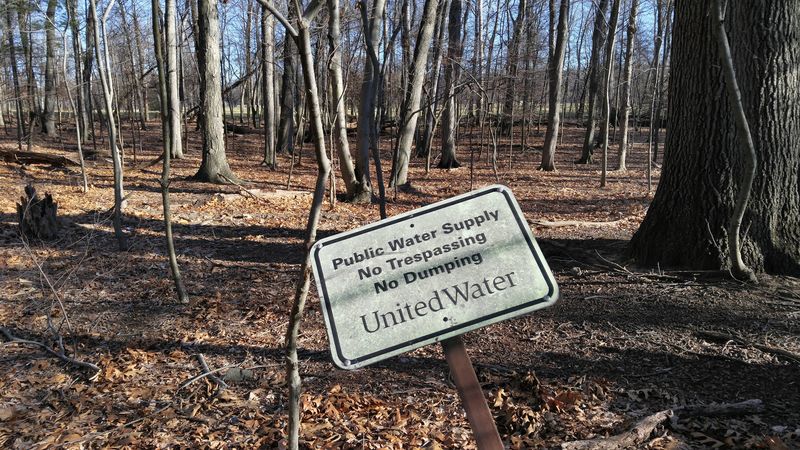
One of the strangest sights at the reservoir right now is the appearance of sediment islands rising from the exposed lakebed. These little mounds of accumulated silt and debris were never supposed to be visible.
Under normal conditions, they sit beneath several feet of water, completely hidden from view.
Seeing them now feels a bit like discovering a secret the reservoir has been keeping for years. Each island is its own small ecosystem of dried mud, old organic material, and whatever seeds or roots happen to be clinging on.
They dot the exposed basin like punctuation marks in a very long, very dry sentence.
From a scientific standpoint, exposed sediment layers like these can actually offer researchers a rare look at decades of accumulated material. Layers of silt can tell stories about past weather events, water quality shifts, and even historical land use upstream.
It is an unexpected silver lining in an otherwise concerning situation. The reservoir, even at its emptiest, has something interesting to show anyone willing to look closely.
Conservation Measures Hitting Home for Residents
When a reservoir drops to 37 percent capacity, the effects do not stay out at the water’s edge. They follow pipes and pressure lines straight into homes and businesses across northern New Jersey.
Conservation measures put in place by Veolia have asked hundreds of thousands of residents to rethink everyday water habits.
Lawn watering schedules have tightened. Car washing at home has been discouraged.
Communities that rarely think about where their tap water comes from are suddenly very aware of the answer. It is a shift in daily life that feels small on the surface but adds up quickly across a region of over 750,000 people.
There is something clarifying about a drought like this. It makes visible the invisible infrastructure that modern life depends on.
The reservoir is not just a scenic backdrop for trail walks and fishing trips. It is a working piece of critical public infrastructure, and when it struggles, the whole region feels it.
Seeing those mudflats puts the conservation requests in a very different, very concrete perspective.
The Trails That Still Draw Visitors
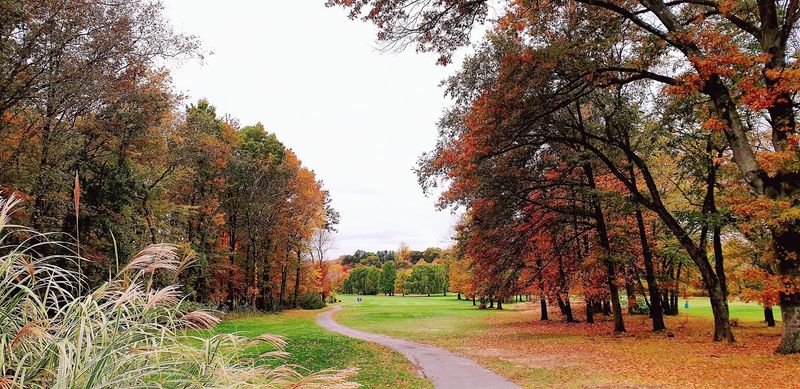
Despite the striking drop in water levels, the trails around Oradell Reservoir remain one of the area’s most genuinely enjoyable outdoor destinations.
The paths wind through shaded woodland corridors, offering stretches of quiet that feel surprisingly remote given how close everything is to suburban New Jersey.
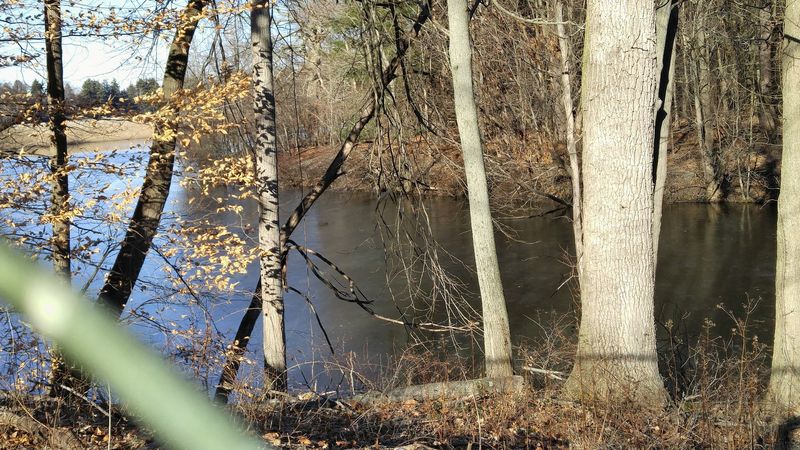
Walking here right now comes with an added layer of surreal scenery. Through gaps in the trees, the exposed lakebed opens up in unexpected ways, offering views that most people visiting this reservoir have simply never seen before.
It is strange and beautiful at the same time, the kind of thing you want to photograph even though the reason behind it is troubling.
The trails are suitable for walkers, joggers, and cyclists, and dogs are welcome as long as they stay on a leash. The shaded canopy makes the path comfortable even on warmer days, and the general atmosphere of the place stays calm and unhurried regardless of the season.
Even in drought, the reservoir’s surrounding landscape holds onto a kind of quiet dignity that makes every visit feel worthwhile.
Fishing at the Reservoir, Even Now
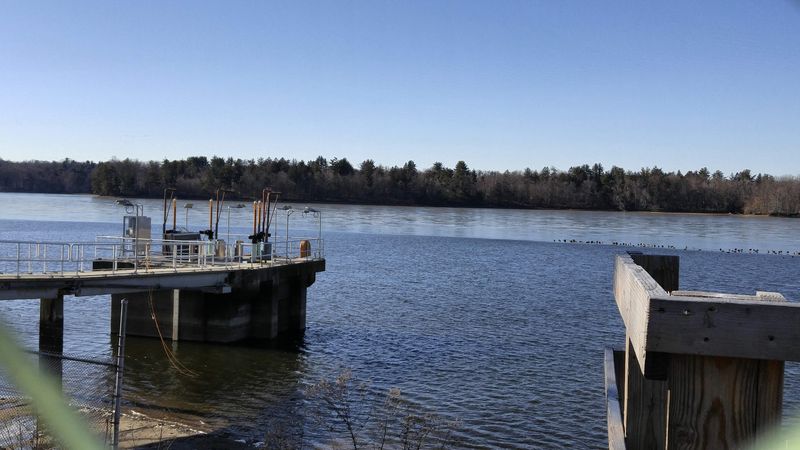
Fishing at Oradell Reservoir has long been one of the area’s quiet pleasures, and even with dramatically reduced water levels, anglers keep showing up.
The reservoir supports a healthy variety of fish species, and the remaining water, though shallower and more concentrated than usual, still offers something worth casting a line into.
There is a particular kind of dedication among the regulars here. Early mornings, a folding chair, a thermos of something warm, and the low hum of wind moving across the water.
The drought has changed the scenery considerably, but it has not changed the rhythm of a morning spent fishing at the edge of this reservoir.
From a practical standpoint, lower water levels can sometimes concentrate fish into smaller areas, making certain spots more productive than usual. That is cold comfort given the larger situation, but it adds an interesting dimension to the current conditions.
Fishing here right now means experiencing the reservoir in a state that very few people across its hundred-year history have ever witnessed. That alone makes it memorable.
How the Four-Reservoir System Works Together
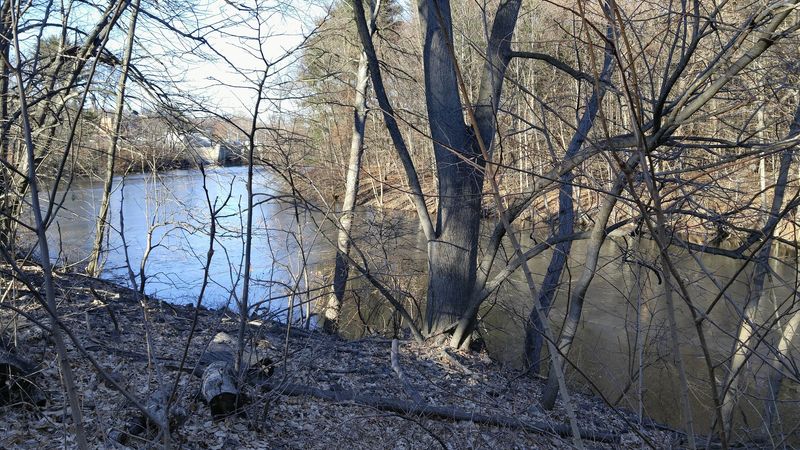
Oradell does not stand alone. It sits at the center of a four-reservoir system that includes Woodcliff Lake, Lake Tappan, and Lake DeForest, all of which feed water into Oradell before it moves on to treatment and distribution.
When one part of that system struggles, the whole network feels the pressure.
Understanding this interconnected setup helps explain why the current drought is such a serious regional concern. Each reservoir in the chain depends on consistent rainfall and runoff to maintain healthy levels.
When rainfall deficits build up over months, as they did through late 2025 and into early 2026, the cumulative effect hits the entire system simultaneously.
Veolia manages this network with the goal of providing reliable, safe drinking water to over 750,000 residents across northern New Jersey. That is a significant responsibility, and the current conditions are testing the system in ways that engineers and water managers are monitoring closely.
The four-reservoir setup is designed with redundancy in mind, but even a well-designed system has limits when the rain simply stops arriving on schedule.
What Comes Next for Oradell Reservoir
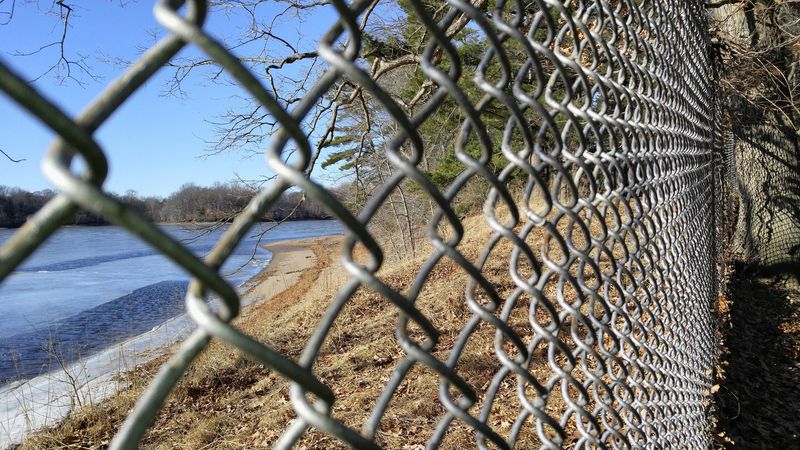
Recovery from a drought like this does not happen quickly. Even with a stretch of rainy weeks, a reservoir sitting at 37 percent capacity needs sustained, above-average precipitation over an extended period to climb back toward normal levels.
That kind of weather pattern does not always arrive on a convenient schedule.
Veolia and regional water managers will continue monitoring levels closely, adjusting conservation measures as conditions shift.
The communities that depend on Oradell are being asked to stay patient and keep up their water-saving habits for as long as the situation requires.
Small actions across a large population add up to meaningful differences in overall consumption.
There is reason for cautious optimism. The reservoir and its surrounding ecosystem have endured dry periods before, and the infrastructure supporting it is designed for resilience.
Oradell has been serving northern New Jersey for over a century, and it will almost certainly be doing the same thing a century from now.
The mudflats and moonscape of 2026 are a chapter in a much longer story, one that this reservoir has been quietly writing since 1923.
Address: New Jersey
