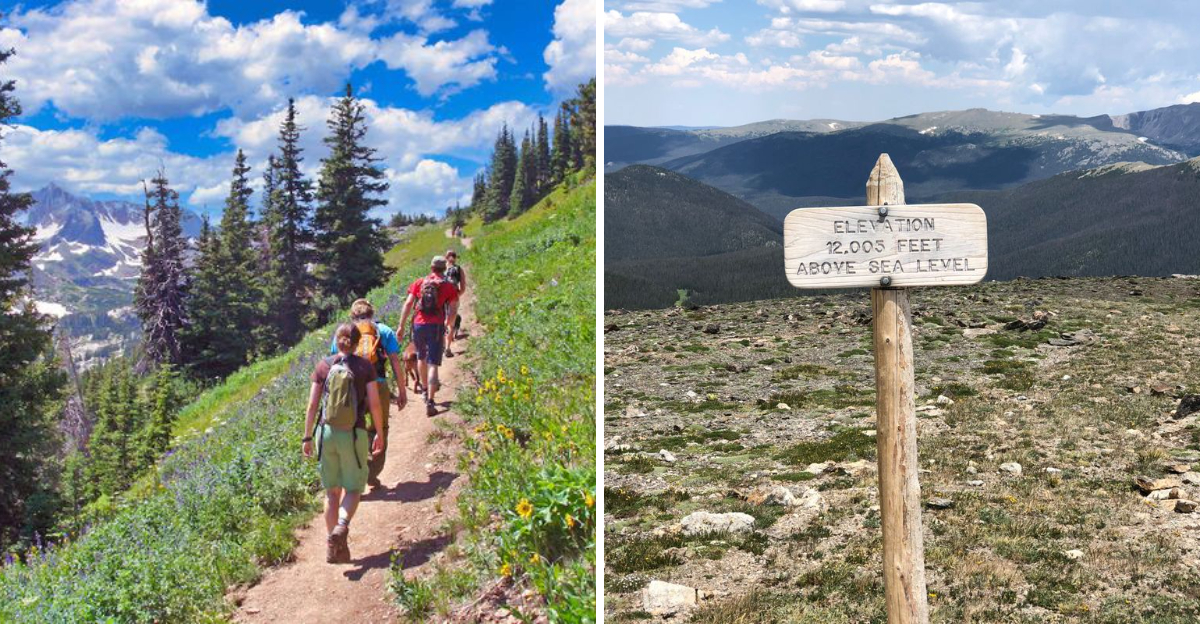
Colorado rewards curious travelers, yet a few common missteps can turn a great trip a little clumsy. Locals see the same patterns every season, from altitude blunders to trail etiquette slips. This list unpacks those awkward moments with practical tips so your visit aligns with how Colorado works in real life. Read on to understand the small choices that help you feel prepared, respectful, and more connected to the state.
1. Blocking Scenic Pullouts for Photo Shoots
That jaw-dropping overlook along a winding byway is irresistible – until visitors stop in the travel lane to snag the perfect shot. Locals groan as hazard lights flicker and doors swing into traffic, turning a scenic pullout into a bottleneck.
Colorado highways have designated viewpoints for a reason: safety and courtesy. Pull fully into the turnout, keep pets leashed, and step clear of guardrails. If the lot is full, keep moving and try the next one; there are plenty.
You’ll still capture the panorama without putting yourself or others at risk, and you’ll earn quiet nods from drivers behind you.
2. Misjudging Mountain Weather Windows
Blue skies in Colorado can shift to fast-moving clouds and afternoon storms, especially in summer at higher elevations. Visitors sometimes start late, ignore building cumulus clouds, and end up hurrying down during thunder.
Local forecasts and park alerts consistently advise early starts and turnaround times before storms typically form. Packing a light shell, cap, and insulating layer is normal, even on warm mornings. The awkward scramble happens when cotton hoodies and street shoes meet a sudden temperature drop near the Continental Divide.
Before heading to places like Quandary Peak or the Maroon Bells area, check hourly radar trends and wind speeds. If thunder is in the area, descend to safer terrain promptly and avoid exposed ridgelines. Planned flexibility beats stubborn itineraries in Colorado, where safety margins are part of a good day out. Weather literacy is not about fear. It is how locals make big scenery feel comfortable and repeatable.
3. Stopping in the Middle of Narrow Trails
Colorado’s singletrack paths and popular park routes can be surprisingly narrow, which makes sudden stops feel stressful for everyone behind you. Locals step to the uphill side or a wider pullout before pausing to take photos or check maps.
Yielding rules are simple: cyclists yield to pedestrians and equestrians, downhill yields to uphill on foot, and everyone gives horses extra space. Trail organizations publish these guidelines to reduce congestion and avoid collisions. If you need a breather near Boulder’s Chautauqua Park or Garden of the Gods in Colorado Springs, scan for a turnout rather than halting in the center. It keeps the line moving and prevents accidental bumps.
Quiet voices and minimal speaker volume help wildlife and hikers alike. Think of it as sharing a narrow lane courteously. A small adjustment preserves the quiet most people came to find and feels better than apologizing every few minutes.
4. Underestimating Altitude at Trailheads
New arrivals to Colorado often sprint up the first scenic trail they see, only to feel lightheaded, thirsty, or unusually tired within minutes. The state’s elevation can affect breathing, hydration, and sleep, and symptoms show up faster during exertion.
Locals pace themselves at the start, sip water early and often, and watch for signs of headache or nausea. Medical organizations and Colorado tourism agencies frequently advise resting on day one, avoiding overexertion, and seeking help if symptoms escalate. A measured start protects your itinerary from an early crash. Use short walks in town, then ease into higher trails the following day.
If your plans involve Rocky Mountain National Park or the Mount Evans Scenic Byway, check weather and elevation notes before going. Even fit visitors can feel off at altitude, which is normal and manageable with patience. The awkwardness fades when you treat elevation like a skill, not a test of toughness. Colorado rewards those who listen to their body and adjust.
5. Parking Like It’s a Free-for-All at Trailheads
Popular Colorado trailheads and scenic pullouts fill early, and ad-hoc parking can block emergency access or damage vegetation. Rangers and search and rescue groups frequently report issues caused by cars edging into ditches or covering entrances.
Locals check shuttle options, timed-entry systems, or overflow lots, then plan arrivals accordingly. Spots such as Rocky Mountain National Park’s Bear Lake Corridor, Mount Bierstadt’s Guanella Pass, and Hanging Lake have specific reservations or rules that change by season. Reading signs before you park prevents tickets and tows and keeps rescue routes open. If a lot is full, turning back may feel frustrating, but it is the safest move.
Consider weekdays, shoulder seasons, or sunrise starts to improve your odds. Colorado’s public lands are busy because they are beautiful; patient logistics help share them more fairly. Treat parking as part of the hike, not an afterthought, and your day will start smoother for everyone.
6. Ignoring Leave No Trace at Alpine Lakes
High-elevation lakes in Colorado look pristine, which tempts some visitors to venture off trail for closer shots, stack rocks, or wash items in the water. Land managers and conservation groups repeatedly ask hikers to stick to durable surfaces and keep soaps and food out of fragile alpine zones. Even biodegradable products can harm micro-ecosystems.
Locals often admire the view from designated spots, carry out all trash, and avoid trampling tundra plants that grow slowly. Places like Ice Lakes Basin, Blue Lakes near Ridgway, and Emerald Lake receive heavy foot traffic, so small impacts add up. If you want the best photo, scout angles on established paths and wait for good light rather than stepping into meadows.
Pack a small trash bag and pocket trowel for responsible bathroom breaks below treeline when facilities are unavailable. Respect for Colorado’s alpine environment means future visitors will see it as you did.
7. Treating Wildlife Like Props for Close-Ups
Colorado’s elk, bighorn sheep, moose, and foxes are not accustomed to close human contact, and they can react suddenly when approached. Parks and wildlife agencies publish clear distance recommendations that prioritize animal behavior and human safety. The awkward moment comes when a visitor edges in for a smartphone shot and a ranger steps in to redirect the scene.
Locals use zoom lenses, pull over only in legal spots, and keep food sealed so animals do not associate people with snacks. In Rocky Mountain National Park and State Forest State Park, moose are powerful and unpredictable, particularly with calves nearby.
Observation from a safe range protects both animals and travelers. If traffic builds around wildlife, move on rather than creating a jam. Colorado’s living landscapes are most memorable when you give them space. Good photos happen with patience, not proximity, and they look better without stress in the frame.
8. Overlooking Urban Altitude and Sun in Denver
Denver’s status as the Mile High City makes basic routines feel different, yet many visitors forget to adapt. Even walking between meetings can feel tougher, and the sun intensity is noticeable on clear days due to elevation. Local health advisories suggest steady hydration, sunscreen reapplication, and light layers that breathe.
Take it easy your first afternoon, especially if you flew in recently. Public parks like City Park and Washington Park offer shady loops where you can gauge how you feel without committing to big miles. Transit and rideshares reduce the need to hustle outdoors at peak sun.
If you plan to continue to higher places in Colorado, treat Denver as a soft acclimatization step. The awkward stumble often comes from doing too much too fast. A patient pace keeps city plans on track and leaves you fresher for mountain day trips.
9. Forgetting Cultural and Historical Context on Public Lands
Colorado’s landscapes include sites with deep Indigenous history and early settlement stories, and visitors sometimes treat them as purely scenic backdrops. Reading onsite placards or official park pages can change how a place feels and guide respectful behavior.
At Mesa Verde National Park, cliff dwellings require staying on designated routes and following ranger instructions. In the San Luis Valley, Great Sand Dunes National Park and Preserve shares cultural ties and ongoing research about ecosystems and water flows. Locals often pause to learn before exploring, which reduces awkward missteps like entering closed areas or touching walls.
Museums and visitor centers in towns across Colorado curate concise exhibits that prepare you for nearby sites. When you acknowledge the people and events that shaped these places, the visit gains clarity. Understanding context is not complicated. It is a habit that elevates every stop without slowing your trip down.
10. Ordering “Rocky Mountain Oysters” Without Asking Questions
It starts with confident smiles and ends with wide-eyed realizations. Tourists spot “Rocky Mountain oysters” on a menu and imagine briny delicacies – until the server gently explains they’re deep-fried bull testicles.
Cue nervous laughter, frantic Googling, and a newfound respect for local culinary humor. While plenty of Coloradans genuinely enjoy them, ordering blindly is a rite of passage that can derail dinner plans.
The fix is simple: ask what it is before committing, and consider sharing a sampler with friends. You’ll gain a great story either way, and you won’t have to fake bravery for a whole entree.
Dear Reader: This page may contain affiliate links which may earn a commission if you click through and make a purchase. Our independent journalism is not influenced by any advertiser or commercial initiative unless it is clearly marked as sponsored content. As travel products change, please be sure to reconfirm all details and stay up to date with current events to ensure a safe and successful trip.
