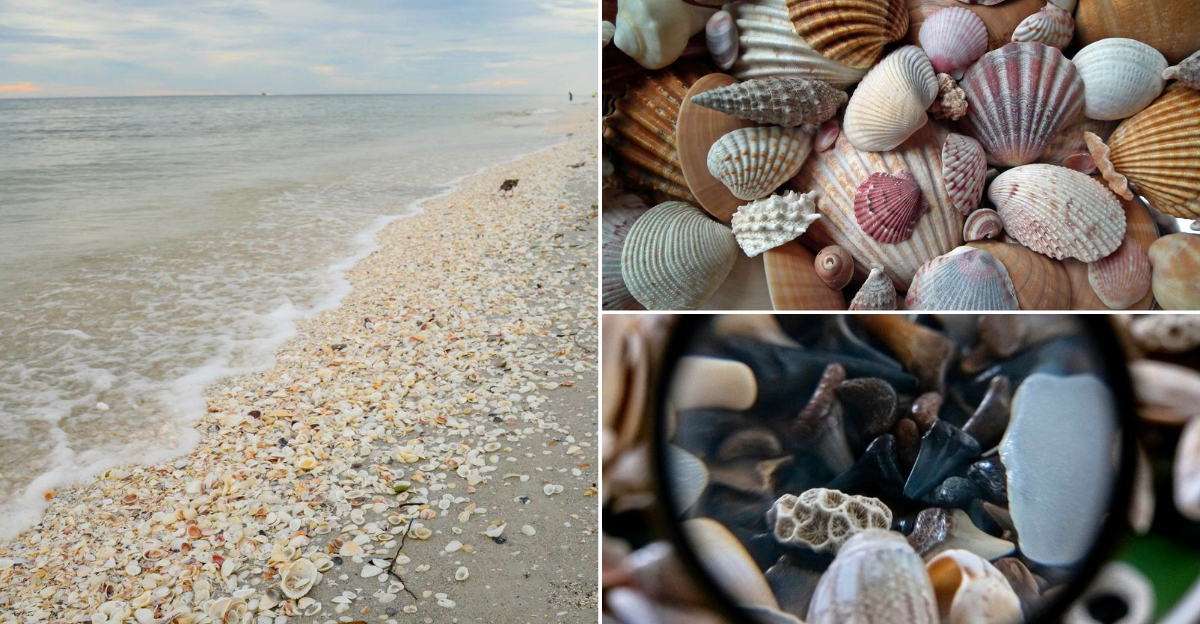
I thought beachcombing was the simplest hobby in the world until I picked up a shell and someone told me to put it back.
Florida’s shores look like a free-for-all treasure hunt, with colorful shells scattered along the tide line like souvenirs waiting to be claimed.
But not everything you find on the sand is yours to pocket, and some “shells” are actually living creatures that are protected by law. It is easy to cross a line without realizing it, especially when the prettiest finds are often the ones you should leave alone.
Between conservation rules, state park regulations, and local etiquette, shell hunting can get surprisingly complicated. Knowing what is fair game and what is off-limits can keep your beach walk relaxing instead of turning it into an accidental lesson in marine law.
The “It’s Just A Shell” Pick-Up That Starts The Problem
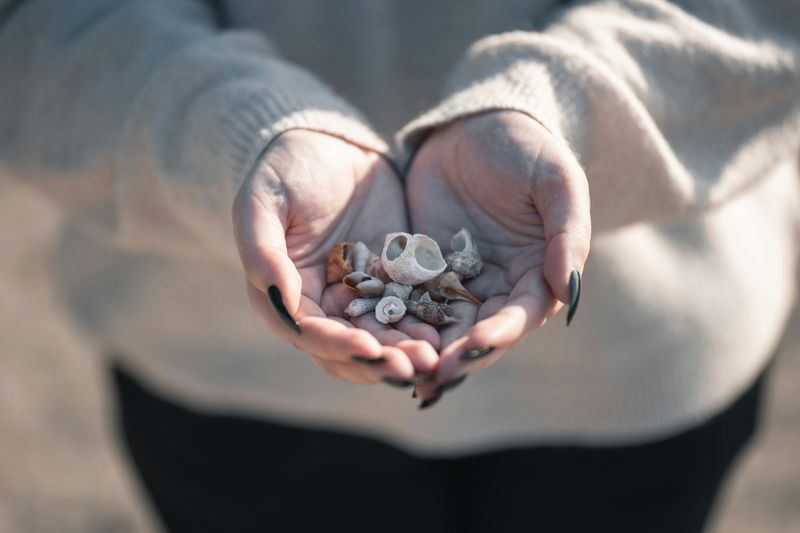
Tell me if this sounds familiar, you spot a perfect shell and your fingers are already curling around it before your brain checks in.
Florida beaches invite that little grab, but that quick pick-up can turn into a problem fast if the shell is occupied or protected.
The safe move is to pause, breathe, and look for the telltale signs of life. If there is weight, a sealed opening, or a bit of movement, that is a living resident and not a souvenir.
Florida law is not trying to kill your vibe. It is trying to keep these shorelines full of the creatures that make shelling magical in the first place.
I keep a simple rhythm that saves me from oops moments.
I spot, I inspect, and only then do I decide.
When in doubt, I set the shell back gently where the water can reach it. That tiny pause feels small, but it matters for the beach you will revisit later.
You would be surprised how often a pretty shell is actually someone’s home. Once you catch that, your whole hunt slows down in a good way.
Living Creatures Inside Shells And The Easy Way To Spot Them
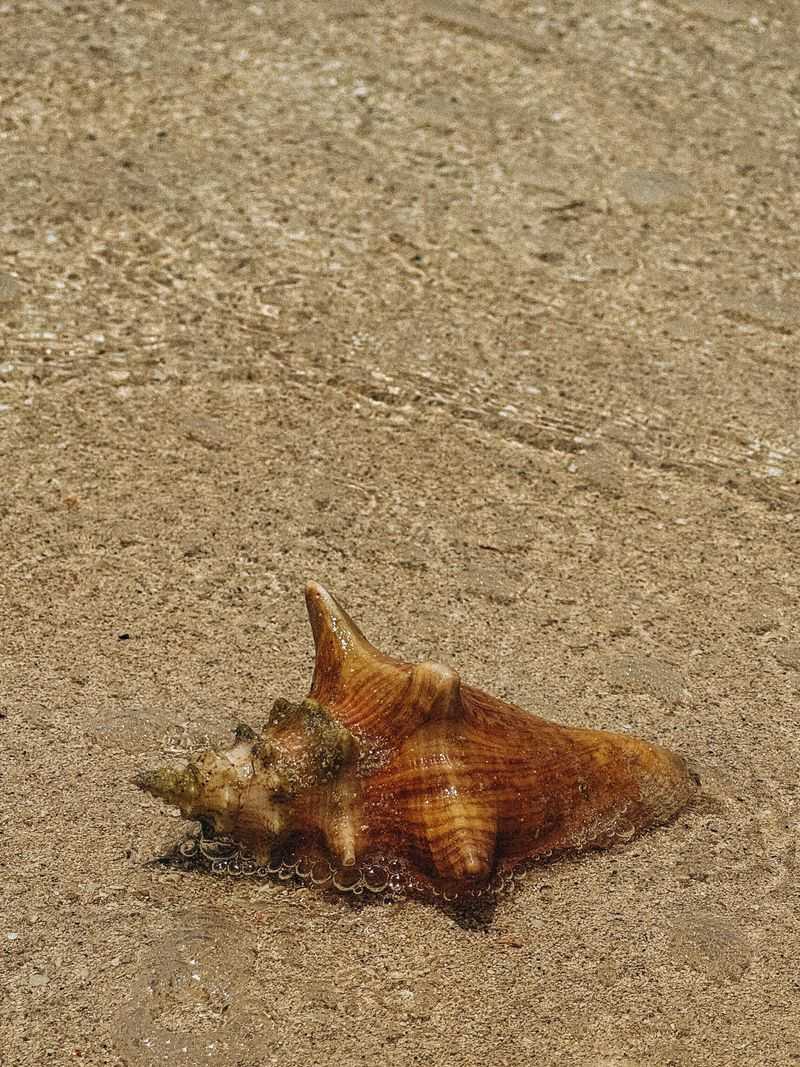
Here is the quick check I use before I claim anything. Hold the shell a second and look for a dark foot, sealed lid, or even a shy wiggle inside the opening.
If the shell feels heavier than it looks, that is another clue you are holding a tenant.
Barnacle clusters, fresh sheen, or a clean, wet look can also point to a current resident.
Flip it gently and watch for movement. No movement does not always mean empty, so take a beat.
Florida allows empty shells, but living ones are a different story in many places. That includes common favorites like whelks and conchs when occupied.
When a creature is still using that shell, it is not a decoration. It is a front door, a shield, and a whole apartment on the go.
Letting that little traveler keep its home is the kind of small decision that adds up along this coast.
You will still find plenty of empties once your eyes get tuned in.
Sand Dollars: When Taking One Is Not The Same As Finding One
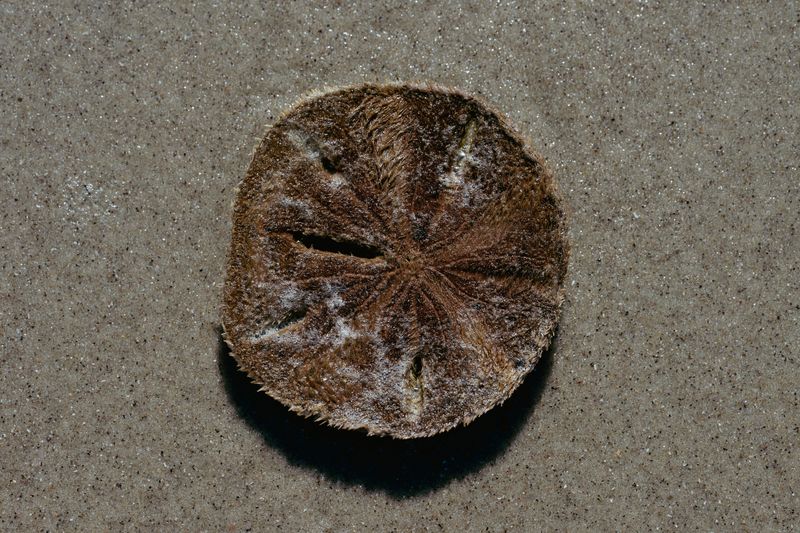
Sand dollars are the sneaky ones, because the difference between alive and dead looks subtle until you know it.
Living sand dollars are purple or brown, velvety, and covered in tiny moving spines that feel like fine bristles.
If it is bleached white, smooth, and light as a cracker, you likely have a dead one. Even then, check for a little hole and make sure there is no odor of decay.
In parts of Florida, taking a live sand dollar is a hard no. Regulations can change by beach and county, so a quick sign check or ranger chat goes a long way.
When I see those fuzzy spines, I set the little disc back in gently and let a wave cover it. They are more fragile than they look.
Dead finds can still break easily, so I pad them in a sock or a soft pouch. That way they make it home in one piece.
Once you spot the living color and feel that soft texture, it clicks.
You will never mistake a fresh one for a keepsake again.
Sea Fans, Coral, And Other “Pretty” Pieces That Can Be Protected

Those lacey sea fans and chunky coral bits look like art, I get it. But many coral species, even as broken pieces, can be protected under Florida and federal rules.
Sea fans often wash in after storms looking dried and harmless.
Some locations treat collection strictly, especially inside refuges and parks.
If a sign mentions coral, gorgonians, or marine life parts, assume your best move is a photo. You will still get the memory without the worry.
Another tell is freshness, bright color, or tissue that looks recently alive. That is a leave-it item, no debate.
Older, sun-cured fragments can be legal in some settings, but it varies a lot. When it is fuzzy, I skip it and keep walking.
Your bag gets lighter, and your day gets simpler. Plus, the beach stays stocked for the next tide and the next person.
State Parks And Wildlife Refuges: Stricter Rules Than Regular Beaches
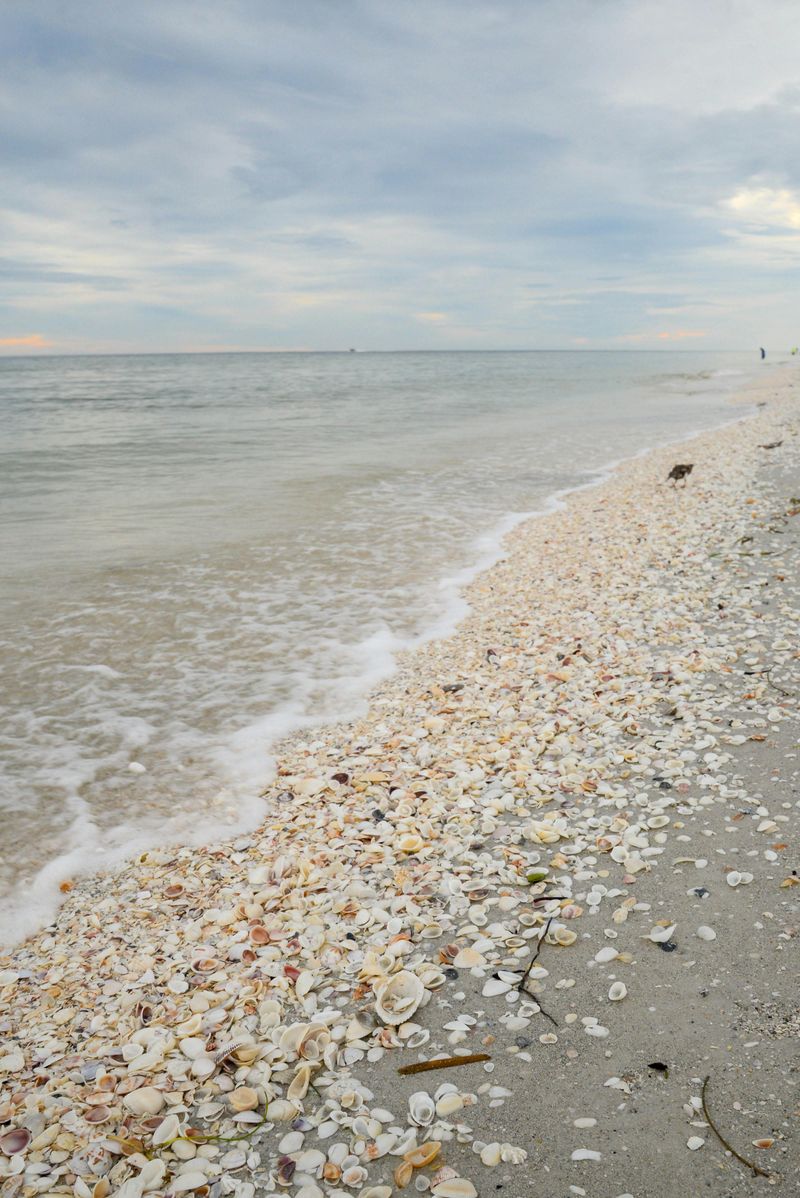
Here is where folks get tripped up, because a beach inside a state park is not the same as a city access. Florida parks and wildlife refuges often ban taking shells, even empty ones, to protect habitat.
I like to treat these places like open-air museums. Look closely, learn a ton, and leave everything exactly where it sits.
Sanibel’s J. N.
Ding Darling National Wildlife Refuge is a classic example with careful protections.
Other refuges along the Gulf and Atlantic follow similar patterns.
Signs can be small, so slow down near the entrance kiosk. If there is a ranger, ask a quick what is allowed today.
It is not about being scolded. It is about keeping birds, fish, and little invertebrates supplied with the parts they need to live.
Bring a phone for photos and a soft brush to clean finds you only plan to admire. You will leave with better stories than anything that could fit in a jar.
Marked Nesting Areas And Why Ropes Matter
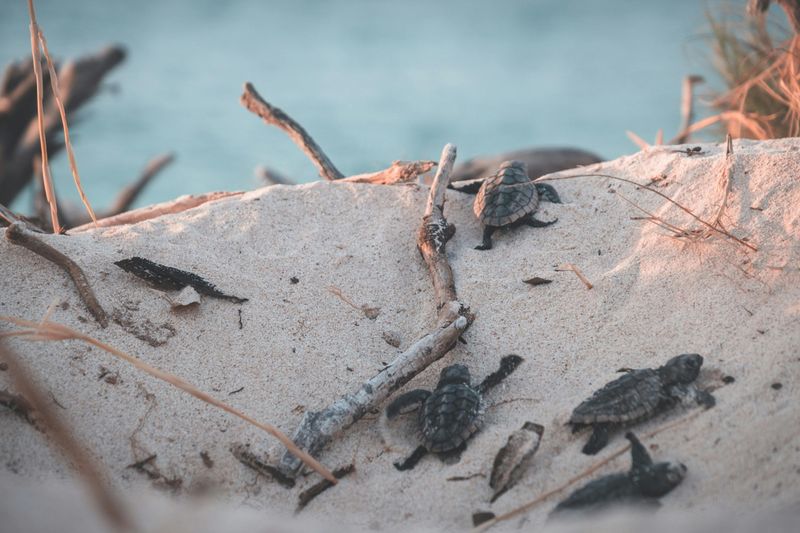
If you see posts and rope on the sand, that is not a suggestion. It is usually a nesting area for sea turtles or shorebirds that need quiet space to survive.
The rules here are simple. Do not cross the ropes, do not poke around the edges, and do not move sand or shells inside the line.
Turtle nests and bird scrapes can be nearly invisible from a step away.
One casual footstep can crush a whole day of careful activity.
I stop well short and give the zone a wide berth. You will still find plenty down the beach.
Florida takes these nest sites seriously, and so should we. A respectful detour costs you a minute and saves a season.
Snap a photo from outside the ropes and keep moving. The best shells tend to collect where the current sweeps the open edges anyway.
How To Keep A Collection Small, Legal, And Still Cool
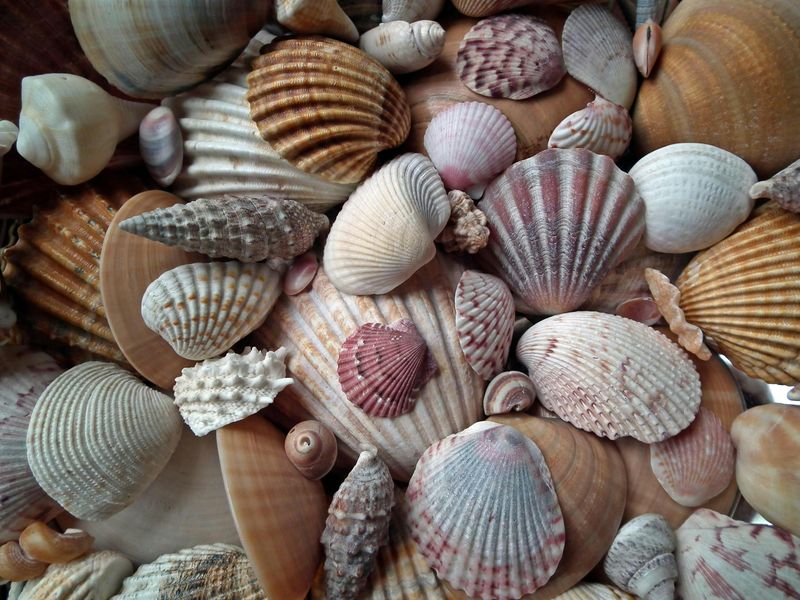
I like the one pocket rule, which sounds silly until it works. If it does not fit in one pocket or a small pouch, it stays on the beach for someone else.
Pick a theme so your finds feel intentional. Maybe only spiral shapes today, or only fully intact pieces without chips.
Limit duplicates by choosing the best example and letting the rest go. That nudges you toward quality instead of weight.
Florida beaches will refill the shelf every tide.
You do not need volume to remember a morning well spent.
I bring a tiny brush and a soft cloth to clean grains without damaging fragile edges. It makes even a modest shell look special in your hand.
When you get home, write the beach name on a slip of paper and slide it into the jar. Suddenly that small collection feels like a little travel map you can hold.
The Photo-First Habit That Saves You From Mistakes
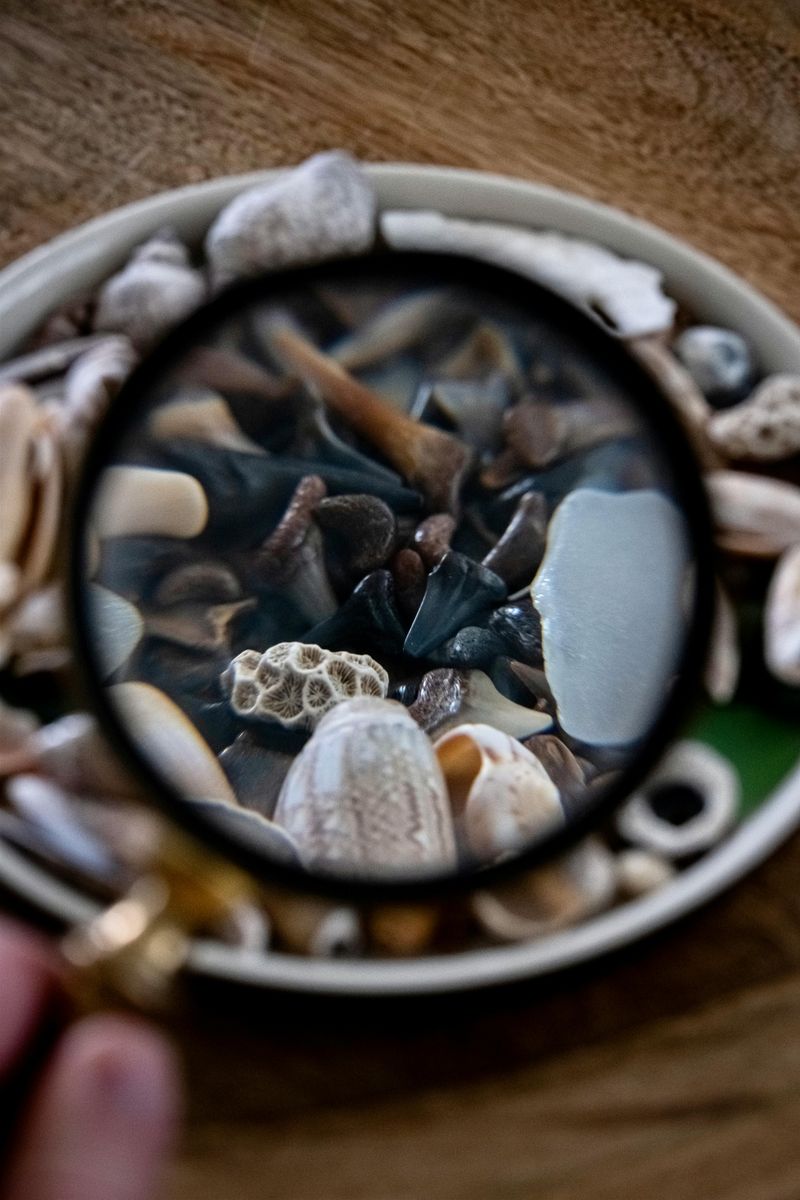
Before you pocket anything, take a quick photo right where you found it.
The habit slows your hands just enough to notice the details you might miss in a grab.
Zoom in on openings, spines, and color. If you later realize it was alive, you have the shot without the guilt.
I also like to photograph the wrack line, footprints, and light, because those little context bits anchor the memory. You end up remembering the breeze, not just the shell.
Florida is photogenic in ridiculous ways. A simple phone camera catches more than a stuffed mesh bag ever could.
When you are unsure, show the picture to a ranger or a volunteer for a quick read.
People here are usually happy to help.
Plus, your friends get a better story when they can see the scene. A picture turns into the souvenir you can share without any second thoughts.
Best Beaches For Shelling That Don’t Feel Stressy
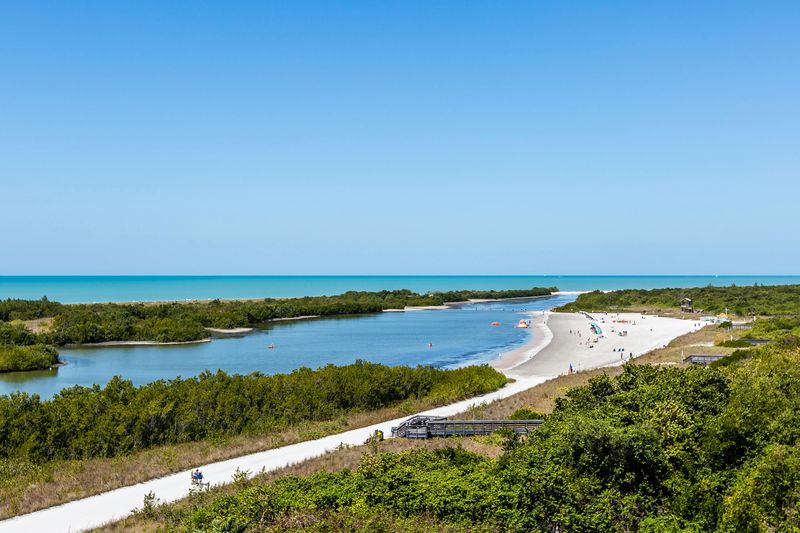
If you want easygoing hunting with room to breathe, head to Sanibel and Captiva for wide stretches and friendly tides. Check posted guidance around refuges, then favor public access areas where empty shells are usually fine.
On the Panhandle, St. George Island has mellow mornings that feel made for slow walks.
The long flats help you spot empties without the rush.
Down by Marco Island, Tigertail Beach serves up big tide swings and quiet pockets. Watch the channels and sandbars as the water drops.
Atlantic side more your scene? Try Amelia Island’s northern beaches and keep an eye on the wrack after a steady onshore breeze.
Florida has a lot of coast, which is the real gift here.
You can find your pace and still keep it respectful and simple.
I plan around low tide and a weekday morning. That combo makes everything calmer, from parking to pocket choices.
Dear Reader: This page may contain affiliate links which may earn a commission if you click through and make a purchase. Our independent journalism is not influenced by any advertiser or commercial initiative unless it is clearly marked as sponsored content. As travel products change, please be sure to reconfirm all details and stay up to date with current events to ensure a safe and successful trip.
