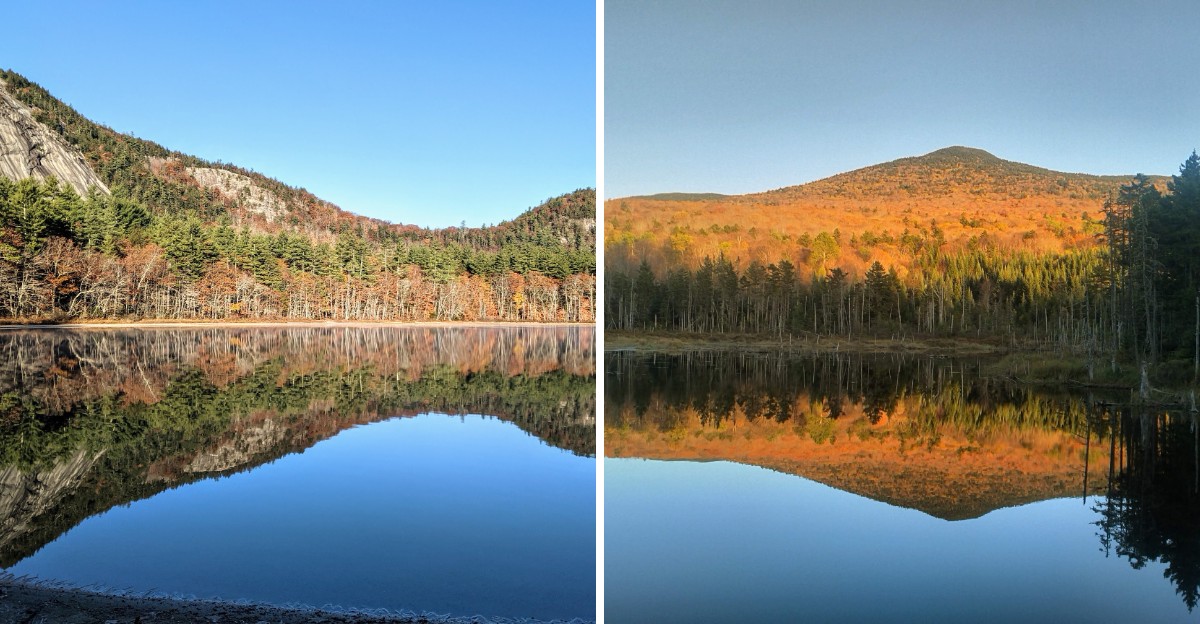
Late summer nights in the mountains offer something that city dwellers rarely get to see. When the sky is clear and the moon is thin, the full Milky Way stretches across the horizon in a way that feels almost unreal.
This New Hampshire area is one of the best places to witness it. The peaks block out light pollution, and the elevation brings you closer to the stars.
You do not need special equipment to enjoy it. A blanket, a thermos, and a little patience are enough.
The best viewing happens after midnight, when the sky is darkest and the crowds have gone home. Some visitors bring cameras and tripods, while others simply lie back and stare.
The experience is quiet, humbling, and completely unforgettable. This New Hampshire region offers some of the clearest night skies in the Northeast, and late summer is the perfect time to see them.
Mount Washington and Its Big Sky Reputation
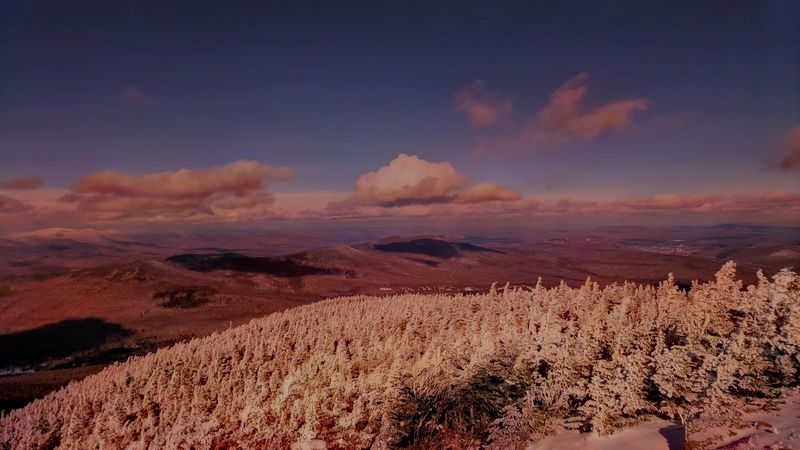
Nothing else in the Northeast quite matches the drama of standing high on the Rockpile after dark, where the wind writes the rules and the stars do the rest.
Mount Washington sits at the heart of the Presidential Range, and its bare alpine zone means no branches blocking your view of the galactic core.
Late summer is the sweet spot. Warmer air, thinner haze, and a Milky Way that arcs from the southern horizon straight over Tuckerman Ravine.
Plan carefully, because weather up here flips fast and famously. Layers matter, even in August, and a windproof shell earns its place in your pack.
The Auto Road and Cog Railway both stop running long before full darkness, so anyone chasing stars near the summit needs hiking experience, a strong headlamp, and a realistic turnaround plan.
Safer bet? Park lower along the Auto Road corridor or at a legal pull-off inside White Mountain National Forest and look upward from there.
Fun detail worth knowing: the summit once recorded one of the highest surface wind speeds ever observed by people, which explains why the buildings are chained down.
Respect the mountain, and New Hampshire rewards you with a sky that feels oversized.
Mount Lafayette Along the Franconia Ridge
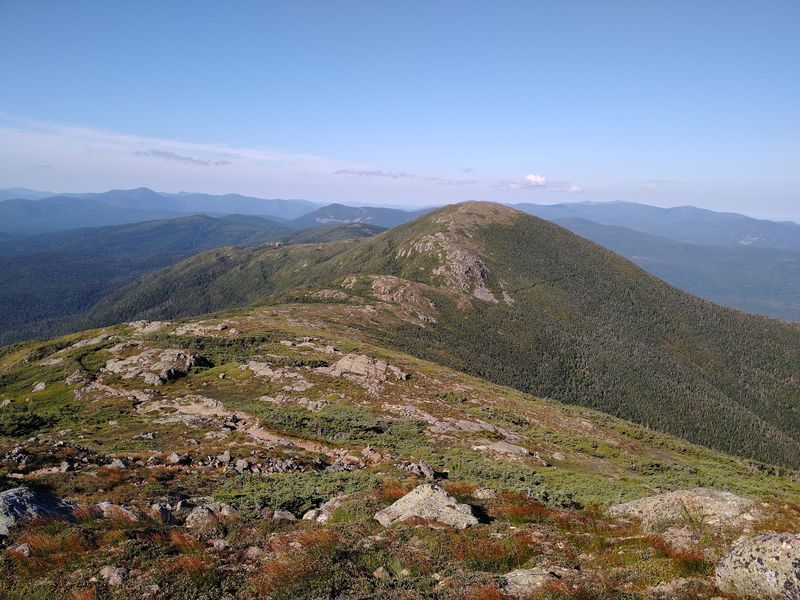
Ask anyone who loves ridge walking about their favorite stretch of trail in the state, and Franconia Ridge comes up fast.
Mount Lafayette anchors the northern end, rising above treeline into a long rocky spine with views in every direction.
Darkness transforms the place completely. Cannon Mountain becomes a black cutout across the notch, and the Milky Way spills overhead like someone tipped a bucket of glitter.
Getting there takes work. Steep climbs, loose rock, and a serious descent mean this is a route for confident hikers with real gear, not a casual after-dinner stroll.
Smart stargazers time their trip around a new moon, then camp legally at designated backcountry sites within White Mountain National Forest rather than sleeping on fragile alpine soil.
Alpine plants up here are tiny, rare, and slow growing, so staying on rock and trail is not optional.
Bring more water than feels reasonable. Springs run low by late August, and the exposed ridge offers zero shade during the climb up.
Wake early enough and you can watch the galaxy fade as sunrise paints the Pemigewasset Wilderness gold, a New Hampshire sequence you will not forget.
Mount Chocorua and the Lake Country Glow
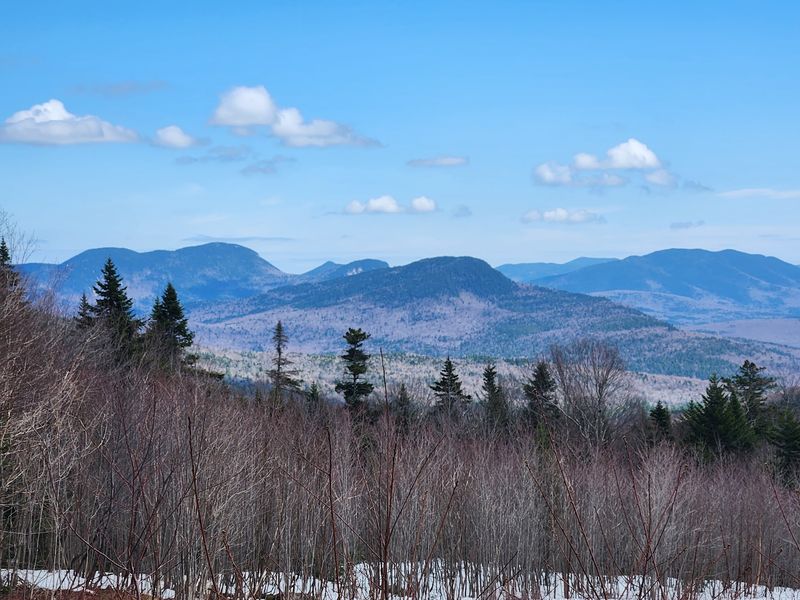
Photographers adore this peak, and honestly it is not a mystery why.
Chocorua wears a bald rocky crown that pops above the forest like a granite hat, giving you a full circle of sky with barely a tree in the way.
Position matters here. Sitting at the southern edge of the range, the summit faces open country toward the lakes, which keeps the southern sky clear right where the Milky Way is brightest in late summer.
The final scramble is steep slab, tricky in the dark and downright unfriendly when damp. Dry conditions and sticky boots are your friends.
Most people who shoot night skies up here carry a small tripod, a headlamp with a red mode, and a warm layer for the temperature drop after sunset.
Trails like Piper and Champney Falls start from access points connected to White Mountain National Forest, and parking fills quickly on clear weekends.
A bit of local lore adds character. The mountain’s name traces back to a Native leader remembered in regional legend, and the story has been retold for generations across New Hampshire.
Stay for the stars, descend with patience.
Cannon Mountain Above Franconia Notch
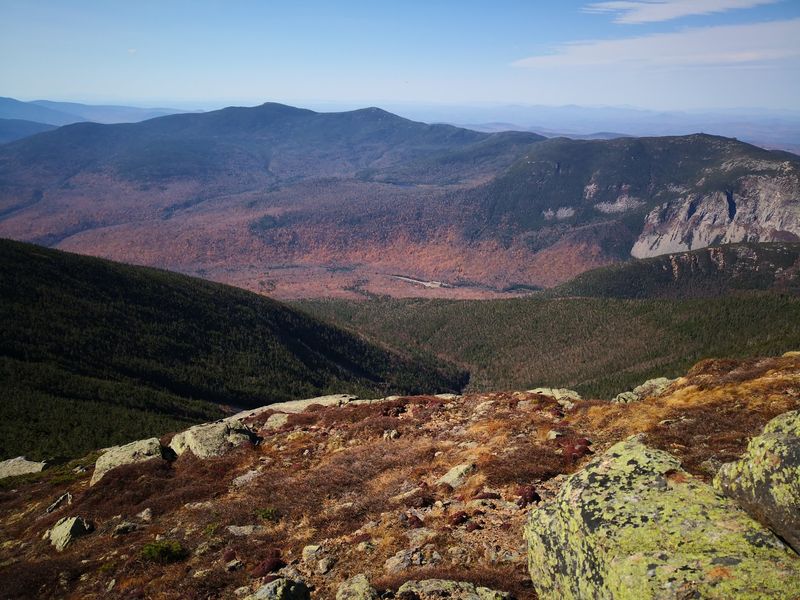
Steep, rugged, and unapologetically rocky, Cannon rises straight out of Franconia Notch like a wall.
Cliffs on its eastern face once framed the Old Man of the Mountain, the stone profile that became a state symbol before it collapsed. The memorial site below still draws people who remember it.
Up top, open ski terrain and a viewing platform offer sweeping sightlines, and the notch below blocks a surprising amount of stray light from the valley towns.
Aerial tramway rides end well before night falls, so after-dark plans mean hiking the Kinsman Ridge Trail, which climbs hard and fast.
Prefer something easier? Lakeside spots in the notch let you watch stars reflect on still water without a single switchback.
Late August delivers the goods. Humidity drops, the air sharpens, and the Milky Way tilts across the gap between Cannon and Lafayette.
Neighboring trails and campgrounds fall under White Mountain National Forest management, and rangers post current conditions worth checking before you commit.
Pack a thermos of something warm. Temperatures in New Hampshire notches can dip more than you expect once the sun disappears behind the ridge.
Mount Moosilauke and Its Grassy Summit Dome
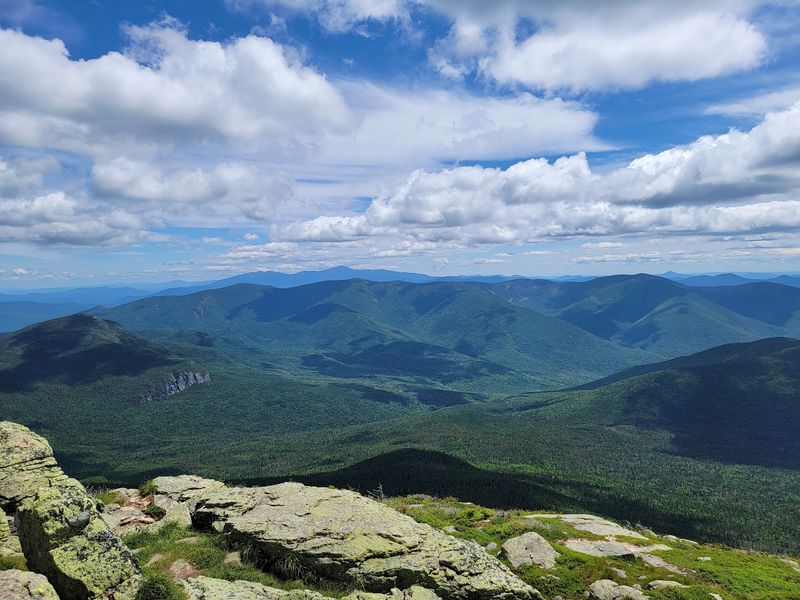
Big, broad, and blissfully open, the summit dome of Moosilauke feels more like a windswept meadow than a mountaintop.
Western position gives this peak a real advantage for night sky watching. Fewer towns sit on that side of the range, so the horizon stays genuinely dark.
Stone remnants of an old summit house still sit near the top, a quiet reminder of the era when carriage roads carried people up for the view.
Gorge Brook and Glencliff routes are the standard approaches, and both reward steady hikers with long ridgeline strolls above treeline.
Wind exposure is the catch. That lovely openness means nothing shields you, so a hat and gloves belong in your pack even during summer.
Dartmouth’s outing club maintains a lodge at the base, while much of the surrounding terrain connects to White Mountain National Forest land and its trail network.
Timing tip worth remembering: arrive before dusk so you can scout the descent while there is still light, then settle in as the galaxy brightens.
Few places in New Hampshire feel this spacious after dark, and the silence up there is almost loud.
Mount Osceola and the Kancamagus Corridor
Roll down the Kancamagus Highway after sunset and the sky simply takes over.
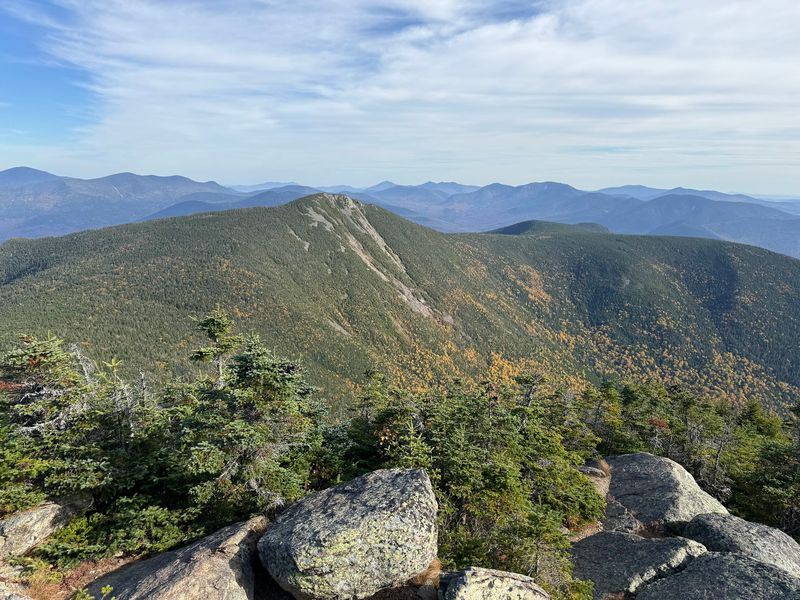
Mount Osceola rises just north of that famous road, and its ledge near the summit delivers a wide panorama over the Pemigewasset Wilderness.
Wilderness is the key word. Almost no development sits east or south of here, which means light pollution stays remarkably low for the Northeast.
The trail from Tripoli Road climbs steadily with rocky footing, and the payoff ledge gives you a natural granite seat for sky watching.
Not in the mood for a climb? Designated pull-offs along the highway work beautifully, and several sit inside White Mountain National Forest where a recreation pass applies to parking areas.
Bring bug spray anyway. Late summer thins the mosquito crowd but never fully evicts them.
Photographers like this zone because the Milky Way rises over layered ridgelines instead of flat terrain, adding depth to long exposures.
One practical note. The highway has no streetlights, no gas stations along its length, and spotty cell service, so fuel up and download maps in advance.
Dark skies in New Hampshire rarely come this accessible.
Mount Willard and the Crawford Notch Frame
Short hike, enormous reward. That equation makes Willard one of the most beloved climbs in the region.
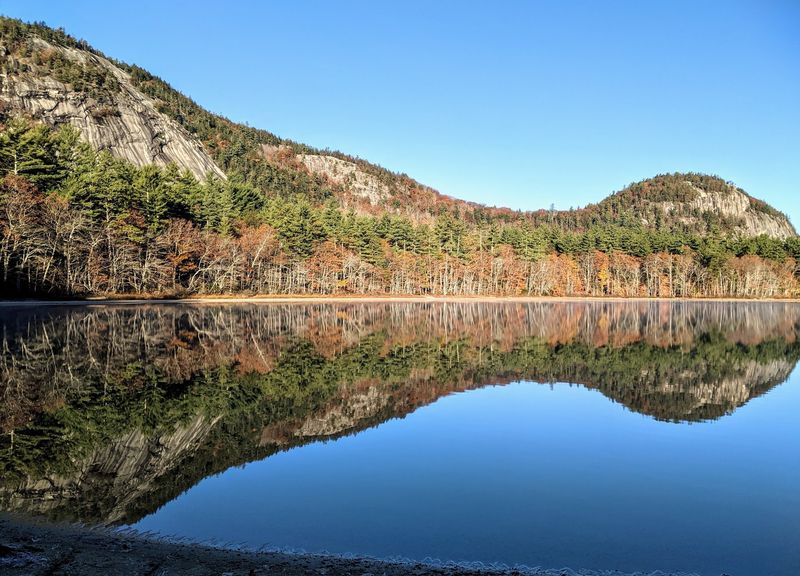
A wide old carriage path climbs gently to a cliff edge that looks straight down the U-shaped trench of Crawford Notch, sculpted by glaciers long ago.
Nighttime turns the notch into a dark canyon with walls of shadow and a river of stars running above it.
Because the trail is broad and moderate, it is one of the friendlier options for anyone who wants a sunset climb followed by a headlamp descent.
Still, cliffs demand caution. Stay well back from the edge, especially when light fades and depth perception gets unreliable.
Parking sits near the historic Crawford Depot area, with trails linking into the wider White Mountain National Forest system and the Appalachian Trail corridor.
Late-season evenings here often bring a cool breeze funneling through the notch, so a fleece is a wise call.
Look southwest and the Milky Way lines up with the valley almost perfectly, which is why this spot shows up in so many New Hampshire night photographs.
Go on a weeknight for elbow room.
Mount Carrigain and the Fire Tower Panorama
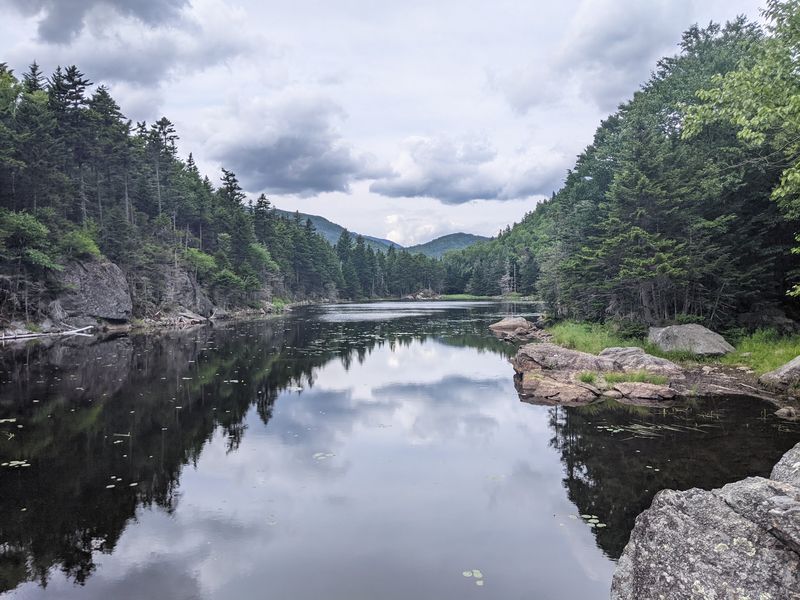
Deep in the middle of everything, Carrigain stands alone with a wooden observation tower perched on its summit.
Climb those steps and the view opens to dozens of named peaks in nearly every direction, which is exactly why it has a cult following among hikers.
Remote location equals seriously dark skies. Surrounded by wilderness on multiple sides, the summit offers some of the least light-polluted sightlines in the whole range.
This is a long day, though. The Signal Ridge Trail runs many miles round trip with sustained climbing, so night plans require strong legs and solid navigation skills.
Overnight options exist nearby at backcountry sites within White Mountain National Forest, letting you split the effort across two days.
The tower itself has an interesting past, part of the old network of lookout posts once used to spot wildfires across the region.
Standing on that platform beneath the Milky Way feels like being inside a planetarium with the roof removed.
Weather changes fast at this elevation, so check the forecast twice and bring a backup light source.
Among New Hampshire summits, few reward patience quite like this one does.
Mount Kearsarge North and Its Enclosed Cabin
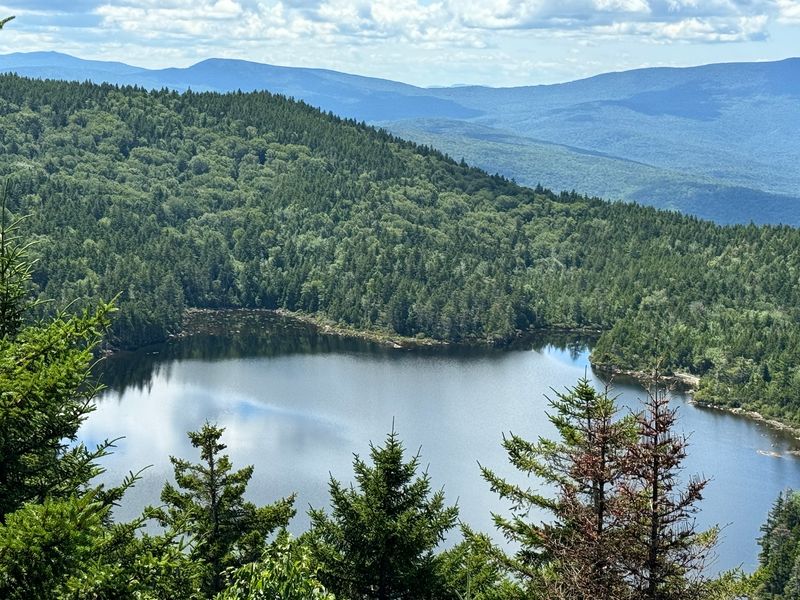
Rare treat alert. Kearsarge North holds an enclosed former fire lookout cabin at its summit, and it is open for anyone who hikes up.
Windows on all sides create a 360 degree viewing room, which makes it a favorite for people who want stars without the full force of the wind.
Views stretch toward the Presidentials to the northwest and out over Maine lakes to the east, giving you both mountain silhouettes and wide open horizon.
The trail runs a few miles with steady grade and slab sections, manageable for fit hikers who start with daylight to spare.
Do not plan on sleeping inside. The cabin is a day-use shelter, not a lodging option, and leaving it clean keeps it available for everyone.
Nearby trailheads connect to lands managed alongside White Mountain National Forest, and the Conway area sits close enough for a late meal afterward.
Late August skies here glow with the galactic band overhead while the eastern horizon stays pleasingly dark.
Headlamp, spare batteries, and sturdy shoes make the descent smooth.
For sheer comfort per mile, this may be the best night sky perch in New Hampshire.
Mount Hale and the Quiet Side of the Range
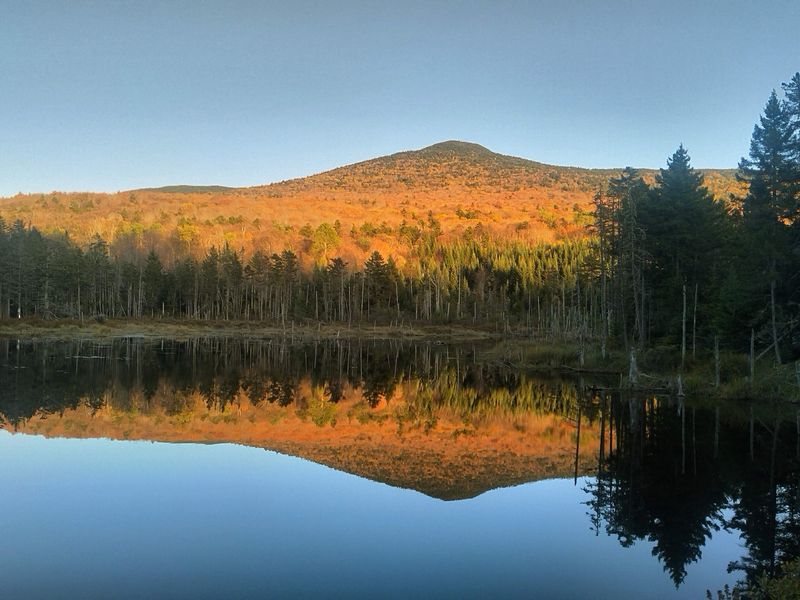
Underrated and blessedly uncrowded, Hale sits in the Twin Range with a broad summit clearing topped by a huge cairn.
That pile of magnetic rock is local legend, said to spin compass needles in odd directions, which gives the peak a quirky reputation.
Hikers often skip it in favor of flashier neighbors, and their loss becomes your gain once the sun sets and solitude sets in.
The Hale Brook Trail climbs at a reasonable pitch through mossy woods, crossing streams that trickle low by summer’s end.
Open sky above the summit clearing gives an unobstructed dome of stars, and the surrounding wilderness keeps artificial glow to a minimum.
Access runs off Zealand Road, seasonal and maintained within White Mountain National Forest, so confirm it is open before driving out.
Should you want a longer adventure, nearby huts and campsites allow a two day plan with plenty of time for night sky watching.
Headquarters for the forest sits at 71 White Mountain Dr, Campton, NH 03223, a smart stop for maps and current trail notes.
Grab a pass, chase the dark, and let New Hampshire out-sparkle your expectations. Go.
