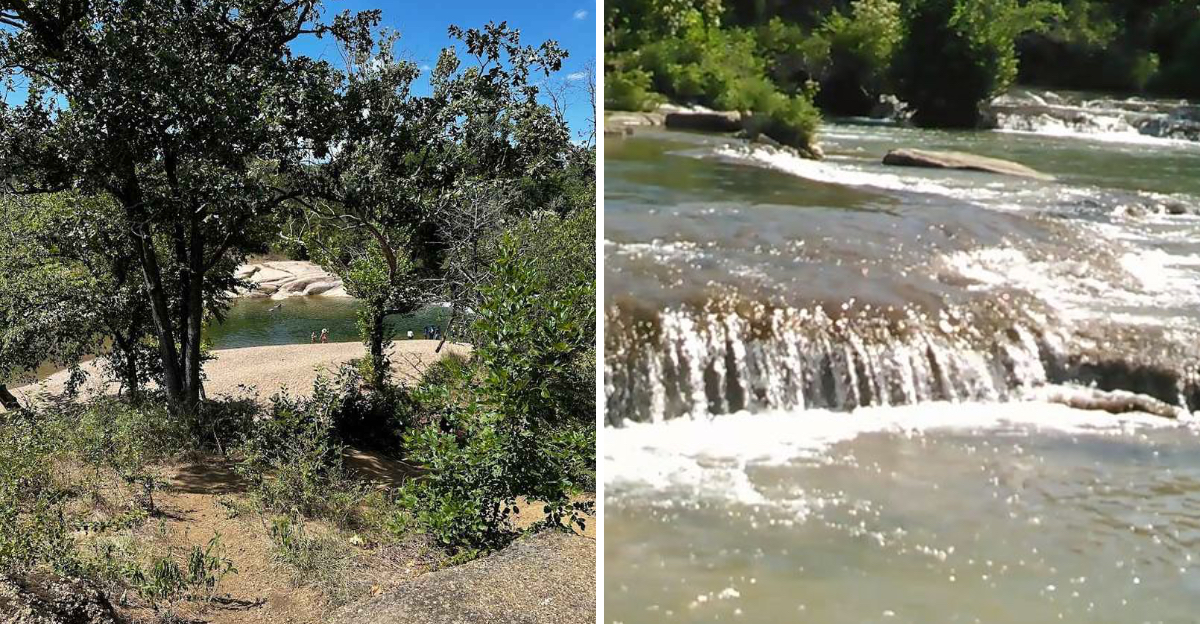
The water does not remember. But the old timers do.
Before a flood rearranged the landscape, this Oklahoma creek held something unusual. A bridge that drivers could actually make swing.
Not a metaphor. A literal swinging bridge, the kind that bounced and swayed under your tires, turning a simple creek crossing into a small adventure.
Locals crossed it for years, never quite getting used to the gentle sway. Kids begged their parents to drive slower so the bounce would last longer.
And then the water rose, the bridge washed away, and a little piece of Oklahoma quirkiness disappeared into the current. All that remains now are memories, photographs, and the quiet flow of a creek that once hosted one of the strangest crossings in the state.
The Swinging Bridge Nobody Could Forget
There are bridges you cross and forget, and then there is the kind that moves under your feet and stays in your memory forever.
Pennington Creek once had a swinging bridge, a real vehicle-crossing structure that would sway and shift as cars rolled over it. It was not a footbridge or a novelty prop.
People actually drove across it, and the movement was part of the experience.
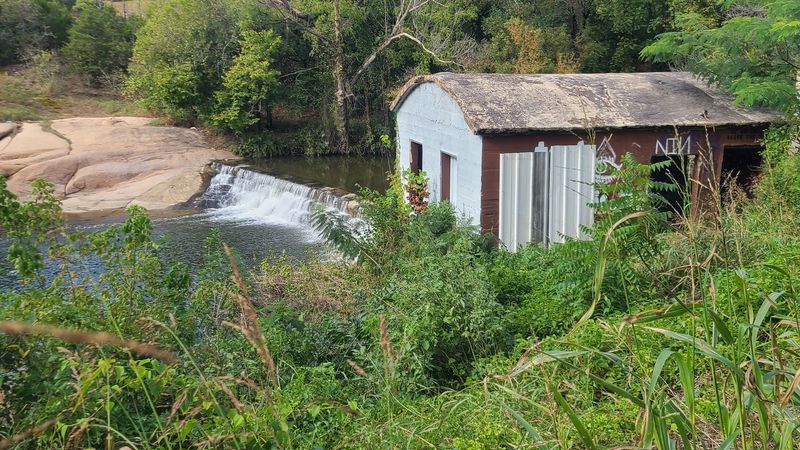
The bridge sat near what is now the dam area in Tishomingo, Oklahoma, connecting roads across the creek in a way that felt both practical and a little thrilling. Oklahoma did not have many bridges like this, which made it a genuine local landmark.
Over time, floodwaters did what they tend to do in this part of the state. The bridge was eventually washed away, leaving behind only the stories people carried with them.
What makes this history so interesting is how ordinary it was. Nobody built it to be a tourist attraction.
It was just how people got from one side to the other. That simplicity is what makes it so compelling to think about now, long after the last car crossed it and the creek swallowed it whole.
Pennington Creek and the Land It Runs Through
Pennington Creek moves through Johnston County, Oklahoma with the kind of quiet confidence that comes from being old. It is not a roaring river or a dramatic canyon waterway.
It is a clear, cool creek that winds through wooded hills and limestone outcrops in a way that feels genuinely unhurried.
The water here runs surprisingly clean for a creek this accessible. You can see the rocky bottom in most stretches, and the banks are lined with hardwoods that keep the whole corridor shaded and cool even in July.
This is southern Oklahoma, which means the landscape sits in a transition zone between the rolling plains to the west and the more forested terrain of the Ouachita foothills to the east. Pennington Creek reflects that mix beautifully.
The creek feeds into Lake Texoma not far downstream, which gives it a connection to one of the most well-known bodies of water in the region. But up here near Tishomingo, it still feels like its own world, separate from the crowds and noise that come with bigger destinations.
Getting close to the water here feels like stepping into a different pace of life, one where the only thing on the schedule is watching the current move.
Tishomingo: A Small Town With Deep Roots
Tishomingo is the kind of town where history is not tucked behind a museum rope. It is built into the streets, the architecture, and the land itself.
As the county seat of Johnston County, Oklahoma, Tishomingo carries the legacy of being the capital of the Chickasaw Nation, one of the Five Civilized Tribes who were relocated to Indian Territory in the 19th century.
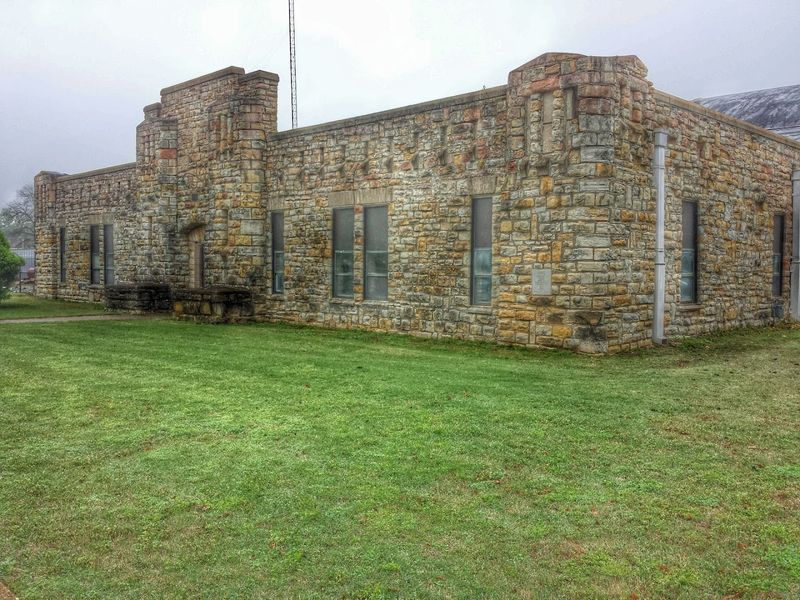
The Chickasaw Nation Capitol building still stands here, a reminder that this small town once served as the political center of an entire nation.
The population sits around 3,000 people, which means everybody more or less knows the lay of the land. The streets are quiet, the pace is relaxed, and the connection to the outdoors is built into everyday life here.
Pennington Creek runs right through town, making it a natural gathering point for locals and a genuine draw for anyone passing through. Oklahoma has many small towns worth stopping in, but Tishomingo earns its place on any road trip itinerary simply by being so authentically itself.
Coming here feels less like visiting a destination and more like dropping in on a place that has been quietly doing its thing for a very long time, unbothered and unhurried.
The Dam Itself: What It Does and Why It Matters
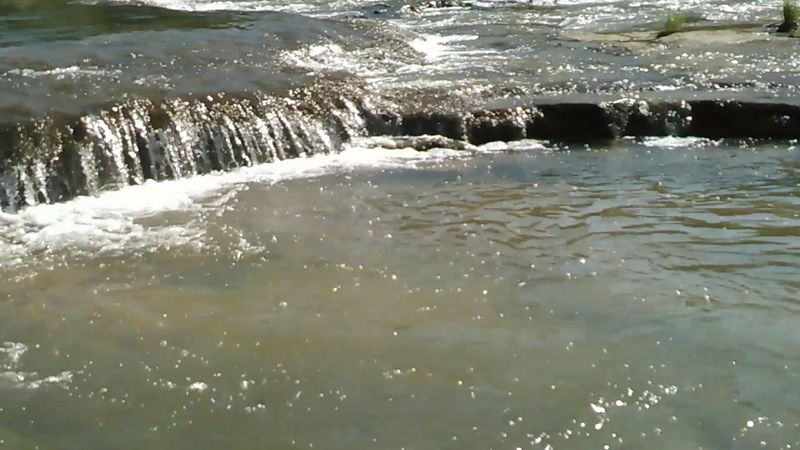
Not every dam is a massive concrete wall holding back a reservoir. Some are quiet, low-profile structures that simply slow the water down and create a still pool above the spillway.
The dam at Pennington Creek in Tishomingo, Oklahoma falls into that second category. It is a modest structure, but its effect on the creek is significant.
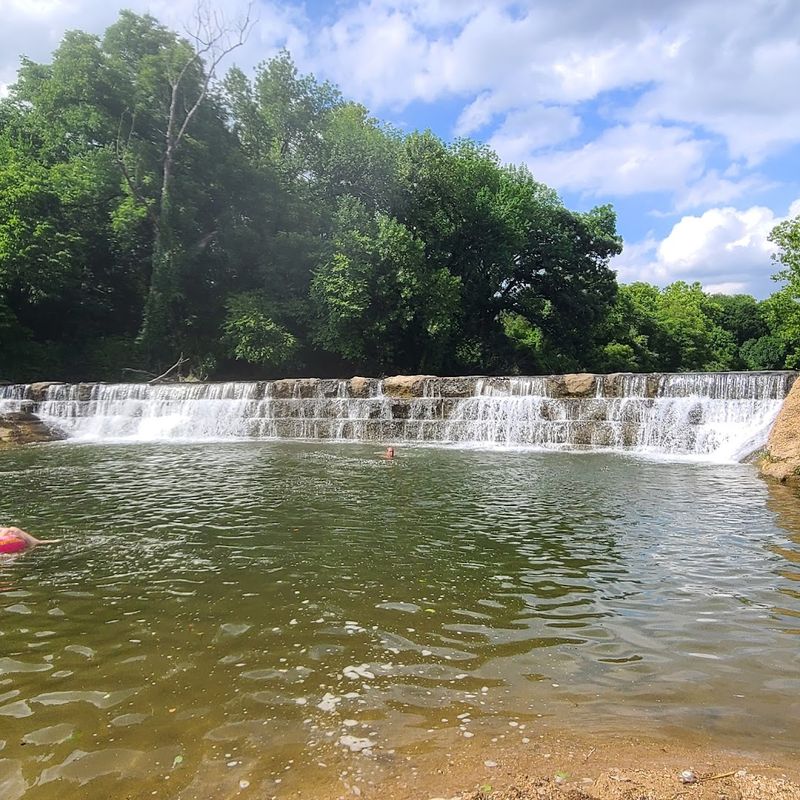
Above the dam, the water pools into a calm, clear swimming area that has become a favorite summer spot for locals and visitors alike.
The dam creates a natural break in the creek’s flow, allowing sediment to settle and the water above it to stay relatively clear. That clarity is one of the main reasons people keep coming back.
Swimming in water where you can see your feet on the bottom is a different experience entirely from murky lake water.
Below the dam, the creek continues its course through the limestone and clay of Johnston County, eventually making its way toward Lake Texoma. The dam essentially creates two personalities for the same waterway: calm and inviting above, lively and moving below.
Small as it is, this structure has shaped how generations of people in this part of Oklahoma experience the outdoors right in their own backyard.
Swimming in Pennington Creek on a Hot Oklahoma Day
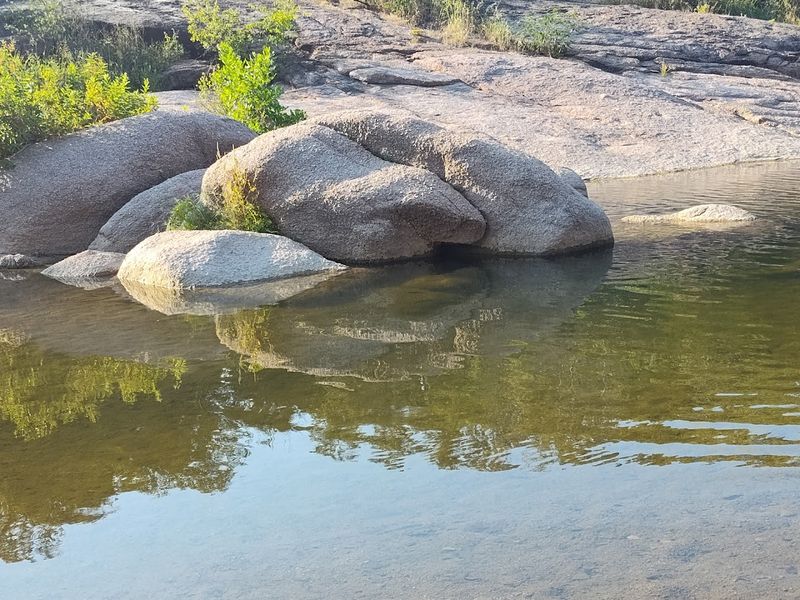
Oklahoma summers are serious business. When the temperature climbs past 95 degrees and the air feels like a warm blanket, finding a clean place to swim becomes a genuine priority.
Pennington Creek Dam delivers on that front in a way that feels almost too good for how easy it is to reach. The swimming area above the dam is shallow enough for kids, clear enough to feel safe, and cool enough to actually provide relief from the heat.
The water runs cold even in midsummer, which is a feature, not a flaw. Getting in takes a moment of commitment, but once you are in, it is exactly what a hot Oklahoma afternoon calls for.
The rocky bottom gives the water a natural, filtered quality that you can feel the moment it hits your skin.
The banks on both sides provide spots to lay out a towel, set up chairs, or just sit with your feet in the current. It is not a developed beach with lifeguards and concession stands.
It is a creek, honest and natural, doing what creeks do best.
On a summer Sunday, this stretch of water becomes a community gathering point in the most organic way possible, no admission fee required.
The Chickasaw Nation Connection to This Land
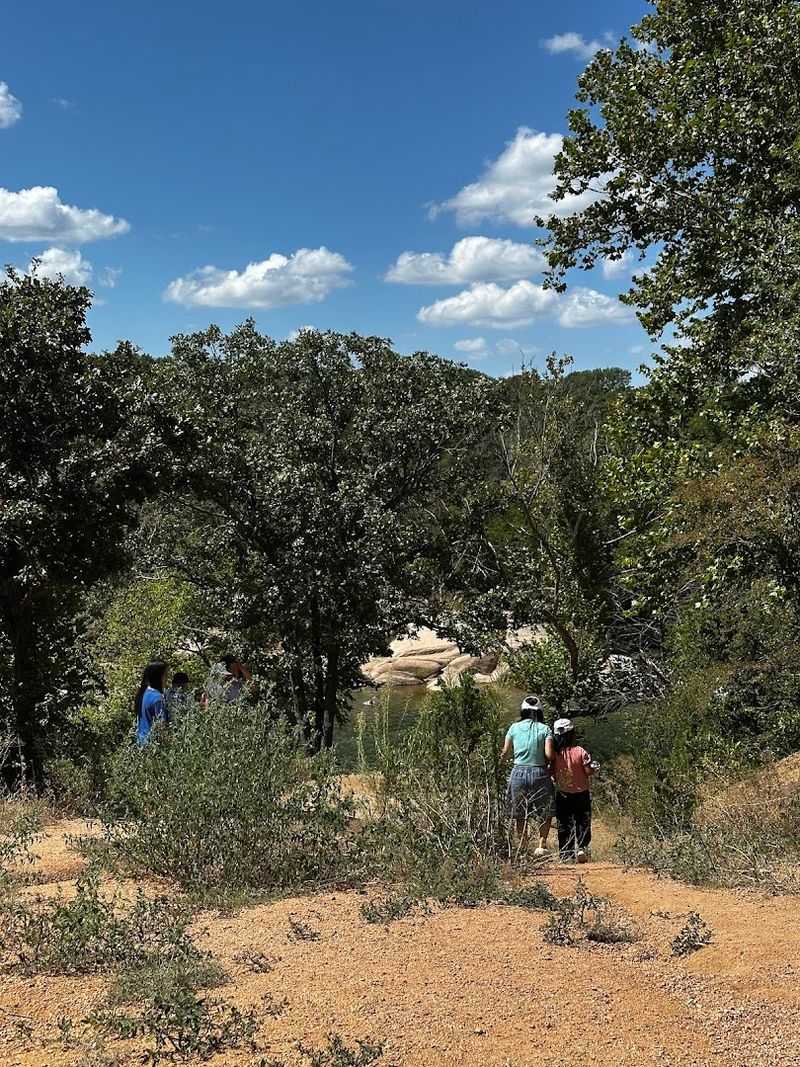
Standing near Pennington Creek, it is easy to feel the weight of history in this landscape. This land in southern Oklahoma was and continues to be deeply connected to the Chickasaw Nation.
Tishomingo served as the capital of the Chickasaw Nation from 1856 until Oklahoma achieved statehood in 1907. The Chickasaw people named the town after Tishomingo, a respected Chickasaw chief, and the connection between the community and the Nation remains strong to this day.
The Chickasaw Nation is one of the most economically active tribal nations in the United States, and its influence across southern Oklahoma is visible in infrastructure, tourism, and cultural preservation. Being near Tishomingo means being near the cultural heart of that history.
Pennington Creek itself flows through land that has been home to Chickasaw people for generations. The creek was not just a water source.
It was part of everyday life, a place for gathering, fishing, and community.
Understanding that history adds a layer of meaning to a visit here that goes well beyond a simple swim or a picnic. Oklahoma carries a lot of Indigenous history, and this corner of Johnston County is one of the best places in the state to feel that connection directly and respectfully.
What the Floodwaters Took Away
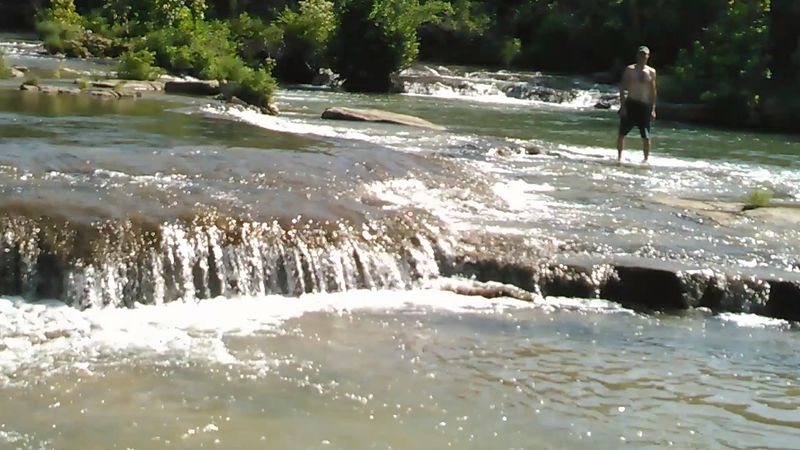
Pennington Creek has a gentle side and a powerful one, and floods in this part of Oklahoma have a long history of reminding people which one is stronger.
The swinging bridge that once crossed the creek near the dam area did not survive the water. Flooding events in Johnston County over the decades have reshaped the creek banks, altered the flow, and removed structures that seemed permanent.
The bridge was one of those structures.
Oklahoma sits in a region where spring rains can turn a calm creek into a roaring channel in a matter of hours. The geology here, with its clay-heavy soils and shallow bedrock, means water moves fast and carries a lot of force when conditions line up.
Losing the swinging bridge changed the character of this crossing forever. What had been an interactive, memorable way to get across the creek became just a memory that older residents still talk about with a mix of fondness and disbelief.
Floodwaters are not sentimental. They take what they take, and the creek keeps moving.
But the story of what was lost here adds a bittersweet dimension to every visit, a quiet reminder that some things only exist in the past and in the people who remember them.
Wildlife Along the Creek Banks
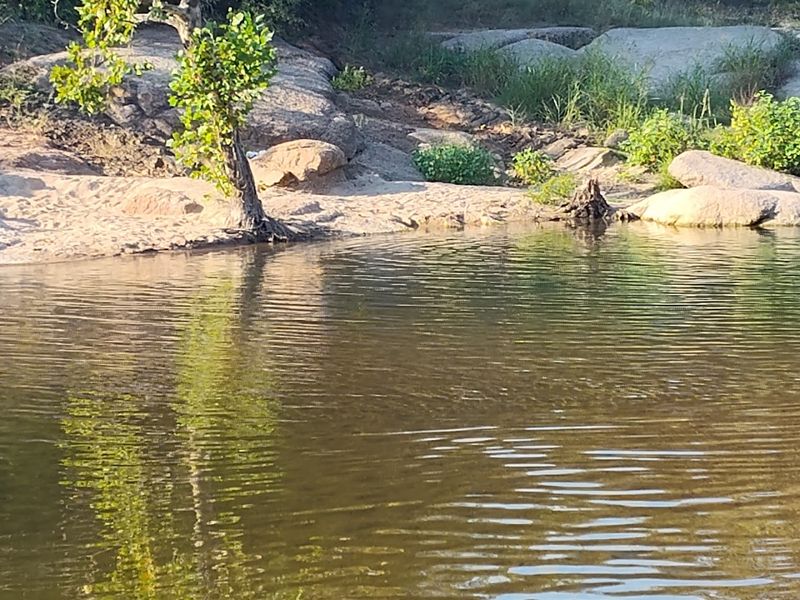
One of the quieter pleasures of spending time at Pennington Creek Dam is the wildlife that shares the space without making a big deal about it.
Great blue herons are a regular presence along this stretch of the creek. They stand in the shallows with remarkable patience, completely unbothered by nearby activity.
Watching one hold perfectly still and then strike the water in a single fluid motion is the kind of thing that makes you stop whatever you were doing.
The creek also supports a healthy population of small fish, turtles, and aquatic insects that form the base of the food chain here. Dragonflies hover over the water surface in summer, and the tree canopy along the banks provides habitat for songbirds that fill the air with sound in the early morning hours.
White-tailed deer are common throughout Johnston County, Oklahoma, and the creek corridor serves as a natural travel route for them, especially at dawn and dusk. Keeping your eyes open during those quieter moments can reward you with a sighting that feels completely unexpected.
The biodiversity here is not dramatic or exotic, but it is real and present, the kind of wildlife experience that comes from spending unhurried time in a healthy natural space without rushing to the next item on a list.
Best Times to Visit and What to Bring
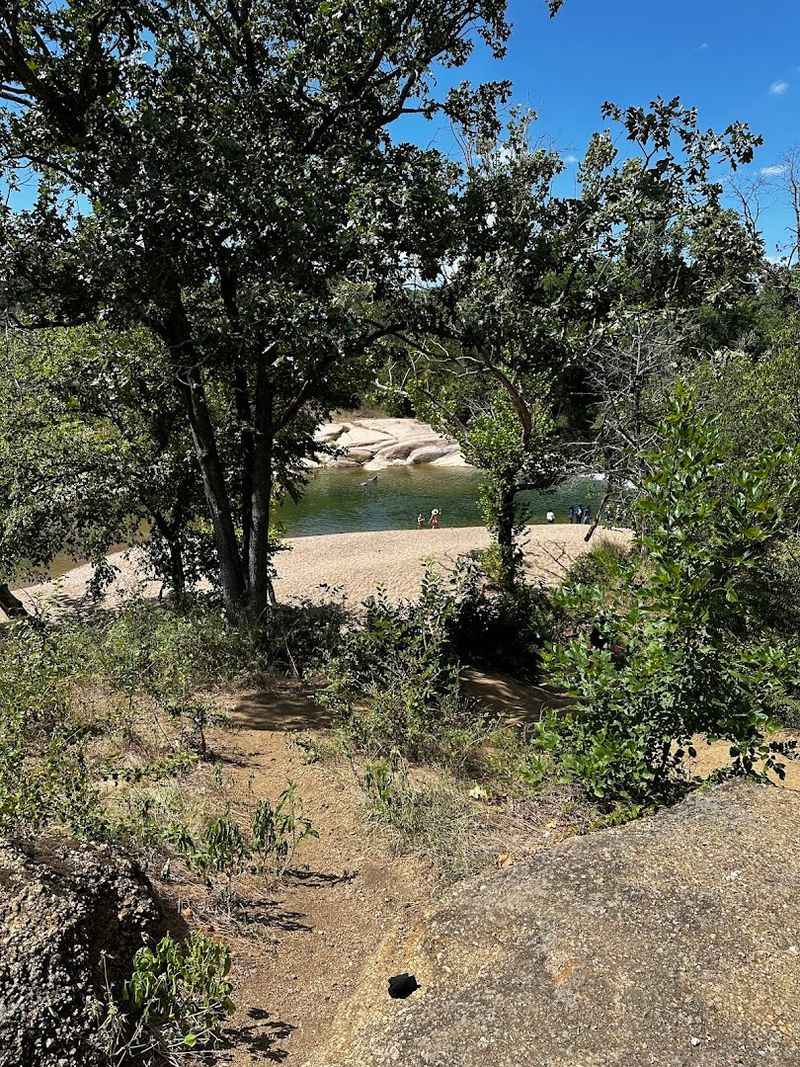
Timing a visit to Pennington Creek Dam correctly makes a real difference in the experience. Late spring through early fall is the sweet spot, roughly May through September, when the water is accessible and the weather cooperates.
Summer weekends get busy, especially Sundays, when families from across southern Oklahoma and just over the border from Texas make the drive out. If you prefer more space and a quieter atmosphere, a weekday morning visit is the move.
Bring water shoes because the rocky bottom of the creek is uneven and can be slippery in spots. A towel, sunscreen, and a change of clothes are obvious essentials, but people forget them more often than you would expect.
There are no formal facilities here, so packing your own food and drinks is smart. A small cooler with snacks goes a long way when you end up staying longer than planned, which happens often at a spot this easy to settle into.
The parking area at 105 S Ward St, Tishomingo, Oklahoma is straightforward and easy to find. Arriving early on a summer weekend means better parking and a better choice of spots along the bank before the crowd fills in and the creek becomes a lively, social scene.
