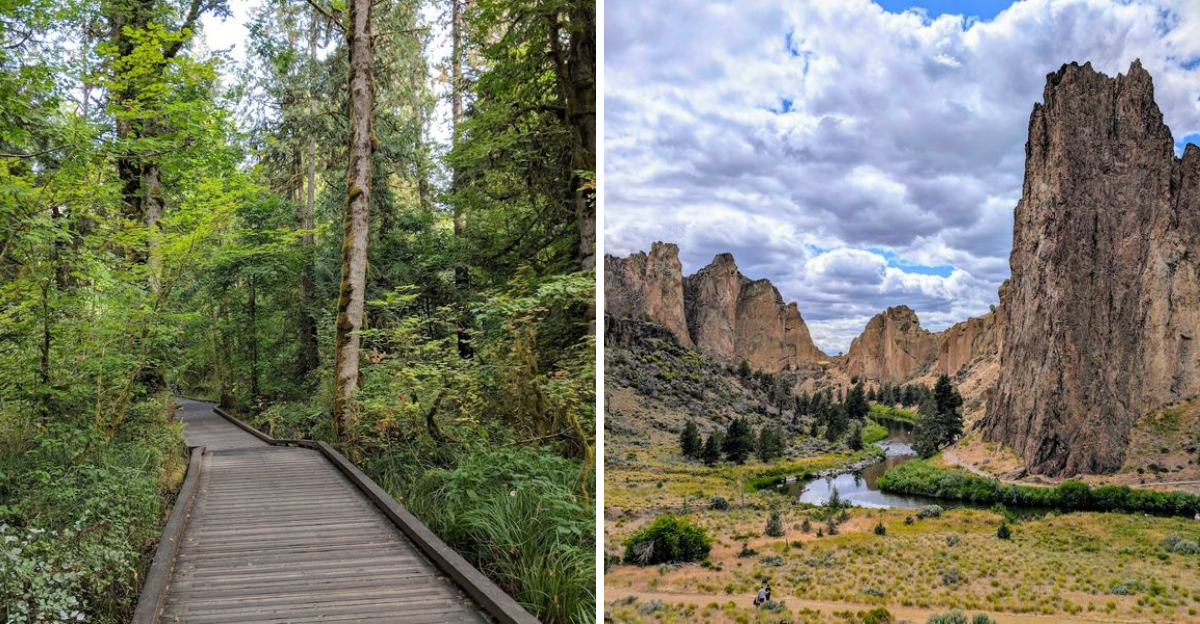
Oregon makes wildlife spotting surprisingly easy with these 10 beginner-friendly hikes. I hit the trails expecting a simple walk and ended up scanning every bush, tree, and meadow for movement.
Deer step out like they own the place, birds flash through the air, and sometimes you just freeze because something rustled a little too close. The paths stay gentle, but the moments feel anything but ordinary.
Locals treat these hikes like a casual routine, while I’m quietly celebrating every animal sighting like a jackpot win. Even the calm stretches feel alive, like nature is always just one step ahead of you.
I leave each trail with muddy shoes, a full camera roll, and that addicting “what will I see next time?” feeling.
1. Tualatin Hills Nature Park Loop, Beaverton, Oregon
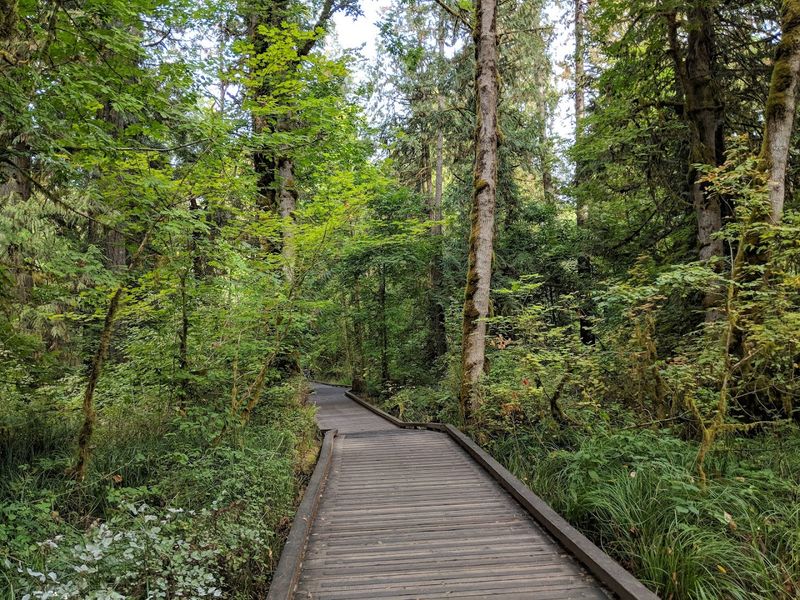
Beaverton may be best known for its tech scene, but tucked inside city limits you’ll find a trail that feels nothing like a suburb.
The Tualatin Hills Nature Park Loop stretches 3.4 miles through thick forest and quiet wetlands. It sits in Beaverton, Oregon, and ranks among the most accessible wildlife corridors in the Portland metro area.
Deer move freely through the undergrowth here. Songbirds fill the air with sound, and if you walk quietly, you might spot a great blue heron standing perfectly still near the water.
Wide, well-maintained paths guide you clearly along the route. Boardwalks carry you over soggy sections without any struggle.
Families with young kids choose this trail for exactly that reason.
Morning visits usually offer the best wildlife activity. Animals become more active at dawn, and the light filtering through the trees at that hour looks stunning.
The park also features interpretive signs along the route that explain local plants and animals. These signs create a surprisingly educational experience without feeling forced or classroom-like.
You do not need a permit, and parking is free. The loop also connects to additional paths if you want to extend your walk. This trail shows that wild Oregon never sits far from your front door.
2. Oaks Bottom Wildlife Refuge, Portland, Oregon
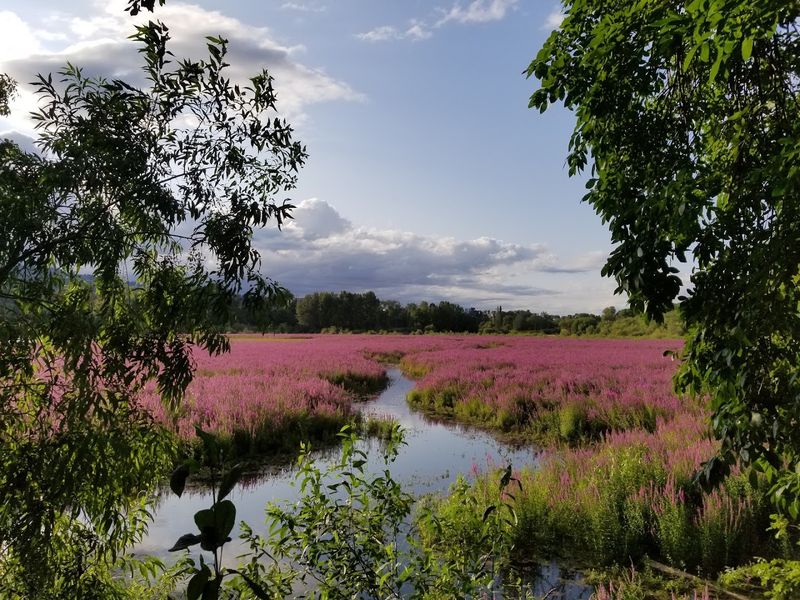
Right inside Portland city limits, a 141-acre refuge sits quietly along the Willamette River. Oaks Bottom Wildlife Refuge shows that urban spaces and wild nature can absolutely coexist.
The trail network winds through riparian wetlands and grassy meadows. Great blue herons are almost always present, often standing motionless in the shallows like they own the place.
Bald eagles have also been spotted here, which never gets old no matter how many times you see one.
The paths stay flat and easy to follow. Most visitors finish the main loop in under an hour, though birdwatchers often linger much longer.
Bring binoculars if you have them.
Spring and fall migration seasons bring an impressive variety of waterfowl through the refuge. Over 140 bird species live or pass through here, making it a genuine hotspot for anyone who enjoys identifying birds.
The refuge connects to Sellwood Park and the Springwater Corridor, so you can easily extend your outing. Dogs on leash are welcome, which makes it a popular spot for pet owners too.
You can park near SE Milwaukie Avenue. There are no entry fees, and the trails stay open year-round.
A short city drive leads you to a surprisingly peaceful, wildlife-rich escape.
3. Malheur National Wildlife Refuge, Burns, Oregon
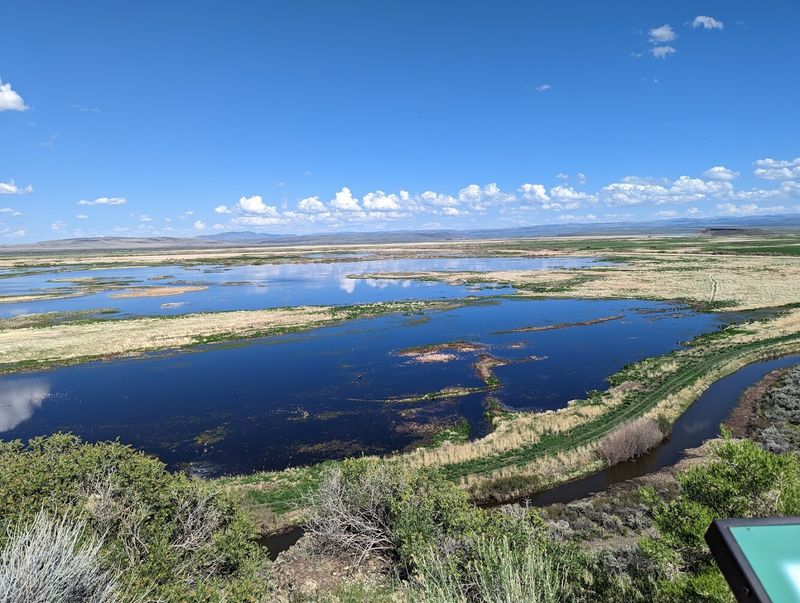
Over 320 bird species have been recorded at Malheur National Wildlife Refuge. That number alone tells you this place is something special.
Located near Burns in southeastern Oregon, Malheur covers nearly 187,000 acres of wetlands, meadows, and sagebrush country. It is one of the most important bird migration stopovers in the entire western United States.
Several easy walking trails and auto tour routes make the refuge very accessible for beginners. You do not need to hike far to see something remarkable.
Sandhill cranes, tundra swans, and white pelicans are among the stars of the show depending on the season.
Spring migration, typically from March through May, is peak season. The skies fill with birds moving through in massive numbers.
It is genuinely one of the most breathtaking natural spectacles in Oregon.
The visitor center near refuge headquarters offers maps, wildlife checklists, and helpful staff who can point you toward the best spots of the day. That kind of local knowledge makes a real difference.
Burns is a small town with basic amenities, so stock up on supplies before heading out. Cell service is limited in the refuge, which honestly adds to the feeling of being somewhere truly remote and wild.
4. Smith Rock State Park, Terrebonne, Oregon
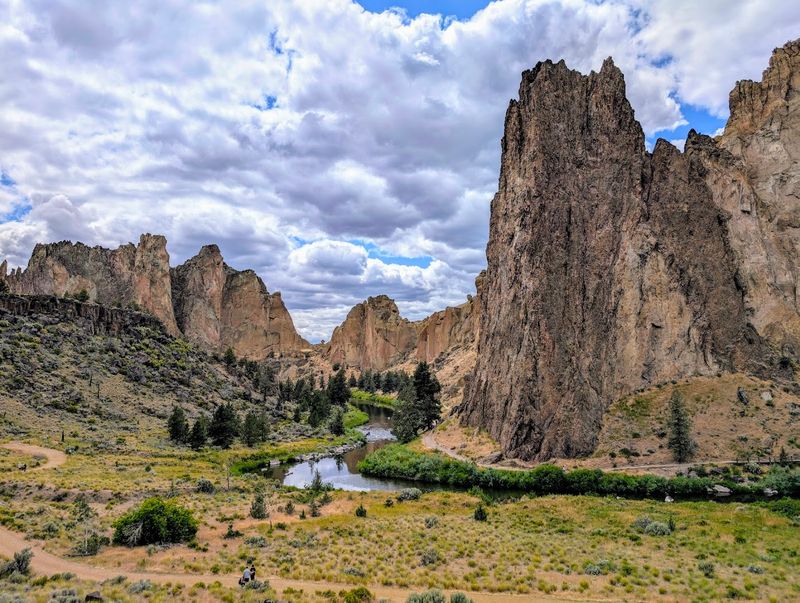
Few hikes in Oregon deliver the visual impact of Smith Rock State Park on a clear morning. The rock formations here look almost too dramatic to be real.
The Crooked River Trail is a 4.3-mile easy hike located in Terrebonne, in Central Oregon. It follows the river at the base of iconic volcanic spires, offering a front-row view of some of the most photographed scenery in the state.
Mule deer are regular visitors along this trail. They graze along the riverbanks with very little concern for passing hikers, making close-up views surprisingly common.
Various songbirds and raptors nest in the rock faces above.
The trail is mostly flat and well-traveled. A few sections have loose gravel, so light hiking shoes with grip are a smart choice.
The path is clearly marked and easy to navigate for first-time visitors.
Golden hour light hits the rocks with a warm orange glow that photographers absolutely love. Arriving early also means fewer crowds and more relaxed wildlife activity near the river.
Smith Rock is located about 30 minutes north of Bend. A day-use fee applies, and the park can get busy on weekends.
Weekday visits offer a quieter, more personal experience with the landscape and its animal residents.
5. Forest Park Wildwood Trail, Portland, Oregon
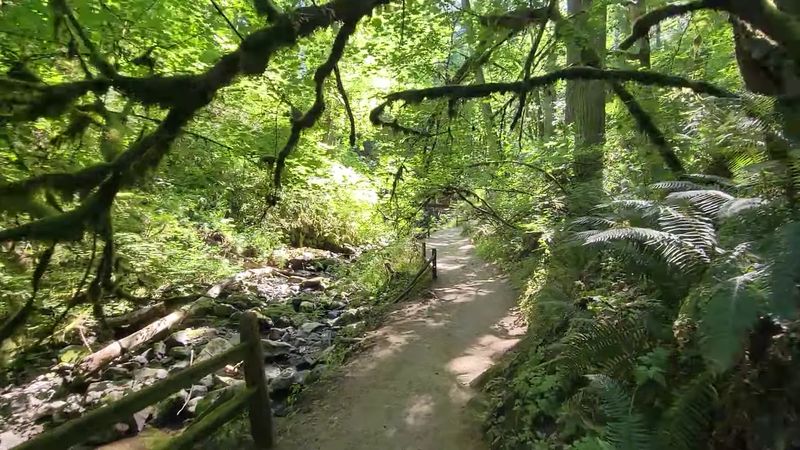
At 5,200 acres, Forest Park is one of the largest urban forests in the entire United States. It sits right inside Portland, Oregon, and it is a genuine wilderness experience within city limits.
The Wildwood Trail runs 30 miles through the heart of the park. Beginners can jump on at any of several access points and walk as little or as much as they like.
The trail is well-signed and not technically demanding.
Deer are frequently spotted along the path, often just a few feet away. Coyotes, owls, and a wide variety of songbirds also call this forest home.
Patient and quiet walkers are rewarded most often.
The forest is dominated by Douglas firs and bigleaf maples. In fall, the maple leaves turn golden and the forest floor becomes a carpet of color.
It is a completely different experience from the summer green.
Trailheads are accessible from multiple neighborhoods, including the Pittock Mansion area, which offers sweeping views of the city and Mount Hood on clear days. That view alone is worth the short uphill walk.
No fees are required to enter Forest Park. Dogs are welcome on leash in designated areas.
This trail rewards every type of visitor, from quick lunchtime walkers to those who want a full day in the trees.
6. Ankeny National Wildlife Refuge, Jefferson, Oregon
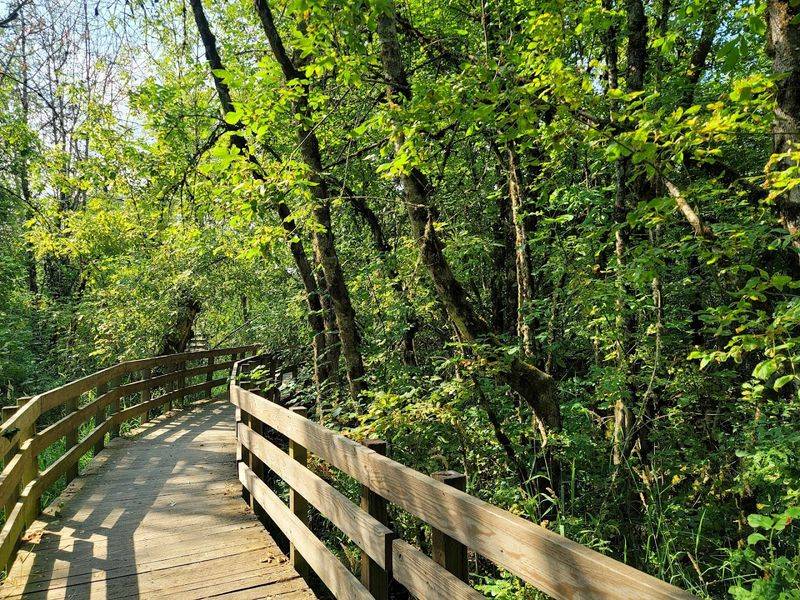
When winter rolls into the Willamette Valley, Ankeny National Wildlife Refuge becomes one of the most rewarding birdwatching destinations in Oregon. The numbers of waterfowl that gather here in the colder months are genuinely staggering.
Located near Jefferson in Marion County, Ankeny covers over 2,796 acres of wetlands, grasslands, and riparian habitat. It is part of the Willamette Valley National Wildlife Refuge Complex and sits along the Pacific Flyway migration route.
Dusky Canada geese, pintail ducks, and tundra swans are among the most commonly spotted species. Raptors like red-tailed hawks and northern harriers hunt the open fields throughout the year.
The trails here are flat and easy. The primary walking route is about two miles and follows a dike through the wetlands.
The open landscape means long sightlines and excellent views without needing to search through dense brush.
A free auto tour route also runs through the refuge, which is a great option for visitors with limited mobility. Wildlife viewing is productive from the car windows alone during peak season.
The refuge is open during daylight hours and requires no entrance fee. Bring rubber boots in winter, as the ground near the wetlands can be quite muddy.
Ankle-deep puddles are part of the charm out here.
7. Cape Perpetua Scenic Area, Yachats, Oregon
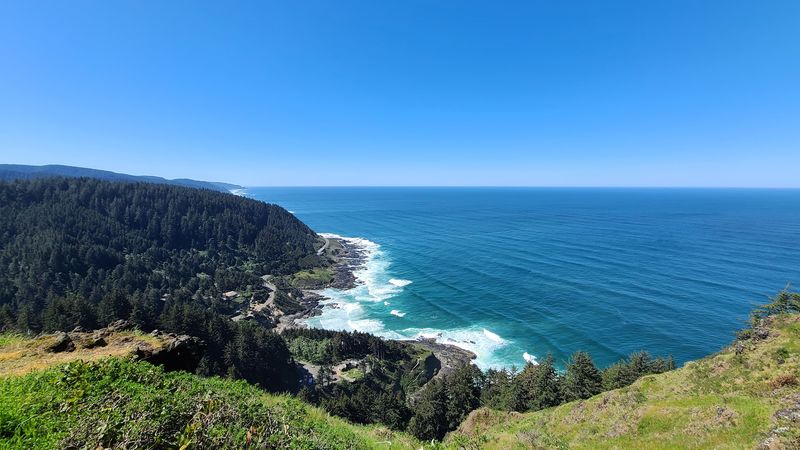
The Oregon Coast has no shortage of beautiful spots, but Cape Perpetua hits differently. It layers dramatic ocean views with dense old-growth forest and some of the most accessible marine wildlife viewing on the entire coast.
Located near Yachats in Lincoln County, Cape Perpetua Scenic Area sits within the Siuslaw National Forest. The Giant Spruce Trail is a flat 2-mile round-trip walk that winds along Cape Creek through towering Sitka spruce trees.
Steller sea lions and harbor seals haul out on the rocky outcroppings below the cape. From the overlooks, you can watch them for as long as you like without disturbing them.
Tidepools near the base of the cliffs are packed with sea stars, anemones, and hermit crabs.
Gray whales migrate past this stretch of coast in spring and fall. The high overlook near the visitor center is one of the best land-based whale watching spots in Oregon.
A clear day makes the view even more rewarding.
The visitor center is open seasonally and offers exhibits on the coastal ecosystem. Staff can tell you which trails are best depending on the tide and weather conditions that day.
A Northwest Forest Pass or day-use fee is required for parking. The trails are well-maintained and suitable for all ages and fitness levels.
8. Ridgefield National Wildlife Refuge, Ridgefield, Washington border, Oregon
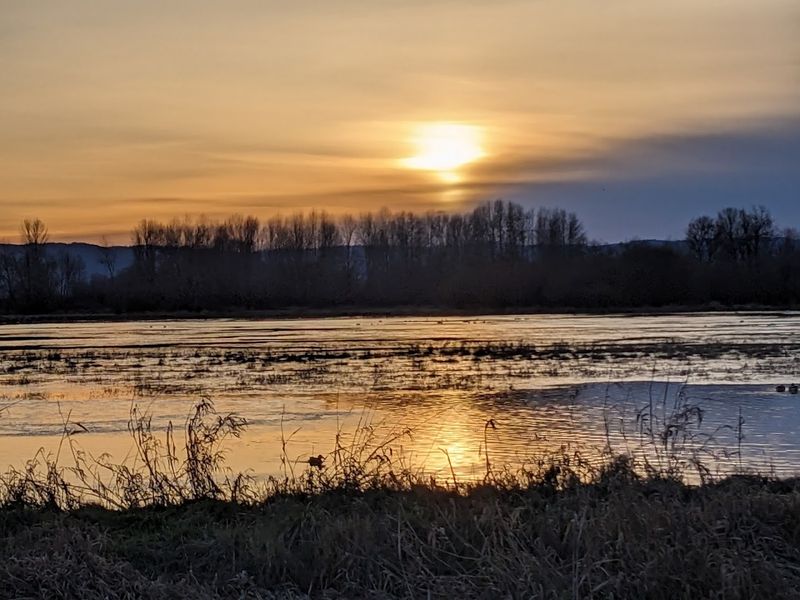
Just across the Columbia River from Portland, Ridgefield National Wildlife Refuge sits right on the Oregon-Washington border near the town of Ridgefield. It is close enough for a quick day trip but wild enough to feel like a world apart.
The Kiwa Trail is a 1.9-mile loop through wetlands and grasslands that is perfect for beginners. The path is flat, well-surfaced, and dotted with wildlife viewing platforms that put you right at eye level with the marsh.
Sandhill cranes are among the most thrilling sightings here, especially during fall migration. Their prehistoric calls carry across the wetlands before you even spot them.
Great blue herons, bald eagles, and river otters round out the regular cast of wildlife.
The refuge is part of the Pacific Flyway, making it a critical rest stop for hundreds of bird species moving between Alaska and South America. The sheer diversity of birds here in a single visit is hard to match anywhere else nearby.
A free day-use pass is available on the refuge website. The Kiwa Trail is open year-round, though the fall and winter months bring the largest concentrations of migratory waterfowl.
The auto tour route is also available for those who prefer to stay in their vehicles. Either way, the wildlife here puts on a consistent and memorable show every single visit.
9. William L. Finley National Wildlife Refuge, Corvallis, Oregon
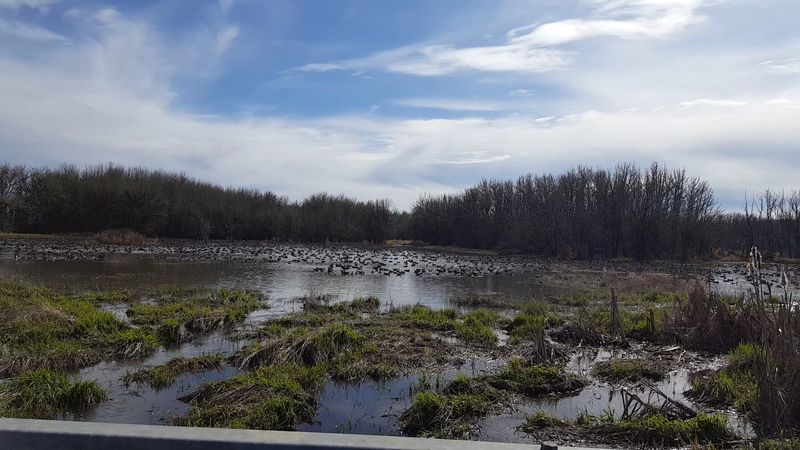
Named after a pioneering wildlife photographer and conservationist, William L. Finley National Wildlife Refuge carries a legacy that matches its impressive landscape.
It is one of the most important wintering grounds for dusky Canada geese in the world.
The refuge sits about 12 miles south of Corvallis in the Willamette Valley. Several easy loop trails wind through native prairie, oak woodland, and wetland habitats.
The Woodpecker Loop and Fiechter Brothers Trails are both beginner-friendly and richly rewarding.
Dusky Canada geese arrive each fall from their Alaskan breeding grounds. Watching thousands of them lift off from a field at once is one of those moments that stops you in your tracks.
Black-tailed deer, ring-necked pheasants, and northern harriers are also seen regularly.
Some trails are closed seasonally to protect nesting and roosting wildlife. Checking the refuge website before your visit saves time and ensures you head to the right areas.
The visitor map is easy to read and free to download.
Spring brings a different kind of beauty, with wildflowers blooming across the oak savanna and songbirds singing from every branch. The habitat diversity here means the refuge offers a fresh experience in every season.
No entrance fee is required. The refuge is open during daylight hours and provides a genuinely peaceful escape from the nearby university town buzz.
10. Sauvie Island Wildlife Area, Portland, Oregon
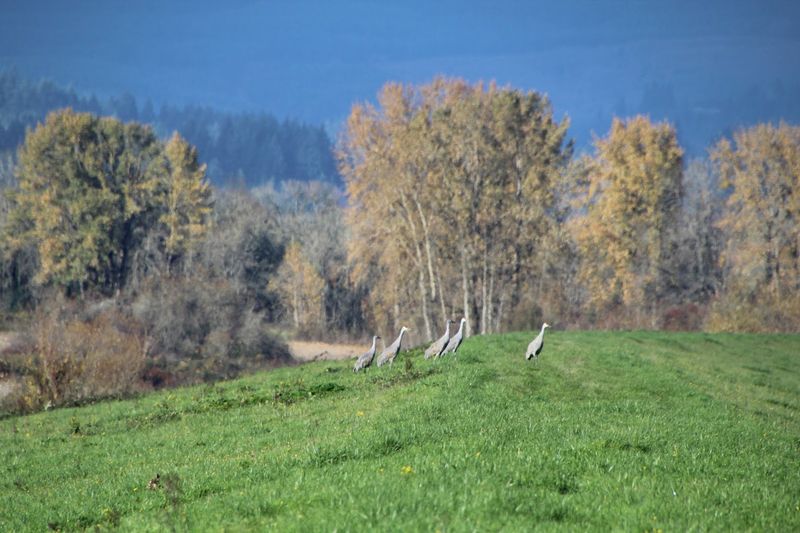
Only about 30 minutes from downtown Portland, Sauvie Island feels like a completely different world. It is the largest island in the Columbia River and one of the most underrated wildlife destinations in all of Oregon.
The Sauvie Island Wildlife Area covers the northern half of the island. Flat walking paths and levee trails run through flooded fields and marshes that attract massive numbers of migratory birds each fall.
No special fitness level is needed to enjoy any of it.
Sandhill cranes gather here in the thousands from October through November. Snow geese, tundra swans, and dozens of duck species share the fields and waterways.
Bald eagles are practically guaranteed during a winter visit.
White-tailed deer are commonly spotted along the trails, especially in the early morning. River otters and painted turtles show up near the sloughs for those willing to look closely along the water’s edge.
A parking permit is required and can be purchased at the island’s general store near the bridge. The permit is inexpensive and covers the entire day.
Trail maps are posted at the main trailheads.
Rubber boots are strongly recommended in fall and winter when the fields are flooded. The muddy conditions are part of what makes the habitat so productive for wildlife, and honestly, a little mud is a small price for views like these.
Dear Reader: This page may contain affiliate links which may earn a commission if you click through and make a purchase. Our independent journalism is not influenced by any advertiser or commercial initiative unless it is clearly marked as sponsored content. As travel products change, please be sure to reconfirm all details and stay up to date with current events to ensure a safe and successful trip.
