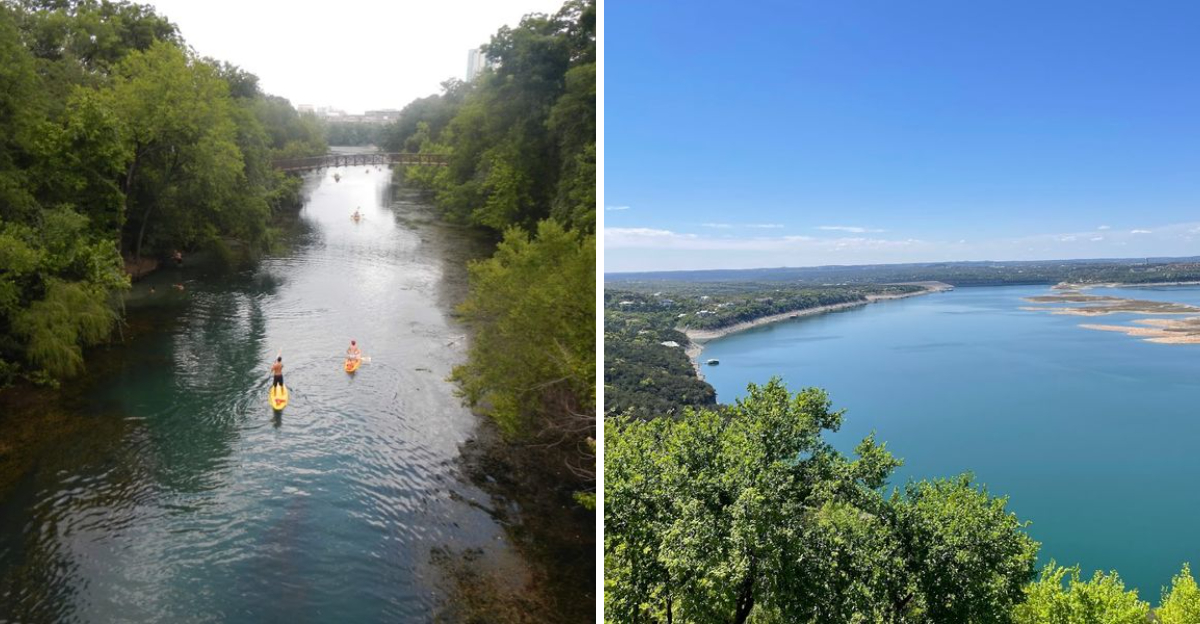
Getting into kayaking is a lot easier when the water works with you, not against you.
These beginner-friendly spots across Texas keep things calm, steady, and scenic, perfect for learning without feeling rushed or overwhelmed. Smooth lakes, slow-moving rivers, and wide open views make it easier to focus on the experience instead of the effort.
You do not need years of experience or expensive gear to enjoy these spots. All you really need is a sense of adventure and a willingness to slow down and take it all in.
1. Lady Bird Lake, Austin
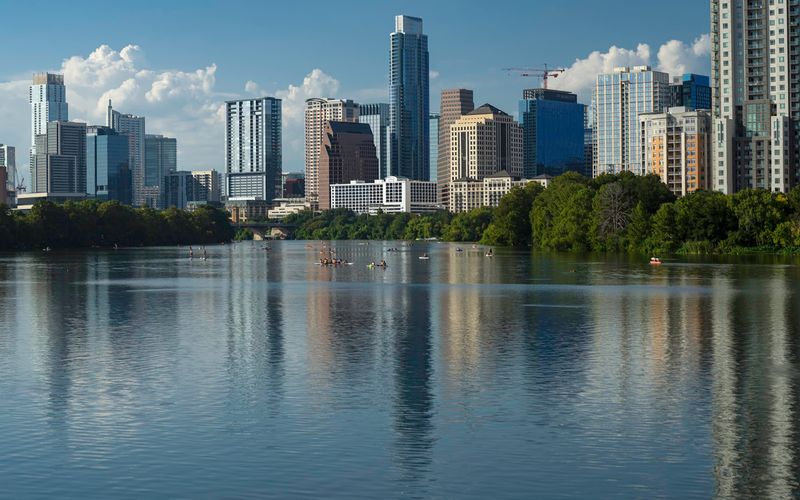
Right in the heart of Austin, Lady Bird Lake feels like the city’s best-kept open secret. The water sits calm and glassy most mornings, and the skyline reflects off the surface in a way that genuinely makes you stop paddling just to stare.
It is hard to believe you are in one of the busiest cities in Texas when you are floating quietly between the trees.
The lake stretches roughly six miles from east to west, giving beginners plenty of room to explore without feeling rushed or crowded. Multiple launch points dot the shoreline, so you can start wherever feels most comfortable.
Rental options are easy to find nearby, which makes the whole experience low-stress from the very beginning.
Mornings here are especially magical. Rowing teams glide past, birds call from the cedar elms, and the air carries that fresh, slightly earthy smell that only comes off calm water.
The trails along the shoreline also let you combine a paddle with a walk if you want to stretch your legs. Lady Bird Lake is genuinely one of those places that earns its reputation every single visit.
2. San Marcos River
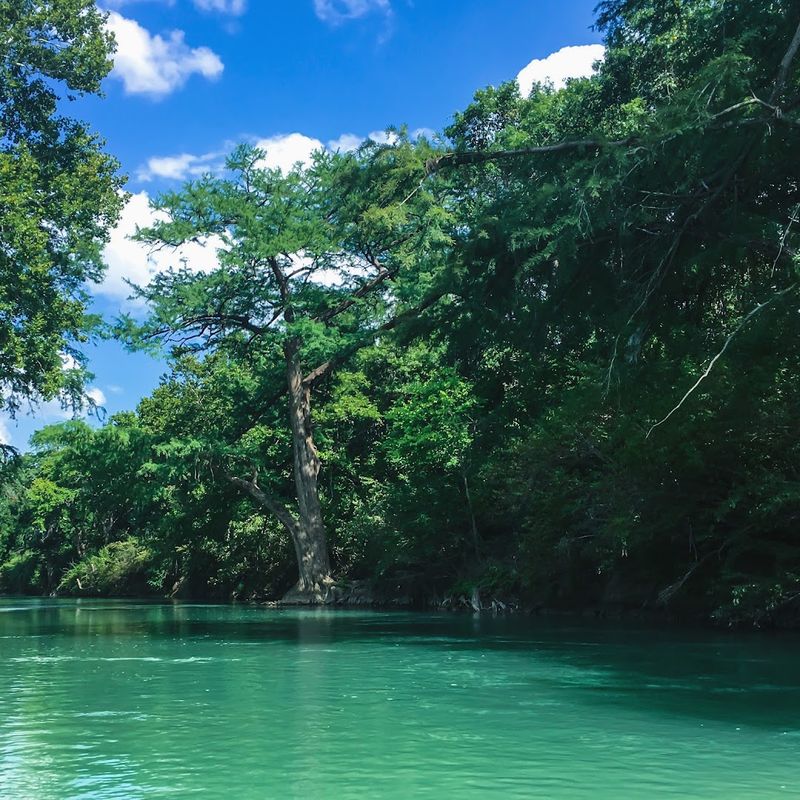
Few rivers in Texas feel as alive as the San Marcos. Fed by more than 200 springs, the water stays crystal clear and a steady 72 degrees year-round, which means even a summer paddle feels refreshingly cool rather than punishing.
The clarity is almost unreal since you can look straight down and watch fish dart beneath your kayak like you are floating over an aquarium.
The six-mile stretch from City Park to Staples Dam is widely considered the sweet spot for beginners. The current is gentle enough that you never feel out of control, but it keeps you moving at a pace that makes the whole float feel effortless.
Lush vegetation crowds both banks, and the greenery gets so thick in places that you almost forget the outside world exists.
Wildlife is a constant companion along this route. Turtles pile onto logs in the sun, herons stand motionless in the shallows, and the occasional otter might slip into the water just ahead of your bow.
San Marcos is one of those rivers that rewards slow paddling. The less you rush, the more you notice, and there is genuinely a lot worth noticing here.
3. Caddo Lake
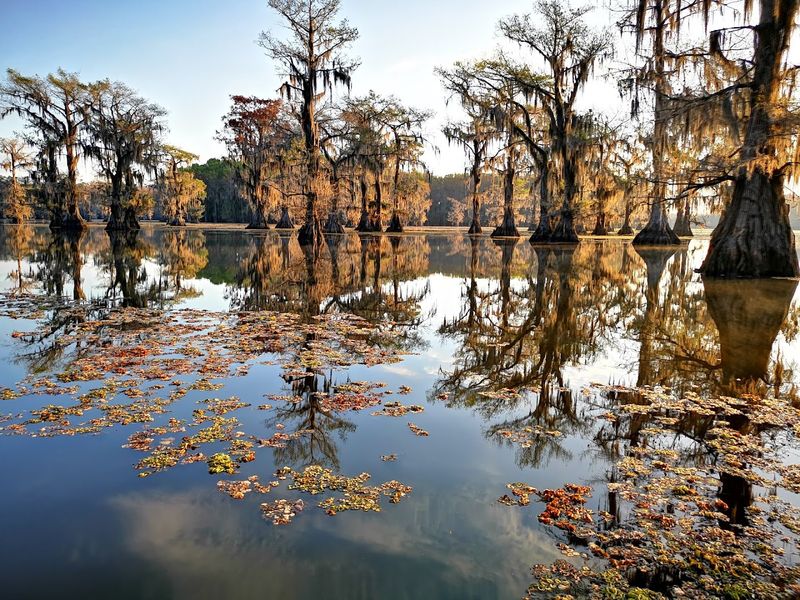
Caddo Lake does not look like anything else in Texas. Sitting right on the border with Louisiana, it is a world of bald cypress trees rising straight out of still, dark water, their branches draped heavily in Spanish moss.
The first time the trees close in around your kayak and the light goes green and filtered, it feels genuinely otherworldly.
Over 50 miles of marked paddling trails wind through the bayous and channels, which means beginners can explore without worrying too much about getting lost. The calm water and protected waterways make it an ideal spot for people who are still building confidence on the paddle.
Each channel feels slightly different, like you are turning the pages of the same strange and beautiful book.
The biodiversity here is remarkable. Alligators are around, which sounds alarming but mostly adds to the sense that you have paddled into something genuinely wild.
Birds are everywhere, from great blue herons to wood ducks and kingfishers darting low over the surface. Caddo Lake carries a quiet, almost ancient atmosphere that is hard to shake even after you have left.
It is the kind of place that stays with you.
4. Guadalupe River State Park
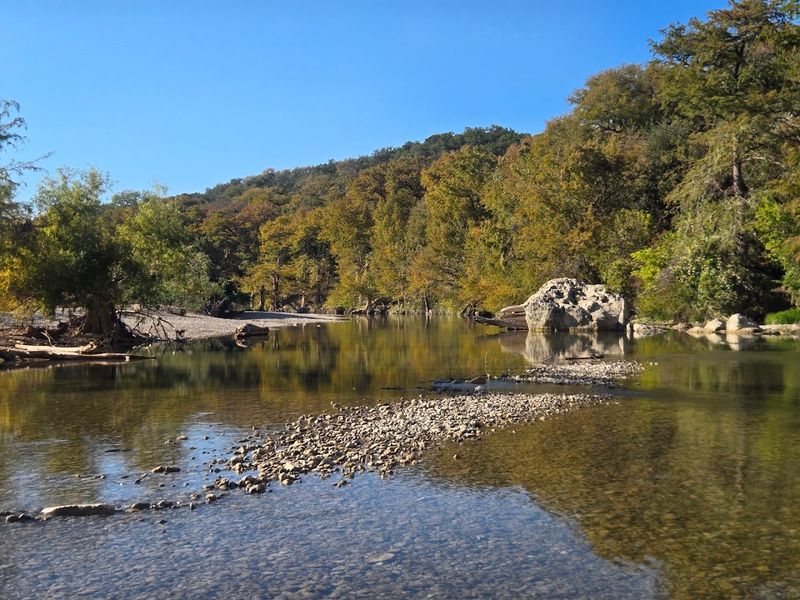
The Guadalupe River through its state park section has a personality that shifts gently between stretches of calm, clear pools and the occasional mild ripple that keeps things interesting without being intimidating.
The water runs over smooth limestone, giving it that gorgeous blue-green color that the Texas Hill Country is famous for.
Even on a warm afternoon, the shade from the cypress trees keeps the temperature surprisingly comfortable.
This stretch draws beginners because the calm pools are genuinely forgiving. You have room to practice your paddle strokes, get comfortable with steering, and simply enjoy the scenery without feeling like the river is making decisions for you.
The banks are lined with cedar, live oak, and Texas persimmon, and the whole corridor feels impressively wild given how accessible it is.
White-tailed deer sometimes appear at the water’s edge, and the bird watching along this stretch is consistently rewarding. The park itself offers well-maintained access points, which takes the guesswork out of launching and takeout.
There is something about paddling the Guadalupe that feels quintessentially Texan in the best possible way. It is rugged, beautiful, and completely unhurried.
Address: 3350 Park Road 31, Spring Branch, TX
5. Brazos River, Possum Kingdom Area
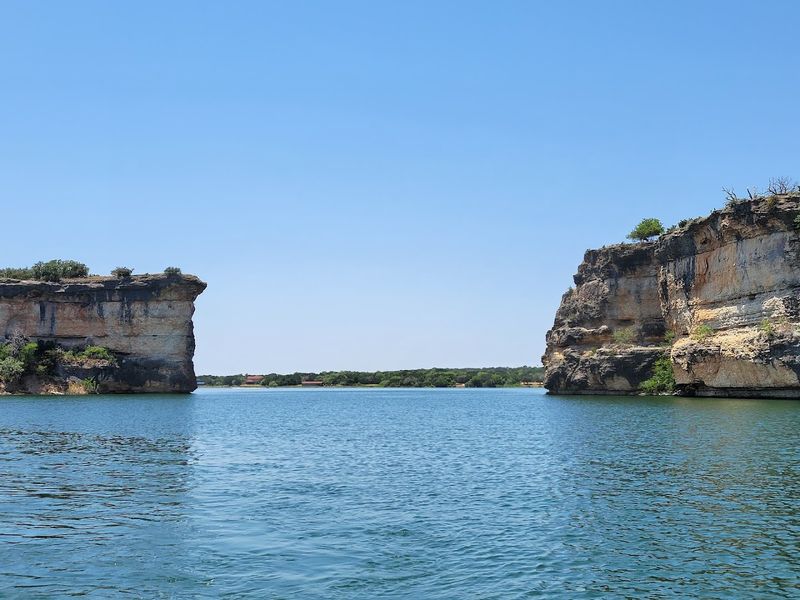
The Brazos River below Possum Kingdom Lake has a pace that feels tailor-made for beginners who want to relax rather than wrestle with the water. The river widens here, the current slows, and the whole experience takes on an almost meditative quality.
Tall pecan and cottonwood trees line both banks, creating a canopy that blocks the harshest of the Texas sun.
Palo Pinto County gives this stretch of river a rugged, remote character that you might not expect given how close it sits to the Dallas-Fort Worth area. The landscape rolls gently, the limestone bluffs appear occasionally along the banks, and the sense of solitude is real.
You can paddle for long stretches without seeing another soul, which feels like a genuine luxury.
Wildlife sightings along the Brazos are common and varied. Great blue herons are practically permanent residents, and white-tailed deer frequently come down to the water in the early morning.
The river bottom is sandy in places, making it easy to pull over, stretch your legs, and eat lunch on a quiet bank. Paddling the Brazos in this section feels like discovering a side of Texas that most people simply drive past without knowing it is there.
6. Medina River, Medina Lake Area
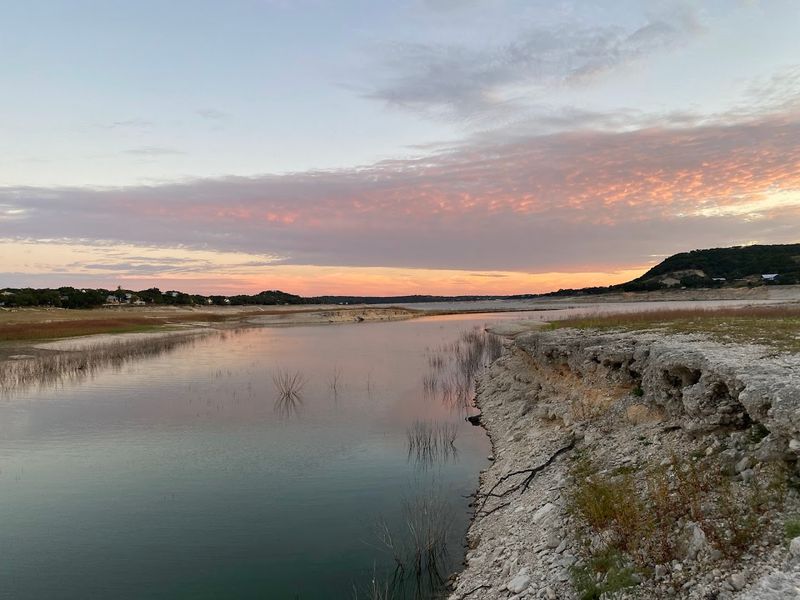
The Medina River is one of those places that feels like a reward for knowing where to look. Hidden in the southern edge of the Texas Hill Country, it winds through a landscape of cypress-lined banks, limestone outcrops, and cedar-covered ridges that give every bend in the river a slightly different view.
The water runs clear and shallow in most spots, which is reassuring when you are still learning to read a river.
Calm stretches dominate this section of the Medina, making it a genuinely comfortable choice for first-time paddlers. The current is mild enough that you can stop paddling, let the boat drift, and just absorb everything around you.
That kind of unhurried pace is part of what makes river kayaking so appealing in the first place.
Fishing herons stand like statues in the shallows, and the occasional river cooter turtle will slide off a log as you approach. The Medina feels less trafficked than some of the more famous Hill Country rivers, which gives it a quieter, more personal atmosphere.
If you are looking for somewhere that rewards patience and slow observation, the Medina delivers that in abundance. It is genuinely beautiful without making a big fuss about it.
7. Town Lake, Rockport
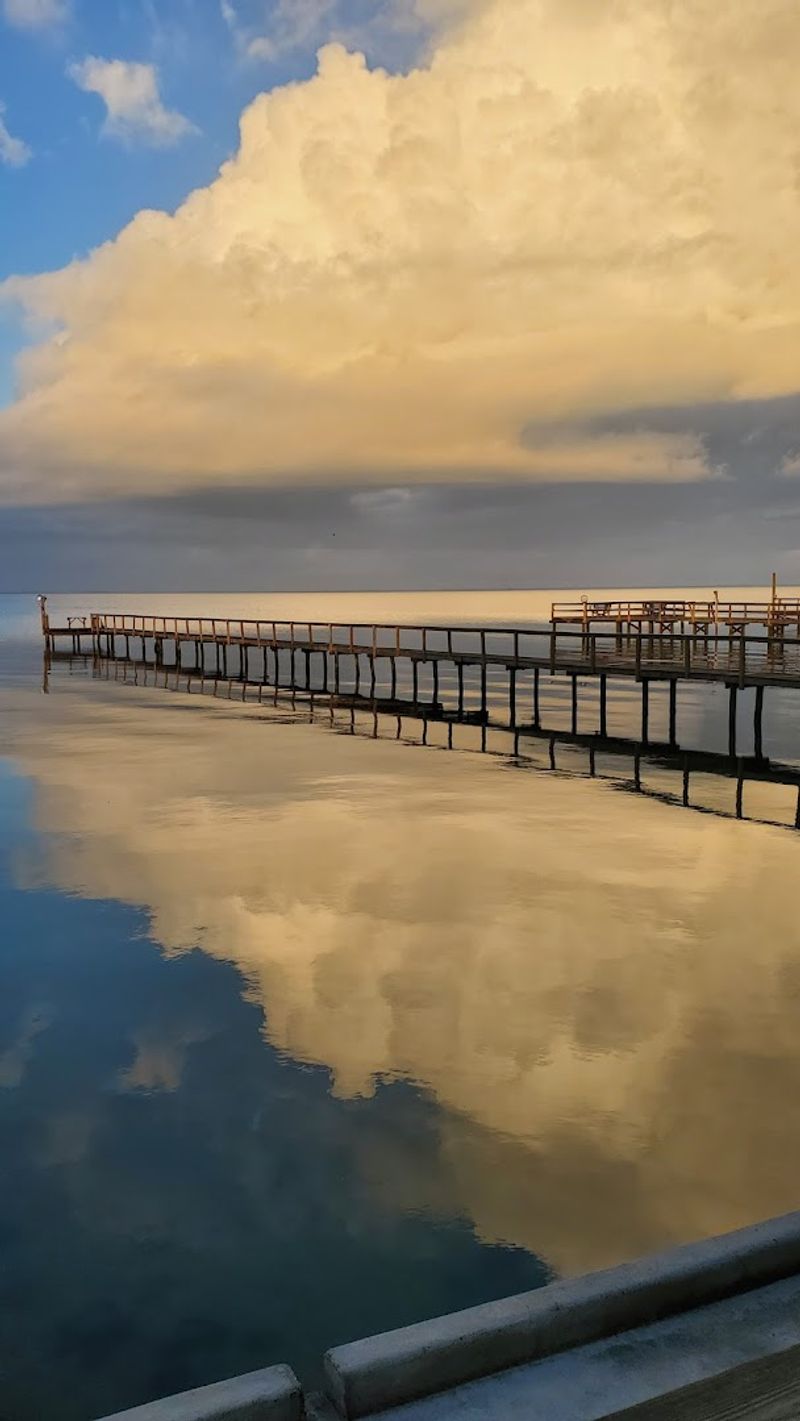
Rockport sits along the Texas Gulf Coast with a relaxed, slightly salty character that feels immediately welcoming. Town Lake, nestled right inside the town itself, offers some of the calmest coastal paddling in the state.
The water is protected from the open bay, which keeps conditions manageable even when the Gulf wind picks up a little along the outer shoreline.
What makes this spot genuinely exciting for beginners is the wildlife. Brown pelicans cruise overhead, roseate spoonbills wade through the shallows in shocking pink, and bottlenose dolphins have been spotted in the nearby bay waters.
Paddling here feels less like exercise and more like a slow-motion wildlife documentary you happen to be inside of.
The town of Rockport itself adds to the appeal. After a morning on the water, the nearby waterfront has seafood spots and art galleries that give the whole trip a well-rounded feel.
The coastal light here is extraordinary, especially in the late afternoon when everything turns golden and the reflections on the water go almost copper.
Town Lake might not be the most famous kayaking destination in Texas, but it earns a spot on any beginner’s list for its ease, beauty, and sheer variety of things to see from the water.
8. Barton Creek, Austin
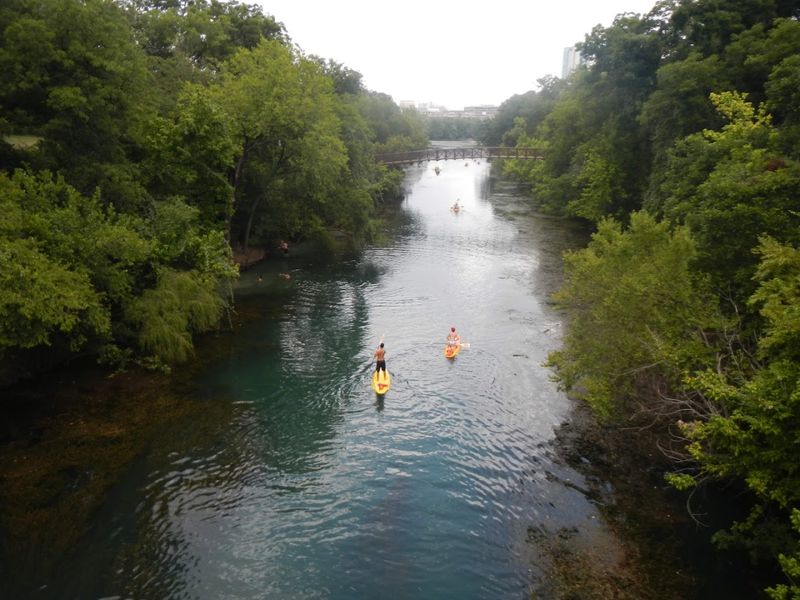
Barton Creek has a cult following among Austin paddlers, and once you get out there it is easy to understand why. The creek cuts through a series of limestone canyons just southwest of downtown, creating a surprisingly wild corridor that feels completely removed from city life.
The water is cold and clear, fed in part by springs, and the canyon walls give the whole experience an intimate, enclosed quality.
For beginners, the calmer pool sections between the rocky drops are ideal. You can pick your entry point carefully and stick to the stretches that suit your comfort level.
The rock formations along the banks are genuinely striking, and the way the light falls through the trees and bounces off the water makes every bend feel worth photographing.
Swimming holes appear naturally along the route, and it is hard to resist stopping for a quick dip on a warm Texas afternoon. Barton Creek also benefits from being within the Barton Creek Greenbelt, so the surrounding land is protected and the natural character of the corridor stays intact.
Paddling here feels like finding a hidden side of Austin that the city has somehow managed to hold onto despite everything growing up around it. It is a genuinely special place.
9. Lake Travis, Austin Area
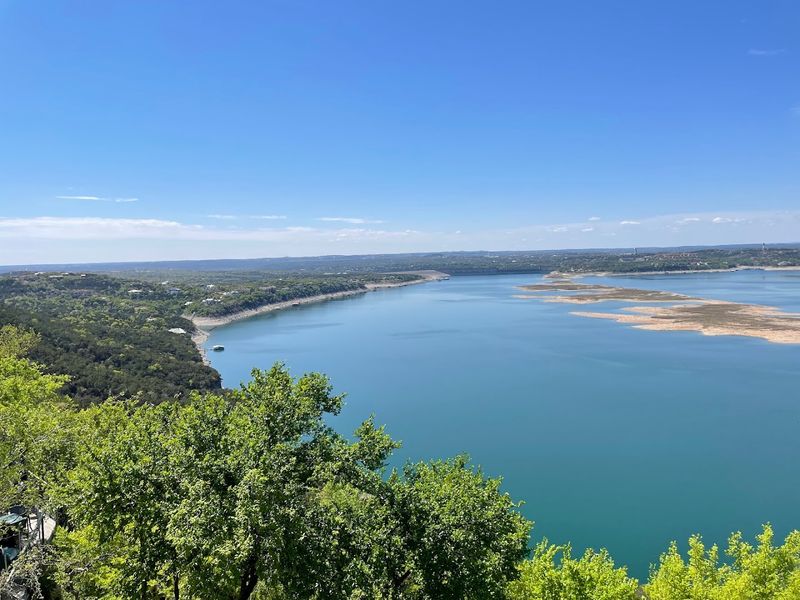
Lake Travis stretches across the Texas Hill Country west of Austin with the kind of scale that makes you feel genuinely small in the best possible way. The reservoir spans over 63 miles from end to end, which sounds intimidating until you realize how many protected coves and calm inlets line the shoreline.
Those quieter pockets are exactly where beginners feel most at home.
The water here is a deep, vivid blue that reflects the surrounding limestone hills and cedar-covered slopes. On a clear morning, paddling into one of the smaller coves feels almost private, like the lake handed you your own little corner of Texas for the day.
The surrounding landscape has that stripped-back, sun-bleached beauty that the Hill Country does so well.
Bald eagles have been spotted around Lake Travis, and osprey are a regular presence over the water, diving dramatically for fish. The lake also sits close enough to Austin that it is an easy day trip, but once you are out on the water, the distance from the city feels much greater.
Lake Travis rewards paddlers who take their time exploring the edges rather than heading straight for the open water. The shoreline is where all the best discoveries happen.
10. Frio River, Concan Area
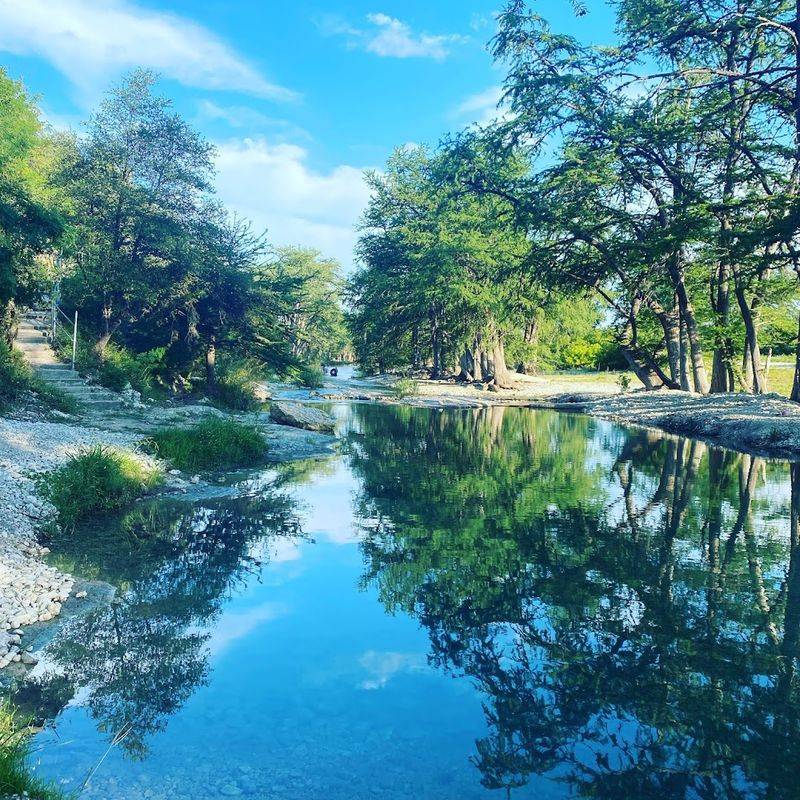
The Frio River earns its name honestly since the water stays remarkably cold even in the peak of a Texas summer, and that first paddle stroke into its current feels like a full-body reset.
Near Concan, the river winds through one of the most scenic corridors in the entire Hill Country, with towering bald cypress trees shading the water and limestone bluffs rising on either side.
The combination of cold water and dramatic scenery makes it a genuinely memorable place to paddle.
Beginners do well here because the Frio moves at a cooperative pace in most stretches near Concan. The river is clear enough to see straight to the bottom, and the sandy banks make for easy stops whenever you want to take a break or wade in the shallows.
It has the kind of easy rhythm that makes a few hours on the water feel effortless.
Families love the Frio, and the area around Concan has a relaxed, summer-camp energy that feels welcoming rather than crowded. Turkeys and white-tailed deer are frequently spotted near the water at dawn.
The Frio is one of those rivers that people return to year after year, not because it offers anything dramatic, but because it consistently delivers exactly what a good river trip should feel like.
Dear Reader: This page may contain affiliate links which may earn a commission if you click through and make a purchase. Our independent journalism is not influenced by any advertiser or commercial initiative unless it is clearly marked as sponsored content. As travel products change, please be sure to reconfirm all details and stay up to date with current events to ensure a safe and successful trip.
