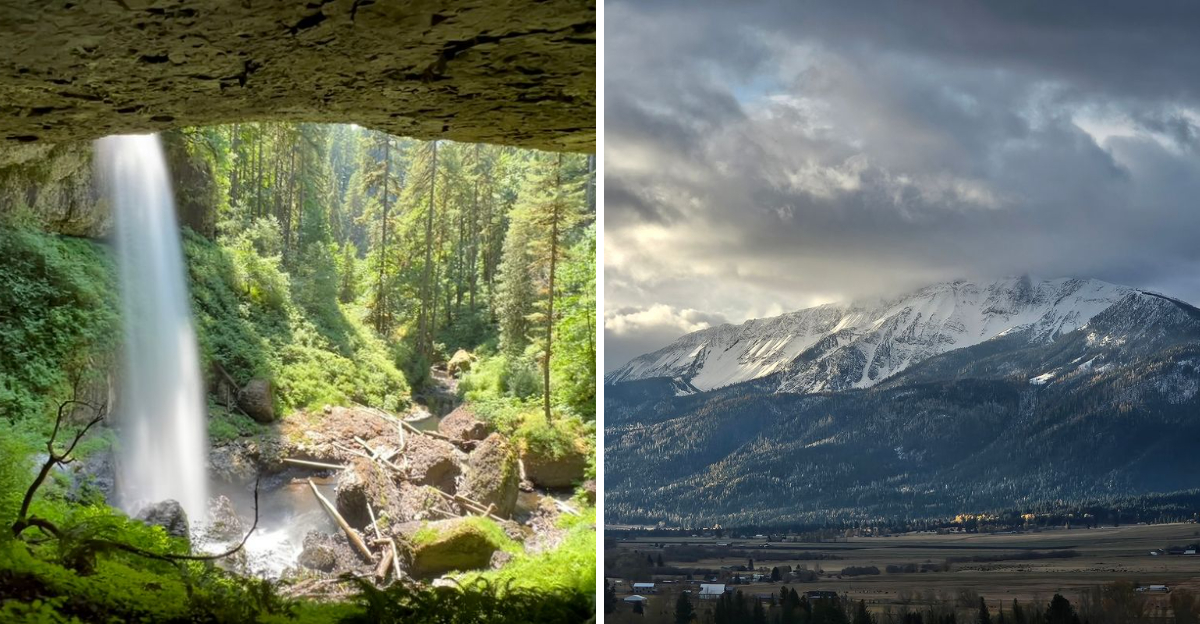
Oregon holds countless treasures that locals have cherished for generations, from quiet coastal villages to remote mountain trails that feel like stepping into another world.
But as word spreads and social media showcases these hidden gems, many of these once-peaceful havens have become packed with visitors seeking the same authentic experience that originally made them special.
Residents who grew up exploring these landscapes now find themselves navigating parking lot chaos and long lines at places that used to offer solitude and reflection. The tension between sharing Oregon’s beauty and preserving its character has become a real conversation across the state.
While tourism brings economic benefits, it also creates challenges for the communities trying to maintain their identity and protect fragile ecosystems.
Some spots have reached a tipping point where the sheer volume of visitors threatens the very qualities that made them worth visiting in the first place.
Understanding which places locals wish could return to their quieter days helps paint a picture of Oregon beyond the postcard images, revealing the delicate balance between welcoming guests and protecting what makes this state truly remarkable.
1. Manzanita: The Coastal Village That Values Quiet Over Commerce
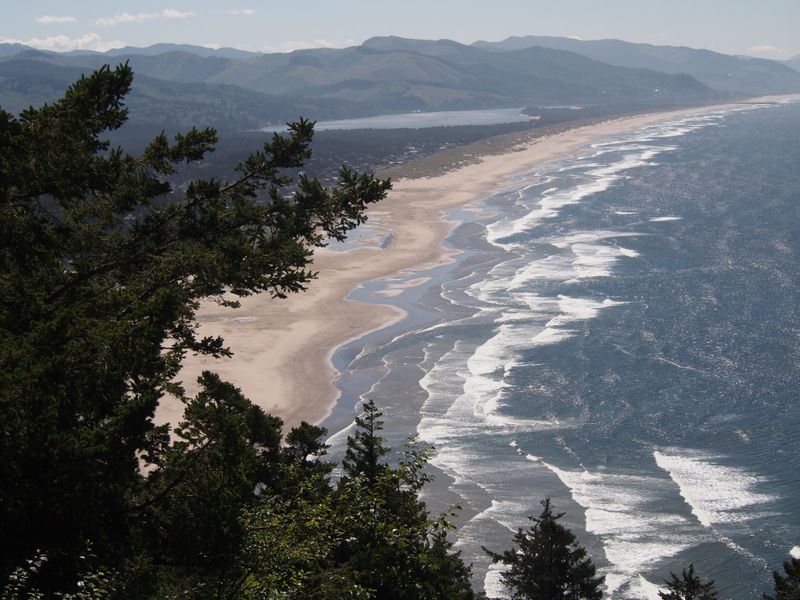
Tucked along the northern Oregon coast, this small beach town once represented everything locals loved about seaside living without the commercial frenzy. Families could walk the seven-mile stretch of sand without jostling for space, and the rhythm of waves provided the only soundtrack needed.
The village maintained its character through thoughtful zoning that kept chain restaurants and big box stores at bay.
Neahkahnie Mountain rises dramatically behind the town, offering hiking trails that reward climbers with panoramic ocean views. These paths used to be known mainly to residents and dedicated outdoor enthusiasts who appreciated the challenging switchbacks and native vegetation.
Now, trailhead parking overflows on sunny weekends, and the peaceful ascent has become a social experience rather than a meditative one.
Local shops and cafes designed their businesses around serving a small community, not processing hundreds of daily visitors. The infrastructure simply was not built for the current volume of traffic that floods in during peak seasons.
Narrow residential streets become congested, and the town’s charm gets buried under the pressure of too many people seeking the same escape.
Residents worry that the qualities making Manzanita special will disappear if growth continues unchecked. The absence of stoplights and the small-town atmosphere feel increasingly fragile.
Finding balance between welcoming respectful visitors and preserving the village’s essence remains an ongoing challenge for this community that never wanted to become a destination hotspot.
Address: Manzanita, OR 97130
2. Joseph and the Wallowa Mountains: Eastern Oregon’s Remote Sanctuary
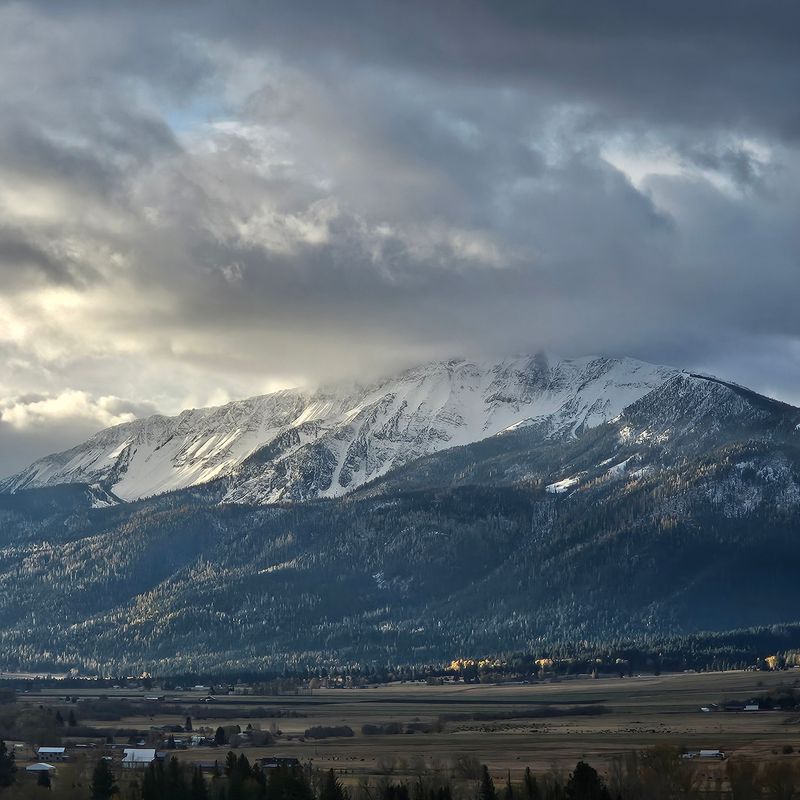
Far from the coastal crowds, this Eastern Oregon town sits at the base of mountains locals call the Alps of Oregon. The Wallowa region offered generations of residents a connection to wilderness that felt genuinely untouched by modern pressures.
Bronze foundries and art galleries reflected a community built around creativity and respect for the surrounding landscape.
Eagle Cap Wilderness sprawls across the high country above town, with alpine lakes and granite peaks that once saw only the most dedicated backpackers. The remoteness served as a natural filter, ensuring that visitors who made the journey truly appreciated the experience.
Today, social media has shortened that distance, bringing crowds to trailheads that were once peaceful starting points for solo adventures.
The town itself has transformed from a quiet ranching community into a bustling summer destination. Main Street shops that catered to local needs now stock tourist merchandise, and restaurants struggle to serve both residents and the influx of seasonal visitors.
The character that made Joseph attractive is at risk of being commercialized beyond recognition.
Winter still offers some respite, when snow closes high-elevation roads and the pace returns to something resembling the old rhythms. But even the shoulder seasons are shrinking as more people discover this corner of Oregon.
Locals hope that the journey’s difficulty will continue to preserve some of the region’s authenticity, even as popularity grows.
Address: Joseph, OR 97846
3. Owyhee Canyonlands: The High Desert’s Hidden Drama
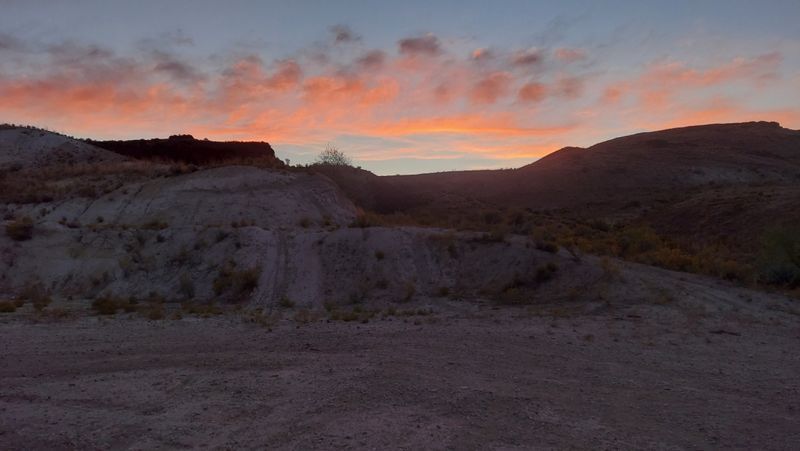
Southeast Oregon holds landscapes that rival any national park, yet this vast canyon country remained relatively unknown for decades. The Owyhee region stretches across remote high desert where sagebrush meets dramatic gorges carved by ancient rivers.
Ranchers and adventurers who knew these lands kept them as a cherished secret, understanding that isolation protected their wild character.
Towering rock walls drop hundreds of feet to winding waterways below, creating ecosystems that support diverse wildlife far from human interference. The geology tells stories spanning millions of years, with layers of volcanic rock and sediment forming otherworldly formations.
Accessing these canyons requires real commitment, with rough roads and minimal services testing visitors’ preparation and resolve.
As more famous Oregon destinations became overcrowded, outdoor enthusiasts began seeking alternatives, and the Owyhee Canyonlands appeared on travel blogs and adventure forums. What was once a place for solitary contemplation now sees increasing traffic from people hoping to escape crowds elsewhere.
The irony is not lost on locals who watch their escape becoming another crowded attraction.
The fragility of high desert ecosystems makes increased visitation particularly concerning. Cryptobiotic soil crusts that take decades to form can be destroyed by a single footstep off established paths.
Wildlife patterns shift when human presence becomes constant rather than occasional. Preserving this landscape requires visitors who understand and respect its vulnerability, not just those seeking dramatic Instagram backgrounds.
Address: Owyhee Canyonlands, Southeast Oregon (access via Jordan Valley, OR 97910)
4. Wolf Creek Inn: Southern Oregon’s Historic Retreat
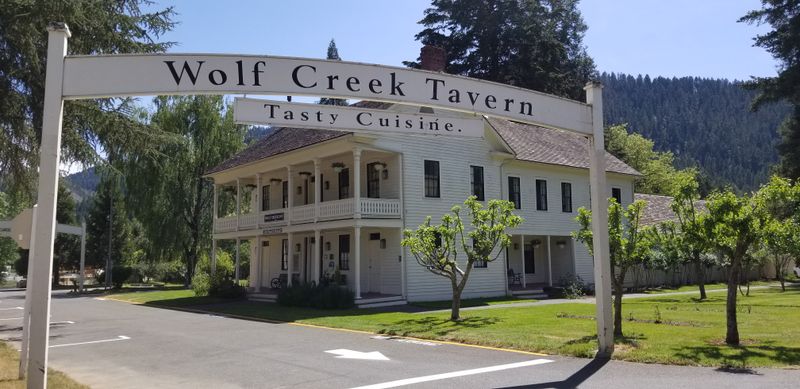
Along the old stagecoach route between Sacramento and Portland stands an inn that has welcomed travelers since the frontier days. This Southern Oregon landmark provided rest for weary journeyers long before highways and tourist traffic transformed the region.
The building’s thick walls and period furnishings create an atmosphere that transports guests to a simpler era when travel meant taking time to appreciate each stop.
For decades, the inn attracted visitors who valued history and tranquility over modern amenities and entertainment. Guests would sit on the wide porch, watching the creek flow past while conversation replaced electronic distractions.
The small number of rooms ensured an intimate experience where staff knew each visitor by name and the pace remained unhurried.
Increased attention has brought challenges to this delicate operation. The inn was never designed to handle high-volume tourism, and its historic nature means modernization comes with limitations.
Parking becomes problematic during busy periods, and the quiet atmosphere that defined the experience gets disrupted by crowds treating it as a quick photo opportunity rather than a destination for genuine rest.
Local residents appreciated having this landmark as a gathering place that honored the area’s heritage without becoming a theme park version of history. The balance between preservation and accessibility requires constant attention.
Those who understand what makes Wolf Creek Inn special visit with reverence, taking time to absorb the stories held within its walls rather than rushing through on their way to somewhere else.
Address: 100 Front Street, Wolf Creek, OR 97497
5. Hood River Valley Beyond the Main Strip: Farm Roads and Orchard Peace
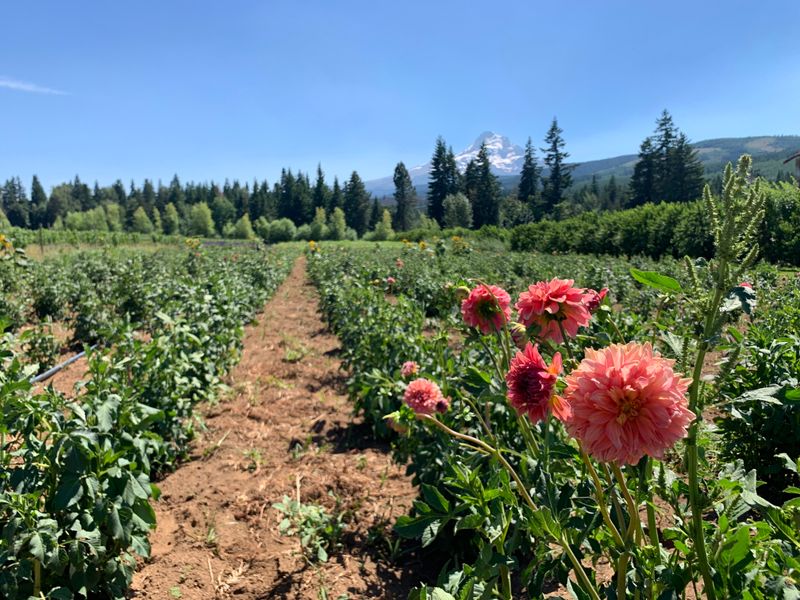
Everyone knows Hood River for windsurfing and craft breweries, but locals treasure the quiet agricultural roads that wind through orchards and farms away from the commercial center. These back routes offer views of Mount Hood framed by fruit trees, with farm stands selling produce directly from the fields.
The valley’s agricultural heritage remains visible here, where working landscapes take precedence over tourist attractions.
Spring brings blossoms that transform the valley into a fragrant wonderland of pink and white flowers against the backdrop of snow-capped peaks. Photographers and nature lovers once enjoyed these displays without competition for vantage points.
Now, blossom season brings traffic jams to narrow farm roads as visitors seek the perfect shot, often trespassing on private property without understanding the impact on working farms.
Small family operations that welcomed visitors with open arms now struggle with the volume of people who treat their land as public parks. Respect for private property and agricultural work seems to diminish as crowds grow.
Farmers who once happily chatted with curious visitors now spend time managing parking and dealing with litter left behind by those who see the valley as a backdrop rather than a living, working landscape.
The challenge lies in sharing the valley’s beauty while maintaining its agricultural character. Locals hope visitors will venture beyond the main attractions with mindfulness, supporting farm businesses through purchases rather than just taking photos.
Understanding that these orchards represent livelihoods, not just scenery, might help preserve what makes the Hood River Valley special beyond its tourist-focused downtown.
Address: Hood River Valley, OR 97031 (explore roads south of downtown Hood River)
6. Silver Falls State Park: Beyond the Trail of Ten Falls
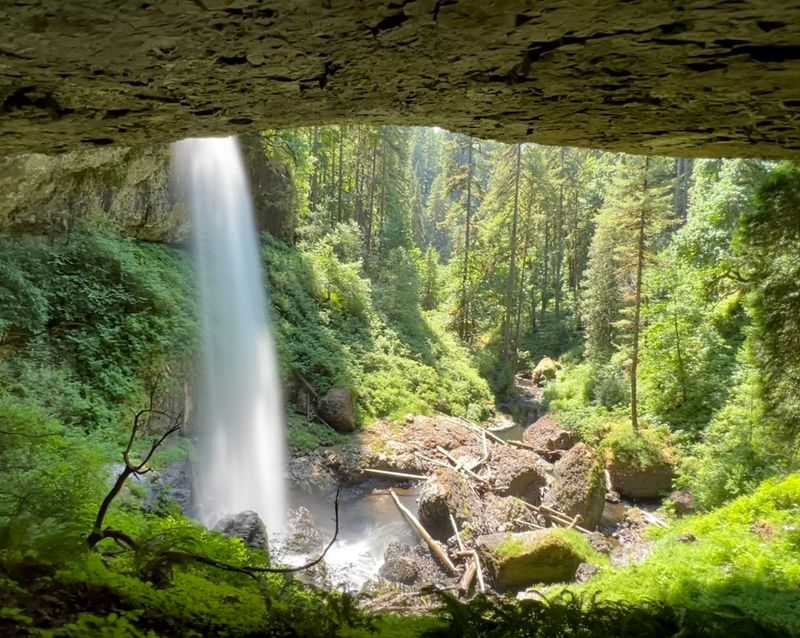
Oregon’s largest state park contains natural wonders that extend far beyond its famous waterfall loop. The Trail of Ten Falls rightfully draws admirers to its spectacular series of cascades, but the park encompasses thousands of acres with lesser-known paths through old-growth forest and quieter creek valleys.
Locals discovered these alternative routes long ago, seeking solitude while tourists concentrated on the main attraction.
The canyon walls drip with moisture year-round, supporting lush moss gardens and fern grottos that create a primeval atmosphere. Walking behind the waterfalls offers an experience found in few other places, where the power and beauty of falling water surrounds you completely.
However, the main trail now sees thousands of visitors on popular weekends, transforming what should be a contemplative nature experience into something resembling an amusement park queue.
Parking lots fill before mid-morning during peak seasons, and hikers must navigate crowded paths where maintaining social distance becomes impossible. The impact on vegetation from people stepping off trail to take photos or pass slower groups is visible in eroded banks and damaged plant communities.
What was designed as a wilderness experience now requires crowd management strategies more appropriate for urban attractions.
Exploring the park’s backcountry trails reveals the experience Silver Falls once offered throughout its boundaries. These paths require more effort and navigation skills, naturally limiting traffic to those genuinely interested in wilderness rather than casual sightseers.
Locals encourage visitors willing to venture beyond the famous loop to discover waterfalls and forest groves where silence still dominates and nature remains the focus.
Address: 20024 Silver Falls Highway SE, Sublimity, OR 97385
7. Mount Hood National Forest: Backcountry Beyond the Busy Trails
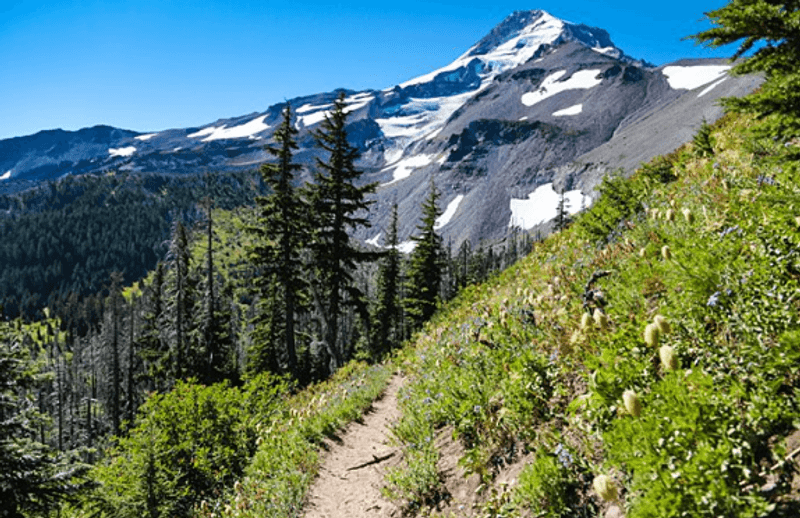
Oregon’s iconic peak dominates the landscape and draws countless visitors to its most accessible trails and viewpoints. But the national forest surrounding Mount Hood contains vast wilderness where solitude still exists for those willing to hike beyond the parking lot crowds.
Locals know that timing and destination choice make the difference between a frustrating experience and a genuine wilderness connection.
Popular trails like Timberline and Mirror Lake see heavy traffic that has necessitated permit systems and trail quotas, fundamentally changing the spontaneous nature of mountain recreation. The backcountry, however, offers hundreds of miles of paths through old-growth forest, alpine meadows filled with wildflowers, and pristine lakes reflecting the mountain’s glaciated flanks.
These areas require more preparation and navigation skills, naturally filtering out casual visitors.
Shoulder seasons transform the forest into a different world, where autumn colors or spring snowmelt create spectacular displays without the summer crowds. Locals have learned that timing visits outside peak periods restores much of what made Mount Hood special before it became one of the most-visited forests in America.
The mountain’s beauty remains constant, but the experience varies dramatically depending on when and where you go.
Respecting wilderness principles becomes even more critical as overall visitation increases. Even remote areas show signs of impact when visitors fail to follow Leave No Trace ethics.
The forest’s health depends on people understanding that their individual actions accumulate into significant effects. Those who venture into the backcountry carry responsibility for preserving what makes these wild places worth protecting for future generations.
Address: Mount Hood National Forest (access via Government Camp, OR 97028, and surrounding areas)
8. Southern Oregon Coast: Bandon and Gold Beach’s Natural Majesty
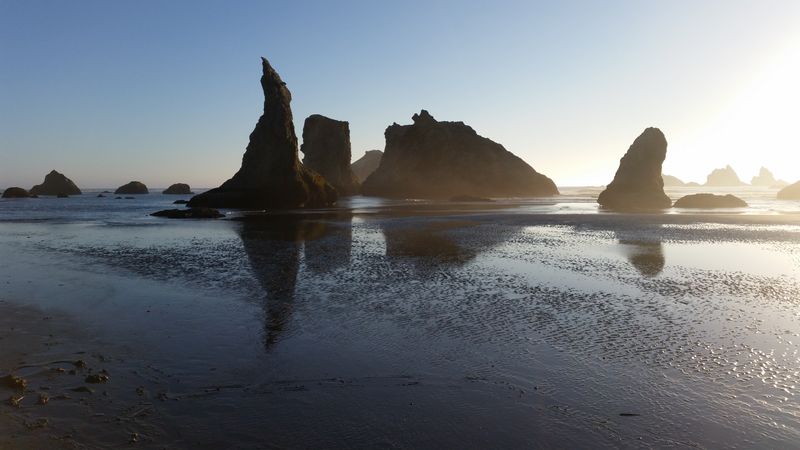
While northern coastal towns absorb the majority of visitor traffic, the southern coast maintains a wilder character where dramatic rock formations rise from the surf and beaches stretch for miles with minimal development. Bandon’s sea stacks create one of the coast’s most photographed landscapes, yet the town itself retains a working-harbor atmosphere that feels authentic rather than manufactured for tourism.
Gold Beach marks the gateway to remote coastline where the Rogue River meets the Pacific in a spectacular confluence of ecosystems.
Locals treasure these communities for their connection to fishing heritage and natural beauty that has not been sanitized for mass consumption. The beaches allow exploring tide pools, watching storms roll in across the ocean, and walking without constantly encountering other people.
The scale of the landscape dwarfs human presence, providing perspective that is increasingly rare in our crowded world.
Growing attention threatens this balance as more people discover what the southern coast offers. Bandon’s famous Face Rock and the sea stacks at sunset now attract crowds that challenge the town’s small infrastructure.
Gold Beach sees increasing traffic heading to the Rogue River for jet boat tours and fishing expeditions. The communities welcome visitors but worry about losing the qualities that distinguish them from overdeveloped resort towns.
Respecting local rhythms and supporting businesses that serve residents year-round rather than just catering to tourists helps maintain community character. The southern coast’s appeal lies in its authenticity and wildness.
Visitors who approach these places with humility and appreciation rather than entitlement help preserve what makes them worth the journey beyond the more famous northern attractions.
Address: Bandon, OR 97411 and Gold Beach, OR 97444
9. Central Oregon High Desert: Solitude Beyond Bend’s Boundaries
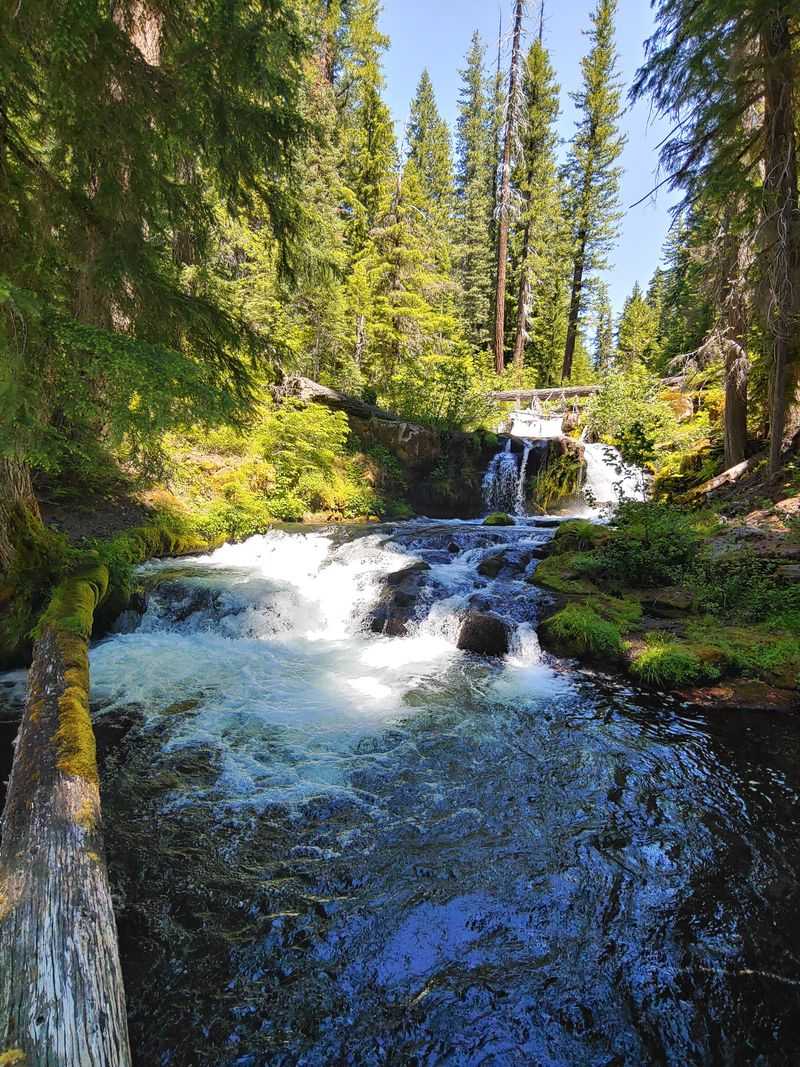
Bend has transformed from a sleepy mill town into a recreation mecca, drawing outdoor enthusiasts from across the country. But the high desert surrounding the city still holds vast open spaces where solitude reigns for those willing to venture beyond the popular trails and brewpubs.
The Maury Mountains rise to the east, offering exploration opportunities that see a fraction of the traffic concentrated around Bend’s immediate vicinity. The Alvord Desert stretches across remote southeastern reaches where playa and mountain ranges create landscapes of stark, austere beauty.
This is the Oregon that requires self-sufficiency and respect for the environment’s harshness. Water is scarce, temperatures swing dramatically between day and night, and services are separated by long distances.
These factors historically protected the high desert from overcrowding, ensuring that visitors who ventured into these lands did so with preparation and genuine interest rather than casual curiosity. The emptiness itself becomes the attraction for those seeking true solitude.
As Bend’s popularity has grown, pressure has increased on surrounding public lands, with some once-remote areas now seeing regular traffic. Locals who moved to Central Oregon specifically for access to uncrowded wilderness find themselves driving farther to find the solitude they seek.
The tension between growth and preservation defines much of the current conversation in these communities.
The high desert’s fragility makes thoughtful visitation essential. Ecosystems adapted to harsh conditions recover slowly from damage, and wildlife depends on areas remaining undisturbed.
Appreciating these landscapes means understanding that their value lies partly in their emptiness, and that some places are worth protecting by visiting rarely and lightly, if at all.
Address: Central Oregon High Desert (explore beyond Bend, OR 97701, toward Alvord Desert and remote eastern regions)
Dear Reader: This page may contain affiliate links which may earn a commission if you click through and make a purchase. Our independent journalism is not influenced by any advertiser or commercial initiative unless it is clearly marked as sponsored content. As travel products change, please be sure to reconfirm all details and stay up to date with current events to ensure a safe and successful trip.
