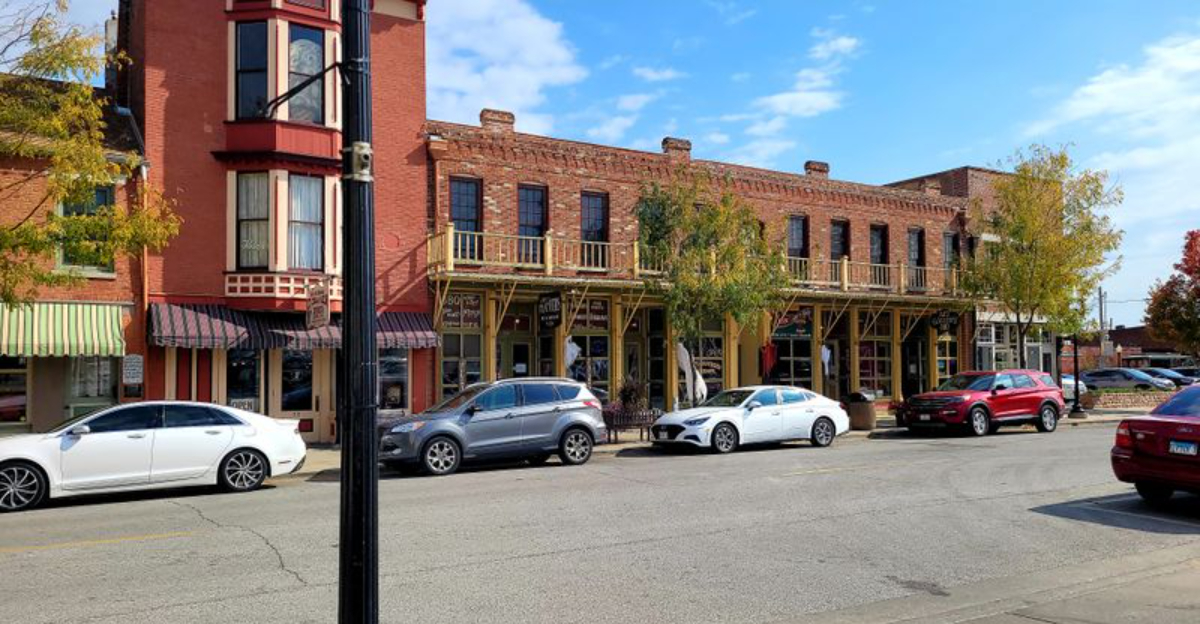
Missouri holds countless treasures for families seeking meaningful adventures beyond the big cities.
Small towns across the state combine natural beauty with cultural richness, making them ideal destinations for parents and children alike.
These communities preserve fascinating history while offering modern amenities that keep everyone entertained and engaged.
From interactive museums that bring the past to life to sprawling parks perfect for afternoon picnics, these towns deliver experiences that create lasting memories.
Children can run freely in safe environments while adults appreciate the slower pace and genuine hospitality that defines Missouri’s heartland.
The following seven towns stand out for their exceptional combination of educational attractions, outdoor recreation, and historical significance.
Each destination offers something unique, whether it’s exploring pioneer heritage, discovering natural wonders, or simply enjoying quality time together.
Pack your bags and prepare to explore these hidden gems where family fun meets authentic Missouri charm.
1. Hermann
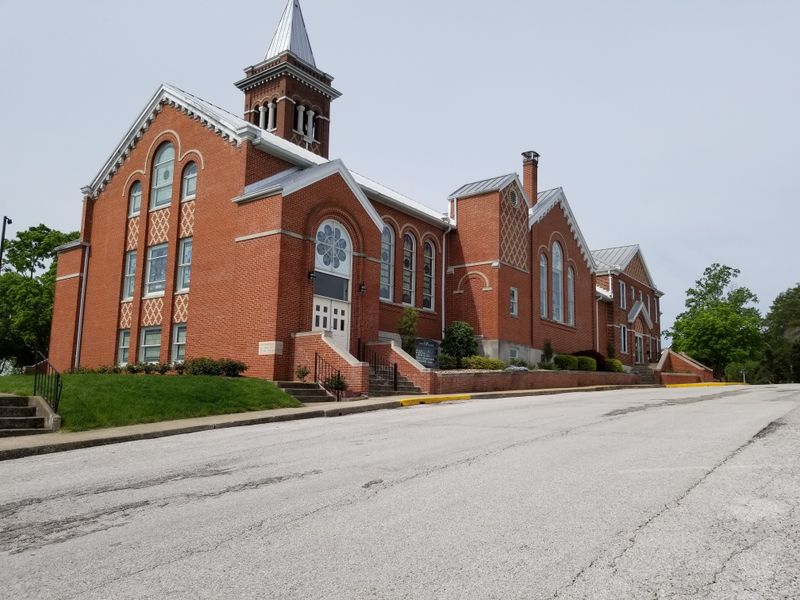
Nestled along the Missouri River, Hermann transports visitors back to the 1800s with its German heritage and beautifully preserved architecture.
Founded by German immigrants in 1837, this town of about 2,400 residents celebrates its roots through festivals, museums, and authentic cultural experiences that fascinate both children and adults.
Families discover that history comes alive here in ways that textbooks simply cannot match.
The Deutschheim State Historic Site at 109 West Second Street offers an immersive journey into 19th-century German-American life.
Children can explore authentic furnished homes, see how families lived without modern conveniences, and participate in hands-on activities during special events.
The knowledgeable staff shares stories that make history feel personal and relatable, sparking curiosity in young minds.
German School Museum at 312 Schiller Street showcases the original 1871 schoolhouse where German was the primary language of instruction.
Kids can sit at old-fashioned desks, see vintage school supplies, and imagine what education was like for children their age over a century ago.
This small but powerful museum creates wonderful teaching moments about immigration, education, and cultural preservation.
Riverfront Park provides the perfect spot for families to relax after museum visits, with playground equipment, picnic areas, and beautiful river views.
The park hosts community events throughout the year, creating opportunities to mingle with friendly locals who genuinely love sharing their town with visitors.
Children can burn off energy while parents appreciate the scenic surroundings and peaceful atmosphere.
Downtown Hermann features locally-owned shops selling handmade goods, candy stores that delight young sweet-tooths, and family-friendly restaurants serving both German specialties and American favorites.
The walkable streets make exploring easy even with strollers or tired little legs.
This town proves that small communities can offer big experiences when history, culture, and natural beauty come together in one welcoming place.
2. Arrow Rock
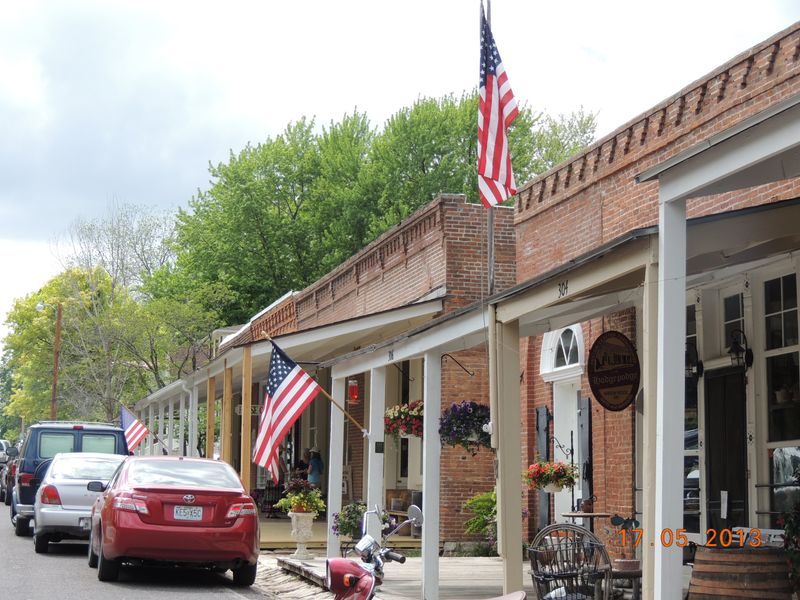
Arrow Rock feels like stepping into a living history book where every building tells a story from Missouri’s frontier past.
With fewer than 60 residents, this tiny village along the Missouri River packs an enormous historical punch that captivates families seeking authentic educational experiences.
The entire town operates as a National Historic Landmark, making every street corner a potential discovery.
Arrow Rock State Historic Site encompasses much of the village and offers guided tours through restored 19th-century buildings.
The 1834 tavern, once a stopping point for travelers heading west, now serves as a museum where children can imagine weary pioneers resting before continuing their journeys.
Costume interpreters bring the past to life during summer months, demonstrating crafts and answering questions in character, which absolutely mesmerizes young visitors.
The Friends of Arrow Rock operates several museums including the 1872 Huston Tavern at 305 Main Street, which still functions as a restaurant serving traditional Missouri fare.
Families can actually dine in a building that has welcomed guests for over 150 years, creating a tangible connection to history that restaurants in modern buildings simply cannot provide.
Children often remember meals here for years because eating becomes part of the historical experience.
Arrow Rock Lyceum Theatre presents professional productions in an intimate setting, offering quality entertainment suitable for families.
The theater season runs from late spring through early fall, providing cultural enrichment that complements the historical attractions.
Even children who think they dislike theater often find themselves engaged by the talented performers and accessible productions.
The surrounding Arrow Rock State Park features hiking trails, picnic areas, and a campground for families wanting to extend their visit.
Trails wind through forests and prairies, offering opportunities to spot wildlife and enjoy Missouri’s natural beauty.
The park’s interpretive programs teach children about local ecology and Native American history, rounding out the educational experience beyond just pioneer heritage.
3. Ste. Genevieve
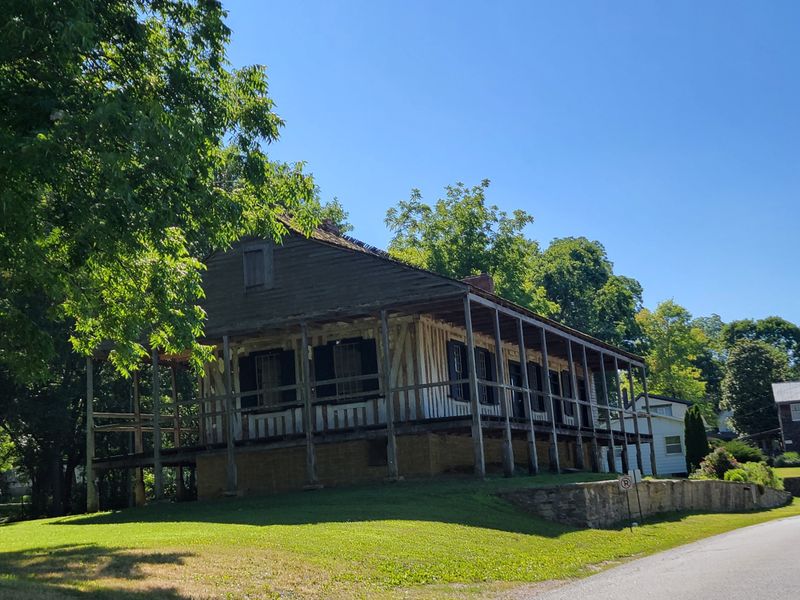
Established around 1735, Ste. Genevieve claims the title of Missouri’s oldest permanent European settlement, and its French colonial heritage remains remarkably intact.
Walking these streets feels different from visiting other historic towns because the architecture predates American independence, offering a rare glimpse into colonial life.
Families with curious children find endless opportunities to explore genuine historical structures that have weathered centuries.
The Ste. Genevieve Museum Learning Center at 1 Merchant Street serves as an excellent starting point for families.
Exhibits explain the town’s founding, French colonial life, and the transition to American rule, all presented in ways that engage children without overwhelming them.
Interactive displays allow kids to touch replica artifacts and imagine daily life in a frontier settlement where French was the primary language.
Bolduc House Museum at 125 South Main Street stands as one of the finest examples of French vertical log construction in North America.
Built around 1770, this authentically restored home features period furnishings and a heritage garden growing vegetables and herbs colonists would have cultivated.
Children can see how families cooked, slept, and worked without electricity or running water, making them appreciate modern conveniences while understanding historical lifestyles.
Felix Valle House State Historic Site at 198 Merchant Street showcases Federal-style architecture from the 1820s and illustrates how the town evolved after American acquisition.
The contrast between this more refined home and earlier French colonial structures teaches children how communities change over time.
Guided tours adapt to audience ages, ensuring even younger children remain engaged throughout the visit.
Hawn State Park, located about 15 miles from town, provides exceptional outdoor recreation with clear streams, hiking trails, and picnic facilities.
Families can balance historical exploration with nature activities, creating a well-rounded vacation experience.
The park’s Pickle Creek Trail is particularly popular with families because it features scenic waterfalls and interesting rock formations that fascinate children.
4. Hannibal
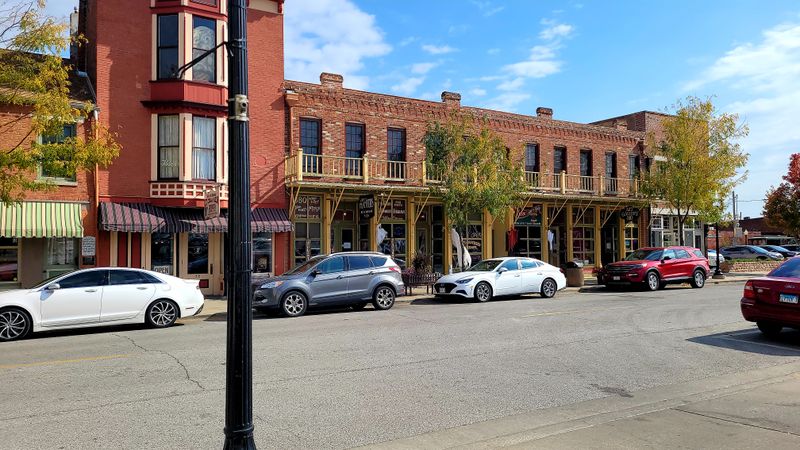
Mark Twain’s childhood home has become America’s most famous literary town, where Tom Sawyer and Huckleberry Finn still capture imaginations today.
Hannibal brilliantly balances honoring its literary heritage with providing diverse attractions that appeal to all family members, not just book lovers.
The Mississippi River setting adds natural beauty and recreational opportunities to the historical and cultural offerings.
Mark Twain Boyhood Home and Museum at 120 North Main Street forms the centerpiece of Hannibal’s attractions.
Children can stand in the actual rooms where young Sam Clemens lived, see the famous white picket fence Tom Sawyer convinced his friends to paint, and explore multiple buildings connected to Twain’s life.
Even kids unfamiliar with the books find themselves drawn into the stories through engaging exhibits and enthusiastic tour guides who bring the mischievous characters to life.
Mark Twain Cave at 300 Cave Hollow Road offers adventure that appeals to every child’s sense of exploration.
This limestone cave system inspired scenes in Tom Sawyer, and guided tours lead families through passages where temperatures remain cool even on hot summer days.
The tour guides share both geological information and connections to Twain’s stories, creating an experience that educates while entertaining.
Riverview Park stretches along the Mississippi River, providing playgrounds, picnic areas, walking paths, and a swimming pool.
Families can watch barges and boats navigate the mighty river while children play, creating peaceful moments that balance busier museum visits.
The park hosts community events throughout summer, offering chances to experience small-town hospitality and local culture.
Downtown Hannibal features numerous family-owned shops, ice cream parlors, and restaurants within easy walking distance of major attractions.
The Mark Twain Riverboat offers sightseeing cruises that let families experience the Mississippi from the water, just as Twain did as a young riverboat pilot.
Hannibal proves that literary tourism can engage entire families when presented with creativity, enthusiasm, and genuine respect for both history and modern visitors’ needs.
5. Weston

Perched on bluffs overlooking the Missouri River, Weston combines antebellum architecture with a thriving arts community and fascinating industrial history.
This town of approximately 1,600 residents maintains an authentic small-town atmosphere while offering sophisticated attractions that surprise first-time visitors.
Families appreciate how Weston balances preservation with accessibility, making history feel relevant rather than dusty.
Weston Historical Museum at 601 Main Street occupies an 1859 church building and showcases the town’s remarkable past as a major tobacco and hemp port.
Exhibits explain how Weston once rivaled Kansas City in importance before the Civil War and a devastating flood changed its trajectory.
Children particularly enjoy displays about the Pony Express, steamboats, and daily life in a bustling river town, with artifacts they can examine up close.
Snow Creek Ski Area, just minutes from downtown, provides year-round outdoor recreation unusual for Missouri small towns.
Winter brings skiing and snowboarding opportunities that introduce children to winter sports without traveling to distant mountain resorts.
Summer activities include scenic chairlift rides, mountain biking, and special events that take advantage of the beautiful terrain.
Weston Bend State Park offers hiking trails with stunning river views, picnic facilities, and educational programs about local ecology and history.
The park’s tobacco heritage trail teaches families about the crop that once dominated the local economy, connecting natural spaces to human history.
Fall foliage makes this park especially spectacular, creating perfect conditions for family photos and nature walks.
Main Street Weston features over a dozen antique shops housed in beautifully restored 1800s buildings.
While serious collectors browse for treasures, children often enjoy discovering vintage toys, old-fashioned candy, and curious objects from the past.
The O’Malley’s Pub at 501 Main Street, located in an 1842 building, serves family-friendly meals in an atmosphere steeped in history.
Weston demonstrates how small towns can honor their heritage while remaining vibrant, welcoming communities where families create new memories while learning about the past.
6. Rocheport
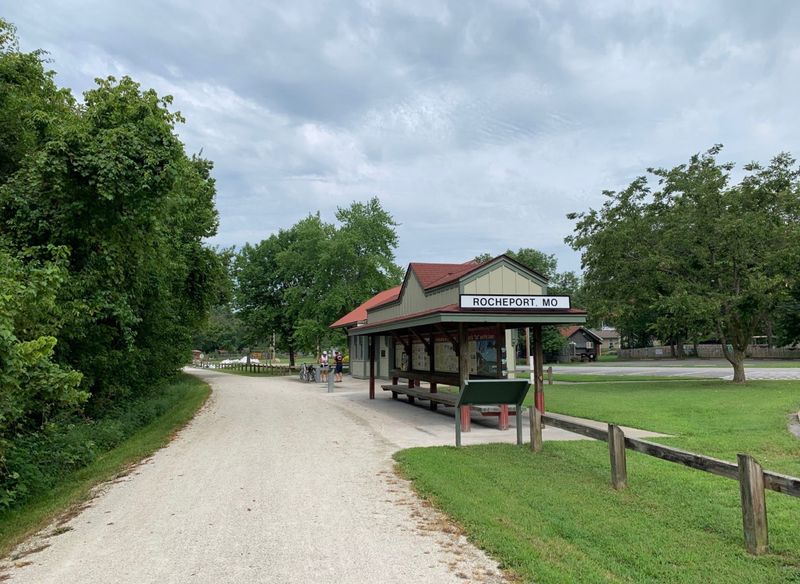
Tucked between towering river bluffs and the Missouri River, Rocheport offers outdoor adventure combined with small-town charm and interesting history.
With only about 240 residents, this tiny community punches above its weight in terms of attractions and natural beauty.
The Katy Trail, America’s longest rails-to-trails project, runs directly through town, making Rocheport a favorite destination for active families.
Katy Trail State Park provides 240 miles of converted railroad bed perfect for biking, hiking, and exploring Missouri’s scenic river valley.
The Rocheport trailhead offers easy access, and families can choose distances appropriate for children’s abilities, from short strolls to longer adventures.
Bike rentals are available in town, and the flat, well-maintained trail surface makes cycling accessible even for younger riders still building confidence.
Lewis and Clark Cave, located in Rocheport Bluff, can be reached via a short trail from the Katy Trail.
While not as extensive as commercial caves, this natural shelter where Lewis and Clark reportedly camped offers a perfect adventure for families with children.
Exploring the cave and imagining the famous expedition stopping at this exact spot creates powerful connections to American history.
The Friends of Rocheport Museum at 100 Central Street occupies an 1914 school building and preserves local history through photographs, artifacts, and exhibits.
Children can learn about the town’s founding, its role as a Missouri River port, and how the railroad transformed the community.
The museum’s manageable size prevents younger visitors from experiencing the fatigue that larger institutions sometimes cause.
Downtown Rocheport features art galleries, antique shops, and restaurants housed in historic buildings that maintain their 19th-century character.
The pedestrian-friendly streets make window shopping pleasant even with strollers or tired children.
Meriwether’s Restaurant at 100 North Clark Street offers upscale dining in a casual atmosphere, with menu options that satisfy both adventurous and picky eaters.
Rocheport proves that outdoor recreation and cultural attractions can coexist beautifully, creating destinations where active families find both adventure and enrichment.
7. Lexington
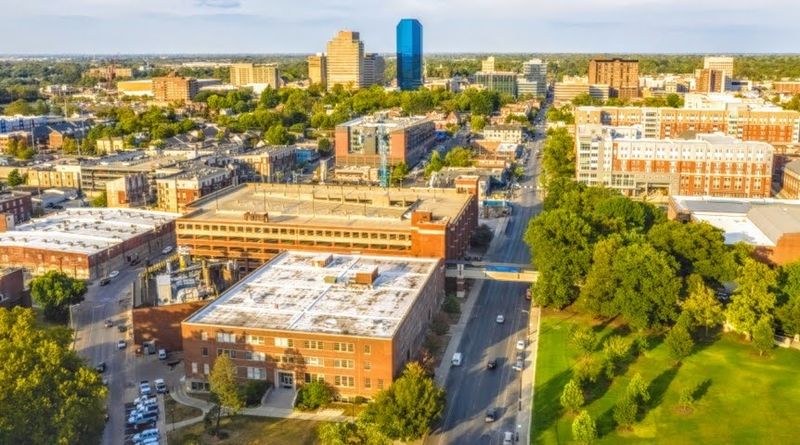
Known as the Antebellum Capital of Missouri, Lexington preserves over 140 pre-Civil War buildings that transport visitors to a pivotal era in American history.
This town of about 4,700 residents takes its historical preservation seriously while maintaining a welcoming atmosphere for modern families.
The combination of architectural beauty, Civil War significance, and riverside location creates a destination rich with educational opportunities.
Battle of Lexington State Historic Site at 1101 Delaware Street commemorates the 1861 clash between Union and Confederate forces.
Families can explore the Anderson House, which served as a field hospital and still bears battle damage, making the conflict feel immediate and real.
The visitor center presents the battle’s context through exhibits and a film that helps children understand this complex period without glorifying violence.
Lafayette County Courthouse, dominating the town square, dates to 1847 and represents Greek Revival architecture at its finest.
The surrounding historic district features antique shops, locally-owned restaurants, and specialty stores perfect for leisurely exploration.
Children enjoy hunting for historical markers throughout downtown, turning a simple walk into an educational scavenger hunt.
Lexington Historical Museum at 112 South 13th Street occupies an 1846 church and showcases local history from Native American inhabitants through modern times.
Exhibits include pioneer artifacts, Civil War memorabilia, and displays about the Missouri River’s role in the town’s development.
The museum’s volunteer docents often share family stories passed down through generations, adding personal dimensions to historical facts.
Riverview Park along the Missouri River provides recreational space with playgrounds, walking trails, and picnic areas.
Families can watch river traffic while children play, creating relaxing interludes between historical attractions.
The park hosts community events that welcome visitors, offering authentic experiences of small-town Missouri life.
Lexington demonstrates how communities can honor difficult historical periods while creating welcoming environments where families learn together about our nation’s complex past and the people who shaped it.
Dear Reader: This page may contain affiliate links which may earn a commission if you click through and make a purchase. Our independent journalism is not influenced by any advertiser or commercial initiative unless it is clearly marked as sponsored content. As travel products change, please be sure to reconfirm all details and stay up to date with current events to ensure a safe and successful trip.
