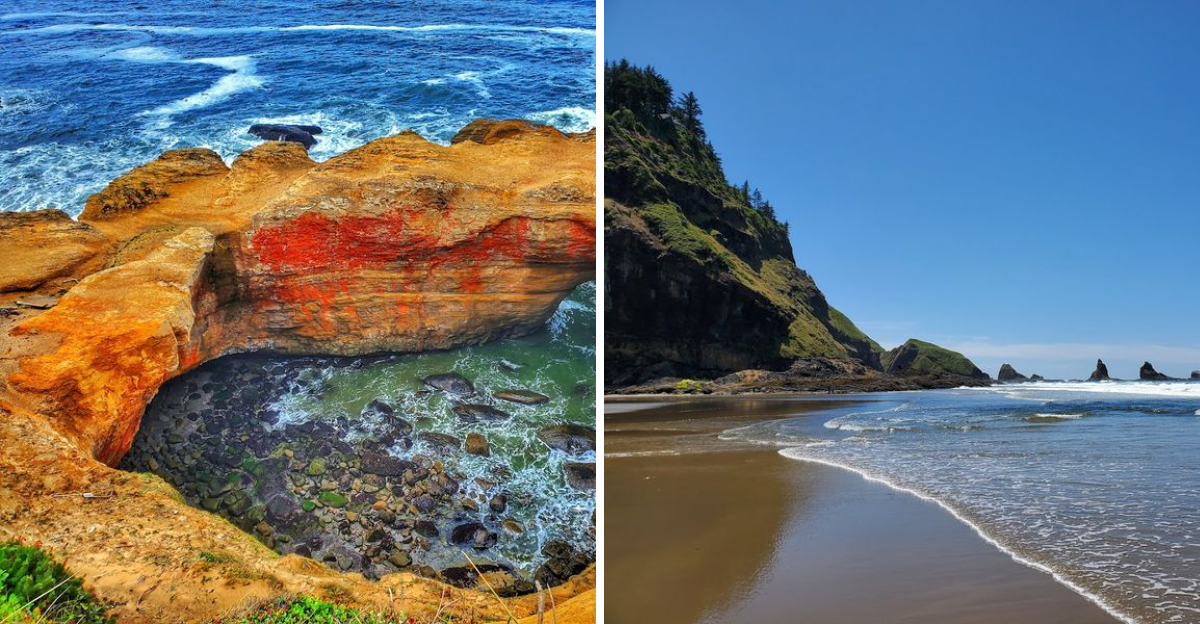
The entire coastline transforms twice a day, revealing a secret world most visitors never see. Oregon’s rocky shores hold some of the most biodiverse tide pools you can find anywhere.
The lowest tides this year are lining up during daylight hours, making exploration safer and more rewarding than ever. You can walk right up to vibrant sea stars clinging to ancient rock and watch green anemones sway in crystal clear water.
Some areas offer easy access with interpretive signs that help you understand what you are seeing. Others require a bit more scrambling, but reward you with deeper, more protected pools and abundant marine life.
Timing is everything, so check tide charts and arrive about an hour before low tide to watch the water retreat. You will see crabs darting between crevices and tiny fish darting through the shallows.
Barnacles and mussels cling to the rocks, filtering the constant flow of ocean water. The colors are stunning, with bright orange, purple, and red dotting the dark stone.
Oregon protects these fragile ecosystems, so look gently and leave everything exactly as you found it.
1. Haystack Rock, Cannon Beach, Oregon
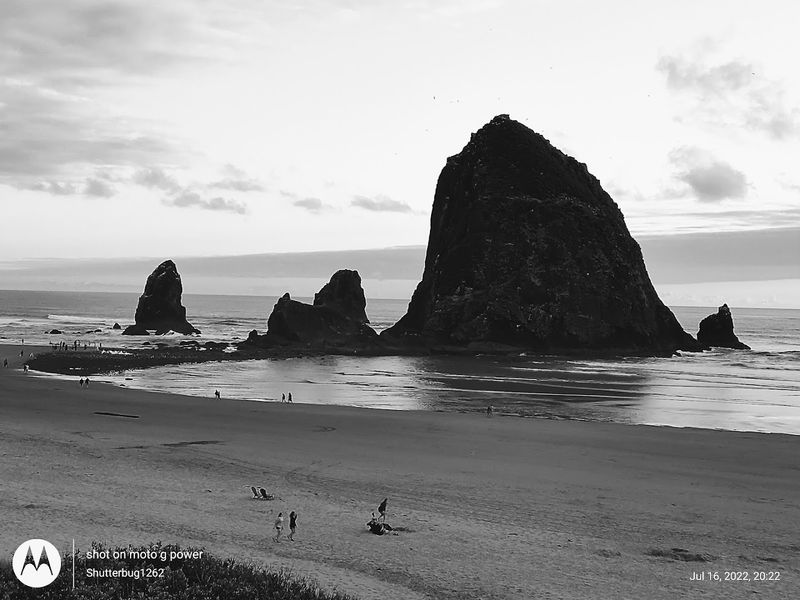
Standing 235 feet tall, Haystack Rock is one of the most recognized landmarks on the entire Pacific Coast.
This enormous basalt sea stack sits right on the beach at Cannon Beach, Oregon, making it remarkably easy to reach. No long hikes or tricky trails are required here.
At low tide, the rocks surrounding the base reveal a thriving intertidal zone packed with life. You can spot purple sea urchins, ochre sea stars, hermit crabs, and bright green anemones clustered in the pools.
During summer months, look up and you might spot tufted puffins nesting in the crevices high on the rock. That combination of sea-level tide pools and nesting seabirds above makes this spot truly one of a kind.
Haystack Rock is a Marine Garden, so do not collect any organisms or rocks. Volunteer naturalists from the Haystack Rock Awareness Program often stand on the beach to answer questions and help you identify what you are seeing.
Parking in Cannon Beach fills up fast on summer weekends. Arriving early in the morning gives you the best tides and the smallest crowds. The beach itself is wide and flat, so visitors of all ages and mobility levels can access it easily.
2. Yaquina Head Outstanding Natural Area, Newport, Oregon
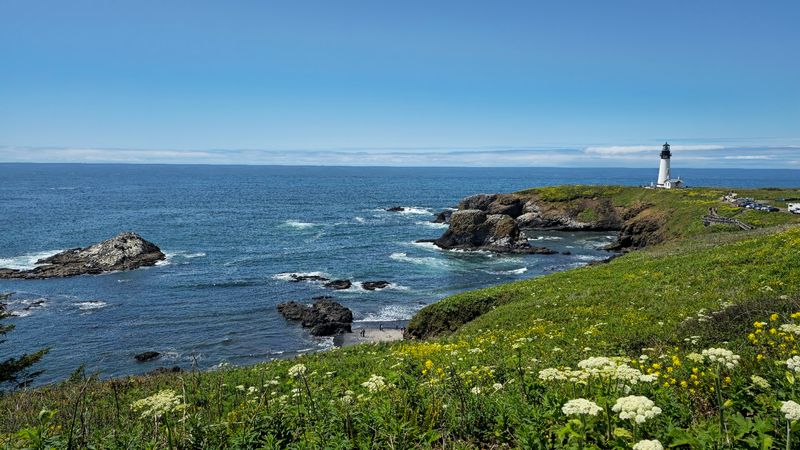
Right below Oregon’s tallest lighthouse, one of the most educational tidepooling experiences on the coast quietly waits for curious visitors.
Yaquina Head Outstanding Natural Area sits just north of Newport, Oregon, and it is managed by the Bureau of Land Management. The site is dedicated to protecting its remarkable marine habitat.
Two main areas offer excellent tidepooling here. Cobble Beach is a shoreline made up of smooth, rounded basalt rocks that can be tricky to walk on, so sturdy shoes with good grip are a must.
Quarry Cove is the other highlight, a former rock quarry that was intentionally flooded and transformed into a series of man-made tide pools. The result is a surprisingly rich habitat that teems with sea life.
Interpretive signs throughout the area help visitors understand what they are seeing, making this spot especially valuable for school-age children and first-time tidepool explorers. Rangers are often present to answer questions and share insights about the ecosystem.
An entrance fee is required to access the natural area, but it is well worth it. Arrive during a minus tide for the best views of the pools and the most abundant marine life.
The lighthouse itself is also open for tours on select days, adding another reason to spend a full morning here.
3. Cape Kiwanda State Natural Area, Pacific City, Oregon
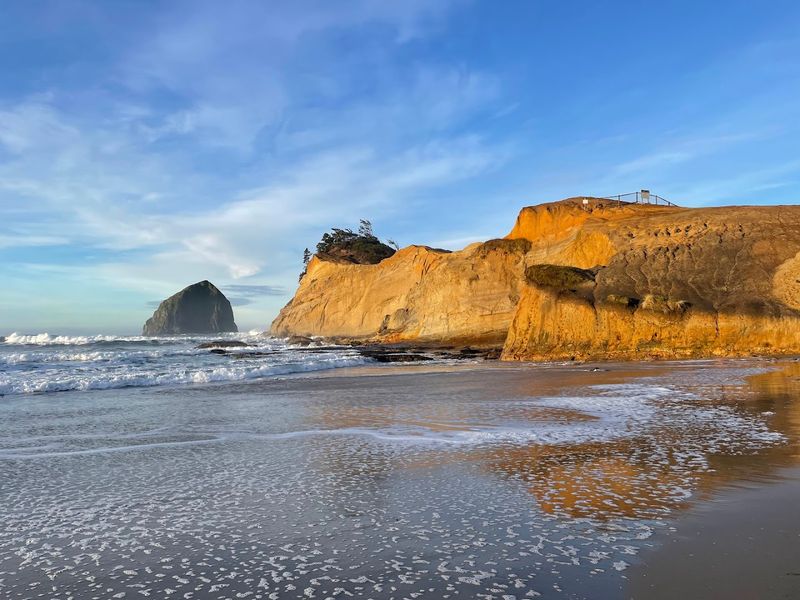
Massive golden sandstone cliffs and some of the most colorful marine gardens on the Oregon Coast make Cape Kiwanda a genuinely unforgettable stop.
Located just north of Pacific City, Oregon, this state natural area draws visitors for its dramatic scenery as much as its remarkable intertidal life. The sandstone headland towers above the shoreline in warm amber tones.
At the base of those cliffs, tide pools are tucked into rocky crevices and open basins. The site has earned a reputation as a marine garden because of the sheer number and variety of creatures living there.
You can find sea stars, chitons, nudibranchs, and aggregating anemones all within a relatively small area. The protected position of the pools against the cliffs means calmer water, which makes viewing easier and more rewarding.
After exploring the tide pools, many visitors climb the large sand dune that rises behind the headland for a sweeping panoramic view of the coast. That short climb is well worth the effort on a clear day.
One important safety note: the sandstone cliffs are actively eroding and can be unstable. Stay well back from the cliff edges at all times and supervise children closely near the rocks.
Sneaker waves are also a real hazard on this stretch of coast, so always keep an eye on the ocean.
4. Otter Rock and Devil’s Punchbowl, Otter Rock, Oregon
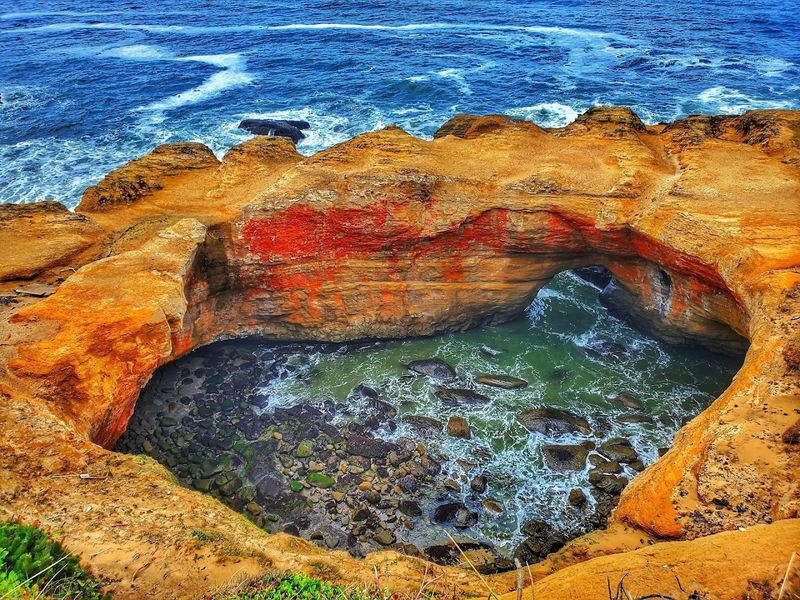
Few tidepooling spots on the Oregon Coast come with their own geological showstopper quite like this one.
The Devil’s Punchbowl is a massive hollowed-out sandstone formation located at Otter Rock, Oregon, just north of Newport. At high tide, ocean waves crash through two openings in the bowl, creating a churning, foamy spectacle.
During extreme low tides, something remarkable happens. The water drains from the bowl and leaves behind a series of tide pools inside the formation itself, and visitors can safely walk down into it and explore up close.
The northern side of Otter Rock, leading toward the Punchbowl, also offers excellent tidepooling in more traditional rocky shoreline pools. Sea stars, anemones, turban snails, and small crabs are common sightings throughout the area.
This location is also one of the better spots on the central Oregon Coast for whale watching, particularly during gray whale migration seasons in spring and fall. Bring binoculars and you might catch a spout offshore.
A small state recreation site sits at the top of the bluff with restrooms and parking, making logistics easy for families. Check tide charts carefully before visiting, since the interior of the Punchbowl is only safely accessible during very low tides.
Timing your visit right makes all the difference here.
5. Cape Perpetua Scenic Area, Yachats, Oregon
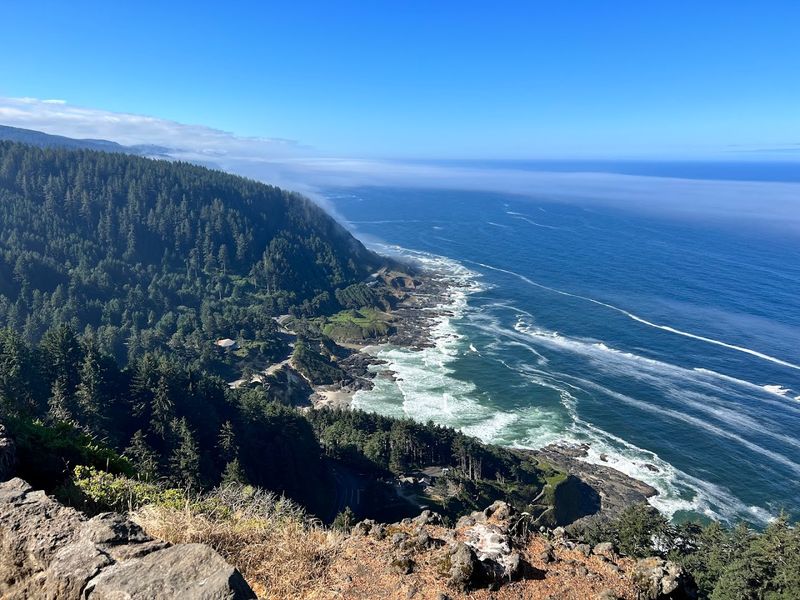
Bold basalt shorelines, crashing waves, and some of the richest intertidal ecosystems on the entire Pacific Coast come together at Cape Perpetua.
Managed by the Siuslaw National Forest, Cape Perpetua Scenic Area sits just south of Yachats, Oregon, and covers a stretch of coastline that is genuinely hard to match for raw natural drama. The landscape here feels ancient and powerful.
Several specific spots within the area are excellent for tidepooling. Devil’s Churn is a narrow basalt channel where waves surge in with impressive force, and the surrounding rocks hold abundant marine life at low tide.
Cook’s Chasm and the area around Thor’s Well offer similarly dramatic scenery with equally productive pools. Thor’s Well is a famous sea-fed sinkhole that draws photographers from across the country, but the surrounding tide pools deserve just as much attention.
Purple sea urchins, giant green anemones, sea lettuce, and ochre sea stars are all common finds here. The sheer density of life in these pools consistently impresses even experienced naturalists and marine biologists.
A visitor center on site provides interpretive exhibits about the coastal ecosystem and the broader Cape Perpetua area. Trails connect the various shoreline features, making it easy to spend several hours exploring.
Always check tide tables and stay aware of wave action, as conditions here can change quickly and without much warning.
6. Seal Rock State Recreation Site, Waldport, Oregon
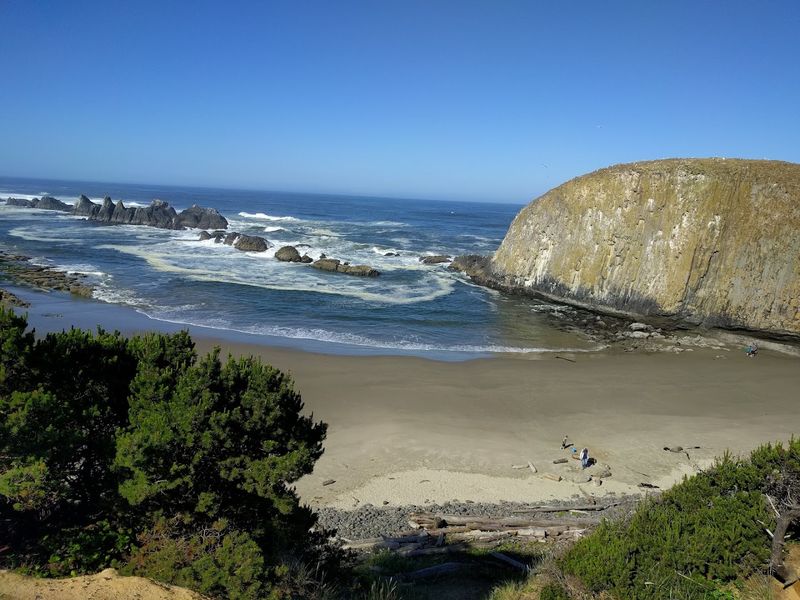
Sometimes the best tidepooling experience is the one where you feel like you practically have the whole beach to yourself.
Seal Rock State Recreation Site sits between Newport and Waldport on the central Oregon Coast, and it tends to fly under the radar compared to more famous spots. That relative obscurity is honestly part of its appeal.
The site takes its name from the large rock formations that rise dramatically from the beach. Those rocks act as natural barriers that calm the water nearby, creating safer and more sheltered conditions for exploring tide pools.
Families with younger children tend to find this spot especially welcoming because the pools are generally calmer and more accessible than at more exposed headlands. Hermit crabs, small fish, limpets, and colorful anemones are reliable finds throughout the area.
The beach itself is wide and sandy, giving kids plenty of room to roam between pool explorations. Restrooms and a small parking area are available on site, which makes the logistics of a family outing much more manageable.
Sunset views from this stretch of coast are consistently stunning, so consider timing a late afternoon visit to combine tidepooling with a beautiful end to the day. The rocks glow in warm light as the sun drops toward the horizon, and the whole scene feels genuinely peaceful and restorative.
7. Hug Point State Recreation Site, Arch Cape, Oregon
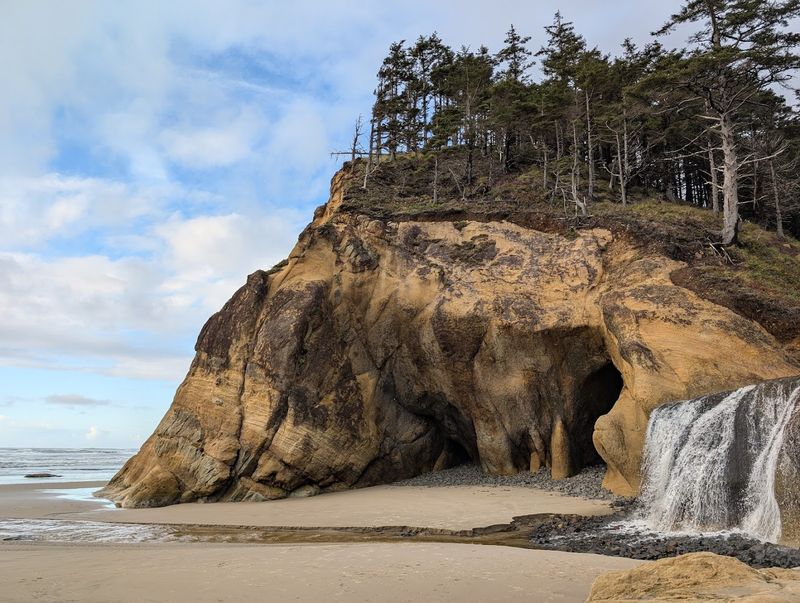
History and marine life share the same stretch of sandstone at this scenic and somewhat underappreciated spot south of Cannon Beach.
Hug Point State Recreation Site is located near Arch Cape, Oregon, and it carries a fascinating backstory. The rocky headland was once used as a road by horse-drawn wagons traveling the coast before Highway 101 existed.
You can still see the old wagon road carved into the rock face at low tide, which adds a genuinely unique historical layer to the tidepooling experience. Not many places let you stand where covered wagons once rolled through.
The tide pools here are tucked around sandstone cliffs and near small sea caves, offering a sheltered and visually striking environment for exploration. A variety of anemones, crabs, snails, and small fish inhabit the pools in and around the cliff bases.
One critical note for 2026 visitors: reports from March indicate that Hug Point was closed due to severe coastal erosion. Before making the trip, check the current status directly with Oregon State Parks to confirm the site is open and accessible.
8. Cape Arago State Park Loop, Charleston, Oregon
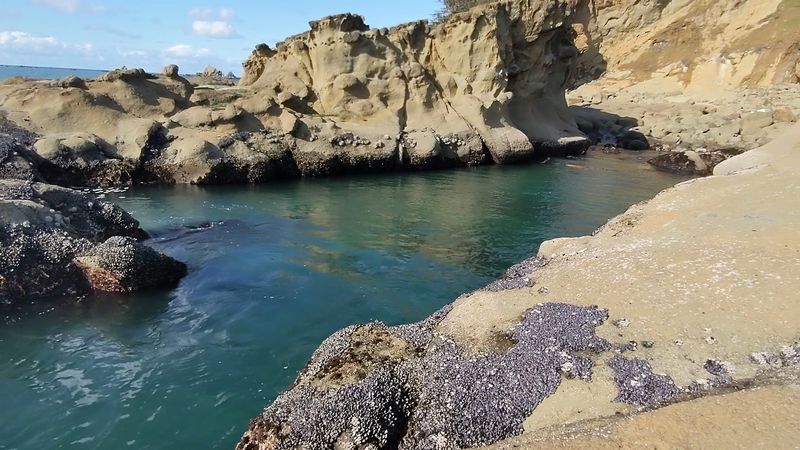
Three connected state parks, one spectacular loop trail, and some of the most vibrant tide pools on the southern Oregon Coast make this an easy full-day adventure.
The Cape Arago Loop connects Sunset Bay State Park, Shore Acres State Park, and Cape Arago State Park, all located near Charleston, Oregon, south of Coos Bay. Each park has its own distinct character and attractions.
For tidepooling, the south trail at Cape Arago is the main destination. It leads down to a rocky cove where sea stars, giant green anemones, sea lettuce, and chitons are abundant in the pools at low tide.
Shore Acres is best known for its formal botanical garden, but its rugged ocean overlook is also spectacular and worth a stop along the way. The contrast between manicured gardens and wild ocean cliffs is genuinely striking.
One important seasonal restriction applies here. The north trail at Cape Arago is closed from March through June each year to protect harbor seal pups that haul out on the offshore rocks below.
Respect these closures without exception.
Parking fees apply at Shore Acres, so bring an Oregon State Parks day pass or have cash or a card ready. Plan your visit around a low tide of minus one foot or lower for the richest pool viewing.
9. Short Beach, Oceanside, Oregon
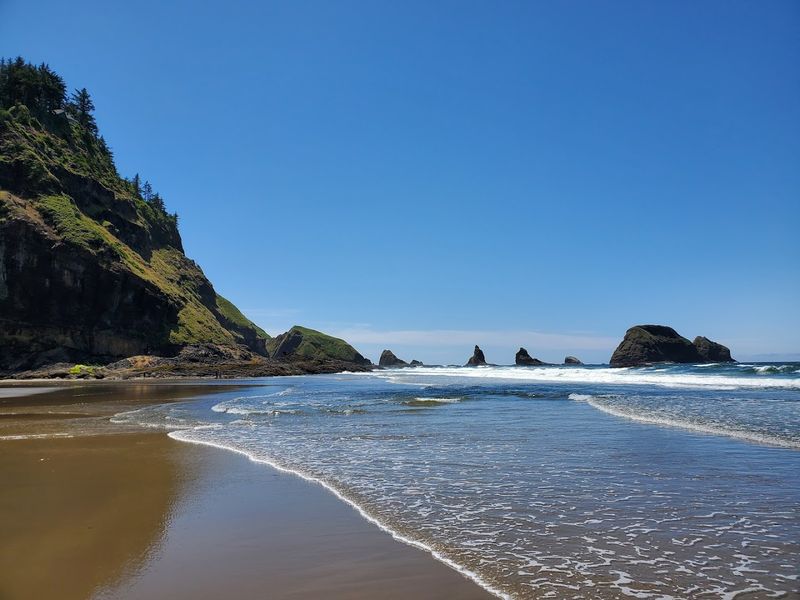
Earning your view is part of what makes Short Beach feel so special once you finally arrive at the water’s edge.
Reached by a short but steep trail with a significant number of steps, Short Beach sits near the small community of Oceanside, Oregon, on the northern Oregon Coast. The effort of getting there keeps crowds relatively thin compared to more accessible spots.
Once you reach the beach, the reward is immediate. The Three Arch Rocks loom offshore as a dramatic backdrop, and the tide pools scattered across the rocky shoreline hold a surprisingly diverse collection of marine life.
Nudibranchs, sea stars, turban snails, chitons, and aggregating anemones are all regular residents of the pools here. The relative isolation of the beach means the ecosystem tends to be less disturbed than at more heavily visited sites.
Parking is limited to roadside shoulder spots near the trailhead, which is another reason the beach stays quieter. Arriving early on weekday mornings gives you the best chance of finding a spot and enjoying the pools without competition.
Bring everything you need since there are no restroom facilities or services at this site. The steep return hike back up the trail after a morning of exploring is a good reminder to wear comfortable, supportive footwear.
10. Short Sands Beach, Oswald West State Park, Oregon
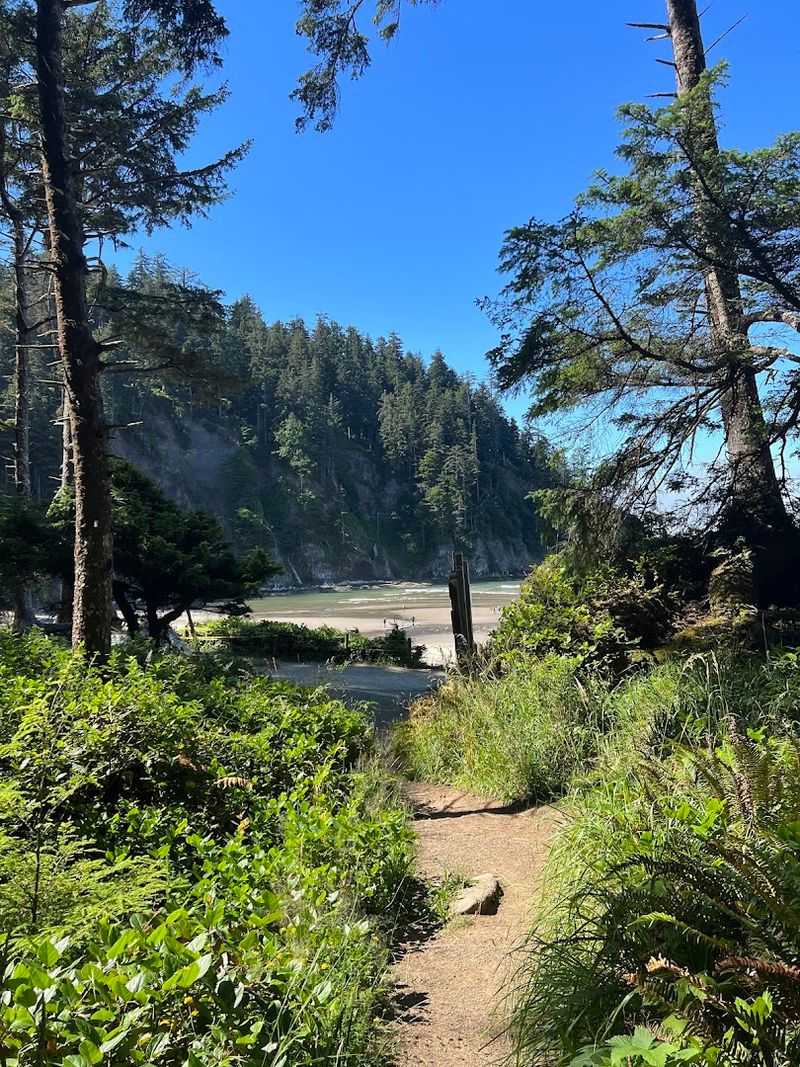
Walking through a cathedral of old-growth rainforest before stepping onto a tide pool-lined beach is a combination that almost feels too good to be real.
Short Sands Beach is located inside Oswald West State Park, south of Cannon Beach, Oregon. Getting there requires a half-mile hike through a lush temperate rainforest, and that trail is every bit as memorable as the destination itself.
Towering Sitka spruce and red alder arch over a creek-side path before opening onto a sheltered cove with a sandy beach flanked by rocky headlands. The transition from forest to ocean happens in just a few steps and never gets old.
Tide pools are found on both the north and south ends of the beach, tucked into the rocky outcroppings at the base of the headlands. Sea stars, mussels, barnacles, chitons, and small crabs are among the regular inhabitants.
Short Sands is also a popular surf spot, so the beach tends to have a lively and energetic atmosphere even on quieter days. The mix of surfers, hikers, and tidepool explorers gives the place a wonderfully eclectic coastal vibe.
