You are walking along a beach, scanning the sand, when something dark catches your eye. You bend down and pick up a tooth, black and sharp, millions of years old.
That is the thrill of fossil hunting in Virginia. The state has several spots where you can find ancient shark teeth and other remnants of prehistoric life, and the best ones are on this list.
I have visited each location, spending hours on my hands and knees, sifting through gravel and sand. The excitement of finding a tooth never gets old, no matter how many you have collected.
Some spots are well-known, with easy access and plenty of visitors. Others are hidden, requiring a hike or a boat ride.
But all of them offer a chance to hold a piece of deep time in your hand. Virginia’s fossil hunting is a treasure hunt like no other.
1. Westmoreland State Park, Montross, VA
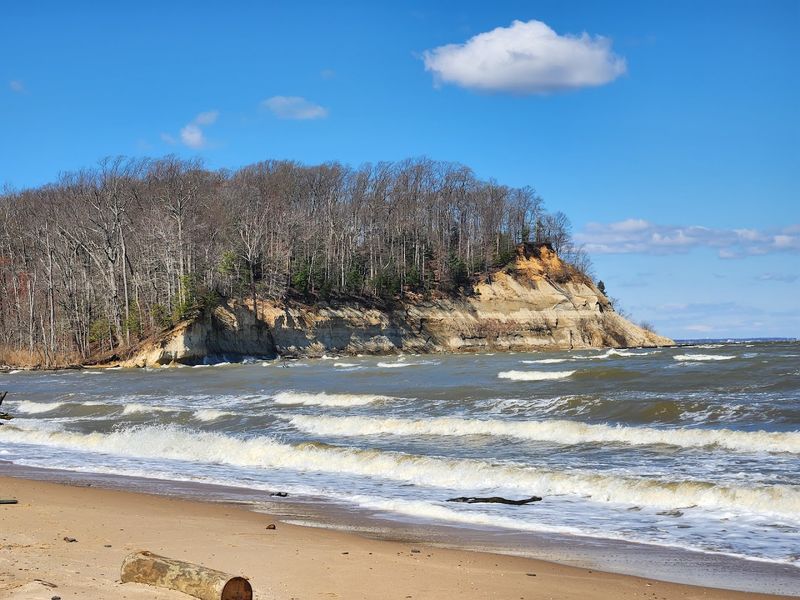
Picture yourself crouching on a sandy Potomac River beach, fingers sifting through cool sediment, when suddenly something sharp and triangular catches your eye. That’s the Westmoreland State Park experience in a nutshell, and it never gets old.
The park sits on ancient Miocene-era deposits that have been quietly washing fossils onto the shoreline for centuries.
Shark teeth are the star attraction here, including the occasional jaw-dropping Megalodon tooth that can make even the most seasoned fossil hunter gasp. Beyond shark teeth, lucky searchers have walked away with whale vertebrae, stingray dental plates, and even crocodile teeth.
Yes, crocodiles once roamed this part of Virginia, and the river cliffs are still spilling their secrets.
The park’s “Fossil Beach” is accessible via the Big Meadow Trail, and the walk itself is gorgeous. Bring a sieve or colander to sift through sand more efficiently.
The visitor center sometimes loans out exploration backpacks complete with magnifiers and sand sifters, which is a fantastic perk for first-timers.
Low tide is your best friend here. Timing your visit around tidal schedules dramatically increases your chances of finding something spectacular.
The exposed clay and gravel beds are where the real magic happens, so don’t just stick to the dry sand near the waterline.
Address: 1650 State Park Rd, Montross, VA 22520. The park offers camping, trails, and a pool, making it a perfect full-day family adventure alongside your prehistoric treasure hunt.
2. York River State Park, Fossil Beach, Williamsburg, VA
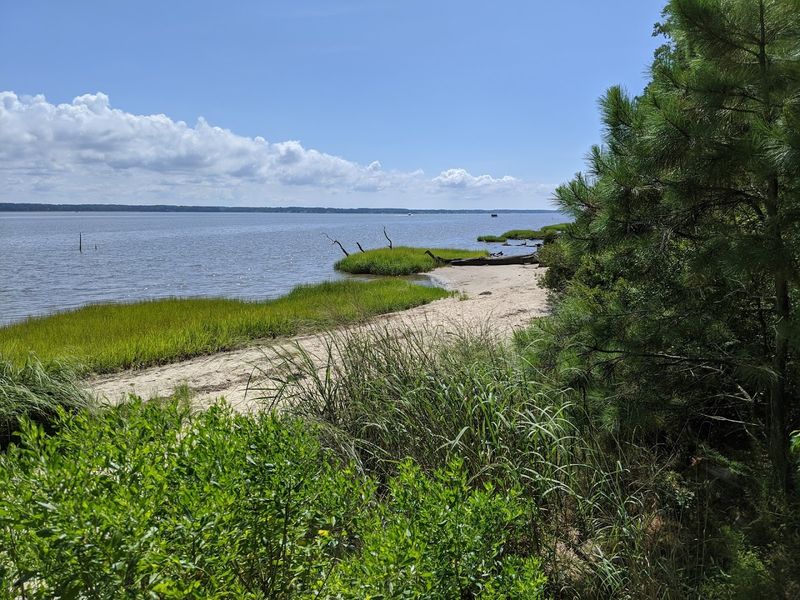
Williamsburg is famous for colonial history, but there’s an older story buried right at the edge of the York River. York River State Park is home to one of Virginia’s most accessible fossil sites, a stretch of shoreline nicknamed Fossil Beach that sits atop ancient sea beds millions of years in the making.
The Chesapecten jeffersonius, Virginia’s official state fossil, turns up here with impressive regularity. This extinct scallop species dates back to the early Pliocene epoch, and holding one feels like gripping a postcard from a world that no longer exists.
Smaller shell fragments, teeth, and bone pieces round out the typical haul for a good afternoon of searching.
Fossil hunting is best done at low tide when the riverbank expands and fresh material is exposed. The park typically allows visitors to keep one fossil per person, so choose wisely and savor the selection process.
That one piece becomes even more meaningful when you know it’s the only one you’re taking home.
The surrounding trails offer beautiful river views and quiet woodland stretches that make the journey to Fossil Beach feel like a proper adventure. Families love this spot because it combines outdoor exercise with a genuinely exciting discovery element that keeps kids motivated and curious.
Address: 9801 York River Park Rd, Williamsburg, VA 23188. Pack water, sunscreen, and comfortable shoes with good grip since the riverbank can get slippery near the waterline.
This spot earns its reputation every single visit.
3. Chippokes State Park, Surry, VA
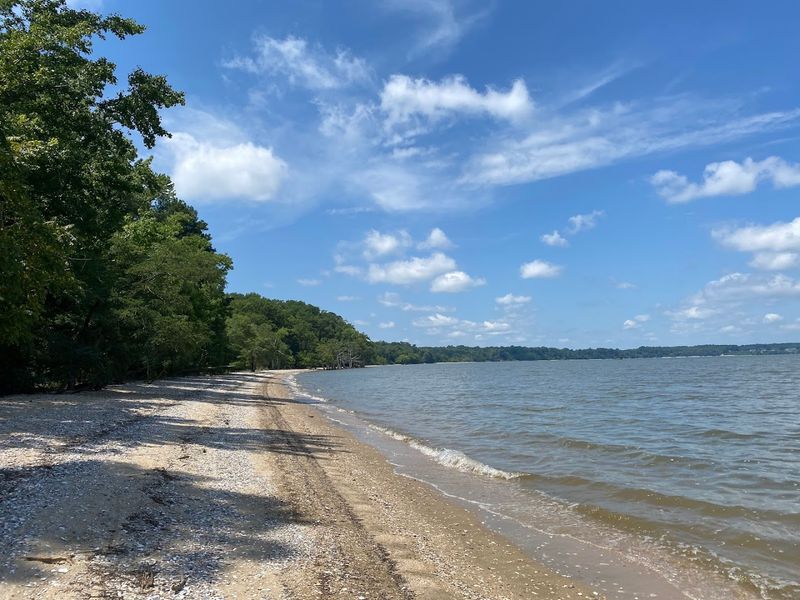
Chippokes State Park doesn’t just offer one of Virginia’s prettiest James River views. It also sits on a goldmine of Miocene-era marine fossils that erode naturally onto the shoreline every season.
This is one of the few parks in the state where you might stumble upon the official Virginia state fossil on a casual afternoon stroll.
The Chesapecten jeffersonius, that iconic extinct scallop named in part after Thomas Jefferson, shows up along the river banks with wonderful frequency. More thrilling for the adventurous types, Megalodon shark teeth have also been reported here, though they require patience and sharp eyes to spot among the gravel and shell hash.
Low tide dramatically expands the search area and exposes fresh sediment layers that haven’t been picked over yet. The park offers guided fossil walks at certain times of year, which are absolutely worth joining if your visit coincides with one.
Rangers share fascinating geological context that transforms a simple beach walk into a full-on science lesson.
Be aware that while shark teeth can generally be kept as souvenirs, other natural items may be subject to park regulations. Always check with staff before pocketing anything beyond the standard finds.
Responsible fossil hunting keeps this incredible resource available for future generations.
Address: 695 Chippokes Park Rd, Surry, VA 23883. The park also features historic farm buildings, a pool, and camping facilities, so there’s plenty to fill an entire weekend beyond the fossil hunting.
4. Stratford Hall Public Beach, Stratford, VA
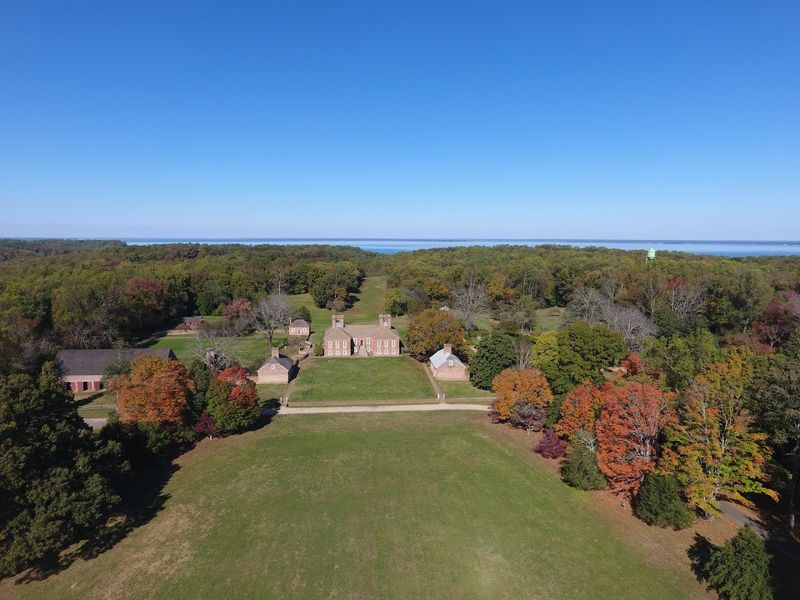
Not many people connect one of Virginia’s most storied historic estates with world-class fossil hunting, but Stratford Hall surprises you on both counts.
The public beach along the Potomac River here sits beneath dramatic eroding clay cliffs that have been shedding Miocene-era treasures onto the sand for as long as anyone can remember.
Shark teeth are the headline find at this stretch of shoreline, and the variety is genuinely impressive. Mako, sand, cow, and tiger shark teeth all turn up regularly, and the occasional Megalodon tooth makes an appearance for the truly lucky visitor.
Whale bones, ray dental plates, and ancient shell fragments also make regular appearances in the gravel beds near the cliff base.
The cliffs themselves are the real geological spectacle. Layers of sediment representing millions of years of marine history are stacked visibly in the exposed earth.
Watching the material slowly erode and deposit onto the beach is a humbling reminder of deep time.
This is exactly the kind of place that makes you feel small in the best possible way.
Timing your visit around low tide is essential here, just as it is at most Potomac fossil sites. The exposed gravel and coarse sand near the cliff base is where the highest concentration of fossils tends to collect.
Wear shoes you don’t mind getting muddy and bring a small bag for your finds.
Address: 483 Great House Rd, Stratford, VA 22558. Beach access is available to the public, and combining a fossil hunt with a tour of the historic Stratford Hall estate makes for a genuinely memorable day.
5. Caledon State Park, King George, VA
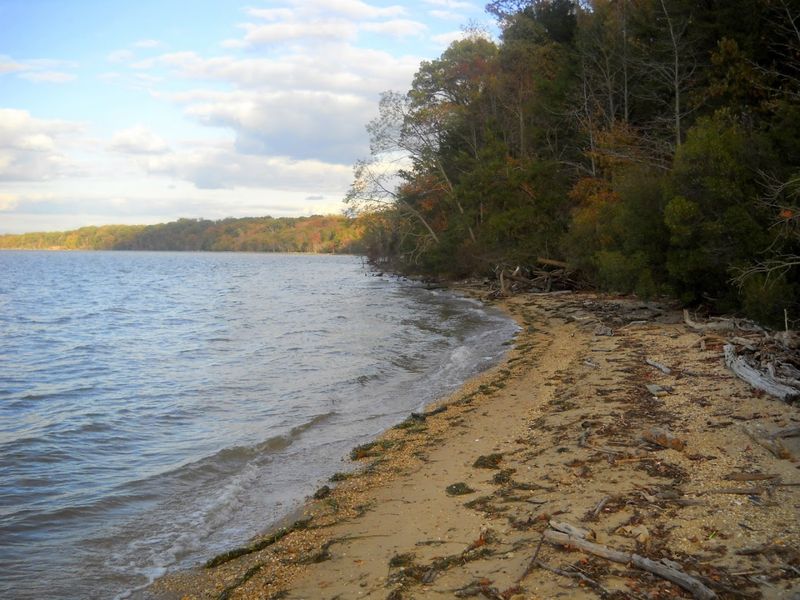
Caledon State Park is perhaps best known for its bald eagle population, one of the largest concentrations on the entire East Coast. What gets talked about less, but deserves far more attention, is the fossil-rich shoreline tucked along its Potomac River edge.
This is a quieter, less-crowded alternative to some of the more famous fossil beaches nearby.
The same Miocene and Paleocene marine deposits that fuel the fossil scene at Westmoreland and Stratford Hall extend through this stretch of the Potomac corridor.
Shark teeth, ancient shell fragments, and occasional bone pieces erode out of the clay banks and settle into the gravel along the waterline.
The lower the tide, the more material is accessible.
Because Caledon draws more wildlife watchers than fossil hunters, the beaches here see relatively light foot traffic. That translates to less competition and potentially better finds on any given visit.
Pairing eagle watching with a fossil hunt along the shore is one of those rare combinations that feels almost impossibly good.
Trail access to the river requires a bit of a hike through gorgeous hardwood forest, which adds to the sense of earned adventure. The park has a calm, unhurried atmosphere that stands in pleasant contrast to some of the busier state park destinations.
Pack a lunch and make a half-day of it.
Address: 11617 Caledon Rd, King George, VA 22485. Parking is available at the main visitor area, and trail maps are posted clearly at the trailheads.
Check the park’s schedule for ranger-led programs during peak seasons.
6. Zoar State Forest, Mattaponi River, King William, VA
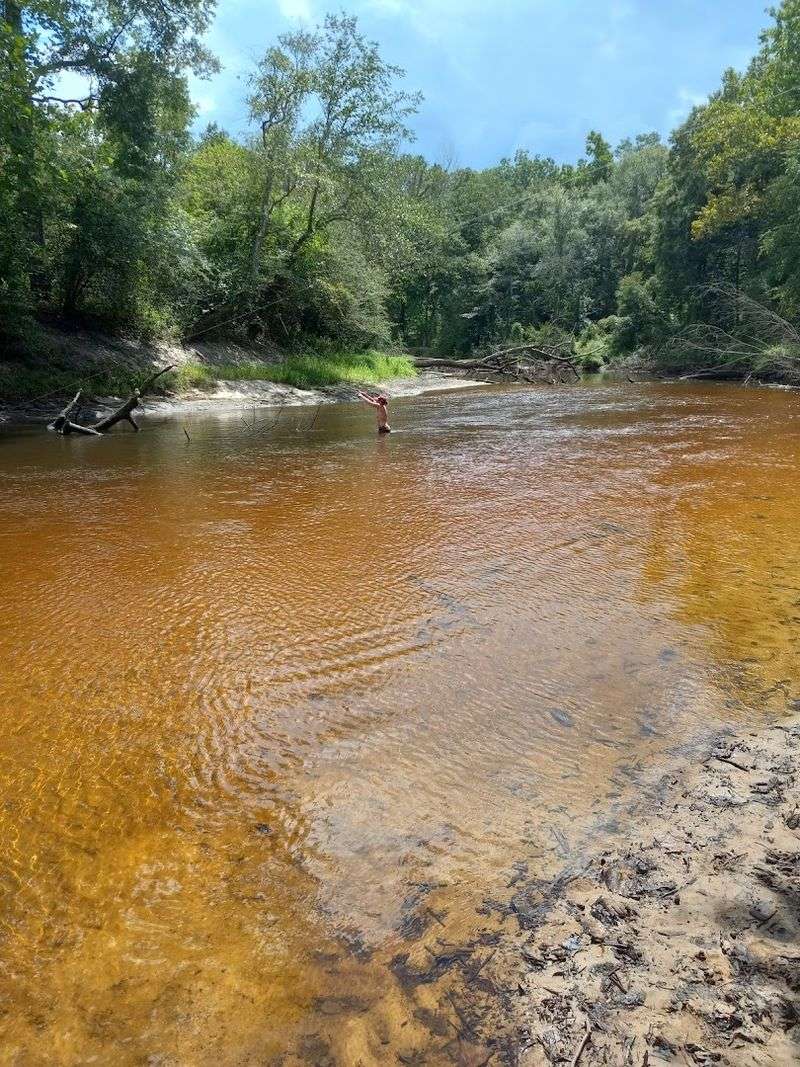
Zoar State Forest operates on a different energy than the polished state parks. Getting here feels like a genuine expedition, and that sense of remoteness is exactly what makes it so appealing to serious fossil enthusiasts.
The Mattaponi River winds through this forested landscape, quietly exposing ancient marine deposits along its banks year after year.
Shark teeth are the primary draw, and reports from organized fossil hunting groups mention large, well-preserved specimens turning up with some regularity. Fossilized bones and other marine animal remains have also been documented in the area.
The geological history here is rich, with sediment layers stretching back through multiple ancient epochs.
Access to the best fossil sites along the Mattaponi can require some local knowledge, and joining an organized fossil hunting group is genuinely recommended for first-time visitors.
These groups know the land, understand the regulations, and can point you toward productive stretches of riverbank that casual visitors might walk right past.
The forested setting adds a layer of atmosphere that coastal parks simply can’t replicate. Ancient trees, birdsong, and the soft sound of river current create a backdrop that makes every find feel even more significant.
There’s something deeply satisfying about pulling a shark tooth out of a riverbank in the middle of a quiet Virginia forest.
Address: Zoar State Forest, King William, VA 23086. Check current access rules with the Virginia Department of Forestry before your visit, as regulations and trail conditions can vary seasonally.
This one rewards preparation.
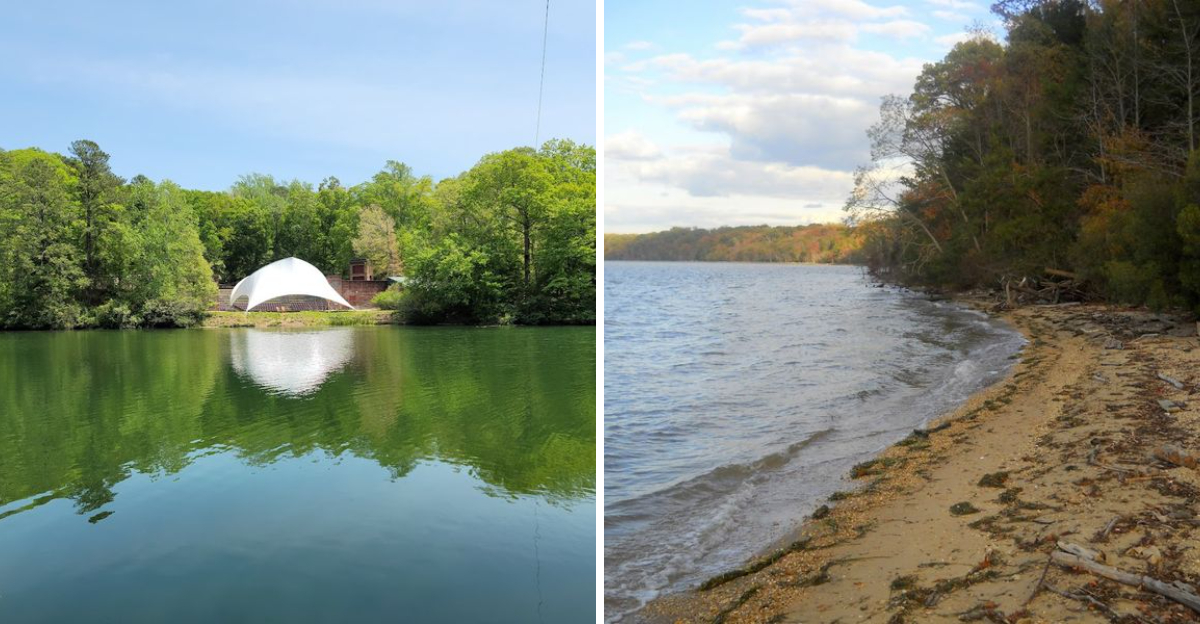
7. Lake Matoaka Spillway, Williamsburg, VA
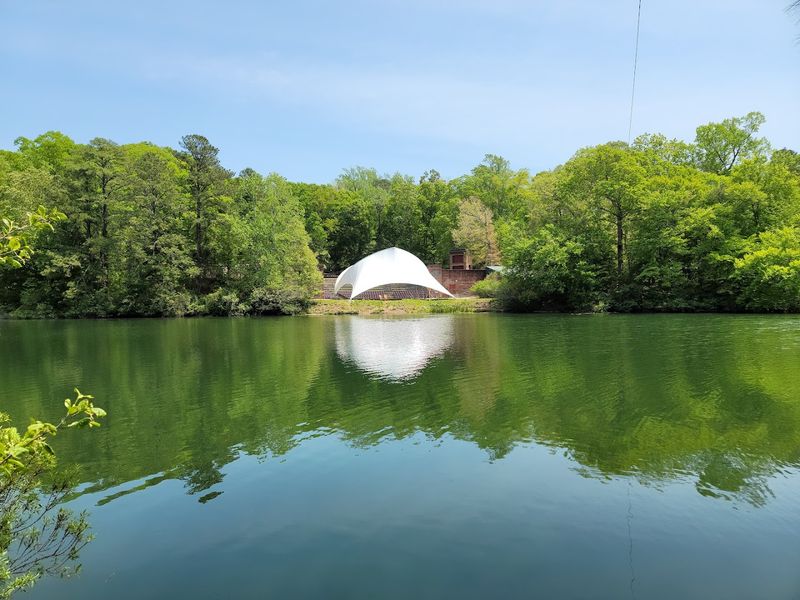
Williamsburg keeps delivering fossil surprises, and Lake Matoaka is one of the most intriguing and underappreciated spots in the entire region.
Located on the grounds of the College of William and Mary, the spillway area exposes sedimentary layers that have been quietly yielding fossils to sharp-eyed visitors for generations.
The geology around Lake Matoaka connects to the same ancient coastal plain deposits that make the York River and James River corridors so productive. Shell fossils and occasional shark teeth turn up in the exposed gravel and rock substrate near the spillway.
It’s a more intimate and contemplative setting than the open river beaches, which gives it a distinct charm all its own.
Access is generally open to the public given the campus setting, but always check current policies with the college before planning a dedicated fossil hunting visit. Rules around collecting natural materials on educational institution grounds can differ from standard state park guidelines.
A respectful, low-impact approach is always the right call.
The surrounding woodland trails and lakeside paths make the area genuinely beautiful to explore regardless of what you find.
Tall hardwood trees frame the water, and the spillway itself has a quiet, almost meditative quality that feels a world away from busy tourist Williamsburg just a short distance down the road.
Address: Lake Matoaka, College of William and Mary, Williamsburg, VA 23185. Combine this stop with a visit to York River State Park’s Fossil Beach for a full fossil-focused day in the greater Williamsburg area.
Two sites, one unforgettable trip.
8. Hayfield and Gore Roadcuts, Gore, VA
Swap the sandy riverbanks for something entirely different at the Gore roadcuts in Frederick County. This is old-school, Paleozoic-era fossil territory, a world away from Megalodon teeth and Miocene seabeds.
The roadcuts here slice through ancient limestone and shale formations that date back hundreds of millions of years, exposing a completely different chapter of Earth’s history.
Brachiopods, crinoids, bryozoans, and other ancient marine invertebrates are the primary finds in this area. These organisms thrived in warm shallow seas long before sharks or whales ever existed, and their fossilized remains are preserved in remarkable detail within the exposed rock layers.
Cracking open a piece of shale and finding a perfectly imprinted shell inside is one of fossil hunting’s most satisfying moments.
The sedimentary rocks in this region are relatively soft compared to harder metamorphic formations, which makes it easier for amateur hunters to work through the material without specialized equipment.
A small hammer and chisel are useful tools here, though always exercise caution around active roadways and unstable cliff faces.
Virginia’s western fossil sites offer a completely different experience from the coastal plain locations, and visiting both types gives you a fuller picture of the state’s extraordinary geological diversity. The drive through Frederick County’s rolling Appalachian landscape is scenic and rewarding in its own right.
Address: Routes near Gore, Frederick County, VA 22637. Always park safely and well off the road before approaching any roadcut.
Wear sturdy boots, eye protection, and a helmet when working near exposed rock faces. Safety first, fossils second.
