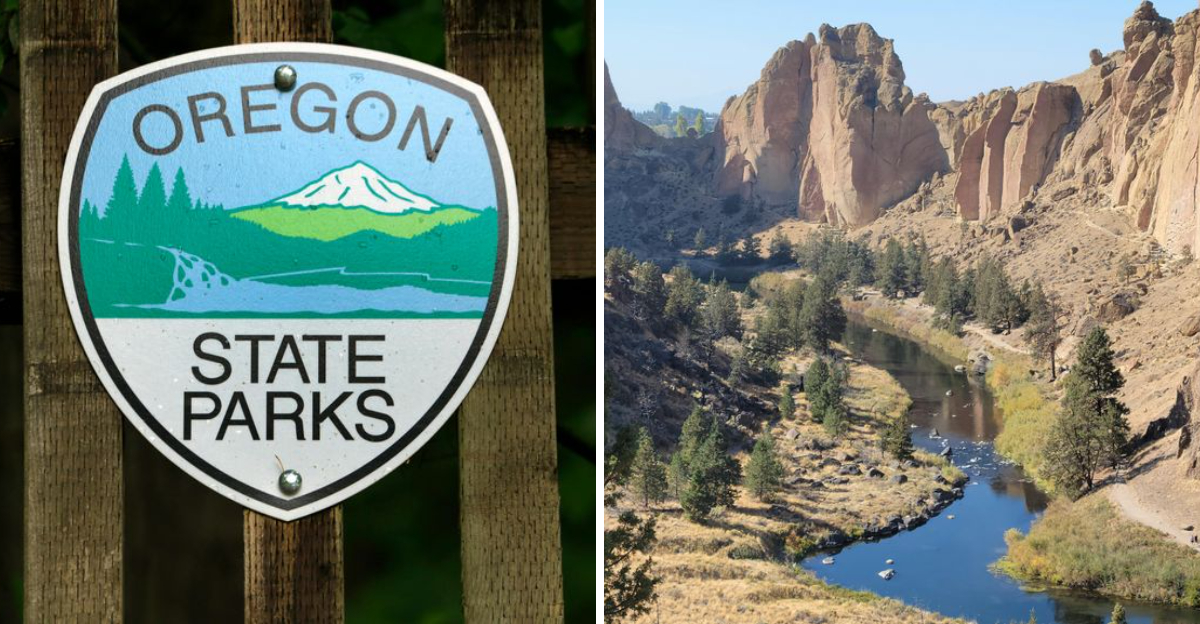
Spring in Oregon brings more than wildflowers and sunshine this year. If you’re planning to explore the state’s incredible parks, you’ll want to know about some major updates rolling out right now.
These changes affect everything from how much you’ll pay to park to how well-maintained the trails will be when you arrive.
Oregon State Parks have been bursting at the seams with visitors lately, and the system needs a boost to keep up. New fees and updated permits are helping fund the rangers, restrooms, and pathways that make your adventures possible.
Whether you’re a regular at Silver Falls or discovering coastal gems for the first time, these shifts will shape your next visit in ways big and small.
1. More Parks Now Require Daily Parking Fees
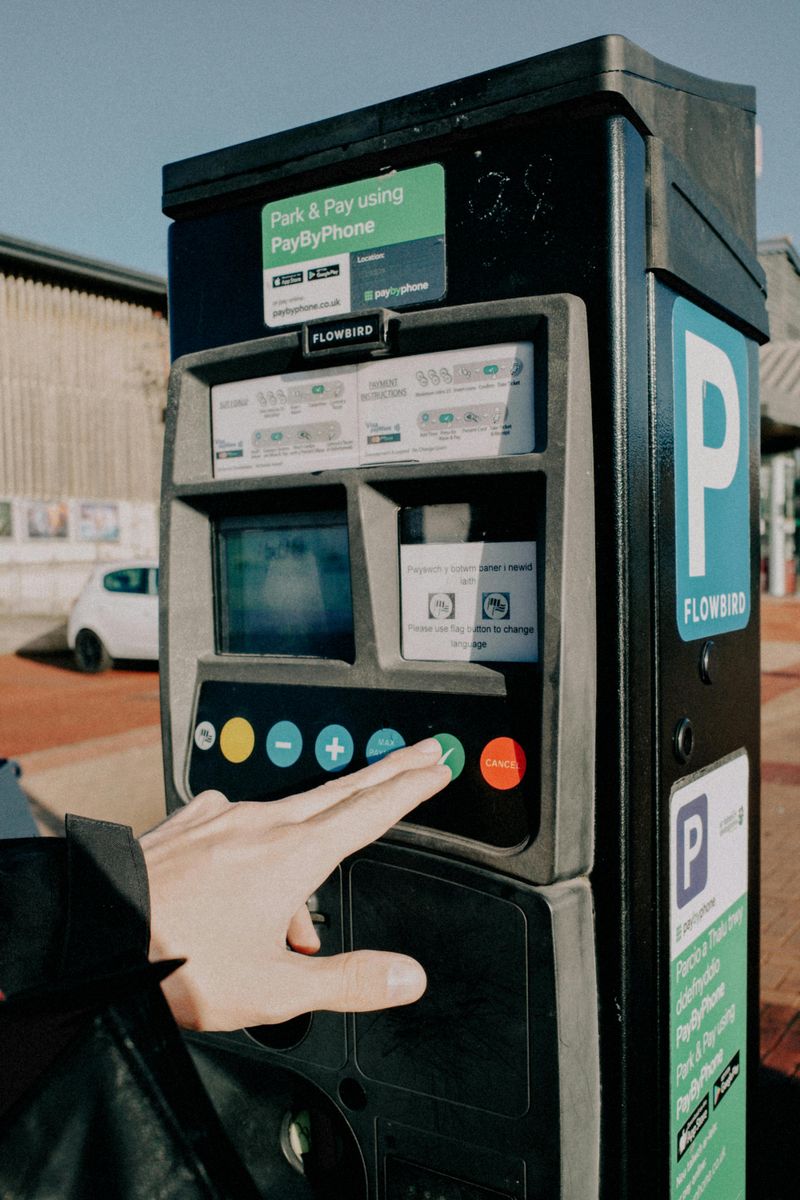
Starting this January, your favorite free parking spot might now cost you five dollars. Twenty-one additional day-use sites across Oregon are introducing or bringing back daily parking fees, marking one of the biggest expansions of the fee system in recent years.
The change affects parks that previously allowed free access, meaning spontaneous visits now require either cash, card, or a pre-purchased permit. Popular hiking spots, beach access points, and scenic viewpoints are among the locations joining the fee program.
Park officials emphasize this isn’t about creating barriers but about sustainability. With more people discovering Oregon’s outdoor treasures every year, the infrastructure needs constant attention.
Parking fees directly fund the staff who clean restrooms, repair trails, and keep facilities safe and welcoming.
If you visit state parks regularly, the expanded fee system actually makes annual permits more valuable than ever. For occasional visitors, the five-dollar daily rate remains reasonable compared to national park fees or private recreation areas.
Either way, knowing which parks now charge fees helps you plan ahead and avoid surprises at the trailhead.
Check the Oregon State Parks website before your trip to see if your destination is on the new fee list. Planning ahead means you can purchase permits online and skip any payment kiosks entirely, getting you onto the trails faster.
2. Annual Parking Permits Cost More But Offer Greater Value
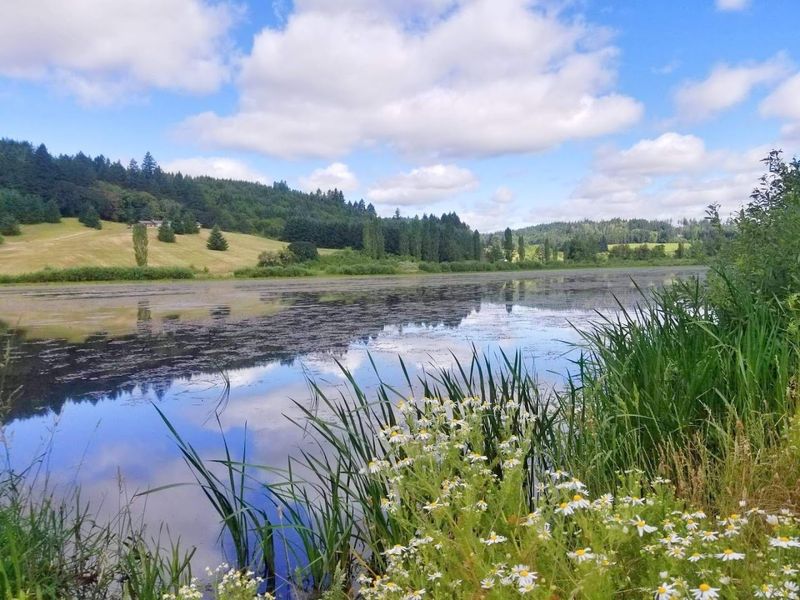
Your wallet will notice the updated permit prices right away. The 12-month parking permit jumped to 30 dollars, while the 24-month option now costs 50 dollars, representing increases designed to match rising operational costs.
Before you balk at the higher price tags, consider the math. If you visit state parks just six times per year, the annual permit already pays for itself compared to daily fees.
Frequent visitors who explore Oregon’s parks monthly or weekly will save considerably, even with the price increase.
The 24-month permit offers the best value for dedicated outdoor enthusiasts. At 50 dollars spread across two years, you’re paying roughly two dollars per month for unlimited access to the entire state park system.
That’s less than a single fancy coffee, and it unlocks hundreds of parks, beaches, and recreation areas.
Families who camp, hike, or beach-comb regularly will find these permits essential. The convenience factor alone justifies the cost since you’ll never scramble for cash at a parking kiosk or worry about having exact change.
Your permit works at every fee location statewide, making spontaneous adventures easier.
Purchasing online takes just minutes through the Reserve America website. The digital system lets you manage renewals, replace lost permits, and even gift permits to friends or family members who love exploring Oregon’s natural beauty as much as you do.
3. Your Parking Fees Directly Fund Park Improvements

Every dollar you spend on parking permits goes straight back into the parks you love. Revenue from these fees funds the rangers who greet you, the maintenance crews who fix trails, and the cleaners who keep restrooms functional and pleasant.
Transparency matters to park administrators, who want visitors to understand exactly where their money goes. Major expenses include seasonal staffing, supplies for facility upkeep, paving projects that prevent erosion, and emergency repairs after storms damage infrastructure.
Without parking revenue, many parks would struggle to maintain basic services.
Trail maintenance alone represents a massive ongoing expense. Popular paths like those at Silver Falls State Park see thousands of footsteps daily, wearing down surfaces and creating drainage issues.
Crews must constantly monitor conditions, clear fallen trees, repair bridges, and reinforce steep sections to prevent accidents.
Restroom maintenance is another significant cost that visitors notice immediately. Clean, well-stocked facilities require daily attention, especially during peak summer months when usage skyrockets.
Parking fees help ensure you’ll find soap, toilet paper, and functioning fixtures rather than neglected, unusable facilities.
Paving projects might seem less glamorous but they’re crucial for accessibility and erosion control. Properly maintained parking areas and access roads prevent mud, dust, and deterioration that can make parks difficult or impossible to visit during wet seasons.
Your five-dollar daily fee or annual permit directly supports these essential but often invisible improvements.
4. Record-Breaking Visitor Numbers Drive Infrastructure Needs
Oregon’s state parks are victims of their own success. Visitation numbers have shattered previous records, with top destinations seeing crowds that would have seemed impossible just a decade ago.
This surge in popularity creates wear and tear that outpaces traditional funding models.
Coastal parks particularly feel the pressure during summer weekends when parking lots overflow and trails become crowded highways. Beaches that once offered peaceful solitude now host hundreds of visitors simultaneously, all using facilities designed for much smaller numbers.
The infrastructure simply wasn’t built to handle current demand.
Popular inland destinations face similar challenges. Waterfalls, swimming holes, and scenic viewpoints attract social media-driven crowds who arrive expecting pristine conditions.
Meeting those expectations requires constant vigilance, frequent cleaning, and rapid response to damage or overuse.
The pandemic accelerated this trend as people sought safe outdoor recreation closer to home. Many discovered state parks for the first time and became regular visitors, fundamentally changing usage patterns.
What was once seasonal traffic now extends year-round at many locations.
Park managers must balance welcoming visitors with protecting natural resources. Higher fees help fund the staff needed to educate guests about Leave No Trace principles, monitor sensitive areas, and repair damage before it becomes irreversible.
Without adequate resources, popular parks risk being loved to destruction, losing the very qualities that make them special and worth visiting.
5. Over 200 Seasonal Rangers Join the Team This Year
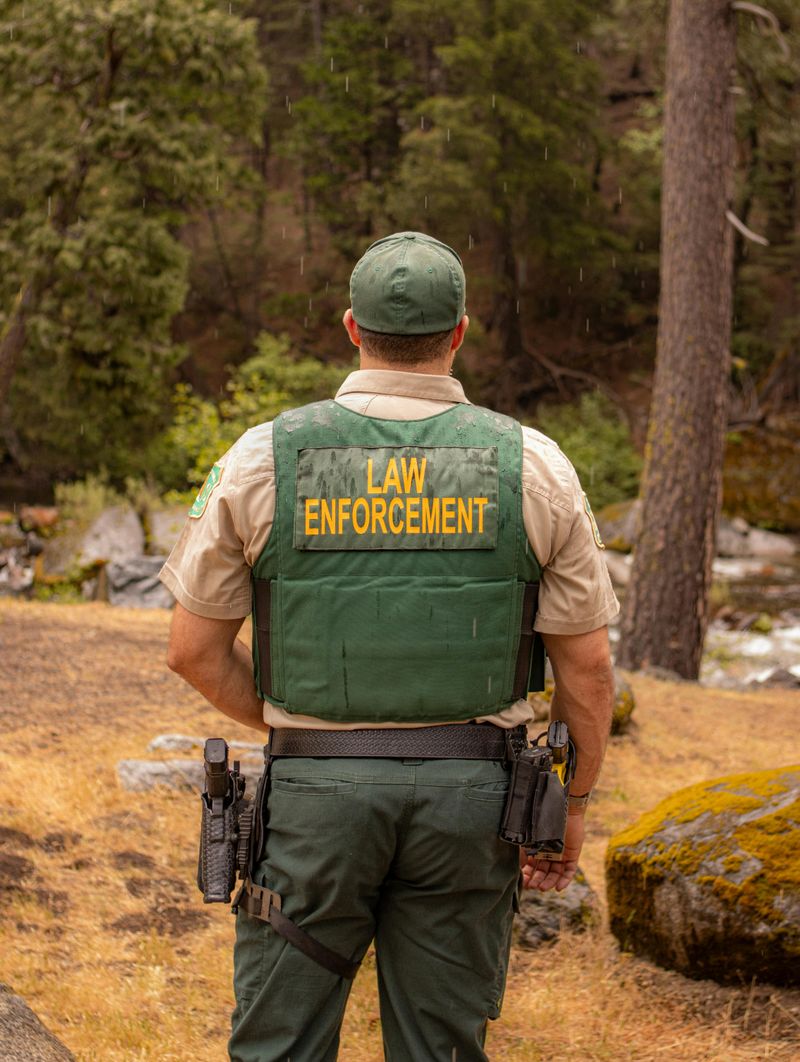
Fresh faces in ranger uniforms will greet you at parks across Oregon this spring. The state is hiring more than 200 seasonal rangers and park assistants for 2025, representing a significant staffing boost aimed at improving visitor services and safety.
These seasonal employees handle everything from answering questions and providing directions to monitoring crowded areas and responding to emergencies. Their presence makes parks safer, cleaner, and more welcoming, especially during peak visitation periods when permanent staff can’t cover every location adequately.
Many seasonal rangers are college students studying environmental science, forestry, or recreation management. They bring enthusiasm and fresh perspectives while gaining valuable professional experience.
For visitors, this means interacting with knowledgeable staff who are passionate about Oregon’s natural heritage and eager to share information about trails, wildlife, and park history.
The expanded seasonal workforce allows parks to extend hours at popular locations, staff previously unstaffed sites, and provide better customer service overall. Rangers can spend more time on educational programs, guided walks, and interpretive activities rather than just managing crowds and enforcing rules.
Funding for these positions comes directly from parking fees and permits, illustrating how your payments translate into tangible improvements. When you see a ranger cleaning a picnic area, helping a lost child, or explaining why certain areas are closed for restoration, you’re witnessing your parking fee at work making Oregon’s parks better for everyone.
6. Digital Permit Purchasing Makes Access Easier Than Ever
Technology finally catches up with outdoor recreation. Purchasing parking permits no longer requires visiting a physical office or mailing checks.
The Reserve America website now handles all transactions digitally, letting you buy permits from your couch, car, or campsite.
The online system works smoothly on smartphones, tablets, and computers. You can browse permit options, compare prices, and complete purchases in minutes using credit cards or digital payment methods.
Confirmation arrives via email instantly, and your permit information enters the statewide database immediately.
Digital purchasing eliminates common frustrations like arriving at parks only to find offices closed or dealing with limited payment options at remote locations. You can buy permits late at night before early morning adventures or during lunch breaks at work.
The convenience factor alone makes the system worthwhile.
Select park offices still sell permits in person for visitors who prefer traditional transactions or lack internet access. However, most people will find online purchasing faster and easier, especially when buying gifts or managing multiple vehicles under one account.
The system also handles renewals automatically if you opt in, sending reminders before permits expire. You can update vehicle information, replace lost permits, and access purchase history through your account.
This digital infrastructure represents a significant modernization that benefits both frequent park visitors and occasional explorers who want hassle-free access to Oregon’s incredible outdoor spaces without administrative headaches.
7. Enhanced Safety Measures Protect High-Traffic Areas
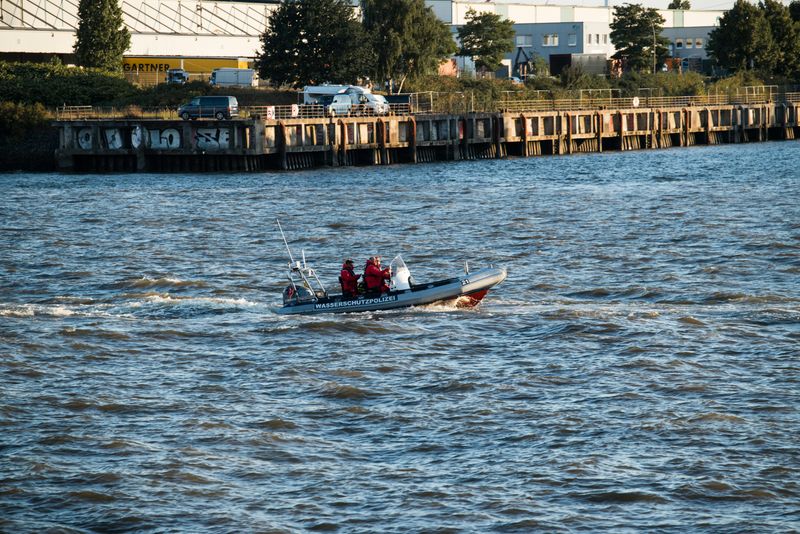
Safety concerns grow alongside visitor numbers. The increased staffing and funding directly address security issues that emerge when thousands of people converge on parks designed for quieter times.
Rangers now have better resources to patrol, respond, and prevent problems before they escalate.
High-traffic areas like coastal viewpoints and waterfall trails present unique safety challenges. Crowds can obscure hazards, encourage risky behavior, and create emergency situations that require immediate professional response.
Additional rangers mean faster reaction times and better coverage of dangerous areas.
Vehicle break-ins and theft have unfortunately increased at some popular trailheads as word spreads about unattended cars in remote locations. Enhanced ranger presence deters criminals and helps visitors feel more secure leaving vehicles while hiking.
Visible patrols make a significant difference in both actual safety and perceived security.
Emergency medical situations happen more frequently with higher visitation. Rangers trained in first aid can provide crucial initial care while waiting for ambulances, potentially saving lives.
Their familiarity with park terrain also helps emergency responders reach victims faster in challenging locations.
Educational safety programs benefit from expanded staffing too. Rangers can spend more time teaching visitors about hazards like sneaker waves, unstable cliffs, and wildlife encounters.
Preventing accidents through education proves far more effective than responding to emergencies after they occur, making these proactive safety investments worthwhile for everyone who explores Oregon’s beautiful but sometimes dangerous landscapes.
8. Restroom and Facility Upgrades Improve Visitor Comfort
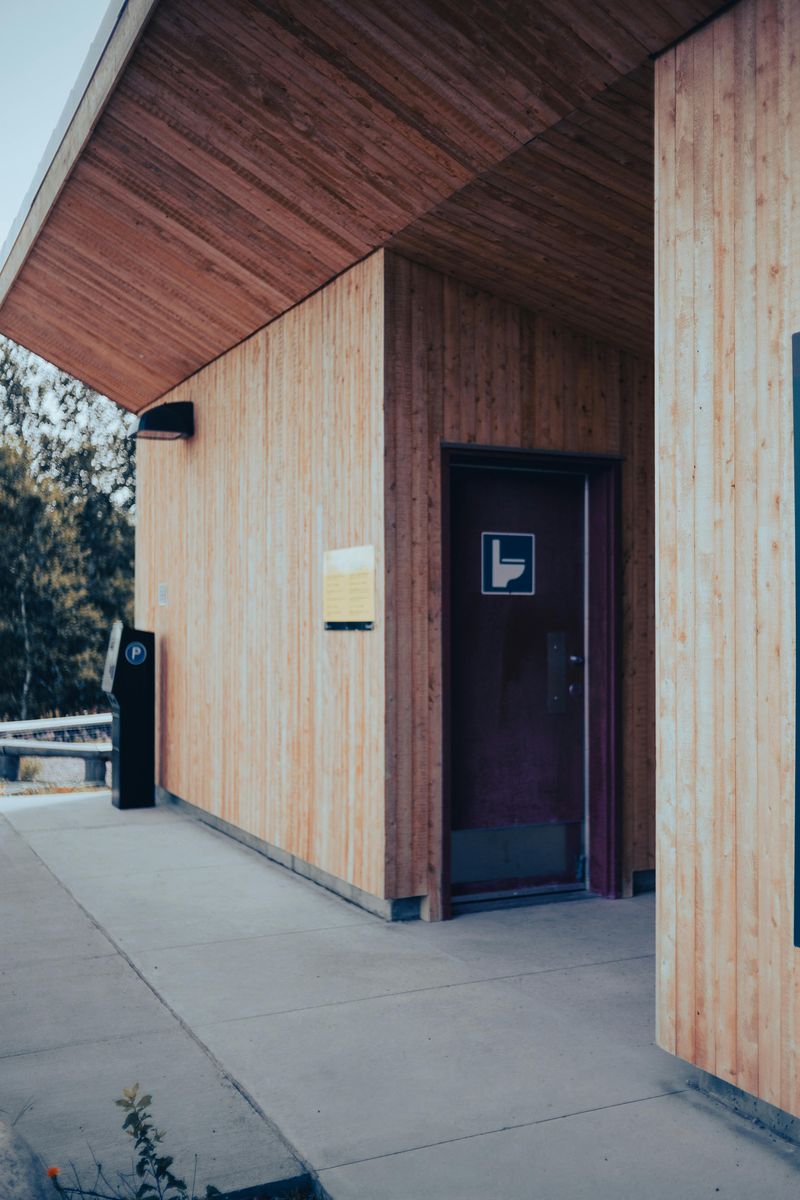
Nobody gets excited about restrooms until they desperately need one. Oregon State Parks are investing heavily in upgrading these essential facilities, recognizing that clean, functional restrooms significantly impact visitor experiences and park accessibility.
Older facilities at many parks were built decades ago and struggle to meet modern standards for accessibility, water efficiency, and capacity. Renovation projects include installing accessible stalls, improving lighting and ventilation, upgrading plumbing fixtures, and expanding capacity at locations where lines frequently form during busy periods.
Families with young children particularly appreciate these improvements. Changing tables, family restrooms, and well-maintained facilities make park visits less stressful and more enjoyable.
Parents can focus on creating memories rather than worrying about bathroom emergencies or unsanitary conditions.
Environmental considerations factor into upgrade plans too. New fixtures use less water, solar panels power lighting at remote locations, and composting toilets reduce environmental impact where traditional plumbing isn’t feasible.
These sustainable solutions align with the parks’ conservation mission while providing better visitor services.
Regular maintenance matters as much as initial construction. Parking fee revenue funds the daily cleaning, restocking, and minor repairs that keep facilities pleasant between major renovations.
Visitors notice the difference immediately when entering a well-maintained restroom versus a neglected one, and these ongoing investments demonstrate commitment to visitor comfort and dignity throughout the entire state park system regardless of location or popularity.
9. Coastal Parks Receive Special Maintenance Attention
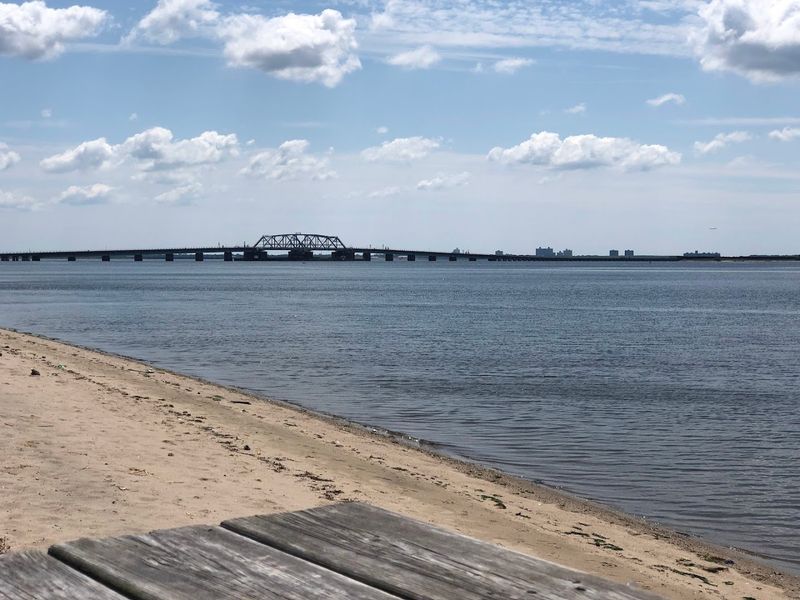
Salt air, crashing waves, and millions of annual visitors create unique challenges for Oregon’s coastal parks. These beloved destinations receive focused maintenance attention because they face harsher conditions and heavier use than inland locations, requiring specialized care and frequent repairs.
Ocean weather accelerates deterioration of buildings, trails, and infrastructure. Salt corrodes metal, wind damages structures, and storms regularly wash away paths or deposit massive amounts of sand and debris.
Maintenance crews at coastal parks work constantly to stay ahead of nature’s relentless assault on facilities.
Parking areas near beaches need frequent attention as sand infiltration, saltwater exposure, and heavy traffic create potholes and drainage issues. Paving projects along the coast cost more and require more frequent intervention than similar work inland.
Your parking fees help fund these ongoing battles against coastal elements.
Popular beach access points see extraordinary foot traffic during summer months. Boardwalks, stairs, and viewing platforms endure thousands of daily users, many carrying beach gear, coolers, and equipment that accelerates wear.
Regular inspections catch safety issues before accidents occur, and proactive repairs extend the life of expensive coastal infrastructure.
Wildlife considerations add complexity to coastal maintenance. Seabird nesting seasons, seal pupping areas, and tide pool ecosystems require careful timing of projects and specialized approaches that protect sensitive habitats while maintaining visitor access.
This delicate balance demands experienced staff and adequate funding, making coastal parks among the most expensive and challenging to maintain properly.
10. Trail Maintenance Programs Expand at Popular Destinations
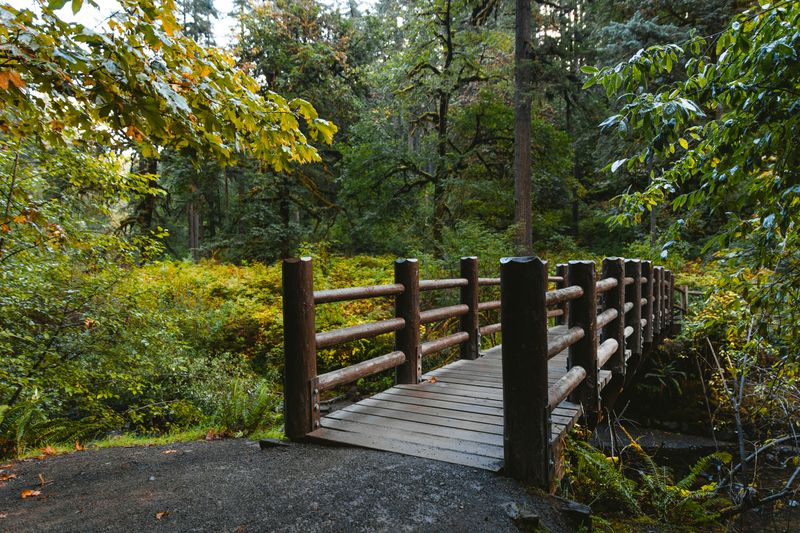
Trails don’t maintain themselves, though they might seem permanent and unchanging. Popular destinations like Silver Falls State Park require constant attention to keep pathways safe, accessible, and environmentally sound despite thousands of hikers wearing them down daily.
Erosion represents the biggest challenge for trail crews. Water flowing down paths creates channels, exposes roots, and washes away surfaces.
Steep sections erode fastest, developing dangerous conditions that make hiking difficult and damage surrounding vegetation. Proper trail design and regular maintenance prevent these problems from becoming expensive disasters.
Drainage systems need frequent clearing and repair. Culverts clog with leaves and debris, water bars deteriorate, and drainage channels fill with sediment.
When water can’t flow properly off trails, it runs down paths instead, accelerating erosion and creating muddy, impassable conditions that force hikers off-trail, damaging more terrain.
Bridge and boardwalk maintenance protects both hikers and sensitive wetland areas. Wooden structures rot, metal components rust, and fasteners loosen over time.
Regular inspections catch problems early, but repairs still require skilled labor, expensive materials, and sometimes helicopter access to remote locations.
Increased trail maintenance funding means crews can address problems proactively rather than reactively. Instead of waiting for trails to fail and then conducting emergency repairs, workers can perform routine maintenance that extends infrastructure life and prevents closures.
This approach saves money long-term while ensuring your favorite trails remain open and enjoyable throughout the year.
Dear Reader: This page may contain affiliate links which may earn a commission if you click through and make a purchase. Our independent journalism is not influenced by any advertiser or commercial initiative unless it is clearly marked as sponsored content. As travel products change, please be sure to reconfirm all details and stay up to date with current events to ensure a safe and successful trip.
