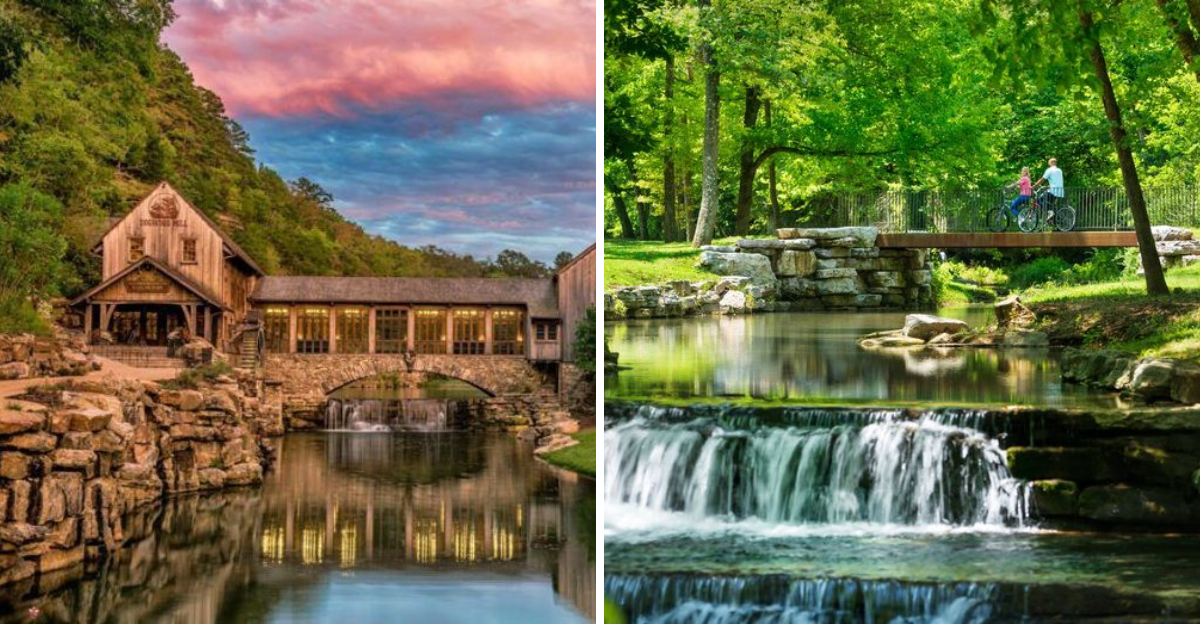
Missouri has a secret. It is a canyon in the Ozarks where bison roam like it is still the old days, waterfalls tumble down limestone ledges, and the ground beneath your feet holds secrets that go back eight thousand years.
This place does not advertise itself loudly. It does not need to.
Word travels slow when the experience is this good. You can hike alongside crystal clear streams, spot elk grazing in the distance, and stand at the bottom of a waterfall that makes you forget every screen you have ever stared at.
The bison are massive and unbothered by your presence. The trails wind through forests that feel ancient.
And the whole canyon hums with a quiet energy that makes you want to whisper, even when no one is around to shush you. Locals consider it their escape hatch.
Visitors find it and never shut up about it afterward. Bring good boots and a camera.
You will need both.
The Canyon Landscape Itself
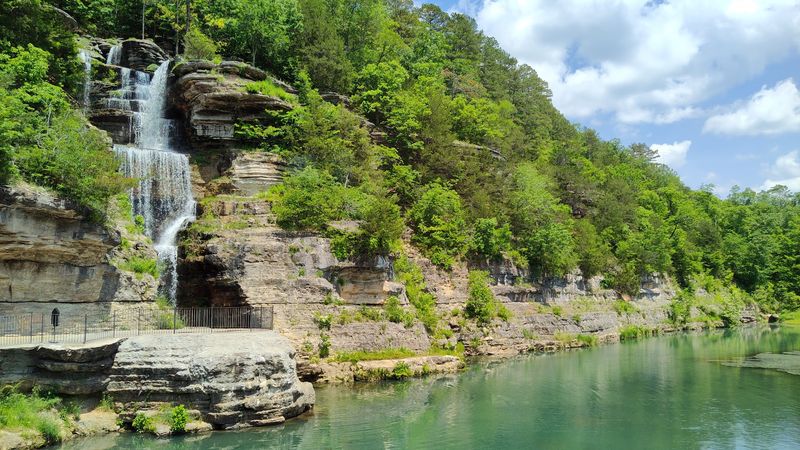
Standing at the edge of Dogwood Canyon for the first time genuinely stops you in your tracks. The sheer scale of it is hard to process, especially when you realize you are still in Missouri.
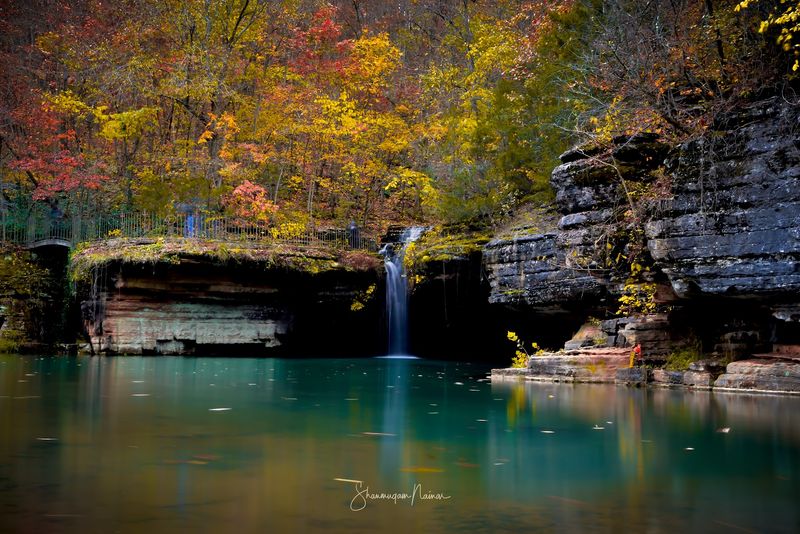
Towering limestone bluffs rise on both sides of the canyon floor, draped in hardwood forest that shifts color dramatically with every season. The canyon stretches for miles, and the terrain changes constantly as you move through it.
Crystal-clear spring-fed streams cut through the valley, running cold and fast over mossy rocks. The water is so clear you can see every pebble on the bottom from a walking bridge above.
The park sits at 2038 State Hwy 86, Lampe, MO 65681, right in the heart of the Missouri Ozarks. The landscape feels almost otherworldly, like a place that has been quietly perfecting itself for thousands of years without anyone watching.
Every angle offers something worth photographing, and no two visits ever look exactly the same. The canyon has a way of making you feel genuinely small in the best possible way.
The Waterfalls Along the Trail
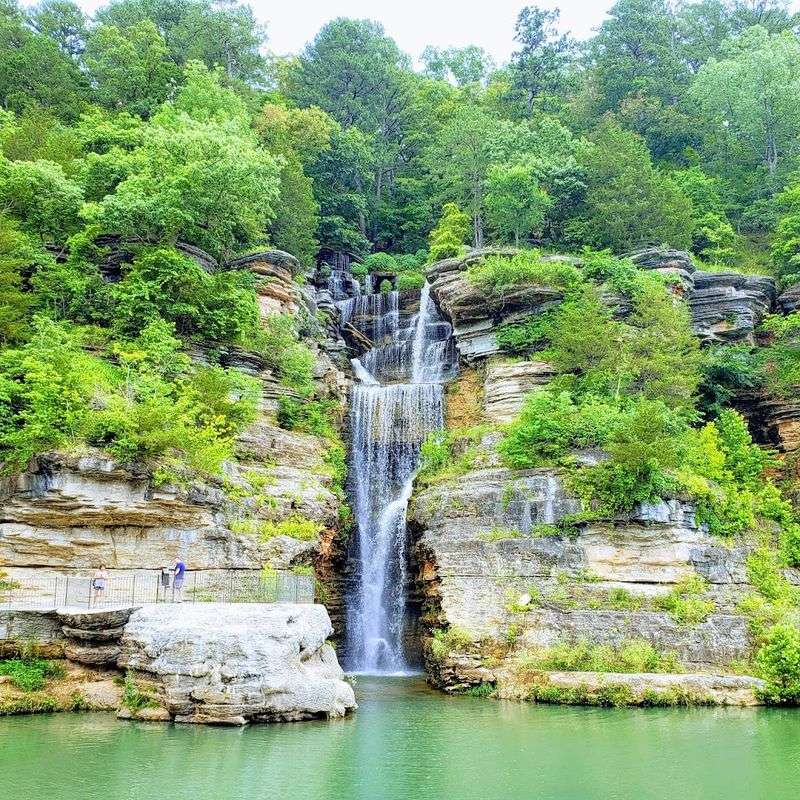
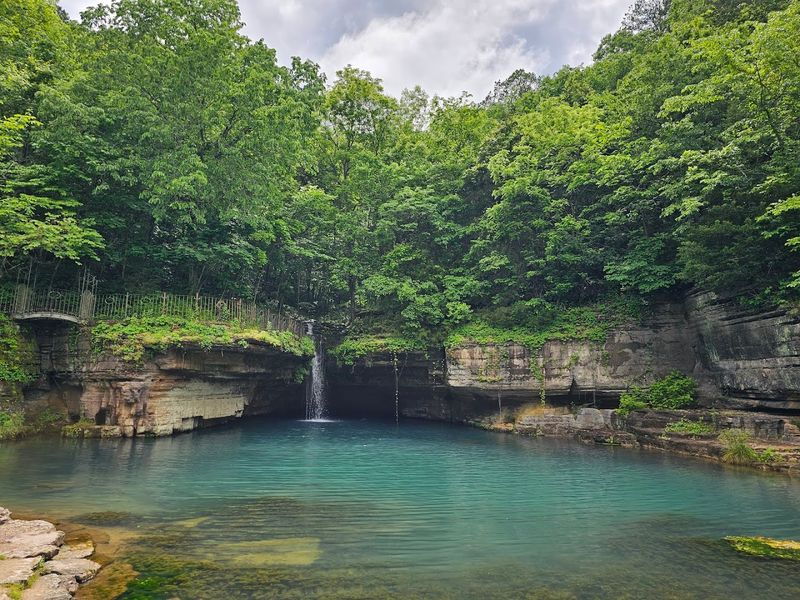
Waterfalls at Dogwood Canyon are not a single attraction. They are scattered throughout the park like little rewards for anyone willing to keep walking.
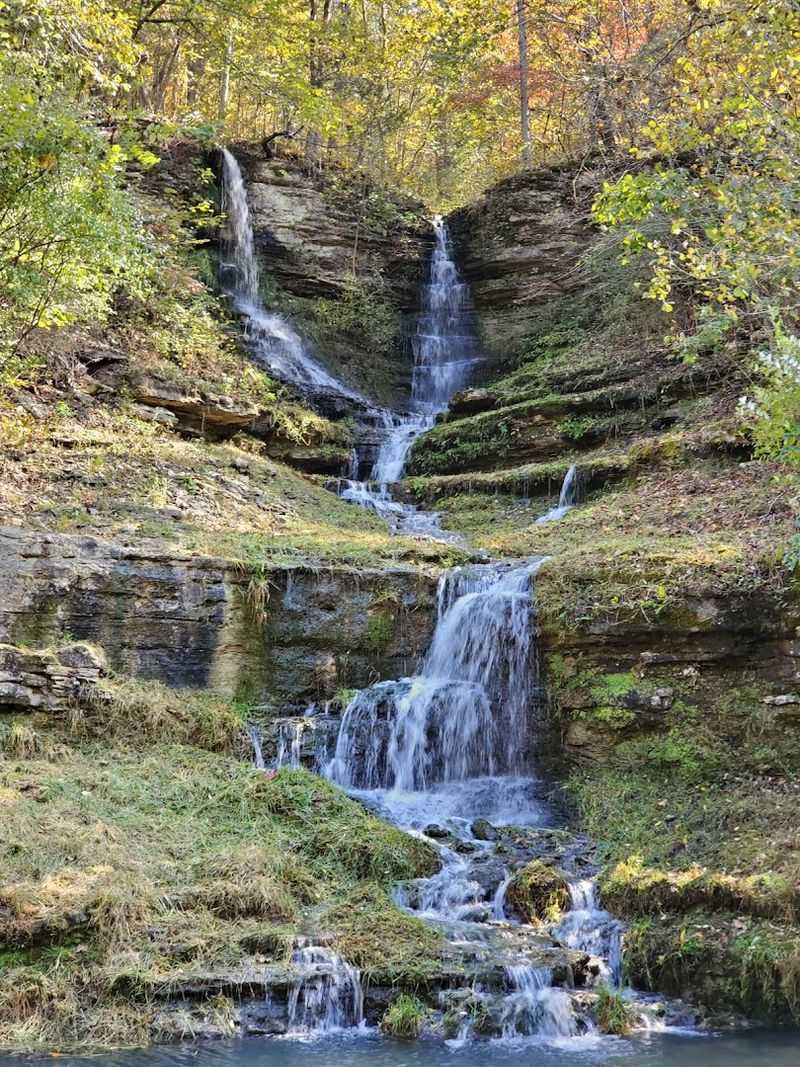
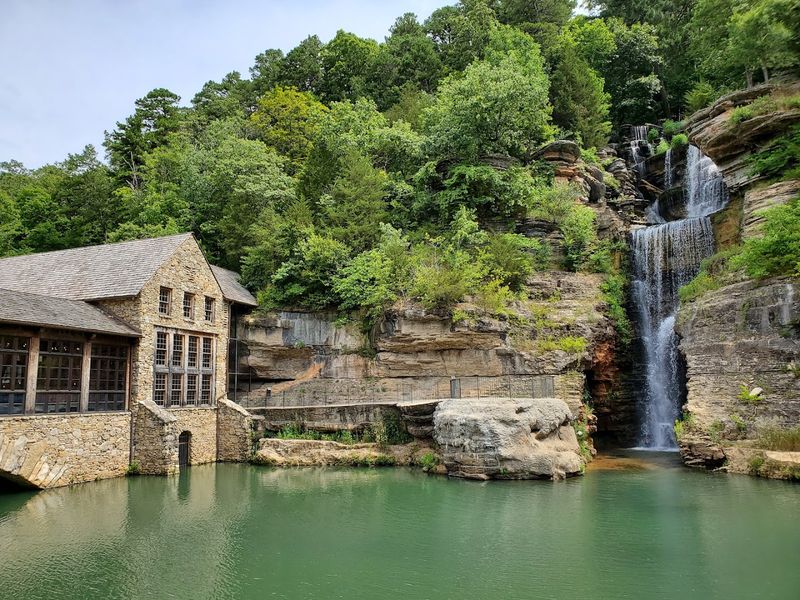
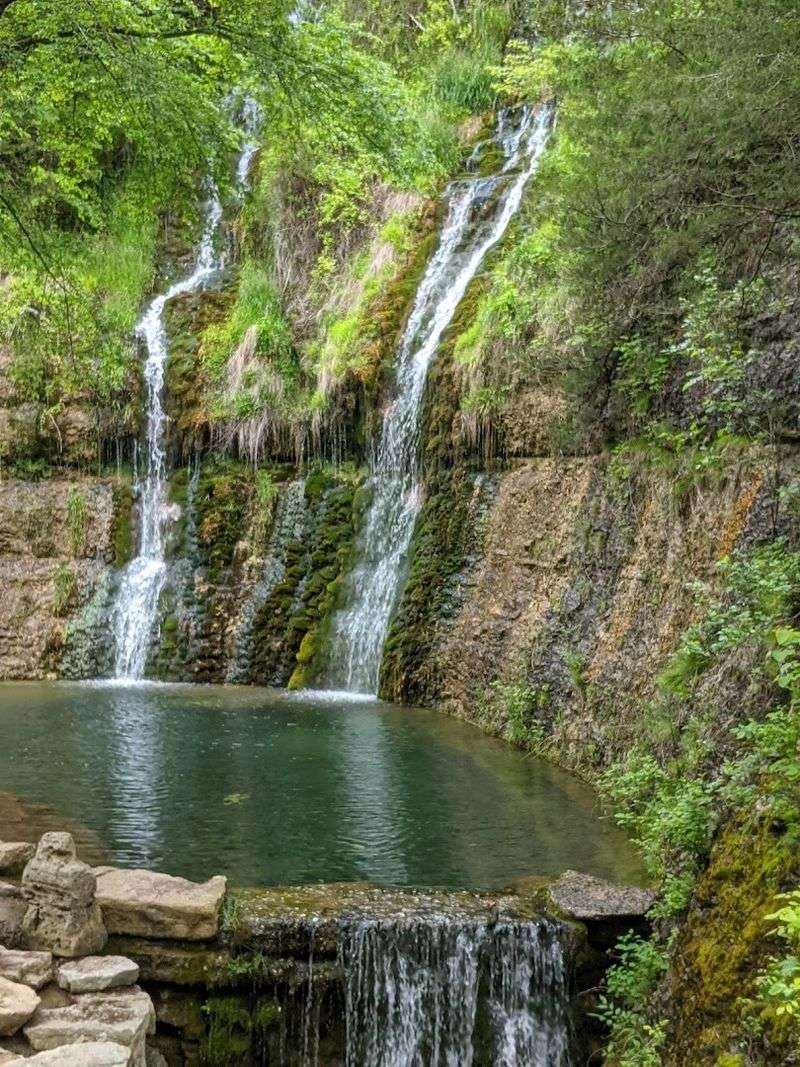
Some are wide and dramatic, spilling over broad shelves of layered limestone. Others are narrow and tucked into shaded side channels, easy to miss if you are moving too fast.
The paved trail that runs through the canyon makes it surprisingly accessible. Even on a busy day, you can find a quiet waterfall to stand beside and just listen to the sound of moving water for a few minutes.
What makes these falls special is the context around them. The clear stream, the overhanging bluffs, and the dense forest canopy all frame each waterfall in a way that feels composed rather than random.
I spent more time at the waterfalls than I planned to, mostly because each one looked completely different from the last. The park covers over six miles of trail, so there is always another one around the next bend.
Bring a camera with a good lens if you have one, because the light filtering through the trees onto the falling water creates moments that are genuinely hard to capture with a phone.
The 8,000-Year-Old Archaeological History
Long before this land became a nature park, people were already living here. Archaeological evidence found within the canyon suggests human habitation going back roughly 8,000 years.
The park preserves and interprets this history through on-site displays and exhibits. Artifacts discovered in the area include stone tools, pottery fragments, and other remnants of early Indigenous peoples who called this canyon home.
Walking through the canyon with that knowledge changes how you see the landscape. Every rock overhang and stream bank starts to look like a potential shelter or gathering place from thousands of years ago.
The tram tour guides discuss this history as part of the overall narrative of the canyon, weaving together geology, ecology, and human culture into a story that spans millennia. It is one of the more intellectually satisfying parts of the whole experience.
Missouri has a rich Indigenous history that does not always get the attention it deserves, and Dogwood Canyon takes that responsibility seriously. The exhibits feel respectful and genuinely informative rather than superficial.
Standing in a canyon that people have called home for 8,000 years puts your own daily concerns into a perspective that is hard to find anywhere else.
The Tram Tour Experience
The tram tour at Dogwood Canyon is the kind of attraction that sounds optional until you actually do it, and then it becomes the highlight of your entire trip.
The two-hour tour covers roughly six miles of canyon terrain, crossing into Arkansas at one point along the route. That detail alone makes it feel like more of an adventure than a standard park tour.
The guides bring the whole experience to life with a mix of natural history, local stories, and genuine enthusiasm for the landscape around them. The information flows naturally rather than feeling like a rehearsed script.
The tram moves slowly enough to take in every detail, including the waterfalls, the wildlife, the geological formations, and the stretches of open prairie where the bison graze. Even on a hot day, the canyon air and tree cover keep things comfortable.
I would recommend booking the tram tour in advance, especially during peak seasons, because spots fill up faster than you might expect for a park this size.
The tram also makes the park accessible for people with mobility limitations, which means the best views are not restricted to those who can hike long distances. That inclusivity is a genuinely thoughtful touch.
Hiking and Biking the Canyon Trails
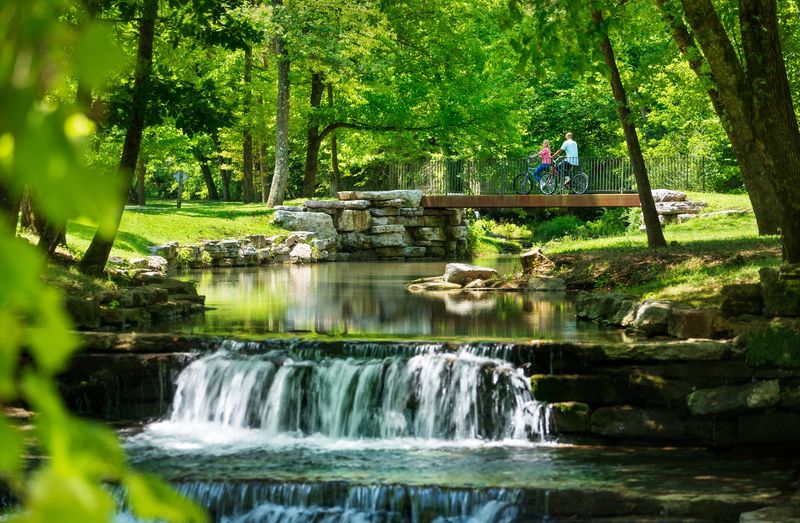
For those who prefer to move through a landscape under their own power, the trails at Dogwood Canyon deliver one of the most satisfying outdoor experiences in Missouri.
The main paved trail runs in and out through the canyon, covering just over six miles round trip at a comfortable pace. The pavement makes it accessible for a wide range of fitness levels, and the scenery keeps the miles from feeling long.
Rental bikes are available at the park, which is a genuinely useful option if you did not bring your own. Cycling the canyon lets you cover more ground while still stopping to appreciate the waterfalls, fish-filled streams, and shaded rock formations along the way.
Hikers will find plenty to slow them down, from bridge overlooks to stream crossings to the spontaneous appearance of wildlife near the trail edge. The park also has clean restrooms and water vending machines at key points along the route.
Dogs are welcome on the trail, which makes this a great destination for a full family outing. Just wear comfortable shoes and bring more water than you think you need.
The trail rewards a slow pace, and rushing through it would mean missing some of the best details the canyon has to offer.
The Spring-Fed Streams and Wildlife in the Water
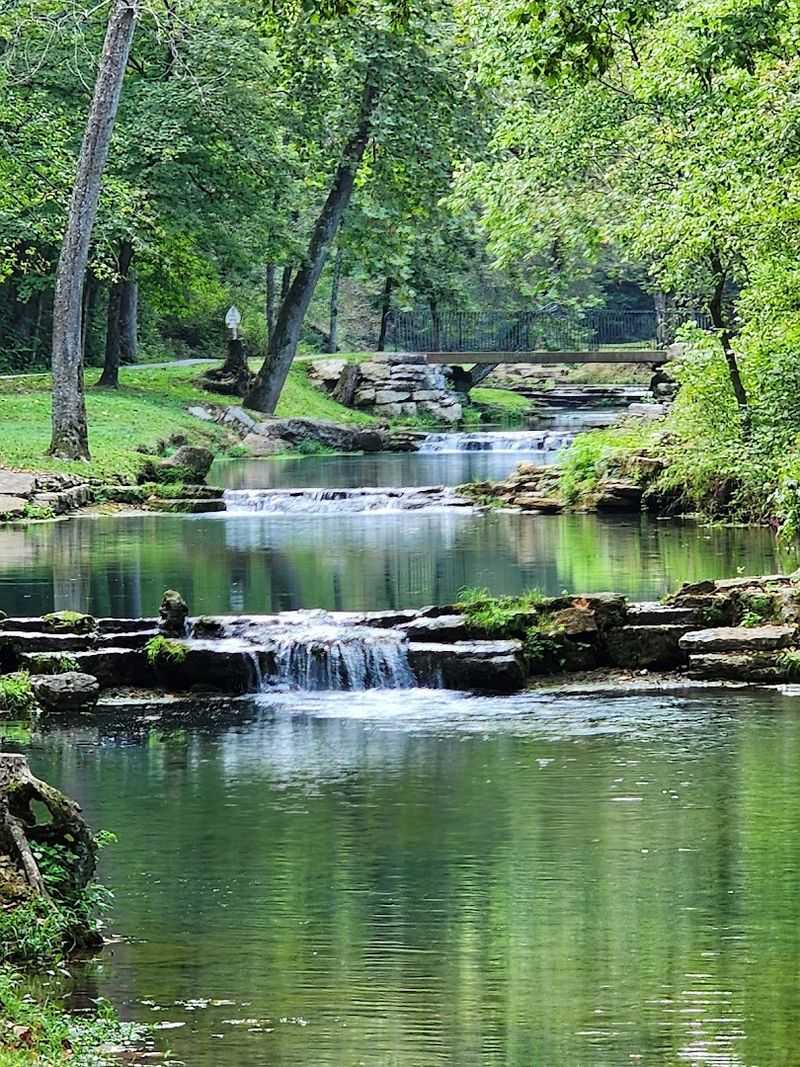
The streams running through Dogwood Canyon are not your average muddy creek. They are spring-fed, gin-clear, and full of life in a way that makes every bridge crossing feel like a biology lesson.
Trout are visible just below the surface in many sections of the stream, hovering in the current with effortless precision. The clarity of the water makes it easy to watch them for several minutes without losing sight of a single fish.
Fishing is permitted in the park, and the stream is well-stocked and carefully managed as part of the park’s broader conservation mission. Bringing quarters to purchase fish food at certain points along the trail is a small detail worth knowing before you go.
The aquatic environment also supports a wider food web, with birds, insects, and small mammals all depending on the health of the stream. Standing on one of the wooden bridges and watching that ecosystem function in real time is quietly remarkable.
Missouri has some beautiful waterways, but the streams at Dogwood Canyon feel especially pristine because of the careful conservation work that goes into maintaining them.
The sound of running water follows you through most of the trail, which adds a constant, calming rhythm to the entire experience.
The Chapel and Historic Structures
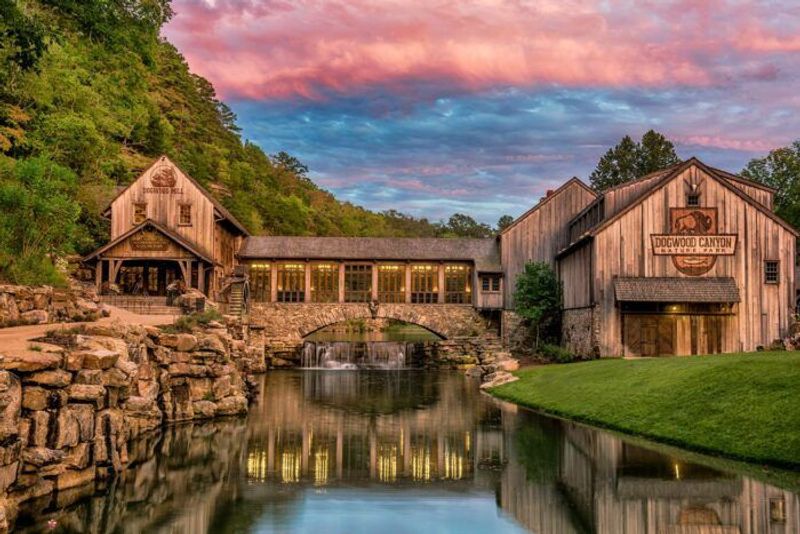
Scattered throughout the canyon are structures that feel like they grew out of the landscape rather than being built on top of it. The chapel is the most striking of these, a stone building that sits in the canyon with quiet dignity.
The architecture throughout the park uses natural materials in a way that complements rather than competes with the surroundings. Stone, timber, and natural finishes give every building a sense of permanence and intention.
The chapel is a popular spot for weddings and quiet reflection, and it is easy to understand why. The setting is genuinely beautiful, and the building itself has a simplicity that feels timeless rather than dated.
Beyond the chapel, the park features several other historic and decorative structures, including bridges, covered pavilions, and buildings filled with wildlife displays and historical artifacts. These spaces reward exploration and add cultural depth to what could otherwise be just a hiking destination.
The attention to design throughout the park reflects a broader philosophy of blending human presence into the natural environment without overwhelming it.
Every structure feels like it belongs exactly where it is, which is not something you can say about most parks in Missouri or anywhere else.
Horseback Riding Through the Canyon
Seeing the canyon from the back of a horse is a completely different experience from hiking or biking through it. The pace is slower, the perspective is higher, and the whole thing feels more connected to the landscape somehow.
Dogwood Canyon offers guided horseback tours that run for about an hour, led by knowledgeable guides who match each rider with an appropriate horse based on experience level. First-timers are genuinely well taken care of, and the horses are calm and well-mannered on the trail.
The route takes riders through forested sections of the park that are not accessible by the main paved trail, which makes the horseback tour a genuinely distinct experience rather than a repeat of the same scenery.
Booking in advance is strongly recommended, especially during busy seasons. The horseback tours fill up quickly, and showing up without a reservation often means missing out entirely.
Missouri has no shortage of trail riding options, but the setting here is hard to match. The combination of canyon walls, flowing water, and mature hardwood forest creates a backdrop that makes even a short ride feel like a real adventure.
Even riders with no prior experience tend to leave with a big smile and a strong urge to come back and do it again.
The On-Site Dining and Bison Burger
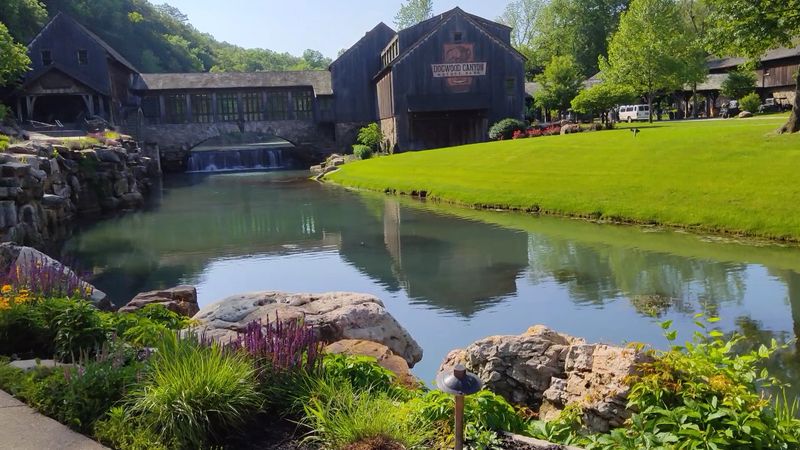
After a few hours of hiking, biking, or riding through the canyon, the on-site restaurant at Dogwood Canyon becomes a very welcome sight. The dining room has a warm, rustic feel that fits perfectly with the overall atmosphere of the park.
The menu leans into the park’s identity in the most satisfying way possible. The bison burger is the standout item, made from bison that is part of the park’s own conservation program, and it is genuinely one of the better burgers you will find in this part of Missouri.
The food quality is consistently solid, and the portions are generous enough to fuel a second round of exploration after lunch. The smell from the kitchen alone is enough to pull you in from the trail.
Seasonal menus and special event dining, including holiday meals, are also part of the restaurant’s offerings. The Thanksgiving lunch in particular has become something of a tradition for families in the region.
Eating here feels like a natural extension of the park experience rather than a commercial interruption. The setting, the food, and the relaxed pace all line up in a way that makes the meal feel like part of the adventure.
Conservation Mission and the Non-Profit Model
Dogwood Canyon is not just a beautiful place to spend a day. It is a working conservation effort with a clear and serious mission behind everything it does.
The park operates as a 501(c)(3) non-profit organization, meaning every dollar spent on admission, tours, and dining goes directly back into conservation and land stewardship. That model shapes every decision made about how the park is managed and maintained.
The creek and stream system has been carefully enhanced with conservation principles in mind, improving habitat for fish and other wildlife while still looking completely natural to the average visitor. The balance between human access and ecological health is handled with real skill.
The bison herd, the elk, and the longhorn steers are all part of a broader wildlife management program that prioritizes the long-term health of the prairie ecosystem. This is not a petting zoo situation.
These animals live as naturally as possible within a protected landscape.
Missouri benefits enormously from private conservation efforts like this one, and Dogwood Canyon sets a high standard for what responsible stewardship of natural land can look like.
Visiting here means your enjoyment directly supports the preservation of thousands of acres of Ozark wilderness for future generations.
Best Times to Visit and Practical Tips
Dogwood Canyon is open daily from 9 AM to 5 PM, which gives you a solid window to explore without feeling rushed. Arriving early on weekdays almost guarantees a quieter experience, especially during peak fall and spring seasons.
Fall is arguably the most dramatic time to visit, when the hardwood forest erupts in orange, gold, and deep red. The colors reflect off the streams and waterfall pools in a way that makes every photograph look professionally edited.
Spring brings wildflowers, newborn bison calves, and waterfalls running at full force from seasonal rains. Summer is busier but manageable, and the canyon shade keeps temperatures more comfortable than open parkland nearby.
Winter visits are surprisingly rewarding. The park stays open, crowds thin out considerably, and the bare trees reveal canyon rock formations that are hidden during leafy months.
Christmas Eve, as it turns out, is a genuinely peaceful time to walk the trail.
The park is dog-friendly, the main trail is fully paved, and clean restrooms are available at multiple points along the route. Cash is useful for fish food vending machines near the stream.
Reaching the park is straightforward. The address is 2038 State Hwy 86, Lampe, MO 65681, and the phone number is 1-800-456-4812 for reservations and tour bookings.
