Ever been to a beach bonfire in North Carolina that didn’t turn out the way you hoped? It happens more often than you’d think, and usually because of simple mistakes that could’ve been avoided.
A beach bonfire should be about good vibes, friends hanging out, the sound of waves in the background, and maybe roasting marshmallows under the stars.
But when things go wrong, the night can quickly shift from fun to frustrating.
I’ve seen it firsthand: someone forgets the right firewood, the wind blows smoke everywhere, or people don’t follow local rules and end up with the fire shut down.
Little slip-ups like that can ruin the mood and leave everyone wishing they’d planned better. The truth is, a great bonfire just takes a bit of preparation and common sense.
North Carolina’s beaches are too good to waste on a bad bonfire.
Want to know the mistakes that can wreck the night so you don’t repeat them? Here are 11 to watch out for.
1. Assuming Bonfires Are Always Allowed
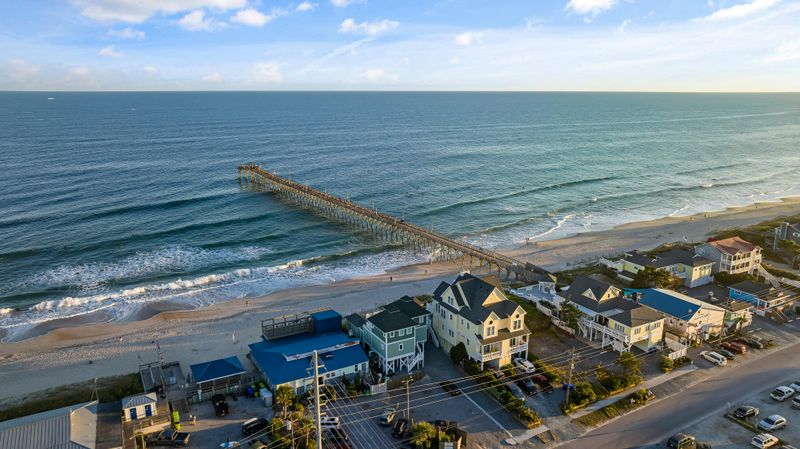
Here’s the first thing that trips people up. Not every North Carolina beach lets you light a fire, and the rules change from town to town.
You can roll up with a bundle of wood and find out the only flame allowed is the sunset.
Some places allow small, contained fires in certain zones. Others restrict them by season or shut them down during sensitive wildlife periods.
It’s not personal, it is just how coastal towns keep the shoreline safe and healthy.
Do a quick check before you go, look at the town’s website or the parks page for clear language on bonfires, charcoal, and portable pits. Five minutes online beats losing the entire evening.
Outer Banks towns and coastal parks update rules as conditions shift. Wind, drought advisories, and beach crowding can flip the switch.
Bring a backup plan like glow sticks or a lantern if fires are off.
If a ranger or beach patrol says no fire tonight, do not argue. Ask where it is allowed nearby, or pivot to a chill blanket hangout.
You will still have a solid night without the flame.
Think of the fire as a bonus to the beach, not the whole point. Sand under your feet and the steady hush of the Atlantic carry the vibe.
You will remember the conversation long after the embers anyway.
2. Skipping Permit Requirements
Permits sound boring, I get it. But some North Carolina beaches only allow fires if you grab a simple permit first.
Permits usually spell out where the fire can sit, how big it can be, and the hours it needs to be out. That means fewer surprises once you are on the sand.
It also keeps you from guessing when patrols roll through.
Check the town or park website under permits or fire rules. Some places handle it at a visitor center, others do it online.
The process is usually quick and clear.
Make sure to print or screenshot the permit and keep it handy. If someone asks, you can show it in seconds and move on, that tiny bit of prep buys you a stress free evening.
Permits help crews manage crowds and safety. They also keep fires spaced out so smoke and embers do not cause problems.
It makes a difference when the wind changes or the beach gets busy.
Skip the permit and you risk getting shut down early. That is a rough way to end a night.
Grab the permit, stick to the rules, and let the good part of the evening actually happen.
3. Building Fires Too Close To The Dunes
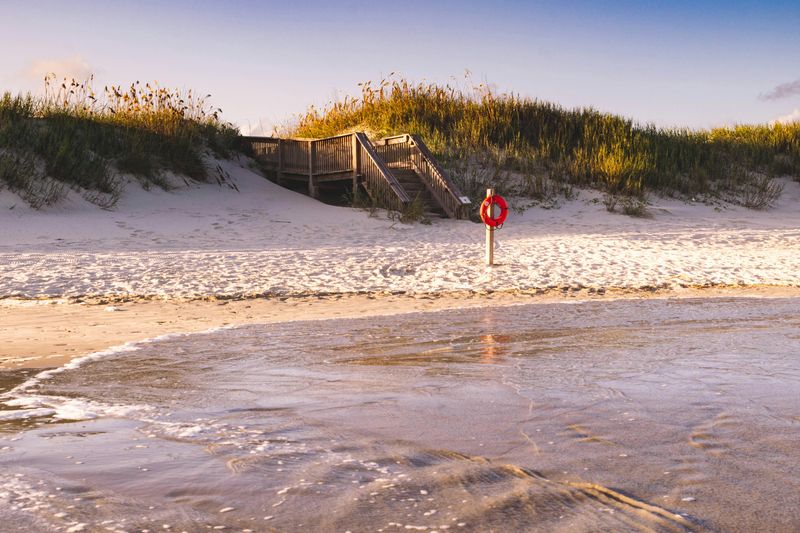
Dunes are not just pretty hills, they are living buffers that protect the coast and everything behind it. Fire too close to them can damage plants that keep the sand in place.
Most towns require fires to sit a set distance from dunes and walkovers. You will see ropes or signs telling you where to stay clear.
Pick a spot on open sand well away from vegetation.
Think about the wind too, a gust can push embers into the grass. I think it’s better to shift closer to the waterline where the sand is flatter and safer.
Those plants are tough but not fireproof, and once they are gone, erosion follows. Keeping your fire away helps the whole beach stay stable.
If you are unsure, ask a lifeguard or patrol for the safe zone. They will point you to a spot that meets the rules, quick question, easy fix.
Do not bury coals near dunes either. Hot sand can sit there for hours and hurt someone.
Keep the habitat healthy, keep the night easy, and enjoy the sound of the waves without worry.
4. Using Prohibited Firewood

Wood is not just wood when you are on a beach. Treated boards, pallets, and construction scraps release nasty stuff when burned.
Towns ban them for good reason, and patrols can spot that mix fast.
Bring clean, untreated firewood, and skip anything painted or pressure treated. It burns cleaner and does not shower sparks the way some scrap lumber does.
Pallet nails and hardware hide in the ash, they get left behind and end up in bare feet or tires. That is not the souvenir anyone wants.
If you are traveling, consider buying a small bundle locally, it is usually seasoned and ready. Keep it dry in the car and carry only what you plan to burn.
Firewood rules protect air quality and the beach itself. They also make it easier to leave no trace when the night ends.
When in doubt, read the posted guidance or ask a ranger, they have seen every trick and can steer you right in a minute.
Then you can focus on the good part, which is the crackle, the stories, and the dark ocean breathing in and out.
5. Making Fires Too Large
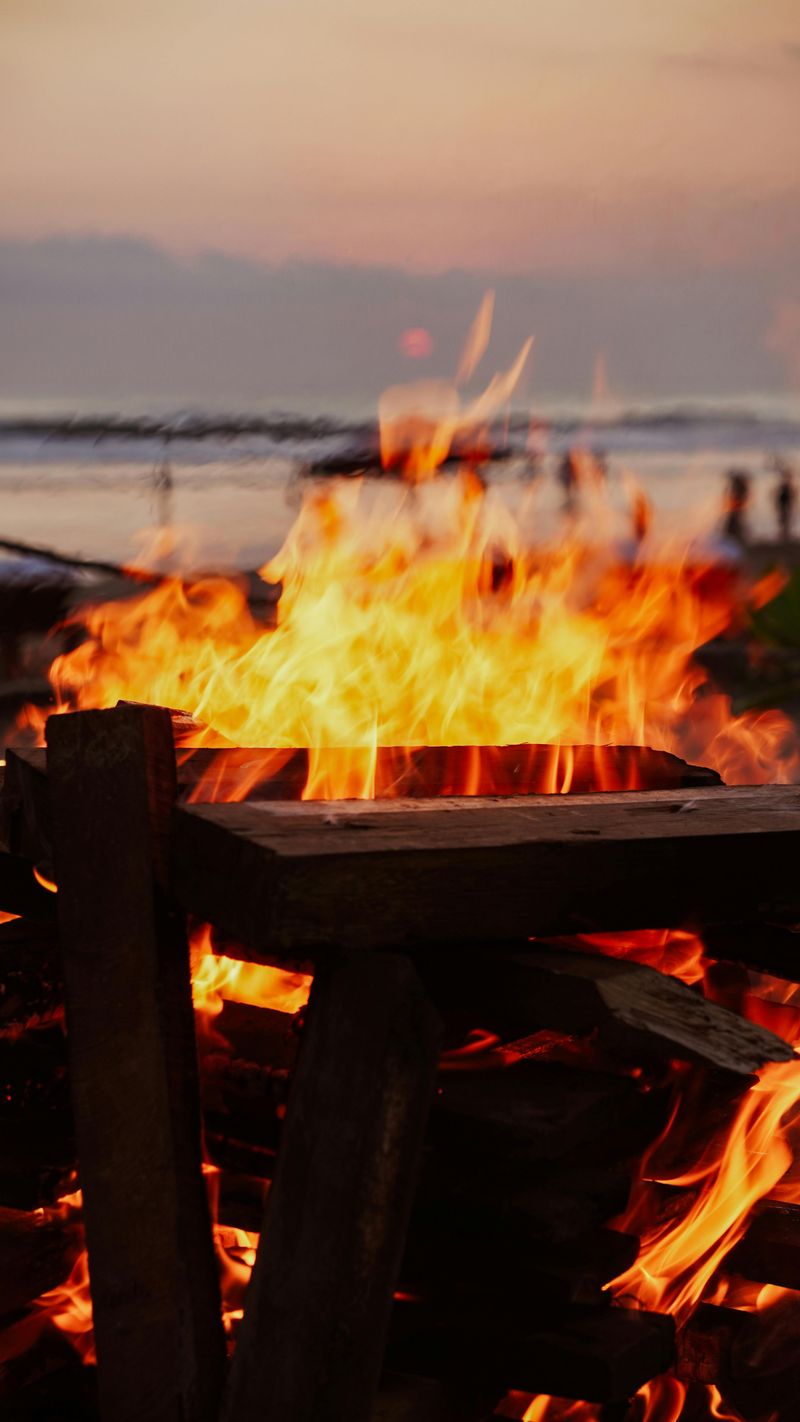
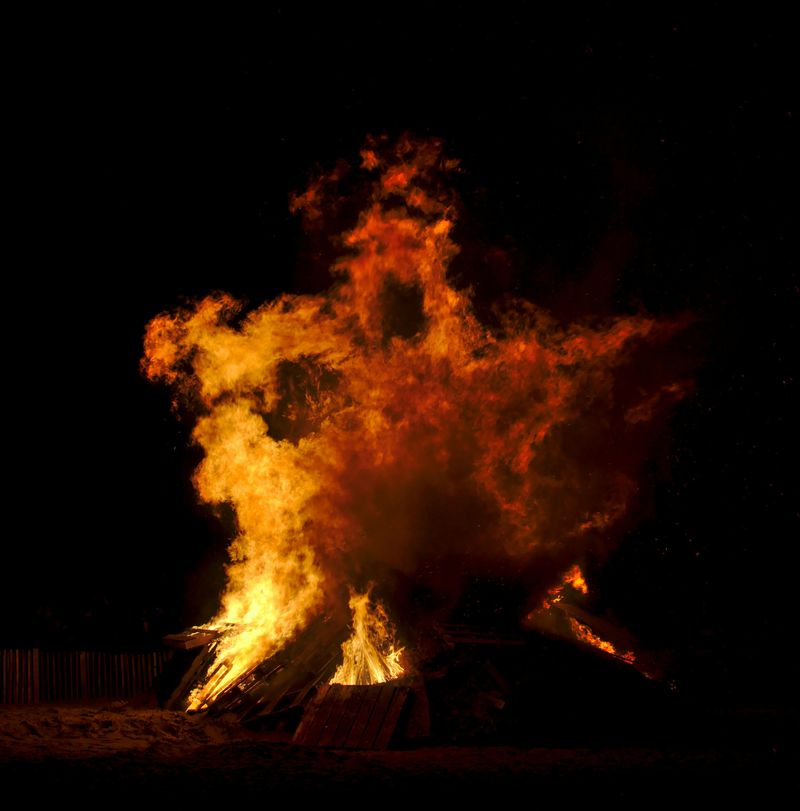
Big flames look cool in photos, but in real life, oversized fires get shut down fast. They throw embers, pull wind, and make people around you nervous.
Most beaches call for a small, manageable fire. Think low and tight, not sky high, it still gives you warmth and glow without the drama.
Use only a few pieces of wood at a time, add slowly and watch the wind. If it starts to roar, you built it too tall.
Keep chairs back a bit and give folks room to walk. A tidy setup reads responsible from far away, and that alone can buy you a longer night.
Remember, you are sharing the beach, a gentle fire blends in and does not hog attention. People come here for the ocean, not a signal flare.
When patrols see a calm fire, they usually keep moving. Stay within the size limits and you will stay out of the spotlight.
The point is time together, not a bonfire that tries to reach the stars.
6. Ignoring Sea Turtle Nesting Season
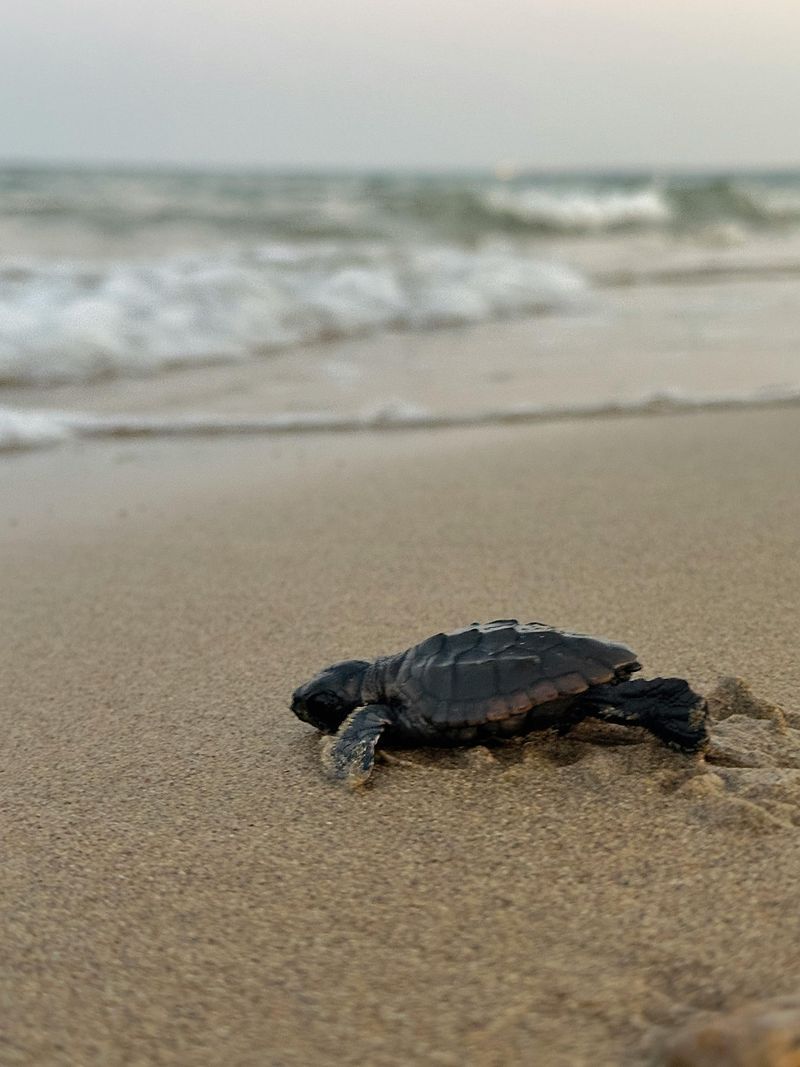
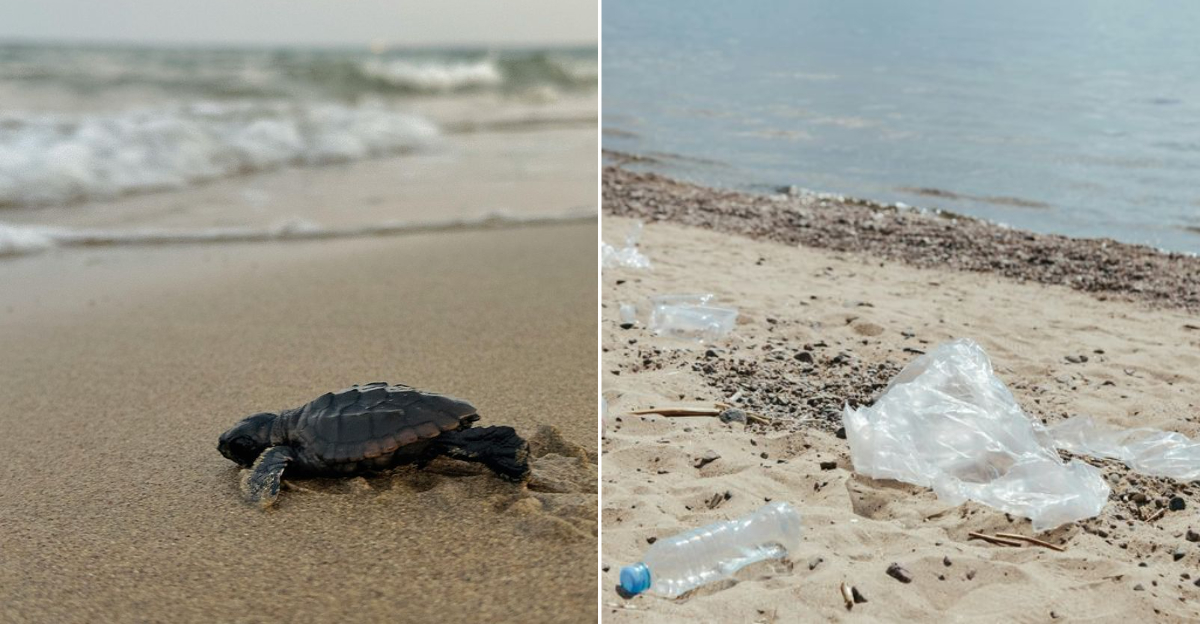
This one matters a lot. North Carolina beaches host nesting sea turtles, and bright light can throw them off.
Fires, flashlights, and glow from camps can disorient hatchlings trying to reach the water.
During nesting season, some towns tighten rules or pause fires. Follow any posted guidance and give marked nests a wide berth.
If fires are allowed, keep them small and shielded. Pick a spot far from marked areas and patrol paths.
Just know, the darker you can keep it, the better.
Ask yourself what you would want if you were guiding tiny creatures to the ocean. Less light, less noise, fewer obstacles: it is simple and it helps.
Rangers take these protections seriously, and you should too. Nothing ruins a night like getting told to douse a fire because it is disturbing wildlife.
Lean into the night sky instead, let your eyes adjust and listen to the surf. It turns the evening into something quieter and somehow bigger.
7. Leaving Fires Unattended
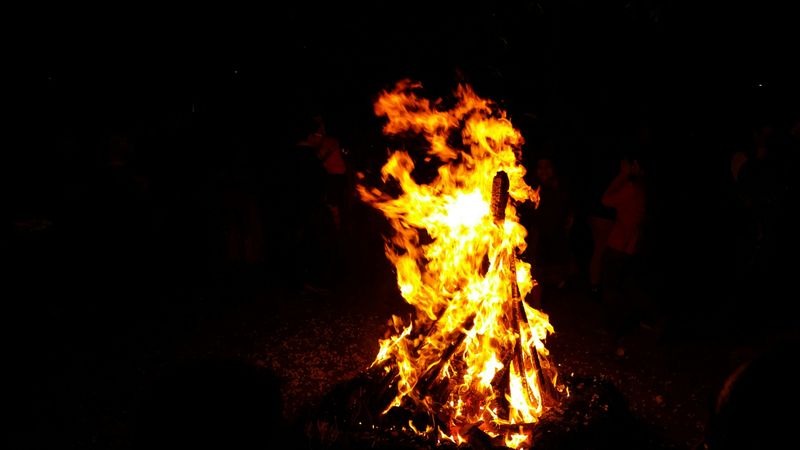
Here is the fastest way to lose your fire: do not walk off and leave it alone. Coastal wind shifts quickly and a calm flame can get rowdy in minutes.
Most beach rules say someone has to watch the fire the whole time. Trade off if you need a bathroom break, and keep a bucket of water and a shovel right there.
Unattended fires make patrols nervous for good reason. Embers can jump to dry stuff or drift into a path, and it is just not worth the risk.
Set up your chairs so one person can see the flames clearly, avoid tall windbreaks that hide the fire from view. Make sure to clear the sand around it so there is nothing to catch.
If the wind starts to whip, scale it down. Pull a log, break it apart, and settle it.
A small controlled glow beats a sudden flame up.
Think of it like driving: you would not leave the car rolling in neutral. Stay present, keep it tidy, and your night will hum along without stress.
8. Failing To Fully Extinguish The Fire
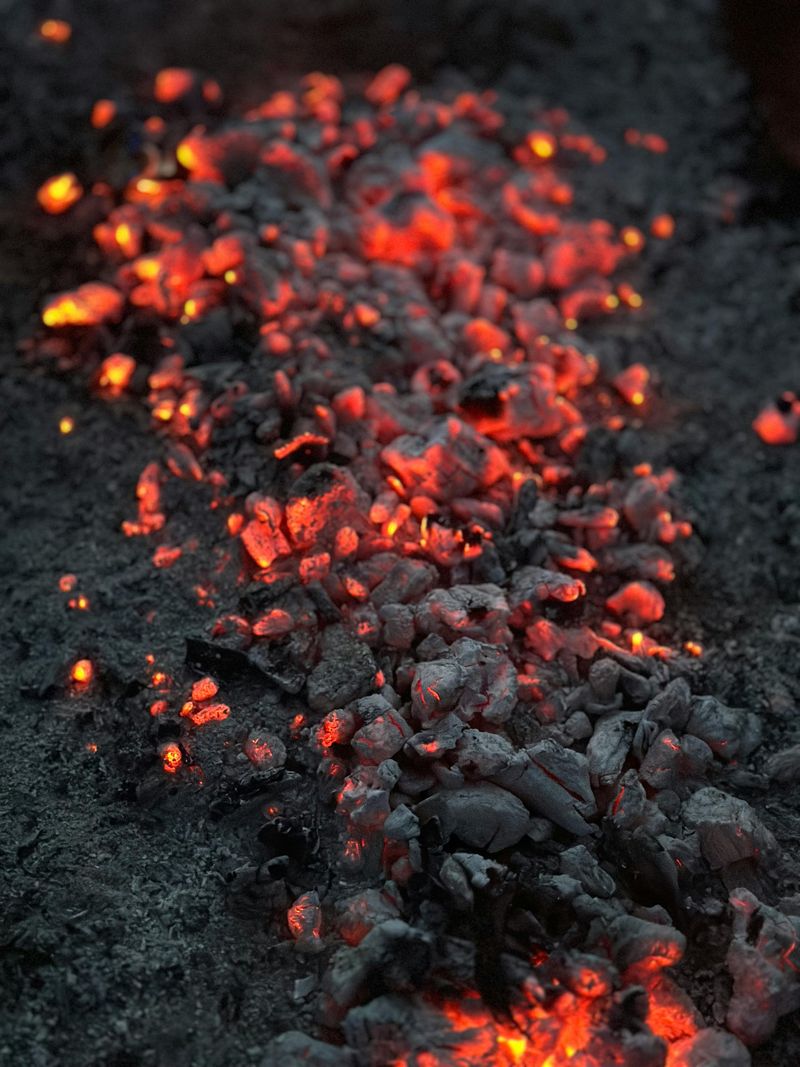
Do not trust the glow to fade on its own. Beach sand hides heat like a thermos, people step on that spot later and it can still be hot.
Flood the fire with water until it stops hissing. Stir, soak, and stir again, keep going until the ash feels cool and you do not see any shine.
Do not bury hot coals, that traps heat and turns the sand into a surprise. It is one of the most common beach injuries.
Break apart any big chunks with a shovel, spread them thin so water hits every surface. I know it is messy, but it works.
Take your time, the ride home feels better when you know the site is safe. Plus, patrols look for wet, cold pits as a sign you did it right.
Leave the spot cleaner than you found it. Smooth the sand and pack out any leftover bits, then you can walk away knowing the night stays good for the next person too.
9. Blocking Beach Access Paths
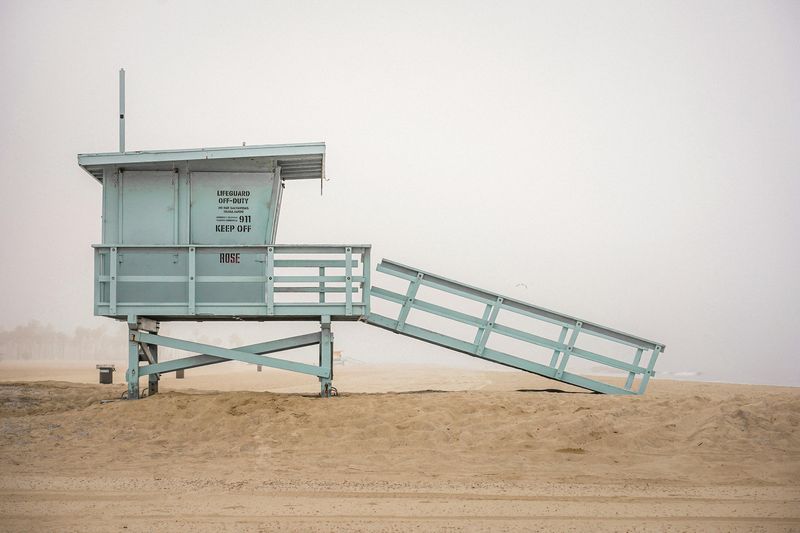
Quick tip that saves headaches: do not set up near the walkover or access path. Those routes are how emergency vehicles and crews move.
Pick a spot well off to the side where people can pass without weaving through your chairs. You will feel less crowded and no one will grumble as they squeeze by.
It also reads as considerate to patrols.
Make sure to keep your gear tight. Coolers, blankets, and bags spread out can block the corridor fast.
Think of it like leaving a lane open.
Look for posted signs that mark access zones, and give them clean space so there is no confusion. If a patrol points you to shift, just do it.
Access rules are not picky for fun, they keep the beach moving and safe. You would want the lane clear if you needed help.
Once you are set, it is one less thing to worry about. Your night settles in, the tide whispers, and everyone can get where they need to go without a maze of gear in the way.
10. Playing Loud Music Late At Night

Let the ocean be the soundtrack. Loud music is the fastest way to bring a visit from a patrol.
Beaches follow local noise rules just like neighborhoods do.
Keep the volume low and face the speaker toward your group. Bass carries over open sand more than you think, and quiet hours sneak up, so plan to wind it down early.
Talk, laugh, and keep it mellow, a low hum feels right with the surf. You will hear more of the night and less of a tinny speaker.
If someone nearby asks to turn it down, take it as a cue, they may be trying to put kids to sleep or stargaze. You can still have a great time without blasting anything.
A calm vibe helps your night last, and it also shows you know how to share the shoreline with everyone. That goes a long way in North Carolina beach towns.
Bring a small lantern and lean into the mood. When the stars pop, you will not miss the volume.
It is the kind of quiet that makes stories land better anyway.
11. Leaving Trash Or Fire Debris Behind

Nothing ruins the vibe like a trashed fire pit. Charcoal, nails from pallets, and burnt wood shards do not belong in the sand, so make sure to pack a trash bag and plan to use it.
Before you leave, sift the site for metal and big chunks, a small rake or shovel makes it quick. Your feet will thank you and so will the next group.
Do not bury scraps or scatter half burned pieces, they surface later and cause problems. Keep it simple and carry it out.
Look around where the wind blew while you were talking: lids, wrappers, and tiny bits migrate fast. A two minute sweep gets it all.
Local rules usually say cleanup is required. It is not just polite, it is expected, and it keeps wildlife from poking around where people hang out.
Leave the spot clean and smooth. When the tide washes up in the morning, it will look untouched.
That is the kind of beach night North Carolina deserves, and it is on us to keep it that way.
