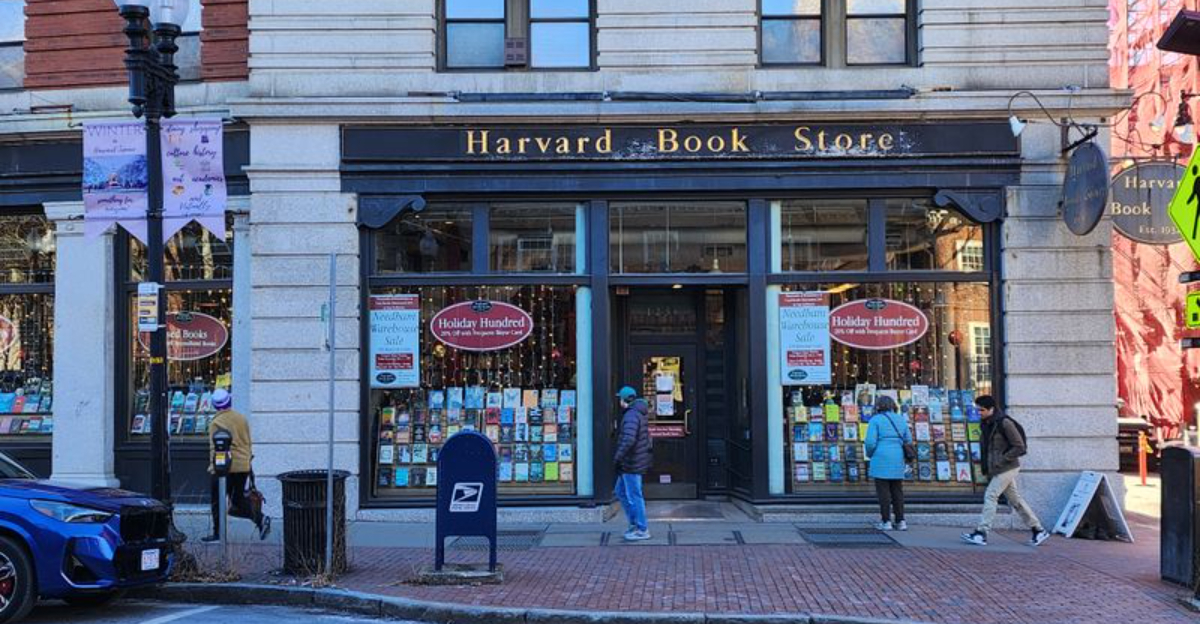
Massachusetts holds a special place in American literary history, with roots that stretch back centuries to some of the nation’s most beloved authors and thinkers.
From historic homes where classic novels were written to charming bookstores tucked into converted mills, the state offers countless opportunities for bibliophiles to connect with the written word.
Whether you’re drawn to the peaceful Berkshires or the bustling streets of Boston, each destination on this list provides its own unique atmosphere and story.
These ten spots across Massachusetts promise memorable experiences for anyone who loves books, history, and the magic of discovering new literary treasures.
1. The Bookmill, Montague
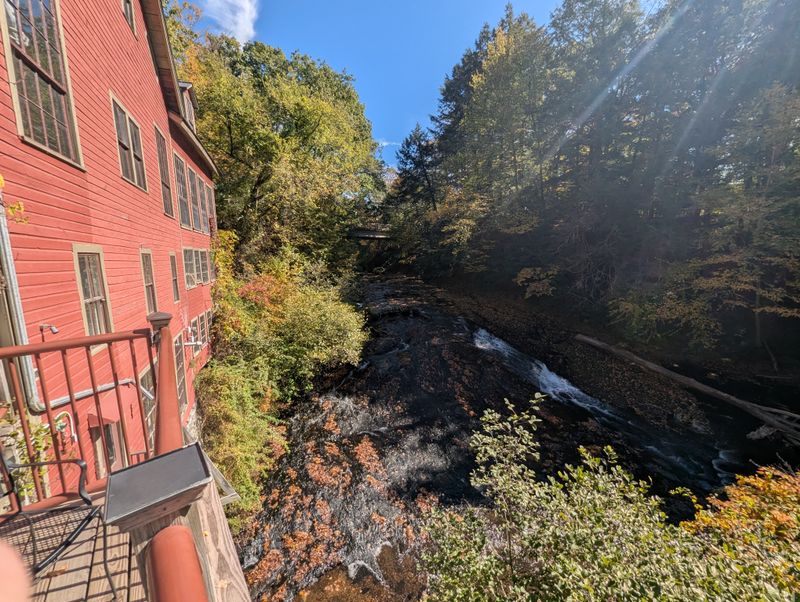
Hidden away in a converted 19th-century gristmill, this bookstore lives up to its quirky motto perfectly.
The Bookmill proudly declares itself home to books you don’t need in a place you can’t find, and that charming philosophy sets the tone for your entire visit.
Over 40,000 used and new books line the shelves across multiple rooms, creating a maze of literary discovery that could keep you browsing for hours.
The building itself tells a story, with original wooden beams, creaky floors, and windows that frame views of the Sawmill River cascading over rocks just outside.
That rushing waterfall provides a soothing soundtrack as you flip through vintage paperbacks or search for first editions.
Beyond the books, the mill houses a cozy cafe where you can settle in with your finds and a cup of coffee, watching the water tumble past.
The atmosphere feels both timeless and welcoming, drawing visitors who appreciate authenticity over polish.
Local artists often display their work on the walls, adding another layer of creativity to the space.
The Bookmill has become a beloved destination for readers throughout New England, who make pilgrimages to this literary sanctuary tucked into the Massachusetts countryside.
Many visitors describe the experience as magical, a place where time seems to slow down and the simple pleasure of browsing books takes center stage.
Whether you’re hunting for a specific title or simply enjoying the serendipity of discovery, this destination rewards book lovers with an unforgettable experience.
Address: 440 Greenfield Road, Montague, Massachusetts
2. Orchard House, Concord
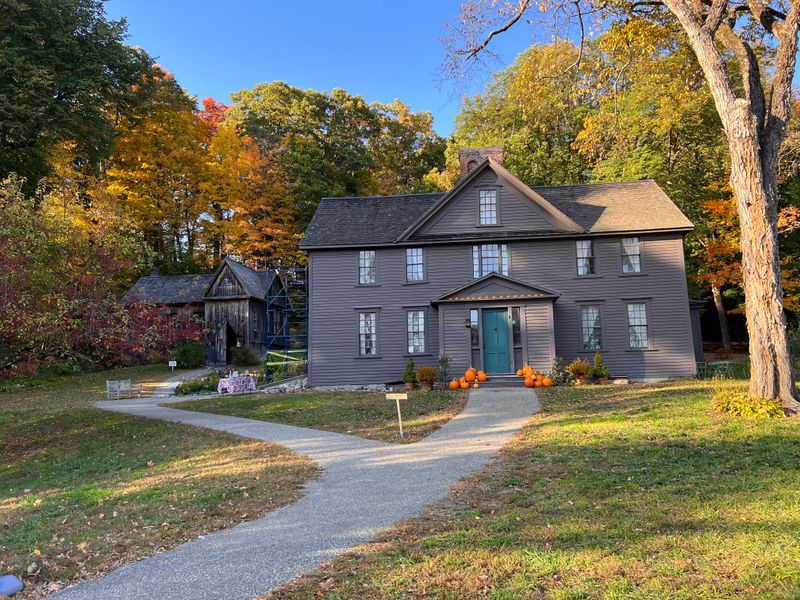
Step into the very rooms where Louisa May Alcott brought the March sisters to life in her beloved novel Little Women.
Orchard House served as the Alcott family home from 1858 to 1877, and the walls still echo with the creativity and progressive spirit that defined this remarkable household.
Louisa wrote her most famous work at a small desk between two windows in her bedroom, and that desk remains exactly where she left it.
The home preserves not just furniture but the essence of a family that valued education, social reform, and artistic expression above material wealth.
Original manuscripts, family letters, and personal belongings offer intimate glimpses into daily life during the 1860s.
Visitors can see the costume trunk that inspired the theatrical adventures in Little Women, along with artwork created by youngest sister May Alcott on the walls and furniture.
Knowledgeable guides share stories about the real people behind the fictional characters, revealing how closely the novel mirrored the Alcott family’s experiences.
The surrounding grounds include gardens and pathways that the sisters themselves would have walked, providing peaceful spots for reflection.
Concord’s rich literary heritage extends beyond Orchard House, with nearby homes of Emerson, Thoreau, and Hawthorne creating a concentration of American literary history unmatched anywhere else.
Visiting during autumn brings spectacular foliage that frames the house in brilliant colors, though each season offers its own appeal.
For fans of classic American literature, Orchard House represents a pilgrimage site where fiction and reality blend beautifully.
Address: 399 Lexington Road, Concord, Massachusetts
3. Emily Dickinson Museum, Amherst
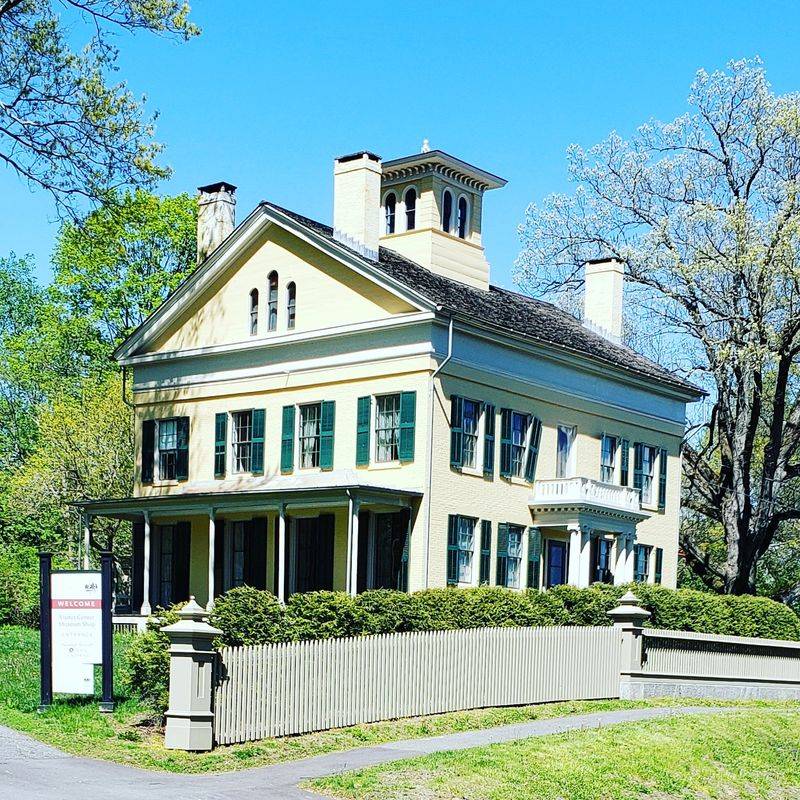
Few poets have captured the imagination quite like Emily Dickinson, whose deceptively simple verses contain depths that scholars still explore today.
The Emily Dickinson Museum encompasses two historic houses: the Homestead where she was born and spent most of her life, and the Evergreens, home to her brother Austin and sister-in-law Susan.
Walking through these preserved spaces offers remarkable insight into the poet’s secluded world and the creative genius that flourished within it.
The bedroom where Dickinson wrote hundreds of her nearly 1,800 poems remains much as it was during her lifetime, with period furnishings that help visitors imagine her at work.
She rarely left these grounds during her later years, yet her poetry explored vast emotional and philosophical territories.
The gardens she tended with such care have been restored to reflect the flowers and plants she mentioned in her verses.
Strolling these paths in spring when bulbs bloom or summer when her beloved flowers reach their peak adds another dimension to understanding her work.
Guided tours reveal fascinating details about the Dickinson family dynamics and the intellectual community that surrounded them in 19th-century Amherst.
The museum also hosts readings, lectures, and educational programs that bring Dickinson’s poetry to life for new generations.
Visitors often comment on the peaceful atmosphere that pervades these properties, a quietness that seems fitting for a poet who found infinity in her own backyard.
The experience connects you directly to one of America’s most enigmatic literary figures in the very spaces that shaped her extraordinary vision.
Address: 280 Main Street, Amherst, Massachusetts
4. Brattle Book Shop, Boston
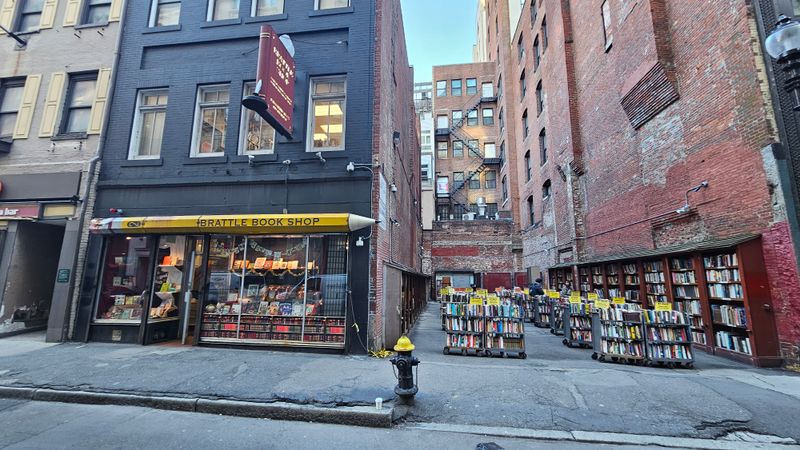
Established in 1825, Brattle Book Shop stands as one of America’s oldest and largest antiquarian bookstores, a true treasure for serious collectors and casual browsers alike.
Three floors packed with books create an explorer’s paradise where you might discover anything from a rare first edition to an affordable paperback classic.
The shop specializes in used, rare, and out-of-print books across every imaginable subject and genre.
Owner Kenneth Gloss represents the third generation of his family to run this Boston institution, bringing both expertise and genuine passion to the business.
The ground floor features general interest books and recent arrivals, while the second floor houses rare books, maps, prints, and postcards that collectors travel from around the world to examine.
Perhaps most charming is the outdoor lot beside the building, where bargain books fill bins and carts under the open sky.
This outdoor section operates on the honor system when staff aren’t present, reflecting the trust and community spirit that defines the shop.
Browsing these outdoor treasures on a pleasant afternoon captures something essential about the joy of book hunting.
The shop regularly hosts events, appraisals, and book signings that strengthen Boston’s literary community.
Located in the heart of downtown, Brattle Book Shop provides a welcome refuge from the city’s modern pace, a place where time moves differently among the stacks.
Whether you’re searching for a specific title or simply want to lose yourself among thousands of books, this landmark delivers an experience that big-box stores and online retailers simply cannot match.
Address: 9 West Street, Boston, Massachusetts
5. Harvard Book Store, Cambridge
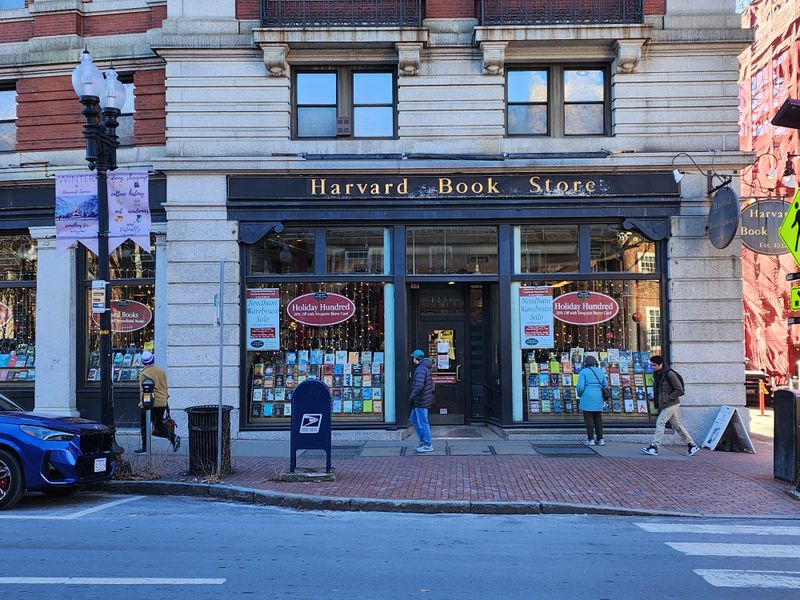
Since opening in 1932, Harvard Book Store has served the Cambridge community as a fiercely independent bookseller committed to connecting readers with exceptional books.
Despite its name, the store operates independently from Harvard University, though it certainly benefits from the intellectual energy that permeates Harvard Square.
The main floor offers carefully curated selections of new releases, staff favorites, and academic titles that reflect the neighborhood’s scholarly character.
Knowledgeable staff members provide recommendations with genuine enthusiasm, treating book selection as both art and service.
Downstairs, the used book department contains thousands of titles at accessible prices, perfect for students and budget-conscious readers building their personal libraries.
The store gained additional fame for its Espresso Book Machine, which can print, bind, and trim a paperback book in just minutes.
This technology makes millions of out-of-print and public domain titles available on demand, preserving access to books that might otherwise be lost.
Harvard Book Store hosts over 600 author events annually, bringing writers from around the globe to share their work with enthusiastic audiences.
These readings and discussions have become central to Cambridge’s cultural life, creating connections between authors and readers that enrich both.
The store’s commitment to literature extends beyond sales to genuine community building and support for the written word in all its forms.
Visiting during the academic year means encountering students debating philosophy over coffee nearby and professors browsing for their next great read.
Address: 1256 Massachusetts Avenue, Cambridge, Massachusetts
6. Norman Rockwell Museum, Stockbridge
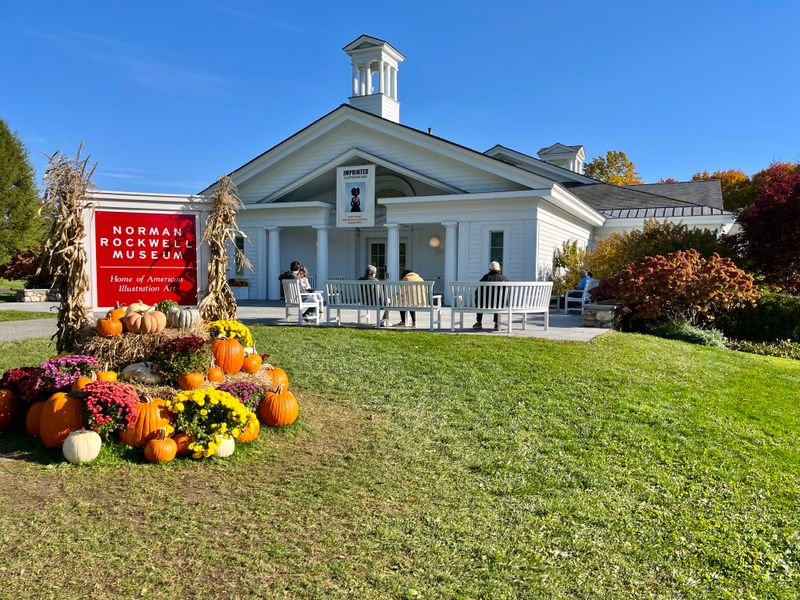
Norman Rockwell’s illustrations defined American visual storytelling for much of the 20th century, and this museum houses the world’s largest collection of his original art.
While Rockwell worked primarily as an illustrator rather than an author, his images told stories as compelling as any novel, capturing moments of everyday life with humor, warmth, and keen observation.
The museum contains hundreds of paintings, drawings, and studies that reveal Rockwell’s creative process and technical mastery.
His famous Saturday Evening Post covers hang alongside lesser-known works, offering a comprehensive view of his artistic evolution.
Book lovers will particularly appreciate seeing the original illustrations Rockwell created for classic novels, including his interpretations of Tom Sawyer and Huckleberry Finn.
These works demonstrate how visual art can enhance and expand literary narratives, creating new dimensions of meaning.
The museum grounds include Rockwell’s actual studio, relocated from its original site and preserved exactly as he left it.
Stepping inside reveals his easel, brushes, reference photographs, and the north-facing windows that provided perfect light for his detailed work.
Set in the beautiful Berkshire hills, the museum offers stunning views that change dramatically with the seasons.
The peaceful rural setting echoes the small-town America that Rockwell so often depicted in his art.
Special exhibitions explore themes in American culture and showcase other illustrators who shaped visual storytelling.
For anyone interested in how images and words work together to create meaning, this museum provides endless inspiration.
Address: 9 Glendale Road, Stockbridge, Massachusetts
7. Arrowhead, Pittsfield
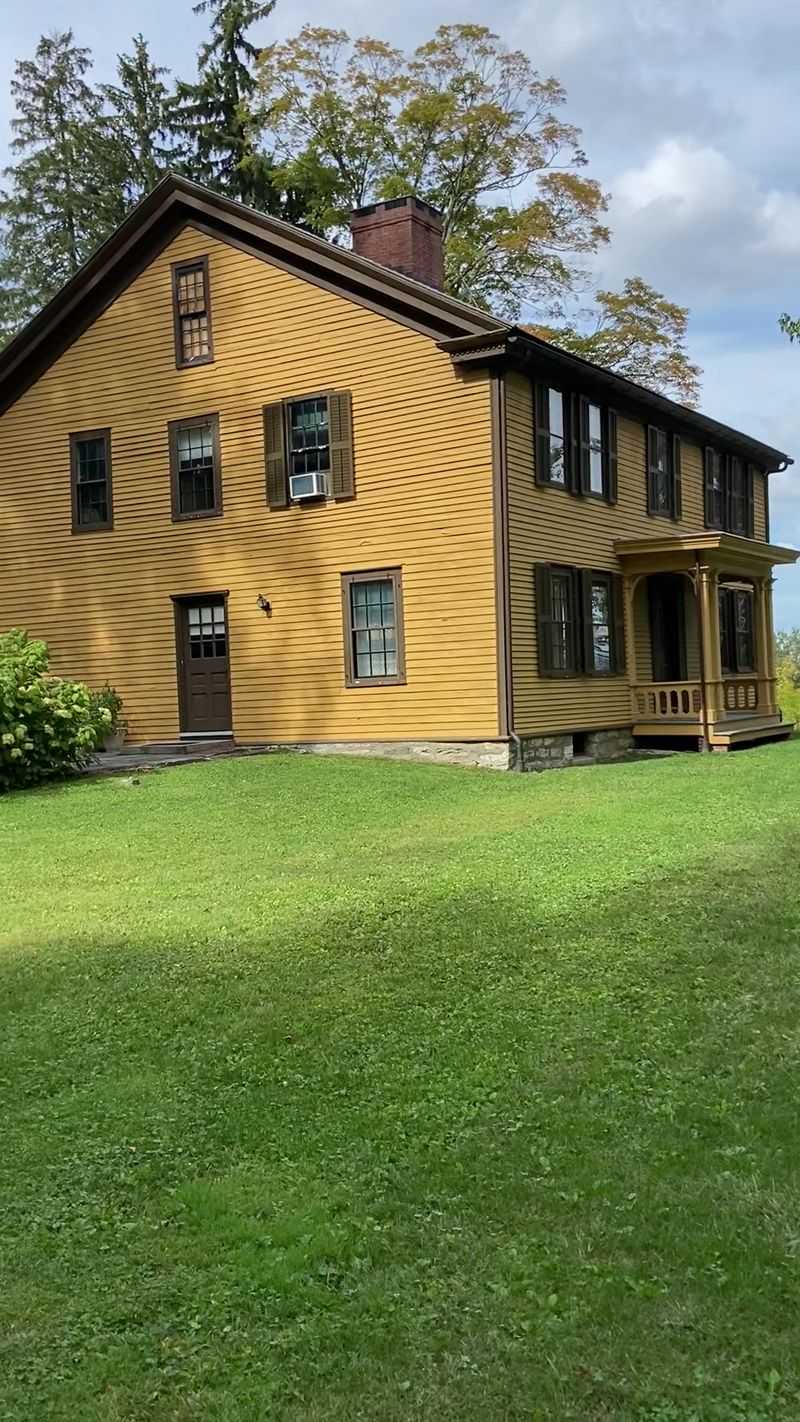
Herman Melville purchased this farmhouse in 1850 and named it Arrowhead after discovering Native American artifacts while plowing the fields.
Within these walls, he wrote his masterpiece Moby-Dick, drawing inspiration from the view of Mount Greylock through his study window.
That mountain, resembling a great whale breaching from the earth, became part of the novel’s mythology as Melville worked through long winters at his desk.
The house retains much of its 19th-century character, with period furnishings and architectural details that transport visitors back to Melville’s era.
Guides share stories about Melville’s daily routines, his relationships with neighboring writers like Nathaniel Hawthorne, and the mixed reception that initially greeted Moby-Dick.
The author’s study remains the heart of the tour, where you can stand in the space where one of American literature’s greatest novels took shape.
Melville lived at Arrowhead for 13 years, producing not only Moby-Dick but also Pierre, The Confidence-Man, and many short stories including Bartleby, the Scrivener.
The surrounding landscape still feels remote and contemplative, offering insight into the isolation that both inspired and challenged Melville during his most productive years.
The property includes walking trails and gardens that allow visitors to experience the natural beauty that surrounded the writer.
Special programs throughout the year explore Melville’s work, his historical context, and his enduring influence on literature.
For readers who have wrestled with the depths of Moby-Dick, visiting Arrowhead creates a powerful connection to the man behind that monumental achievement.
Address: 780 Holmes Road, Pittsfield, Massachusetts
8. Jones Library, Amherst
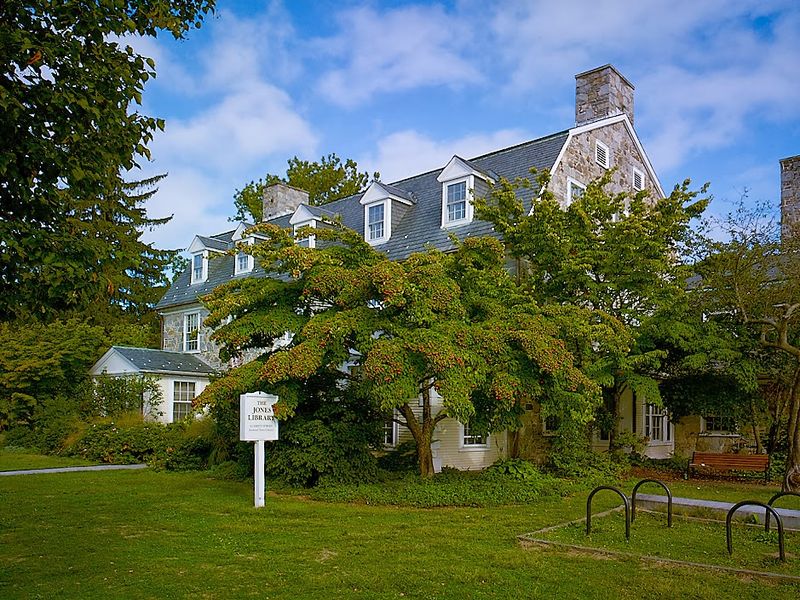
Opened in 1919, Jones Library serves as both a vital community resource and a repository of significant literary collections that draw researchers from far beyond Amherst.
The library houses the Robert Frost Collection, containing manuscripts, letters, photographs, and personal items from the beloved poet who lived in Amherst for many years.
Frost taught at nearby Amherst College, and his presence shaped the town’s literary character in lasting ways.
The Special Collections also include materials related to Emily Dickinson, complementing the museum dedicated to her just down the street.
Beyond these famous names, the library maintains archives documenting local history and the development of this intellectual community.
The building itself combines historic architecture with modern additions, creating spaces that honor tradition while serving contemporary needs.
Comfortable reading rooms invite visitors to settle in with books from the extensive collection, which covers every subject and interest.
The library hosts regular author talks, poetry readings, and book discussions that bring together readers of all ages and backgrounds.
These programs reflect Amherst’s identity as a college town where ideas and literature remain central to community life.
Students from the five nearby colleges mix with longtime residents, creating a diverse and engaged atmosphere.
Even if you’re just passing through Amherst, stopping at Jones Library offers a chance to experience a public library at its finest, serving both preservation and access.
The staff’s dedication to connecting people with books and information represents the best of library tradition.
Address: 43 Amity Street, Amherst, Massachusetts
9. Truro Public Library, Truro
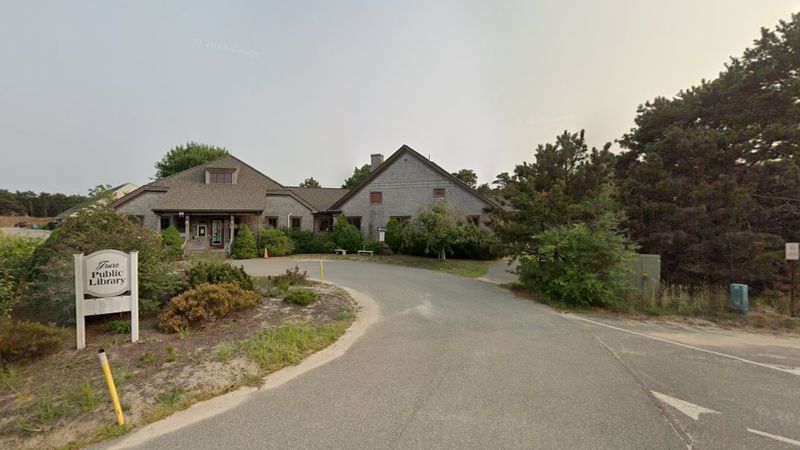
Perched near the tip of Cape Cod, Truro Public Library serves a small year-round community that swells with visitors each summer seeking the area’s pristine beaches and artistic heritage.
This modest library punches well above its weight, offering programs and collections that reflect the town’s unique character as both working fishing village and creative retreat.
Writers and artists have long been drawn to Truro’s dramatic landscapes, where sand dunes, ocean, and sky create ever-changing vistas.
The library maintains a collection focused on Cape Cod history, maritime literature, and works by the many authors who have called this area home.
Eugene O’Neill wrote some of his earliest plays nearby, and countless other writers have found inspiration in Truro’s isolation and natural beauty.
Summer reading programs bring together children from visiting families and local residents, fostering connections through shared love of stories.
The library also hosts author readings that take advantage of the many writers who summer on the Cape, creating opportunities for intimate conversations about craft and creativity.
Large windows frame views of the surrounding landscape, making even routine library visits feel special.
The staff knows their collection intimately and delights in helping visitors discover books about Cape Cod’s rich maritime history or finding the perfect beach read.
After browsing the shelves, you can head to nearby beaches with your borrowed books, reading to the soundtrack of crashing waves.
This combination of literary resources and spectacular natural setting makes Truro Public Library a destination worth seeking out during any Cape Cod visit.
10. The Mount, Lenox
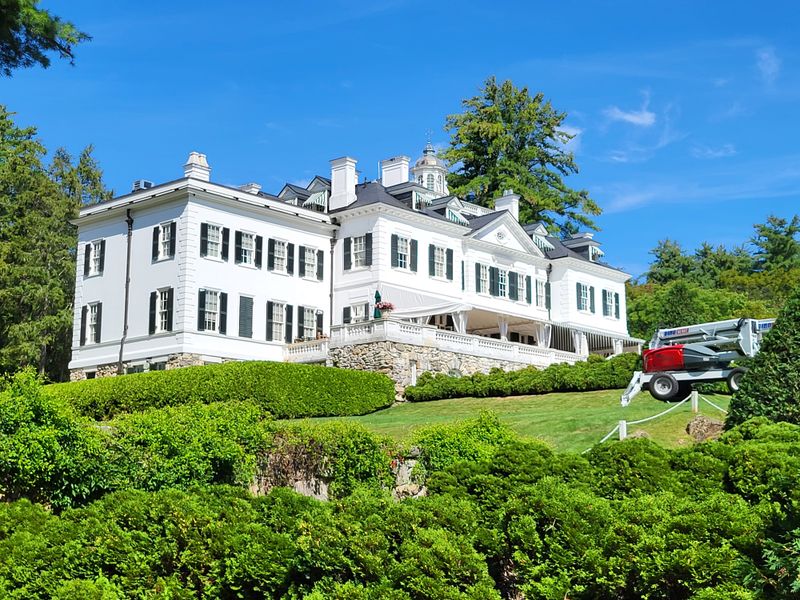
Edith Wharton designed and built this estate herself in 1902, creating a home that reflected her sophisticated understanding of architecture, design, and landscape.
The Mount served as Wharton’s primary residence during her most productive years as a novelist, when she wrote Ethan Frome, The House of Mirth, and other major works.
Every detail of the house demonstrates her aesthetic principles, from the formal gardens she planned to the interior spaces arranged for both gracious entertaining and serious writing.
Wharton’s study overlooks the gardens, providing a serene workspace where she composed her incisive examinations of Gilded Age society.
The restored rooms contain period furnishings that help visitors understand how Wharton lived and worked at the height of her career.
The estate sits in the heart of the Berkshires, surrounded by the natural beauty that Wharton cherished and that influenced her writing.
Walking the grounds reveals her skill as a landscape designer, with carefully planned vistas and garden rooms that unfold as you explore.
The Mount hosts theatrical performances, lectures, and educational programs that explore Wharton’s life, work, and enduring relevance.
Summer brings outdoor theater productions on the grounds, often featuring adaptations of Wharton’s novels and plays.
Visiting during autumn offers spectacular foliage that frames the white mansion in brilliant colors, creating scenes worthy of Wharton’s descriptive powers.
For readers familiar with her novels, touring The Mount provides context that deepens appreciation for her detailed observations of domestic spaces and social dynamics.
This destination celebrates a writer who was also an accomplished designer, revealing the connections between her various creative pursuits.
Address: 2 Plunkett Street, Lenox, Massachusetts
Dear Reader: This page may contain affiliate links which may earn a commission if you click through and make a purchase. Our independent journalism is not influenced by any advertiser or commercial initiative unless it is clearly marked as sponsored content. As travel products change, please be sure to reconfirm all details and stay up to date with current events to ensure a safe and successful trip.
