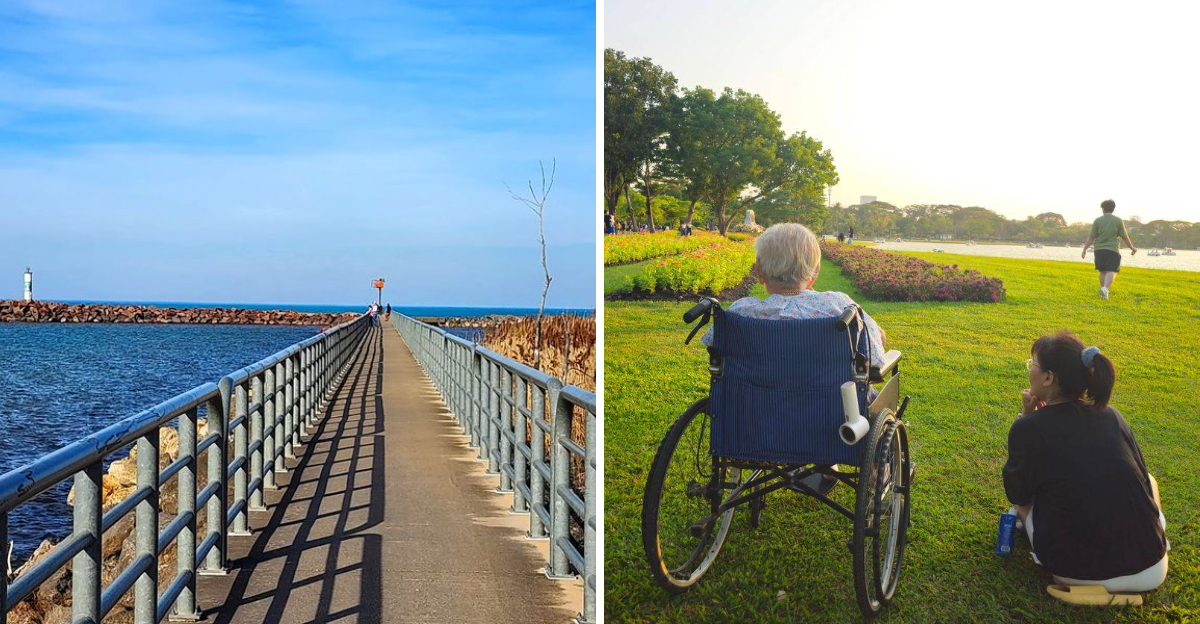
I have spent a lot of time exploring Indiana’s outdoors, and one thing I have learned is that nature should be for everyone. Whether you use a wheelchair, push a stroller, or just prefer a smooth, easy surface underfoot, the state has some truly stunning paved trails that make getting outside simple and enjoyable.
From lakeside paths with wide-open views to forest greenways that cut through peaceful stretches of trees, these routes prove that accessibility and natural beauty can go hand in hand.
Many of them connect parks, waterways, and small towns, creating long, scenic corridors perfect for walking, biking, or a relaxed afternoon outdoors.
I put together this list so you can breathe fresh air, move at your own pace, and experience some of the most scenic and welcoming outdoor spaces the region has to offer.
1. The Celery Bog Nature Area
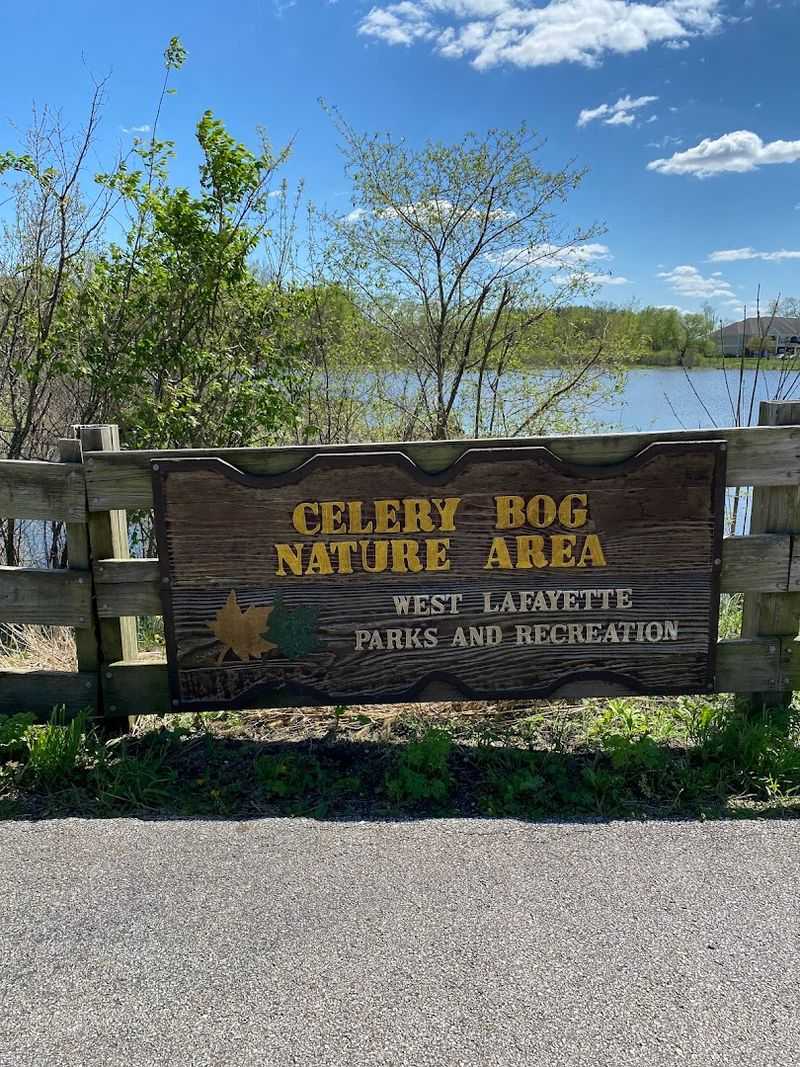
Not every nature trail feels like stepping into a living documentary, but the Celery Bog Nature Area in West Lafayette comes pretty close. Located at 1620 Lindberg Rd, West Lafayette, IN 47906, this spot sits on land that was once used to grow celery commercially.
That history alone makes it worth a visit.
The paved trail here is smooth and well-maintained, making it genuinely accessible for wheelchair users without much effort. You will roll or walk past open water, thick stands of cattails, and seasonal wildflowers that attract a surprising variety of birds.
Birders absolutely love this place, and it is easy to see why.
The trail connects to a boardwalk section that extends over the water, giving you views that feel almost surreal for a spot tucked inside a city. Keep your eyes open for great blue herons, red-winged blackbirds, and even the occasional fox along the edges.
The nearby Celery Bog Interpretive Center adds context to everything you see outside.
Parking is free and accessible spots are available close to the trailhead. The Purdue University campus is just minutes away if you want to extend your outing.
Spring and fall are especially magical here when migrating birds pass through and the landscape shifts colors dramatically. This trail rewards visitors who slow down and pay attention to the smaller details around them.
2. The Monon Trail (Carmel Section)

Few trails in Indiana carry as much energy and community spirit as the Monon Trail, and the Carmel section is one of the best stretches to experience.
Starting near 1000 1st Ave NW, Carmel, IN 46032, this portion of the trail winds through a beautifully developed corridor that feels more like a park than a former railroad line.
The surface is smooth asphalt throughout, wide enough for wheelchairs, strollers, and cyclists to share without any awkward maneuvering. Carmel has invested heavily in making this trail corridor welcoming, and it shows in every detail from the landscaping to the accessible restroom facilities along the route.
One of the best parts about this section is how much surrounds it. The Carmel Arts and Design District sits nearby, and you can easily roll off the trail to explore galleries and restaurants.
Bub’s Burgers and Ice Cream at 210 W Main St, Carmel, IN 46032, is a local favorite that makes a great post-trail stop.
The Monon Trail connects all the way south into Indianapolis, so ambitious riders can cover serious ground. Even a short out-and-back along the Carmel stretch delivers plenty of scenery, fresh air, and people-watching.
Seasonal events along the trail bring extra life to the path throughout the year. This is a trail you can return to again and again without ever getting bored.
3. White River Greenway
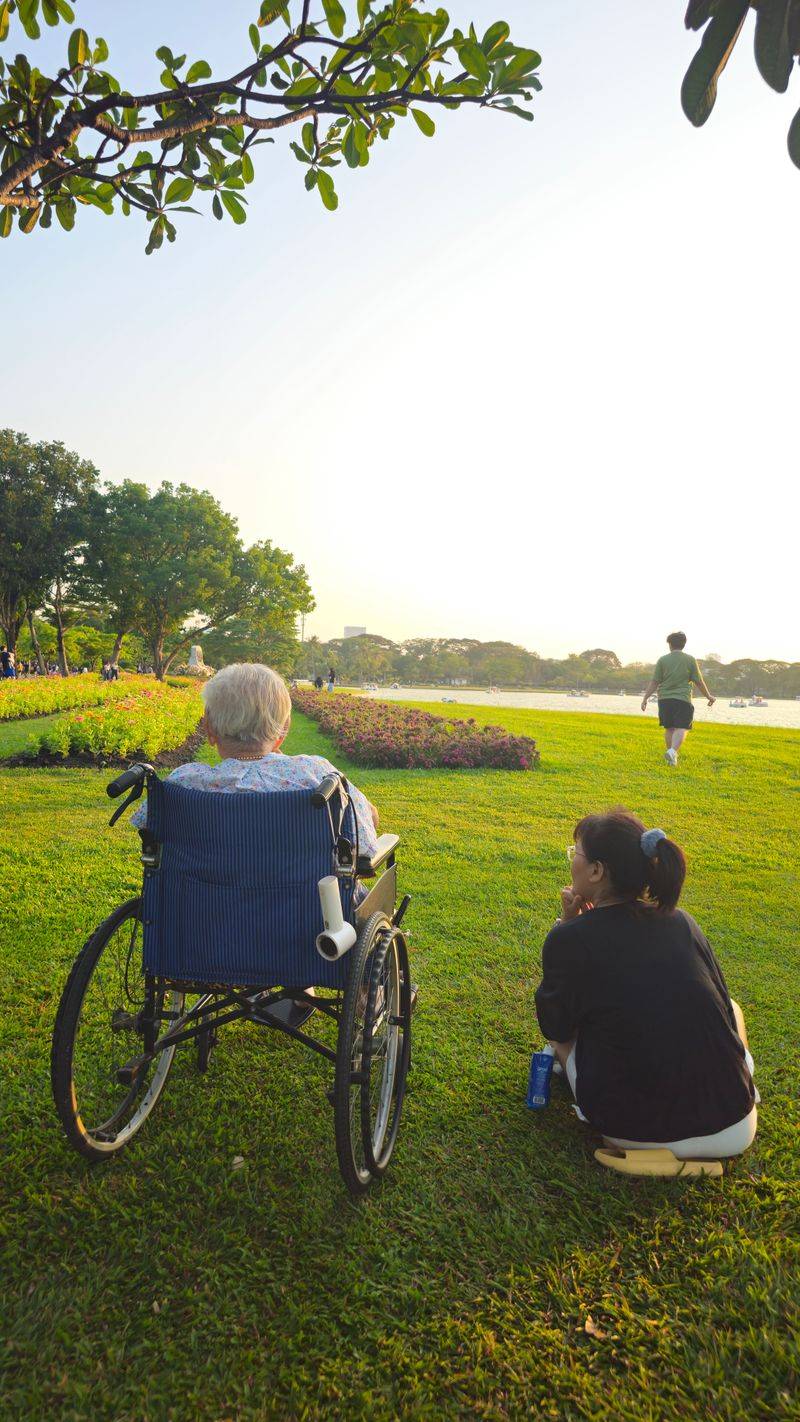
There is something deeply calming about walking or rolling alongside a river, and the White River Greenway in Indianapolis delivers that feeling in a big way. The trail begins near 801 W Washington St, Indianapolis, IN 46204, and follows the gentle curves of the White River through the heart of the city.
The paved surface is consistently smooth and flat in most sections, which makes it one of the more comfortable wheelchair-accessible options in the Indianapolis area. The greenway passes through a mix of natural riverbank scenery and urban parkland, giving you the best of both worlds without much effort.
You will find yourself near some of Indianapolis’s most beloved attractions as you travel this route. The Indianapolis Zoo at 1200 W Washington St, Indianapolis, IN 46222, is just a short distance away and offers its own accessible experiences.
The nearby White River State Park adds even more green space and cultural venues to explore.
Eiteljorg Museum of American Indians and Western Art at 500 W Washington St, Indianapolis, IN 46204, is another great stop close to the greenway. The combination of art, culture, nature, and river views makes this trail feel like a full day experience rather than just a walk.
Accessible parking is available at multiple points along the route. Early morning visits are especially peaceful when the river mist lingers low over the water.
4. Fort Harrison State Park (Harrison Trace Trail)
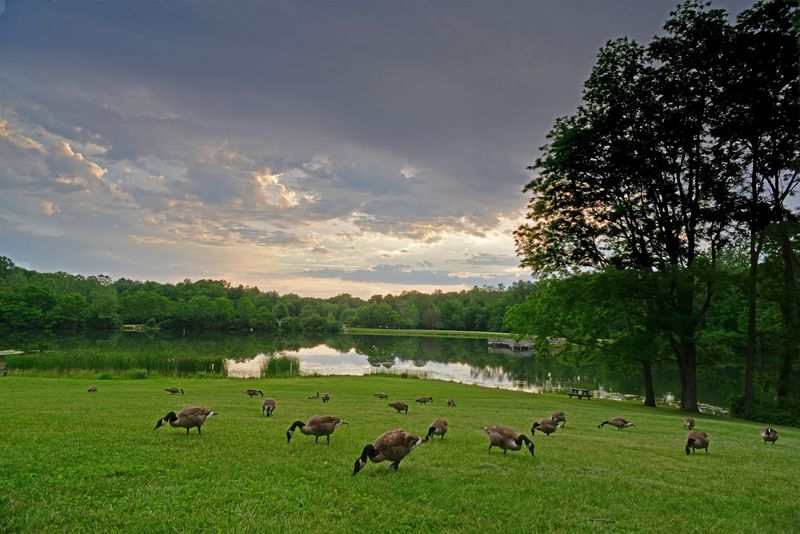
Fort Harrison State Park carries a fascinating military history, and the Harrison Trace Trail lets you explore it all on a smooth, paved surface. Located at 6000 N Post Rd, Indianapolis, IN 46216, this park was once an active Army base, and traces of that past are woven into the landscape you travel through.
The Harrison Trace Trail stretches about 3.2 miles of asphalt, passing through a stunning walnut plantation and alongside open meadows that bloom with wildflowers in spring and summer. The trail does include some gentle hills, so wheelchair users should know that a bit of effort is involved on certain sections.
Overall though, it remains one of the more scenic accessible trails in central Indiana.
Accessible restrooms are available at most parking areas along the route, which makes planning a longer visit much easier. The trail winds past the Sycamore Shelter and Shafter Picnic Area, both of which offer shaded spots to rest and take in the surroundings.
Wildlife sightings are common here, including deer, wild turkeys, and a wide variety of songbirds.
The park also features the Fort Harrison State Park Inn, a historic lodge that serves meals and offers overnight stays. Having a full-service inn inside a state park is a rare treat that makes this destination feel extra special.
Autumn is arguably the most dramatic season to visit when the walnut trees and surrounding hardwoods ignite with deep gold and amber color throughout the entire trail.
5. Indiana Dunes National Park (Portage Lakefront Trail)
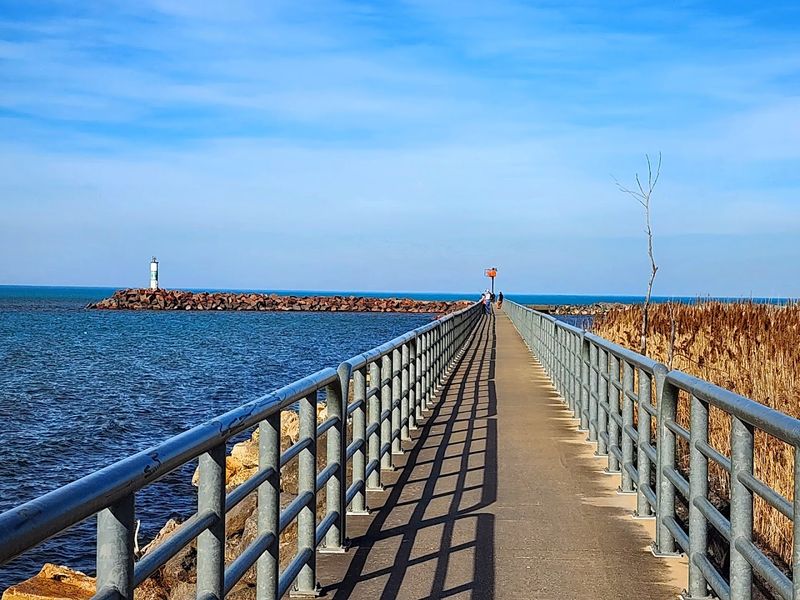
Indiana Dunes National Park is one of the most biodiverse national parks in the entire country, and getting to explore it on a smooth accessible trail makes the experience even more rewarding.
The Portage Lakefront and Riverwalk Trail near 1000 Riverwalk Dr, Portage, IN 46368, offers a paved route through this remarkable landscape where towering dunes meet the shores of Lake Michigan.
The views along this trail are genuinely breathtaking. You get glimpses of open water, sweeping dune formations, and rich plant communities that have adapted to this unique coastal environment.
The combination of lakeshore, wetland, and forest habitats packed into one park is hard to find anywhere else in the Midwest. Accessible parking and restroom facilities are available at the park’s visitor areas, and rangers are on hand to answer questions and share the park’s remarkable ecological story.
Did you know Indiana Dunes features a fully accessible pavilion with a beach overlook? The paved paths and flat wooden boardwalks allow wheeled visitors to experience the shoreline without getting stuck in deep sand.
It is a beautiful example of how nature can be shared by everyone equally.
6. Cardinal Greenway (Muncie Depot Trailhead)
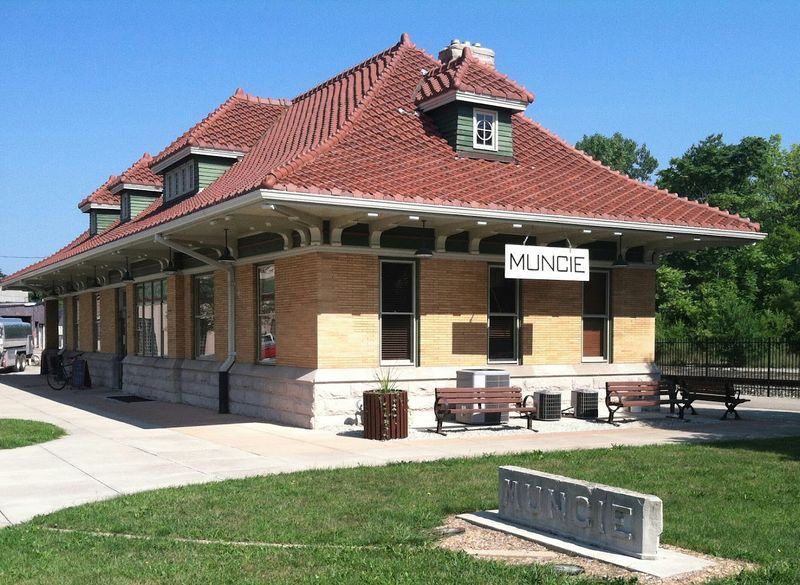
The Cardinal Greenway holds a special distinction as one of the longest rail trails in the entire Midwest, and the Muncie Depot Trailhead is one of the best places to access it.
Starting at 700 E Wysor St, Muncie, IN 47305, this trailhead sits in a beautifully restored historic depot that adds real character to your visit before you even hit the pavement.
The trail surface is paved and consistently flat, which makes it an outstanding option for wheelchair users, hand cyclists, and anyone who prefers a low-resistance surface.
The Cardinal Greenway stretches for miles through open farmland, small towns, and natural corridors that give you a genuine feel for Indiana’s heartland landscape.
Muncie itself has plenty to offer beyond the trail. The Minnetrista cultural campus at 1200 N Minnetrista Pkwy, Muncie, IN 47303, sits close by and offers gardens, galleries, and accessible grounds worth exploring.
The campus connects Muncie’s cultural history with its natural surroundings in a way that pairs perfectly with a greenway adventure.
Prairie Creek Reservoir is another nearby gem for nature lovers looking to extend their day outdoors. The Cardinal Greenway passes through several small towns along its route where you can stop for food, water, and local interaction.
Spring and early summer bring a lively soundtrack of frogs and birds to the trail corridor. This greenway genuinely captures the quiet, unhurried beauty that makes Indiana’s rural landscapes so easy to fall in love with over time.
7. Brown County State Park (Friends Trail)
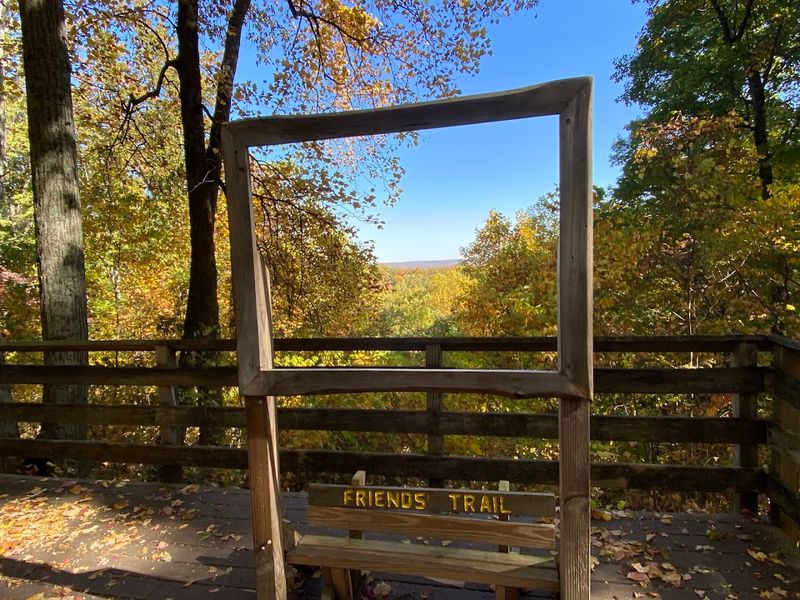
Brown County State Park has a reputation as the fall foliage capital of the Midwest, and the Friends Trail gives wheelchair users a genuine front-row seat to all of that seasonal glory.
Located at 1810 State Road 46 East, Nashville, IN 47448, this park is one of Indiana’s crown jewels, and the Friends Trail makes it reachable for visitors of all mobility levels.
The paved surface is smooth and well-graded, winding through a mature hardwood forest that feels ancient and alive at the same time. Tall oaks, maples, and tulip poplars form a canopy overhead that filters sunlight into golden shafts throughout the day.
Even outside of fall, the forest here has a moody, atmospheric quality that is hard to describe without experiencing it firsthand.
The trail connects to accessible picnic areas and restroom facilities within the park, making it easy to plan a full day outing. Wildlife is abundant here, including white-tailed deer, wild turkeys, and a rich variety of woodland birds that fill the trees with constant song.
The park’s saddle barn and nature center are also worth visiting during your trip.
The charming town of Nashville, Indiana, sits just outside the park entrance and is packed with local shops, art galleries, and restaurants. The Hob Nob Corner Restaurant at 17 W Main St, Nashville, IN 47448, is a beloved local spot serving hearty comfort food in a cozy setting.
This trail and town combination makes for a truly memorable accessible Indiana adventure worth planning well in advance.
8. Falls of the Ohio State Park
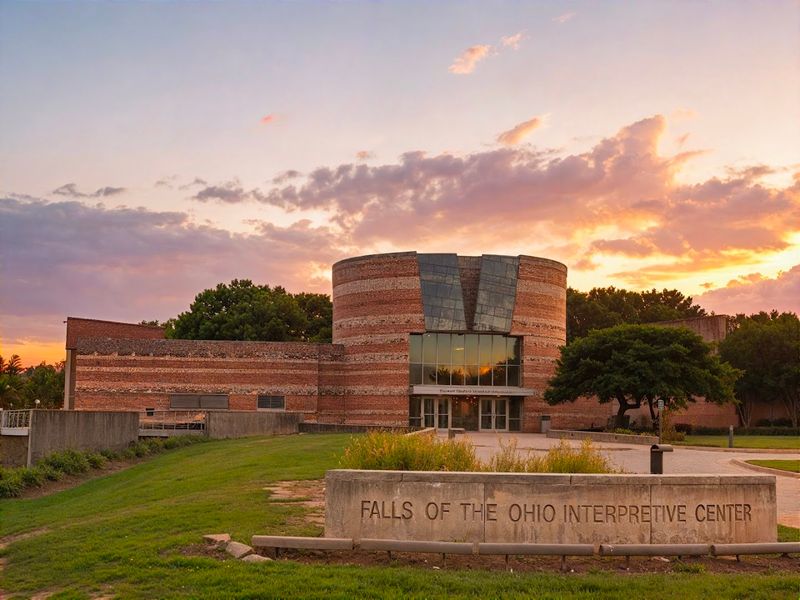
Standing at the edge of 390 million years of history is a pretty remarkable feeling, and Falls of the Ohio State Park makes that experience accessible to everyone.
Located at 201 W Riverside Dr, Clarksville, IN 47129, this park sits along the Ohio River and protects one of the largest exposed Devonian fossil beds in the entire world.
The paved trail here runs along the riverbank and connects key viewing areas throughout the park. The surface is flat and smooth, giving wheelchair users a comfortable and unobstructed path to explore the park’s most dramatic scenery.
The combination of ancient fossil outcrops and wide river views creates a backdrop unlike anything else in Indiana.
The Falls of the Ohio Interpretive Center serves as the heart of the park experience. Inside, you will find exhibits on the fossil beds, the river’s ecology, and the human history of this stretch of the Ohio River.
The center is fully accessible and provides essential context that deepens everything you observe outside on the trail.
Louisville, Kentucky, sits just across the river and is visible from several points along the path, adding an interesting urban contrast to the wild fossil landscape at your feet. The George Rogers Clark Homesite is nearby for history enthusiasts wanting even more context.
Visiting at low water in late summer or fall reveals more of the fossil beds than any other season. This park is genuinely one of Indiana’s most unique and underappreciated accessible outdoor destinations worth adding to your list immediately.
