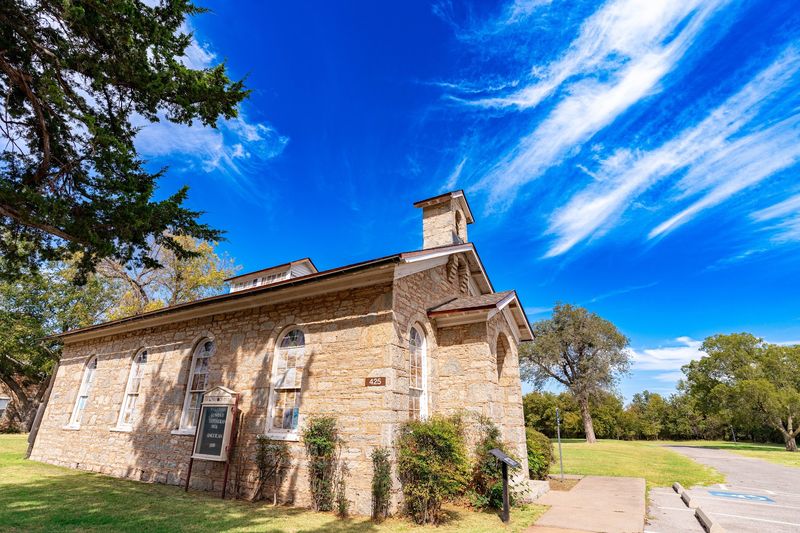
Some places look like nothing special from the road, just a few old stone buildings around a patch of green grass. Then you step inside one, and suddenly you are standing where soldiers worked, built, and lived more than 150 years ago.
That is exactly what happened on a quiet weekday drive through southwest Oklahoma, and the visit turned out to be one of the most surprising history lessons in the whole state. Best of all, it costs nothing to walk in, and the story behind those walls is bigger than most people ever guess.
A Frontier Post That Never Closed Its Gates
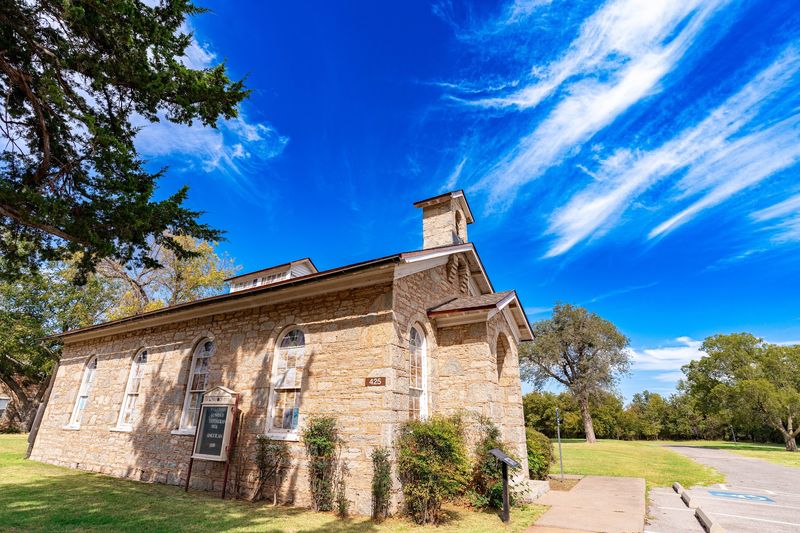
Picture a stone fort from the 1800s that never turned into a ghost town or a roped-off ruin. Soldiers still train there today, families still live in the old houses, and visitors can still wander the original grounds.
That rare combination is what makes Fort Sill so unusual.
Founded on January 8, 1869, the post is the last active Army installation among the frontier forts set up during the Indian Wars. It is also a National Historic Landmark, which means the government recognizes it as one of the most important historic places in the country.
Inside the base, the Fort Sill National Historic Landmark and Museum protects the oldest part of the post, known as the Old Post Quadrangle.
Here is a number worth remembering: 46 of the fort’s original buildings are still standing and still in use. The museum complex stretches across 38 buildings on 142 acres, so there is far more to see than a single display hall.
Visitors often describe it as a small museum with surprisingly deep history. For anyone who thinks Oklahoma’s past is only found in textbooks, this place makes a strong argument that it is still right here, holding up rooftops.
From Camp Wichita to Fort Sill
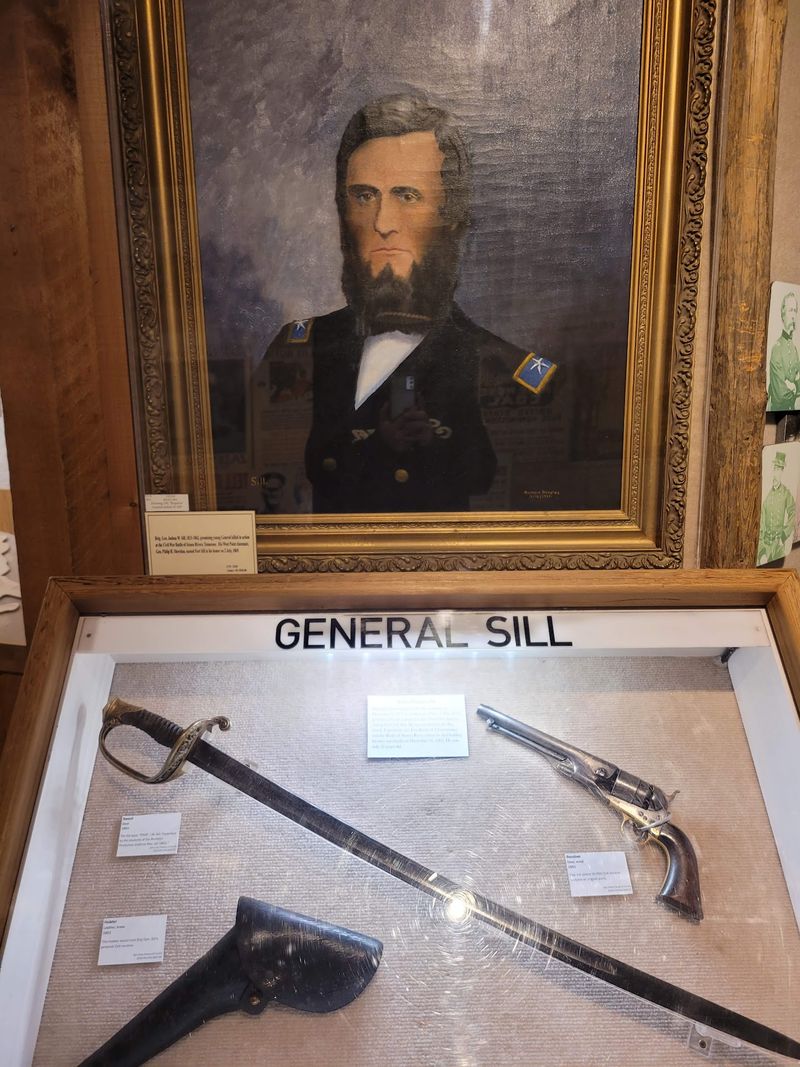
Names change, and this one did fairly quickly. When Major General Philip H.
Sheridan staked out the site in early 1869, soldiers called it Camp Wichita, a nod to the nearby Wichita Mountains. Before long, it was renamed Fort Sill to honor Brigadier General Joshua W.
Sill, a close friend of Sheridan’s who was lost during the Civil War.
Why build a fort here at all? After the 1867 Medicine Lodge Treaty, Southern Plains nations including the Comanche, Kiowa, and Apache peoples had been moved onto reservations in the area.
The Army was sent to keep watch over that land, but it was also expected to protect those same tribes from outlaws, squatters, and cattle rustlers who crept in looking for easy pickings.
That double role gives the fort’s history a complicated feel, and the museum does not shy away from it. Exhibits cover the military side, the social side, and the cultural side of life on the frontier.
A 20-minute film near the start offers a quick summary, and many visitors recommend watching it first. It helps the rest of the visit click into place, especially if the history of southwest Oklahoma is new to you.
Stone Walls Raised by the 10th Cavalry
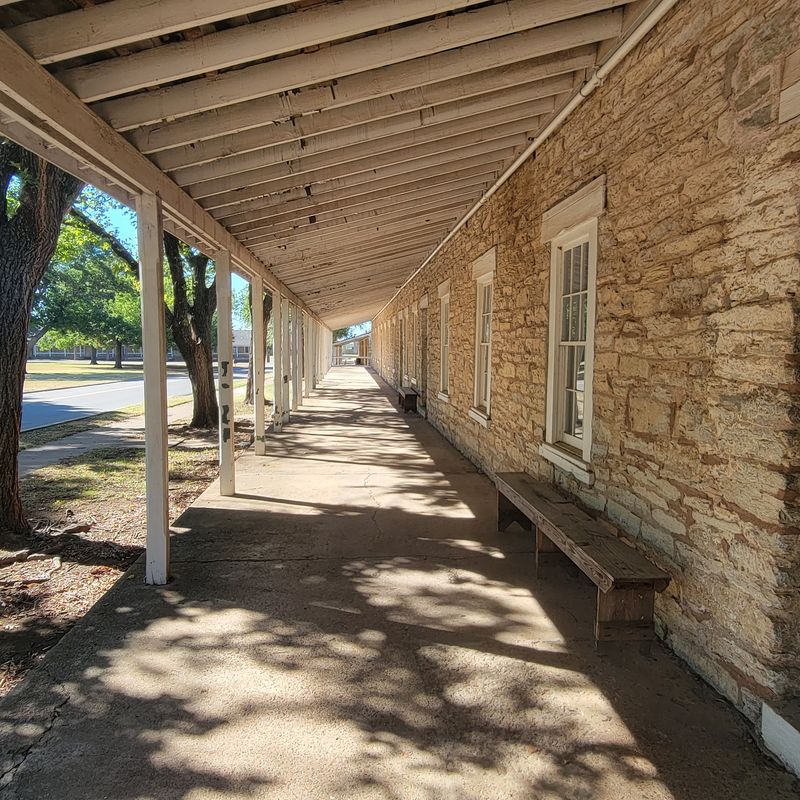
Every block of stone in the Old Post tells a story about who carried it. Fort Sill was built largely by the Buffalo Soldiers of the 10th Cavalry, one of the African American regiments Congress authorized in 1866 after the Civil War.
They were among the first Black professional soldiers in a peacetime American army.
Construction was only part of the job. These troopers protected settlers, guarded mail routes, strung telegraph lines, built roads, and took part in campaigns across the region.
Many of the sturdy buildings still lining the quadrangle came straight from their hands, which is a powerful thing to realize while standing on the porch of one.
Visitors frequently say the guides make the Buffalo Soldiers’ contributions easy to understand, and that the scale of their work comes as a real surprise. One grandparent noted the museum was a great spot for grandkids to learn about these men.
For Oklahoma families looking to share Black history with the next generation, few places offer something this tangible. You are not just reading about the regiment.
You are walking through rooms they framed and stacked, one heavy limestone piece at a time.
Flipper’s Ditch and a West Point First
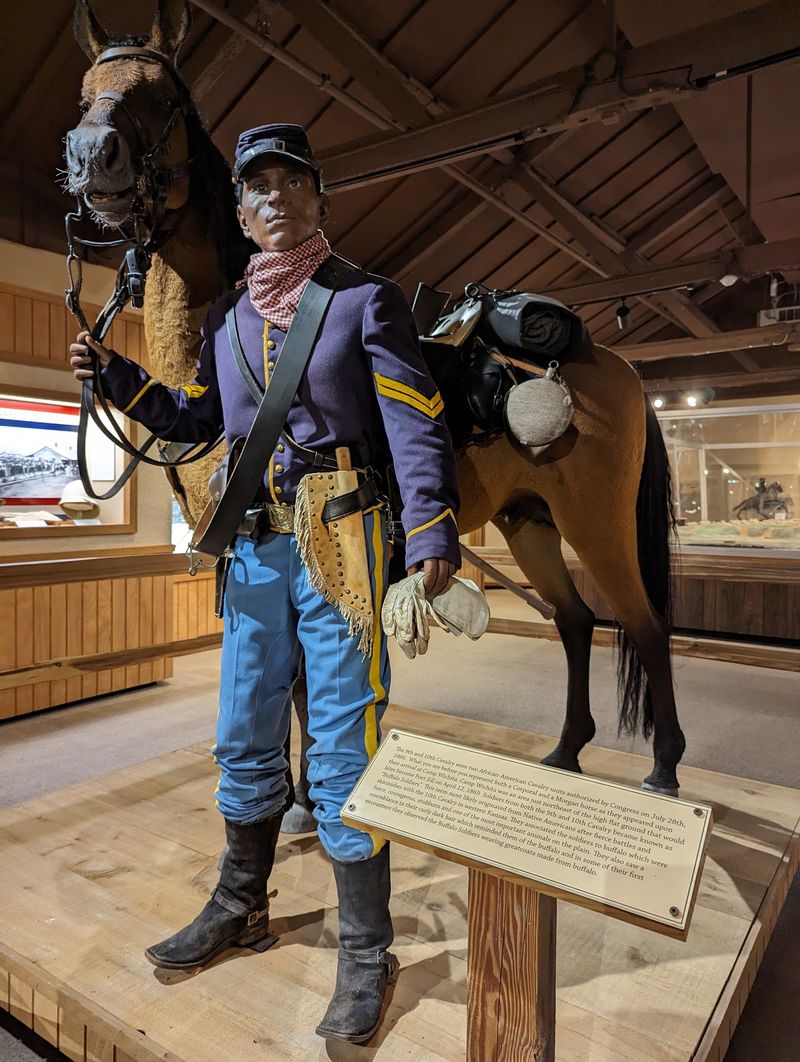
Mosquitoes were a serious problem on the early frontier, and one young officer decided to do something about it. Lieutenant Henry O.
Flipper, the first Black graduate of West Point, was stationed at Fort Sill with the Buffalo Soldiers. He noticed standing water was feeding malaria around the post.
His solution was an engineering project that soldiers came to call Flipper’s Ditch. The drainage system carried water away from low spots where mosquitoes bred, and it worked so well that it served the fort for nearly a century.
Not bad for a lieutenant fresh out of the academy.
Stories like this are part of what makes a trip here more than a stroll past old buildings. Flipper’s achievement reminds visitors that the Buffalo Soldiers brought skill, education, and problem-solving to the frontier, not just muscle.
Ask the friendly staff about him, since docents here are often praised for being knowledgeable and happy to share details.
Fun fact for the road: the ditch is sometimes mentioned in Army history circles as an early example of public health engineering in the West. That is a big legacy for a trench, and a bigger one for the man who designed it.
Chief’s Knoll and the Fort Sill Apache Story
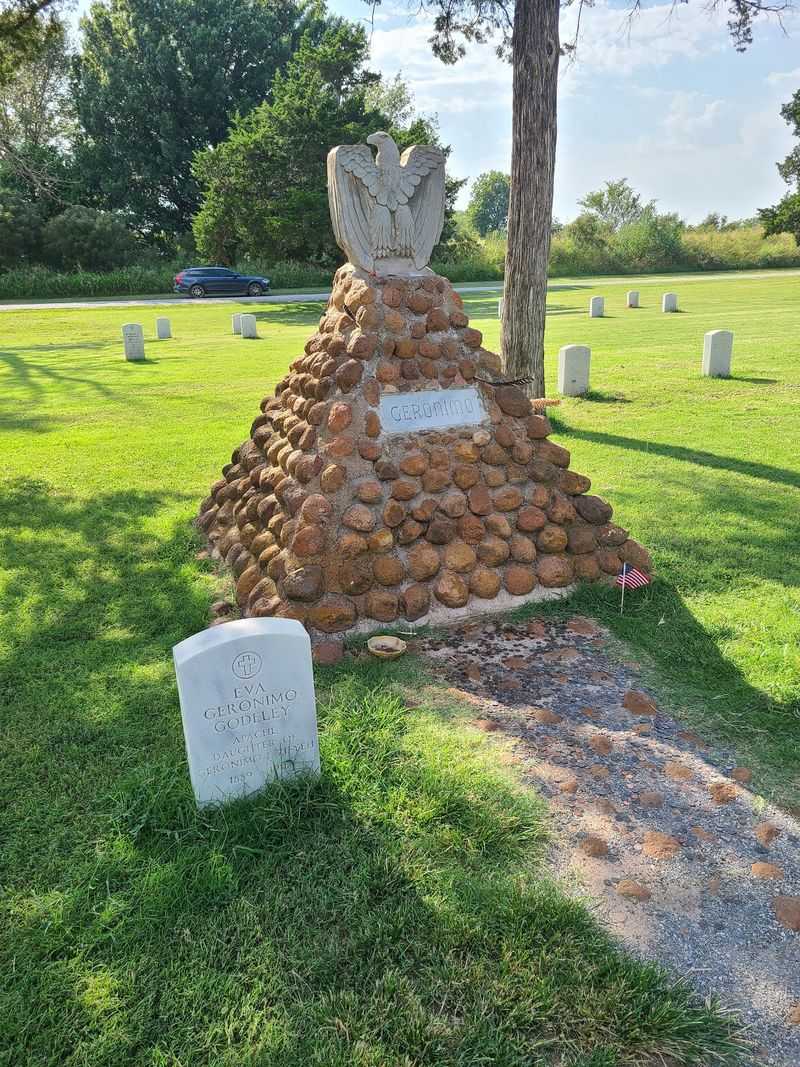
Quiet places sometimes hold the loudest history. The Post Cemetery at Fort Sill includes Chief’s Knoll, the resting place of Native American leaders such as Quanah Parker of the Comanche Nation and the Kiowa leaders Satanta and Satank.
Geronimo, the famous Chiricahua Apache leader, spent his final years at the fort and rests in the Apache cemetery on base.
The Chiricahua Apache, known today as the Fort Sill Apache Tribe, arrived in 1894 as prisoners of war. They had been promised land around the fort for settlement.
Visitors mention the Apache grave site honoring those held after the Geronimo campaign of 1886, and many say it is a moving part of the day.
The fort also once housed a boarding school, where children from Comanche, Apache, Caddo, Kiowa, Delaware, Wichita, and Navajo families were schooled, often after being separated from their homes. These are living nations with members across Oklahoma today, and their stories deserve care.
Directions can be tricky on a large base, so ask a docent how to reach the cemeteries. Visitors who did so say it saved plenty of wandering.
Cavalry Barracks, Old Chapel, and Outdoor Cannons
Start with the diorama. Longtime visitors suggest heading to the main building first and studying the model of the post to get your bearings before exploring on foot.
The quadrangle is still woven into daily base life, with officers living in the old homes around the parade field, so a little orientation helps.
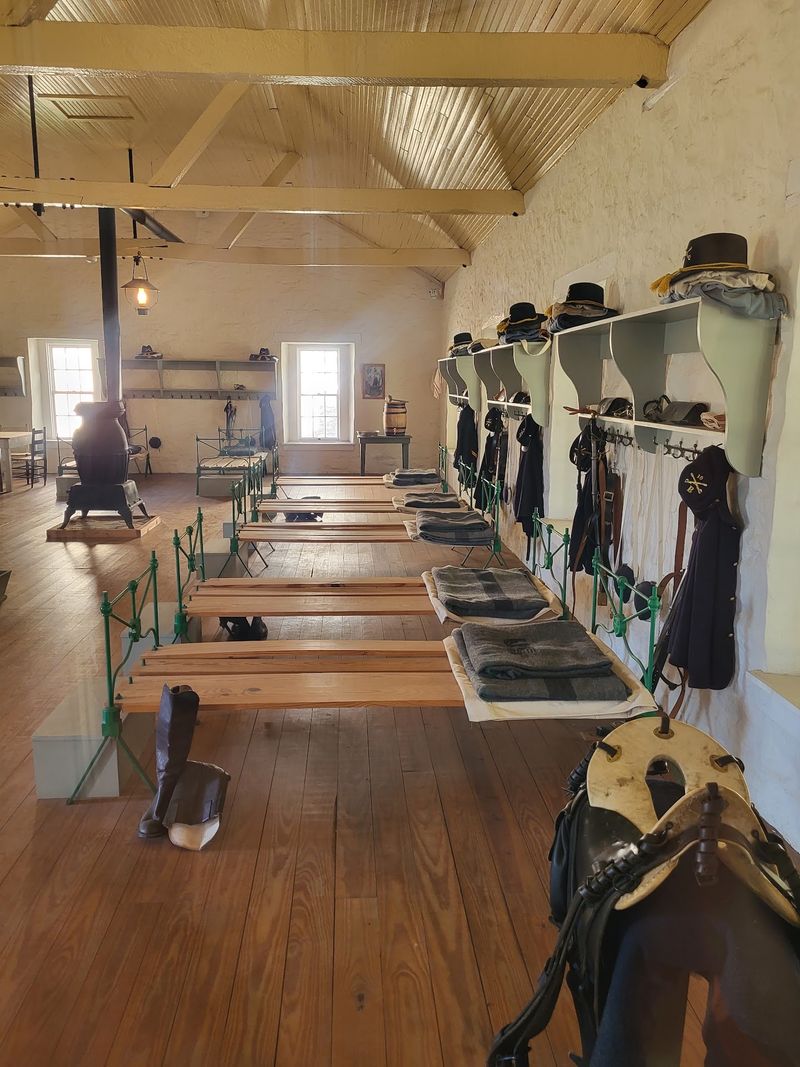
A favorite stop is the old cavalry barracks, arranged to look the way it did around 1890 to 1900. Rows of bunks and gear make it easy to imagine troopers shaking off a long day in the saddle.
Nearby, the Old Post Chapel has held services continuously since 1875, which is an impressive streak by any measure.
Do not judge by the exteriors, either. One visitor admitted the buildings look a bit rough outside but said the history inside was well worth it.
A free audio tour, accessed by cell phone, lets you stroll the quadrangle at your own pace.
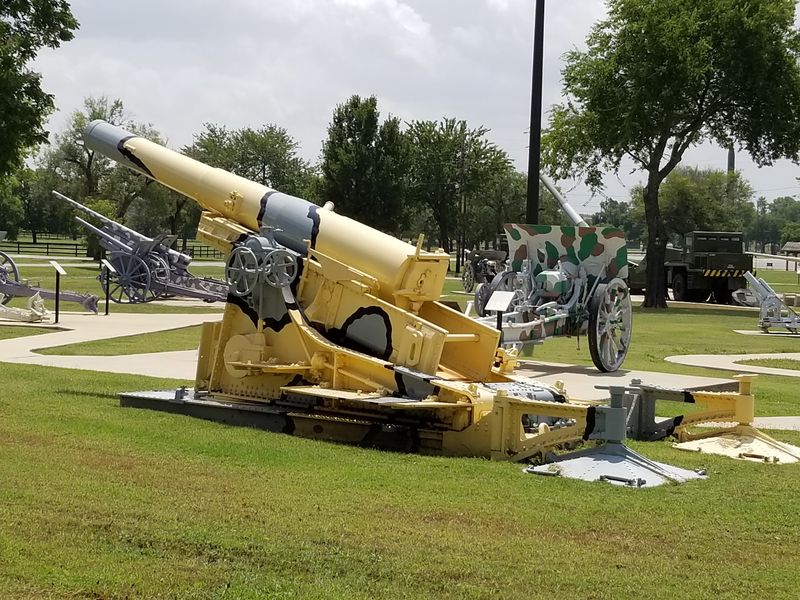
Just down the way, the U.S. Army Field Artillery Museum displays historic pieces from pre-Revolutionary times to today.
Its outdoor lawn exhibits come with clear placards, and history fans say you could easily spend a full day at each spot.
Visitor Passes, Hours, and Getting On Base
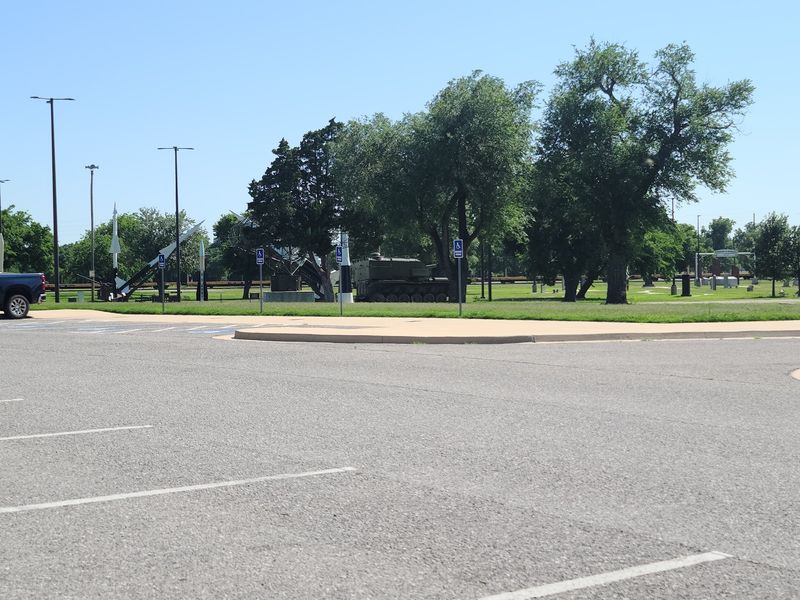
Here is the catch most first-timers do not expect: this museum sits on an active Army base. The Fort Sill National Historic Landmark and Museum is at 435 Quanah Rd in Lawton, about three miles north of town and roughly 90 minutes from Oklahoma City.
Anyone 16 or older needs a visitor pass from the Visitor Control Center. That means filling out FS Form 118a and clearing a background check, so bring a valid ID and allow extra time.
Department of Defense cardholders can escort guests.
Admission is free, and there is a donation box for anyone who wants to chip in. Current listings show hours of Tuesday through Friday, 10 a.m. to 4 p.m., closed weekends and Mondays, though some sources list Saturday hours, so calling ahead at 580-442-5123 is smart.
One family driving two hours wished for Saturday openings. The museum also closes for Thanksgiving, Christmas, and New Year’s.
Government shutdowns have closed indoor exhibits before, though the gift shop and outdoor displays stayed open. Summer heat and spring storms are real in southwest Oklahoma, so plan walking time accordingly and pack water.
Worth the Drive for Curious Families
Free history, friendly staff, and buildings raised by the Buffalo Soldiers themselves. That trio is hard to beat on an Oklahoma day trip.
The most common regret visitors share is simply not budgeting enough time, which says plenty.
Families attending basic training graduations often slip in a visit, and grandparents mention planning return trips with the grandkids. History lovers tend to linger for hours, while younger kids usually enjoy the barracks and the outdoor artillery lawn most.
Rucker Park on base offers picnic space and room to run if little legs need a break.
Want to round out the weekend? The Comanche National Museum and Cultural Center in Lawton is also free, and it adds an important Comanche perspective to everything you just saw.
The Museum of the Great Plains charges about $8 for kids 3 to 12 and $10 for adults, with $9 for seniors and military. The Wichita Mountains Wildlife Refuge Visitors Center sits close by too.
Bottom line, this is the kind of place that rewards a little planning with a lot of meaning. Get the pass sorted, check the hours, and give yourself a full afternoon.
