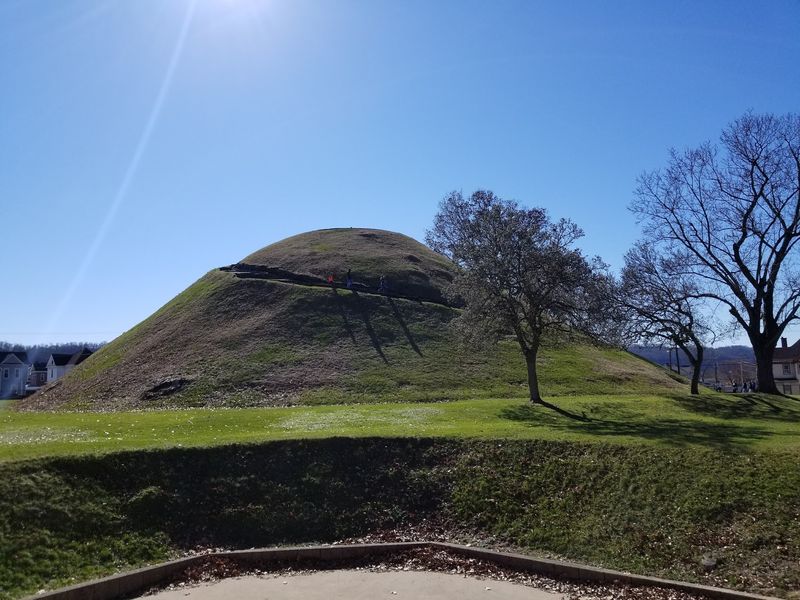
Some places in West Virginia hide their biggest secrets in plain sight, sitting quietly beside everyday streets while holding stories older than the state itself. Picture a grassy rise, taller than a five-story building, shaped entirely by hand a couple thousand years ago.
It’s the kind of spot you might drive past without a second glance, only to discover it’s one of the most remarkable ancient monuments in the whole country. Curiosity gets the better of you, and before long you’re standing at the base, wondering just how such a thing came to be.
A Giant Hiding In Plain Sight In Moundsville
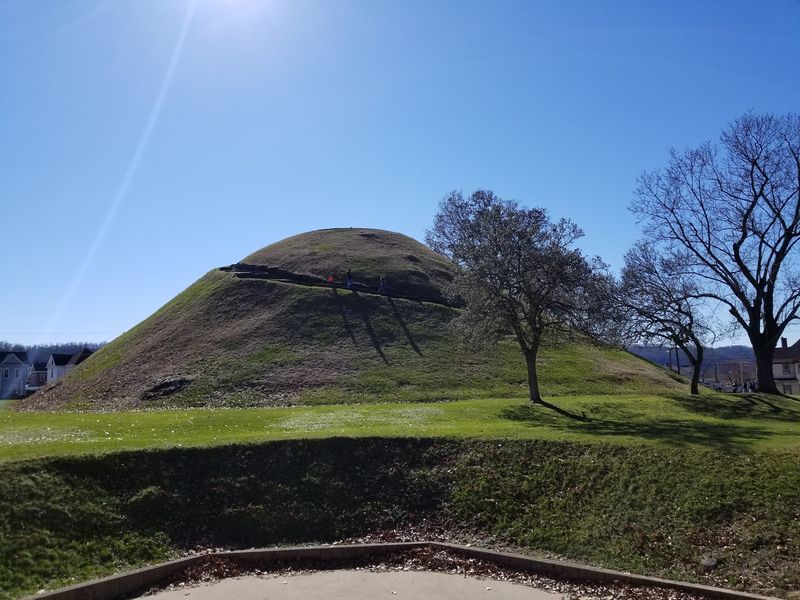
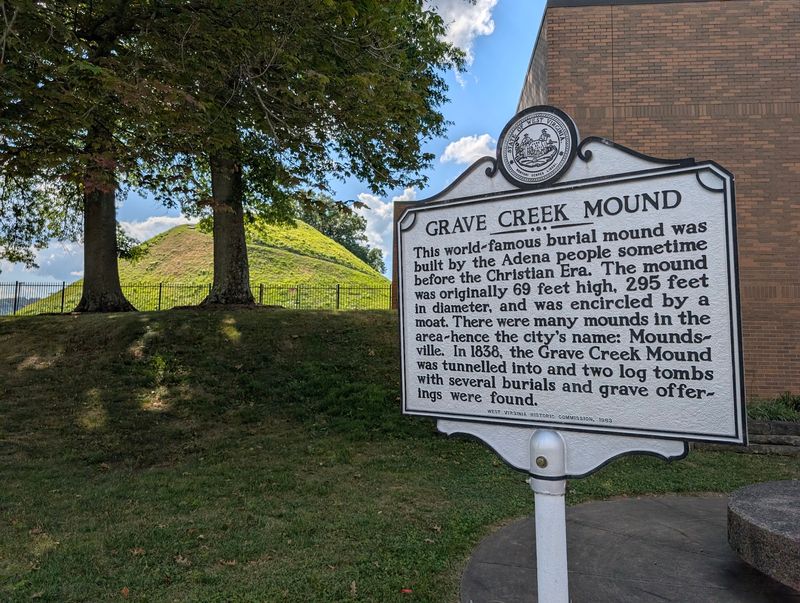
Right in the heart of Moundsville sits a hill that isn’t a hill at all. It’s a hand-built earthen mound raised by the Adena people more than 2,000 years ago, and it counts among the largest conical burial mounds in the entire United States.
Standing roughly 62 feet high and 240 feet across at its base, the monument towers over the surrounding neighborhood in a way photographs never quite capture. Visitors often mention how the size only truly sinks in once you’re standing beside it in person.
Alongside the mound sits an interpretive museum that fills in the human story behind the earthwork. The whole site works as a rare window into ancient Native American life along the Ohio River, folded neatly into a working West Virginia town.
What makes it feel special is the contrast. Ordinary streets, ordinary rooftops, and then this enormous relic of a vanished civilization rising up in the middle of it all.
Few landmarks in the Mountain State manage to feel this humble and this monumental at the very same time.
The Adena People Who Shaped The Earth
Long before roads crossed these hills, a society archaeologists call the Adena lived and thrived across the Ohio Valley. They flourished during the Early Woodland Period, roughly 2,000 years ago, and left behind hundreds of earthen mounds scattered throughout the region.
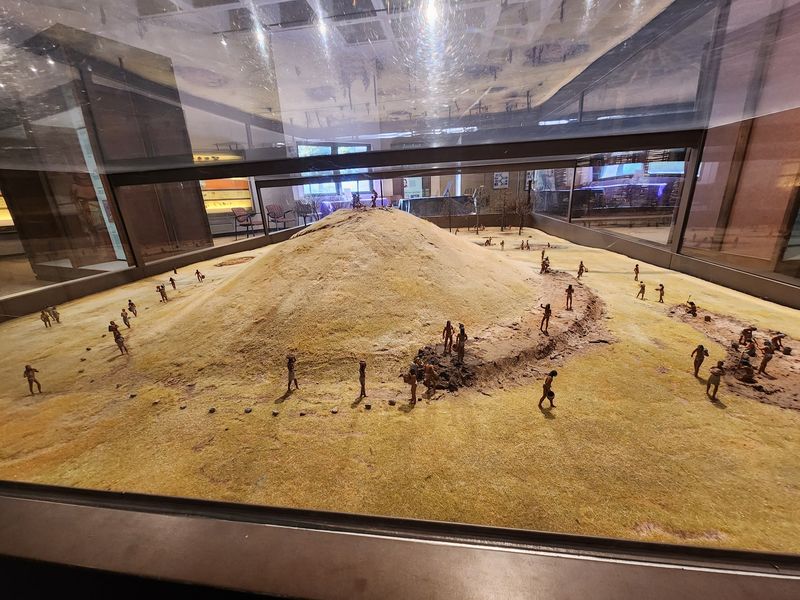
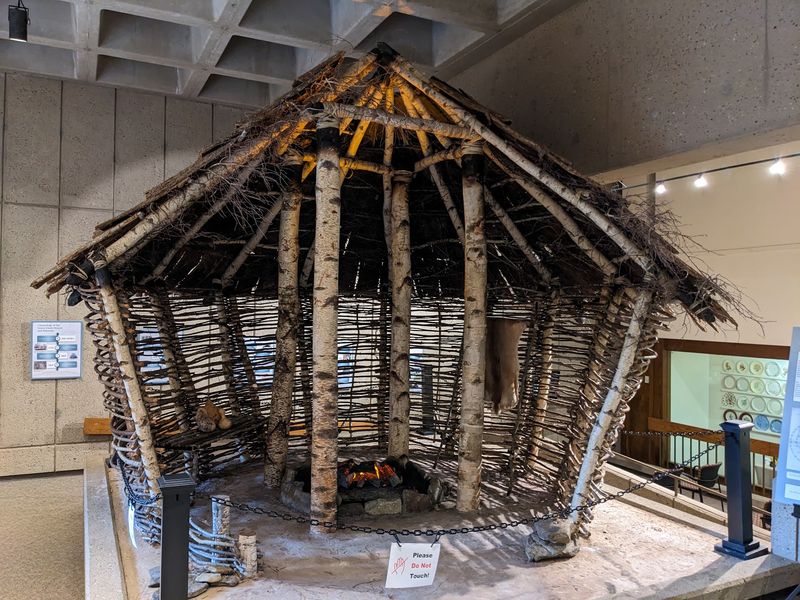
The museum at the site does a wonderful job explaining who these builders were. They were hunters and gatherers who organized enormous communal projects, moving staggering amounts of soil one woven basket at a time.
Consider the patience involved. The great mound here grew over generations, added to in stages that may have spanned a century or more.
That kind of long-term devotion tells you these people held the place sacred.
For all their engineering skill, the Adena were ordinary in stature, not the mythical giants that later legends imagined. Visitors who wander the exhibits often come away surprised by how sophisticated and organized this culture really was.
Reviewers frequently point out how much they learned about the Adena civilization here, saying the displays gave real depth and meaning to what could have been just a big pile of dirt.
Two Thousand Years In The Making
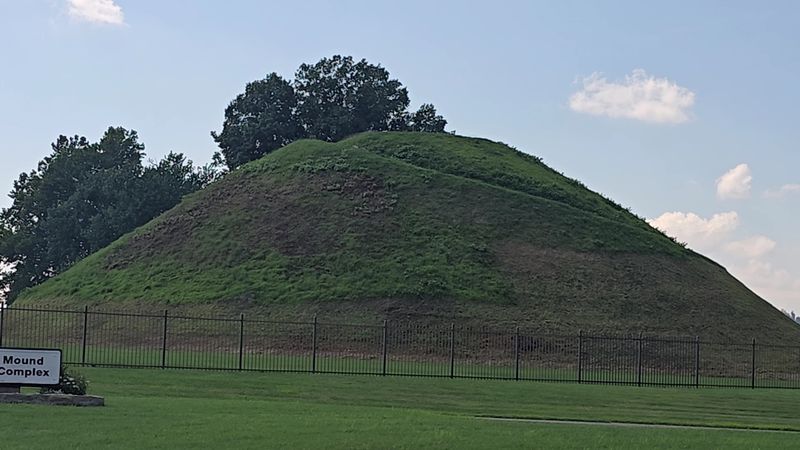
Try to wrap your mind around the timeline here. Construction on the great mound reportedly began around 250 B.C. and continued in careful stages until roughly 150 B.C., meaning families worked on it across many lifetimes.
Estimates suggest builders moved somewhere between 57,000 and 60,000 tons of earth to complete the structure. Every ounce of it arrived by human effort, hauled without wheels, carts, or metal tools of any kind.
The mound once stood even taller than it does today, reaching close to 69 feet with a base around 292 feet wide. Centuries of weather and human interference gradually reduced it to its current dimensions.
A wide ditch, or moat, originally encircled the base, complete with at least one causeway crossing it. Details like these hint at a landscape planned with ceremony and intention rather than raw practicality.
Many guests describe feeling humbled once they grasp the sheer scale of the labor. Pictures, as one visitor put it, simply cannot convey the effort it took to raise a monument this immense entirely by hand.
Climbing The Steps To The Summit
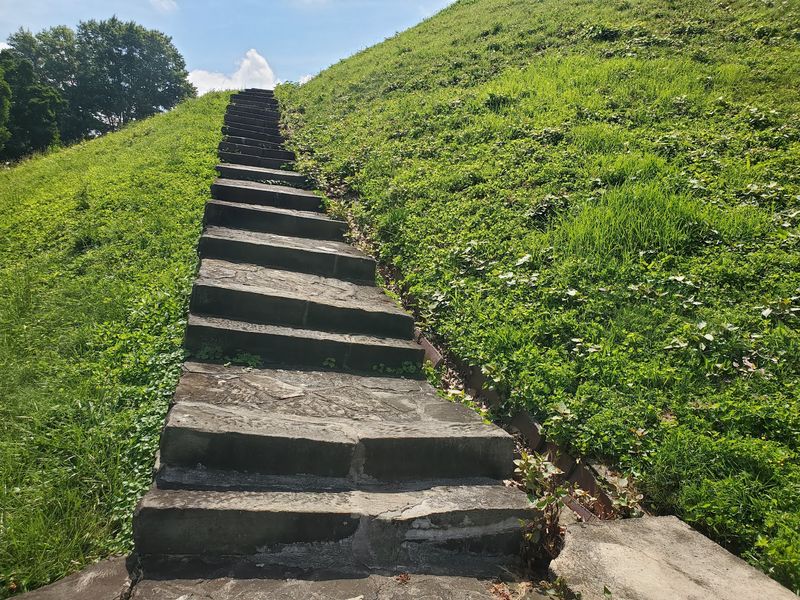
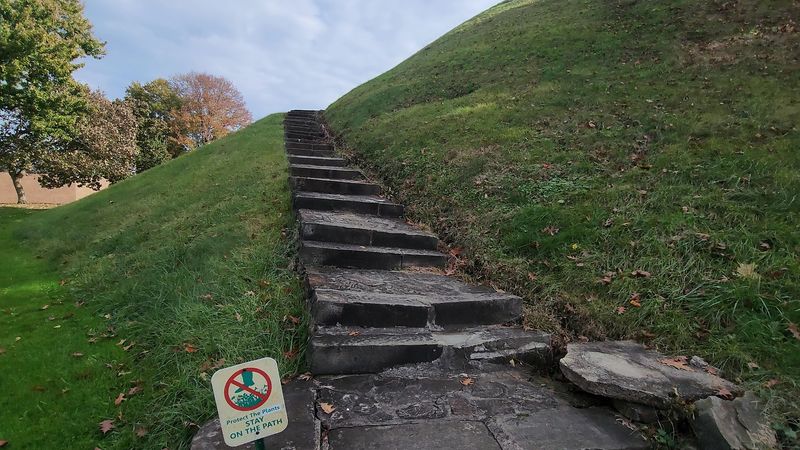
Here’s a treat few ancient sites offer: you can actually walk to the top. A set of stone steps winds up the grassy slope, and reaching the summit rewards you with a sweeping view of Moundsville and the surrounding countryside.
Regulars mention the climb is a bit of a workout. The steps are old stone pieces, repaired several times over the years, and they can feel tiring and uneven, especially since there’s no railing to lean on.
A low stone wall waits near the top, giving climbers a spot to catch their breath and take in the scenery. Several visitors warn that it gets quite windy up there, so hold onto your hat.
Many appreciate that the builders used natural stone rather than concrete, since it keeps the mound feeling authentic rather than modernized. That choice preserves the sense that you’re touching genuine history underfoot.
Steady footing is strongly recommended for the ascent. The trail sometimes closes during snowy or icy weather for safety, so it pays to check conditions before you plan on making the climb.
The Museum That Sparks Curiosity
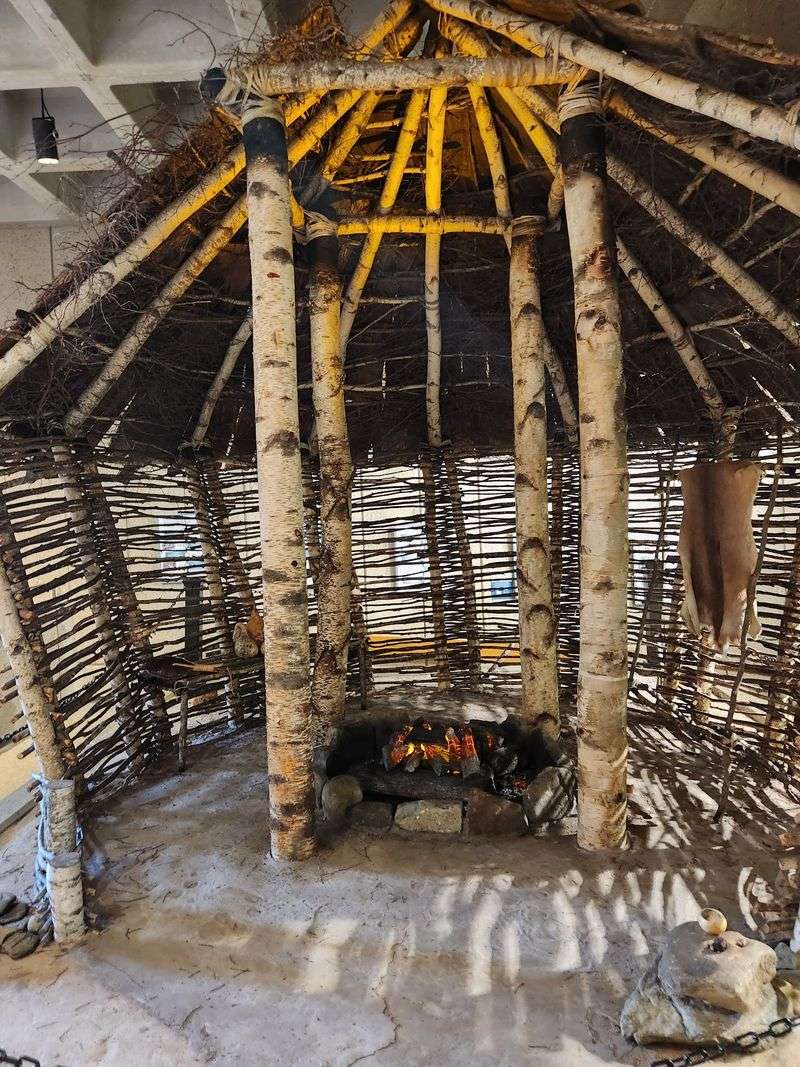
Step through the doors of the Delf Norona Museum and you’ll likely stay longer than you planned. Guests routinely admit the space is far bigger inside than they expected from reading about it online.
The exhibits walk you through how the mound was formed and who built it, weaving in the broader story of the region across the ages. A good museum, as one visitor beautifully put it, sparks interest where none existed before, and this one does exactly that.
Displays are thoughtfully organized, helping the whole tale of the Adena and the Ohio River valley unfold in a way that clicks. Newcomers to archaeology and lifelong history buffs alike tend to leave impressed.
Best of all, admission is free, a detail that pops up again and again in visitor comments. Free history of this quality feels like a genuine gift for families watching their budgets.
You can walk straight from the museum entrance out to the mound itself, making the visit flow naturally. Many suggest touring the exhibits first, then climbing, so you understand exactly what you’re looking at.
Artifacts And Unexpected Treasures Inside
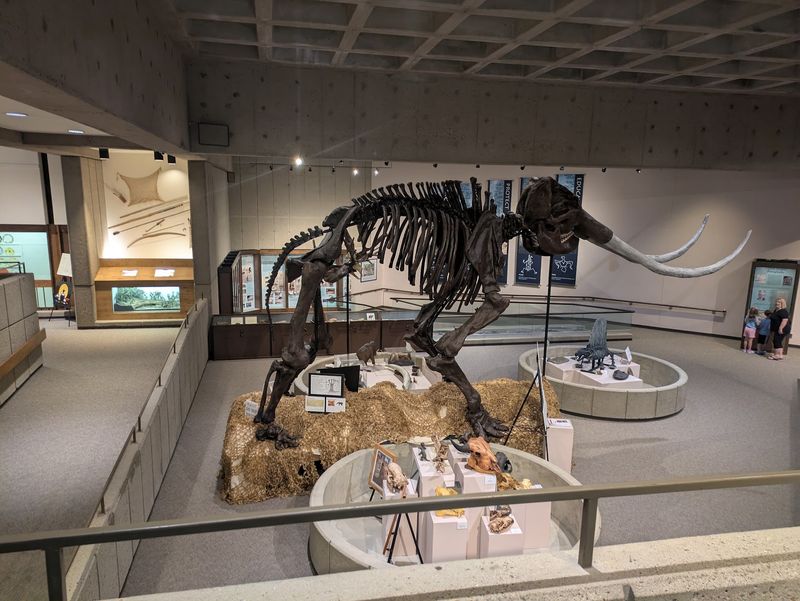
Not everything on display comes from the Adena, and that’s part of the fun. Alongside genuine archaeological finds, the museum surprises guests with rare curiosities, including dinosaur bones and skeletons that catch families off guard.
The early excavations of the mound back in 1838 uncovered burial chambers holding seashells, copper beads, and bracelets. Artifacts like these offer real glimpses into Adena craftsmanship and their spiritual beliefs.
Exhibits branch out into local West Virginia stories too. Visitors mention displays on glassware, the beloved Marble King exhibit, and the area’s proud tradition of glass artistry, all tucked into the same building.
One reviewer described the visitor center as a mini museum packed with treasures, praising how it captured what life was like for Native Americans and early settlers of the 1700s and 1800s.
With more than twenty mentions of artifacts and two dozen nods to the exhibits, it’s clear these collections leave a mark. Curious minds of every age find something here worth lingering over, from ancient relics to regional oddities.
Friendly Local Guides Who Know Their History
Warmth greets you the moment you walk in. Time and again, guests single out the staff, describing hosts who welcome them like old friends and walk them through the displays without ever rushing.
One visitor fondly recalled a local staff member named Rose, calling her one of the favorite memories of the entire trip. Her pride in her home state and deep knowledge turned a quick stop into a lingering afternoon.
These are folks who share the history the way only lifelong residents can. Several travelers say the guides pointed them toward other places nearby they’d never have discovered otherwise, stretching a single visit into new adventures.
The unhurried, personal attention seems to be a hallmark here. Guests who normally breeze through attractions found themselves staying far longer, drawn in by the enthusiasm of the people behind the desk.
That kind of hospitality is exactly what our West Virginia small towns do best. It transforms an educational stop into something genuinely heartwarming, the sort of encounter you talk about long after you’ve headed home down the road.
The Rocky Road The Mound Survived
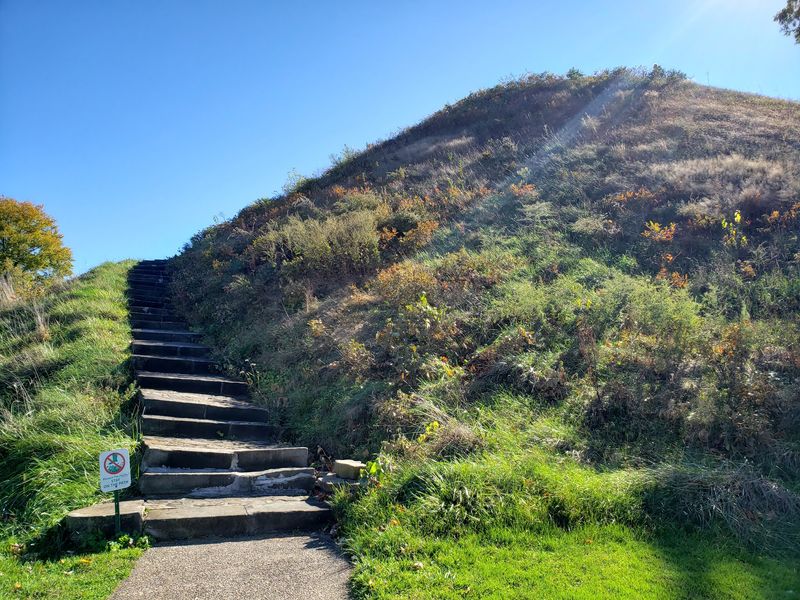
The mound’s journey through recent centuries reads like a survival story. When European settlers arrived, the valley was dotted with mounds, yet this great one is the only survivor, likely the largest of them all.
Its two burial chambers were dug up long ago by people hunting for loot, damaging the interior in the process. The museum lays out this full and fascinating tale for anyone willing to read it.
Over the years the site suffered strange indignities. According to accounts detailed on-site, it was turned into a short-lived curiosity museum, then a failed gathering hall, even a dance floor, while a massive prison rose right beside it.
Thankfully, government preservation efforts eventually stepped in to protect what remained. Proper archaeological study followed, and the modern museum grew from that renewed respect for the monument.
Learning this history gives the visit real weight. Guests often say the story of hardship and rescue deepens their appreciation, reminding everyone how easily irreplaceable heritage can slip away and how fortunate we are that this one endured.
The Charming Gift Shop Worth Browsing
Before you leave, the little gift shop deserves a few minutes of your time. Nearly every visitor mentions it, and the word that keeps coming up is affordable, which always pleases a crowd watching its pennies.
Shelves hold a delightful mix of local goods. Shoppers describe gorgeous glass pieces, sparkling gemstones, jars of honey and jam, and a solid selection of books about regional history.
The staff here earn praise too, with guests noting the sales folks are just as friendly and helpful as everyone else on-site. Browsing feels relaxed rather than pushy.
It’s the kind of spot where you can pick up a genuinely unique souvenir instead of the usual mass-produced trinkets. Several travelers walked away with treasures they hadn’t expected to find.
Supporting the shop also helps sustain a free attraction, which feels like a fair trade for such a memorable stop. Grab a keepsake, flip through a local book, and you’ll carry a little piece of West Virginia’s ancient past home with you.
A Curious Neighbor Across The Street
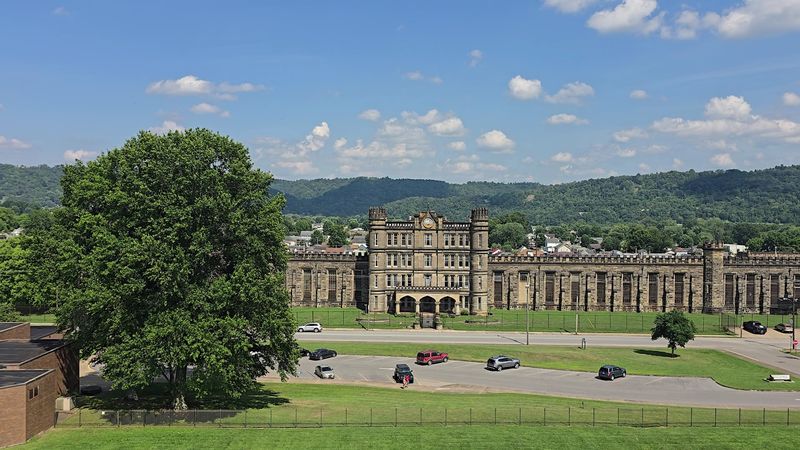
Glance across the street and you’ll spot a striking companion to the mound. The former West Virginia State Penitentiary looms nearby, an imposing stone landmark that visitors find impossible to ignore.
Many folks pair the two stops in a single trip. Some take the guided tour of the old prison, while others simply stroll the grounds outside, which is permitted and costs nothing.
The contrast is remarkable. On one side, a sacred monument raised by ancient hands; on the other, a hulking relic of the state’s more recent past, both packed into a compact stretch of Moundsville.
Guests often describe the penitentiary as cool-looking and unexpectedly memorable, an extra layer of history they hadn’t planned on exploring. It rounds out the day nicely for anyone hungry for more.
Together they make Moundsville a surprisingly rich destination for such a small town. You could easily fill an afternoon wandering between them, marveling at how two utterly different eras ended up as next-door neighbors along the same street.
Planning Your Visit And Getting There
Good news for the budget-conscious: admission is completely free, a point that thrills nearly everyone who stops by. That makes this one of the most rewarding low-cost outings in the region.
The site welcomes guests Tuesday through Saturday, from 9 AM to 4:30 PM. It stays closed on Mondays and Sundays, so plan your trip for the middle or end of the week.
You’ll find it at 801 Jefferson Ave, Moundsville, WV 26041, sitting right in town and easy to reach by car. Parking is handy, and the visitor center greets you as soon as you arrive.
Wear comfortable shoes with good grip if you intend to climb the mound, since the stone steps demand steady footing. Keep in mind the trail may close during snowy or icy stretches.
A typical visit runs a couple of hours, though friendly staff and rich exhibits have a way of stretching that out. For those short on time, the museum alone offers plenty, and the climb is entirely optional.
Why This Ancient Wonder Stays With You
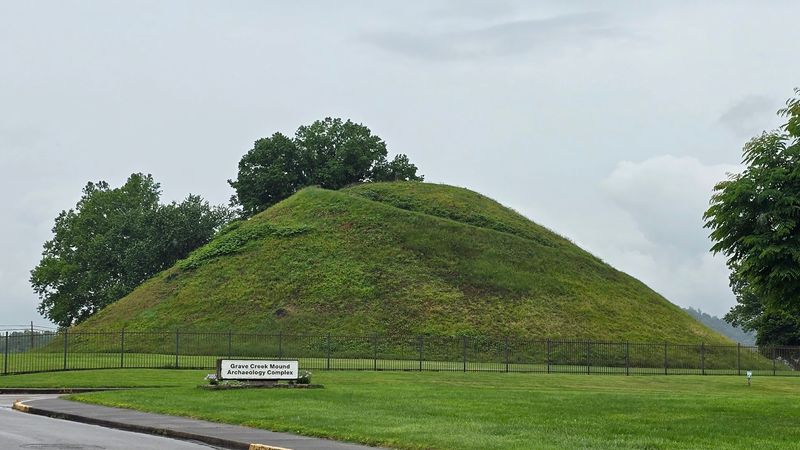
Some stops fade from memory within a day, but this one tends to linger. There’s something about standing atop earth that human hands piled up 2,000 years ago that reshapes how you see the land around you.
Guests describe the whole experience as awe-inspiring, a rare chance to literally feel preserved history beneath their feet. Even self-described history nerds admit the site blew away their expectations.
It suits just about everyone. Families stretching their legs, curious kids, retirees soaking up local heritage, and travelers hunting for free, meaningful stops all find something here to treasure.
The blend works so well because it never feels stuffy. Friendly guides, an engaging museum, a climbable monument, and a charming shop combine into an afternoon that’s both educational and genuinely fun.
If you find yourself anywhere near the northern panhandle of West Virginia, this quiet giant earns a place on your list. It’s proof that the Mountain State’s greatest wonders sometimes wait patiently in the most ordinary of places, ready to surprise anyone who stops to look.
